
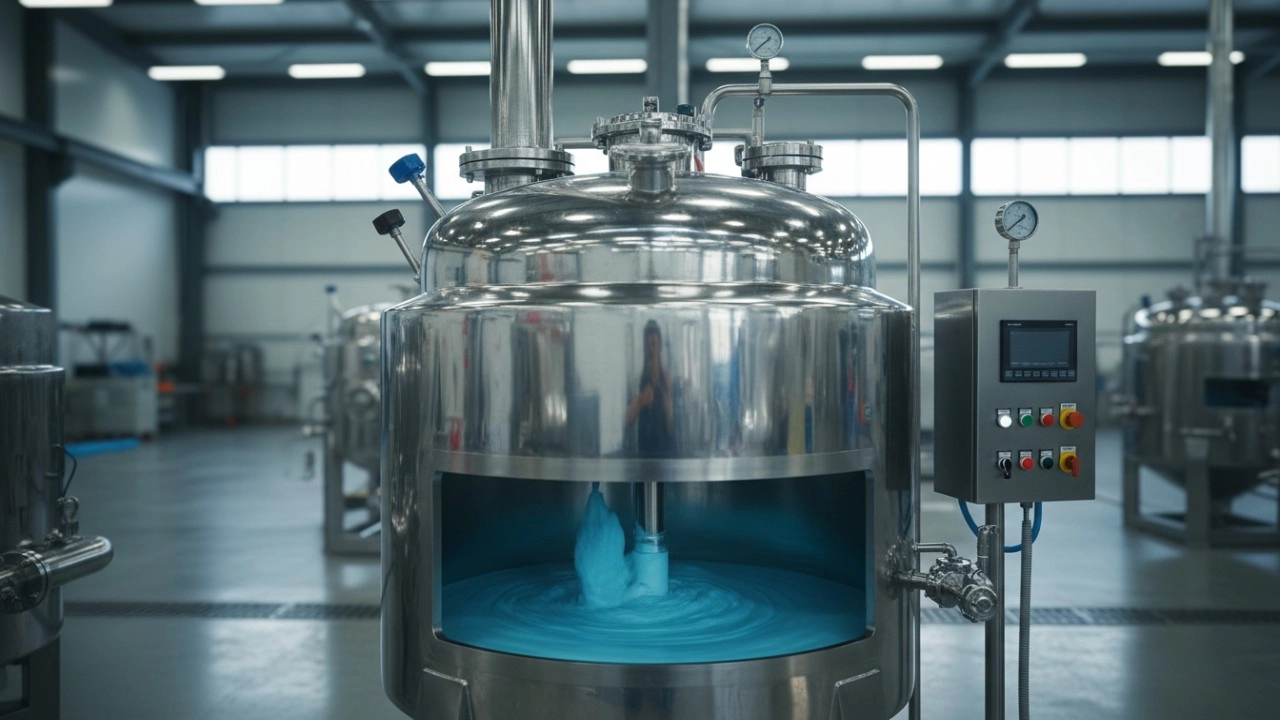
What instrumentation is essential on a mixing tank with agitator?
- Understanding Mixing Tanks with Agitators in Cosmetic Equipment Manufacturing
- 1. What Are Mixing Tanks with Agitators?
- 2. What Types of Agitators Are Suitable for Cosmetic Applications?
- 3. What Essential Instrumentation Should Be Included?
- 4. How Do Jacketed Tanks Enhance Processing Efficiency?
- 5. What Are the Maintenance Best Practices for Mixing Tanks?
- 6. How Do I Scale Up a Mixing Process Reliably?
- 7. What Documentation Should Be Provided by the Supplier?
- 8. How Do I Choose the Right Supplier for Mixing Tanks?
- Conclusion: Why Choose FULUKE for Your Mixing Tank Needs?
Understanding Mixing Tanks with Agitators in Cosmetic Equipment Manufacturing
In the cosmetic industry, achieving consistent and high-quality products relies heavily on the effective blending of ingredients. Mixing tanks equipped with agitators play a pivotal role in this process. This guide delves into the key considerations for selecting and maintaining these tanks, ensuring they meet the specific needs of cosmetic manufacturing.
1. What Are Mixing Tanks with Agitators?
Mixing tanks with agitators are specialized vessels designed to blend various ingredients uniformly. The agitator, or mixer, is a mechanical device that stirs the contents, promoting thorough mixing. In cosmetic manufacturing, these tanks are essential for creating emulsions, suspensions, and other formulations that require precise blending.
2. What Types of Agitators Are Suitable for Cosmetic Applications?
The choice of agitator depends on the viscosity of the materials and the desired mixing intensity:
High-Shear Mixers: Ideal for emulsifying and homogenizing ingredients, producing fine dispersions necessary for creams and lotions.
Propeller Agitators: Suitable for low-viscosity liquids, providing efficient mixing without introducing excessive shear.
Anchor Agitators: Designed for high-viscosity materials, ensuring uniform mixing and preventing material buildup on tank walls.
Selecting the appropriate agitator type is crucial for achieving the desired product consistency and quality.
3. What Essential Instrumentation Should Be Included?
To ensure optimal performance and product quality, the following instrumentation is recommended:
Temperature Sensors: Monitor and control the mixing temperature, which is vital for maintaining ingredient stability and achieving desired viscosities.
Viscosity Meters: Measure the thickness of the mixture, ensuring it meets product specifications.
Pressure Gauges: Monitor internal pressure, especially in vacuum mixing processes, to prevent contamination and control air incorporation.
Flow Meters: Track the rate of ingredient addition, ensuring accurate formulation.
pH Meters: Essential for formulations sensitive to pH changes, ensuring product stability and safety.
Incorporating these instruments allows for real-time monitoring and control, leading to consistent product quality.
4. How Do Jacketed Tanks Enhance Processing Efficiency?
Jacketed mixing tanks feature an outer layer (jacket) that allows for precise temperature control. This design is particularly beneficial in cosmetic manufacturing for several reasons:
Temperature Control: Enables heating or cooling of the mixture, which is crucial for processes like emulsification.
Energy Efficiency: Precise temperature control can reduce mixing times by 25-40%, enhancing overall efficiency.
Product Quality: Prevents degradation of heat-sensitive ingredients, maintaining the integrity of the final product.
5. What Are the Maintenance Best Practices for Mixing Tanks?
Regular maintenance is essential to ensure the longevity and optimal performance of mixing tanks:
Routine Inspections: Regularly check seals, bearings, and agitator components for signs of wear or damage.
Cleaning Protocols: Implement Clean-In-Place (CIP) systems to facilitate automatic cleaning, ensuring hygiene and preventing contamination.
Lubrication: Properly lubricate moving parts to reduce friction and prevent premature wear.
Calibration: Periodically calibrate instrumentation to maintain accurate measurements and control.
Adhering to these practices minimizes downtime and ensures consistent product quality.
6. How Do I Scale Up a Mixing Process Reliably?
Scaling up a mixing process requires careful planning to maintain product consistency:
Geometric Similarity: Ensure that the scaled-up tank maintains similar dimensions and proportions to the original to achieve comparable mixing conditions.
Critical Mixing Parameters: Match parameters such as tip speed, power per volume, and shear conditions to preserve product characteristics.
Pilot Trials: Conduct pilot trials using a representative setup to validate the scaling process before full-scale production.
This approach helps in identifying potential issues and making necessary adjustments prior to large-scale manufacturing.
7. What Documentation Should Be Provided by the Supplier?
When procuring mixing tanks, ensure the supplier provides comprehensive documentation:
Material Certificates: Verify the quality and composition of materials used, such as stainless steel grades.
Welding Records: Confirm the integrity and standards of welds.
Surface Finish Reports: Ensure internal surfaces meet sanitary standards.
Factory Acceptance Testing (FAT) Protocols: Validate equipment performance before installation.
Installation Qualification (IQ) and Operational Qualification (OQ) Documentation: Confirm that the equipment meets operational requirements.
Wiring and PLC Documentation: Ensure compatibility with existing control systems.
Having access to these documents facilitates proper installation, validation, and future maintenance.
8. How Do I Choose the Right Supplier for Mixing Tanks?
Selecting a reputable supplier is crucial for ensuring equipment quality and reliability:
Industry Experience: Choose suppliers with a proven track record in the cosmetic equipment industry.
Customization Capabilities: Ensure the supplier can tailor equipment to meet specific operational needs.
After-Sales Support: Look for suppliers offering comprehensive support, including installation assistance, training, and maintenance services.
Compliance with Standards: Verify that the equipment meets industry standards and certifications relevant to cosmetic manufacturing.
A reliable supplier contributes significantly to the efficiency and success of your manufacturing operations.
Conclusion: Why Choose FULUKE for Your Mixing Tank Needs?
FULUKE stands out as a leading manufacturer of mixing tanks with agitators, offering:
Expertise: Decades of experience in the industrial mixing industry, ensuring high-quality and reliable equipment.
Customization: Ability to provide tailored solutions that meet the specific needs of cosmetic manufacturing.
Comprehensive Support: Offering installation, training, and maintenance services to ensure optimal equipment performance.
Quality Assurance: Commitment to using high-grade materials and adhering to industry standards, ensuring durability and compliance.
Choosing FULUKE ensures that your cosmetic manufacturing processes are equipped with state-of-the-art mixing technology, backed by expert support and a commitment to quality.
((https://www.fulukemix.com/article/choosing-mixing-tank-with-agitator/))

Understanding Servo Capping Machines: The Core Logic of Precise Capping – Understand the Entire Working Process in Seconds
The Future of Industrial Agitation: 5 Smart Mixing Tank Technologies Changing the Game
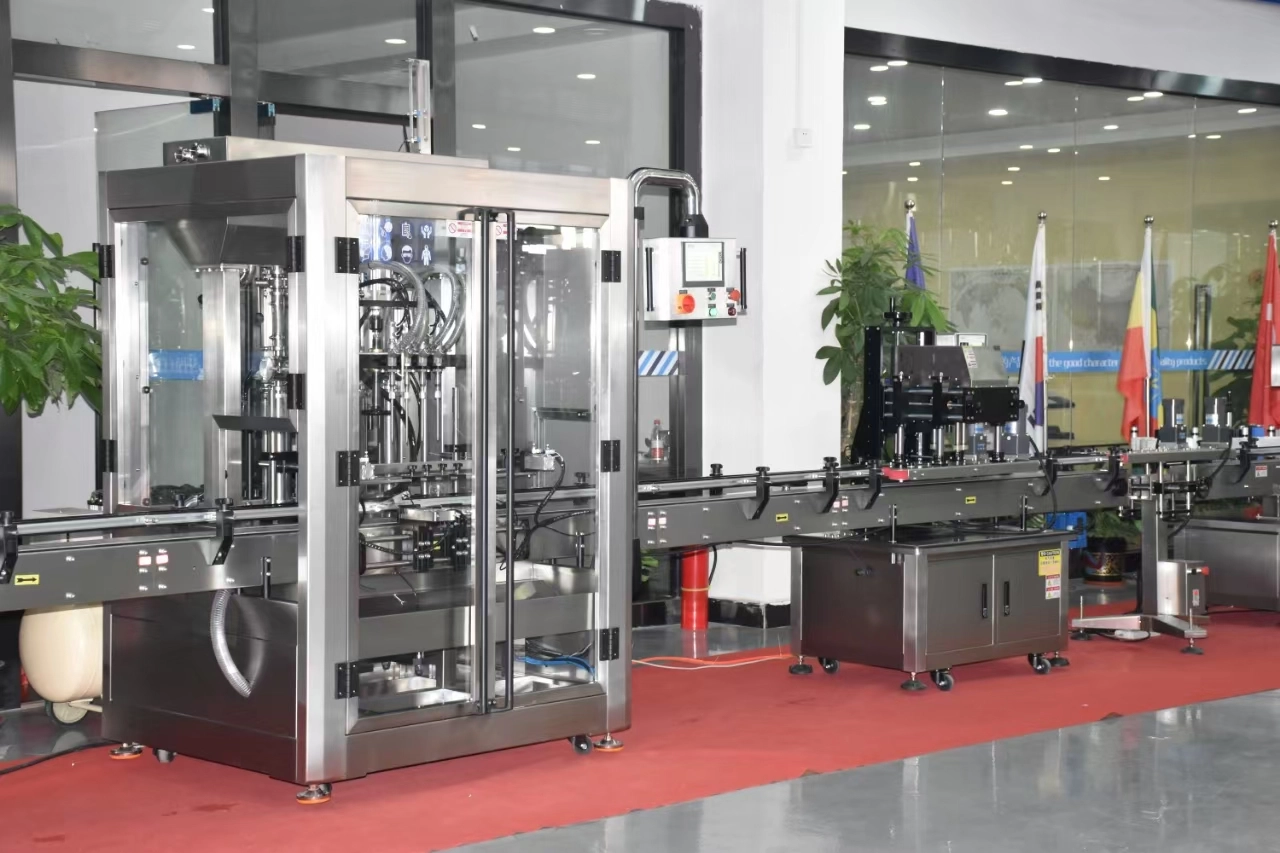
Gear pump filling machine vs. piston filling machine: Key differences broken down to avoid pitfalls in selection.
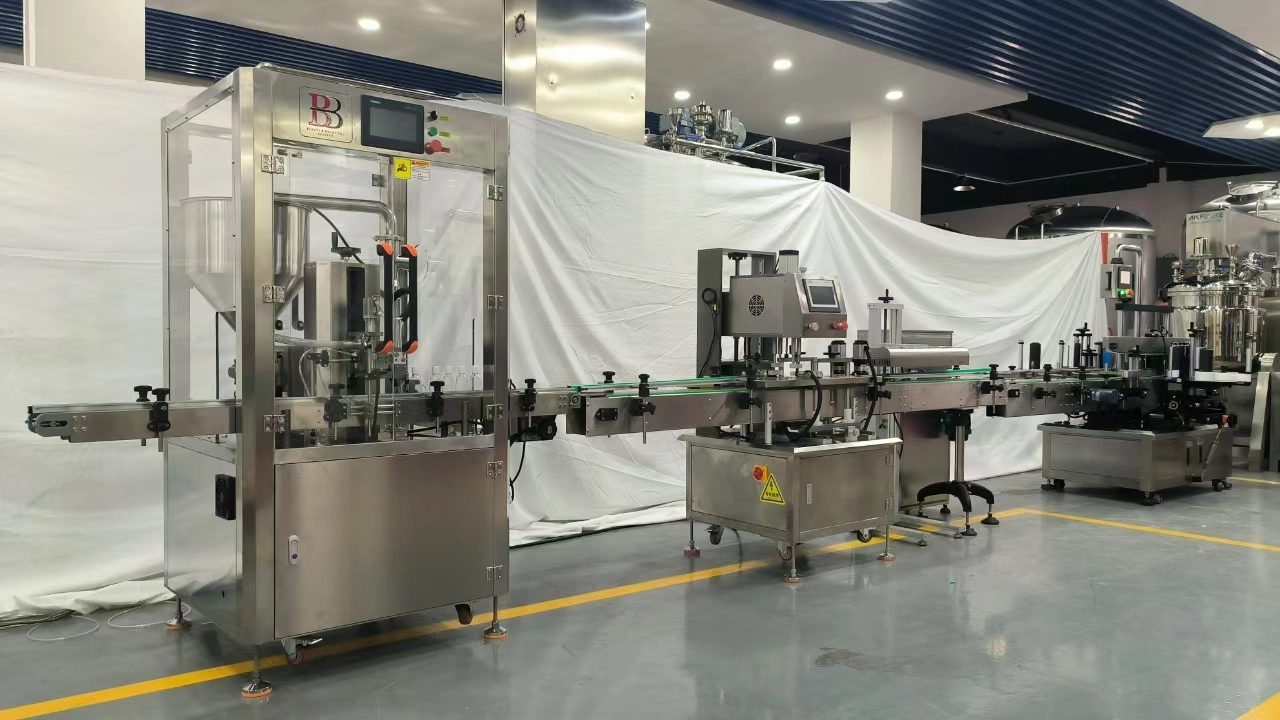
Understand the working principle of a servo gear pump filling machine!
Automatic Facial Mask Filling Machine
What can you buy from us?
RO Water Treatment、Vacuum Emulsifying Machine、Homogenizer Mixing Tank、Filling and Capping、labeling Machine、Packing Machine、Storage Tank,etc.
Automatic Labeling Machine
What types of bottles can this automatic labeling machine label?
It can label flat, round, and square bottles on one side, two sides, or even all around.
Automatic Filling Machine
What can you buy from us?
RO Water Treatment、Vacuum Emulsifying Machine、Homogenizer Mixing Tank、Filling and Capping、labeling Machine、Packing Machine、Storage Tank,etc.
Automatic Tube Filling and Sealing Machine
Who are we?
Our headquarters is located in Guangzhou, Guangdong, China, and our factory is located in Yangzhou, Jiangsu. Our products are sold all over the world. We have approximately 50 employees in our company and factory.
Storage Tank
How can I extend the life of my storage tank?
Avoid storing media that are incompatible with the material to prevent corrosion.
Perform maintenance according to specifications and promptly repair damaged anti-corrosion coatings or seals.
When the tank is idle for an extended period, empty the media and protect it from moisture and dust.
Get in touch with FULUKE
If you have any comments or good suggestions, please leave us a message, later our professional staff will contact you as soon as possible.
You May Also Like
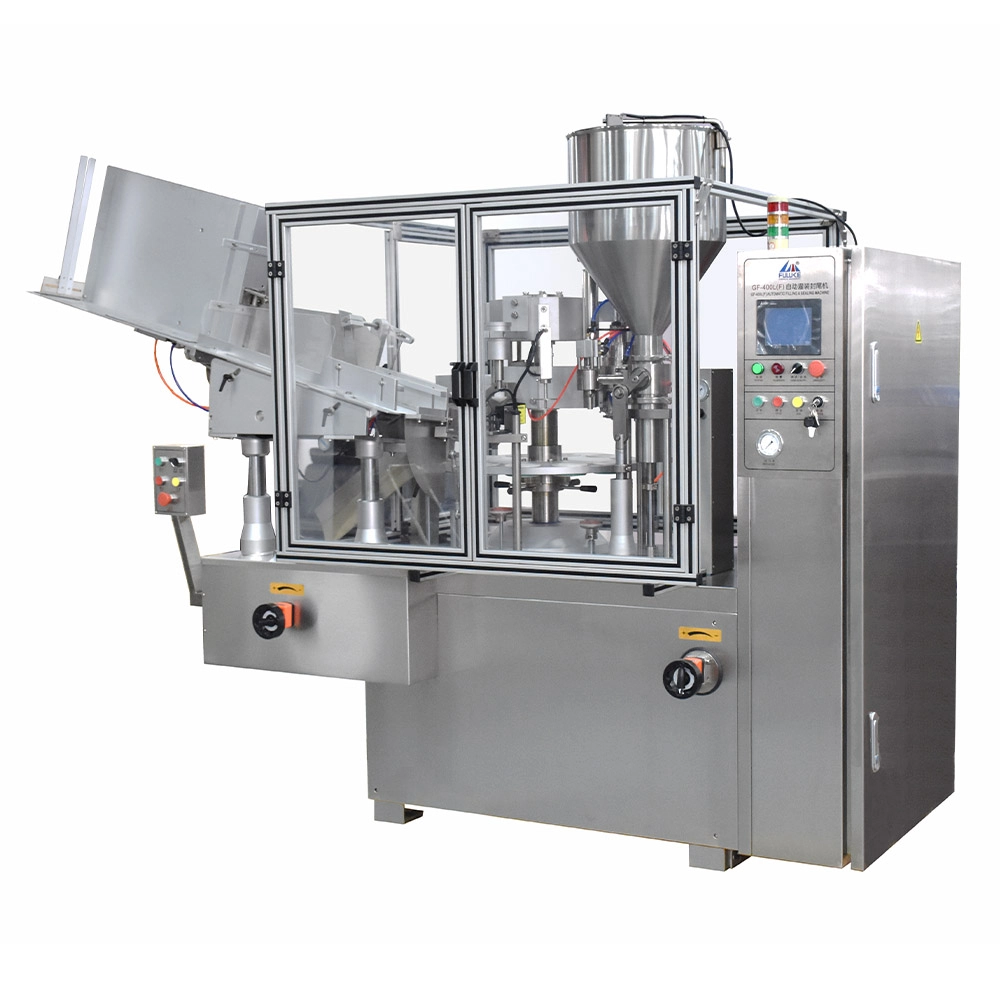
Automatic Tube Filling and Sealing Machine Toothpaste Sunscreen and Facial Cleanser Filling and Sealing Machine for Plastic and Aluminum-plastic Tube
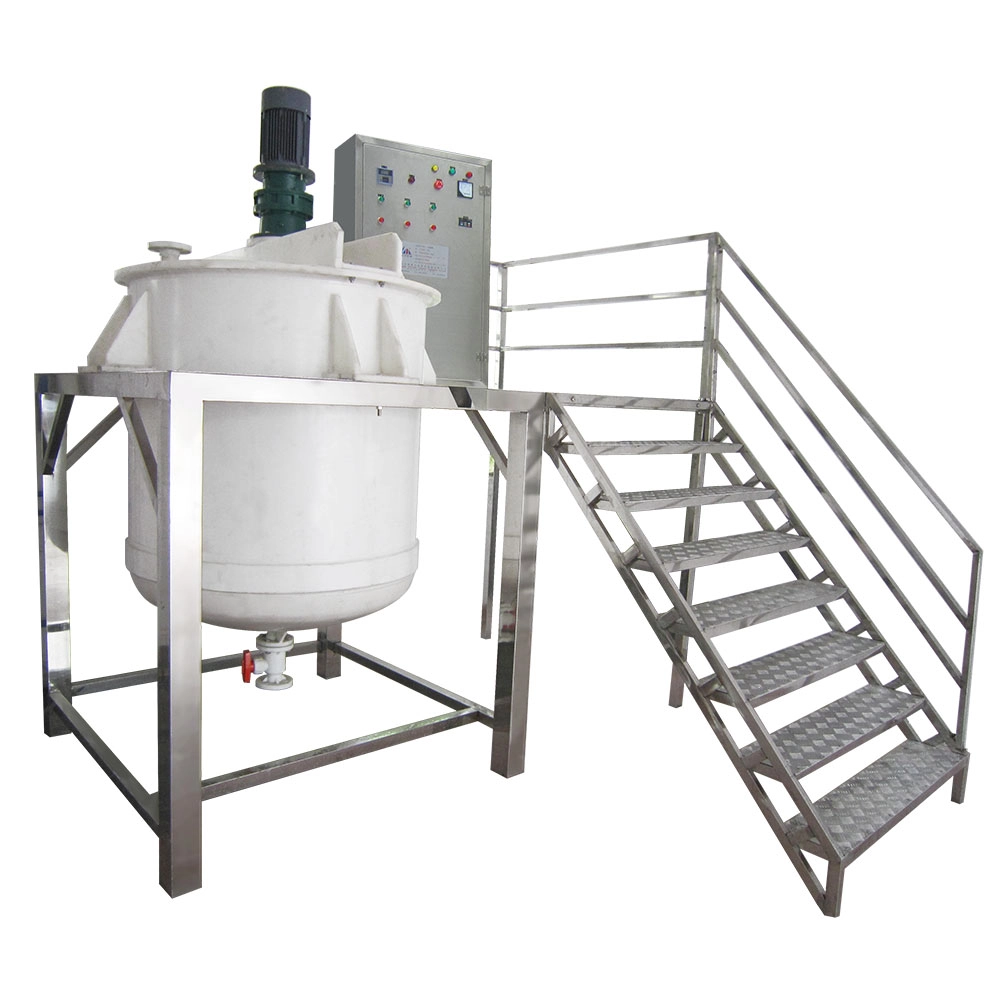
Polypropylene PP Mixing Tank Anti-Corrosion Mixer Reaction Kettle with Agitator Chemical Mixing Vessel
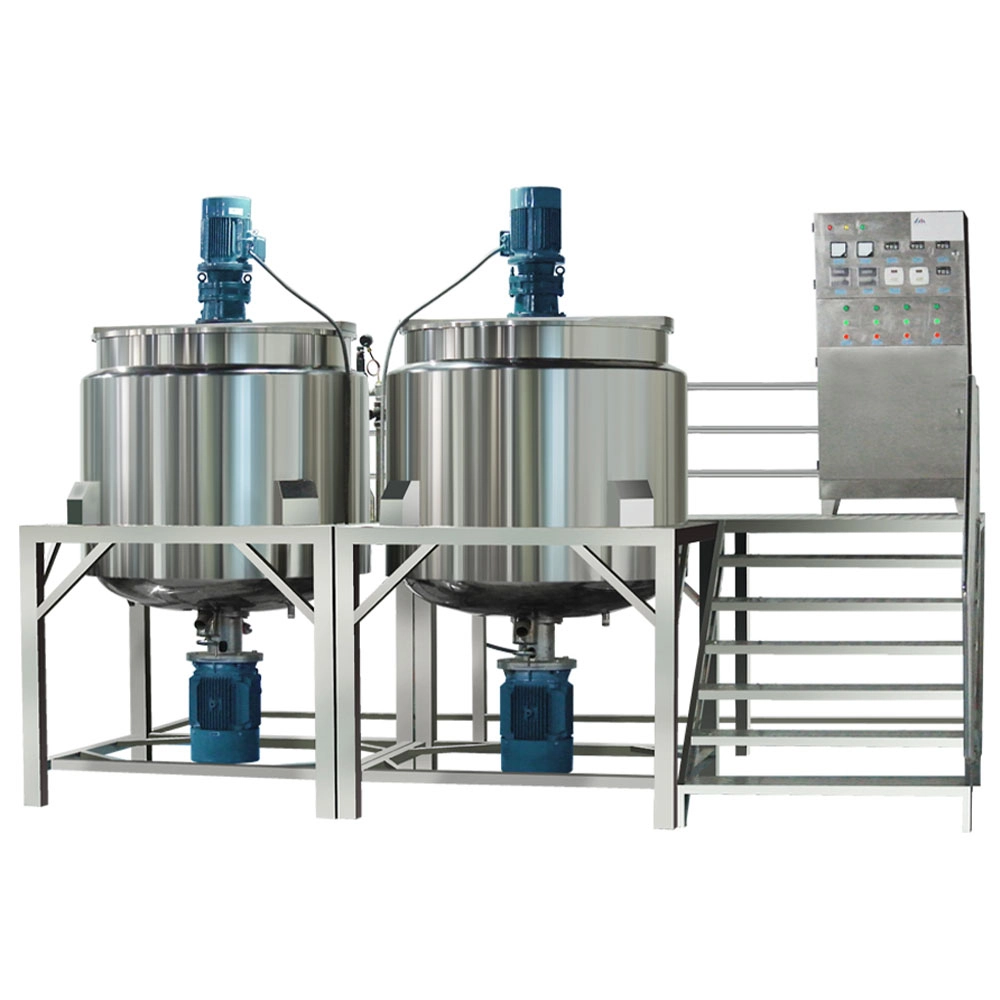
Flip Cover Multi-function Liquid Wash Mixing Tank Blender Liquid Detergent Mixer Homogenization Stirring Tank
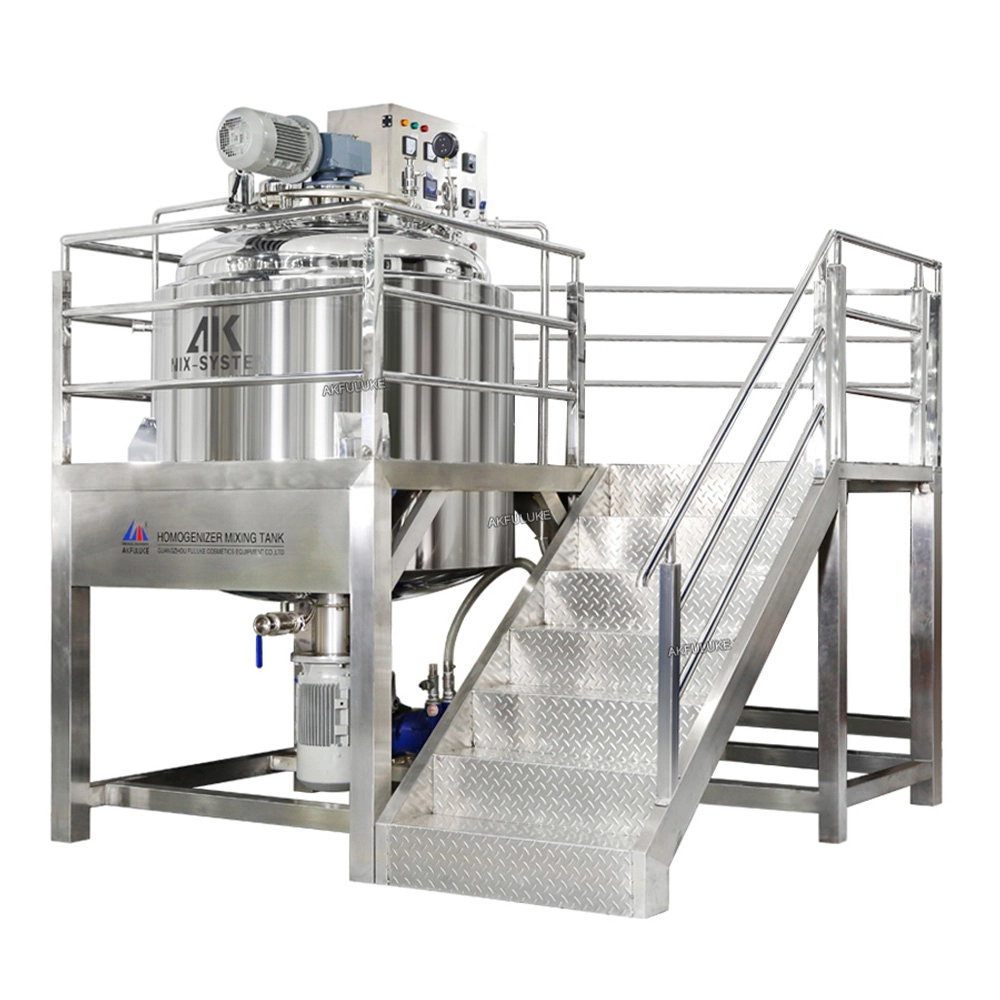
Stainless Steel Mixer Liquid Mixing tank with Agitator Homogenizing Mixing tank Vacuum Sealed Mixer Machine

A leading manufacturer specializing in advanced machinery and complete production lines for the cosmetics, food, pharmaceutical, and chemical industries worldwide.
Contact FULUKE
Facebook
Instagram
YouTube