
How to size a mixing tank with agitator for scale up?
- Understanding Mixing Tanks with Agitators in Cosmetic Manufacturing
- 1. What are the primary functions of mixing tanks with agitators in cosmetic production?
- 2. How do I determine the appropriate size for a mixing tank with an agitator?
- 3. What types of agitators are suitable for cosmetic formulations?
- 4. What are the common challenges when scaling up mixing processes in cosmetic manufacturing?
- 5. How can I optimize the performance of mixing tanks with agitators?
- 6. What maintenance practices are essential for mixing tanks with agitators?
- 7. How do I address common issues like agitator failure or leakage?
- 8. What are the latest trends in mixing tank technology for cosmetic manufacturing?
- Conclusion: Why Choose FULUKE for Your Mixing Tank Needs?
Understanding Mixing Tanks with Agitators in Cosmetic Manufacturing
In the cosmetic industry, mixing tanks equipped with agitators are pivotal for producing consistent and high-quality products. These systems facilitate the blending of various ingredients, ensuring uniformity in texture, color, and performance. Selecting the appropriate mixing tank and agitator setup is crucial for achieving desired product characteristics and operational efficiency.
1. What are the primary functions of mixing tanks with agitators in cosmetic production?
Mixing tanks with agitators serve several key functions in cosmetic manufacturing:
- Homogenization: Achieving a uniform mixture of ingredients to ensure consistent product quality.
- Emulsification: Combining immiscible liquids, such as oils and water, to create stable emulsions in creams and lotions.
- Dispersion: Breaking down solid particles, like pigments, into fine distributions within the product.
- Temperature Control: Maintaining optimal temperatures during mixing to prevent ingredient degradation and ensure desired product properties.
2. How do I determine the appropriate size for a mixing tank with an agitator?
Selecting the right tank size involves several considerations:
- Batch Volume Requirements: Assess the production volume needed per batch to determine the tank capacity.
- Viscosity of Materials: Higher viscosity materials may require larger tanks to accommodate mixing dynamics.
- Process Requirements: Consider factors such as heating or cooling needs, vacuum requirements, and the need for specialized mixing techniques.
It's advisable to perform scale-up trials using a mixer that is no smaller than 10% of the intended final scale-up amount to ensure mixing results are representative of the larger production environment.
3. What types of agitators are suitable for cosmetic formulations?
The choice of agitator depends on the specific application:
- High-Shear Mixers: Essential for emulsifying and homogenizing formulations, such as creams and lotions, to achieve fine particle dispersion.
- Anchor and Paddle Agitators: Suitable for medium to high viscosity products, providing effective mixing without excessive shear.
- Side-Mounted Agitators: Positioned on the side, these agitators handle high-viscosity fluids and provide high shear mixing needed for thick or sticky materials.
4. What are the common challenges when scaling up mixing processes in cosmetic manufacturing?
Scaling up mixing processes presents several challenges:
- Maintaining Mixing Efficiency: Ensuring that the mixing performance in larger tanks replicates that of smaller-scale operations.
- Addressing Dead Zones: In tall, narrow tanks, a single impeller may not effectively mix the entire volume, leading to stagnant areas. Implementing multi-impeller systems can mitigate this issue.
- Preventing Particle Re-Agglomeration: After dispersing solids into liquids, particles may clump back together, affecting product quality. Proper order of addition and the use of dispersants can help prevent this.
5. How can I optimize the performance of mixing tanks with agitators?
Optimizing performance involves:
- Proper Installation and Setup: Ensuring the tank is level, the agitator is correctly positioned, and components are securely installed to prevent vibrations and ensure efficient operation.
- Adjusting Agitator Speed and Position: Tailoring the speed and placement of the agitator to the specific process requirements, considering factors like viscosity and shear sensitivity.
- Monitoring and Controlling Process Variables: Utilizing sensors and automated control systems to maintain optimal conditions for mixing, such as temperature, pressure, and mixing time.
6. What maintenance practices are essential for mixing tanks with agitators?
Regular maintenance is crucial for longevity and consistent performance:
- Cleaning and Sanitizing: Implementing Clean-In-Place (CIP) systems for automatic cleaning, ensuring hygiene and preventing contamination.
- Routine Inspections: Checking for wear and tear on seals, valves, and agitator components to prevent failures.
- Lubrication and Alignment: Ensuring agitator components are properly lubricated and aligned to reduce friction and wear.
7. How do I address common issues like agitator failure or leakage?
To address common issues:
- Agitator Failure: Ensure adequate lubrication, correct alignment, and timely replacement of worn parts to prevent jerking, stalling, or complete failure.
- Leakage: Regularly inspect seals and pressure valve joints, and replace seals as needed to prevent leaks.
8. What are the latest trends in mixing tank technology for cosmetic manufacturing?
Recent advancements include:
- Automated Mixing Systems: Reducing human error and improving consistency by automating speed, time, and temperature controls.
- Advanced Agitator Designs: Utilizing hydrofoil impellers to improve mixing efficiency and reduce energy consumption.
- Integration of Smart Technology: Employing sensors and real-time data monitoring to optimize mixing processes and ensure product quality.
Conclusion: Why Choose FULUKE for Your Mixing Tank Needs?
FULUKE offers state-of-the-art mixing tanks with agitators tailored for the cosmetic industry. Our solutions are designed to enhance product quality, improve process efficiency, and ensure scalability. With a focus on innovation and customer satisfaction, FULUKE is your trusted partner in achieving manufacturing excellence.
References:
- "A Guide to Chemical Mixing Scale Up! : From the Lab to the Factory". The Bulk Lab. Published November 2025.
- "Mixing Tank Cosmetics: Best Solutions for 2025". Accio. Published December 2025.
- "Gearing Up for Personal Care Production Success: Dynamics and Equipment". Cosmetics & Toiletries. Published February 1, 2024.
- "A Complete Guide to Chemical Mixing Tanks with Agitators". SD Chenma. Published 2024.
- "Mixing Tank: The Ultimate Guide To Choosing, Using, And Optimizing Mixing Tanks For Various Industries". Ace Dairy Equipment. Published December 2025.
- "Pharmaceutical Mixing Tank Selection Guide: Capacity, Agitation, and Applications". Everheal Group. Published August 2025.
- "Agitator/mixer Scale Up - Industrial Professionals - Cheresources.com Community". Cheresources. Published December 2025.

Understanding Servo Capping Machines: The Core Logic of Precise Capping – Understand the Entire Working Process in Seconds
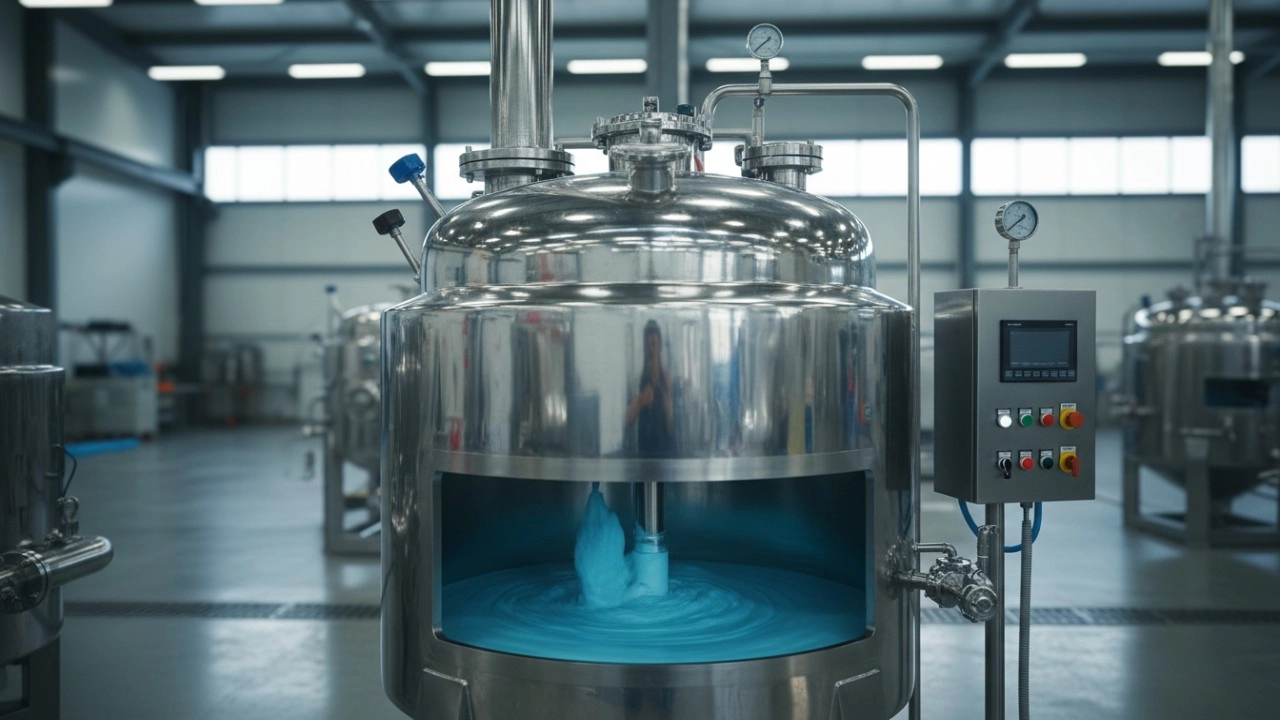
The Future of Industrial Agitation: 5 Smart Mixing Tank Technologies Changing the Game
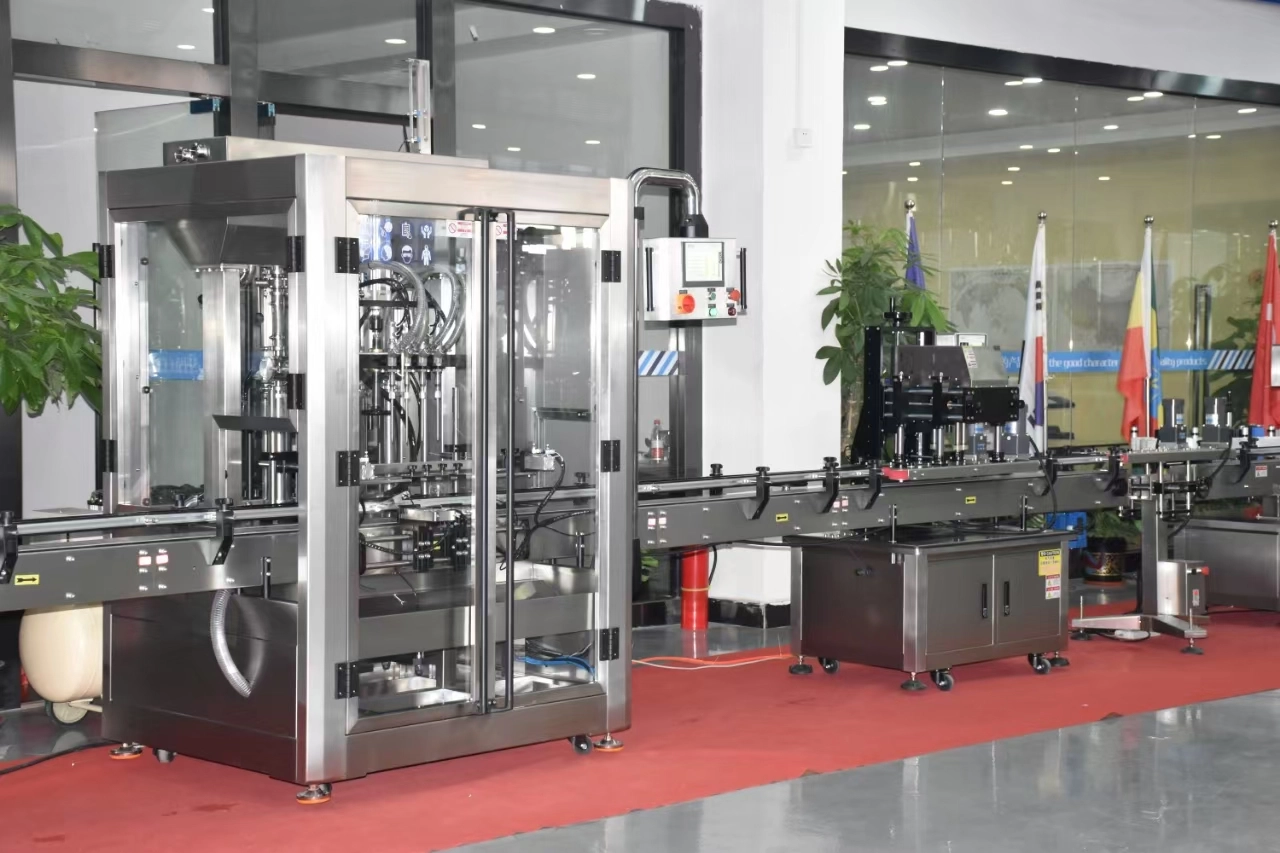
Gear pump filling machine vs. piston filling machine: Key differences broken down to avoid pitfalls in selection.
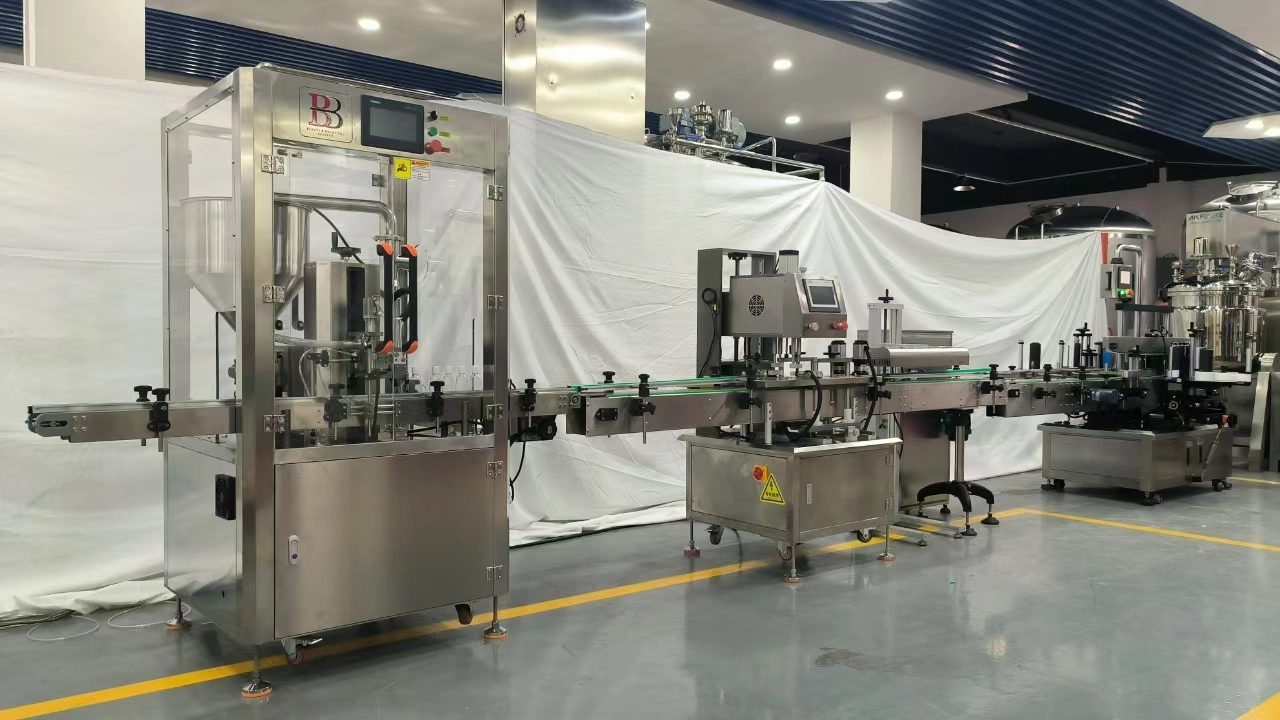
Understand the working principle of a servo gear pump filling machine!
Automatic Tube Filling and Sealing Machine
Does the equipment meet the hygiene standards of the pharmaceutical/food industry? What precautions should be taken during daily cleaning?
The equipment fully complies with GMP hygiene certification. All material contact parts (drums, filling heads, and piping) are made of 316L/304 stainless steel, ensuring no unhygienic corners.
Daily cleaning precautions:
Before each material change, flush the material piping with purified water or food-grade detergent and then dry it with compressed air. Disassemble the filling heads and valves weekly to remove any residual material to prevent bacterial growth. Never use water directly on components such as the electrical control cabinet and motor. Always disconnect the power cord during cleaning to prevent short circuits.
Perfume Freezing Filter Making Machine
Why does perfume require freeze filtration? Is traditional filtration an alternative?
Traditional filtration only removes visible solid impurities. Soluble organic matter, colloids, and trace microorganisms in perfume are difficult to separate at room temperature, easily leading to turbidity, precipitation, and aroma deterioration after storage. Freeze filtration uses a low-temperature environment of -5°C to -15°C (depending on the formulation) to condense these hidden impurities into solid particles. These particles are then thoroughly trapped through precision filtration, while simultaneously allowing the fragrance components to fully blend. This is a core process that ensures the stability of high-end perfumes.
The Flip Cover Liquid Wash Mixing Homogenizing Tank
Who are we?
Our headquarters is located in Guangzhou, Guangdong, China, and our factory is located in Yangzhou, Jiangsu. Our products are sold all over the world. We have approximately 50 employees in our company and factory.
Can you customize the machine?
Of course, we provide customized services according to customer needs.
Perfume Filling Machine
After purchasing the equipment, what after-sales services does the supplier typically provide?
General services include on-site installation and commissioning (including workshop layout planning), operator training (theoretical and practical training to ensure workers can operate independently), a one-year full machine warranty, and lifetime technical support (24-hour telephone and video troubleshooting).
Get in touch with FULUKE
If you have any comments or good suggestions, please leave us a message, later our professional staff will contact you as soon as possible.
You May Also Like
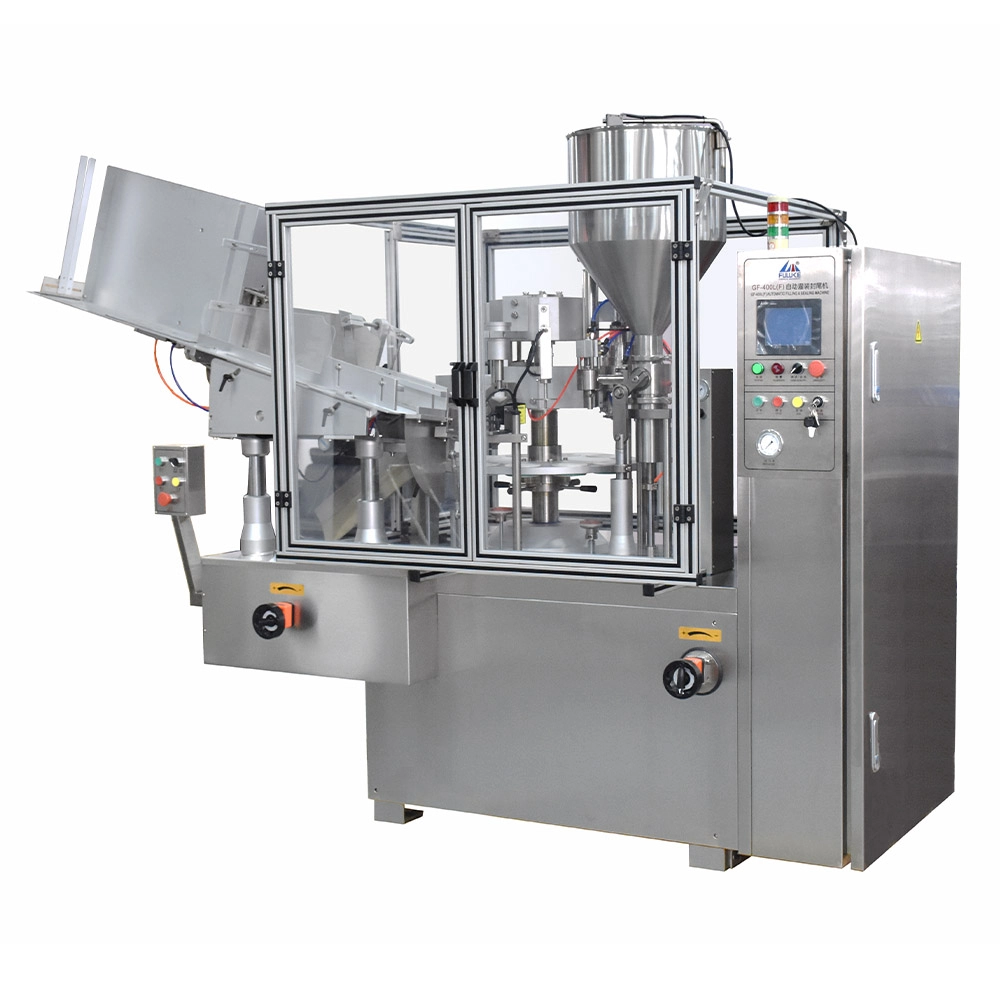
Automatic Tube Filling and Sealing Machine Toothpaste Sunscreen and Facial Cleanser Filling and Sealing Machine for Plastic and Aluminum-plastic Tube
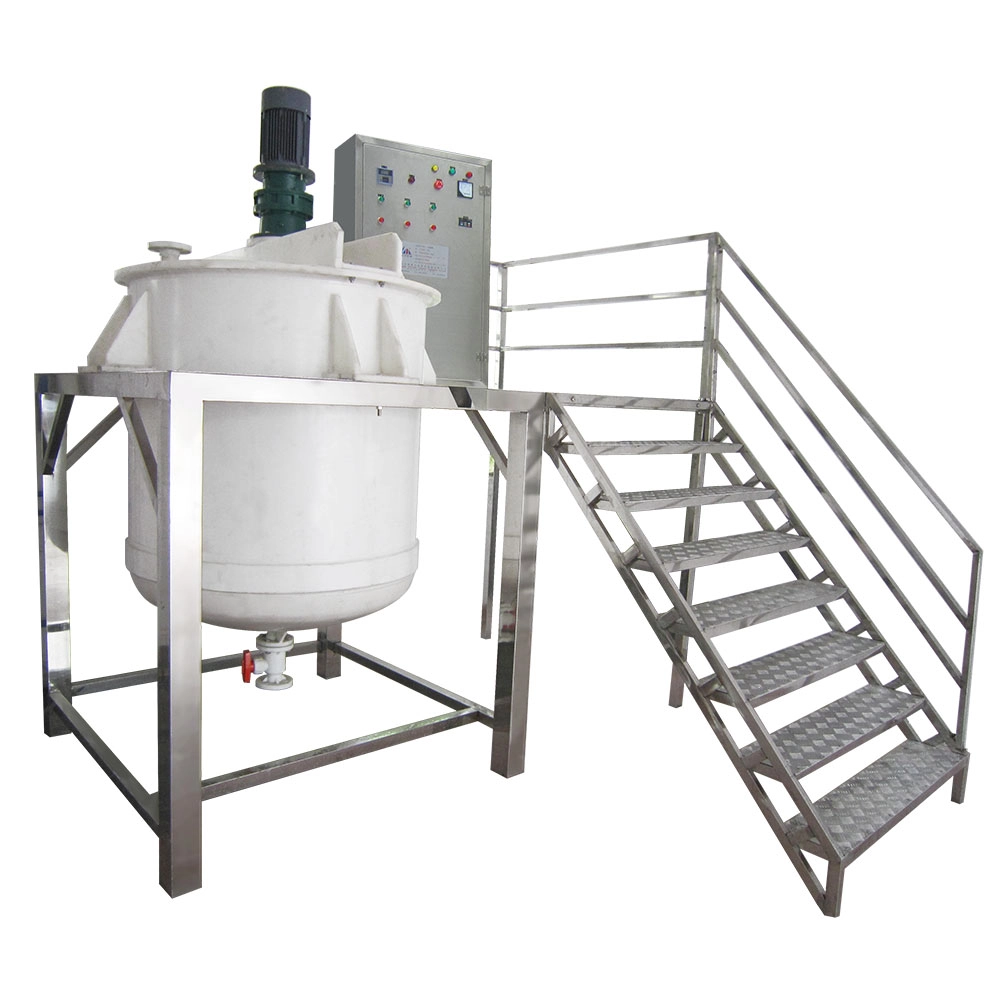
Polypropylene PP Mixing Tank Anti-Corrosion Mixer Reaction Kettle with Agitator Chemical Mixing Vessel
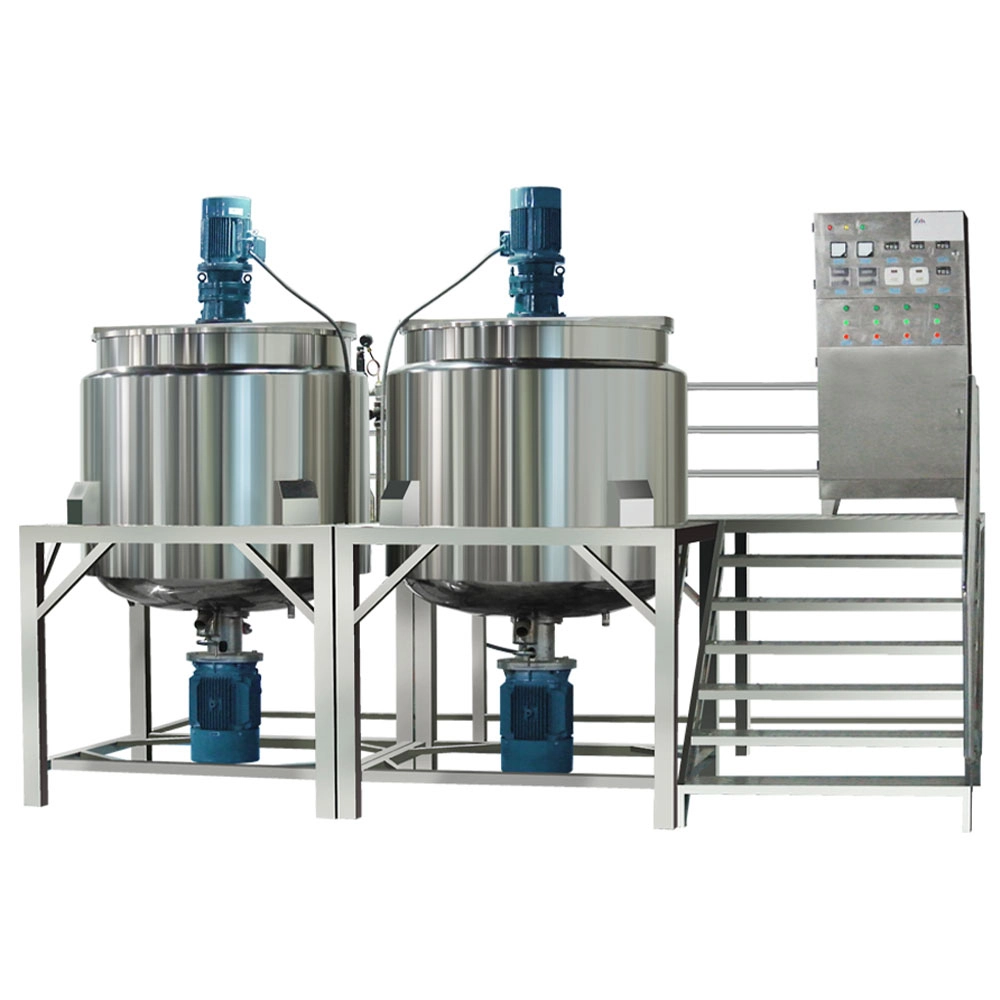
Flip Cover Multi-function Liquid Wash Mixing Tank Blender Liquid Detergent Mixer Homogenization Stirring Tank
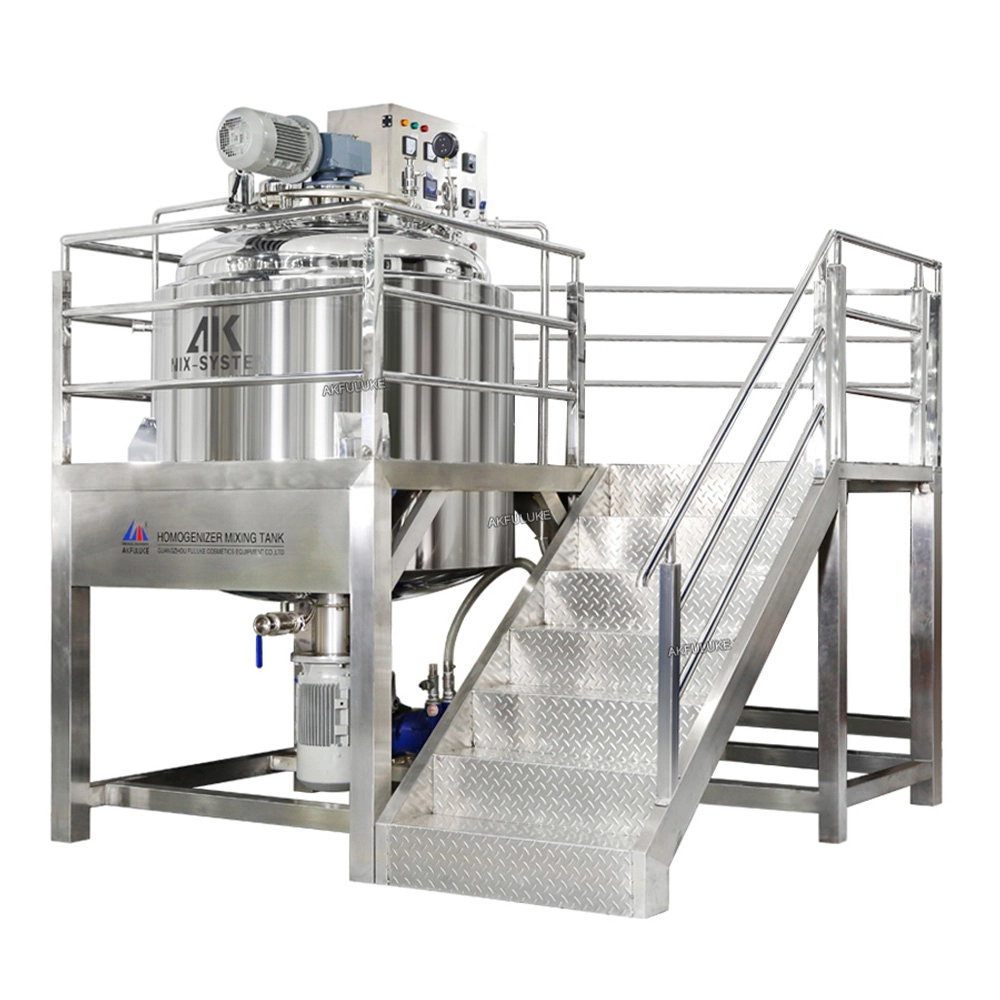
Stainless Steel Mixer Liquid Mixing tank with Agitator Homogenizing Mixing tank Vacuum Sealed Mixer Machine

A leading manufacturer specializing in advanced machinery and complete production lines for the cosmetics, food, pharmaceutical, and chemical industries worldwide.
Contact FULUKE
Facebook
Instagram
YouTube