
How to size agitator power for varying product viscosities?
- Comprehensive Guide to Selecting Mixing Tanks with Agitators for Cosmetic Equipment Manufacturing
- 1. How do I determine the appropriate agitator type for my cosmetic product?
- 2. What factors influence the sizing of an agitator for varying product viscosities?
- 3. How do I calculate the required power for an agitator?
- 4. What role does viscosity play in agitator design?
- 5. How can I optimize the performance of my agitator?
- 6. What maintenance practices are recommended for agitators?
- 7. How do I handle temperature-sensitive cosmetic products during mixing?
- 8. What are the common challenges in mixing high-viscosity cosmetic products?
- Conclusion: Why Choose FULUKE for Your Mixing Solutions?
Comprehensive Guide to Selecting Mixing Tanks with Agitators for Cosmetic Equipment Manufacturing
When manufacturing cosmetic products, achieving a uniform and consistent mixture is paramount. Selecting the appropriate mixing tank with an agitator is crucial to ensure product quality and efficiency. Below are key considerations to guide your decision-making process:
1. How do I determine the appropriate agitator type for my cosmetic product?
The choice of agitator depends on the viscosity and shear sensitivity of your product. For low-viscosity fluids, turbine impellers are effective, while high-viscosity products may require helical ribbon or anchor impellers to ensure thorough mixing.
2. What factors influence the sizing of an agitator for varying product viscosities?
Agitator sizing is influenced by:
- Viscosity: Higher viscosity fluids require more power and specific impeller designs.
- Tank Geometry: The size and shape of the tank affect flow patterns and mixing efficiency.
- Mixing Objectives: Whether the goal is blending, dispersion, or suspension dictates the agitator design.
3. How do I calculate the required power for an agitator?
The power required can be estimated using the formula:
P = Np × ρ × N³ × D⁵
Where:
- P = Power (Watts)
- Np = Power number (specific to the impeller type)
- ρ = Fluid density (kg/m³)
- N = Rotational speed (rpm)
- D = Impeller diameter (m)
Accurate viscosity measurements are essential for precise calculations.
4. What role does viscosity play in agitator design?
Viscosity significantly impacts agitator design:
- Low-Viscosity Fluids: Require impellers that promote high shear and efficient mixing.
- High-Viscosity Fluids: Benefit from impellers designed to handle thicker materials without causing excessive shear, which could degrade the product.
5. How can I optimize the performance of my agitator?
To enhance agitator performance:
- Select the Appropriate Impeller: Match the impeller type to the fluid's viscosity and desired mixing outcome.
- Utilize Variable Frequency Drives (VFDs): Allow for speed adjustments to accommodate different mixing requirements.
- Conduct Computational Fluid Dynamics (CFD) Analysis: Simulate mixing behavior to identify optimal configurations.
6. What maintenance practices are recommended for agitators?
Regular maintenance ensures longevity and optimal performance:
- Routine Inspections: Check for wear in blades, shafts, and seals.
- Lubrication: Follow manufacturer guidelines to prevent friction-related issues.
- Cleaning: Regularly clean to prevent buildup that can affect mixing efficiency.
7. How do I handle temperature-sensitive cosmetic products during mixing?
For temperature-sensitive products:
- Temperature Control: Use jacketed vessels or external heat exchangers to maintain desired temperatures.
- Monitor Viscosity Changes: Be aware that viscosity can change with temperature, affecting mixing efficiency.
8. What are the common challenges in mixing high-viscosity cosmetic products?
Challenges include:
- Inadequate Mixing: Can lead to inconsistent product quality.
- Excessive Shear: May degrade sensitive ingredients.
- Energy Consumption: High-viscosity mixing requires more power, impacting operational costs.
Conclusion: Why Choose FULUKE for Your Mixing Solutions?
FULUKE offers tailored mixing solutions designed to meet the unique demands of the cosmetic industry. Our expertise ensures optimal agitator selection, precise power calculations, and efficient mixing processes, leading to high-quality cosmetic products and enhanced operational efficiency.
References:**SEO Title:** Comprehensive Guide to Selecting Mixing Tanks with Agitators for Cosmetic Equipment Manufacturing

Understanding Servo Capping Machines: The Core Logic of Precise Capping – Understand the Entire Working Process in Seconds
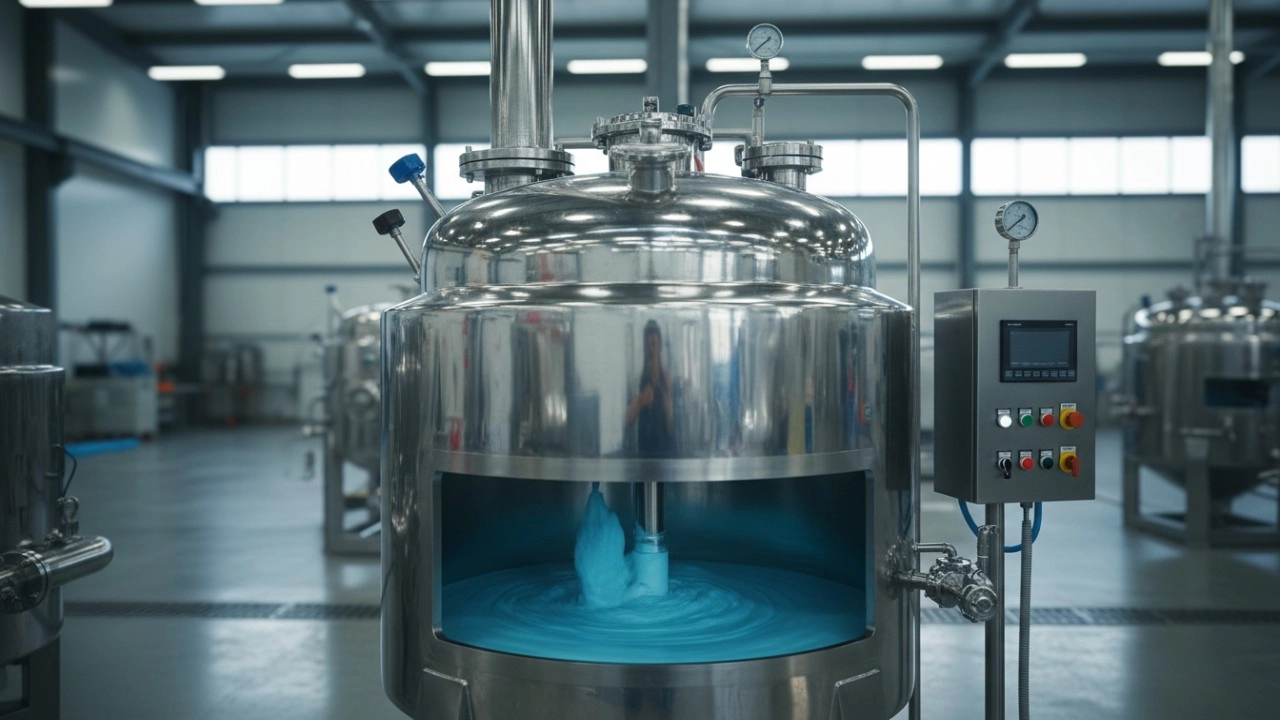
The Future of Industrial Agitation: 5 Smart Mixing Tank Technologies Changing the Game
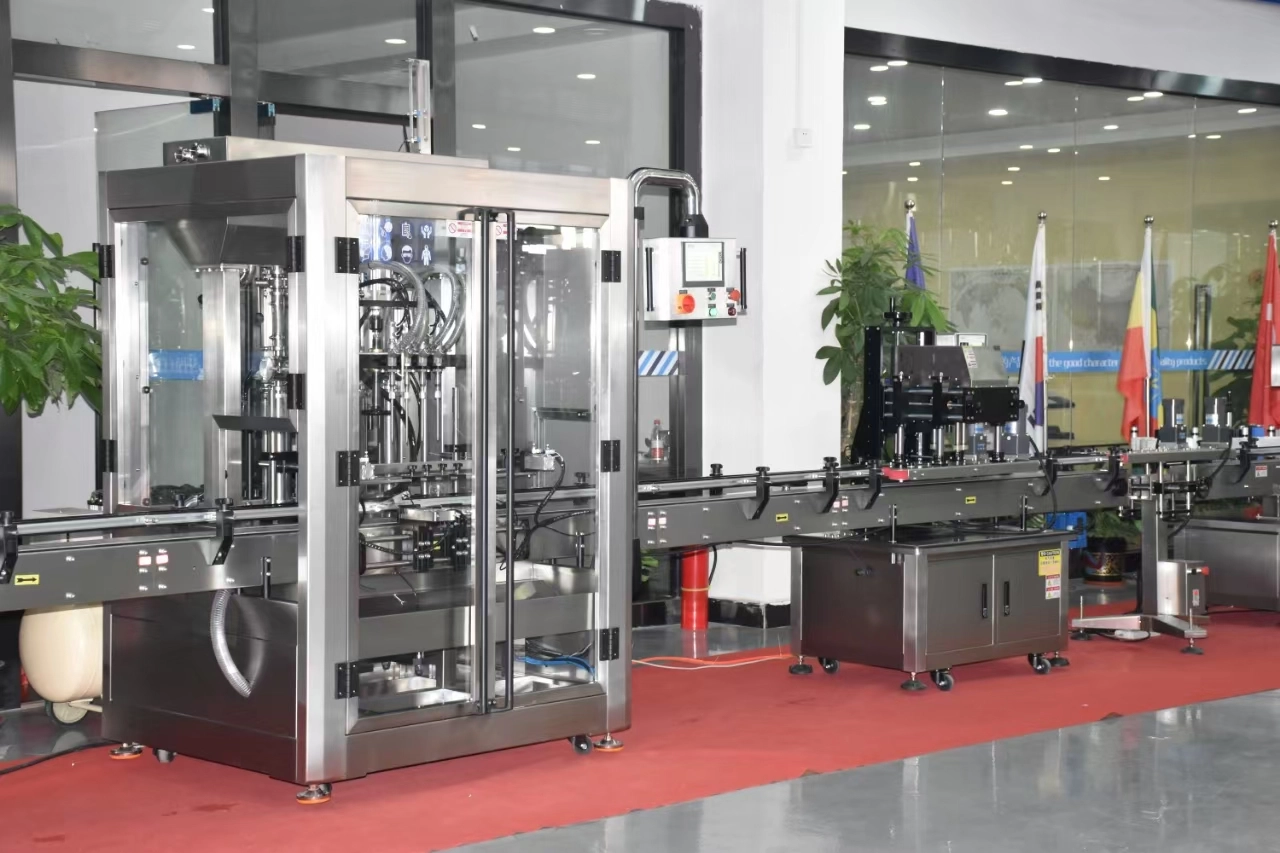
Gear pump filling machine vs. piston filling machine: Key differences broken down to avoid pitfalls in selection.
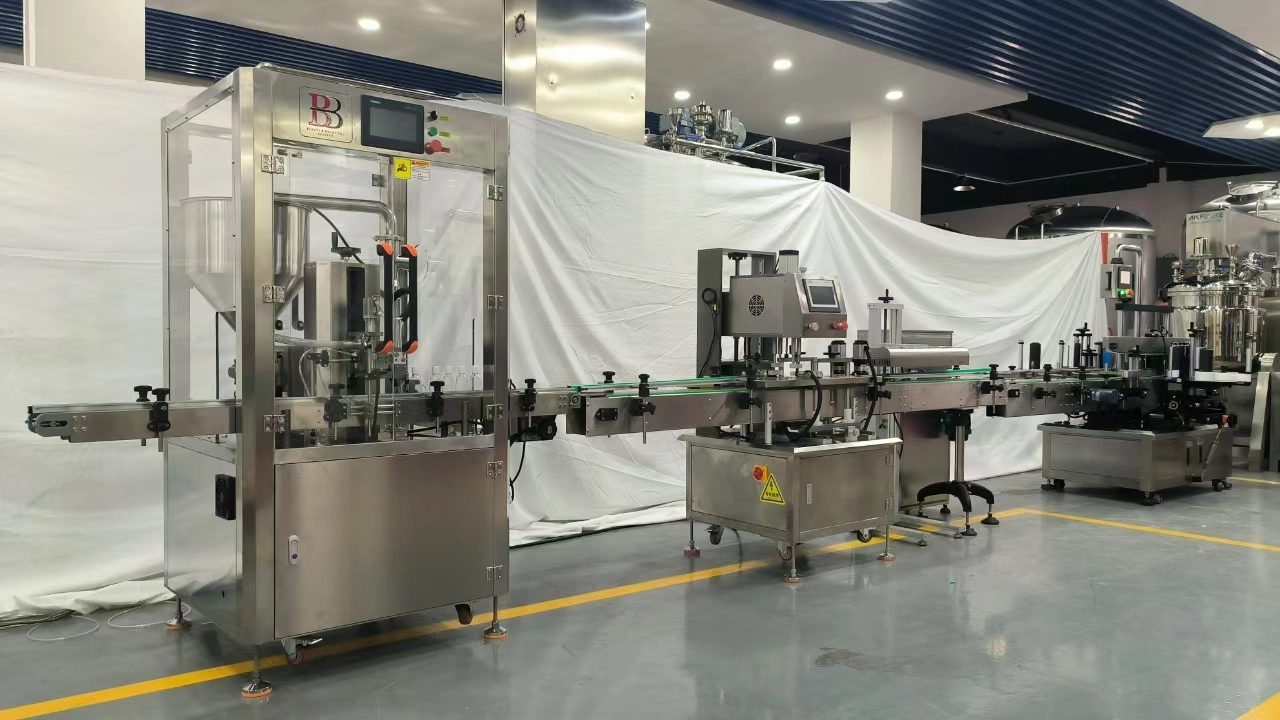
Understand the working principle of a servo gear pump filling machine!
Film Packaging Machine
Can you make a design for us?
Yes, we can, we provide not only products, but also solutions and designs.
What can you buy from us?
RO Water Treatment、Vacuum Emulsifying Machine、Homogenizer Mixing Tank、Filling and Capping、labeling Machine、Packing Machine、Storage Tank,etc.
Vacuum Emulsifying Machine
What can you buy from us?
RO Water Treatment、Vacuum Emulsifying Machine、Homogenizer Mixing Tank、Filling and Capping、labeling Machine、Packing Machine、Storage Tank,etc.
FAQs
Does FULUKE offer customized machinery solutions?
Automatic Filling Machine
Can you make a design for us?
Yes, we can, we provide not only products, but also solutions and designs.
Get in touch with FULUKE
If you have any comments or good suggestions, please leave us a message, later our professional staff will contact you as soon as possible.
You May Also Like
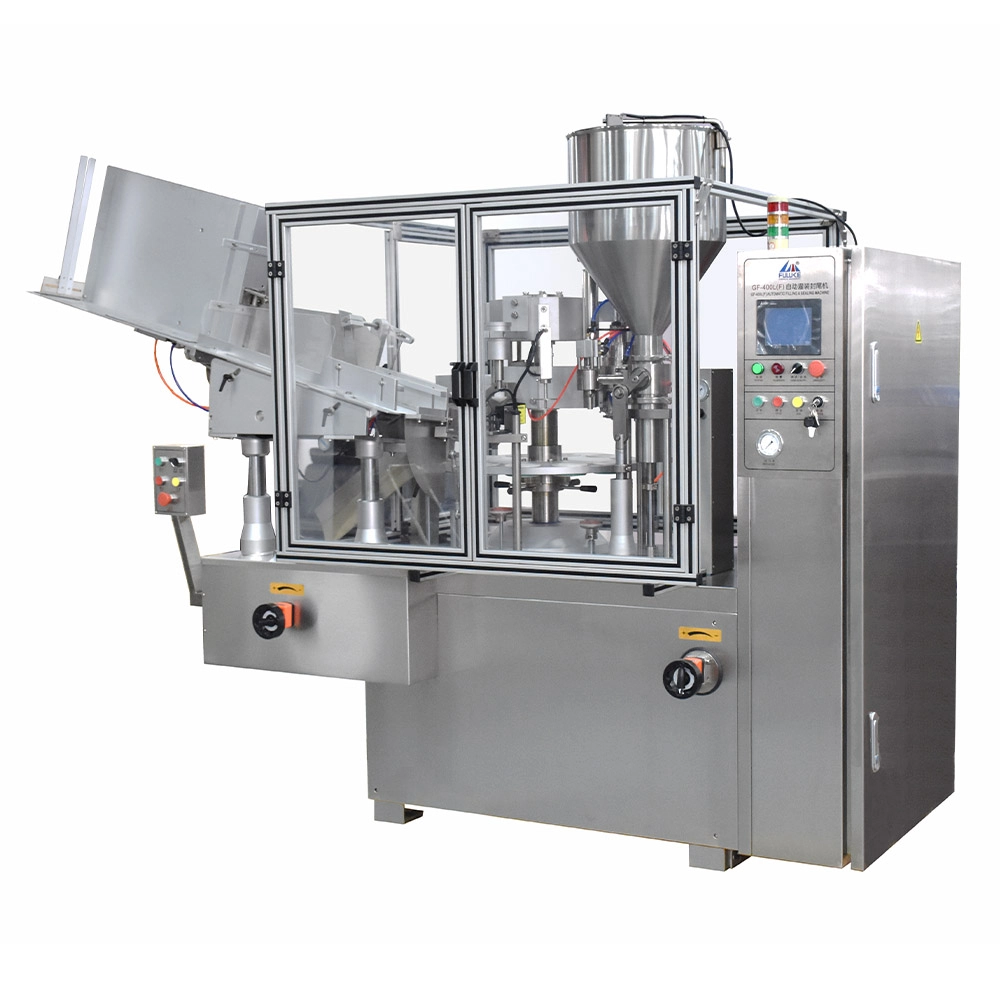
Automatic Tube Filling and Sealing Machine Toothpaste Sunscreen and Facial Cleanser Filling and Sealing Machine for Plastic and Aluminum-plastic Tube
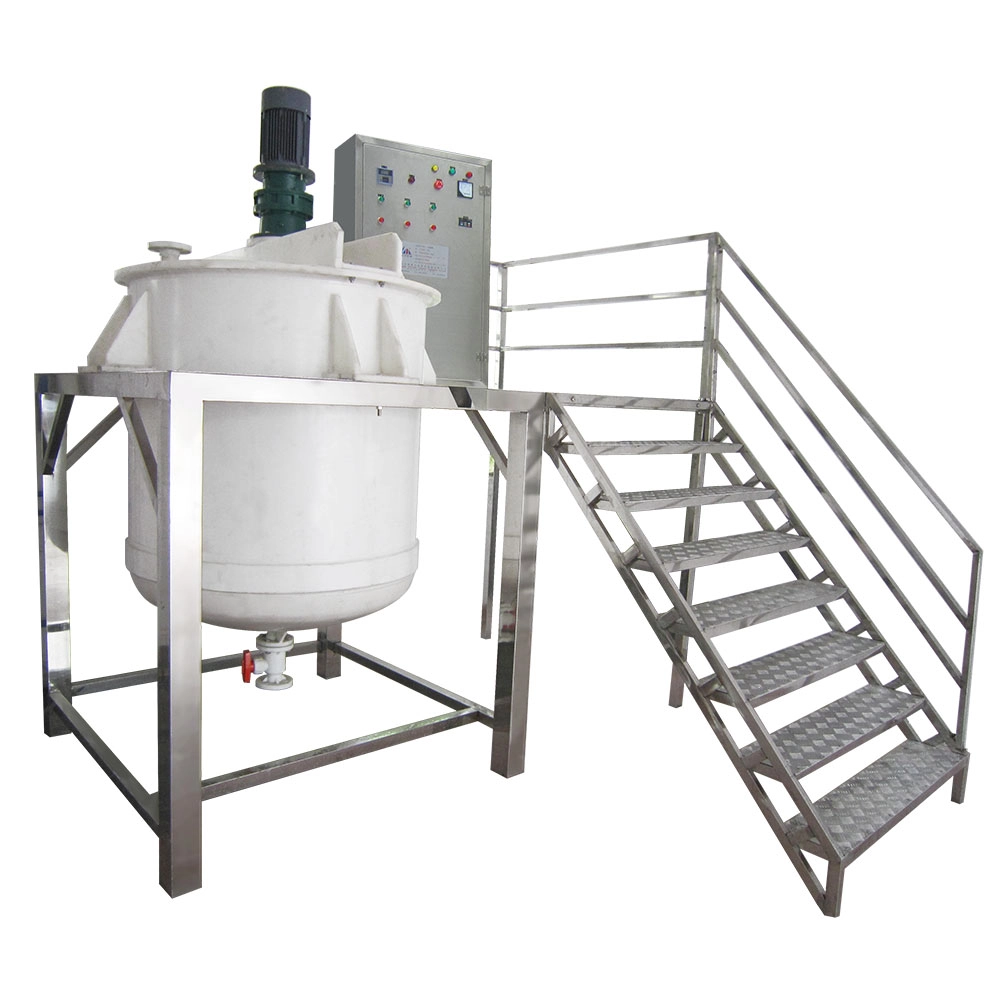
Polypropylene PP Mixing Tank Anti-Corrosion Mixer Reaction Kettle with Agitator Chemical Mixing Vessel
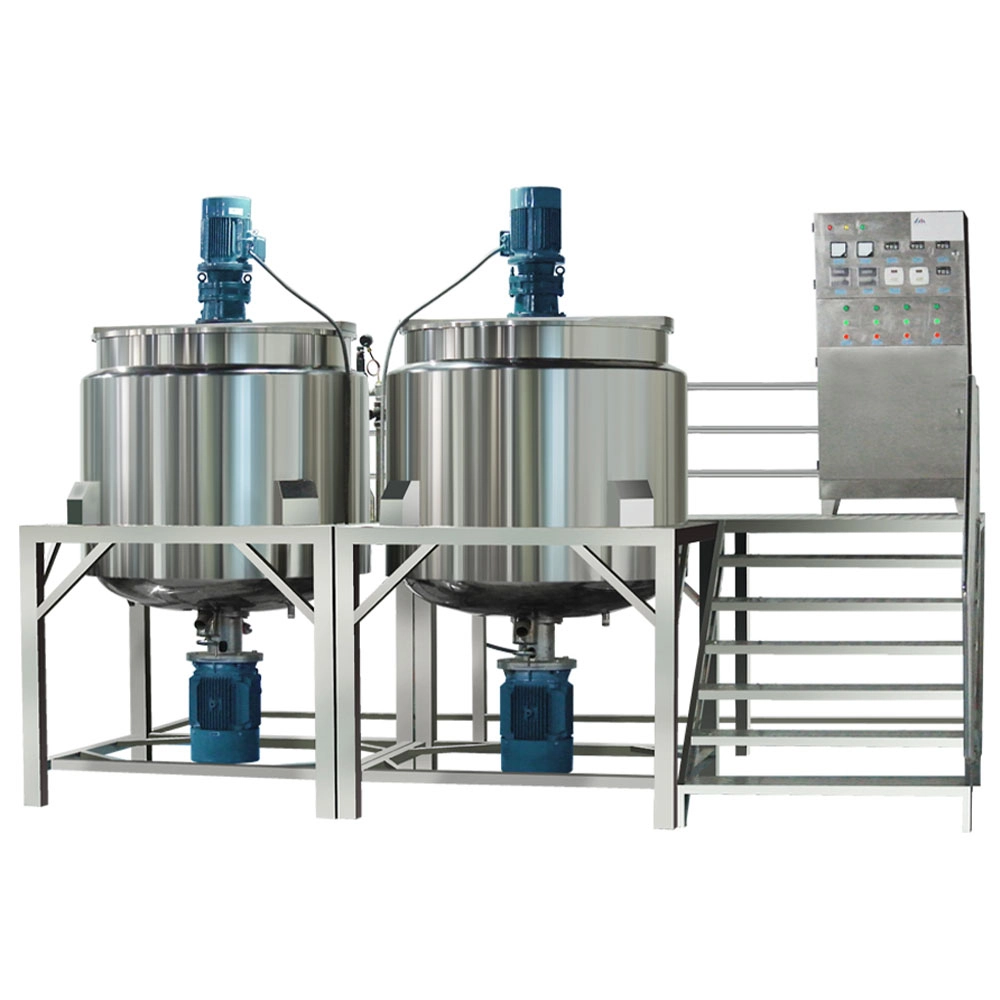
Flip Cover Multi-function Liquid Wash Mixing Tank Blender Liquid Detergent Mixer Homogenization Stirring Tank
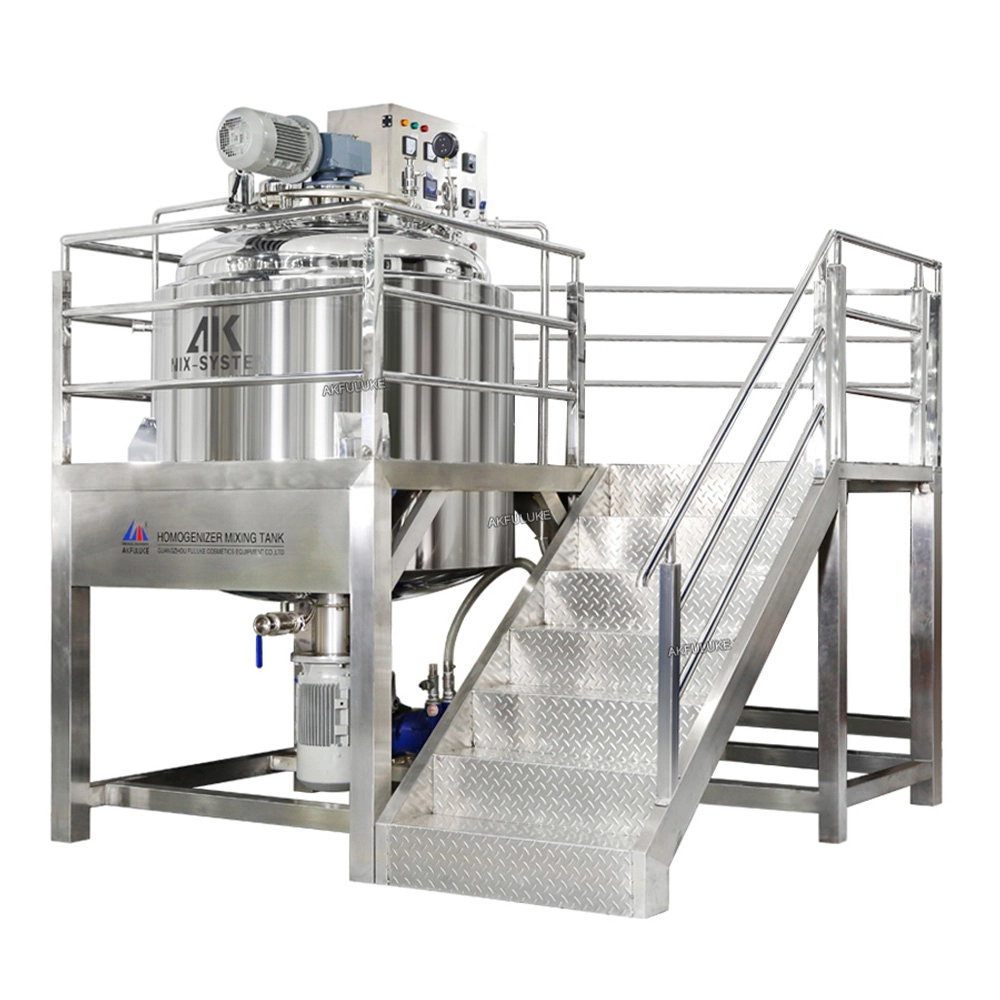
Stainless Steel Mixer Liquid Mixing tank with Agitator Homogenizing Mixing tank Vacuum Sealed Mixer Machine

A leading manufacturer specializing in advanced machinery and complete production lines for the cosmetics, food, pharmaceutical, and chemical industries worldwide.
Contact FULUKE
Facebook
Instagram
YouTube