
How to integrate a mixing tank into existing production lines?
- Understanding Mixing Tanks with Agitators in Cosmetic Manufacturing
- 1. What are the key components of a mixing tank with an agitator?
- 2. How do mixing tanks contribute to product quality in cosmetics?
- 3. What factors should be considered when selecting a mixing tank for cosmetic production?
- 4. How can a mixing tank be integrated into existing cosmetic production lines?
- 5. What are the maintenance best practices for mixing tanks in cosmetic manufacturing?
- 6. What are the challenges in scaling up mixing processes from lab to full-scale production?
- 7. How do mixing tanks handle heat-sensitive ingredients in cosmetic formulations?
- 8. What are the cost considerations when investing in a mixing tank for cosmetic manufacturing?
- Conclusion: Advantages of Choosing FULUKE Mixing Tanks
- References
Understanding Mixing Tanks with Agitators in Cosmetic Manufacturing
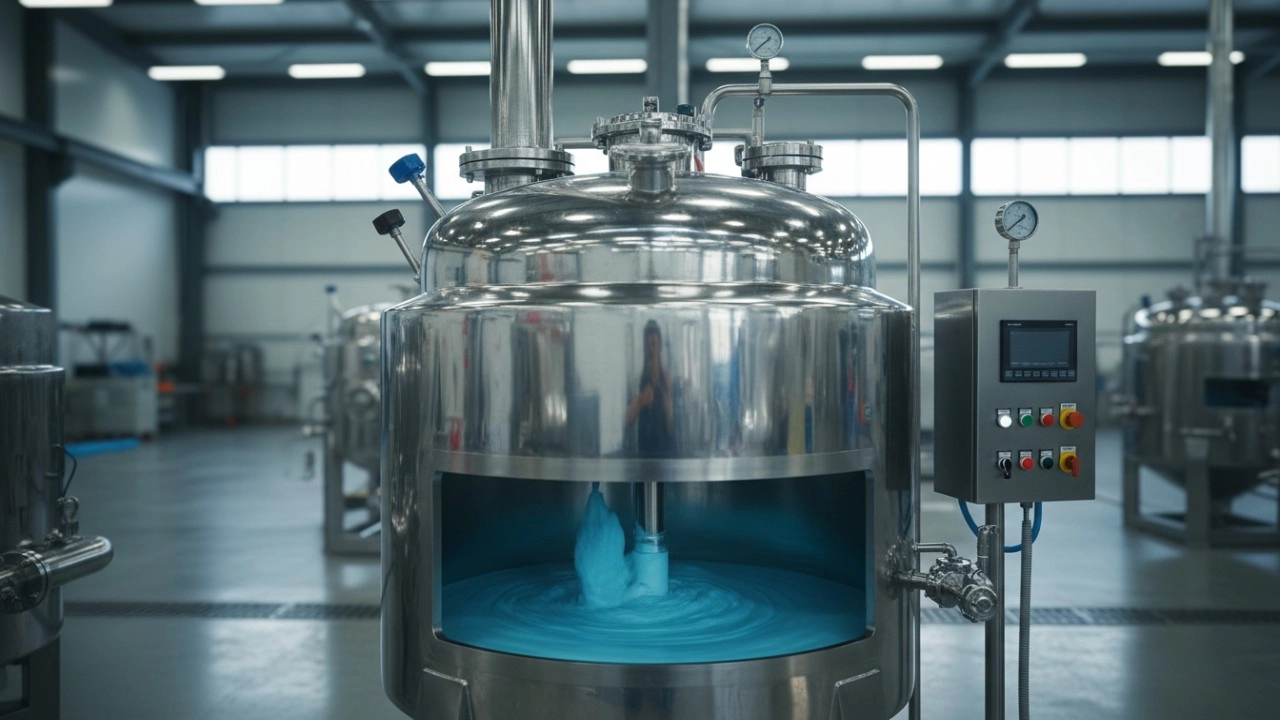
Mixing tanks equipped with agitators are pivotal in the cosmetic industry, ensuring uniform blending of ingredients to achieve desired product consistency and quality. These tanks facilitate the emulsification process, allowing water and oil-based components to blend seamlessly, which is crucial in the production of lotions, creams, and other cosmetic products.
1. What are the key components of a mixing tank with an agitator?
A typical mixing tank with an agitator comprises:
- Tank Vessel: Constructed from materials like stainless steel for durability and ease of cleaning.
- Agitator: Designed to mix ingredients effectively, available in various types such as anchor, paddle, or high-shear mixers.
- Heating/Cooling Jacket: Maintains optimal temperatures for sensitive formulations.
- Control System: Regulates mixing speed, temperature, and other parameters.
2. How do mixing tanks contribute to product quality in cosmetics?
Mixing tanks ensure:
- Uniformity: Achieving consistent texture and appearance across batches.
- Stability: Enhancing the shelf life of products by preventing ingredient separation.
- Safety: Minimizing contamination risks through controlled mixing environments.
3. What factors should be considered when selecting a mixing tank for cosmetic production?
Key considerations include:
- Capacity: Aligning with production volume requirements.
- Material Compatibility: Ensuring materials are suitable for cosmetic formulations.
- Regulatory Compliance: Adhering to standards like FDA 21 CFR Part 11 and ISO 22716.
- Maintenance Needs: Evaluating ease of cleaning and maintenance to prevent contamination.
4. How can a mixing tank be integrated into existing cosmetic production lines?
Integration steps involve:
- Assessment: Evaluating current production processes and identifying integration points.
- Customization: Modifying the mixing tank to fit seamlessly with existing equipment.
- Training: Educating staff on new operational procedures.
- Validation: Ensuring the integrated system meets production and quality standards.
5. What are the maintenance best practices for mixing tanks in cosmetic manufacturing?
Maintenance practices include:
- Regular Cleaning: Implementing Cleaning-in-Place (CIP) systems to maintain hygiene.
- Routine Inspections: Checking for wear and tear, especially on agitator components.
- Calibration: Ensuring control systems are accurate to maintain product consistency.
- Documentation: Keeping detailed records of maintenance activities for compliance and quality assurance.
6. What are the challenges in scaling up mixing processes from lab to full-scale production?
Challenges encompass:
- Process Replication: Ensuring lab-scale formulations translate effectively to larger volumes.
- Equipment Scaling: Selecting mixers that can handle increased production without compromising quality.
- Consistency: Maintaining uniformity in product texture and performance across larger batches.
7. How do mixing tanks handle heat-sensitive ingredients in cosmetic formulations?
Mixing tanks equipped with heating and cooling jackets provide precise temperature control, preventing degradation of heat-sensitive ingredients and ensuring product stability.
8. What are the cost considerations when investing in a mixing tank for cosmetic manufacturing?
Costs to consider include:
- Initial Investment: Purchase price of the mixing tank and associated equipment.
- Operational Costs: Energy consumption, maintenance, and labor.
- Regulatory Compliance: Expenses related to certifications and quality assurance processes.
- Return on Investment: Evaluating the impact on production efficiency and product quality to justify the expenditure.
Conclusion: Advantages of Choosing FULUKE Mixing Tanks
FULUKE offers mixing tanks with agitators that are engineered for precision, durability, and ease of integration into existing production lines. Their equipment is designed to enhance product quality, streamline manufacturing processes, and comply with industry standards, making them a reliable choice for cosmetic manufacturers seeking to optimize their production capabilities.
References

Understanding Servo Capping Machines: The Core Logic of Precise Capping – Understand the Entire Working Process in Seconds
The Future of Industrial Agitation: 5 Smart Mixing Tank Technologies Changing the Game
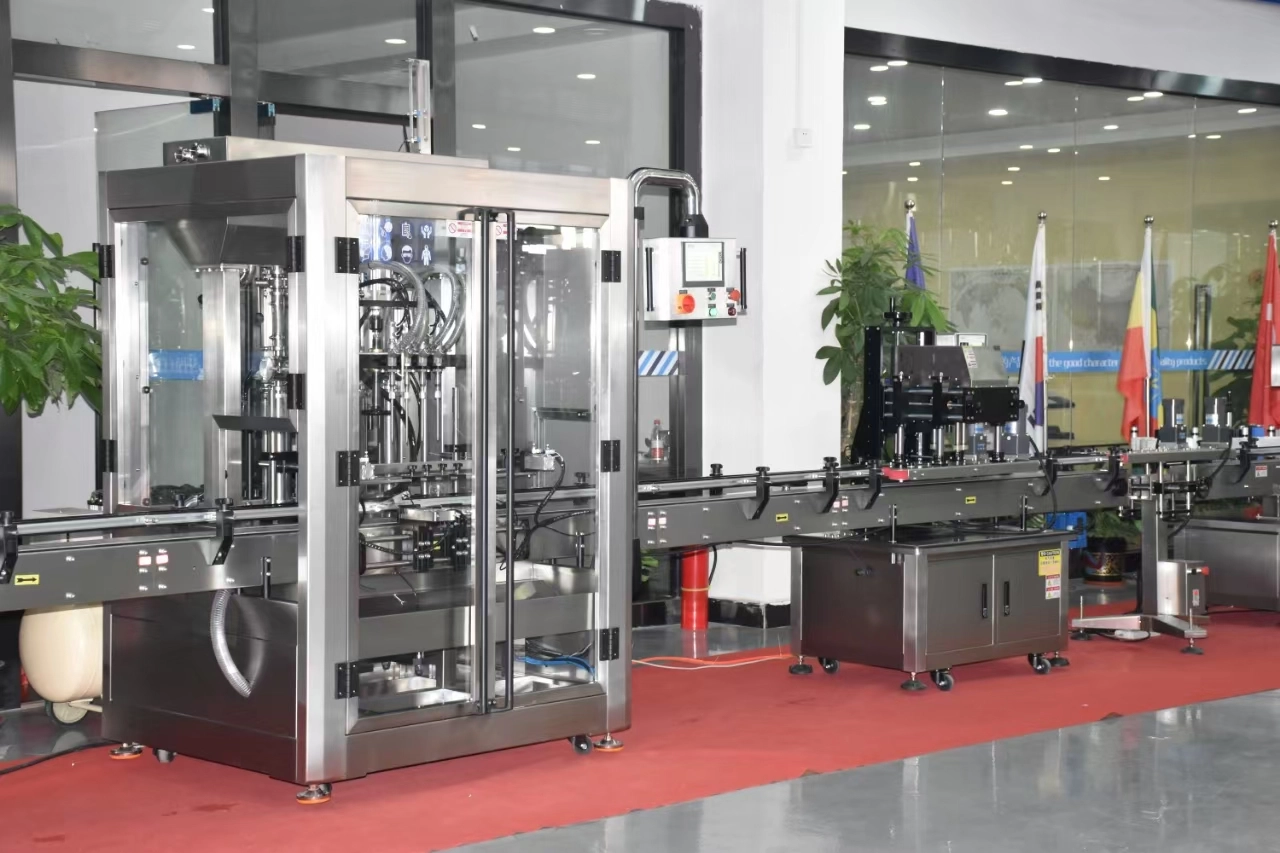
Gear pump filling machine vs. piston filling machine: Key differences broken down to avoid pitfalls in selection.
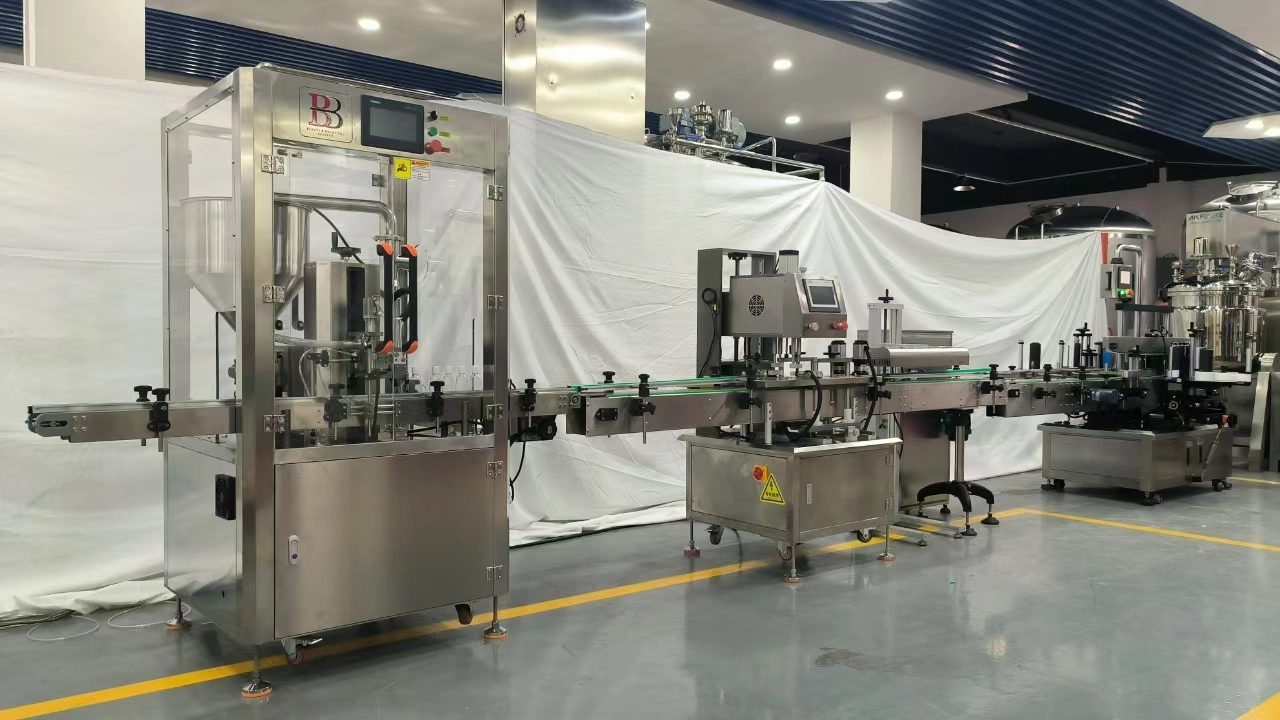
Understand the working principle of a servo gear pump filling machine!
Automatic Tube Filling and Sealing Machine
Who are we?
Our headquarters is located in Guangzhou, Guangdong, China, and our factory is located in Yangzhou, Jiangsu. Our products are sold all over the world. We have approximately 50 employees in our company and factory.
After purchasing the equipment, what after-sales services does the supplier typically provide?
General services include on-site installation and commissioning (including workshop layout planning), operator training (theoretical and practical training to ensure workers can operate independently), a one-year full machine warranty, and lifetime technical support (24-hour telephone and video troubleshooting).
Sealed Homogenizing Mixing Tank
What can you buy from us?
RO Water Treatment、Vacuum Emulsifying Machine、Homogenizer Mixing Tank、Filling and Capping、labeling Machine、Packing Machine、Storage Tank,etc.
Film Packaging Machine
What industries is this film packaging machine suitable for?
This machine is widely used for packaging a variety of items in large single boxes or multiple small boxes (with gold drawstring) in industries such as pharmaceuticals, health products, food, cosmetics, stationery, and audio-visual products.
Perfume Filling Machine
Can you customize the machine?
Of course, we provide customized services according to customer needs.
Get in touch with FULUKE
If you have any comments or good suggestions, please leave us a message, later our professional staff will contact you as soon as possible.
You May Also Like
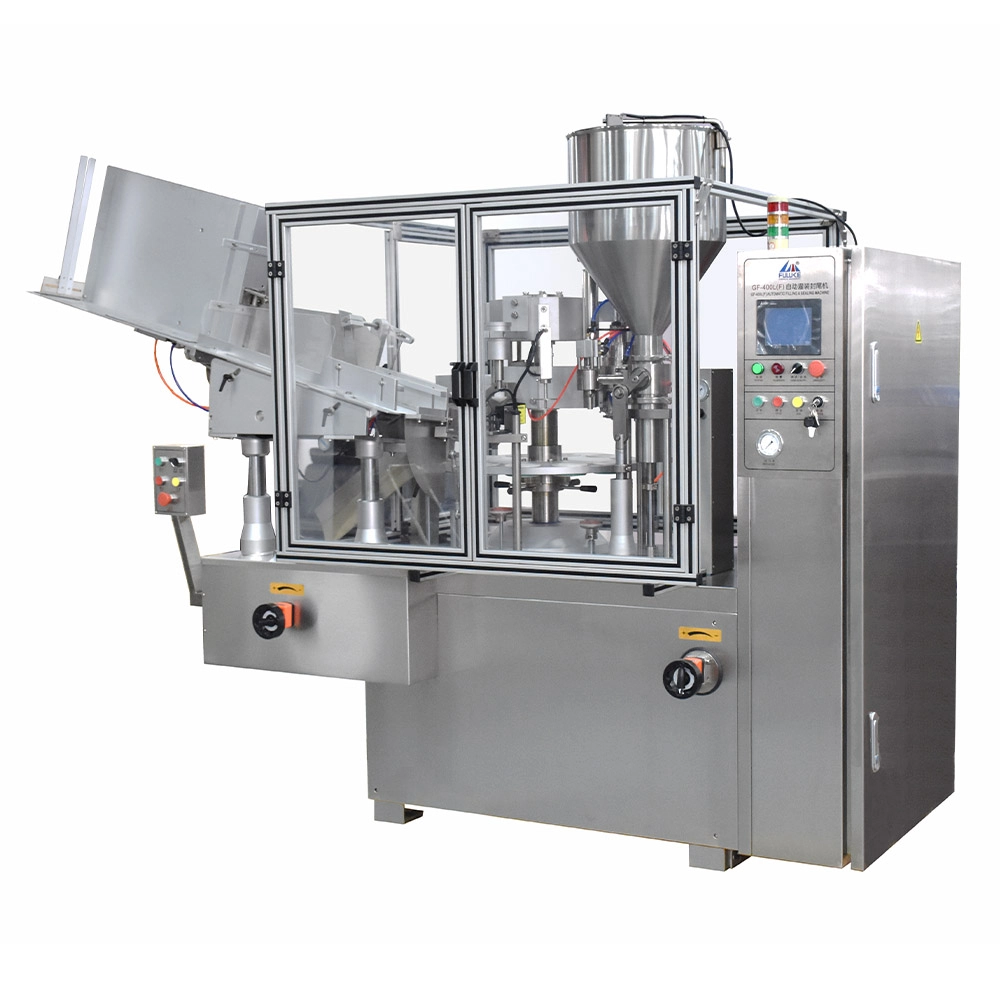
Automatic Tube Filling and Sealing Machine Toothpaste Sunscreen and Facial Cleanser Filling and Sealing Machine for Plastic and Aluminum-plastic Tube
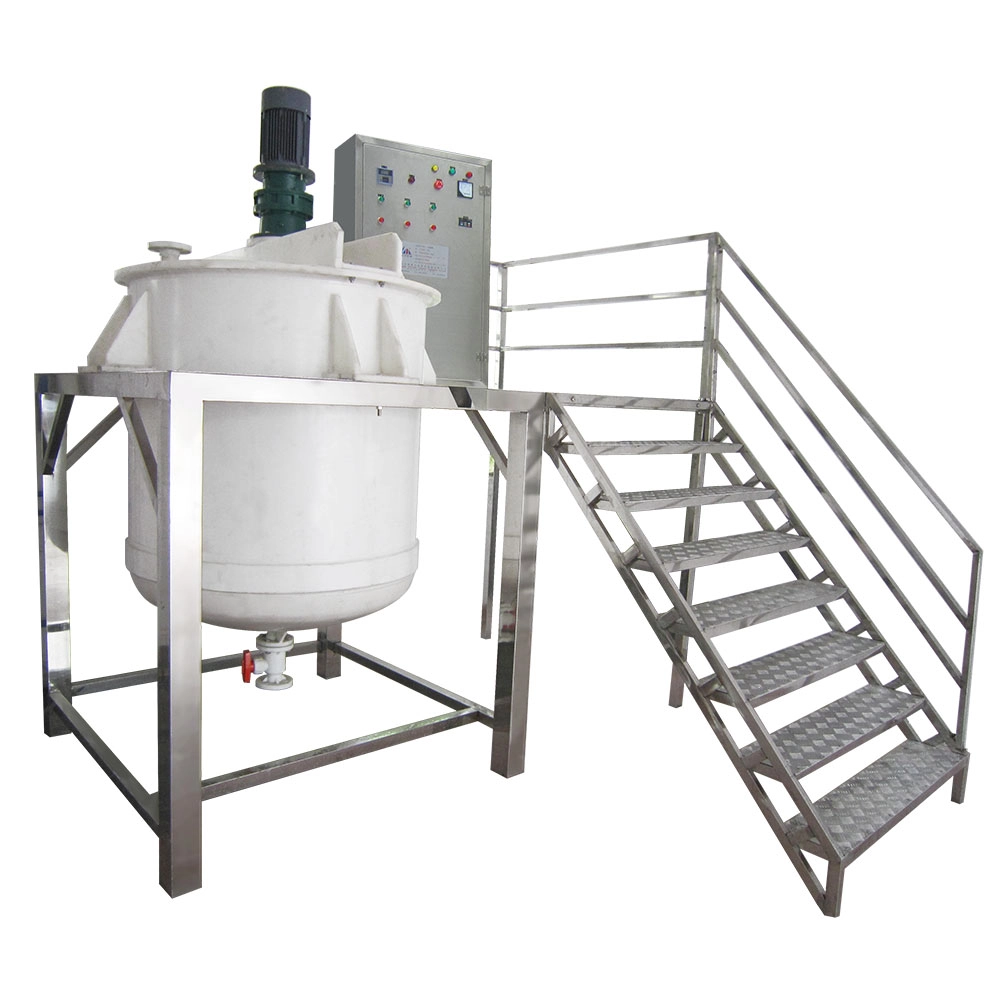
Polypropylene PP Mixing Tank Anti-Corrosion Mixer Reaction Kettle with Agitator Chemical Mixing Vessel
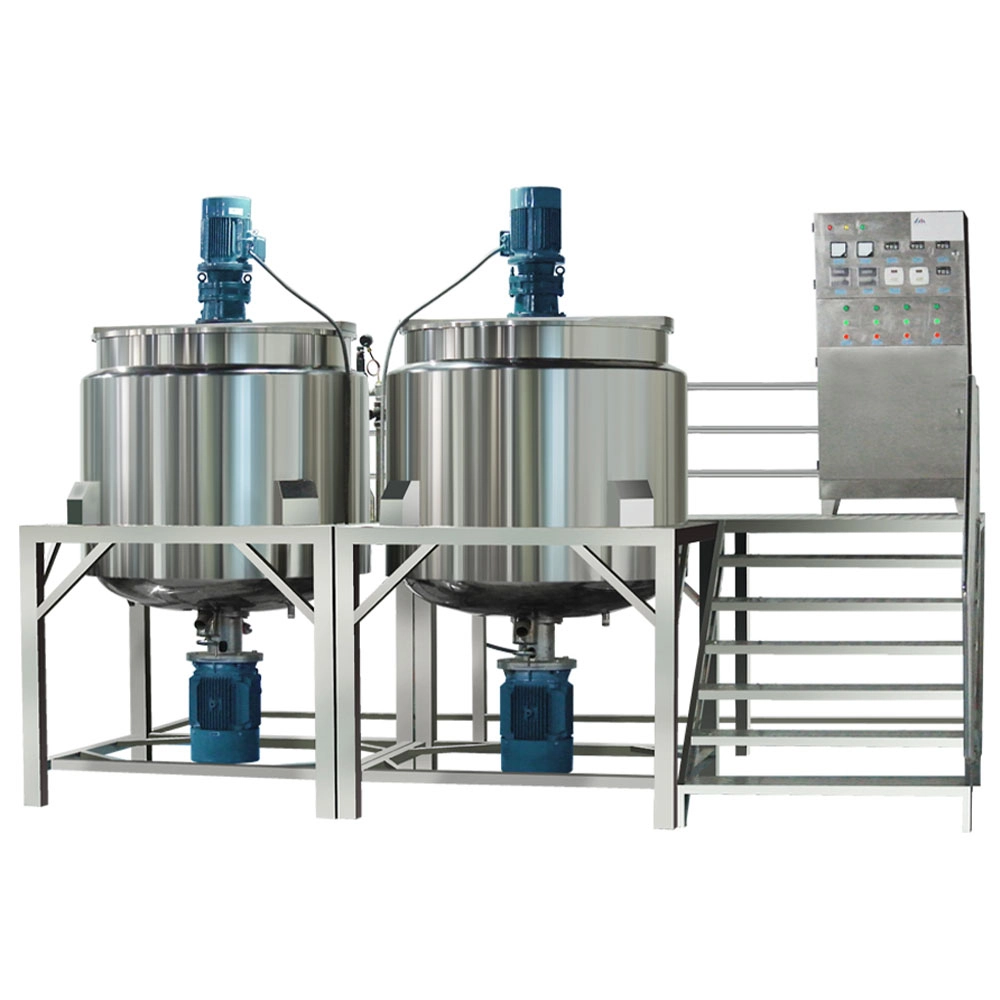
Flip Cover Multi-function Liquid Wash Mixing Tank Blender Liquid Detergent Mixer Homogenization Stirring Tank
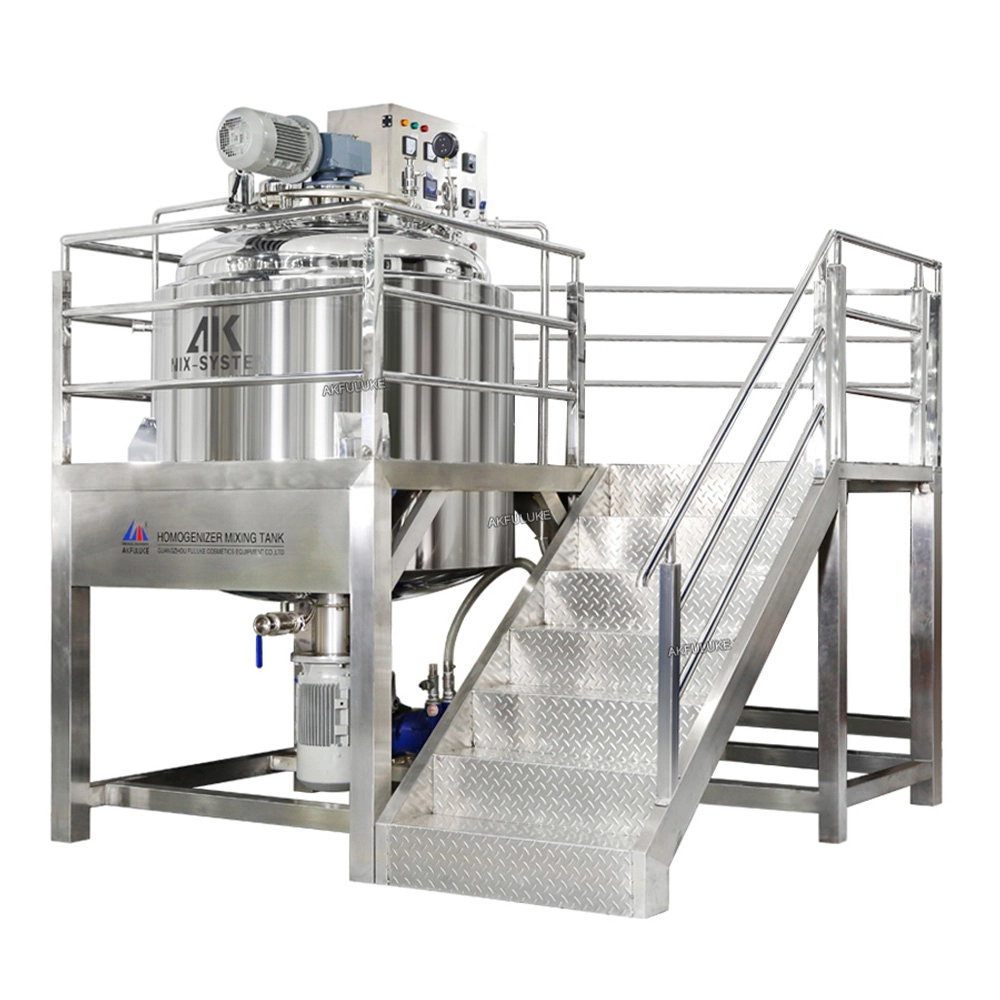
Stainless Steel Mixer Liquid Mixing tank with Agitator Homogenizing Mixing tank Vacuum Sealed Mixer Machine

A leading manufacturer specializing in advanced machinery and complete production lines for the cosmetics, food, pharmaceutical, and chemical industries worldwide.
Contact FULUKE
Facebook
Instagram
YouTube