
How to define acceptance criteria for new mixing tanks?
- Comprehensive Guide to Selecting Mixing Tanks with Agitators for Cosmetic Equipment Manufacturing
- 1. What are the key considerations when selecting a mixing tank with an agitator for cosmetic manufacturing?
- 2. How do I define acceptance criteria for new mixing tanks in cosmetic manufacturing?
- 3. What are the differences between mixing tanks used in pharmaceutical and cosmetic industries?
- 4. How can I ensure the mixing tank meets hygienic design requirements?
- 5. What are the special requirements for cosmetic mixing tanks?
- 6. How do I evaluate the long-term cost of a mixing tank beyond the purchase price?
- 7. How long does it typically take from order to delivery for custom mixing tanks?
- 8. What happens if a delivered mixing tank fails performance tests onsite?
- Conclusion: Why Choose FULUKE for Your Cosmetic Mixing Equipment Needs?
Comprehensive Guide to Selecting Mixing Tanks with Agitators for Cosmetic Equipment Manufacturing
When manufacturing cosmetic products, the selection of appropriate mixing tanks with agitators is crucial to ensure product quality, consistency, and compliance with industry standards. This guide addresses common questions and provides expert insights to assist in making informed decisions.
1. What are the key considerations when selecting a mixing tank with an agitator for cosmetic manufacturing?
Selecting the right mixing tank involves evaluating several factors:
Material Compatibility: Choose materials that are non-reactive and compatible with cosmetic ingredients to prevent contamination. Stainless steel, particularly grade 316L, is commonly used due to its corrosion resistance and ease of cleaning.
Hygiene and Sanitation: Opt for tanks designed for easy cleaning, with smooth internal surfaces and no crevices to prevent microbial growth. Features like Clean-in-Place (CIP) systems can enhance sanitation efficiency.
Mixing Performance: Ensure the agitator design is suitable for the viscosity and properties of the cosmetic formulations to achieve uniform mixing.
Temperature Control: Consider tanks equipped with heating and cooling systems to maintain optimal processing temperatures, as some cosmetic ingredients are sensitive to temperature variations.
Safety Features: Incorporate safety measures such as pressure relief valves and level sensors to protect operators and prevent equipment damage.
2. How do I define acceptance criteria for new mixing tanks in cosmetic manufacturing?
Establishing clear acceptance criteria is essential to ensure the mixing tank meets operational requirements:
Performance Specifications: Define parameters such as mixing efficiency, temperature control accuracy, and agitation speed.
Material Standards: Specify material grades and finishes to ensure compatibility with cosmetic formulations and ease of cleaning.
Compliance with Regulations: Ensure the equipment adheres to relevant industry standards and regulations for cosmetic manufacturing.
Safety Compliance: Verify that the tank includes necessary safety features and complies with safety standards.
Documentation and Traceability: Request comprehensive documentation, including material certificates, welding qualifications, and maintenance records. ((https://www.fulukemix.com/article/choose-mixing-tanks-manufacturer-supplier/))
3. What are the differences between mixing tanks used in pharmaceutical and cosmetic industries?
While both industries require mixing tanks, their specifications differ:
Sterility Requirements: Pharmaceutical mixing tanks prioritize sterility and contamination prevention, often incorporating Sterilize-in-Place (SIP) systems. Cosmetic mixing tanks focus on hygiene but do not require sterility.
Material Selection: Pharmaceutical tanks often use 316L stainless steel for its superior corrosion resistance, while cosmetic tanks may use 304 stainless steel, depending on the formulation. ((https://www.fulukemix.com/article/choose-mixing-tanks-manufacturer-supplier/))
Cleaning Protocols: Pharmaceutical tanks require rigorous cleaning and sterilization protocols, including CIP and SIP, whereas cosmetic tanks primarily require effective cleaning to prevent contamination.
4. How can I ensure the mixing tank meets hygienic design requirements?
To validate hygienic design:
Factory Acceptance Test (FAT): Conduct FAT to verify equipment meets agreed specifications before shipment. ((https://www.fulukemix.com/article/choose-mixing-tanks-manufacturer-supplier/))
Surface Finish Verification: Ensure product-contact surfaces have appropriate surface finishes to prevent microbial growth.
Cleaning Validation: Perform cleaning trials to confirm the tank can be effectively cleaned and sanitized.
5. What are the special requirements for cosmetic mixing tanks?
Special requirements include:
Material Compatibility: Use materials that do not react with cosmetic ingredients to prevent contamination.
Hygiene and Sanitation: Design tanks for easy cleaning, with smooth internal surfaces and no crevices to prevent microbial growth.
Mixing Performance: Ensure the agitator design is suitable for the viscosity and properties of the cosmetic formulations to achieve uniform mixing.
Temperature Control: Consider tanks equipped with heating and cooling systems to maintain optimal processing temperatures, as some cosmetic ingredients are sensitive to temperature variations.
Safety Features: Incorporate safety measures such as pressure relief valves and level sensors to protect operators and prevent equipment damage.
6. How do I evaluate the long-term cost of a mixing tank beyond the purchase price?
Consider the following factors:
Energy Consumption: Assess the tank's energy efficiency to estimate operational costs.
Maintenance Requirements: Evaluate maintenance intervals, spare part availability, and associated costs.
Equipment Lifespan: Consider the expected lifetime of the equipment and its components.
Downtime Risk: Assess the potential impact of equipment downtime on production schedules.
Service Availability: Ensure access to technical support and service providers. ((https://www.fulukemix.com/article/choose-mixing-tanks-manufacturer-supplier/))
7. How long does it typically take from order to delivery for custom mixing tanks?
Lead times vary based on customization and supplier workload:
Typical Lead Times: Range from 8 to 20 weeks for custom mixing tanks with integration and Factory Acceptance Testing (FAT). ((https://www.fulukemix.com/article/choose-mixing-tanks-manufacturer-supplier/))
Project Milestones: Confirm project milestones in the contract to lock timelines.
8. What happens if a delivered mixing tank fails performance tests onsite?
Include acceptance criteria and remediation clauses in your contract:
- Supplier Responsibility: The supplier should be responsible for adjustments, repairs, or replacement to meet the agreed specifications, with clear timelines and costs covered by warranty terms. ((https://www.fulukemix.com/article/choose-mixing-tanks-manufacturer-supplier/))
Conclusion: Why Choose FULUKE for Your Cosmetic Mixing Equipment Needs?
FULUKE offers a comprehensive range of mixing tanks with agitators tailored for the cosmetic industry. Our equipment is designed with material compatibility, hygiene, and performance in mind, ensuring high-quality and efficient mixing processes. With a commitment to innovation and customer satisfaction, FULUKE is your trusted partner in cosmetic manufacturing solutions.
References:

Understanding Servo Capping Machines: The Core Logic of Precise Capping – Understand the Entire Working Process in Seconds
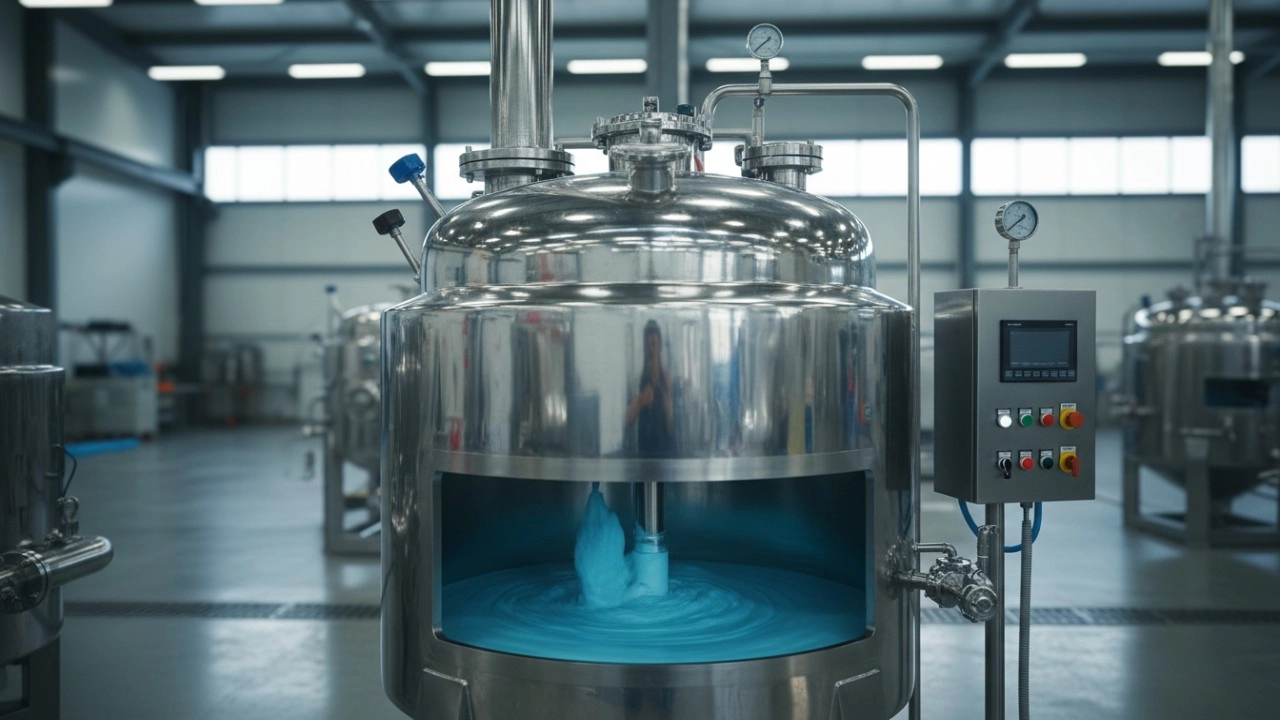
The Future of Industrial Agitation: 5 Smart Mixing Tank Technologies Changing the Game
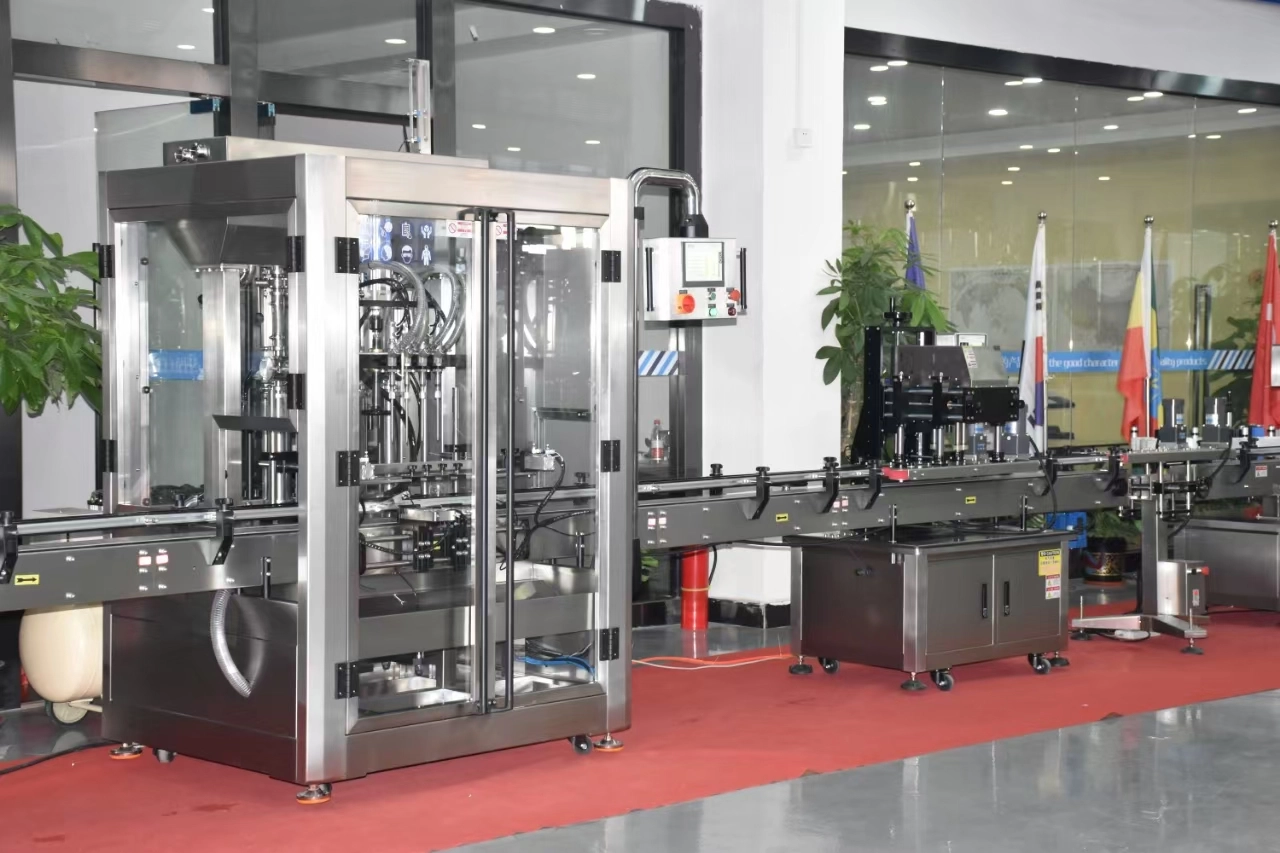
Gear pump filling machine vs. piston filling machine: Key differences broken down to avoid pitfalls in selection.
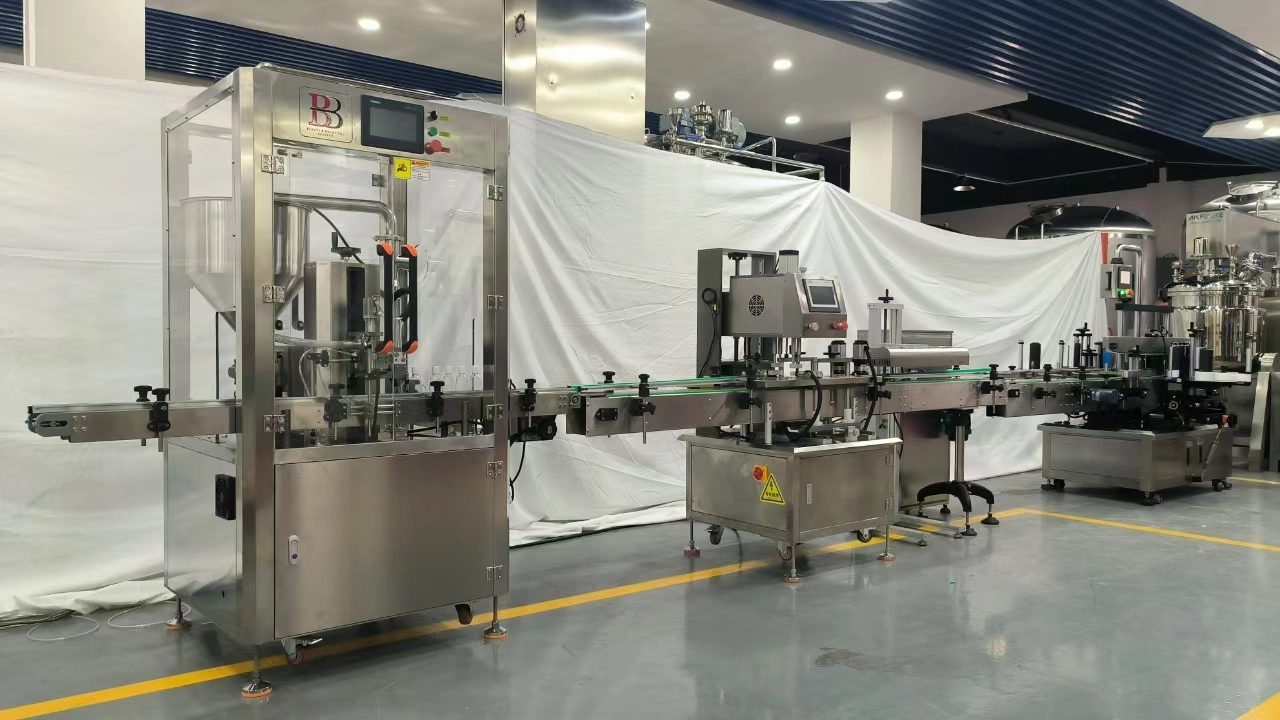
Understand the working principle of a servo gear pump filling machine!
Automatic Tube Filling and Sealing Machine
Why are wrinkles, leaks, or uneven edges appearing after sealing? How can this be addressed?
These issues are often caused by three core factors, with corresponding solutions as follows:
Temperature mismatch: If the temperature is too low, the edge seal will not adhere well and leaks may occur; if the temperature is too high, it may burn and wrinkle. Adjust the sealing temperature using the PLC touch screen.
Insufficient pressure/time: The sealing cylinder pressure should be adjusted according to the hose material, and the sealing head pressing time should be ≥ 1.5 seconds to avoid a poor seal caused by insufficient pressure or short pressing time.
Mold wear/alignment deviation: Inspect the sealing mold for scratches and deformation. Replace if worn. If the label is misaligned with the seal, calibrate the photoelectric sensor position.
Polypropylene PP Mixing Tank
What can you buy from us?
RO Water Treatment、Vacuum Emulsifying Machine、Homogenizer Mixing Tank、Filling and Capping、labeling Machine、Packing Machine、Storage Tank,etc.
FAQs
What sets FULUKE apart from other cosmetics machinery manufacturers?
Storage Tank
Can you make a design for us?
Yes, we can, we provide not only products, but also solutions and designs.
Perfume Freezing Filter Making Machine
If the liquid is still turbid after filtration, what could be the cause?
Common causes include: ① Insufficient freezing (low temperature or too short a freezing time); ② Clogged filter element or overly large pore size; ③ Uneven material flow leading to insufficient localized condensation. Solution: Extend the freezing time, replace the 0.1μm precision filter element, check the pipes for blockage, and optimize flow control.
Get in touch with FULUKE
If you have any comments or good suggestions, please leave us a message, later our professional staff will contact you as soon as possible.
You May Also Like
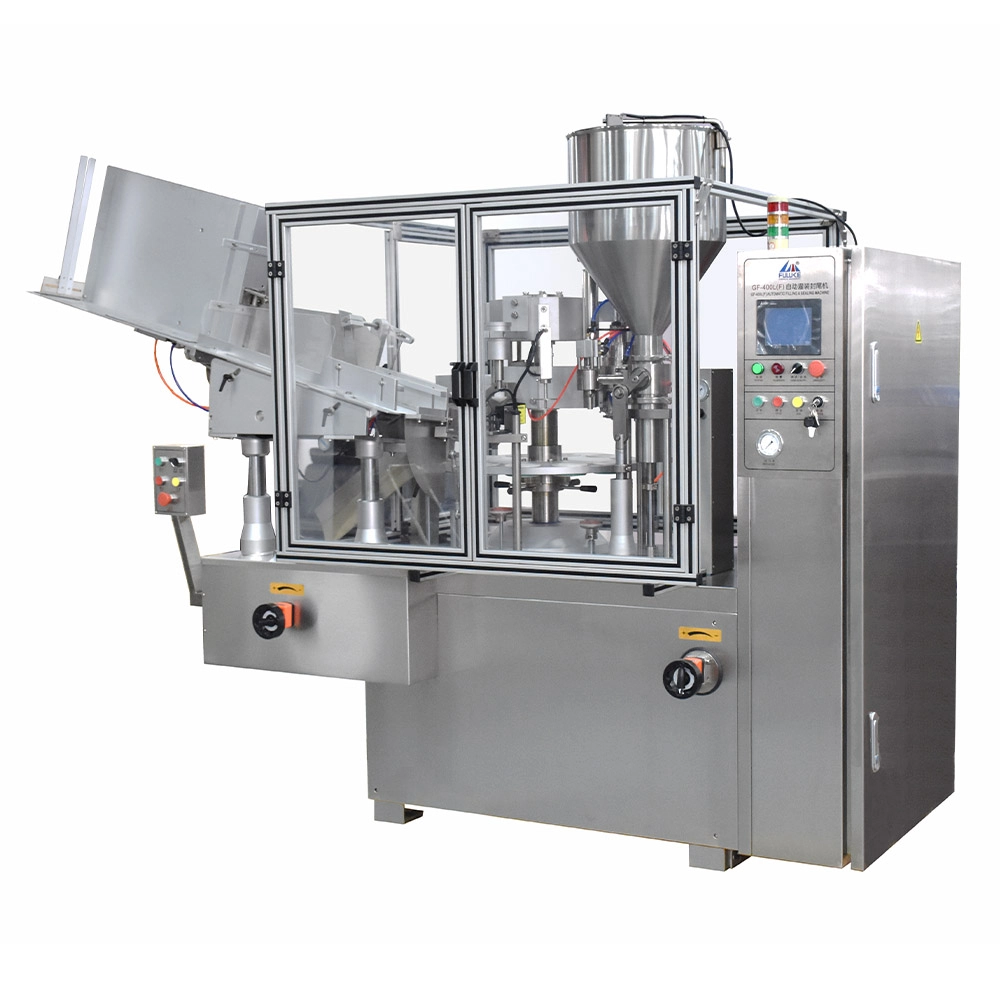
Automatic Tube Filling and Sealing Machine Toothpaste Sunscreen and Facial Cleanser Filling and Sealing Machine for Plastic and Aluminum-plastic Tube
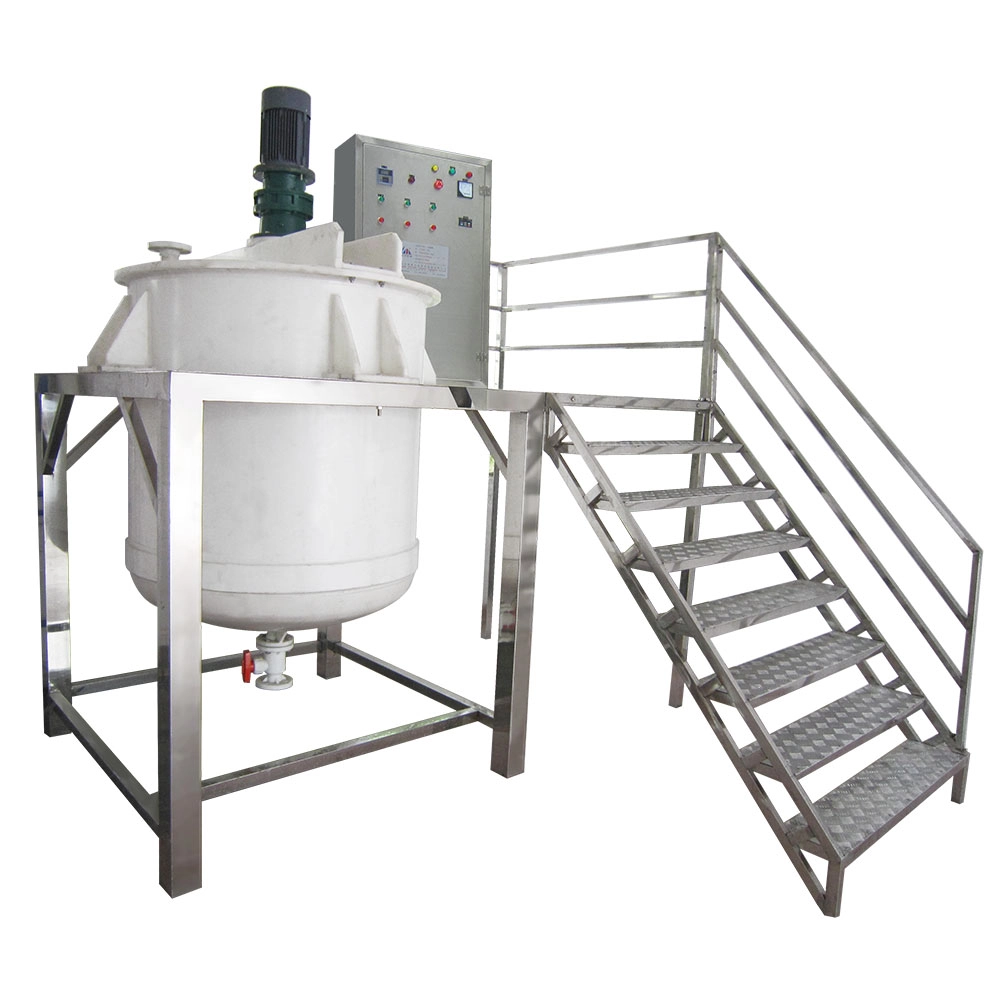
Polypropylene PP Mixing Tank Anti-Corrosion Mixer Reaction Kettle with Agitator Chemical Mixing Vessel
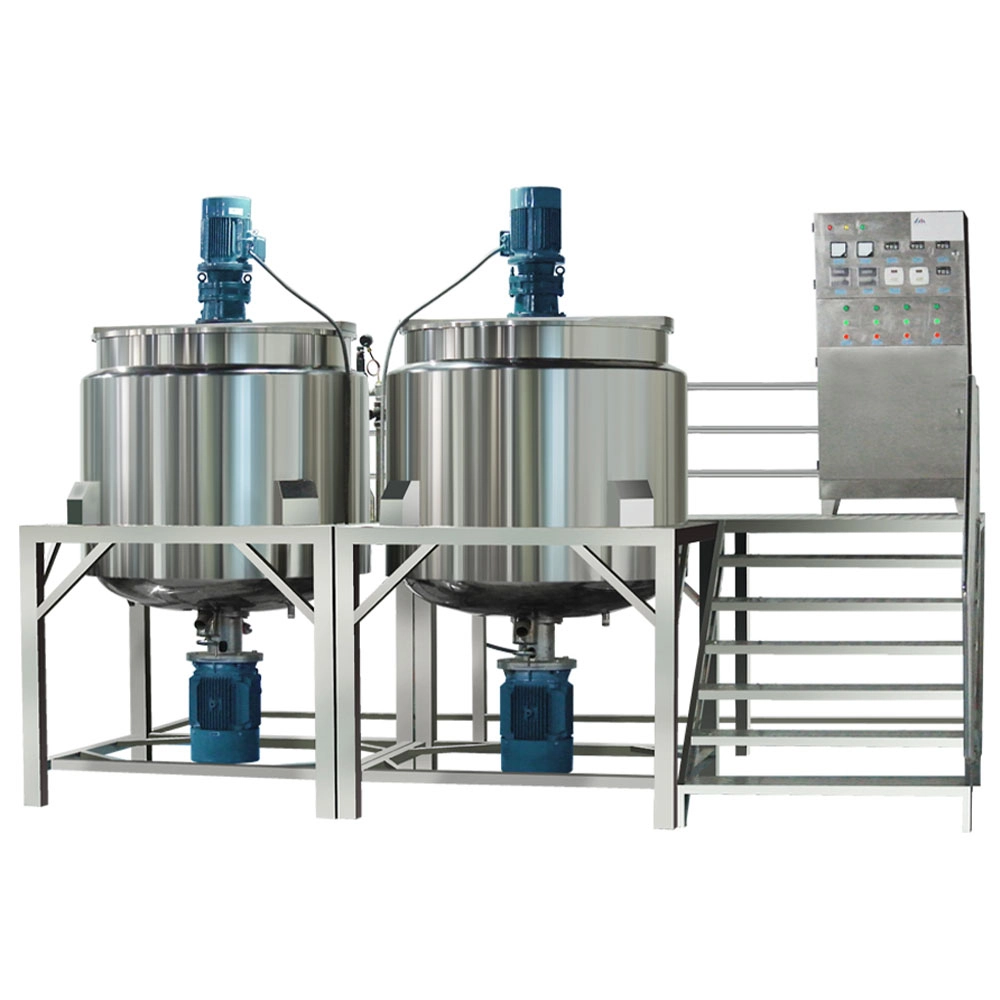
Flip Cover Multi-function Liquid Wash Mixing Tank Blender Liquid Detergent Mixer Homogenization Stirring Tank
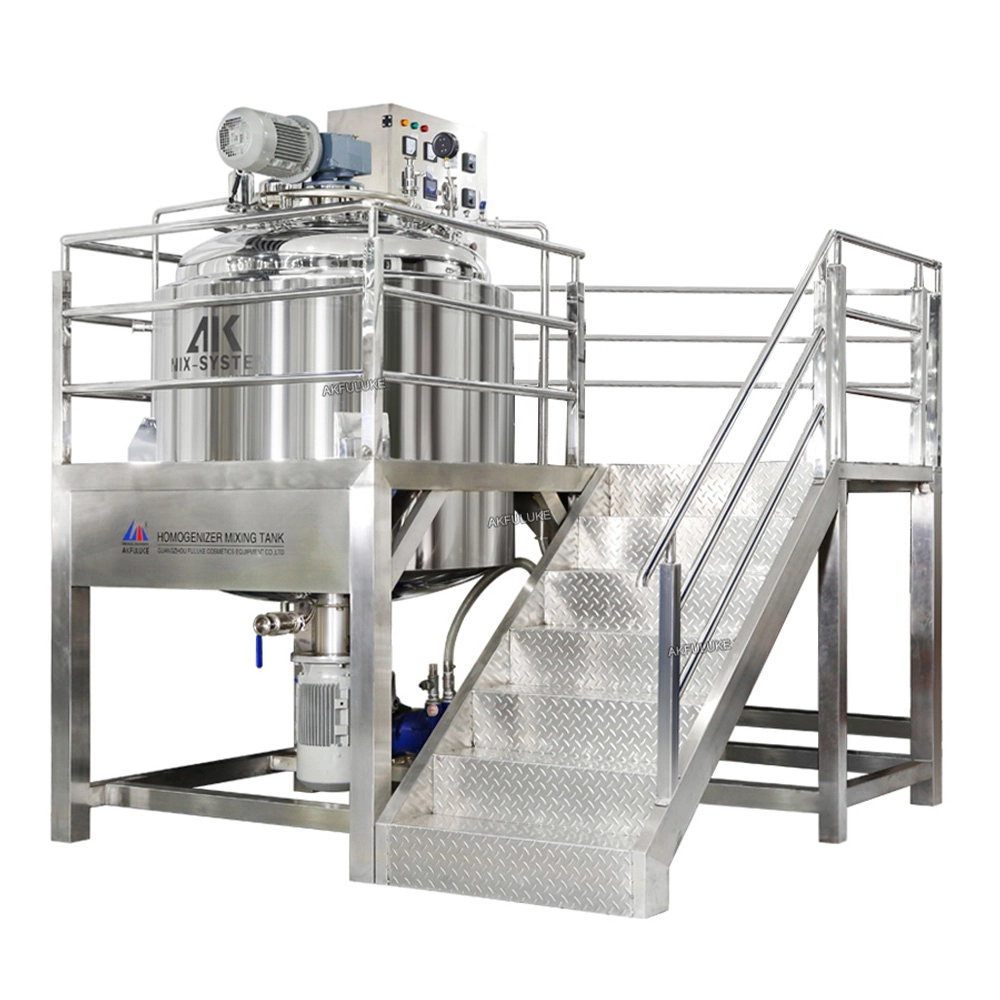
Stainless Steel Mixer Liquid Mixing tank with Agitator Homogenizing Mixing tank Vacuum Sealed Mixer Machine

A leading manufacturer specializing in advanced machinery and complete production lines for the cosmetics, food, pharmaceutical, and chemical industries worldwide.
Contact FULUKE
Facebook
Instagram
YouTube