
How to scale batch recipes between mixing tanks with agitators?
- 1. What are the primary functions of a mixing tank with an agitator in cosmetic manufacturing?
- 2. How do I choose the right mixing tank with an agitator for my cosmetic production needs?
- 3. What are the key considerations when scaling batch recipes between mixing tanks with agitators?
- 4. How do jacketed mixing tanks improve processing efficiency in cosmetic manufacturing?
- 5. What maintenance costs should be anticipated for mixing tanks with agitators in cosmetic production?
- 6. Can mixing tanks handle viscous formulations like CBD products?
- 7. What is the typical lead time for custom mixing tank installations in cosmetic manufacturing?
- 8. How do I ensure regulatory compliance when selecting mixing tanks for cosmetic production?
- FULUKE: Your Trusted Partner in Cosmetic Mixing Solutions
In the cosmetics industry, achieving consistent product quality and efficient production processes is paramount. Central to this is the selection and scaling of mixing tanks equipped with agitators. This guide addresses key considerations for professionals in the cosmetics equipment sector when procuring such equipment.
1. What are the primary functions of a mixing tank with an agitator in cosmetic manufacturing?
Mixing tanks with agitators serve several critical functions in cosmetic manufacturing:
Homogenization and High Shear Mixing: They ensure uniform dispersion of ingredients, creating stable emulsions essential for products like creams and lotions.
Vacuum Degassing: By removing entrained air and dissolved gases, they produce bubble-free products, enhancing texture and stability.
Temperature Control: Integrated heating and cooling systems maintain optimal temperatures, crucial for processes like emulsification and ingredient activation.
These capabilities directly influence product texture, stability, and shelf life. ((https://www.fulukemix.com/article/choosing-mixing-tank-with-agitator/))
2. How do I choose the right mixing tank with an agitator for my cosmetic production needs?
Selecting the appropriate mixing tank involves considering several factors:
Capacity Requirements: Determine the volume needed based on production scale. For startups, tanks ranging from 50-100 liters are common.
Material Compatibility: Ensure the tank material, typically stainless steel, is compatible with your formulations to prevent contamination.
Agitator Type: Choose between different agitator designs—such as scraper type, high-shear homogenizer, or disc disperser—based on the specific mixing requirements of your products.
Temperature Control Needs: Decide if integrated heating or cooling systems are necessary for your processes.
Regulatory Compliance: Verify that the equipment meets industry standards and certifications relevant to cosmetic manufacturing.
3. What are the key considerations when scaling batch recipes between mixing tanks with agitators?
Scaling batch recipes requires careful attention to:
Mixing Efficiency: Ensure that the agitator's design and capacity are suitable for the scaled-up volume to maintain product consistency.
Shear Rates: Adjust shear rates appropriately to prevent damage to sensitive ingredients during scaling.
Temperature Control: Maintain consistent temperature profiles during scaling to ensure uniform product quality.
Process Validation: Conduct thorough testing to confirm that the scaled-up process yields the desired product characteristics.
4. How do jacketed mixing tanks improve processing efficiency in cosmetic manufacturing?
Jacketed mixing tanks enhance processing efficiency by:
Precise Temperature Control: They allow for accurate heating and cooling, which is vital for processes like emulsification.
Reduced Mixing Time: Efficient temperature management can decrease mixing times by 25-40%, leading to faster production cycles.
Preventing Ingredient Degradation: Consistent temperatures help in maintaining the integrity of heat-sensitive ingredients.
5. What maintenance costs should be anticipated for mixing tanks with agitators in cosmetic production?
Annual maintenance costs typically range from 12-18% of the equipment's initial cost and may include:
Seal Replacements: $200-$800
Impeller Balancing: $150-$450
Sensor Calibrations: $300-$600
Preventive Cleaning-In-Place (CIP) Servicing: $500+
Regular maintenance ensures optimal performance and extends the equipment's lifespan.
6. Can mixing tanks handle viscous formulations like CBD products?
Yes, high-shear mixing tanks equipped with scraper blades are suitable for viscous formulations. It's important to verify torque ratings (≥45 Nm) and select models with high heat transfer coefficients (≥500 W/m²K) to ensure efficient processing.
7. What is the typical lead time for custom mixing tank installations in cosmetic manufacturing?
Lead times vary based on customization:
Standard Installations: 30-45 days
Customized Installations: 60-90 days, with an additional 30 days for certifications like ASME BPE
Installation and Validation: 7-14 days
Planning ahead is crucial to align with production schedules.
8. How do I ensure regulatory compliance when selecting mixing tanks for cosmetic production?
Ensure that the equipment complies with relevant standards and certifications, such as:
FDA 21 CFR Part 11: For electronic records and signatures
ISO 22716: Good Manufacturing Practices for cosmetics
EHEDG: European Hygienic Engineering & Design Group
Additionally, for products intended for export, ensure compliance with CE/PED certifications and maintain material traceability documentation.
FULUKE: Your Trusted Partner in Cosmetic Mixing Solutions
FULUKE specializes in providing high-quality mixing tanks with agitators tailored for the cosmetic industry. Our equipment is designed to enhance product consistency, improve processing efficiency, and ensure compliance with industry standards. With a focus on innovation and customer satisfaction, FULUKE is committed to supporting your manufacturing needs.
By considering these factors, professionals in the cosmetics equipment industry can make informed decisions when procuring mixing tanks with agitators, ensuring optimal production outcomes.

Understanding Servo Capping Machines: The Core Logic of Precise Capping – Understand the Entire Working Process in Seconds
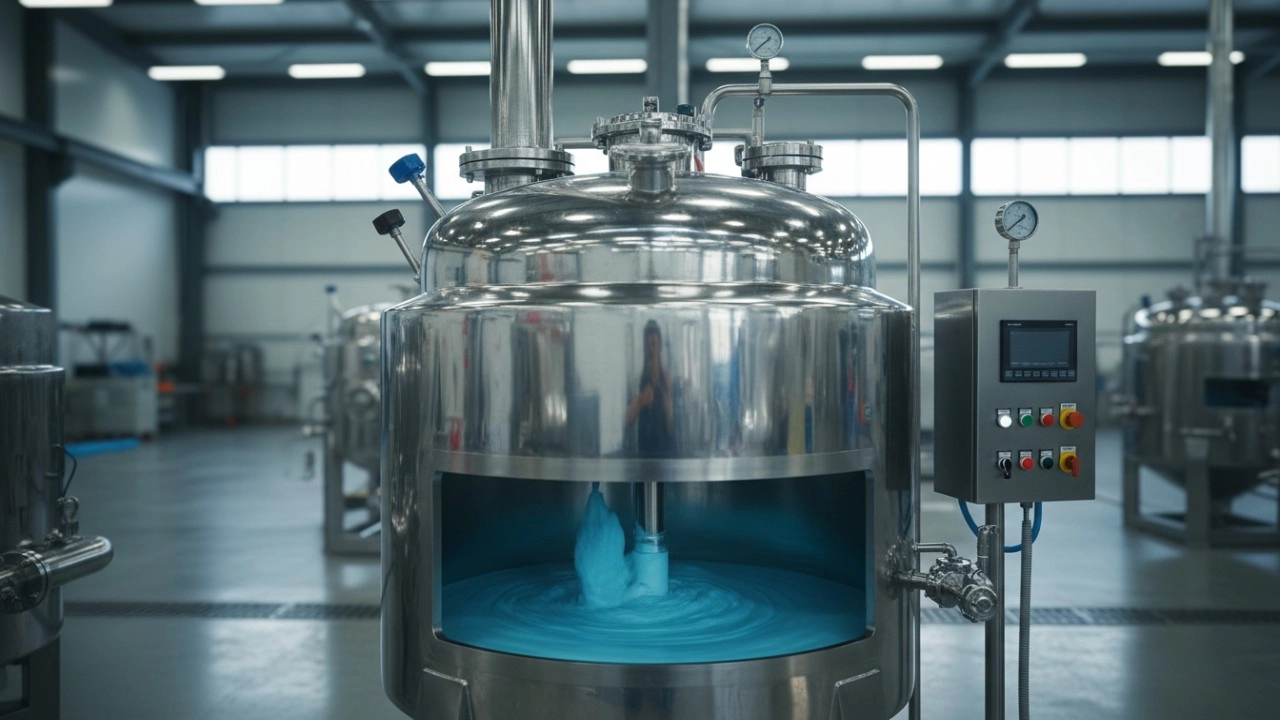
The Future of Industrial Agitation: 5 Smart Mixing Tank Technologies Changing the Game
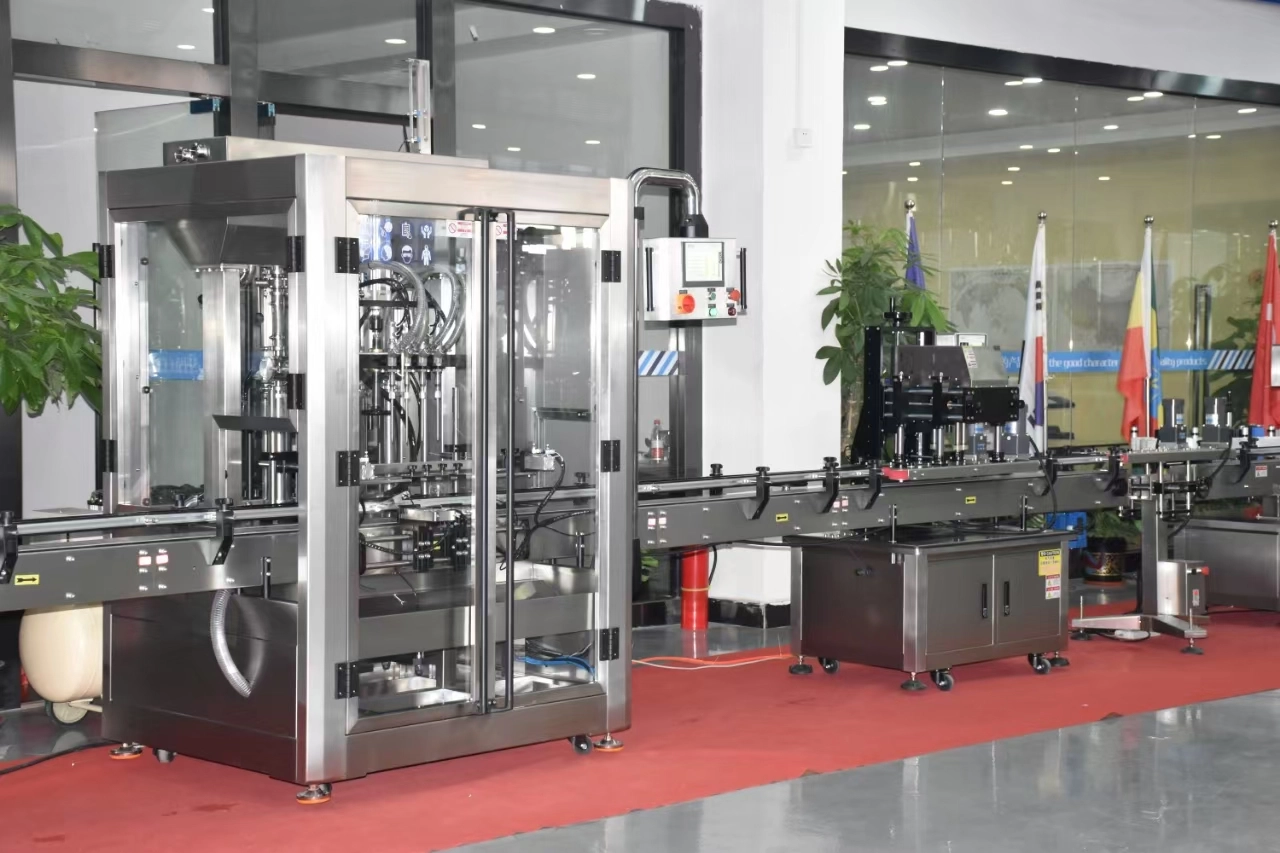
Gear pump filling machine vs. piston filling machine: Key differences broken down to avoid pitfalls in selection.
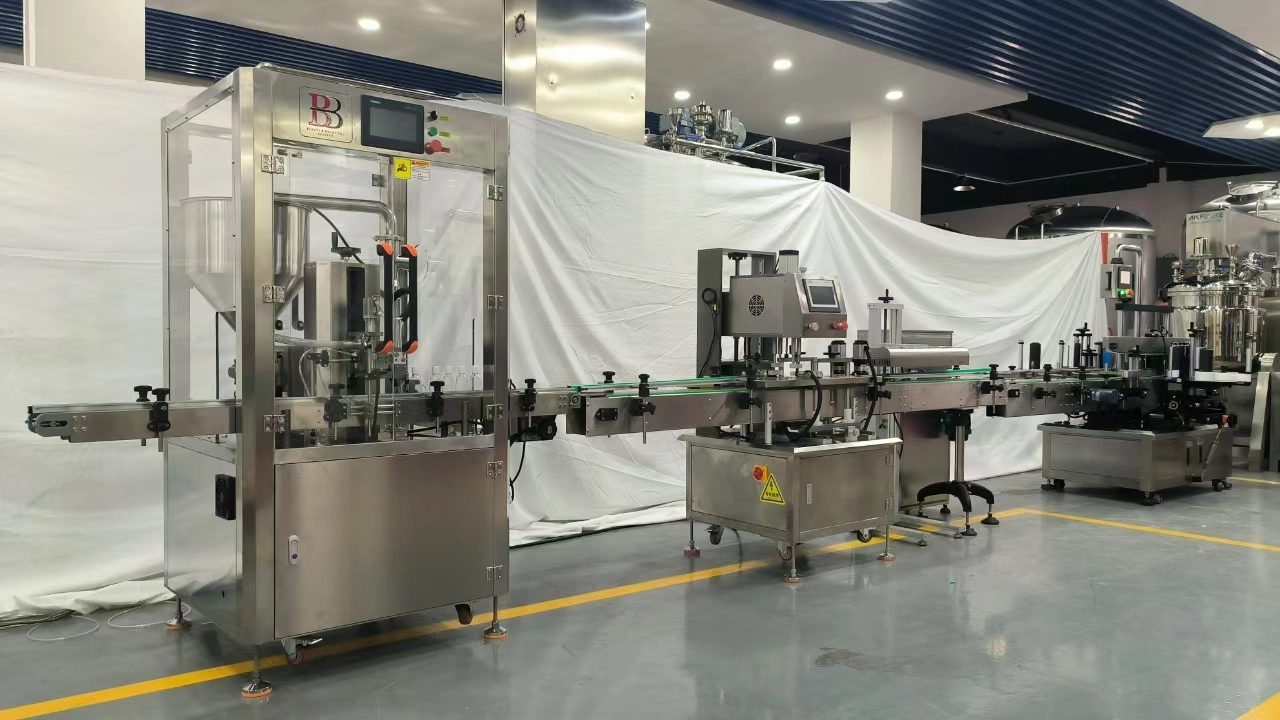
Understand the working principle of a servo gear pump filling machine!
Automatic Tube Filling and Sealing Machine
Do you have a complete production line for facial masks?
Of course, we can also provide high-speed facial mask folding machine + online weighing and rejecting machine + automatic sheet counting machine + automatic cartoning machine + automatic three-dimensional cigarette packaging machine + online inkjet printer, etc.
Automatic Capping Machine
Who are we?
Our headquarters is located in Guangzhou, Guangdong, China, and our factory is located in Yangzhou, Jiangsu. Our products are sold all over the world. We have approximately 50 employees in our company and factory.
RO Water Treatment
Can you make a design for us?
Yes, we can, we provide not only products, but also solutions and designs.
The Flip Cover Liquid Wash Mixing Homogenizing Tank
Can flip cover homogenizing mixing tank ensure hygienic safety when handling materials such as food and cosmetics?
Material Compliance: The equipment's pot, agitator, homogenizer, and other material-contacting components are all made of 316L stainless steel, which is corrosion-resistant and easy to clean, meeting food-grade and cosmetic-grade hygiene requirements.
Easy Cleaning: The open-top design allows direct access to corners within the pot, allowing for thorough cleaning by hand or with tools.
Operational Specifications: The equipment can be disinfected before use (e.g., hot water for food processing). After use, cleanup any remaining material promptly to avoid cross-contamination.
Perfume Filling Machine
Can the perfume filling machine accommodate perfume bottles of varying materials and shapes?
Yes. The machine utilizes adjustable mold positions and a PLC control system that allows for one-touch parameter switching, allowing it to accommodate a wide range of bottle shapes, including round, square, and special-shaped ones. The filling capacity range can be flexibly adjusted, and format changeovers take as little as 10 minutes, meeting diverse production needs.
Get in touch with FULUKE
If you have any comments or good suggestions, please leave us a message, later our professional staff will contact you as soon as possible.
You May Also Like
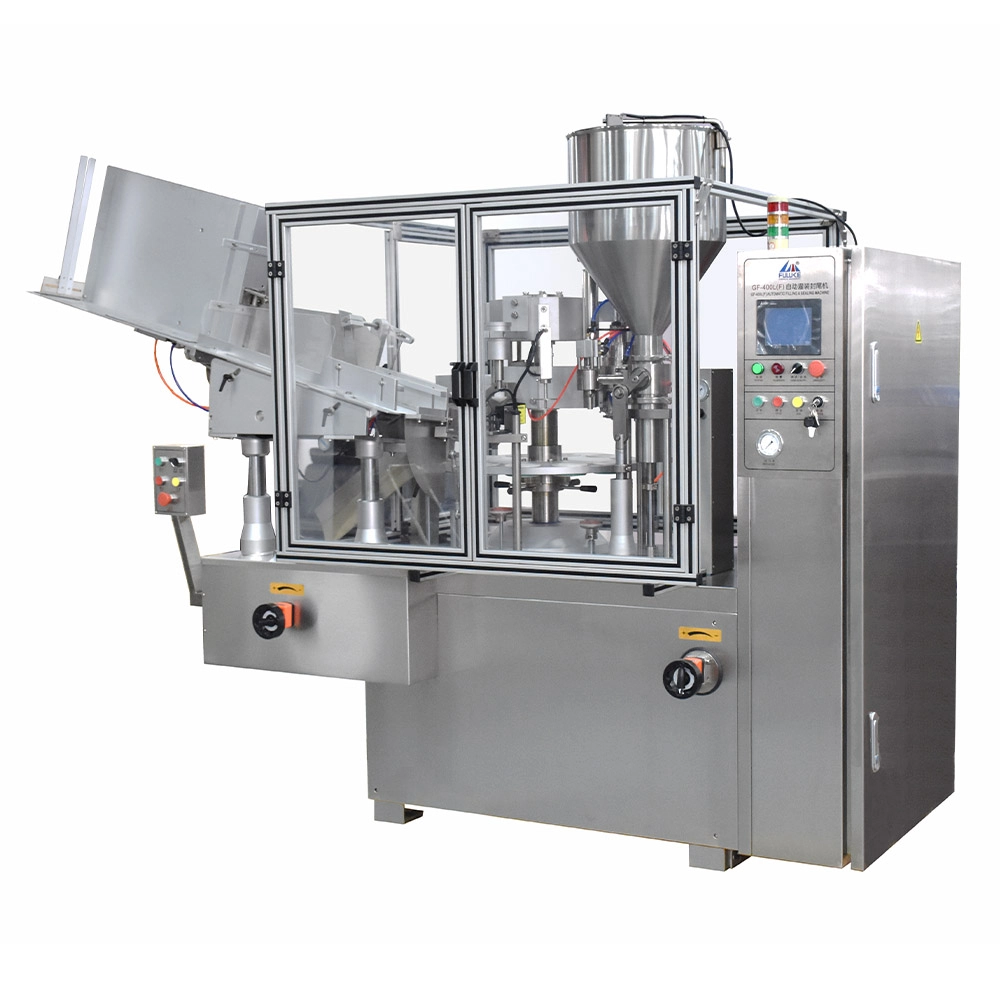
Automatic Tube Filling and Sealing Machine Toothpaste Sunscreen and Facial Cleanser Filling and Sealing Machine for Plastic and Aluminum-plastic Tube
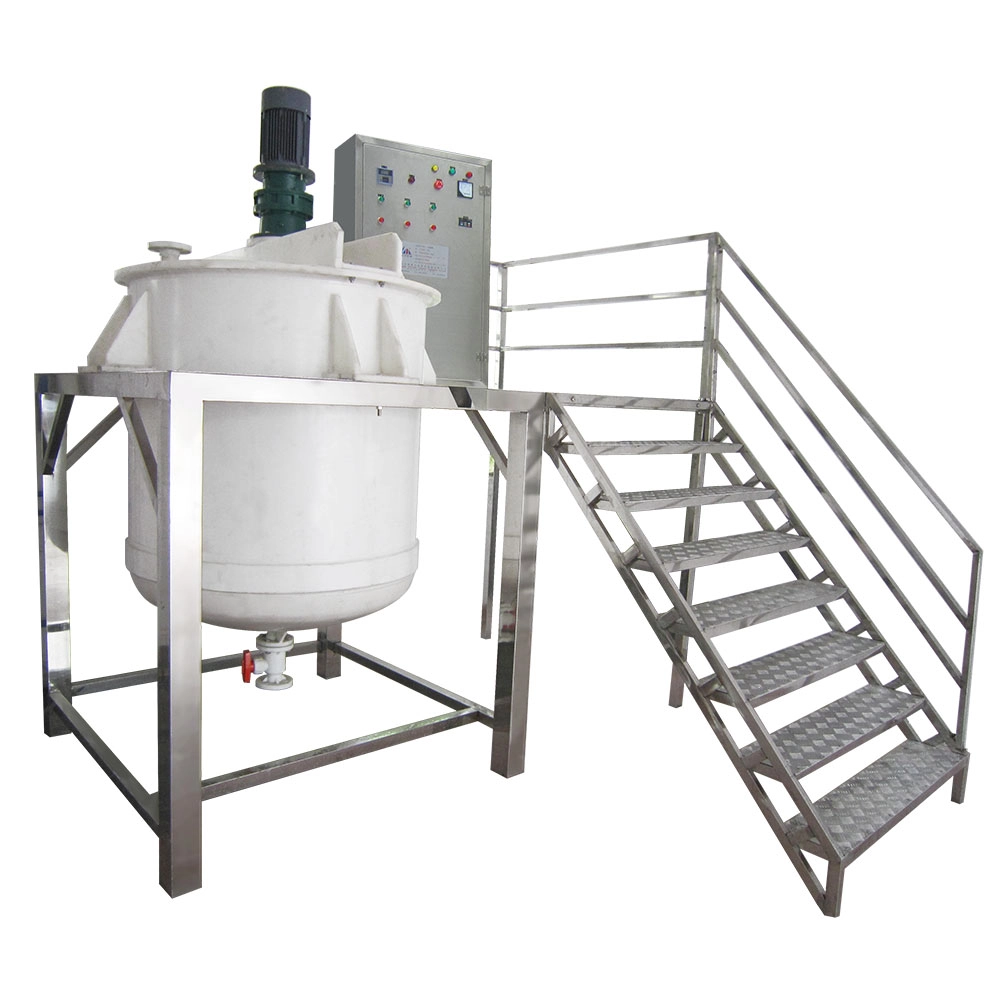
Polypropylene PP Mixing Tank Anti-Corrosion Mixer Reaction Kettle with Agitator Chemical Mixing Vessel
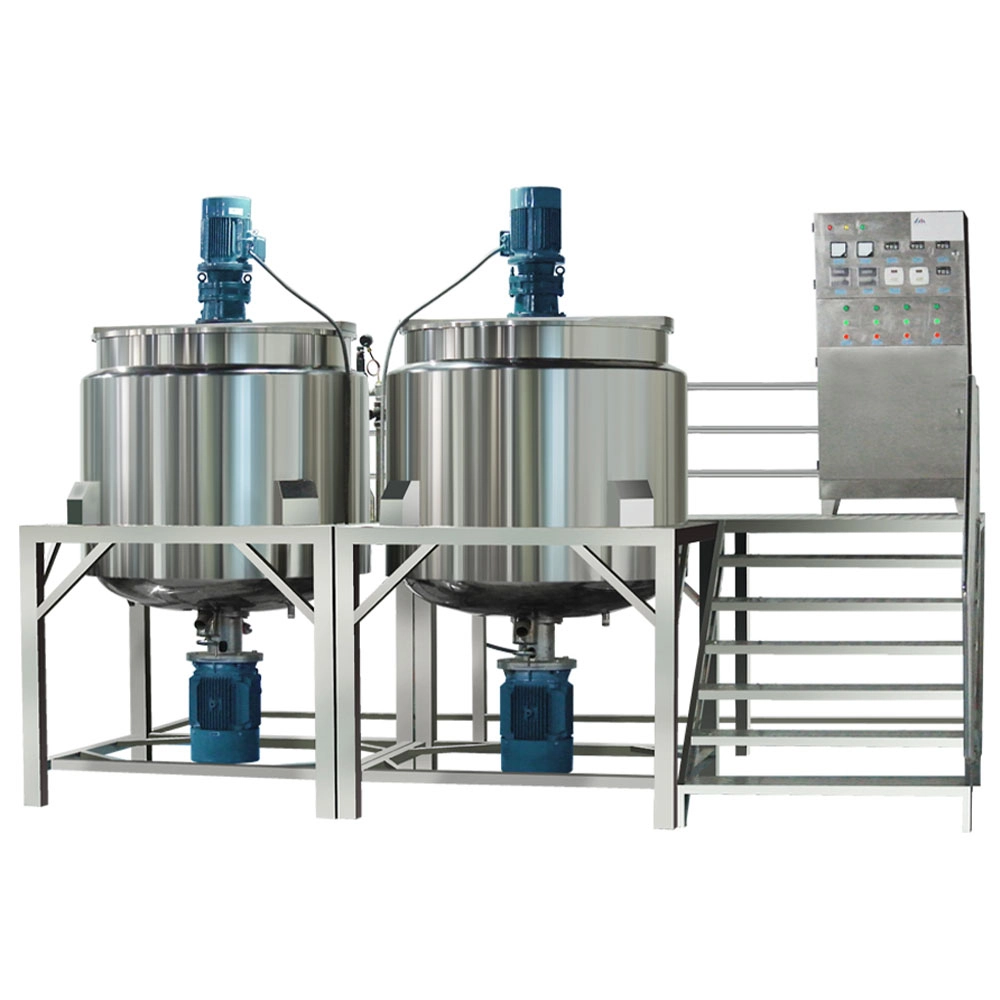
Flip Cover Multi-function Liquid Wash Mixing Tank Blender Liquid Detergent Mixer Homogenization Stirring Tank
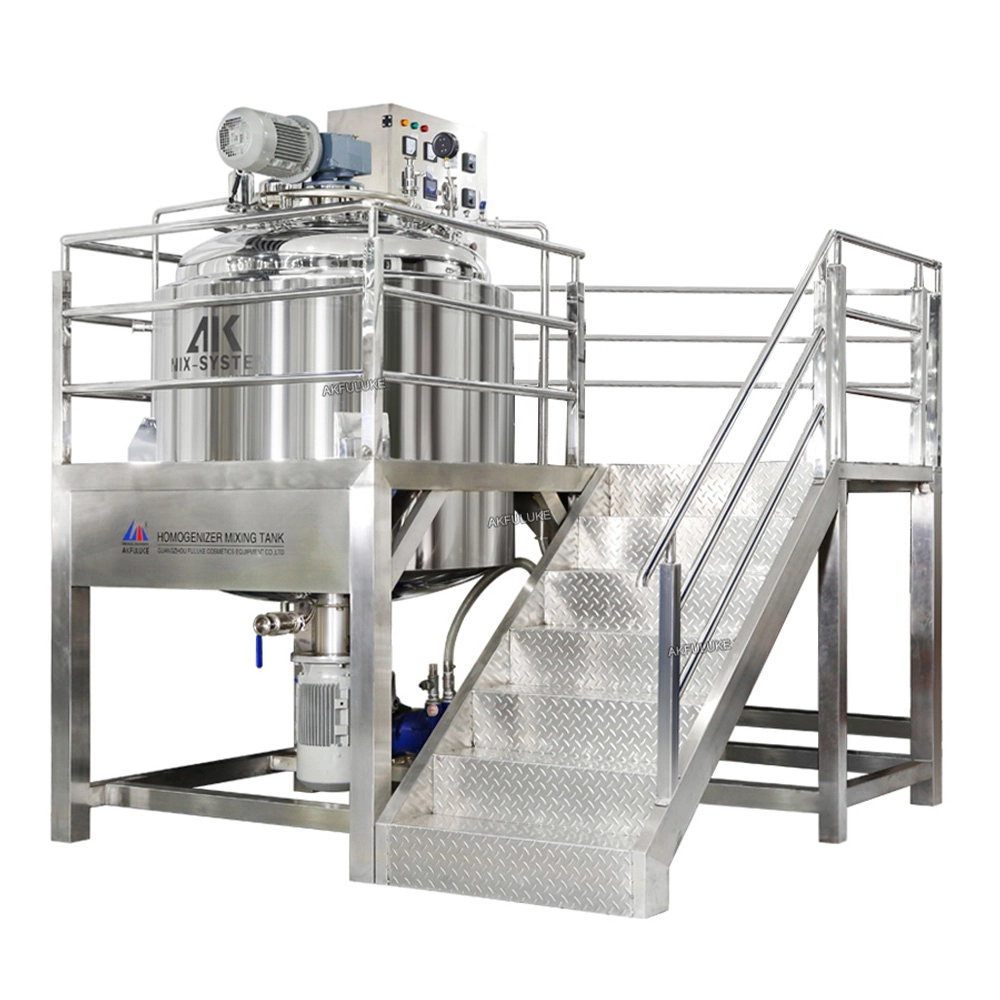
Stainless Steel Mixer Liquid Mixing tank with Agitator Homogenizing Mixing tank Vacuum Sealed Mixer Machine

A leading manufacturer specializing in advanced machinery and complete production lines for the cosmetics, food, pharmaceutical, and chemical industries worldwide.
Contact FULUKE
Facebook
Instagram
YouTube