
How to plan utilities for a new mixing tank installation?
- Comprehensive Guide to Selecting and Installing Mixing Tanks with Agitators in the Cosmetics Industry
- 1. What Capacity Should a Mixing Tank Have for Cosmetic Manufacturing?
- 2. What Types of Agitators Are Suitable for Cosmetic Mixing Tanks?
- 3. How Should Utilities Be Planned for a New Mixing Tank Installation?
- 4. What Are the Maintenance Requirements for Mixing Tanks in Cosmetic Manufacturing?
- 5. How Do I Select a Reliable Supplier for Mixing Tanks with Agitators?
- 6. What Are the Lead Times for Custom Mixing Tank Installations?
Comprehensive Guide to Selecting and Installing Mixing Tanks with Agitators in the Cosmetics Industry
In the cosmetics industry, achieving uniformity and consistency in product formulations is paramount. Mixing tanks equipped with agitators play a crucial role in this process, ensuring that ingredients blend seamlessly to produce high-quality products. This guide addresses key considerations for selecting and installing mixing tanks with agitators, focusing on capacity, agitator types, utility planning, maintenance, and supplier selection.
1. What Capacity Should a Mixing Tank Have for Cosmetic Manufacturing?
The required capacity of a mixing tank depends on production volume and batch size. For startups or small-scale operations, tanks with capacities ranging from 50 to 100 liters are common. For instance, a 50-liter electrically heated tank is suitable for entry-level systems, with prices starting between $300 and $1,200. Larger operations may require tanks with capacities up to 500 liters or more.
2. What Types of Agitators Are Suitable for Cosmetic Mixing Tanks?
The choice of agitator depends on the specific application and desired product characteristics:
Scraper Agitators: Equipped with PTFE (Teflon) scrapers, these agitators prevent product from sticking to the tank walls, ensuring uniform mixing and preventing overheating or burning of the product.
High-Shear Homogenizers: Installed at the top or bottom of the tank, these devices create a high-speed rotating suction force, emulsifying and homogenizing ingredients to achieve a smooth and consistent product.
Dispersing Disc Agitators: These agitators create a turbulent zone at the edge of the disc, facilitating rapid mixing, dissolution, and refinement of materials.
Selecting the appropriate agitator type is essential for achieving the desired product quality and consistency.
3. How Should Utilities Be Planned for a New Mixing Tank Installation?
Proper utility planning is critical for the efficient operation of mixing tanks:
Electrical Requirements: Ensure that the facility's electrical system can support the tank's power needs, including agitator motors, heating elements, and control systems.
Heating and Cooling Systems: Depending on the product, precise temperature control may be necessary. Jacketed tanks enable precise temperature control (±1°C) during emulsification, reducing mixing time by 25-40% and preventing ingredient degradation in heat-sensitive formulations.
Water Supply: Adequate water supply is essential for cleaning and cooling processes.
Ventilation and Exhaust: Proper ventilation is necessary to handle fumes and maintain air quality.
Waste Disposal: Plan for the disposal of waste materials in compliance with environmental regulations.
Collaborating with engineers and utility providers during the planning phase can help ensure that all requirements are met.
4. What Are the Maintenance Requirements for Mixing Tanks in Cosmetic Manufacturing?
Regular maintenance is essential to ensure the longevity and efficiency of mixing tanks:
Seal Replacements: Regularly inspect and replace seals to prevent leaks and contamination.
Impeller Balancing: Ensure that impellers are balanced to prevent vibrations and uneven mixing.
Sensor Calibrations: Periodically calibrate sensors to maintain accurate readings.
Cleaning and Sanitization: Implement a routine cleaning schedule to prevent product contamination.
Maintenance costs typically range from 12-18% of the equipment cost per year. For example, seal replacements may cost between $200 and $800, while impeller balancing can range from $150 to $450.
5. How Do I Select a Reliable Supplier for Mixing Tanks with Agitators?
When choosing a supplier, consider the following factors:
Experience and Reputation: Opt for suppliers with a proven track record in the cosmetics industry.
Customization Capabilities: Ensure the supplier can provide equipment tailored to your specific needs.
Compliance with Standards: Verify that the equipment meets industry standards and certifications, such as FDA 21 CFR Part 11, ISO 22716, and EHEDG compliance.
After-Sales Support: Assess the quality of after-sales support, including installation assistance, training, and maintenance services.
Conducting thorough research and due diligence will help in selecting a supplier that aligns with your operational requirements and quality standards.
6. What Are the Lead Times for Custom Mixing Tank Installations?
Lead times can vary based on customization and certification requirements:
Standard Installations: Typically range from 30 to 45 days.
Customized Installations: May extend to 60 to 90 days, with an additional 30 days for ASME BPE certification.
Planning ahead and coordinating with suppliers can help ensure timely delivery and installation.
In conclusion, selecting and installing a mixing tank with an agitator is a critical decision in cosmetic manufacturing. By carefully considering capacity, agitator types, utility planning, maintenance, and supplier selection, manufacturers can enhance product quality and operational efficiency.
FULUKE offers advanced mixing solutions tailored to the cosmetics industry, ensuring high-quality production and reliable performance.

Understanding Servo Capping Machines: The Core Logic of Precise Capping – Understand the Entire Working Process in Seconds
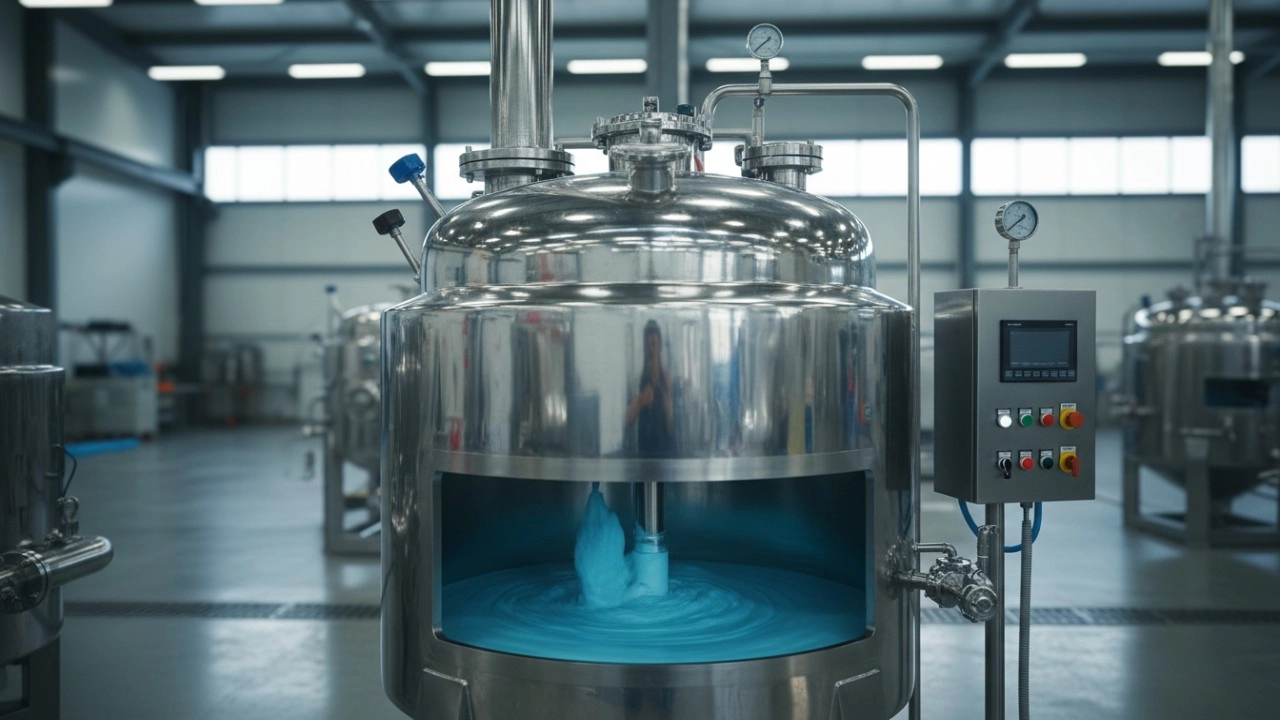
The Future of Industrial Agitation: 5 Smart Mixing Tank Technologies Changing the Game
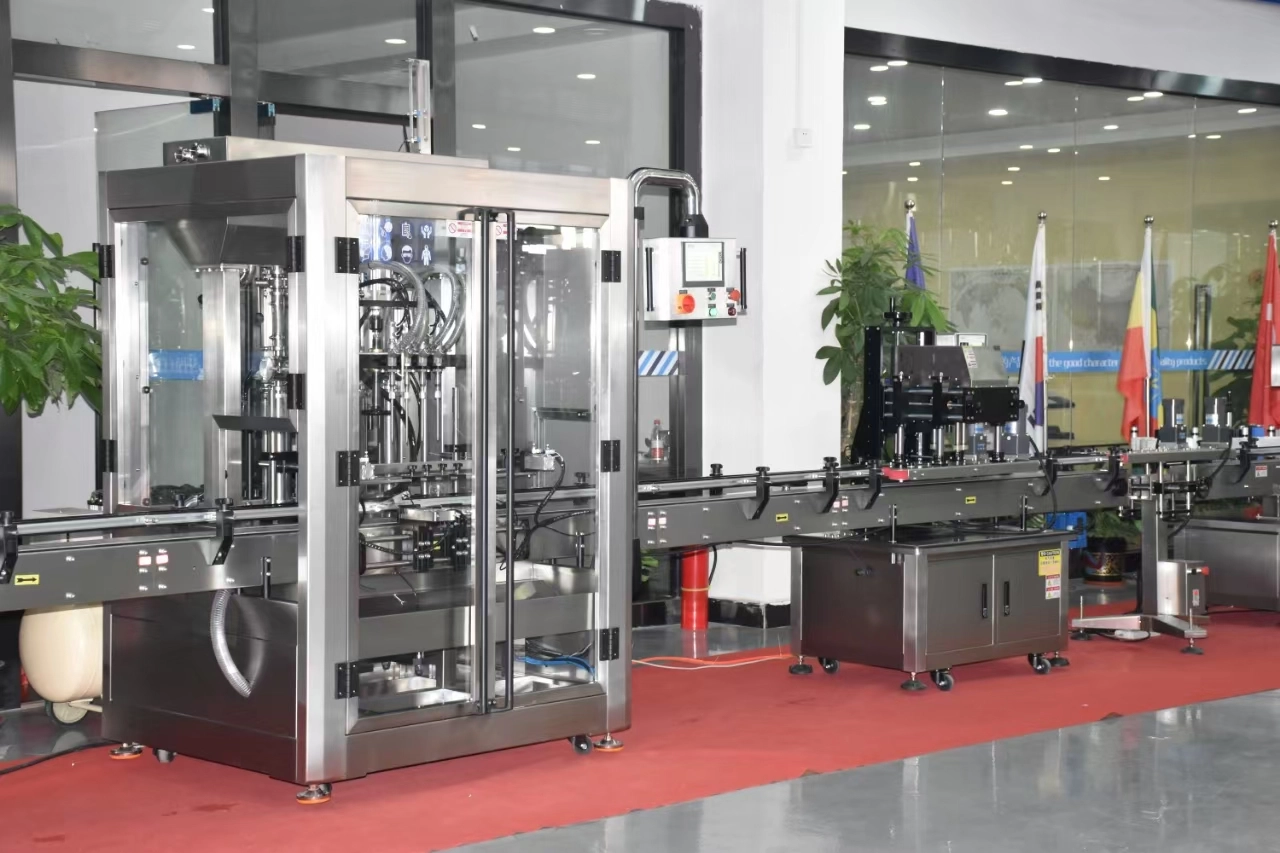
Gear pump filling machine vs. piston filling machine: Key differences broken down to avoid pitfalls in selection.
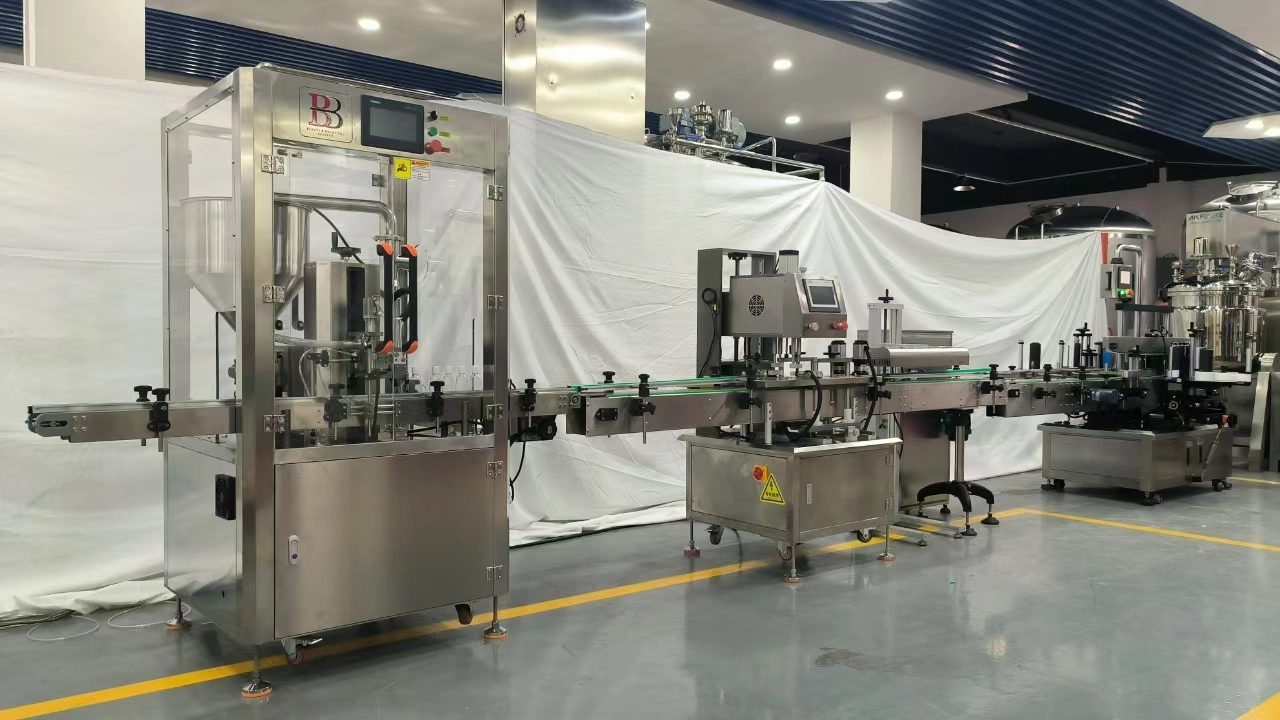
Understand the working principle of a servo gear pump filling machine!
Vacuum Emulsifying Machine
Can you customize the machine?
Of course, we provide customized services according to customer needs.
RO Water Treatment
Can you customize the machine?
Of course, we provide customized services according to customer needs.
Automatic Capping Machine
What can you buy from us?
RO Water Treatment、Vacuum Emulsifying Machine、Homogenizer Mixing Tank、Filling and Capping、labeling Machine、Packing Machine、Storage Tank,etc.
Automatic Filling Machine
What special safety features are required for equipment used to fill medical disinfectants (containing alcohol)?
An explosion-proof automatic filling machine is essential. Key safety features include: ① The motor and electrical components must be explosion-proof to prevent sparks from igniting alcohol vapors; ② The tanks and piping must be made of anti-static materials and grounded to prevent static electricity accumulation; The workshop must also be well-ventilated and equipped with an explosion-proof exhaust system.
Sealed Homogenizing Mixing Tank
What is the speed of the high shear homogenizer?
The standard speed is 0-3000 rpm, but higher speeds can be customized upon request.
Get in touch with FULUKE
If you have any comments or good suggestions, please leave us a message, later our professional staff will contact you as soon as possible.
You May Also Like
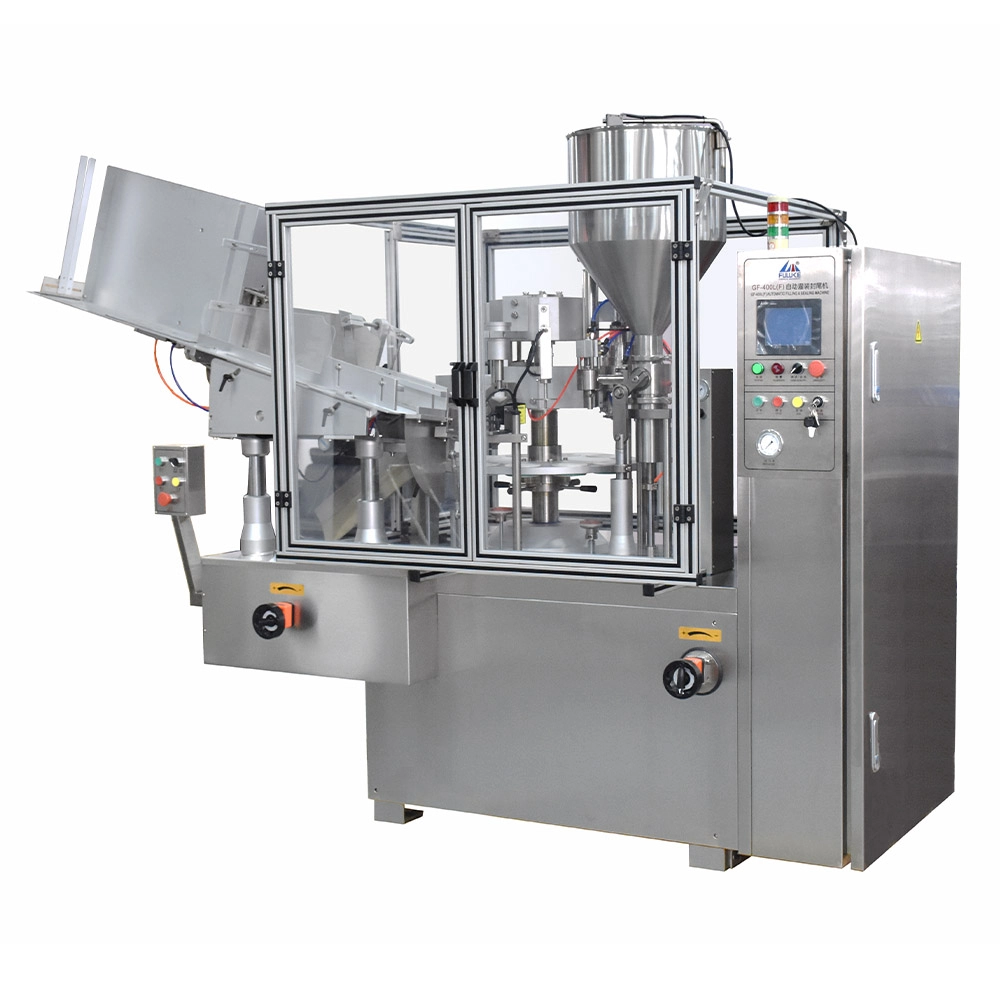
Automatic Tube Filling and Sealing Machine Toothpaste Sunscreen and Facial Cleanser Filling and Sealing Machine for Plastic and Aluminum-plastic Tube
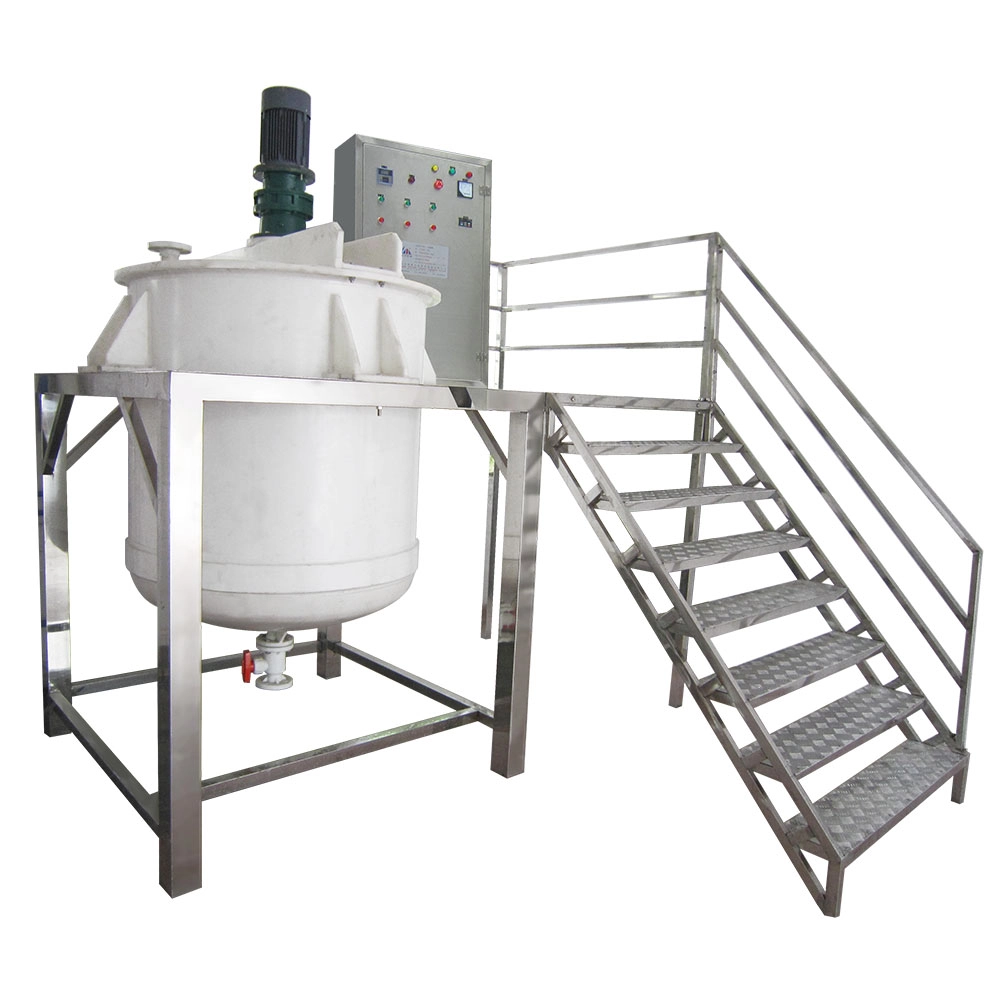
Polypropylene PP Mixing Tank Anti-Corrosion Mixer Reaction Kettle with Agitator Chemical Mixing Vessel
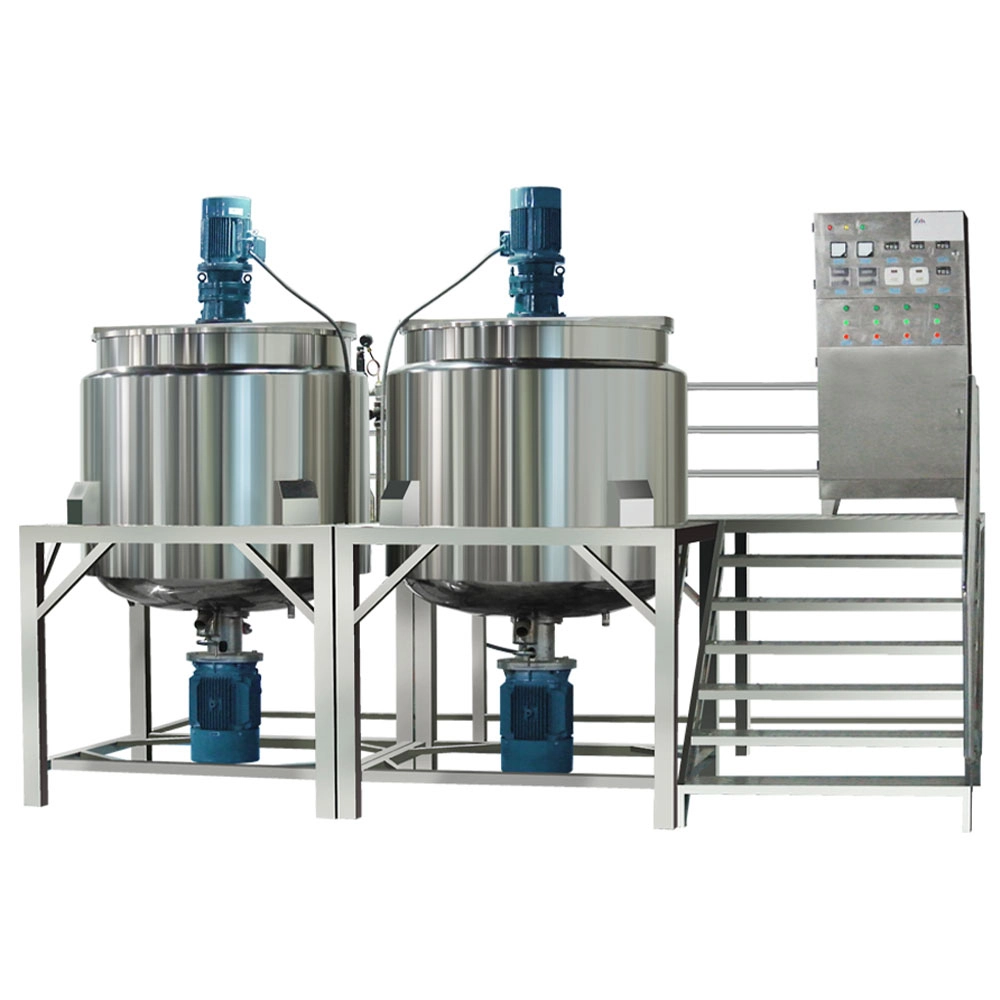
Flip Cover Multi-function Liquid Wash Mixing Tank Blender Liquid Detergent Mixer Homogenization Stirring Tank
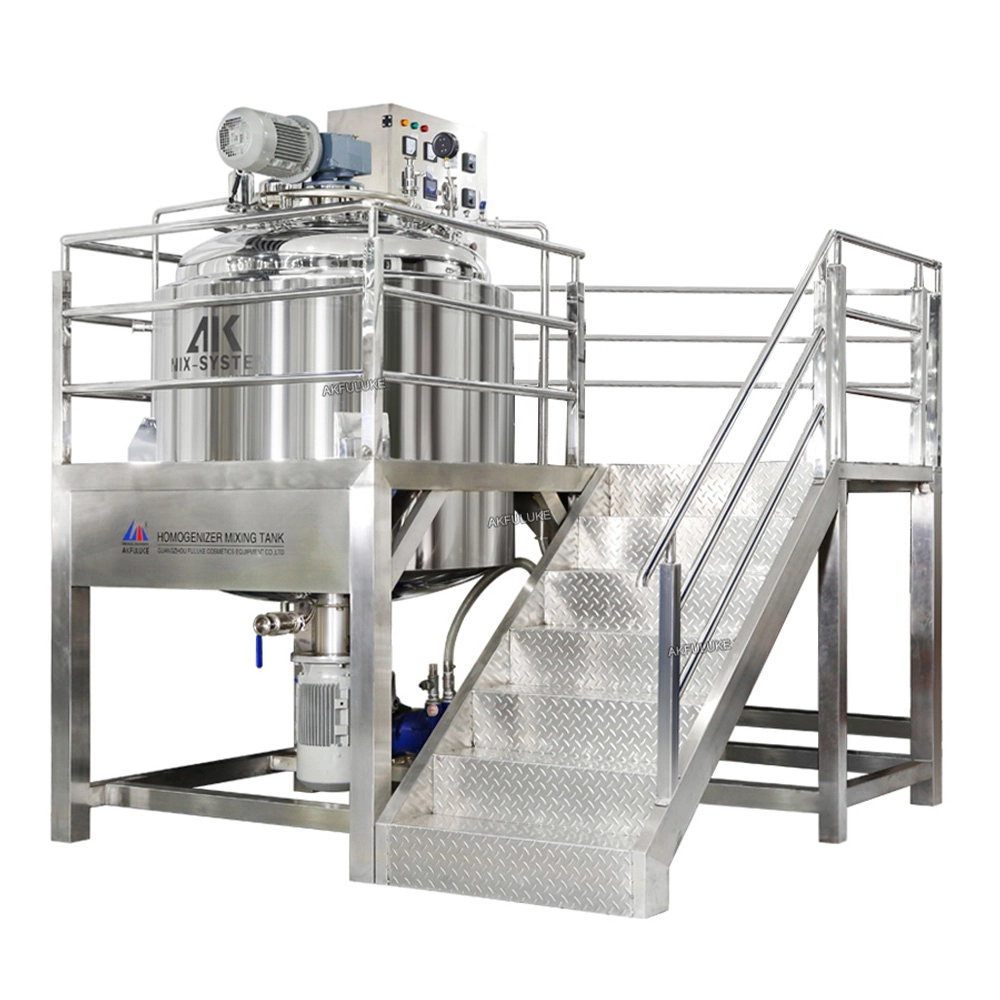
Stainless Steel Mixer Liquid Mixing tank with Agitator Homogenizing Mixing tank Vacuum Sealed Mixer Machine

A leading manufacturer specializing in advanced machinery and complete production lines for the cosmetics, food, pharmaceutical, and chemical industries worldwide.
Contact FULUKE
Facebook
Instagram
YouTube