
How to choose a mixing tank with agitator for emulsions?
- Understanding Mixing Tanks with Agitators for Emulsions
- 1. What are the different types of mixing tanks with agitators?
- 2. How do I choose the right agitator type for emulsions?
- 3. What factors should I consider when selecting a mixing tank with an agitator?
- 4. What materials are suitable for constructing mixing tanks for emulsions?
- 5. How do temperature control features impact the selection of mixing tanks?
- 6. What are the maintenance considerations for mixing tanks with agitators?
- 7. How does tank design affect agitator selection?
- 8. What are the cost considerations when selecting a mixing tank with an agitator?
- Conclusion: Why Choose FULUKE for Your Mixing Tank Needs?
Understanding Mixing Tanks with Agitators for Emulsions
In the cosmetic industry, achieving a stable and uniform emulsion is crucial for product quality. Selecting the appropriate mixing tank with an agitator is fundamental to this process. Below are key considerations to guide your decision-making:
1. What are the different types of mixing tanks with agitators?
Mixing tanks with agitators come in various configurations, each suited to specific applications:
Top-Mounted Agitated Tanks: The agitator is mounted at the top center of the tank. This design is versatile and suitable for a range of viscosities.
Side-Agitated Tanks: The agitator enters horizontally through the side wall near the base. This configuration is ideal for large-volume storage tanks where top-mounted mixers are impractical.
Bottom-Agitated Tanks: The motor and shaft are installed beneath the tank base. This setup eliminates top-space requirements and reduces the risk of leakage at upper seals, making it suitable for sterile environments.
2. How do I choose the right agitator type for emulsions?
Selecting the appropriate agitator is essential for effective emulsification:
High-Shear Mixers: These mixers provide intense energy, necessary for creating emulsions from ingredients that do not mix easily. They are common in the cosmetic industry for producing creams and lotions.
Propeller Agitators: Suitable for low-viscosity liquids, they create a strong axial flow for simple mixing.
Turbine Agitators: Handle low to medium-viscosity fluids and provide good blending versatility.
Anchor Agitators: Ideal for high-viscosity materials, their shape scrapes the walls of the tank, ensuring uniform mixing and preventing buildup.
3. What factors should I consider when selecting a mixing tank with an agitator?
Several factors influence the selection process:
Fluid Viscosity: Thicker fluids require more powerful, slower agitators to prevent excessive shear.
Tank Geometry and Size: The shape and size of the tank affect fluid circulation. For example, cylindrical tanks with dished or conical bottoms are common to ensure complete drainage and reduce dead zones.
Mixing Objectives: Define whether you need blending, suspension, or emulsification, as each goal requires a specific agitator configuration.
Power Consumption: Energy-efficient agitators and low-maintenance designs help save on operating costs while maintaining productivity.
Product Sensitivity: Delicate formulations need low shear to avoid damage.
Maintenance and Cleaning: Consider the ease of maintenance and cleaning, especially for sanitary applications.
4. What materials are suitable for constructing mixing tanks for emulsions?
Material selection is critical for durability and product safety:
Stainless Steel: Commonly used due to its corrosion resistance and ease of cleaning, making it suitable for the cosmetic industry.
Glass-Lined Steel: Ideal for highly reactive chemicals but less durable than metal options.
Plastic: Lightweight and cost-effective, suitable for non-corrosive and less demanding applications.
5. How do temperature control features impact the selection of mixing tanks?
Temperature control is vital for certain emulsions:
Jacketed Tanks: These tanks provide precise temperature control by circulating heating or cooling fluids through the outer layer, essential for processes requiring specific temperatures.
Heating/Cooling Jackets: Enable temperature control crucial for sensitive reactions, ensuring product quality and consistency.
6. What are the maintenance considerations for mixing tanks with agitators?
Proper maintenance ensures longevity and consistent performance:
Ease of Cleaning: Smooth, polished surfaces (Ra ≤ 0.4 μm) and designs compatible with CIP/SIP cleaning are essential for sanitary conditions.
Seal Maintenance: Mechanical seals, especially in side-entry mixers, are critical components that can be expensive to maintain.
Regular Inspections: Routine checks for wear and tear, especially in agitator components, help prevent unexpected failures.
7. How does tank design affect agitator selection?
The design of the tank influences the choice of agitator:
Tank Shape and Design: Cylindrical tanks with dished or conical bottoms are common to ensure complete drainage and reduce dead zones.
Baffles: Installed internally to prevent vortex formation, enhance turbulence, and improve mixing efficiency.
Manways and Sight Glasses: Allow inspection and access, facilitating maintenance and monitoring.
8. What are the cost considerations when selecting a mixing tank with an agitator?
Budget considerations play a significant role in selecting the right agitator tank:
Initial Investment: The initial cost depends on factors like size, material, and design complexity. For example, stainless steel tanks typically cost more than plastic or rubber-lined options.
Operating Costs: Energy-efficient agitators and low-maintenance designs help save on operating costs while maintaining productivity.
Long-Term Value: Investing in high-quality materials and designs ensures durability and reduces maintenance costs, offering long-term savings.
Conclusion: Why Choose FULUKE for Your Mixing Tank Needs?
When selecting a mixing tank with an agitator for emulsions in the cosmetic industry, FULUKE stands out for its commitment to quality, innovation, and customer satisfaction. Our products are designed to meet the specific needs of the cosmetic industry, ensuring efficient and reliable mixing processes. With FULUKE, you can trust that your emulsification processes will be optimized for superior product quality and operational efficiency.
References:

Understanding Servo Capping Machines: The Core Logic of Precise Capping – Understand the Entire Working Process in Seconds
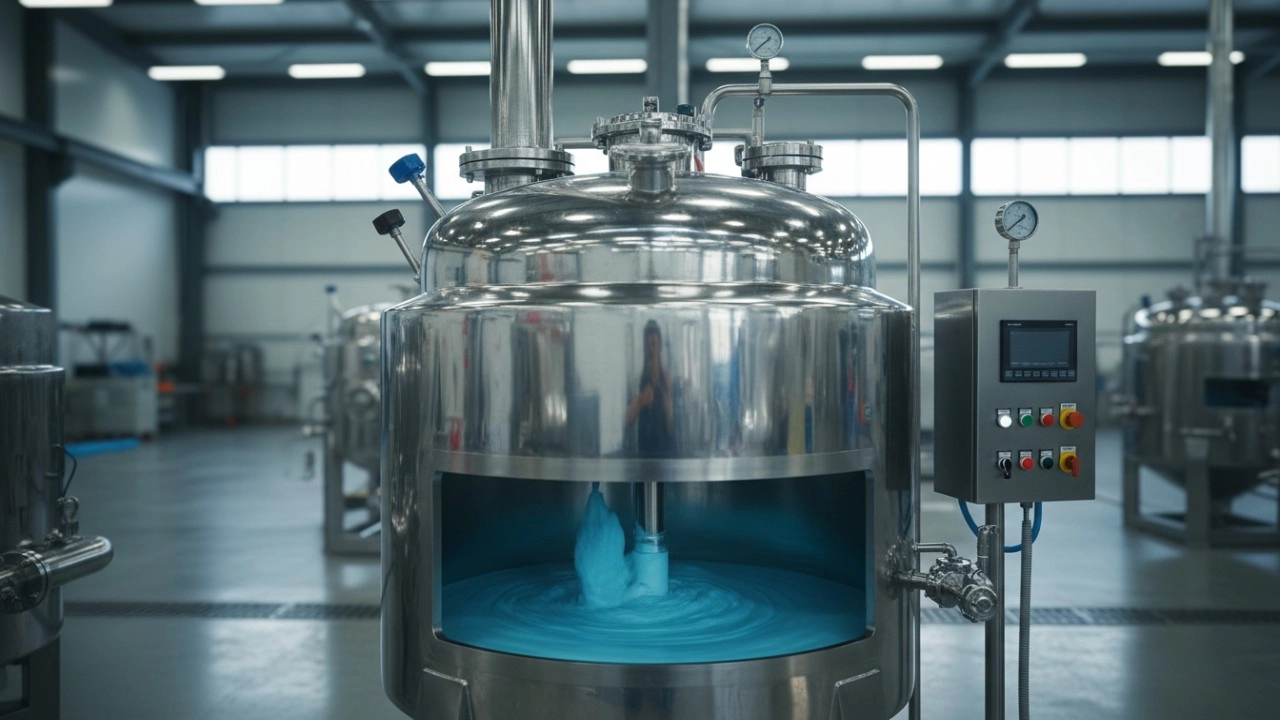
The Future of Industrial Agitation: 5 Smart Mixing Tank Technologies Changing the Game
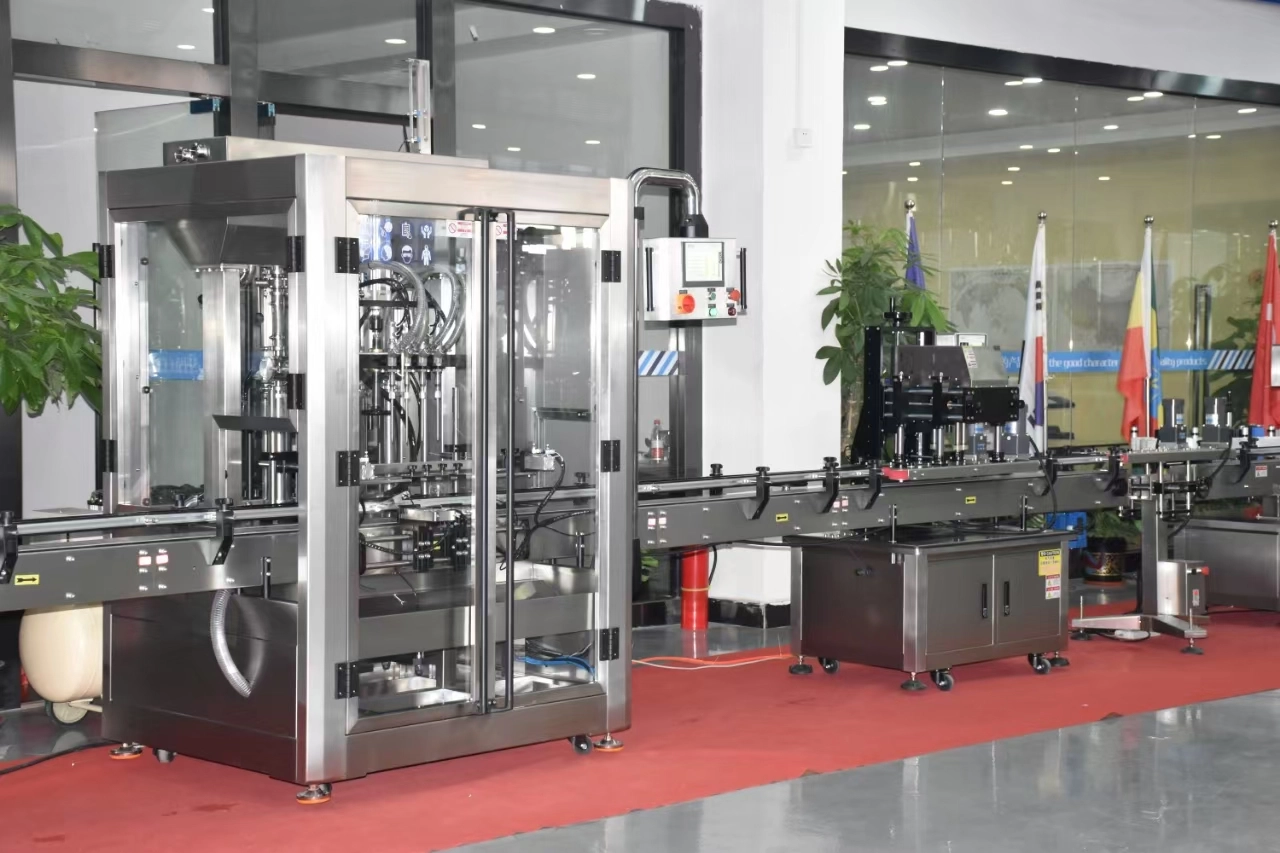
Gear pump filling machine vs. piston filling machine: Key differences broken down to avoid pitfalls in selection.
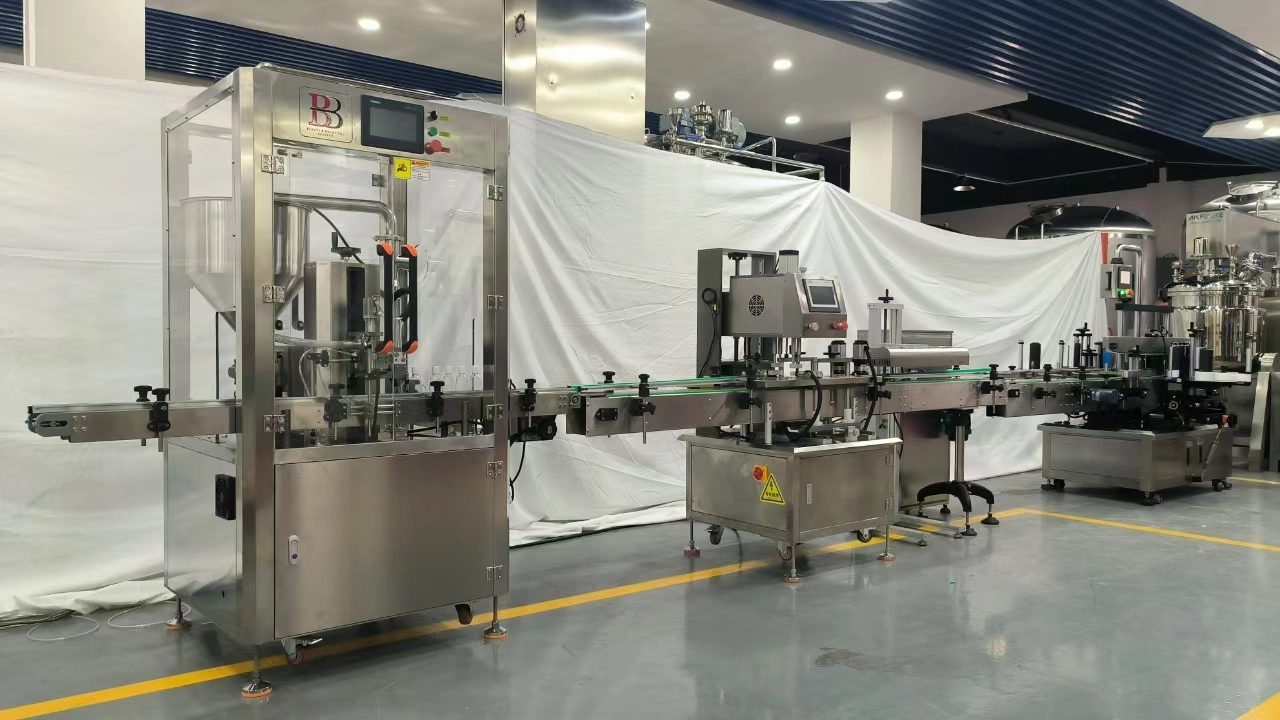
Understand the working principle of a servo gear pump filling machine!
Film Packaging Machine
What packaging materials are suitable for this equipment?
It is suitable for transparent paper, BOPP film, and PVC materials.
The Flip Cover Liquid Wash Mixing Homogenizing Tank
What can you buy from us?
RO Water Treatment、Vacuum Emulsifying Machine、Homogenizer Mixing Tank、Filling and Capping、labeling Machine、Packing Machine、Storage Tank,etc.
Lift-type Homogenizing Disperser
How often should the disperser and homogenizer be cleaned? How should they be cleaned properly?
Cleaning Frequency: Cleaning is required every time a material is changed to prevent cross-contamination. When the same material is used continuously, cleaning is recommended every 24 hours. Cleaning Method: Rinse with clean water or a suitable solvent (e.g., alcohol for oily materials, clean water for water-based materials). Remove stubborn stains with a soft brush. Avoid scratching with hard objects to avoid damage.
Who are we?
Our headquarters is located in Guangzhou, Guangdong, China, and our factory is located in Yangzhou, Jiangsu. Our products are sold all over the world. We have approximately 50 employees in our company and factory.
Automatic Filling Machine
What special safety features are required for equipment used to fill medical disinfectants (containing alcohol)?
An explosion-proof automatic filling machine is essential. Key safety features include: ① The motor and electrical components must be explosion-proof to prevent sparks from igniting alcohol vapors; ② The tanks and piping must be made of anti-static materials and grounded to prevent static electricity accumulation; The workshop must also be well-ventilated and equipped with an explosion-proof exhaust system.
Get in touch with FULUKE
If you have any comments or good suggestions, please leave us a message, later our professional staff will contact you as soon as possible.
You May Also Like
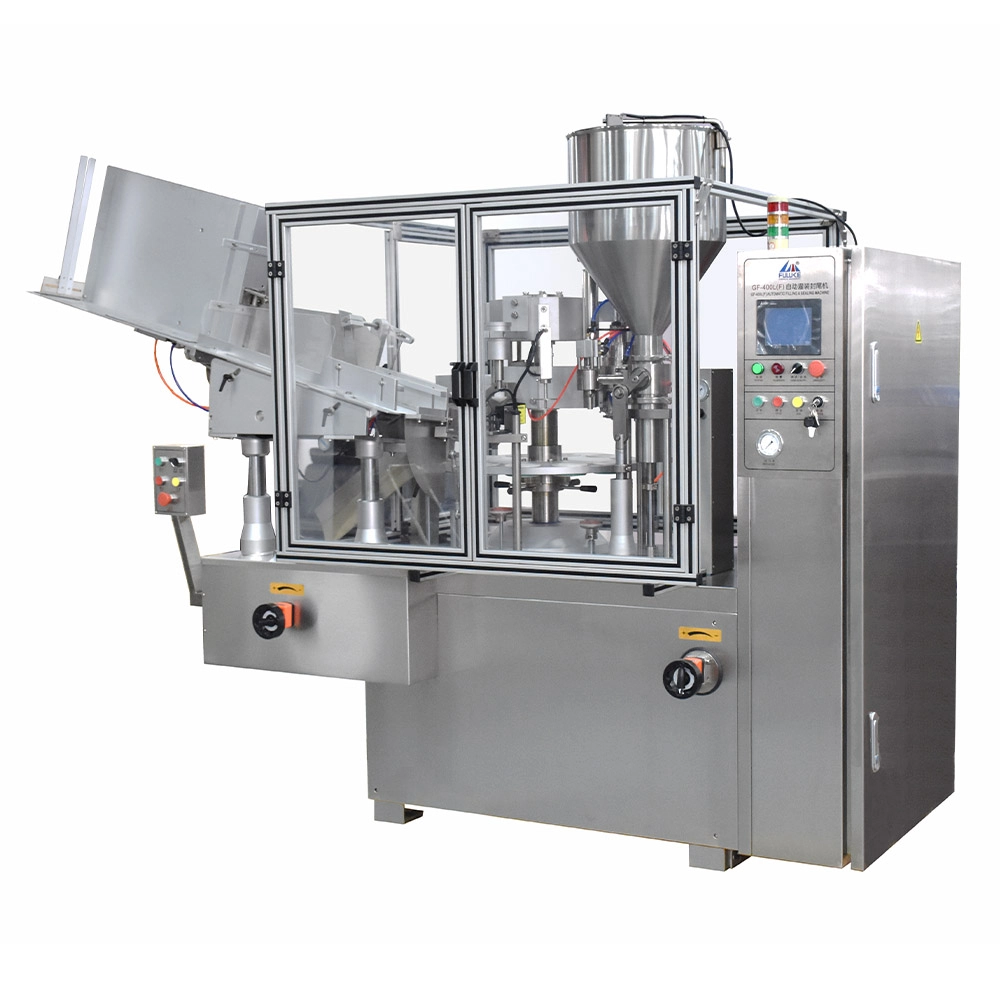
Automatic Tube Filling and Sealing Machine Toothpaste Sunscreen and Facial Cleanser Filling and Sealing Machine for Plastic and Aluminum-plastic Tube
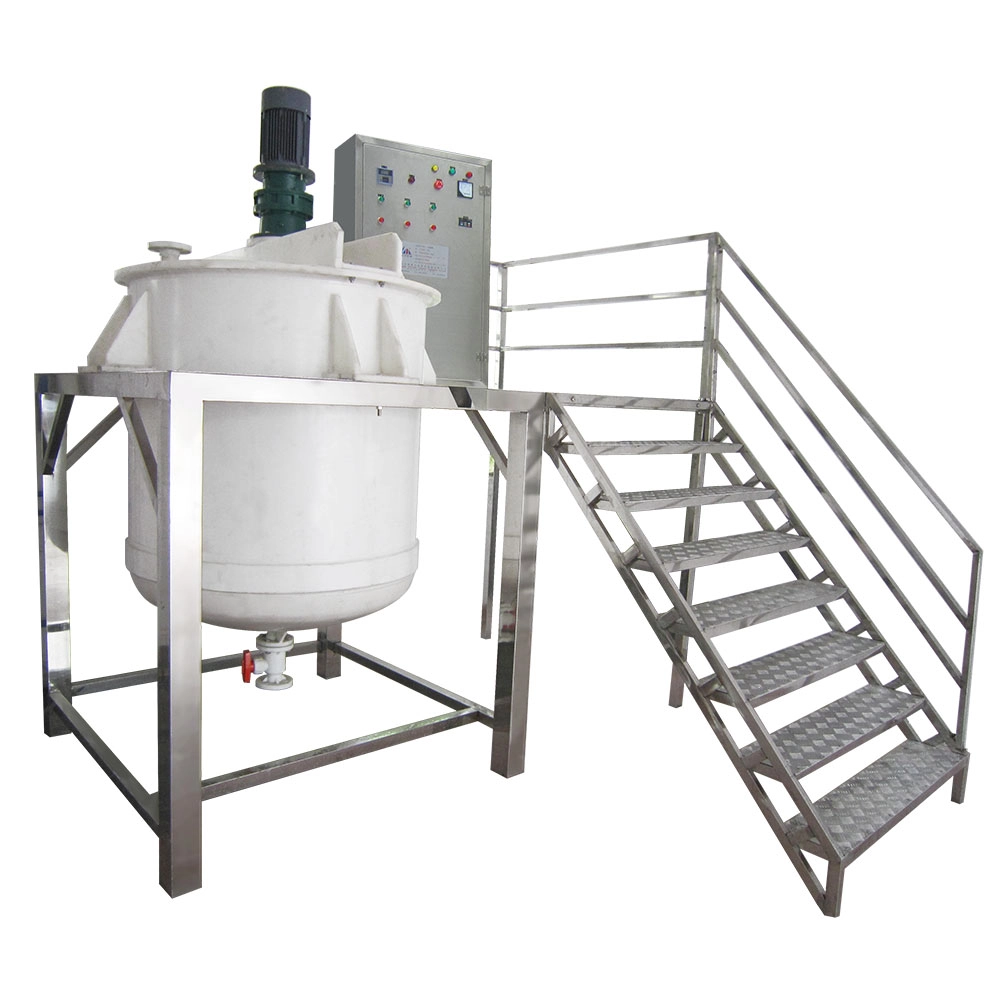
Polypropylene PP Mixing Tank Anti-Corrosion Mixer Reaction Kettle with Agitator Chemical Mixing Vessel
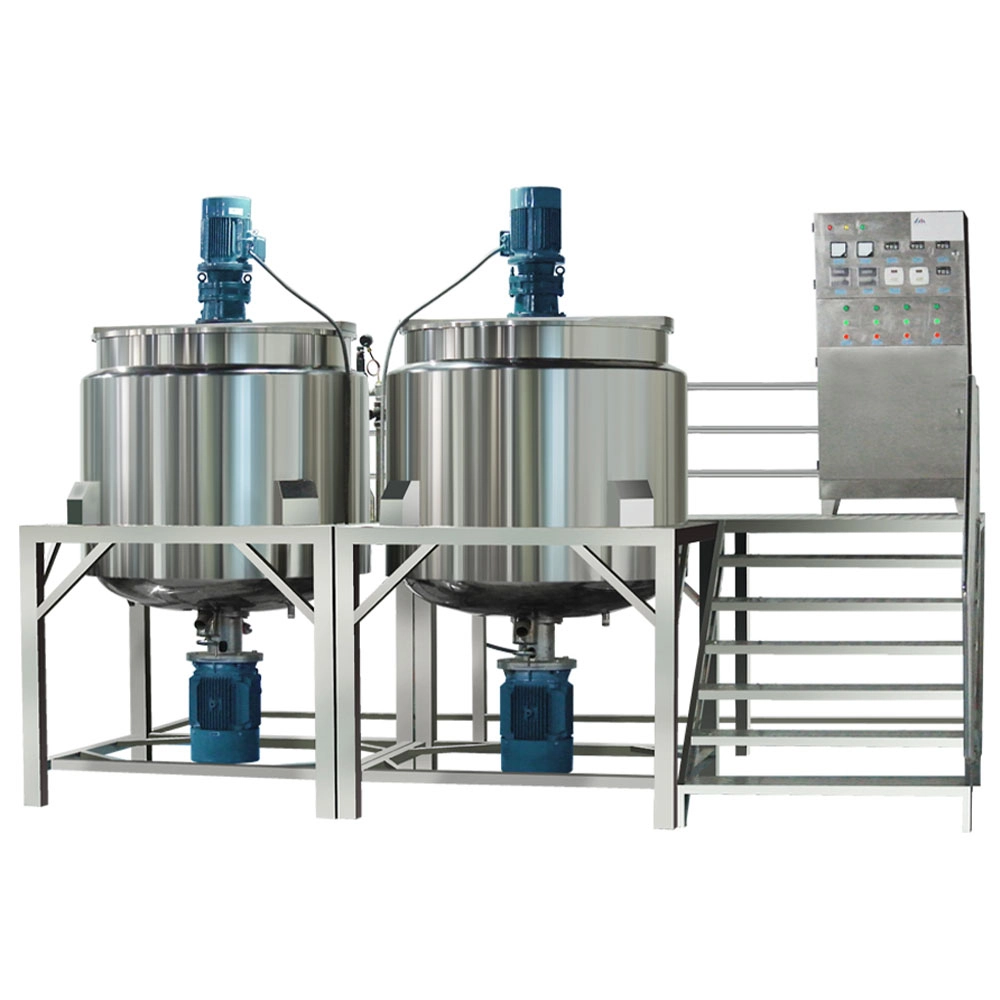
Flip Cover Multi-function Liquid Wash Mixing Tank Blender Liquid Detergent Mixer Homogenization Stirring Tank
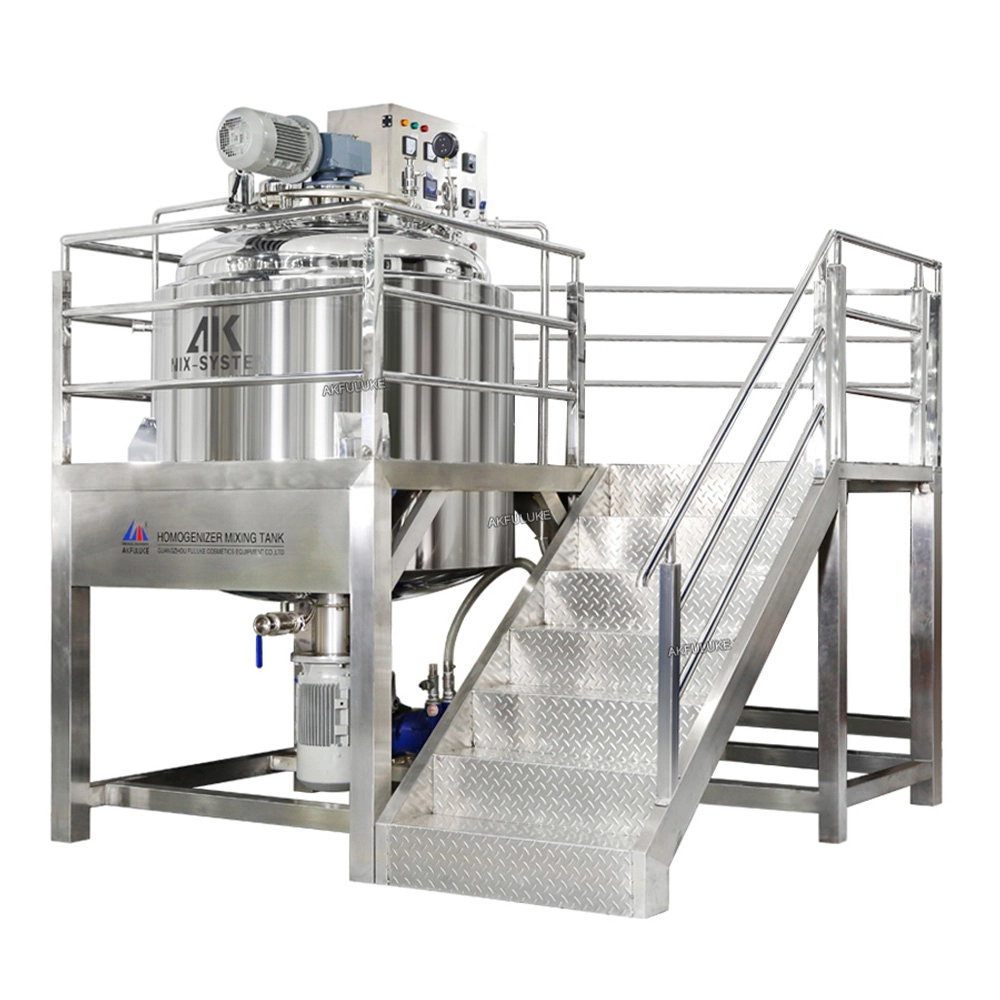
Stainless Steel Mixer Liquid Mixing tank with Agitator Homogenizing Mixing tank Vacuum Sealed Mixer Machine

A leading manufacturer specializing in advanced machinery and complete production lines for the cosmetics, food, pharmaceutical, and chemical industries worldwide.
Contact FULUKE
Facebook
Instagram
YouTube