
What are ergonomic considerations for tank operation?
- Comprehensive Guide to Mixing Tanks with Agitators and Ergonomic Considerations in Cosmetic Equipment Industry
- 1. What are mixing tanks with agitators, and why are they essential in cosmetic equipment?
- 2. What types of agitators are commonly used in cosmetic mixing tanks?
- 3. How do I determine the appropriate size of a mixing tank for my cosmetic production needs?
- 4. What are the ergonomic considerations for tank operation in the cosmetic equipment industry?
- 5. How can I ensure the mixing tank complies with industry safety standards?
- 6. What are the maintenance requirements for mixing tanks with agitators?
- 7. How do I assess the energy efficiency of a mixing tank with an agitator?
- 8. What are the common challenges in operating mixing tanks with agitators, and how can they be addressed?
- Conclusion: Why Choose FULUKE for Your Mixing Tank Needs?
Comprehensive Guide to Mixing Tanks with Agitators and Ergonomic Considerations in Cosmetic Equipment Industry
In the cosmetic equipment industry, selecting the right mixing tank with an agitator and understanding ergonomic considerations are crucial for efficient production and worker safety. This guide addresses common questions to assist in informed procurement decisions.
1. What are mixing tanks with agitators, and why are they essential in cosmetic equipment?
Mixing tanks with agitators are vessels designed to blend ingredients uniformly, ensuring consistent product quality. In the cosmetic industry, they are vital for creating emulsions, suspensions, and other formulations, maintaining the desired texture and stability of products.
2. What types of agitators are commonly used in cosmetic mixing tanks?
Common agitator types include:
Anchor Agitators: Suitable for high-viscosity products, providing gentle mixing.
Propeller Agitators: Ideal for low to medium viscosity liquids, offering efficient blending.
Turbine Agitators: Used for high-shear mixing, effective in emulsifying and homogenizing mixtures.
The choice depends on the specific product requirements and desired mixing outcomes.
3. How do I determine the appropriate size of a mixing tank for my cosmetic production needs?
Determining the right tank size involves:
Batch Volume: Estimate the volume of each production batch.
Production Schedule: Consider the frequency and volume of batches to be produced.
Future Growth: Account for potential increases in production demands.
Consulting with equipment suppliers can provide tailored recommendations based on your production goals.
4. What are the ergonomic considerations for tank operation in the cosmetic equipment industry?
Ergonomic considerations are vital to ensure operator safety and efficiency. Key factors include:
Workstation Design: Adjust workstations to fit worker height and task angles, minimizing awkward postures.
Mechanical Aids: Utilize devices that assist in lifting and tilting containers to reduce manual handling.
Task Rotation: Implement job rotation to prevent overuse of specific muscle groups and reduce fatigue.
Rest Periods: Schedule regular breaks to allow recovery and maintain productivity.
Training: Provide comprehensive training on safe operating procedures and ergonomic practices.
Implementing these measures can significantly reduce the risk of musculoskeletal injuries and enhance overall workplace safety.
5. How can I ensure the mixing tank complies with industry safety standards?
To ensure compliance:
Regulatory Research: Familiarize yourself with local and international safety standards applicable to cosmetic manufacturing.
Supplier Verification: Choose suppliers who adhere to recognized safety certifications and quality standards.
Regular Audits: Conduct periodic safety audits to identify and rectify potential hazards.
Maintenance Protocols: Establish routine maintenance schedules to keep equipment in optimal working condition.
Adhering to these practices ensures a safe and compliant production environment.
6. What are the maintenance requirements for mixing tanks with agitators?
Maintenance requirements include:
Routine Inspections: Regularly check for signs of wear, corrosion, or damage.
Cleaning Procedures: Implement thorough cleaning protocols to prevent contamination and maintain product quality.
Lubrication: Ensure moving parts are adequately lubricated to reduce friction and wear.
Component Replacement: Replace worn or damaged parts promptly to prevent operational disruptions.
Documentation: Keep detailed records of maintenance activities for accountability and future reference.
Regular maintenance prolongs equipment lifespan and ensures consistent production quality.
7. How do I assess the energy efficiency of a mixing tank with an agitator?
Assessing energy efficiency involves:
Energy Consumption Analysis: Monitor the power usage of the agitator during operation.
Variable Speed Drives: Consider agitators with variable speed drives to adjust mixing intensity as needed, optimizing energy use.
Insulation: Ensure the tank is well-insulated to maintain temperature and reduce heating or cooling energy requirements.
Supplier Specifications: Review energy efficiency ratings provided by manufacturers.
Implementing energy-efficient practices reduces operational costs and supports sustainability initiatives.
8. What are the common challenges in operating mixing tanks with agitators, and how can they be addressed?
Common challenges include:
Uneven Mixing: Ensure agitator selection matches product viscosity and mixing requirements.
Equipment Wear: Regular maintenance and timely replacement of parts can mitigate wear-related issues.
Operator Fatigue: Implement ergonomic practices and provide adequate rest periods to reduce fatigue.
Contamination Risks: Establish strict cleaning protocols to prevent cross-contamination between batches.
Addressing these challenges through proactive measures ensures efficient and safe tank operations.
Conclusion: Why Choose FULUKE for Your Mixing Tank Needs?
FULUKE offers state-of-the-art mixing tanks with agitators tailored for the cosmetic equipment industry. Our products are designed with ergonomic considerations to enhance operator safety and efficiency. With a commitment to quality, compliance with industry standards, and a focus on energy efficiency, FULUKE is your trusted partner in achieving optimal production outcomes.
References:
Ergonomics and Health Care. International Labour Organization.
Ergonomic Hazards in Seafood Processing. Centers for Disease Control and Prevention.
Impact of Ergonomic Posture on the Chemical Exposure of Workers in the Petroleum and Chemical Industry. Annals of Work Exposures and Health.
Ergonomics, Handling and New Design. Pharmaceutical and Chemical Engineering.
Determination of Requirements for the Improvement of Occupational Safety in the Cleaning of Vertical Tanks of Petroleum Products. MDPI.
How Engineering Managers Can Implement Ergonomic Assessments in Water Treatment Facilities. SafetyNet.

Understanding Servo Capping Machines: The Core Logic of Precise Capping – Understand the Entire Working Process in Seconds
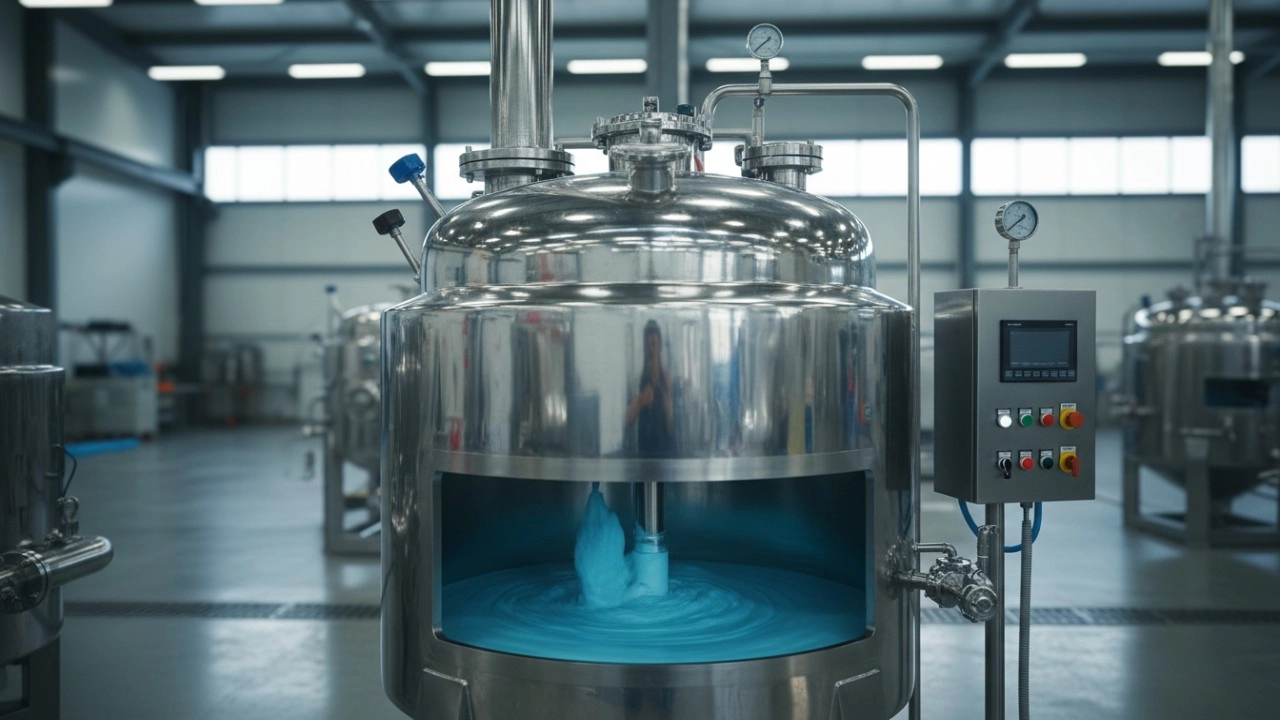
The Future of Industrial Agitation: 5 Smart Mixing Tank Technologies Changing the Game
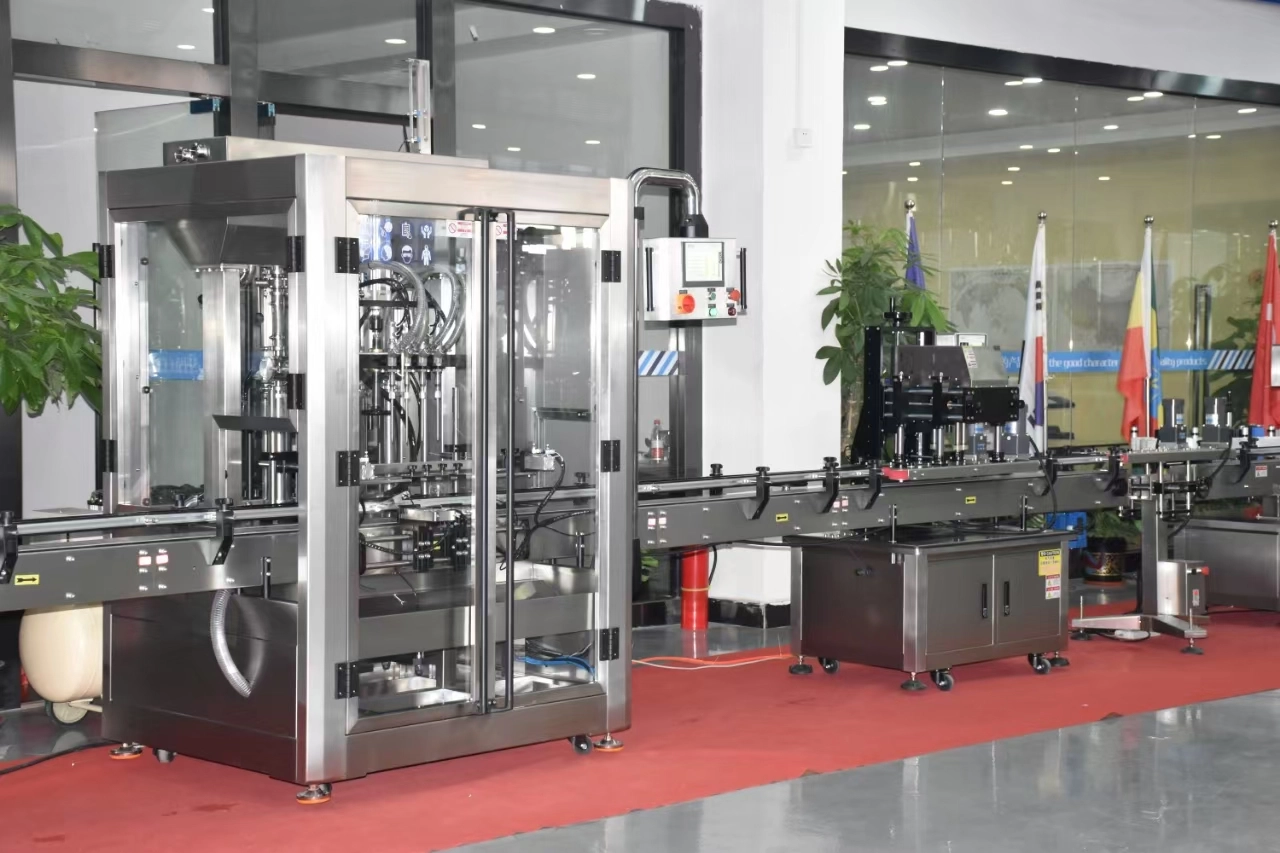
Gear pump filling machine vs. piston filling machine: Key differences broken down to avoid pitfalls in selection.
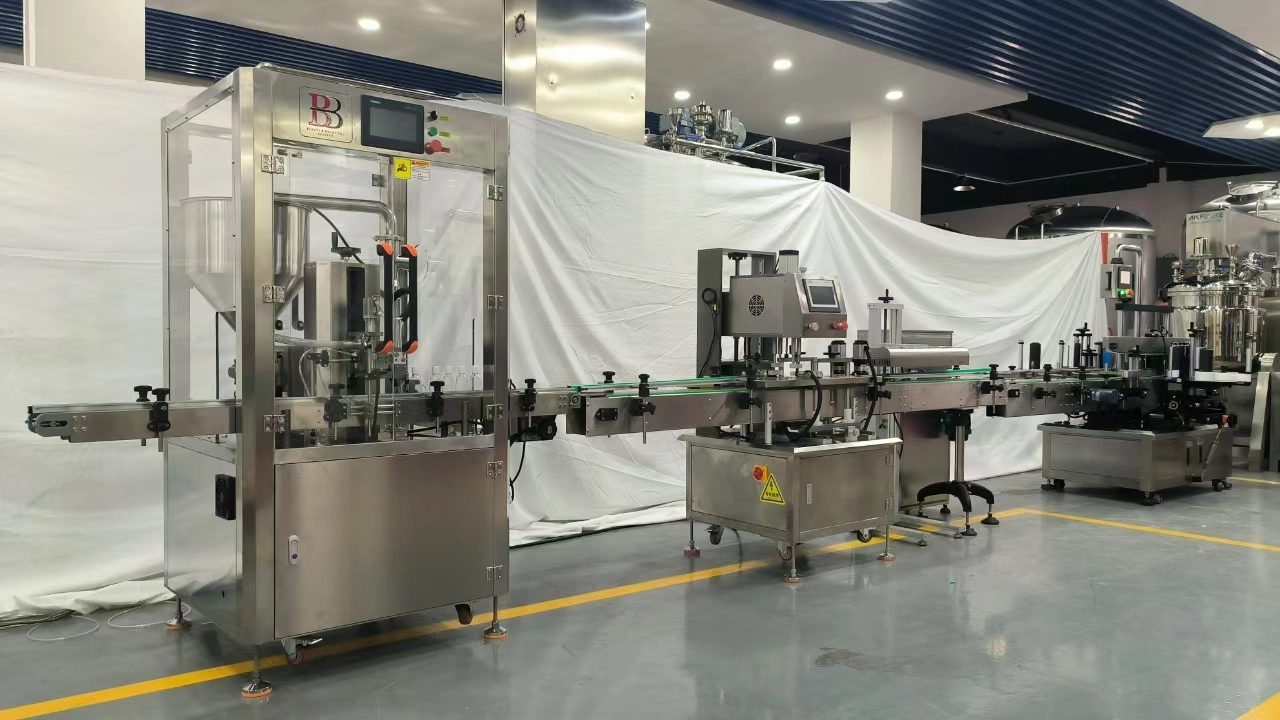
Understand the working principle of a servo gear pump filling machine!
Automatic Tube Filling and Sealing Machine
Does the equipment meet the hygiene standards of the pharmaceutical/food industry? What precautions should be taken during daily cleaning?
The equipment fully complies with GMP hygiene certification. All material contact parts (drums, filling heads, and piping) are made of 316L/304 stainless steel, ensuring no unhygienic corners.
Daily cleaning precautions:
Before each material change, flush the material piping with purified water or food-grade detergent and then dry it with compressed air. Disassemble the filling heads and valves weekly to remove any residual material to prevent bacterial growth. Never use water directly on components such as the electrical control cabinet and motor. Always disconnect the power cord during cleaning to prevent short circuits.
Automatic Facial Mask Filling Machine
How many filling nozzles does your facial mask filling machine have?
We have dual-, six-, eight-, and ten-head facial mask filling machines. We can customize the number of filling nozzles to meet your needs.
Polypropylene PP Mixing Tank
What can you buy from us?
RO Water Treatment、Vacuum Emulsifying Machine、Homogenizer Mixing Tank、Filling and Capping、labeling Machine、Packing Machine、Storage Tank,etc.
Perfume Filling Machine
After purchasing the equipment, what after-sales services does the supplier typically provide?
General services include on-site installation and commissioning (including workshop layout planning), operator training (theoretical and practical training to ensure workers can operate independently), a one-year full machine warranty, and lifetime technical support (24-hour telephone and video troubleshooting).
Automatic Labeling Machine
What types of bottles can this automatic labeling machine label?
It can label flat, round, and square bottles on one side, two sides, or even all around.
Get in touch with FULUKE
If you have any comments or good suggestions, please leave us a message, later our professional staff will contact you as soon as possible.
You May Also Like
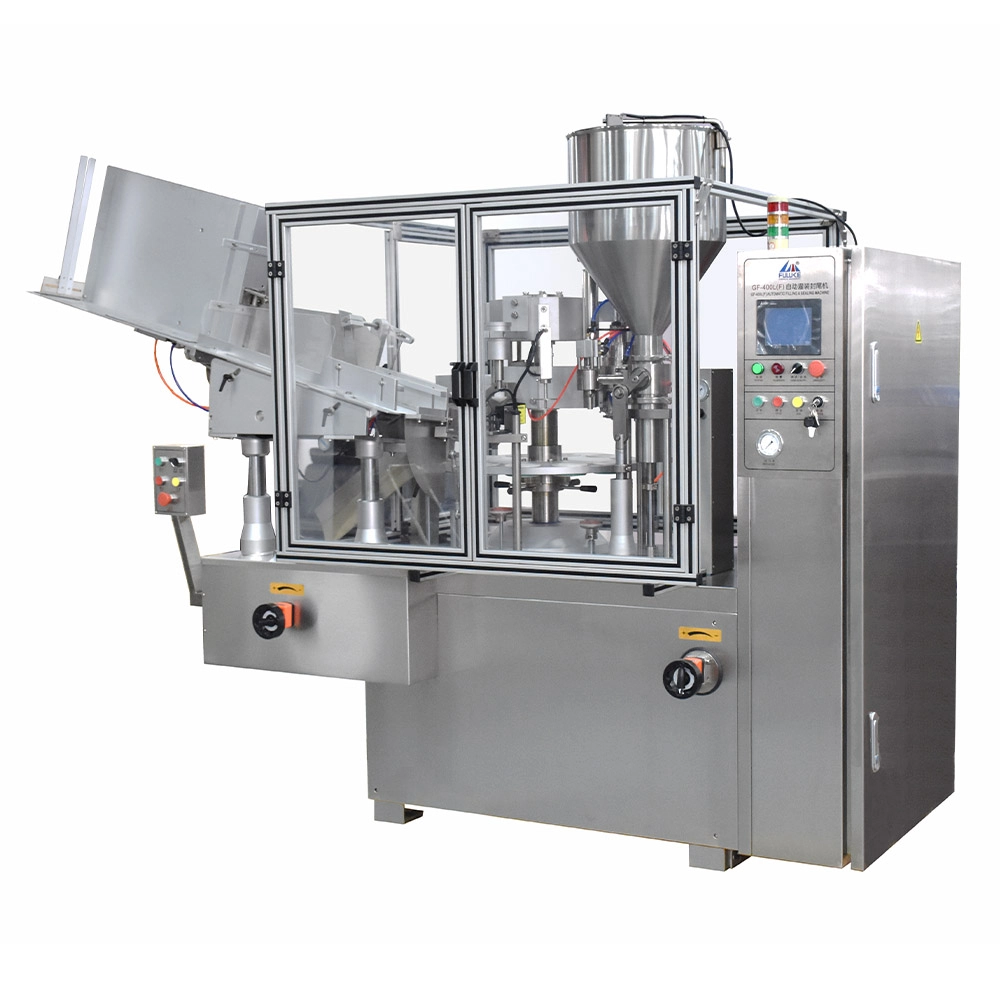
Automatic Tube Filling and Sealing Machine Toothpaste Sunscreen and Facial Cleanser Filling and Sealing Machine for Plastic and Aluminum-plastic Tube
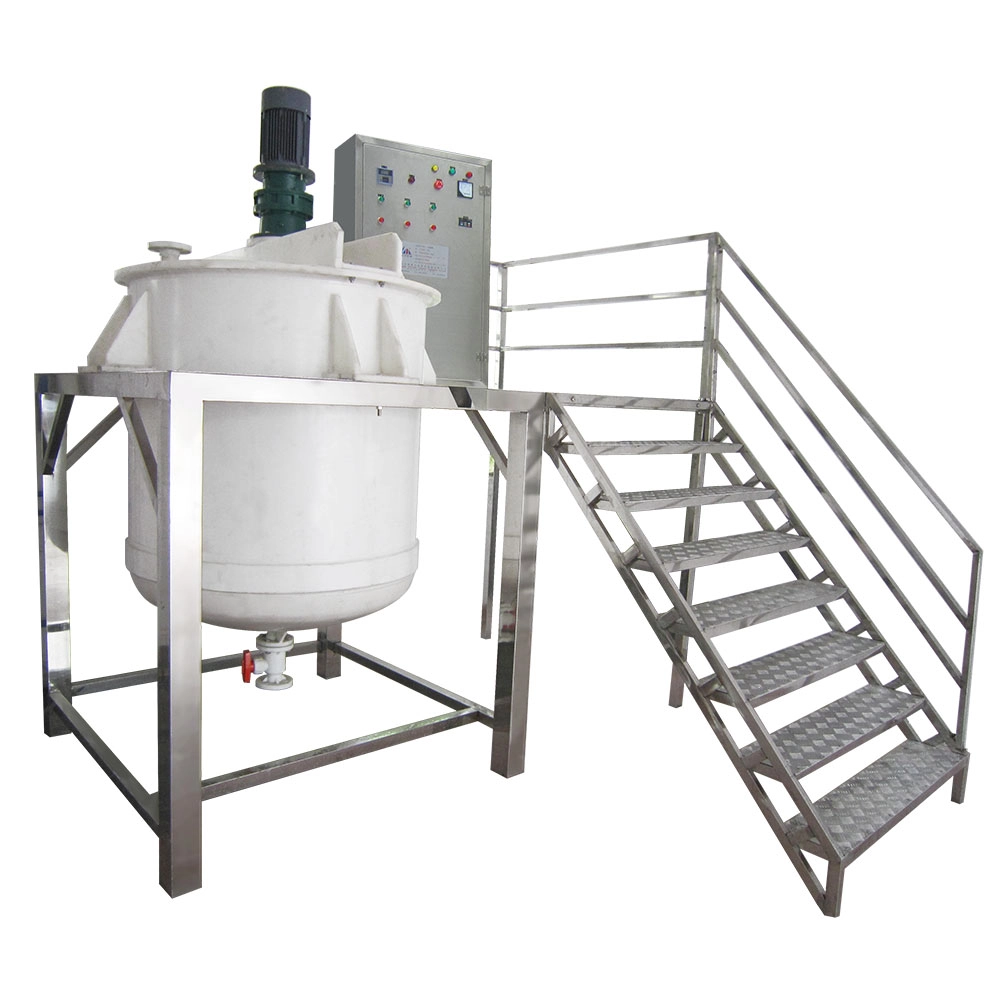
Polypropylene PP Mixing Tank Anti-Corrosion Mixer Reaction Kettle with Agitator Chemical Mixing Vessel
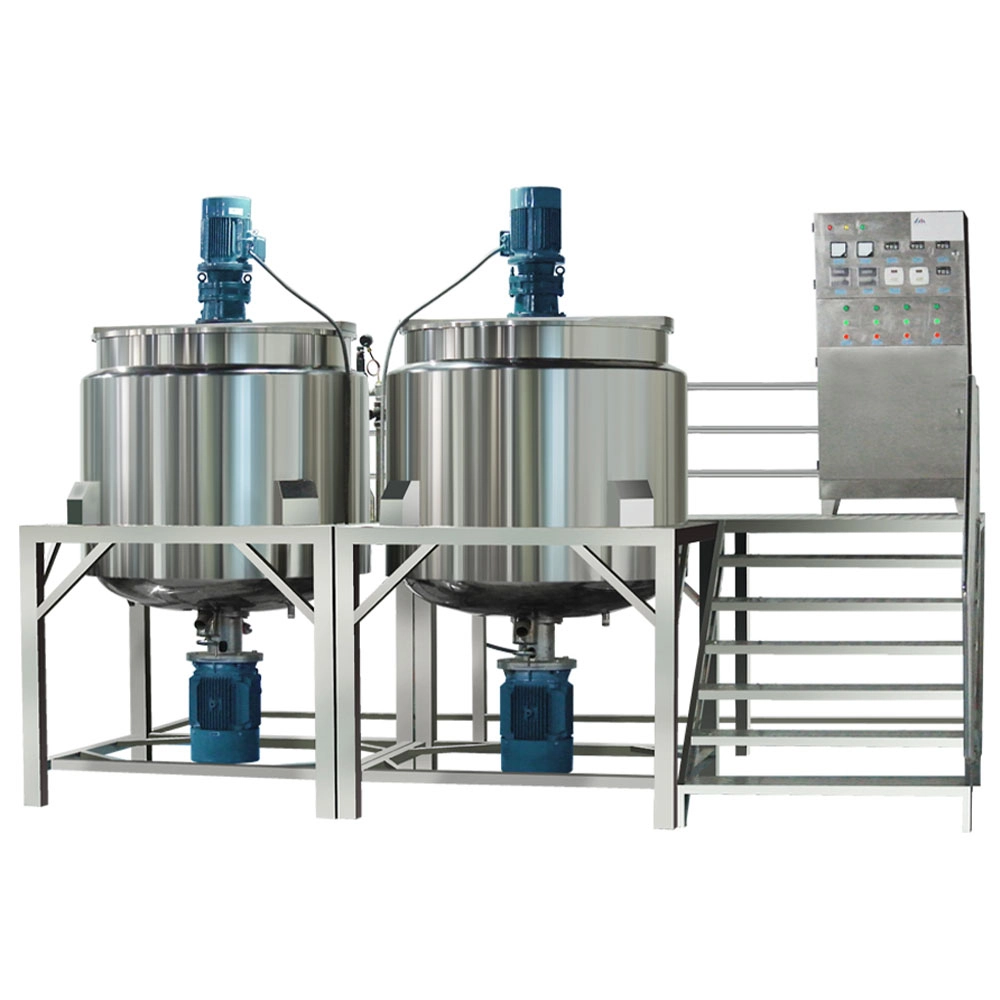
Flip Cover Multi-function Liquid Wash Mixing Tank Blender Liquid Detergent Mixer Homogenization Stirring Tank
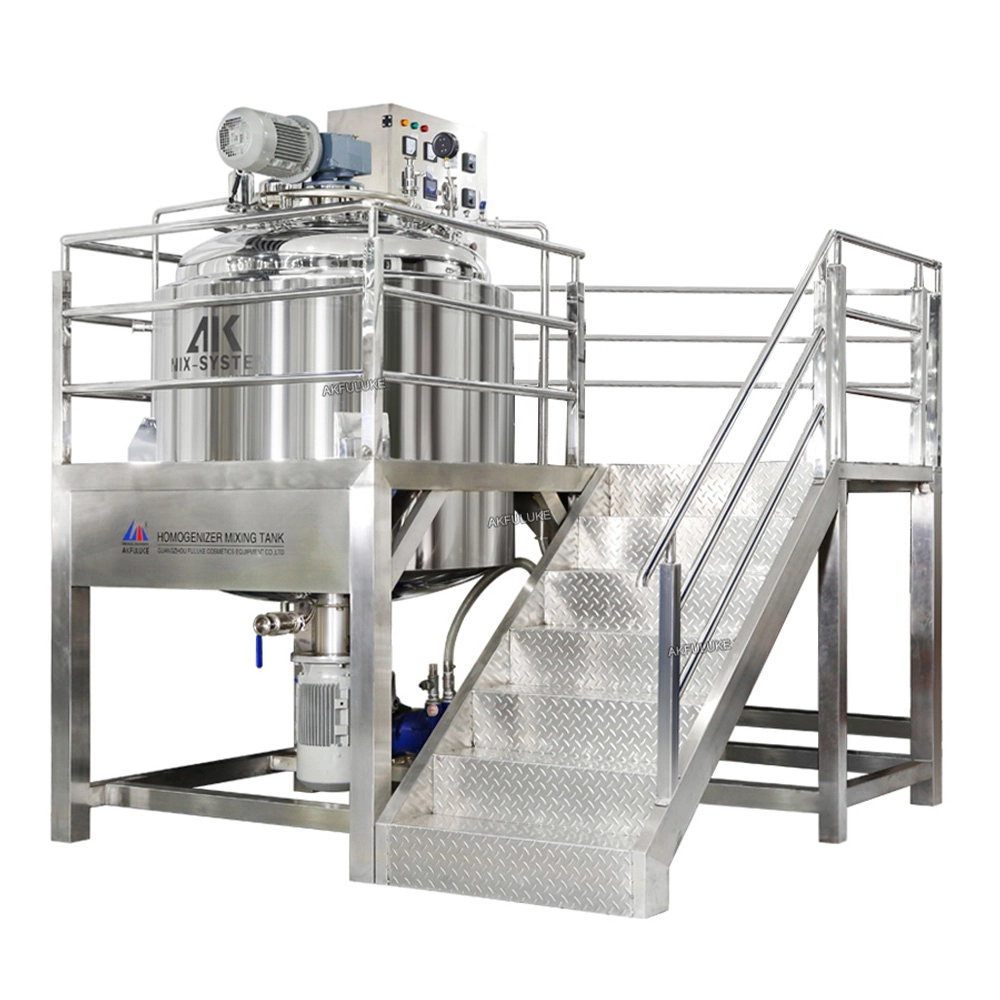
Stainless Steel Mixer Liquid Mixing tank with Agitator Homogenizing Mixing tank Vacuum Sealed Mixer Machine

A leading manufacturer specializing in advanced machinery and complete production lines for the cosmetics, food, pharmaceutical, and chemical industries worldwide.
Contact FULUKE
Facebook
Instagram
YouTube