
What are best practices for tank insulation and energy saving?
- Understanding Mixing Tanks with Agitators in the Cosmetic Equipment Industry
- 1. What are the primary functions of mixing tanks with agitators in cosmetic manufacturing?
- 2. What factors should be considered when selecting a mixing tank with an agitator?
- 3. How does the choice of agitator impact the mixing process in cosmetic manufacturing?
- 4. What are the best practices for tank insulation and energy saving in cosmetic equipment?
- 5. How can effective tank insulation contribute to energy savings in cosmetic manufacturing?
- 6. What are the common challenges in implementing tank insulation systems, and how can they be addressed?
- 7. How do insulation materials impact the overall performance and cost-effectiveness of tank insulation systems?
- 8. What are the latest advancements in tank insulation technologies for the cosmetic equipment industry?
- Conclusion: FULUKE's Commitment to Quality and Innovation
Understanding Mixing Tanks with Agitators in the Cosmetic Equipment Industry
1. What are the primary functions of mixing tanks with agitators in cosmetic manufacturing?
Mixing tanks with agitators are essential in cosmetic manufacturing for blending raw materials, ensuring uniform consistency, and facilitating chemical reactions. They enable precise control over mixing speed and temperature, which is crucial for producing high-quality cosmetic products. Agitators help achieve the desired texture, viscosity, and stability in formulations, ensuring product efficacy and safety.
2. What factors should be considered when selecting a mixing tank with an agitator?
When selecting a mixing tank with an agitator, consider the following factors:
Material Compatibility: Ensure the tank and agitator materials are compatible with the chemicals and formulations used to prevent reactions or contamination.
Capacity Requirements: Choose a tank size that aligns with production volumes to optimize efficiency and minimize waste.
Agitator Design: Select an agitator type (e.g., paddle, turbine, or propeller) based on the desired mixing action and viscosity of the materials.
Temperature Control: Incorporate heating or cooling systems if temperature regulation is necessary for the mixing process.
Maintenance Accessibility: Design the tank and agitator for easy cleaning and maintenance to comply with hygiene standards and reduce downtime.
3. How does the choice of agitator impact the mixing process in cosmetic manufacturing?
The agitator's design significantly influences the mixing process:
Paddle Agitators: Suitable for low to medium viscosity liquids, providing gentle mixing to prevent shear-sensitive ingredients from degrading.
Turbine Agitators: Ideal for medium to high viscosity fluids, offering efficient mixing and blending.
Propeller Agitators: Best for high viscosity materials, delivering strong shear forces to achieve thorough mixing.
Selecting the appropriate agitator ensures optimal product quality and process efficiency.
4. What are the best practices for tank insulation and energy saving in cosmetic equipment?
Effective tank insulation is vital for maintaining consistent temperatures and reducing energy consumption:
Material Selection: Use high-performance insulation materials like rigid polyurethane foam or mineral wool, which offer excellent thermal resistance and durability.
Insulation Thickness: Determine the optimal thickness based on the desired temperature control and energy efficiency goals. For instance, a 150mm thick high-density polyurethane foam insulation layer can significantly improve thermal performance.
Seamless Installation: Ensure continuous insulation coverage without gaps to prevent heat loss and condensation, which can lead to corrosion under insulation (CUI).
Protective Coatings: Apply weather-resistant coatings to shield insulation from environmental factors like moisture and UV radiation, extending the system's lifespan.
Regular Maintenance: Conduct routine inspections to identify and repair any damage or degradation in the insulation system, maintaining its effectiveness over time.
5. How can effective tank insulation contribute to energy savings in cosmetic manufacturing?
Proper tank insulation reduces energy consumption by minimizing heat loss or gain:
Temperature Stability: Insulation maintains the desired internal temperature, reducing the need for heating or cooling systems to compensate for external temperature fluctuations.
Reduced Energy Demand: By decreasing the workload on temperature control systems, insulation leads to lower energy bills and improved operational efficiency.
Extended Equipment Life: Insulated tanks experience less thermal stress, reducing wear and tear on heating and cooling components, thereby extending their service life.
6. What are the common challenges in implementing tank insulation systems, and how can they be addressed?
Common challenges include:
Moisture Ingress: Moisture can compromise insulation effectiveness and lead to corrosion. Using closed-cell foam insulation and applying protective coatings can mitigate this issue.
Corrosion Under Insulation (CUI): CUI can occur if moisture is trapped between insulation and the tank surface. Ensuring proper sealing and using corrosion-resistant materials can prevent CUI.
Maintenance Accessibility: Insulated tanks may be challenging to maintain. Designing insulation systems with removable panels or access points facilitates easier inspection and maintenance.
7. How do insulation materials impact the overall performance and cost-effectiveness of tank insulation systems?
The choice of insulation material affects both performance and cost:
Thermal Conductivity: Materials with low thermal conductivity provide better insulation but may be more expensive.
Durability: High-quality materials may have a higher upfront cost but offer longer service life and reduced maintenance expenses.
Installation Complexity: Some materials are easier to install, reducing labor costs and installation time.
Balancing these factors is essential to achieve cost-effective and efficient insulation.
8. What are the latest advancements in tank insulation technologies for the cosmetic equipment industry?
Recent advancements include:
Nanotechnology Coatings: These coatings offer enhanced thermal insulation and corrosion resistance, improving energy efficiency and equipment longevity.
Advanced Composite Materials: New composite materials provide superior insulation properties while being lightweight and easy to install.
Smart Insulation Systems: Incorporating sensors and monitoring systems allows real-time assessment of insulation performance and early detection of issues.
Conclusion: FULUKE's Commitment to Quality and Innovation
FULUKE stands at the forefront of providing high-quality mixing tanks with agitators and advanced tank insulation solutions tailored for the cosmetic equipment industry. Our products are designed to enhance operational efficiency, ensure product quality, and promote sustainability. With a focus on innovation and customer satisfaction, FULUKE offers reliable and cost-effective solutions to meet the evolving needs of the cosmetic manufacturing sector.

Understanding Servo Capping Machines: The Core Logic of Precise Capping – Understand the Entire Working Process in Seconds
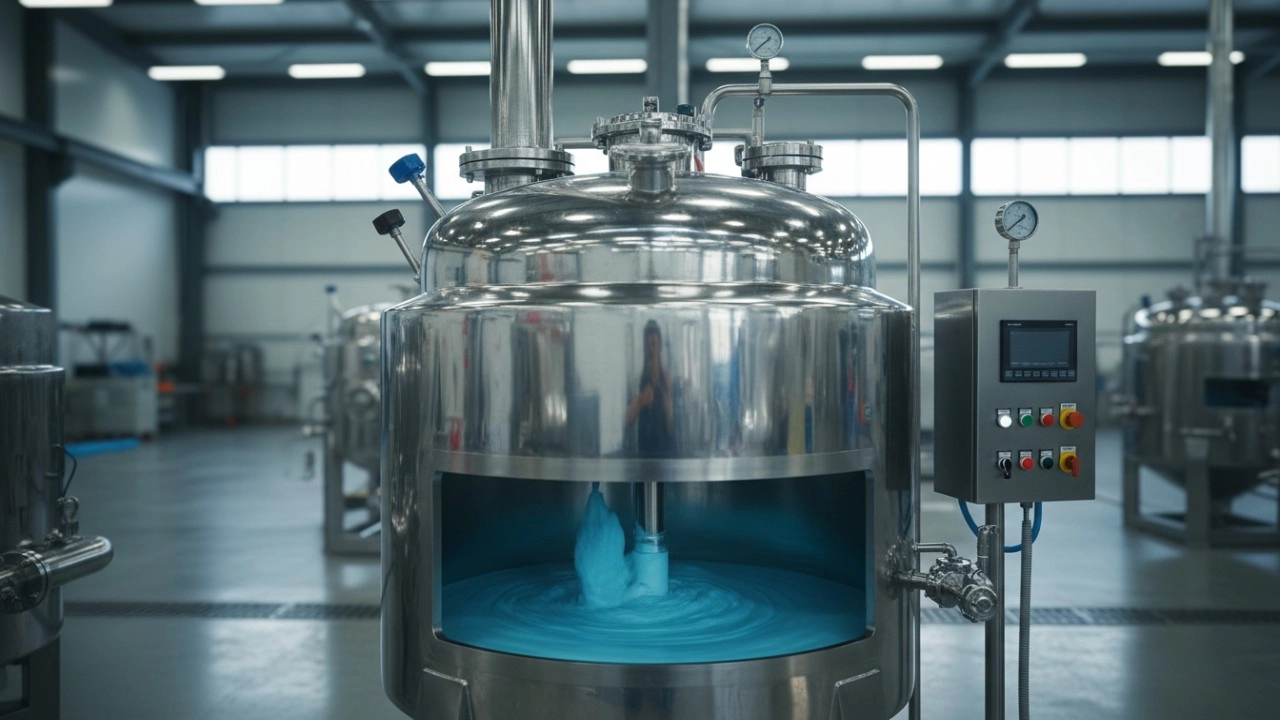
The Future of Industrial Agitation: 5 Smart Mixing Tank Technologies Changing the Game
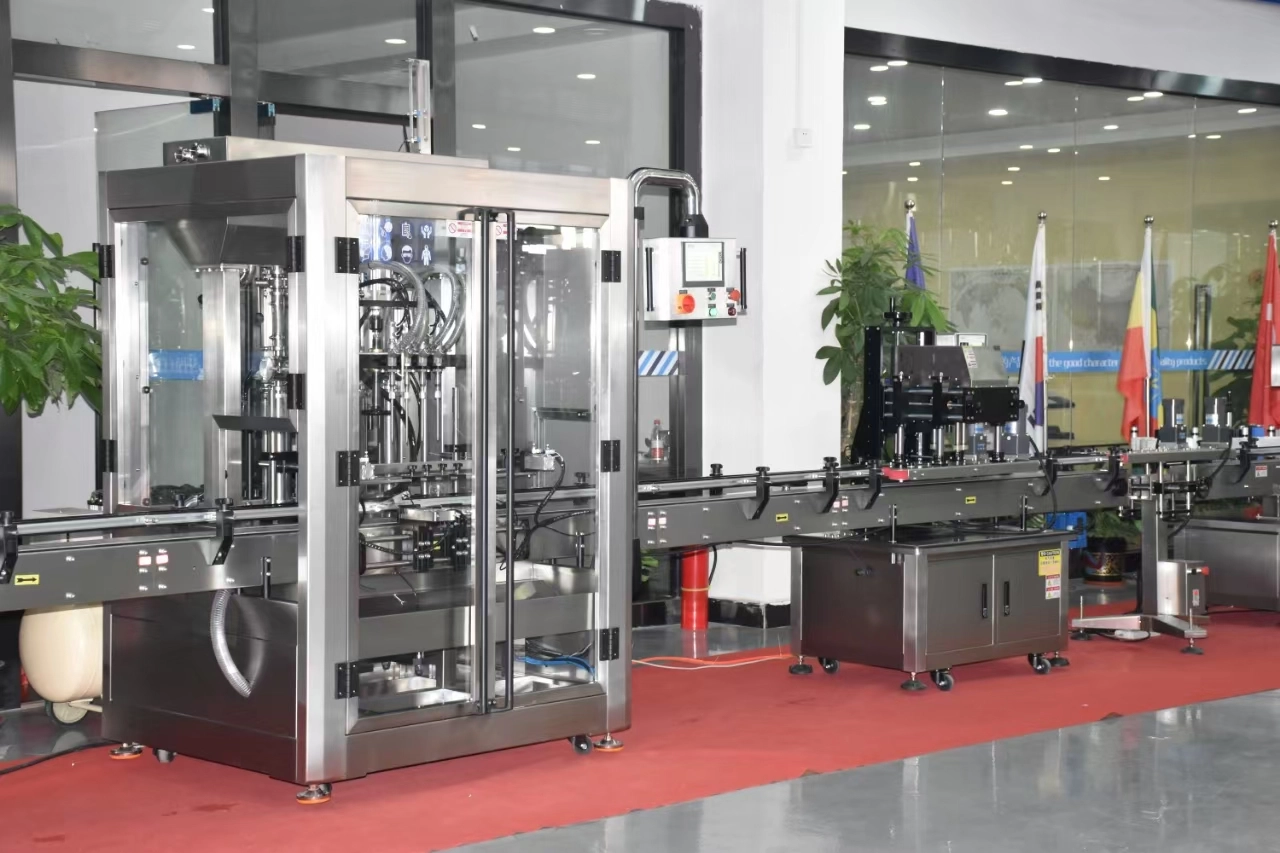
Gear pump filling machine vs. piston filling machine: Key differences broken down to avoid pitfalls in selection.
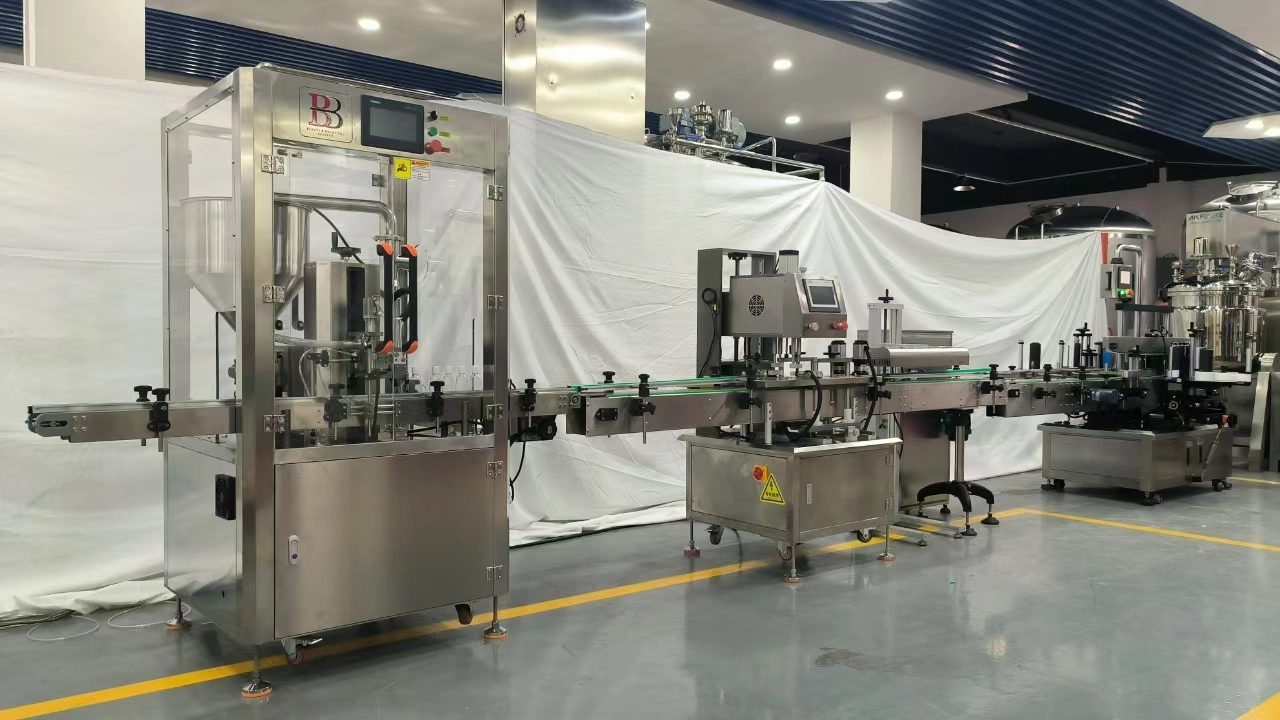
Understand the working principle of a servo gear pump filling machine!
Automatic Labeling Machine
Who are we?
Our headquarters is located in Guangzhou, Guangdong, China, and our factory is located in Yangzhou, Jiangsu. Our products are sold all over the world. We have approximately 50 employees in our company and factory.
Sealed Homogenizing Mixing Tank
What is the speed of the high shear homogenizer?
The standard speed is 0-3000 rpm, but higher speeds can be customized upon request.
Inkjet Printing Machine
Who are we?
Our headquarters is located in Guangzhou, Guangdong, China, and our factory is located in Yangzhou, Jiangsu. Our products are sold all over the world. We have approximately 50 employees in our company and factory.
Polypropylene PP Mixing Tank
What is the structure of an agitator?
The agitator usually consists of enamel anchor agitator.
Vacuum Emulsifying Machine
Can you customize the machine?
Of course, we provide customized services according to customer needs.
Get in touch with FULUKE
If you have any comments or good suggestions, please leave us a message, later our professional staff will contact you as soon as possible.
You May Also Like
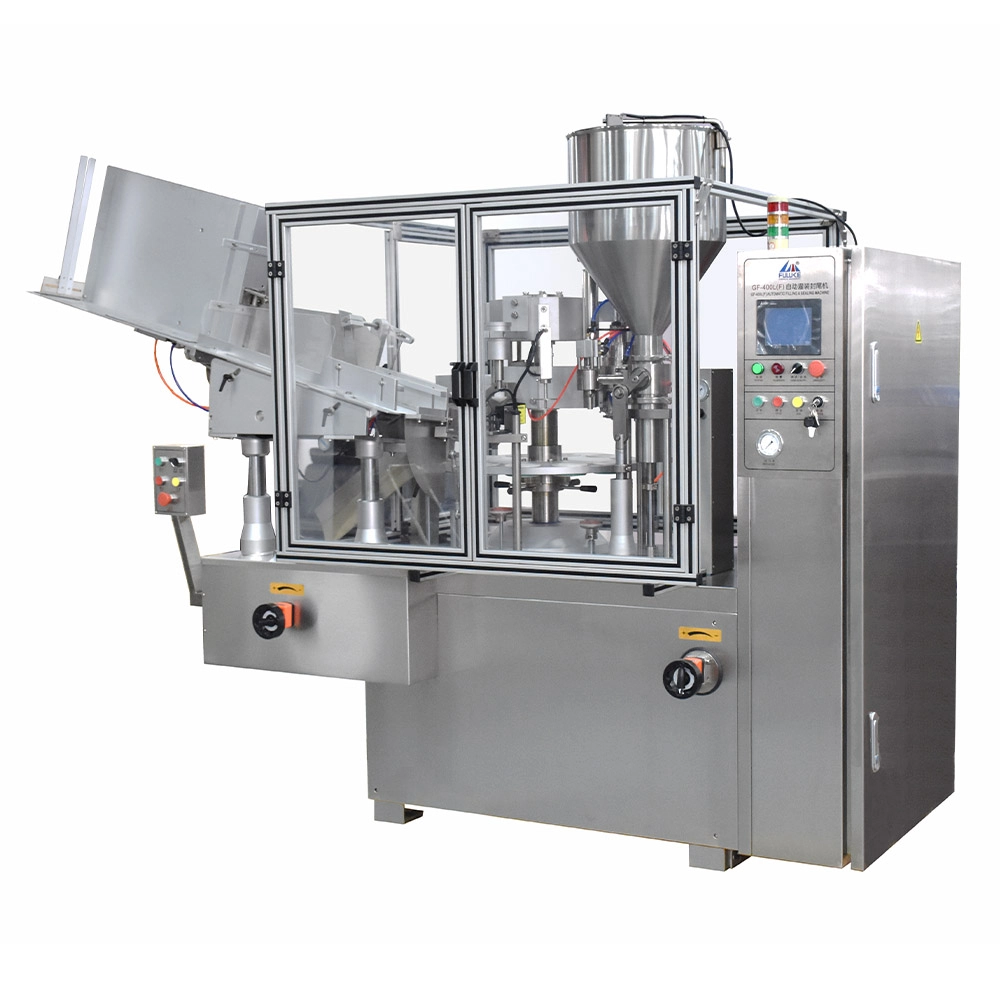
Automatic Tube Filling and Sealing Machine Toothpaste Sunscreen and Facial Cleanser Filling and Sealing Machine for Plastic and Aluminum-plastic Tube
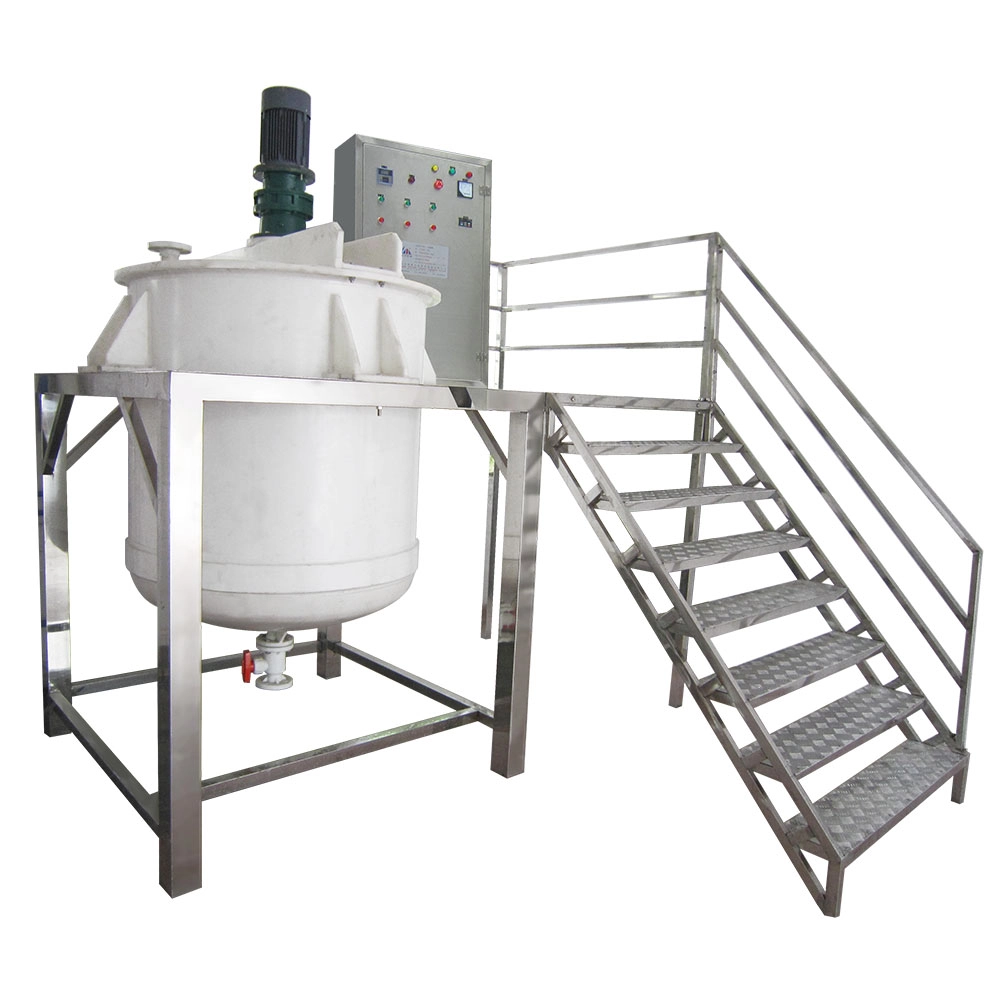
Polypropylene PP Mixing Tank Anti-Corrosion Mixer Reaction Kettle with Agitator Chemical Mixing Vessel
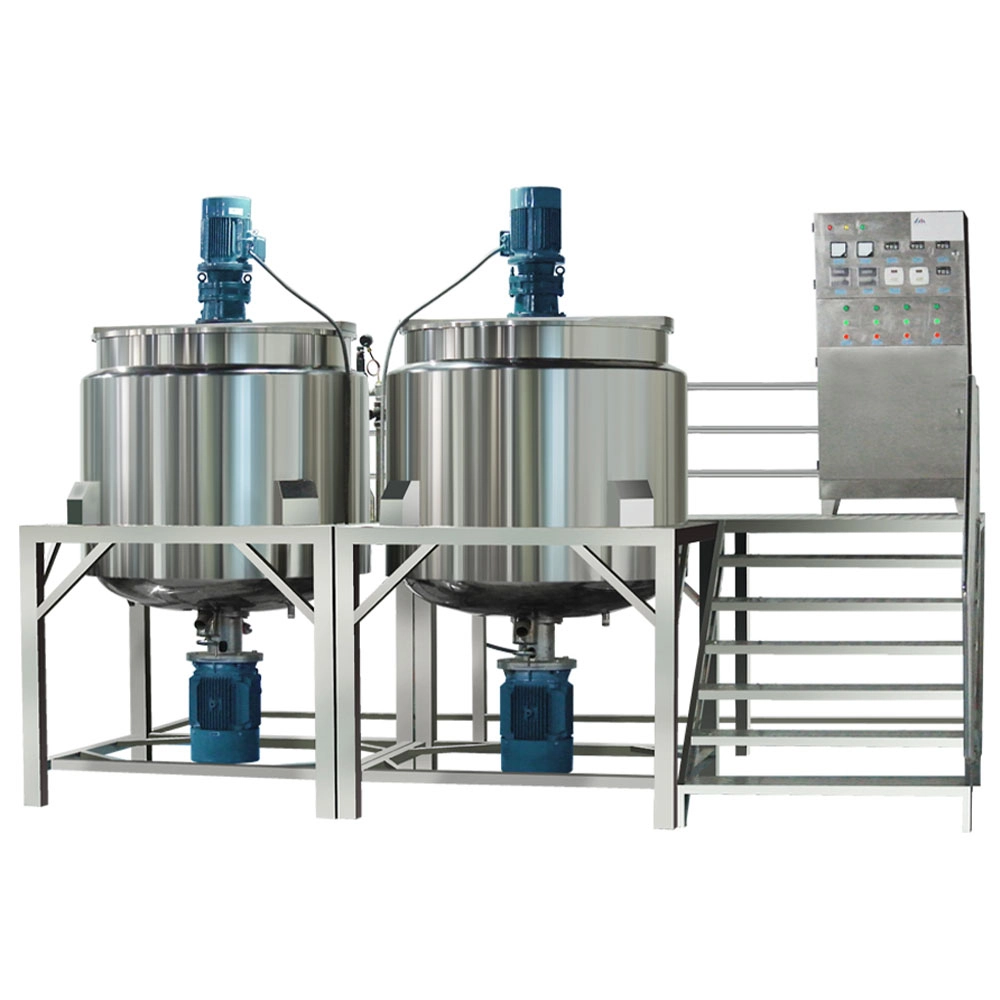
Flip Cover Multi-function Liquid Wash Mixing Tank Blender Liquid Detergent Mixer Homogenization Stirring Tank
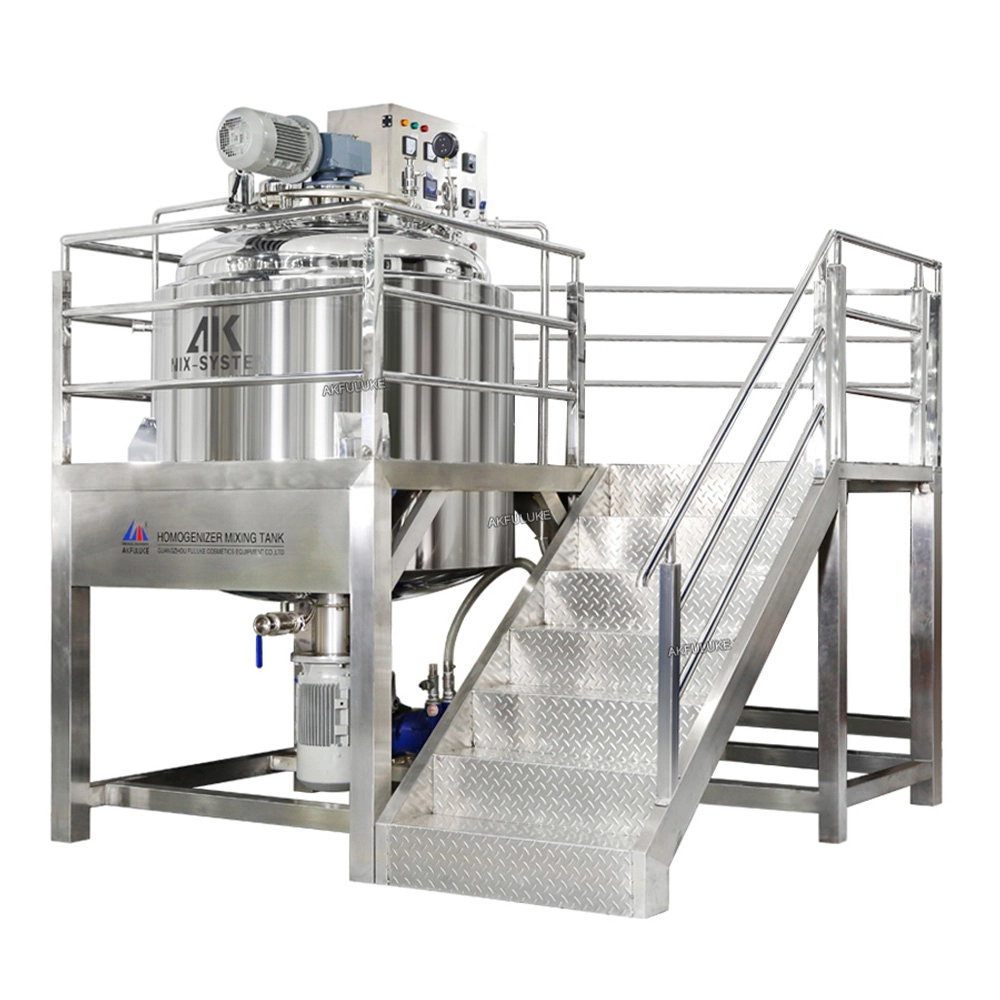
Stainless Steel Mixer Liquid Mixing tank with Agitator Homogenizing Mixing tank Vacuum Sealed Mixer Machine

A leading manufacturer specializing in advanced machinery and complete production lines for the cosmetics, food, pharmaceutical, and chemical industries worldwide.
Contact FULUKE
Facebook
Instagram
YouTube