
What controls help maintain temperature uniformity in tanks?
- Key Considerations for Mixing Tanks with Agitators in Cosmetic Manufacturing
- 1. What are the primary functions of a mixing tank with an agitator in cosmetic production?
- 2. How do I assess the performance of a cosmetic mixing tank?
- 3. What are the key differences between pharmaceutical and cosmetic mixing tanks?
- 4. How does temperature control impact cosmetic product quality?
- 5. What controls help maintain temperature uniformity in mixing tanks?
- 6. How do I choose the right temperature control system for cosmetic manufacturing?
- 7. What are the benefits of using jacketed tanks in cosmetic manufacturing?
- 8. How can I ensure compliance with industry standards in cosmetic manufacturing?
- Conclusion: Why Choose FULUKE for Your Cosmetic Manufacturing Needs
In the cosmetic manufacturing industry, selecting the right mixing tank with an agitator and ensuring precise temperature control are crucial for producing high-quality products. Below are some common questions and answers to guide your purchasing decisions.
Key Considerations for Mixing Tanks with Agitators in Cosmetic Manufacturing
1. What are the primary functions of a mixing tank with an agitator in cosmetic production?
Mixing tanks with agitators are essential for blending various cosmetic ingredients uniformly. They ensure consistent texture, stability, and quality in products like creams, lotions, and emulsions. The agitator facilitates thorough mixing, preventing ingredient separation and enhancing product efficacy.
2. How do I assess the performance of a cosmetic mixing tank?
To evaluate a mixing tank's performance, consider the following factors:
Mixing Uniformity: Ensure the tank achieves consistent blending by sampling and analyzing mixtures at different stages.
Homogenization Efficiency: Examine droplet size distribution in emulsions to confirm effective homogenization.
Temperature Control: Verify the tank maintains a stable temperature, crucial for ingredient stability.
Power Consumption: Assess energy efficiency to optimize operational costs.
Mixing Time: Monitor the duration of mixing cycles to ensure efficiency without compromising quality.
Cleaning Ease: Evaluate the design for ease of cleaning to prevent cross-contamination.
Noise Level: Consider operational noise to maintain a safe working environment.
Durability and Maintenance: Inspect materials and construction for longevity and ease of maintenance.
3. What are the key differences between pharmaceutical and cosmetic mixing tanks?
While both types of tanks serve mixing purposes, cosmetic mixing tanks focus on achieving uniform product texture and stability, efficiently blending diverse ingredients, and minimizing air incorporation to avoid bubbles. In contrast, pharmaceutical tanks prioritize maintaining sterility and handling sensitive biologics and sterile injectable formulations.
4. How does temperature control impact cosmetic product quality?
Precise temperature control is vital in cosmetic manufacturing to ensure product stability and efficacy. Temperature fluctuations can lead to ingredient degradation, separation, or altered textures. Implementing effective temperature control systems, such as jacketed tanks with integrated heating and cooling mechanisms, helps maintain optimal conditions throughout the production process.
5. What controls help maintain temperature uniformity in mixing tanks?
To achieve temperature uniformity, consider the following controls:
Jacketed Tanks: Utilize tanks with jackets that allow for heating or cooling fluids to circulate, maintaining consistent temperatures.
Agitators: Employ agitators to promote uniform heat distribution by enhancing fluid movement.
Baffles: Incorporate baffles to direct fluid flow, minimizing dead zones and improving heat transfer efficiency.
Temperature Sensors: Install sensors at various points to monitor and adjust temperatures accurately.
Flow Rate Control: Regulate the flow rate of heating or cooling fluids to ensure even temperature distribution.
6. How do I choose the right temperature control system for cosmetic manufacturing?
Selecting an appropriate temperature control system involves evaluating the specific requirements of your production process, such as the desired temperature range, product sensitivity, and production scale. Advanced systems offer features like dual-zone control, remote monitoring, and energy efficiency to enhance process control and product quality.
7. What are the benefits of using jacketed tanks in cosmetic manufacturing?
Jacketed tanks provide efficient thermal management by allowing heating or cooling fluids to circulate around the tank, ensuring consistent temperatures. This design is particularly beneficial for temperature-sensitive products, as it minimizes the risk of ingredient degradation and maintains product stability.
8. How can I ensure compliance with industry standards in cosmetic manufacturing?
To comply with industry standards, implement rigorous testing protocols, maintain accurate records, and ensure that all equipment meets regulatory requirements. Utilize environmental chambers and testing equipment to simulate various conditions and verify product stability and safety.
Conclusion: Why Choose FULUKE for Your Cosmetic Manufacturing Needs
FULUKE offers a comprehensive range of mixing tanks with agitators and advanced temperature control systems tailored for the cosmetic industry. Our equipment is designed to enhance product quality, ensure consistency, and meet regulatory standards. With a focus on innovation and reliability, FULUKE provides solutions that support efficient and effective cosmetic manufacturing processes.
By considering these factors and selecting equipment that aligns with your specific production needs, you can enhance the quality and consistency of your cosmetic products.
Note: The information provided is based on industry standards and practices as of January 2026.
References:
Doma Machinery. (2025). How to measure the performance of a cosmetic making mixing tank?
BarrelWarmer. (2024). Enhancing Cosmetic Manufacturing Through Precise Temperature Control.
Everheal Group. (2025). Pharmaceutical Mixing Tank vs. Cosmetic Mixing Tank: Key Differences Explained.
Delta T Systems. (2025). Cosmetic Manufacturing Temperature Control | Cosmetic Manufacturing TCUs.
Tenney Environmental Testing. (2025). Cosmetic Stability Testing.
MXD Process. (2025). Perfect Temperature, Every Time: Inside Jacketed Tank Technology.
Unicontrols. (2025). Cosmetic Preparation Tank Temperature Control Unit.
T3 EnviroCorp. (2025). Temperature Uniformity in Environmental Chambers: Why It Matters.

Understanding Servo Capping Machines: The Core Logic of Precise Capping – Understand the Entire Working Process in Seconds
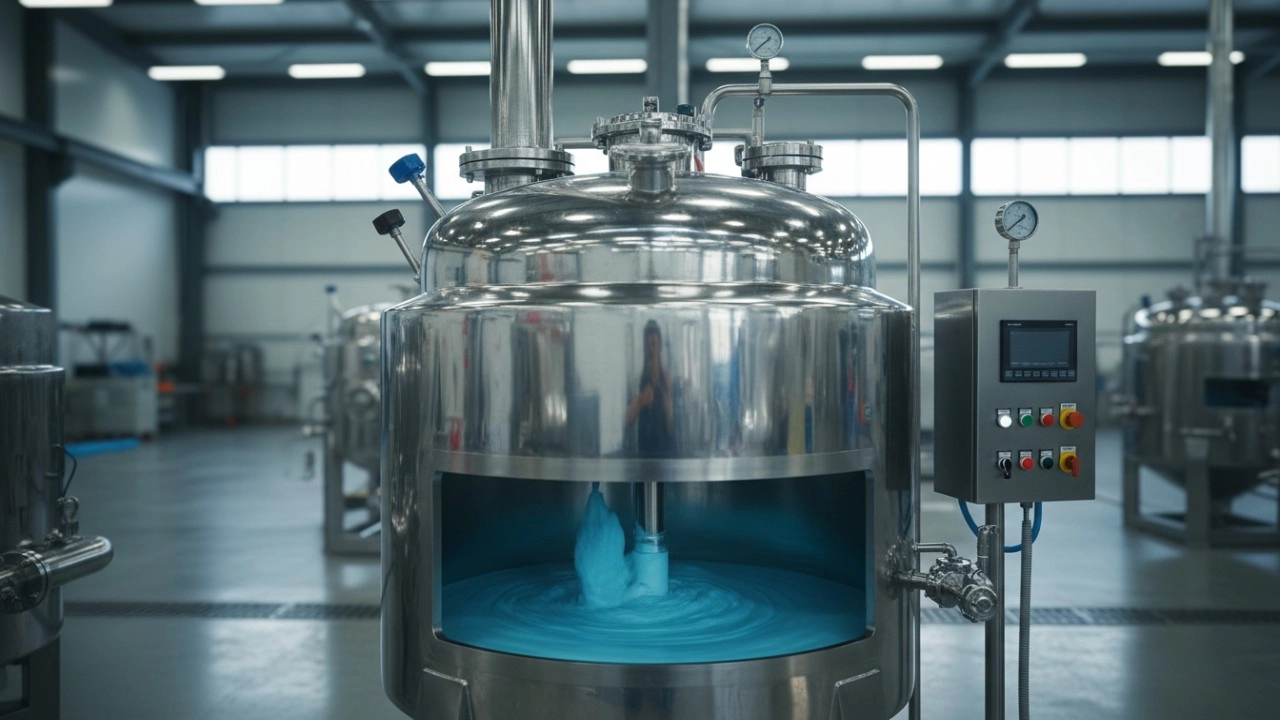
The Future of Industrial Agitation: 5 Smart Mixing Tank Technologies Changing the Game
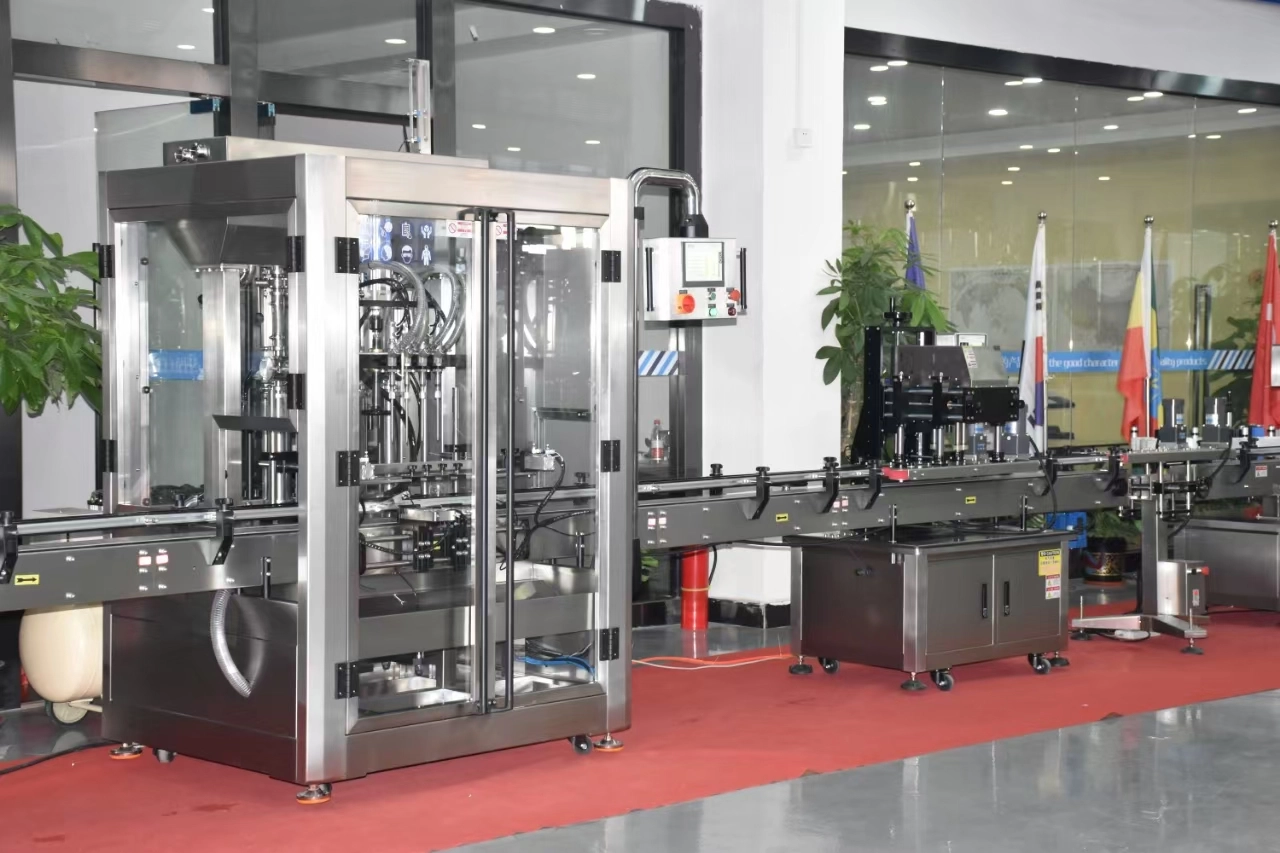
Gear pump filling machine vs. piston filling machine: Key differences broken down to avoid pitfalls in selection.
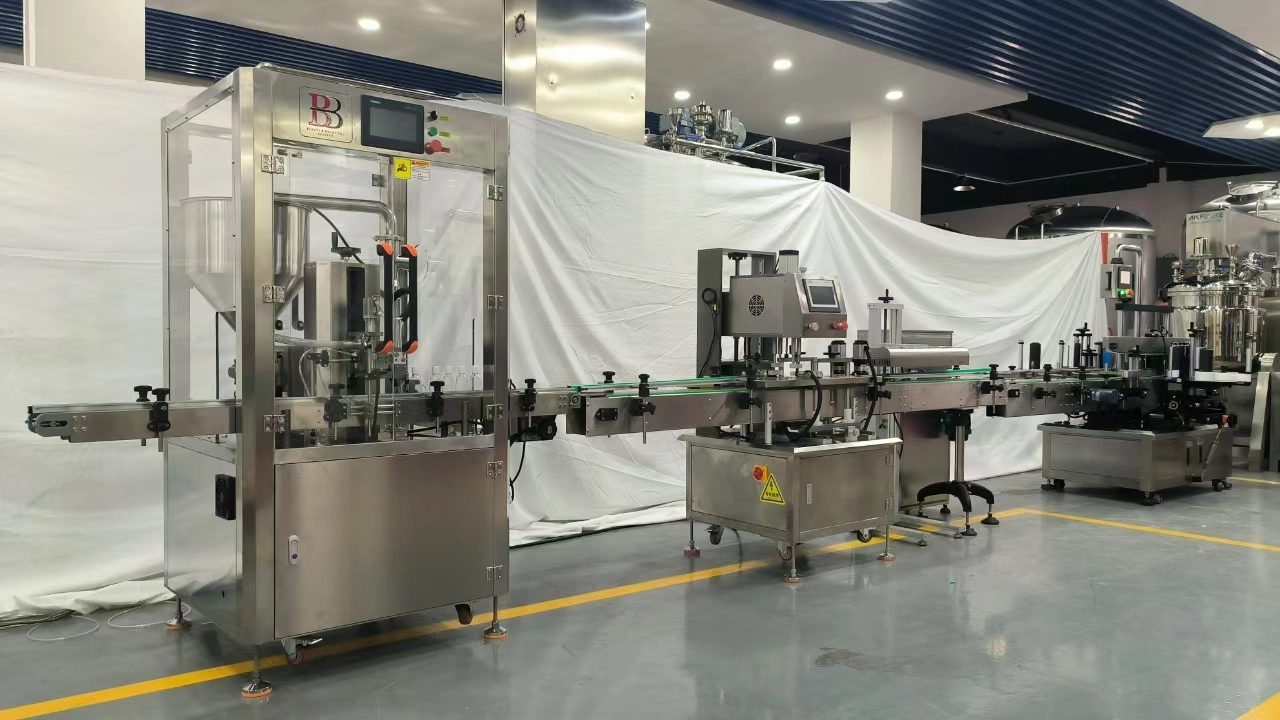
Understand the working principle of a servo gear pump filling machine!
Film Packaging Machine
What industries is this film packaging machine suitable for?
This machine is widely used for packaging a variety of items in large single boxes or multiple small boxes (with gold drawstring) in industries such as pharmaceuticals, health products, food, cosmetics, stationery, and audio-visual products.
Storage Tank
What can you buy from us?
RO Water Treatment、Vacuum Emulsifying Machine、Homogenizer Mixing Tank、Filling and Capping、labeling Machine、Packing Machine、Storage Tank,etc.
The Flip Cover Liquid Wash Mixing Homogenizing Tank
Can flip cover homogenizing mixing tank ensure hygienic safety when handling materials such as food and cosmetics?
Material Compliance: The equipment's pot, agitator, homogenizer, and other material-contacting components are all made of 316L stainless steel, which is corrosion-resistant and easy to clean, meeting food-grade and cosmetic-grade hygiene requirements.
Easy Cleaning: The open-top design allows direct access to corners within the pot, allowing for thorough cleaning by hand or with tools.
Operational Specifications: The equipment can be disinfected before use (e.g., hot water for food processing). After use, cleanup any remaining material promptly to avoid cross-contamination.
RO Water Treatment
Who are we?
Our headquarters is located in Guangzhou, Guangdong, China, and our factory is located in Yangzhou, Jiangsu. Our products are sold all over the world. We have approximately 50 employees in our company and factory.
Automatic Filling Machine
How many filling nozzles does your automatic filling machine have?
We have single-, dual-, quad-, six-, eight-, and ten-head filling machines. We can customize the number of filling nozzles to meet your needs.
Get in touch with FULUKE
If you have any comments or good suggestions, please leave us a message, later our professional staff will contact you as soon as possible.
You May Also Like
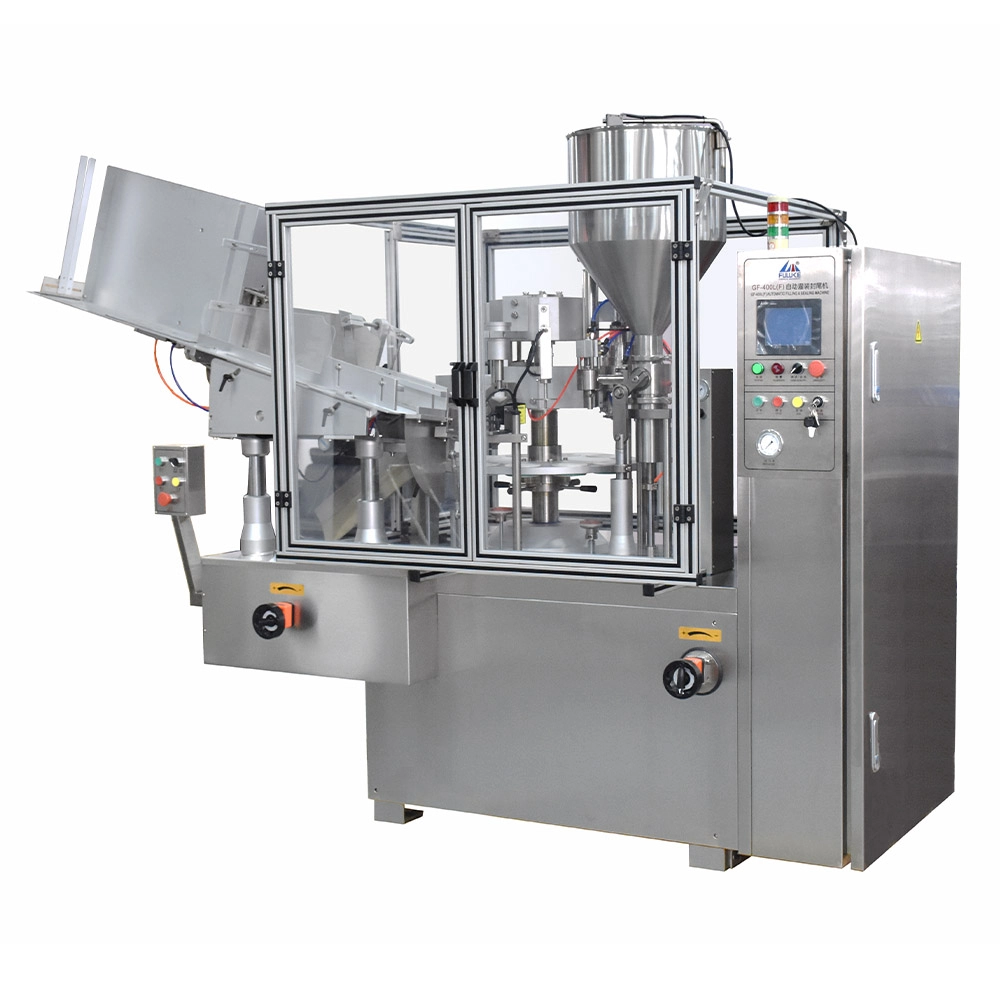
Automatic Tube Filling and Sealing Machine Toothpaste Sunscreen and Facial Cleanser Filling and Sealing Machine for Plastic and Aluminum-plastic Tube
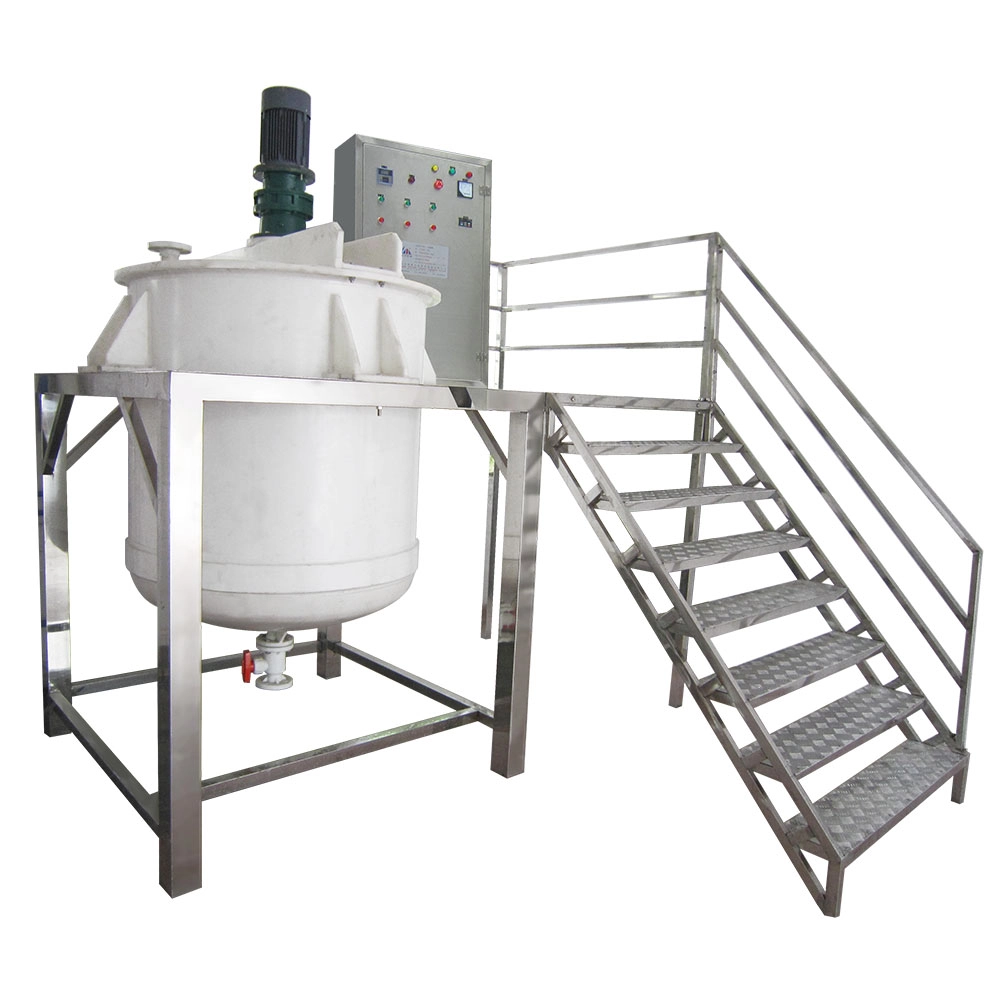
Polypropylene PP Mixing Tank Anti-Corrosion Mixer Reaction Kettle with Agitator Chemical Mixing Vessel
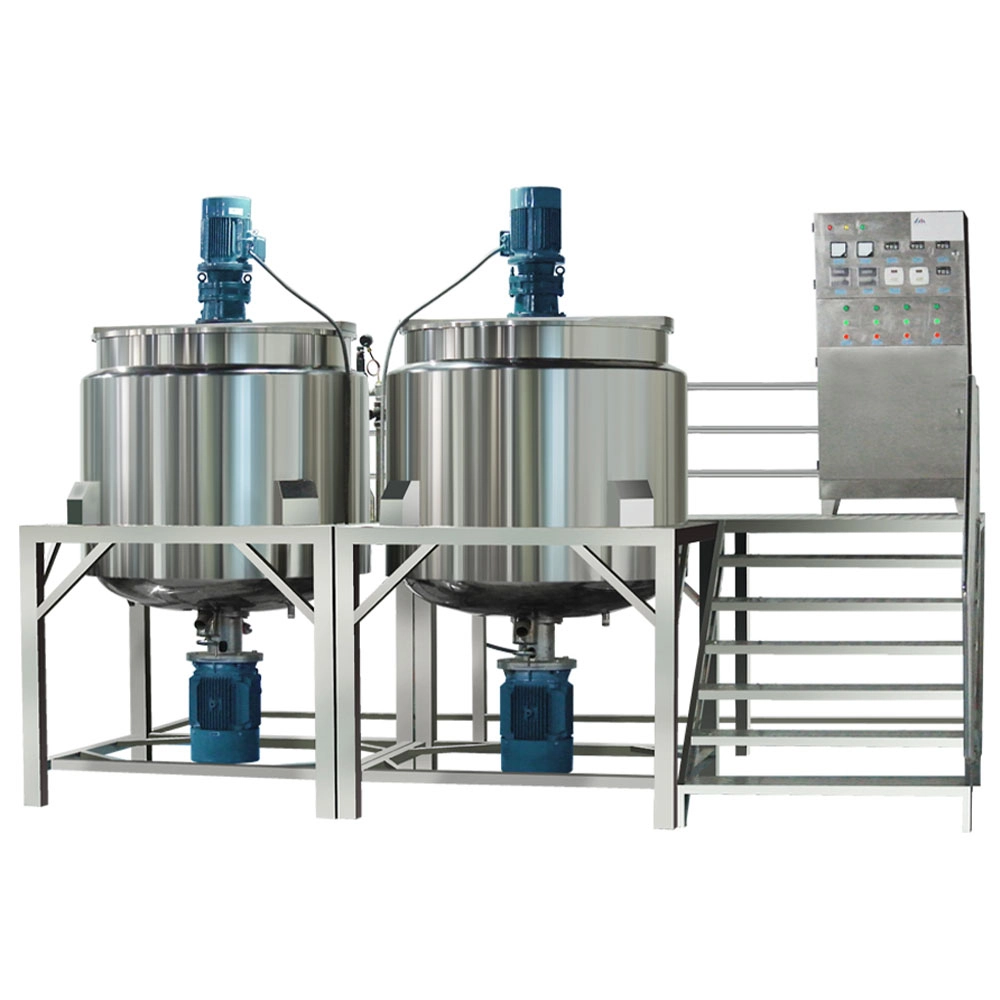
Flip Cover Multi-function Liquid Wash Mixing Tank Blender Liquid Detergent Mixer Homogenization Stirring Tank
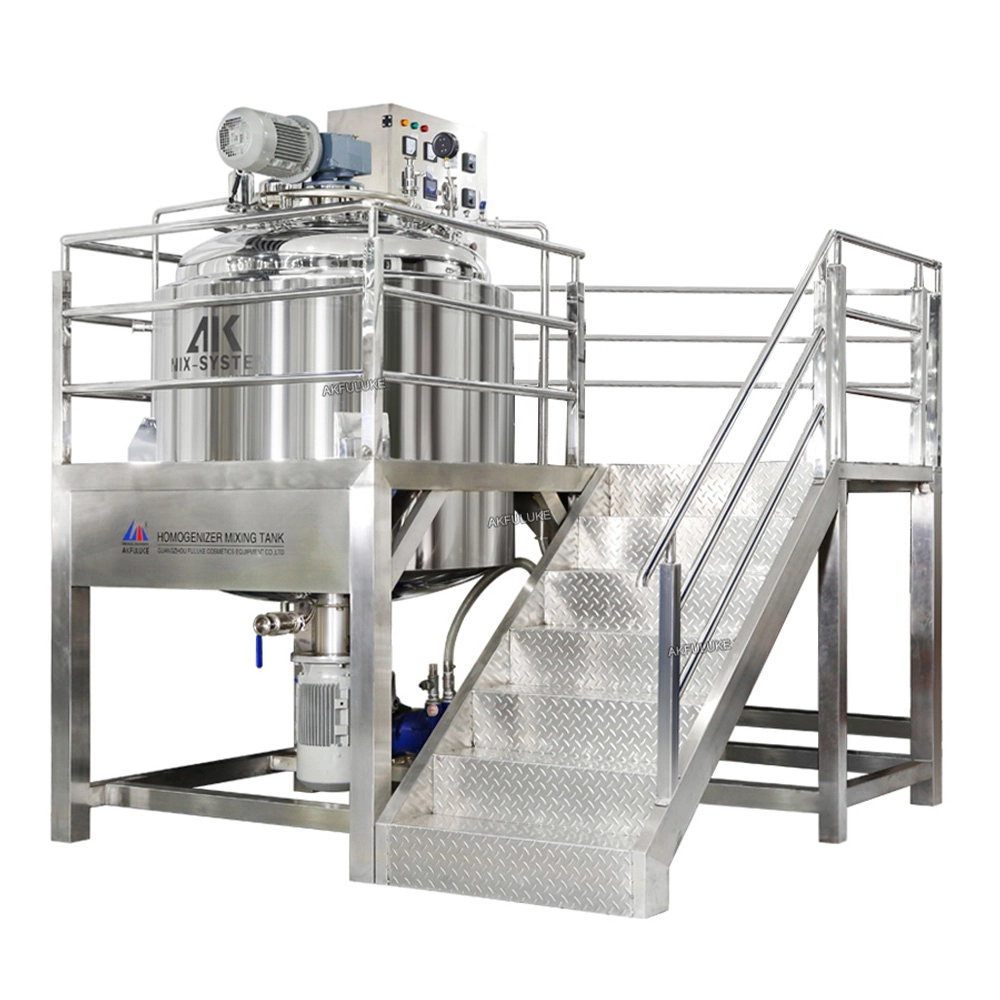
Stainless Steel Mixer Liquid Mixing tank with Agitator Homogenizing Mixing tank Vacuum Sealed Mixer Machine

A leading manufacturer specializing in advanced machinery and complete production lines for the cosmetics, food, pharmaceutical, and chemical industries worldwide.
Contact FULUKE
Facebook
Instagram
YouTube