
What cleaning strategies suit a mixing tank with agitator?
- Understanding Mixing Tanks with Agitators in the Cosmetic Industry
- 1. What Are the Key Functions of a Mixing Tank with Agitator?
- 2. How Do I Choose the Right Mixing Tank with Agitator?
- 3. What Are the Best Cleaning Strategies for Mixing Tanks with Agitators?
- 4. How Do I Ensure Compliance with Industry Standards?
- 5. What Are the Maintenance Best Practices for Mixing Tanks with Agitators?
- 6. How Do I Troubleshoot Common Issues with Mixing Tanks?
- 7. What Are the Latest Trends in Mixing Tank Technology?
- 8. How Do I Choose a Reliable Supplier for Mixing Tanks?
- Conclusion: Why Choose FULUKE for Your Mixing Tank Needs?
Understanding Mixing Tanks with Agitators in the Cosmetic Industry
Mixing tanks with agitators are pivotal in the cosmetic industry, ensuring uniform blending of ingredients to produce high-quality products. These tanks are designed to handle various formulations, including creams, lotions, gels, and emulsions, maintaining consistency and stability throughout production.
1. What Are the Key Functions of a Mixing Tank with Agitator?
A mixing tank with an agitator serves several critical functions:
Homogeneous Mixing: Ensures uniform distribution of ingredients, preventing separation and settling.
Emulsification/Homogenization: Achieves stable emulsions by breaking down droplets and dispersing particles into a continuous phase.
Vacuum Degassing: Removes entrained air and dissolved gases, producing bubble-free products essential for creams and lotions.
Temperature Control: Utilizes heating and cooling systems to maintain optimal temperatures for ingredient activation and processing.
((https://www.fulukemix.com/article/choosing-mixing-tank-with-agitator/))
2. How Do I Choose the Right Mixing Tank with Agitator?
Selecting the appropriate mixing tank involves considering:
Capacity Requirements: Assess production volume needs to determine tank size.
Material Compatibility: Opt for tanks made of stainless steel (SUS304/316) for durability and ease of cleaning.
Agitator Design: Choose between paddle, impeller, or propeller agitators based on the desired mixing intensity and shear rate.
Integration Features: Consider tanks with integrated heating, cooling, and vacuum systems for enhanced processing efficiency.
3. What Are the Best Cleaning Strategies for Mixing Tanks with Agitators?
Maintaining hygiene is crucial to prevent contamination:
Routine Cleaning: After each use, rinse the tank with warm water to remove residues.
Detergent Cleaning: Use food-grade detergents to scrub the interior surfaces, including agitator blades.
Sanitization: Apply chemical sanitizers or heat (at least 82°C or 180°F) to eliminate microorganisms.
Component Maintenance: Regularly inspect and lubricate agitator parts, valves, and seals to ensure optimal performance.
4. How Do I Ensure Compliance with Industry Standards?
Adhering to industry standards involves:
Material Selection: Use 316L stainless steel for tanks to meet Good Manufacturing Practices (GMP).
Certifications: Ensure equipment complies with FDA 21 CFR Part 11, EHEDG/3-A Sanitary Standards, and ISO 22716 guidelines.
Documentation: Maintain detailed records of cleaning, maintenance, and production processes for regulatory audits.
5. What Are the Maintenance Best Practices for Mixing Tanks with Agitators?
Regular maintenance includes:
Routine Inspections: Check seals, gaskets, and valves for wear or leaks.
Preventive Maintenance: Lubricate moving parts, replace worn components, and calibrate instruments as needed.
Documentation: Keep logs of maintenance activities to support quality control and compliance.
6. How Do I Troubleshoot Common Issues with Mixing Tanks?
Address common problems by:
Uneven Mixing: Inspect agitator blades for damage or misalignment.
Excessive Noise or Vibration: Check for loose components or misalignment in the agitator shaft.
Leaking Seals: Replace worn seals promptly to prevent contamination.
Overheating Motor: Ensure adequate ventilation and reduce agitator speed if necessary.
7. What Are the Latest Trends in Mixing Tank Technology?
Recent advancements include:
Automation Integration: 68% of new installations feature PLC controls for precision viscosity management.
Multi-functional Designs: Hybrid tanks combining emulsification, heating (≤90°C), and vacuum capabilities dominate premium segments.
Sanitary Compliance: 316L stainless steel construction is now standard for GMP-certified facilities.
Scalability Focus: Modular systems allowing capacity adjustments (50L to 10,000L) represent 45% of recent orders.
8. How Do I Choose a Reliable Supplier for Mixing Tanks?
When selecting a supplier, consider:
Customer Feedback: Assess reviews and testimonials to gauge product quality and after-sales support.
Maintenance Costs: Evaluate the ease of maintenance and availability of spare parts.
Technical Support: Ensure the supplier offers comprehensive training and responsive customer service.
Conclusion: Why Choose FULUKE for Your Mixing Tank Needs?
FULUKE offers advanced mixing tanks with agitators tailored for the cosmetic industry. Our equipment features:
High-Quality Materials: Constructed with SUS304/316 stainless steel for durability and hygiene.
Integrated Systems: Equipped with heating, cooling, and vacuum capabilities for efficient processing.
Customization Options: Flexible designs to meet various production requirements.
Comprehensive Support: Providing training, maintenance, and technical assistance to ensure optimal performance.
Choose FULUKE for reliable, efficient, and high-quality mixing solutions in the cosmetic industry.
((https://www.fulukemix.com/article/choosing-mixing-tank-with-agitator/))

Understanding Servo Capping Machines: The Core Logic of Precise Capping – Understand the Entire Working Process in Seconds
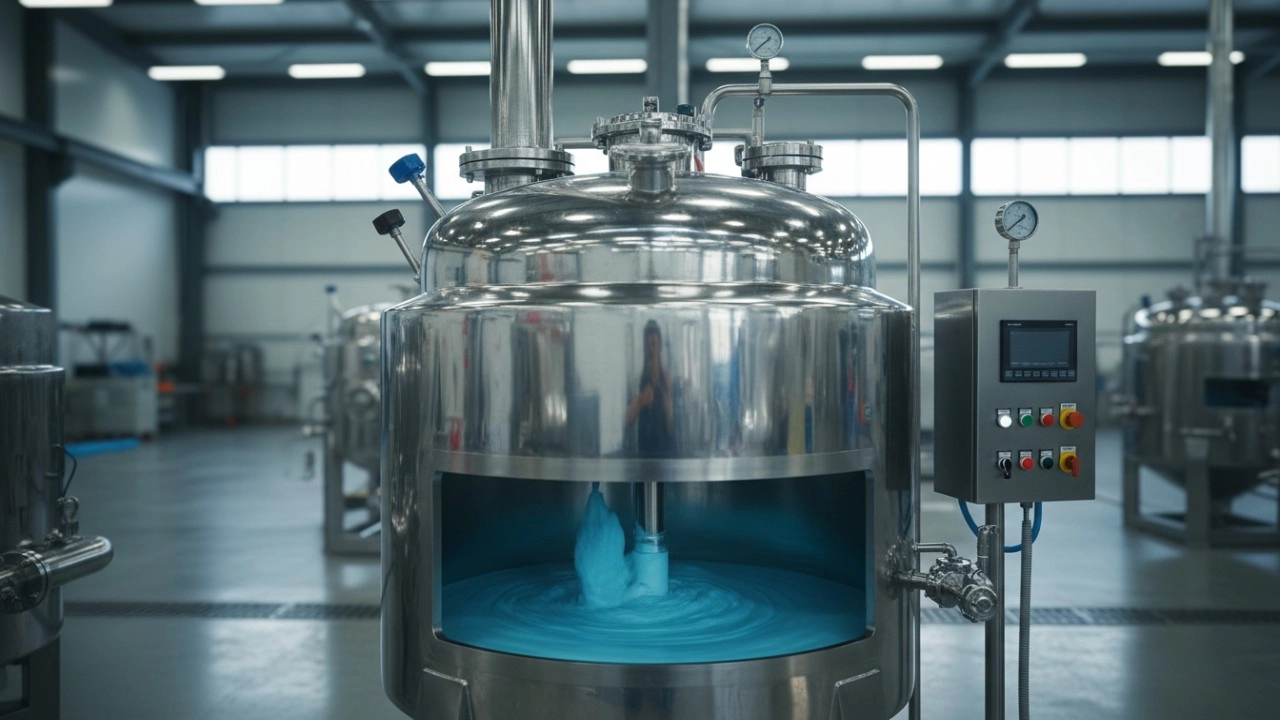
The Future of Industrial Agitation: 5 Smart Mixing Tank Technologies Changing the Game
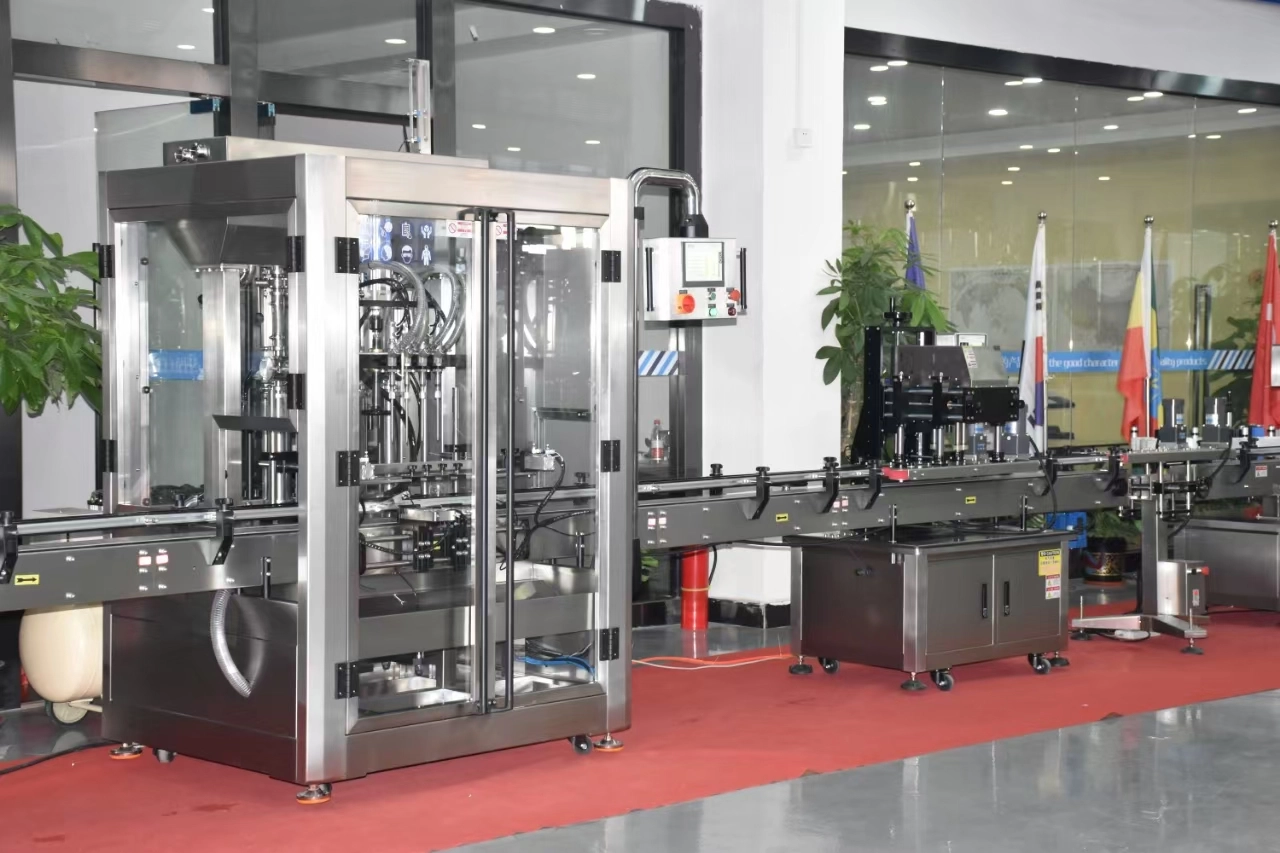
Gear pump filling machine vs. piston filling machine: Key differences broken down to avoid pitfalls in selection.
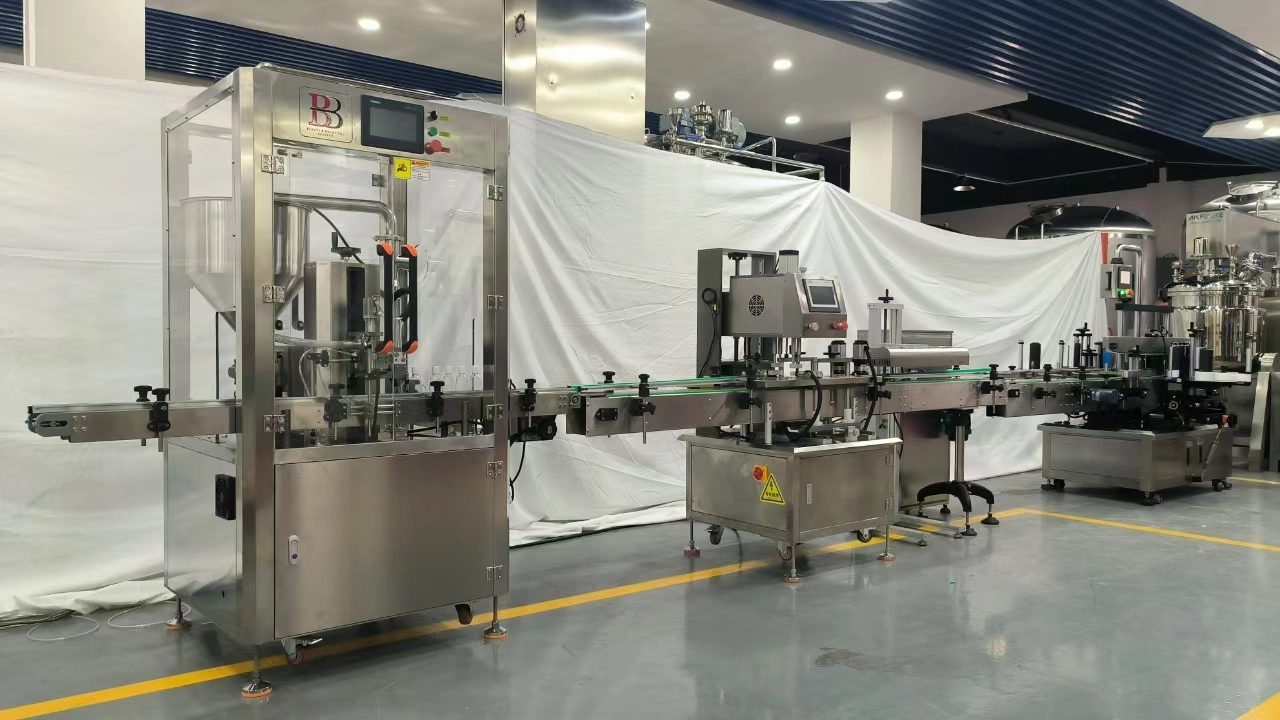
Understand the working principle of a servo gear pump filling machine!
Automatic Facial Mask Filling Machine
We want to fill products in multiple volumes (e.g., 5ml, 20ml, 50ml). Do we need to purchase multiple filling machines?
No, most facial mask filling machines support multiple volume adjustments. When purchasing, please confirm the machine's "volume adjustment range" (e.g., 5ml-50ml) to ensure it covers your desired specifications. Changing volumes simply requires modifying the fill volume parameters on the touchscreen.
The Flip Cover Liquid Wash Mixing Homogenizing Tank
Can flip cover homogenizing mixing tank ensure hygienic safety when handling materials such as food and cosmetics?
Material Compliance: The equipment's pot, agitator, homogenizer, and other material-contacting components are all made of 316L stainless steel, which is corrosion-resistant and easy to clean, meeting food-grade and cosmetic-grade hygiene requirements.
Easy Cleaning: The open-top design allows direct access to corners within the pot, allowing for thorough cleaning by hand or with tools.
Operational Specifications: The equipment can be disinfected before use (e.g., hot water for food processing). After use, cleanup any remaining material promptly to avoid cross-contamination.
Film Packaging Machine
Who are we?
Our headquarters is located in Guangzhou, Guangdong, China, and our factory is located in Yangzhou, Jiangsu. Our products are sold all over the world. We have approximately 50 employees in our company and factory.
Can you customize the machine?
Of course, we provide customized services according to customer needs.
Vacuum Emulsifying Machine
What industries is the vacuum emulsifier suitable for?
It is widely applicable to the production needs of creams, lotions, gels, ointments, etc. in the cosmetics, pharmaceutical, food, chemical and other industries.
Get in touch with FULUKE
If you have any comments or good suggestions, please leave us a message, later our professional staff will contact you as soon as possible.
You May Also Like
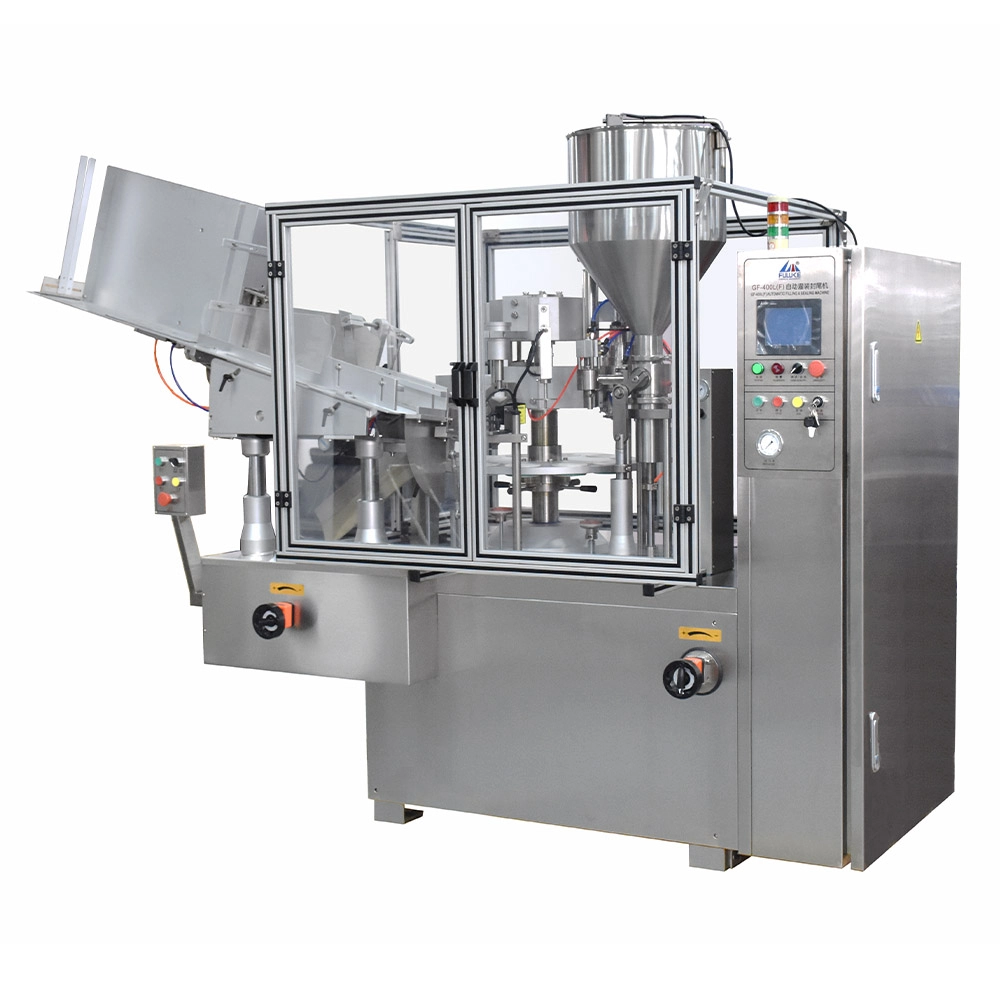
Automatic Tube Filling and Sealing Machine Toothpaste Sunscreen and Facial Cleanser Filling and Sealing Machine for Plastic and Aluminum-plastic Tube
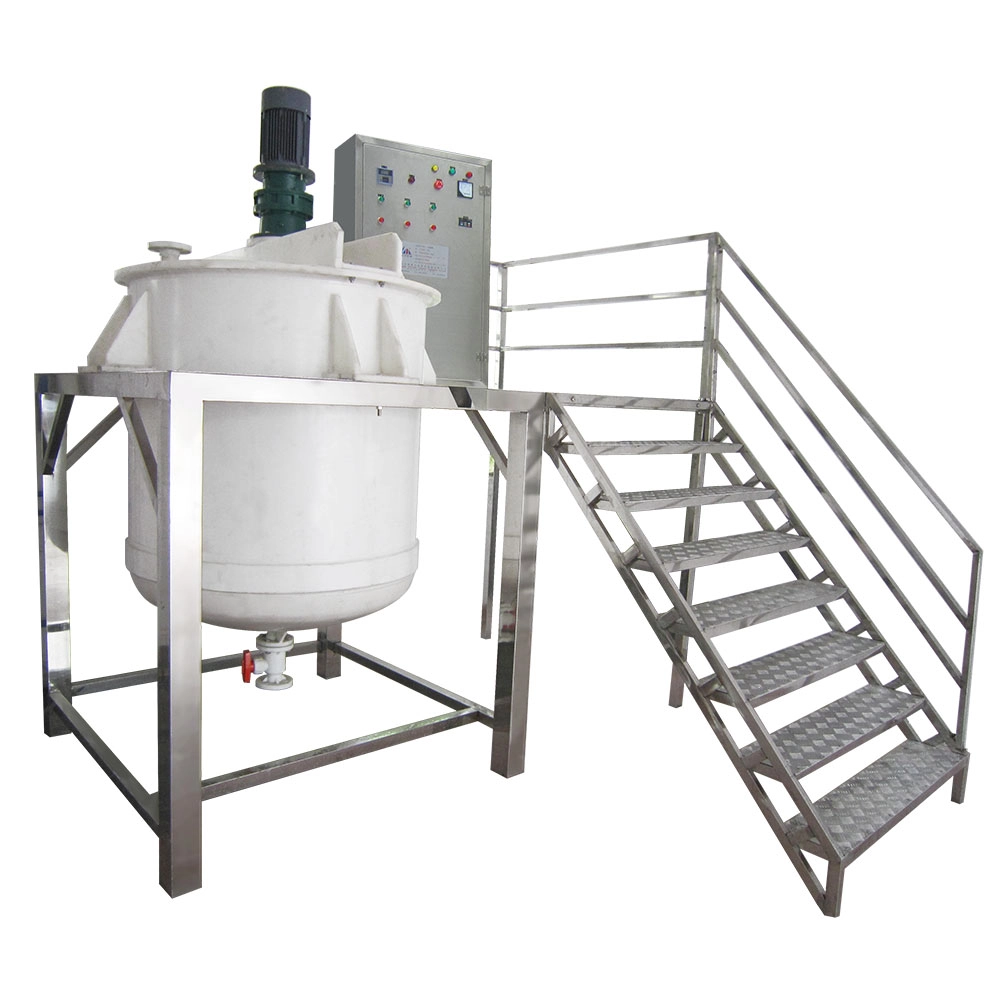
Polypropylene PP Mixing Tank Anti-Corrosion Mixer Reaction Kettle with Agitator Chemical Mixing Vessel
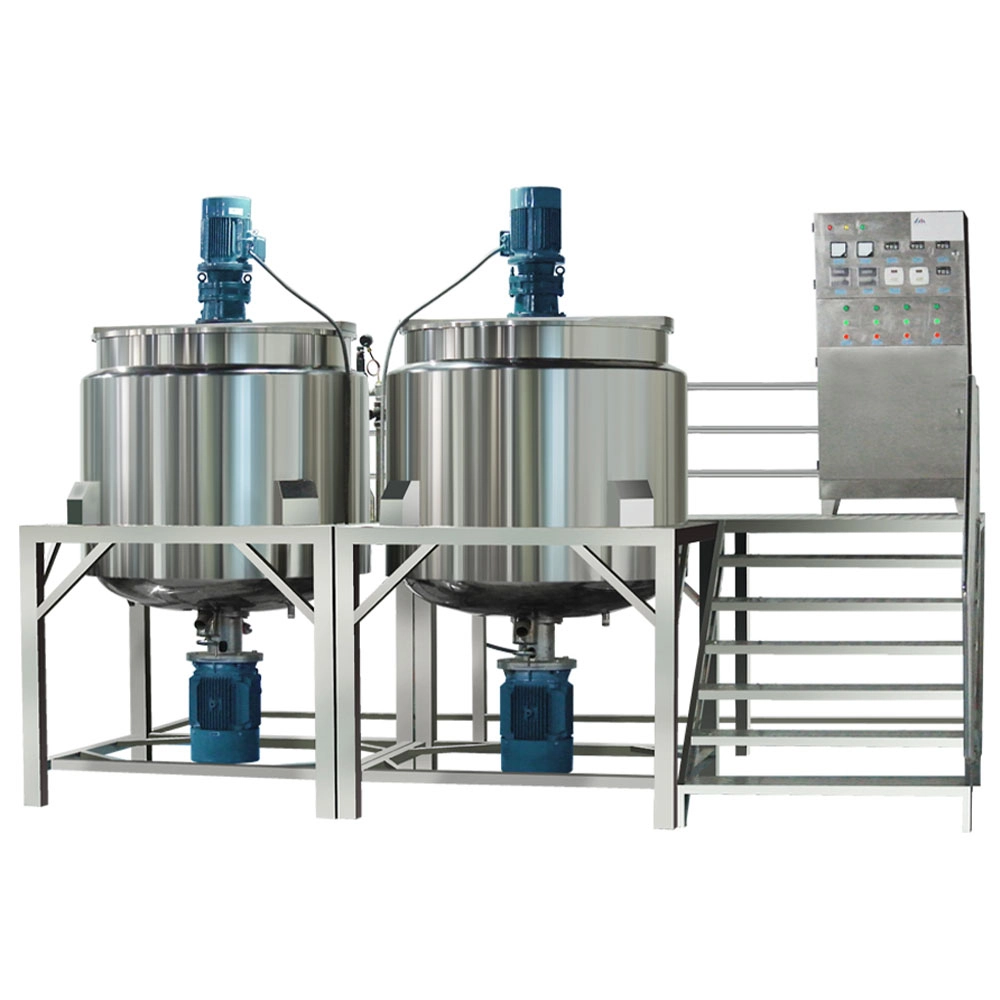
Flip Cover Multi-function Liquid Wash Mixing Tank Blender Liquid Detergent Mixer Homogenization Stirring Tank
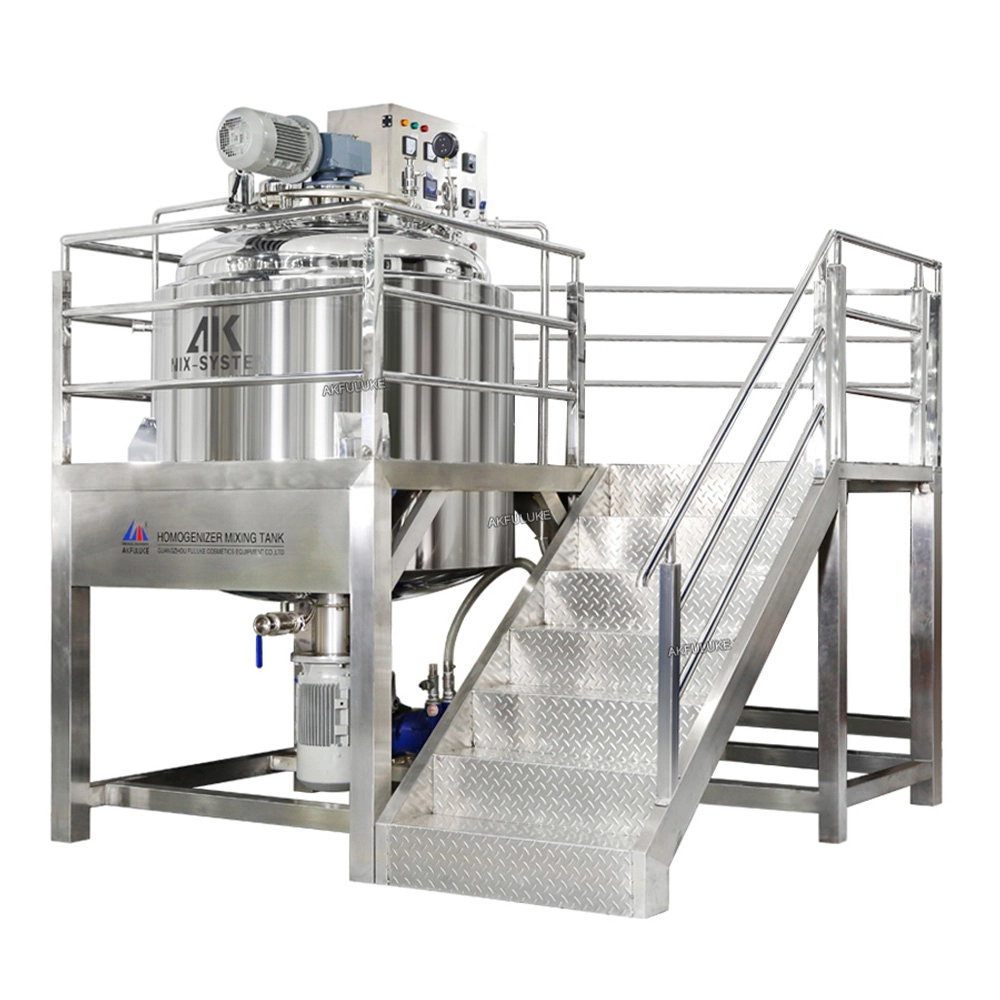
Stainless Steel Mixer Liquid Mixing tank with Agitator Homogenizing Mixing tank Vacuum Sealed Mixer Machine

A leading manufacturer specializing in advanced machinery and complete production lines for the cosmetics, food, pharmaceutical, and chemical industries worldwide.
Contact FULUKE
Facebook
Instagram
YouTube