
How to assess supplier quality for mixing tanks with agitators?
- Understanding Mixing Tanks with Agitators in Cosmetic Manufacturing
- 1. What are the primary functions of a mixing tank with an agitator?
- 2. How do I assess the quality of a supplier for mixing tanks with agitators?
- 3. What are the key features to look for in a mixing tank with an agitator?
- 4. How do jacketed tanks improve processing efficiency?
- 5. What maintenance costs should be anticipated annually for mixing tanks?
- 6. Can mixing tanks handle viscous formulations like CBD products?
- 7. What is the typical lead time for custom tank installations?
- 8. What are the advantages of choosing FULUKE equipment?
Understanding Mixing Tanks with Agitators in Cosmetic Manufacturing
Mixing tanks with agitators are pivotal in the cosmetic industry, ensuring the uniform blending of ingredients to produce high-quality products such as creams, lotions, and shampoos. These tanks facilitate efficient mixing, emulsification, and temperature control, which are essential for achieving consistent product texture and stability. ((https://www.fulukemix.com/article/choosing-mixing-tank-with-agitator/))
Selecting the appropriate mixing tank with an agitator is crucial for maintaining product quality and optimizing production processes. Below are key considerations to guide your selection:
1. What are the primary functions of a mixing tank with an agitator?
Mixing tanks with agitators serve several critical functions in cosmetic manufacturing:
Homogenization and High Shear Mixing: Achieves uniform dispersion of ingredients, essential for stable emulsions.
Vacuum Degassing: Removes air and dissolved gases to prevent product defects and enhance stability.
Temperature Control: Maintains optimal temperatures for processes like emulsification and cooling, ensuring ingredient integrity. ((https://www.fulukemix.com/article/choosing-mixing-tank-with-agitator/))
Understanding these functions helps in selecting a tank that meets specific production requirements.
2. How do I assess the quality of a supplier for mixing tanks with agitators?
Evaluating a supplier's quality involves several steps:
Experience and Reputation: Choose suppliers with a proven track record in the cosmetic equipment industry.
Certifications and Compliance: Ensure the supplier's products meet industry standards and certifications, such as ISO 22716 for cosmetic manufacturing.
Product Quality and Testing: Verify that the supplier conducts rigorous quality control and testing procedures.
After-Sales Support: Assess the availability of technical support, maintenance services, and warranty terms.
Conducting thorough due diligence in these areas ensures a reliable and efficient manufacturing process.
3. What are the key features to look for in a mixing tank with an agitator?
When selecting a mixing tank, consider the following features:
Material Construction: Opt for stainless steel tanks for durability and ease of cleaning.
Agitator Design: Choose agitators suitable for your product's viscosity and desired mixing intensity.
Temperature Control Systems: Ensure the tank has effective heating and cooling mechanisms.
Vacuum Capabilities: For products sensitive to air exposure, select tanks with vacuum mixing capabilities. ((https://www.fulukemix.com/article/choosing-mixing-tank-with-agitator/))
These features contribute to the efficiency and quality of the mixing process.
4. How do jacketed tanks improve processing efficiency?
Jacketed tanks provide precise temperature control, which is crucial during emulsification processes. Maintaining optimal temperatures can reduce mixing time by 25-40% and prevent degradation of heat-sensitive ingredients, leading to higher product quality and efficiency.
5. What maintenance costs should be anticipated annually for mixing tanks?
Annual maintenance costs typically range from 12-18% of the equipment's initial cost. This includes expenses for seal replacements, impeller balancing, sensor calibrations, and preventive cleaning-in-place (CIP) servicing. Budgeting for these costs ensures the longevity and optimal performance of the equipment.
6. Can mixing tanks handle viscous formulations like CBD products?
High-shear mixing systems with scraper blades are recommended for viscous formulations. It's important to verify torque ratings and select models with appropriate heat transfer coefficients to ensure efficient mixing and product quality.
7. What is the typical lead time for custom tank installations?
Standard installations usually have a lead time of 30-45 days, while customized tanks may require 60-90 days, plus additional time for certifications. Installation and validation processes typically take 7-14 days. Planning ahead ensures timely project completion.
8. What are the advantages of choosing FULUKE equipment?
FULUKE offers several advantages:
Enhanced Reliability: Focus on improving product quality and operational lifespan.
Cost Efficiency: Efforts to reduce operational costs for customers.
Creative Design: Research personnel dedicated to delivering innovative designs.
Choosing FULUKE ensures access to high-quality, efficient, and innovative mixing solutions tailored to the cosmetic manufacturing industry.
By considering these factors, cosmetic manufacturers can make informed decisions when selecting and evaluating mixing tanks with agitators, leading to improved product quality and operational efficiency.

Understanding Servo Capping Machines: The Core Logic of Precise Capping – Understand the Entire Working Process in Seconds
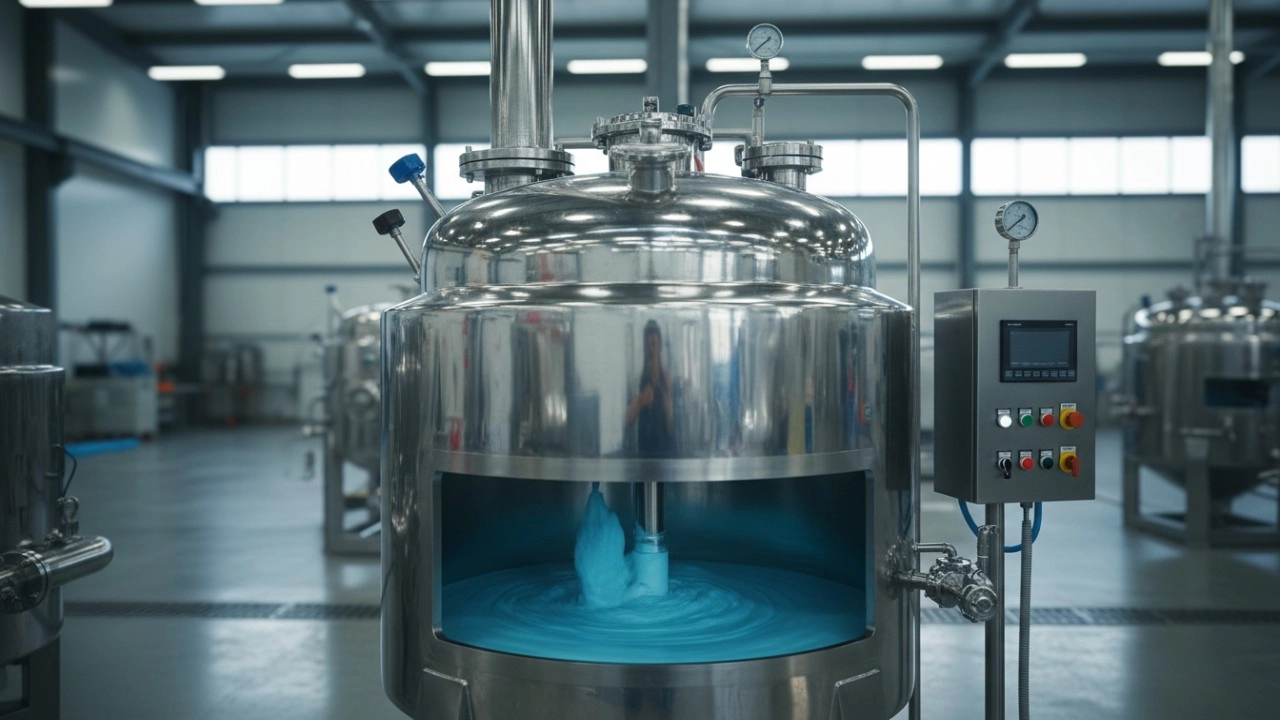
The Future of Industrial Agitation: 5 Smart Mixing Tank Technologies Changing the Game
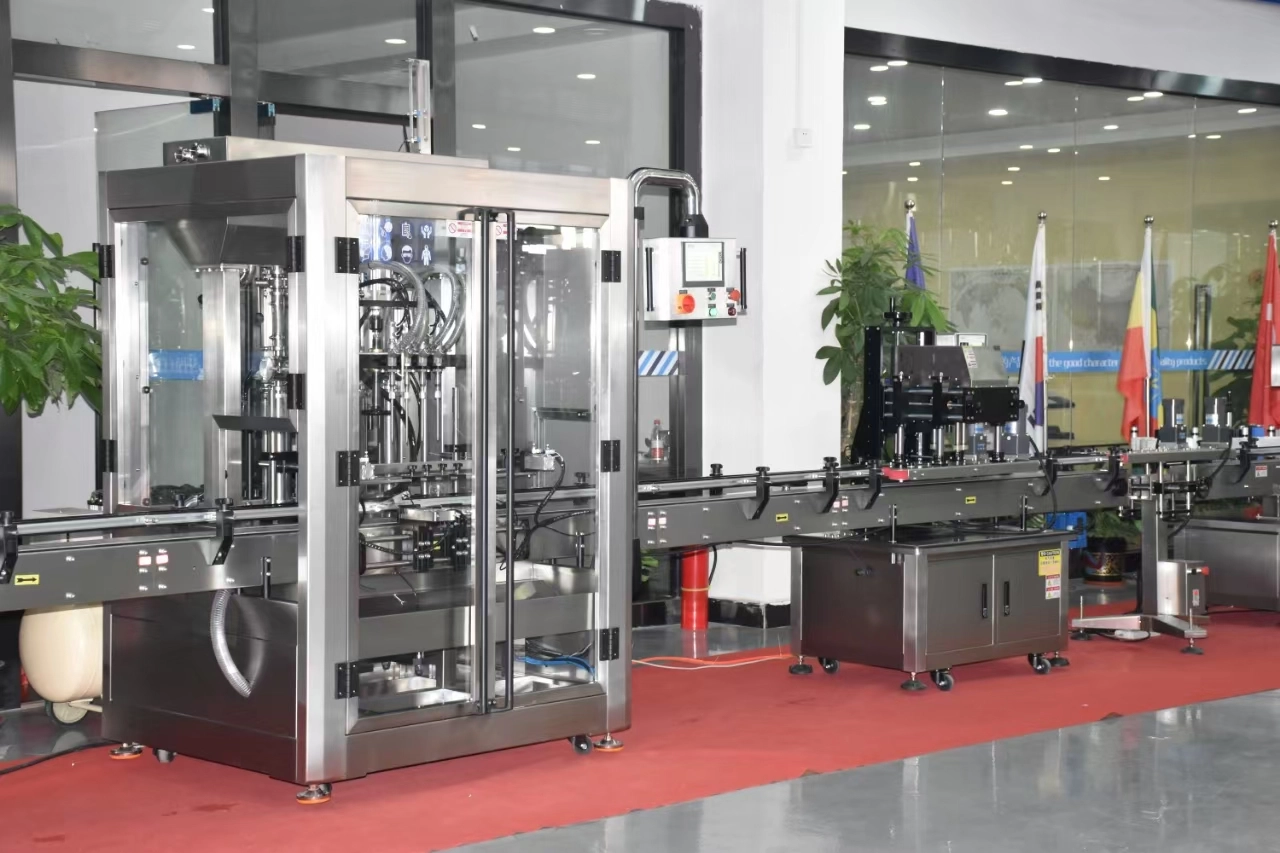
Gear pump filling machine vs. piston filling machine: Key differences broken down to avoid pitfalls in selection.
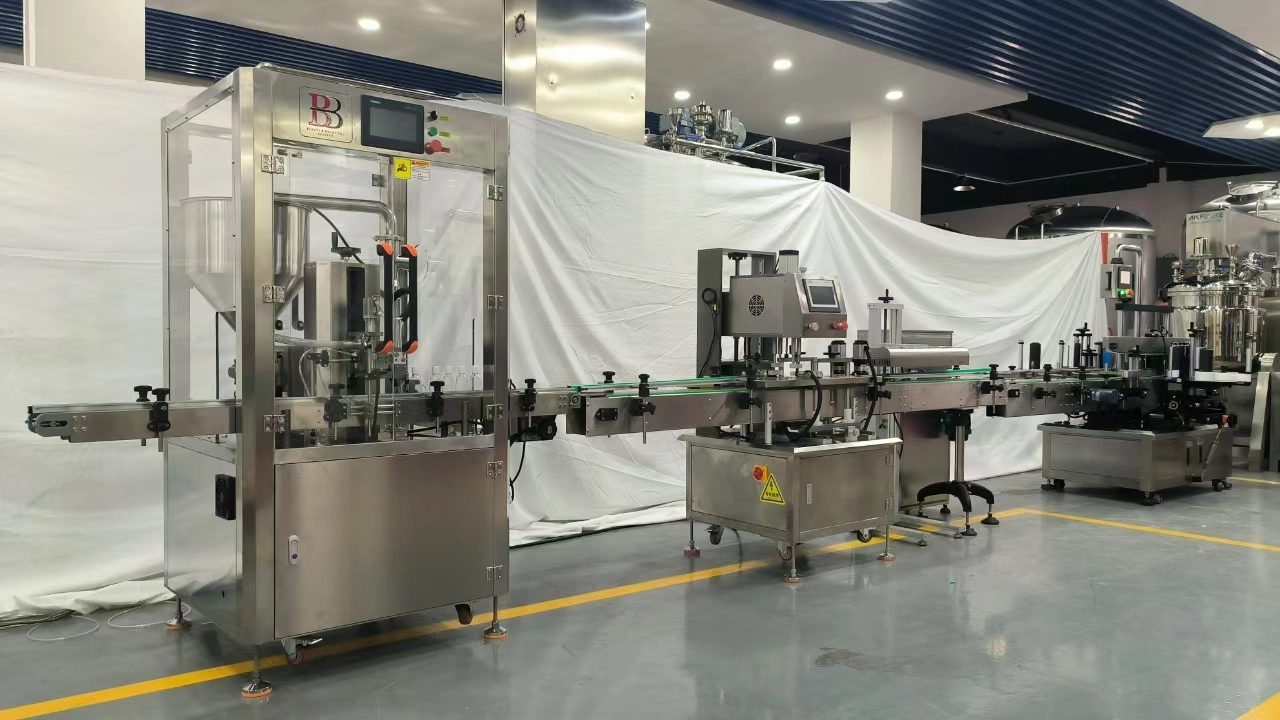
Understand the working principle of a servo gear pump filling machine!
Perfume Freezing Filter Making Machine
How should the equipment be cleaned daily? Can it be rinsed directly with water?
Wipe the exterior with a dry cloth first. Stubborn stains can be removed with a soft cloth dampened with a neutral detergent. Never use hard objects such as steel wool to scratch the surface. Internal piping that comes into contact with materials should be rinsed with purified water and then disinfected with anhydrous ethanol. However, the entire device should not be immersed in water or rinsed with a high-pressure water jet to avoid damage to electrical components.
Storage Tank
How can I extend the life of my storage tank?
Avoid storing media that are incompatible with the material to prevent corrosion.
Perform maintenance according to specifications and promptly repair damaged anti-corrosion coatings or seals.
When the tank is idle for an extended period, empty the media and protect it from moisture and dust.
The Flip Cover Liquid Wash Mixing Homogenizing Tank
What is the structure of an agitator?
The agitator usually consists of a "frame agitator (SUS316L material) + scraper (PTFE)" or an anchor agitator.
Film Packaging Machine
What packaging materials are suitable for this equipment?
It is suitable for transparent paper, BOPP film, and PVC materials.
FAQs
What products does FULUKE specialize in?
Get in touch with FULUKE
If you have any comments or good suggestions, please leave us a message, later our professional staff will contact you as soon as possible.
You May Also Like
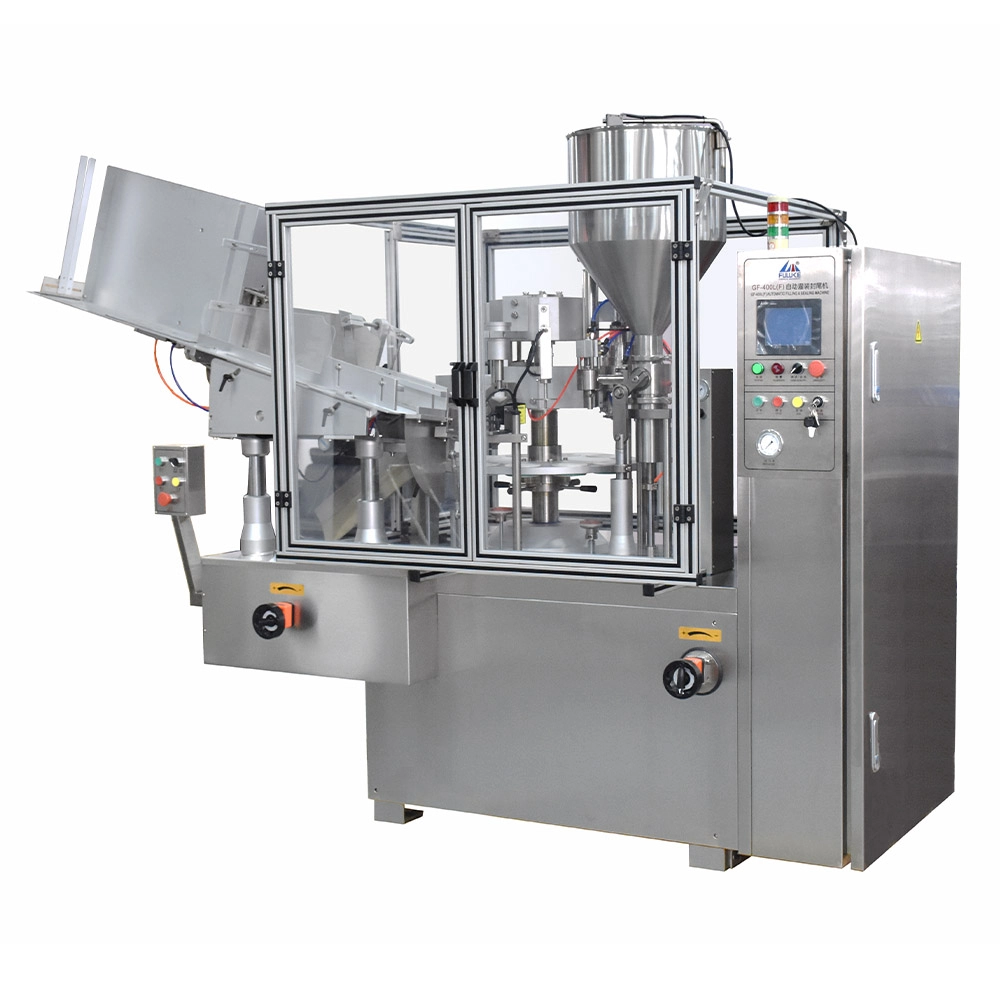
Automatic Tube Filling and Sealing Machine Toothpaste Sunscreen and Facial Cleanser Filling and Sealing Machine for Plastic and Aluminum-plastic Tube
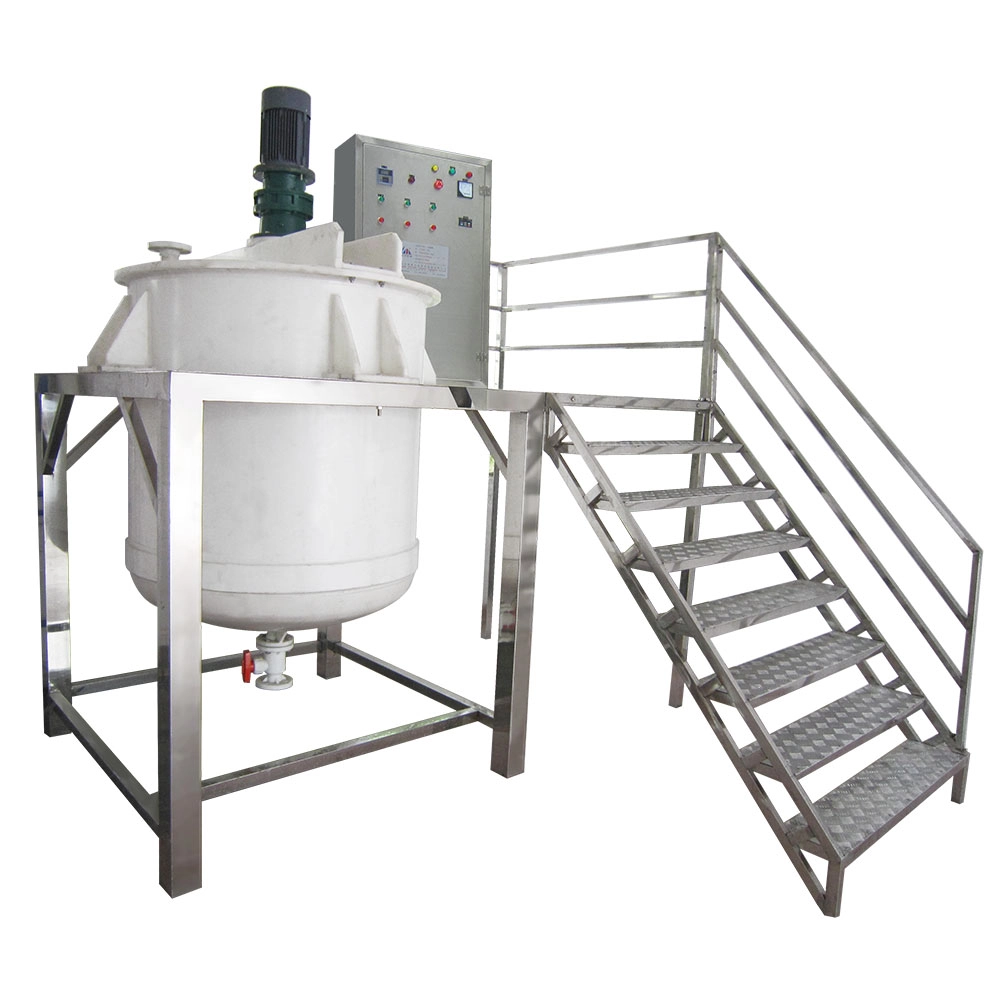
Polypropylene PP Mixing Tank Anti-Corrosion Mixer Reaction Kettle with Agitator Chemical Mixing Vessel
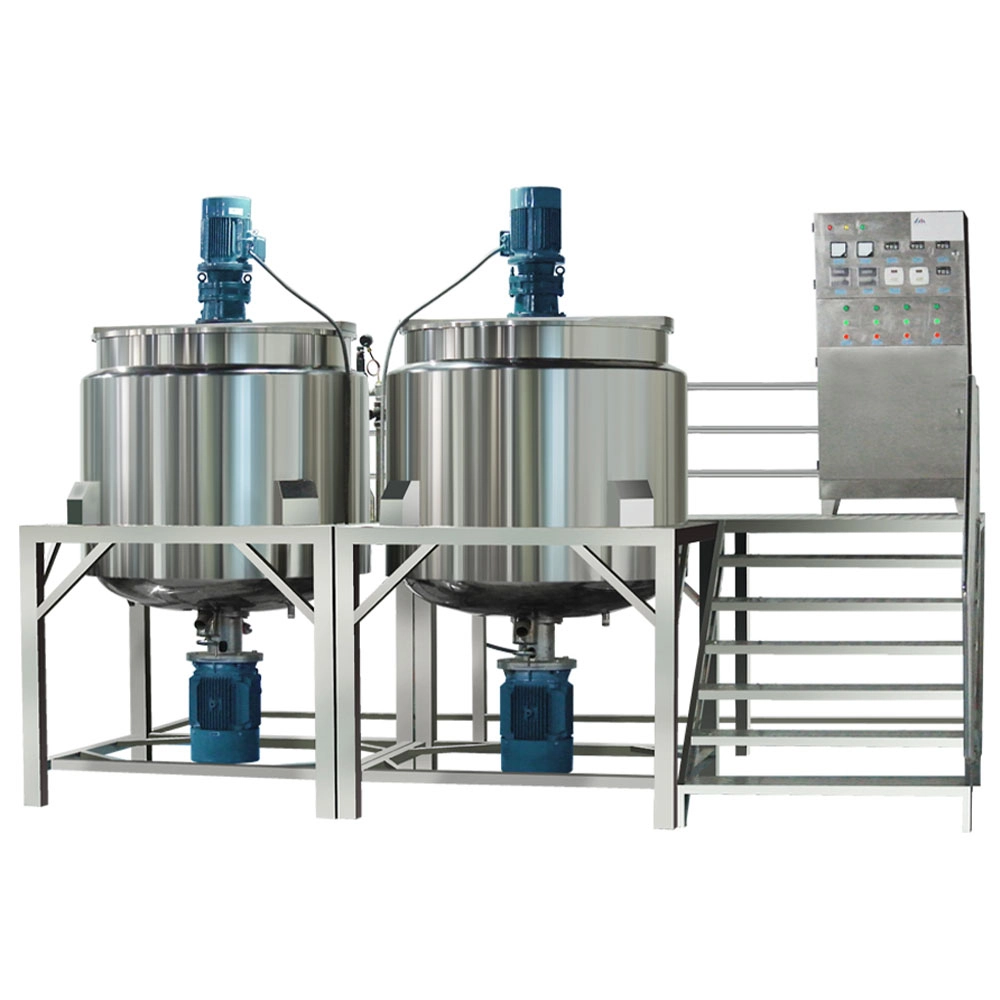
Flip Cover Multi-function Liquid Wash Mixing Tank Blender Liquid Detergent Mixer Homogenization Stirring Tank
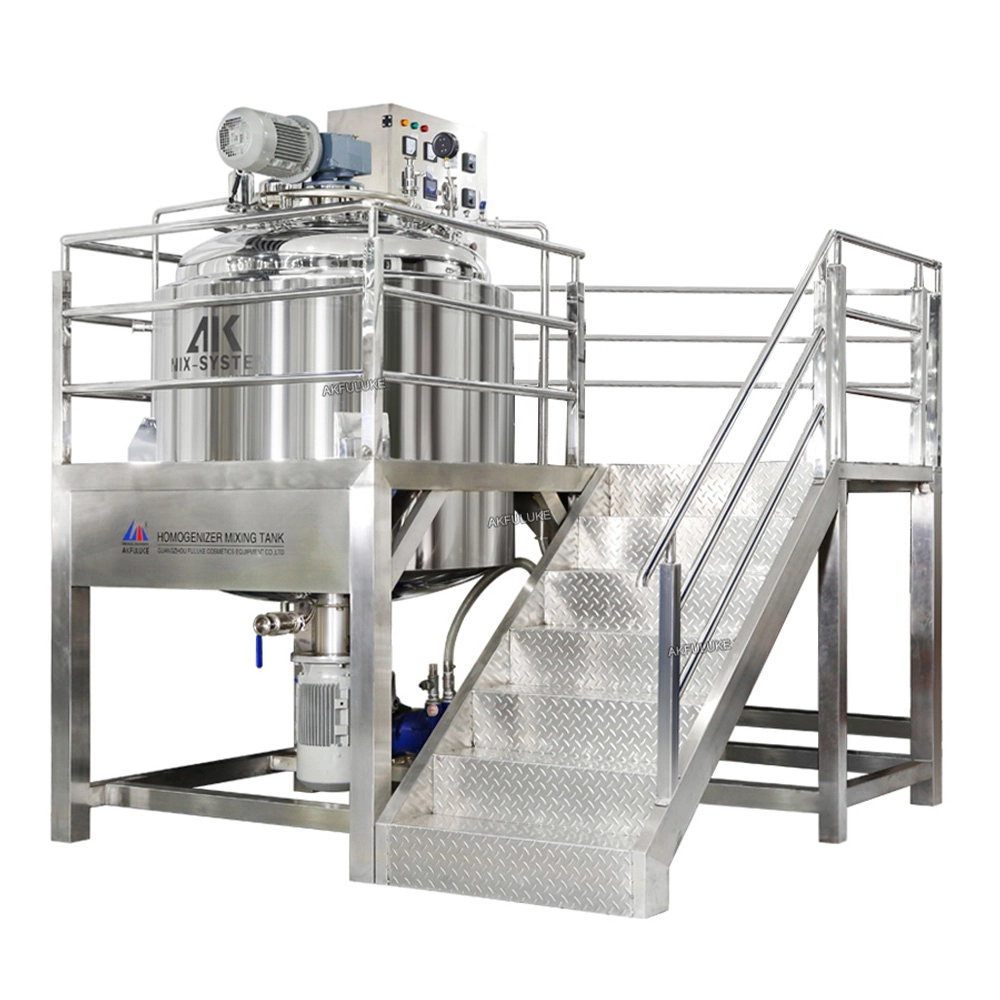
Stainless Steel Mixer Liquid Mixing tank with Agitator Homogenizing Mixing tank Vacuum Sealed Mixer Machine

A leading manufacturer specializing in advanced machinery and complete production lines for the cosmetics, food, pharmaceutical, and chemical industries worldwide.
Contact FULUKE
Facebook
Instagram
YouTube