
How to integrate homogenizers with a mixing tank and agitator?
Understanding Mixing Tanks with Agitators in Cosmetic Manufacturing
In the cosmetic industry, achieving consistent product quality and efficiency in production is paramount. Mixing tanks equipped with agitators play a crucial role in this process by ensuring thorough blending of ingredients, which is essential for creating stable emulsions and uniform textures in products like creams, lotions, and gels.
Key Considerations When Selecting a Mixing Tank with Agitator:
Material Compatibility: Opt for tanks made from high-quality stainless steel, such as 316L, to ensure durability and compliance with Good Manufacturing Practices (GMP).
Agitator Design: Choose agitators that can handle the specific viscosity and shear requirements of your formulations. For instance, high-shear mixers are ideal for emulsifying and homogenizing cosmetic products.
Capacity Requirements: Assess your production scale to select a tank size that accommodates your batch sizes, with options ranging from laboratory-scale units (0.5L-40L) to industrial-scale systems exceeding 500L.
Temperature Control: Integrated heating and cooling systems are essential for processes requiring precise temperature management, such as melting waxes or activating emulsifiers.
Vacuum Capabilities: Vacuum mixing technology can enhance product stability by removing air bubbles and preventing oxidation, leading to smoother emulsions and extended shelf life.
Integrating Homogenizers with Mixing Tanks and Agitators:
Homogenizers are specialized devices designed to break down particles and disperse them uniformly within a mixture, which is particularly important in cosmetic formulations to achieve the desired texture and stability.
Steps to Integrate Homogenizers Effectively:
Compatibility Assessment: Ensure that the homogenizer is compatible with the mixing tank's design and material.
Homogenizer Selection: Choose between inline, batch, or in-tank homogenizers based on your production needs. Inline homogenizers are suitable for continuous processes, while batch homogenizers are ideal for smaller, discrete batches.
Integration Planning: Design the system layout to facilitate efficient material flow and minimize contamination risks.
Control Systems: Implement control systems that allow precise monitoring and adjustment of homogenization parameters, such as pressure, flow rate, and temperature.
Validation and Testing: Conduct thorough testing to validate the performance of the integrated system, ensuring it meets product specifications and regulatory standards.
Challenges and Solutions:
Viscosity Management: High-viscosity formulations can pose challenges in mixing and homogenization. Utilizing specialized agitators and homogenizers designed for high-viscosity materials can address this issue.
Contamination Prevention: Implementing closed systems and ensuring all equipment is properly sanitized can prevent contamination during the mixing and homogenization processes.
Energy Efficiency: Selecting equipment with energy recovery systems can reduce operational costs and align with sustainability goals.
Conclusion:
Selecting the appropriate mixing tank with an agitator and integrating a suitable homogenizer are critical steps in cosmetic manufacturing. These decisions directly impact product quality, production efficiency, and compliance with industry standards. By carefully considering the factors outlined above, manufacturers can optimize their processes and deliver high-quality cosmetic products to the market.
FULUKE's Advantages:
FULUKE offers a comprehensive range of mixing tanks with agitators and homogenizers tailored for the cosmetic industry. Our equipment is designed with precision engineering, ensuring durability, efficiency, and compliance with GMP standards. With a focus on innovation and customer satisfaction, FULUKE provides customized solutions to meet the unique needs of each client, supporting the production of superior cosmetic products.

Understanding Servo Capping Machines: The Core Logic of Precise Capping – Understand the Entire Working Process in Seconds
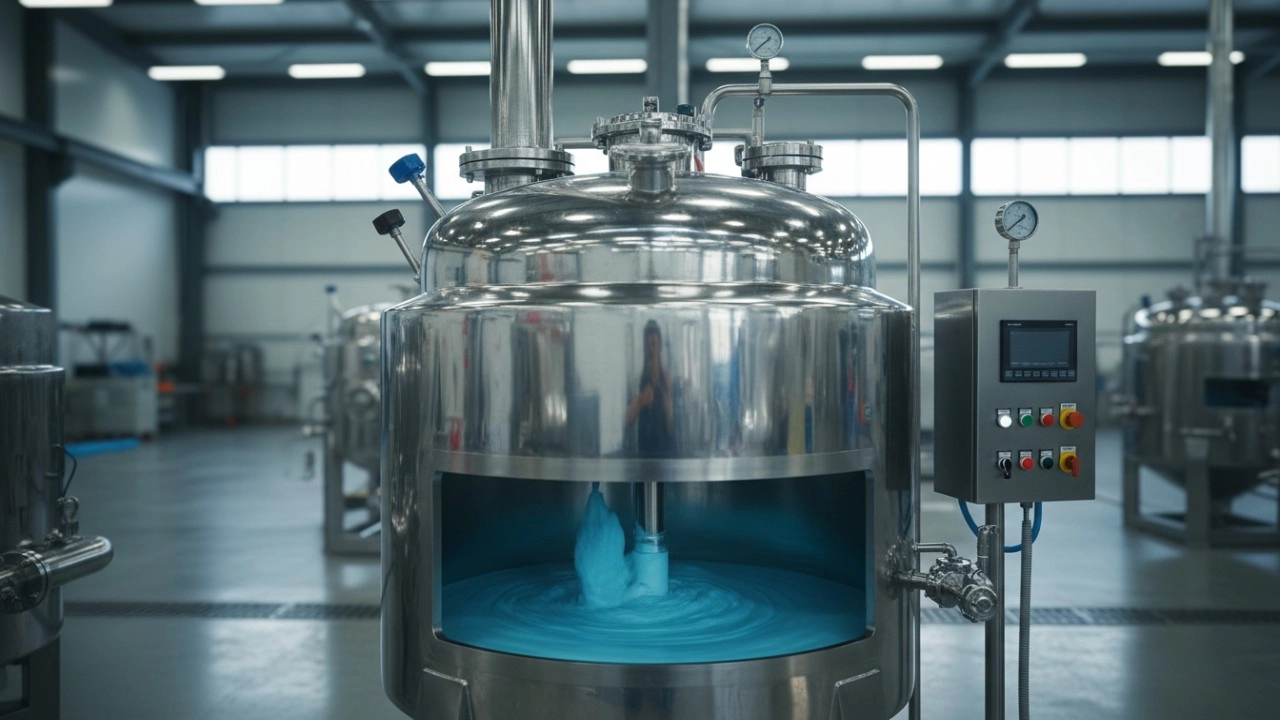
The Future of Industrial Agitation: 5 Smart Mixing Tank Technologies Changing the Game
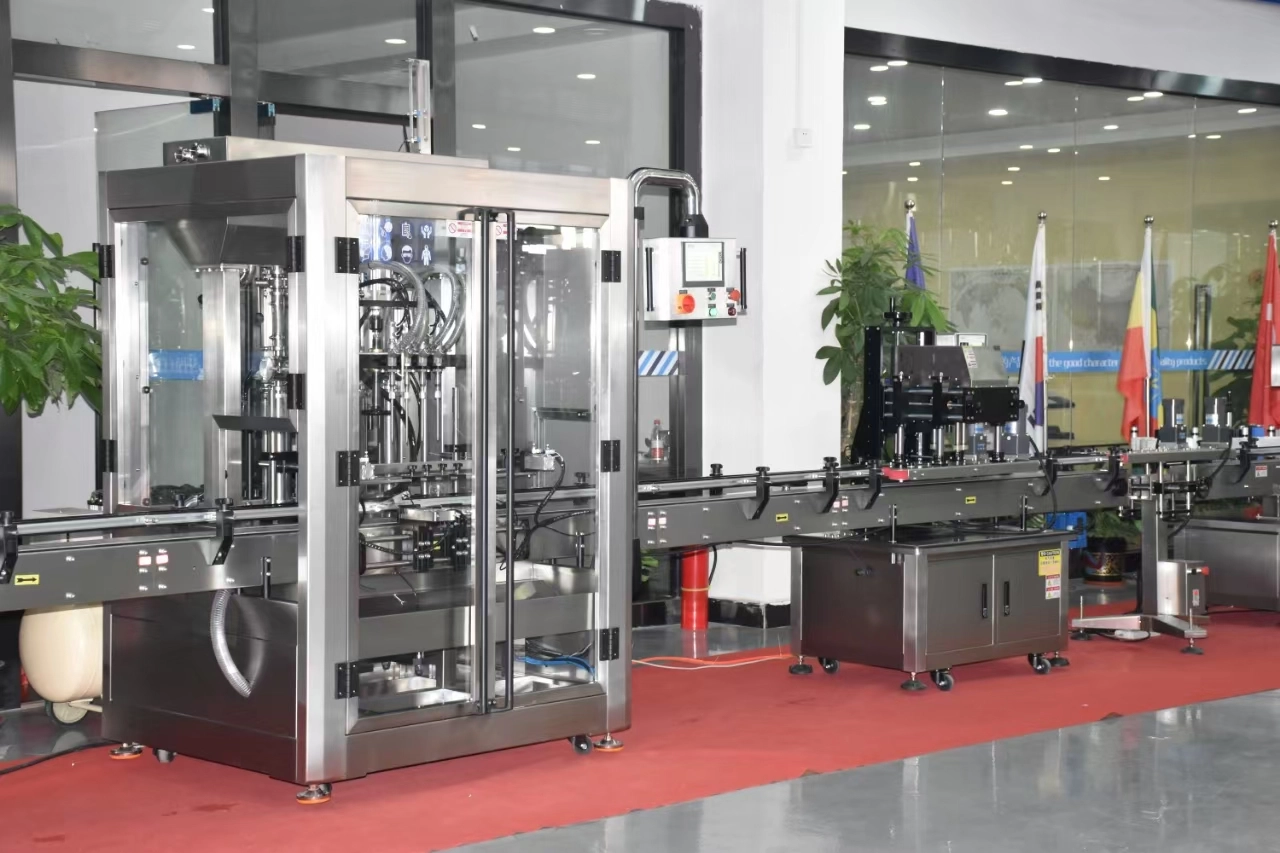
Gear pump filling machine vs. piston filling machine: Key differences broken down to avoid pitfalls in selection.
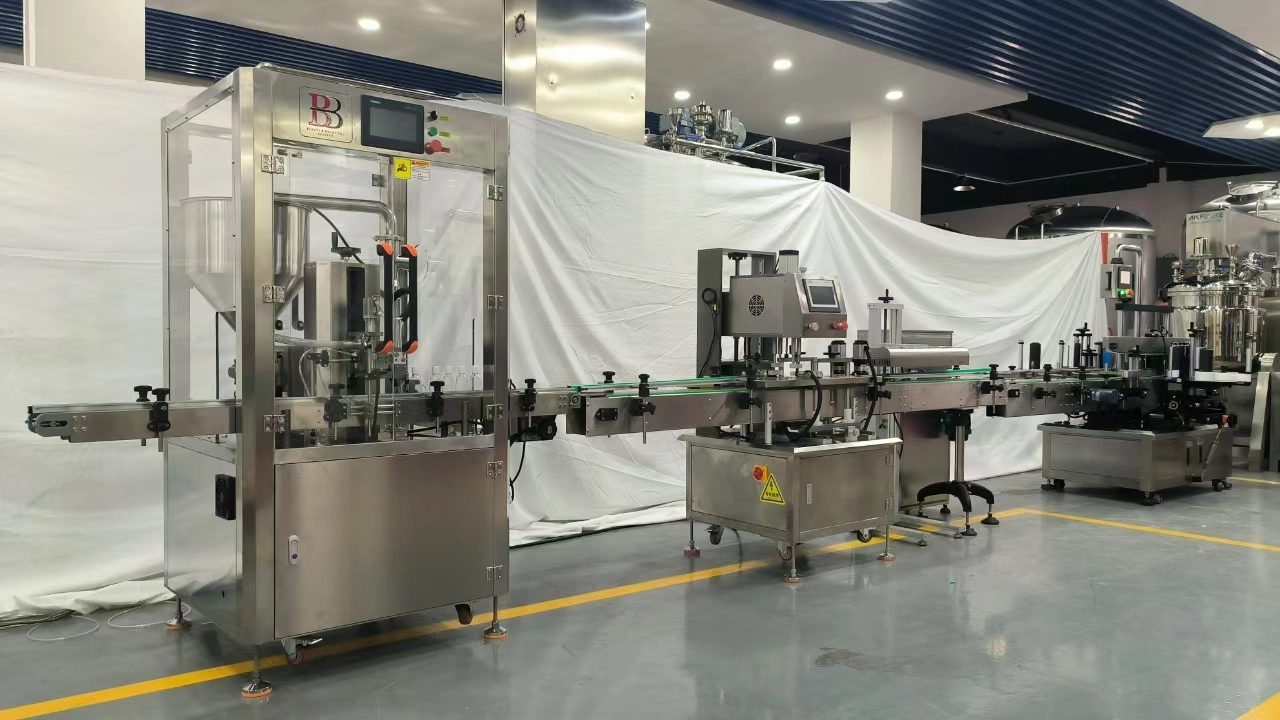
Understand the working principle of a servo gear pump filling machine!
Automatic Facial Mask Filling Machine
Can you make a design for us?
Yes, we can, we provide not only products, but also solutions and designs.
How many filling nozzles does your facial mask filling machine have?
We have dual-, six-, eight-, and ten-head facial mask filling machines. We can customize the number of filling nozzles to meet your needs.
FAQs
What products does FULUKE specialize in?
The Flip Cover Liquid Wash Mixing Homogenizing Tank
Flip cover homogenizing mixing tank lacks a vacuum system. How should bubbles generated during mixing be handled?
Open mixing tank certainly can't remove air through vacuum like sealed equipment. However, if bubbles are affecting product quality, the following methods can be used to improve the process:
Process Adjustment: Reduce the mixing speed to prevent excessive air from being drawn into the material by high-speed turbulence. If homogenization is required, proceed in stages to reduce bubbles generated by a single shearing operation.
Assisted Degassing: For materials that can be heated, increase the temperature appropriately to reduce viscosity and promote bubble bubbling. Alternatively, allow the material to rest for a period of time after mixing to allow bubbles to dissipate naturally before proceeding to the next step.
Suitable Applications: This equipment is more suitable for products that are not sensitive to bubbles. For precision products requiring bubble-free production, a model with a vacuum function is recommended.
Perfume Freezing Filter Making Machine
How should the equipment be cleaned daily? Can it be rinsed directly with water?
Wipe the exterior with a dry cloth first. Stubborn stains can be removed with a soft cloth dampened with a neutral detergent. Never use hard objects such as steel wool to scratch the surface. Internal piping that comes into contact with materials should be rinsed with purified water and then disinfected with anhydrous ethanol. However, the entire device should not be immersed in water or rinsed with a high-pressure water jet to avoid damage to electrical components.
Get in touch with FULUKE
If you have any comments or good suggestions, please leave us a message, later our professional staff will contact you as soon as possible.
You May Also Like
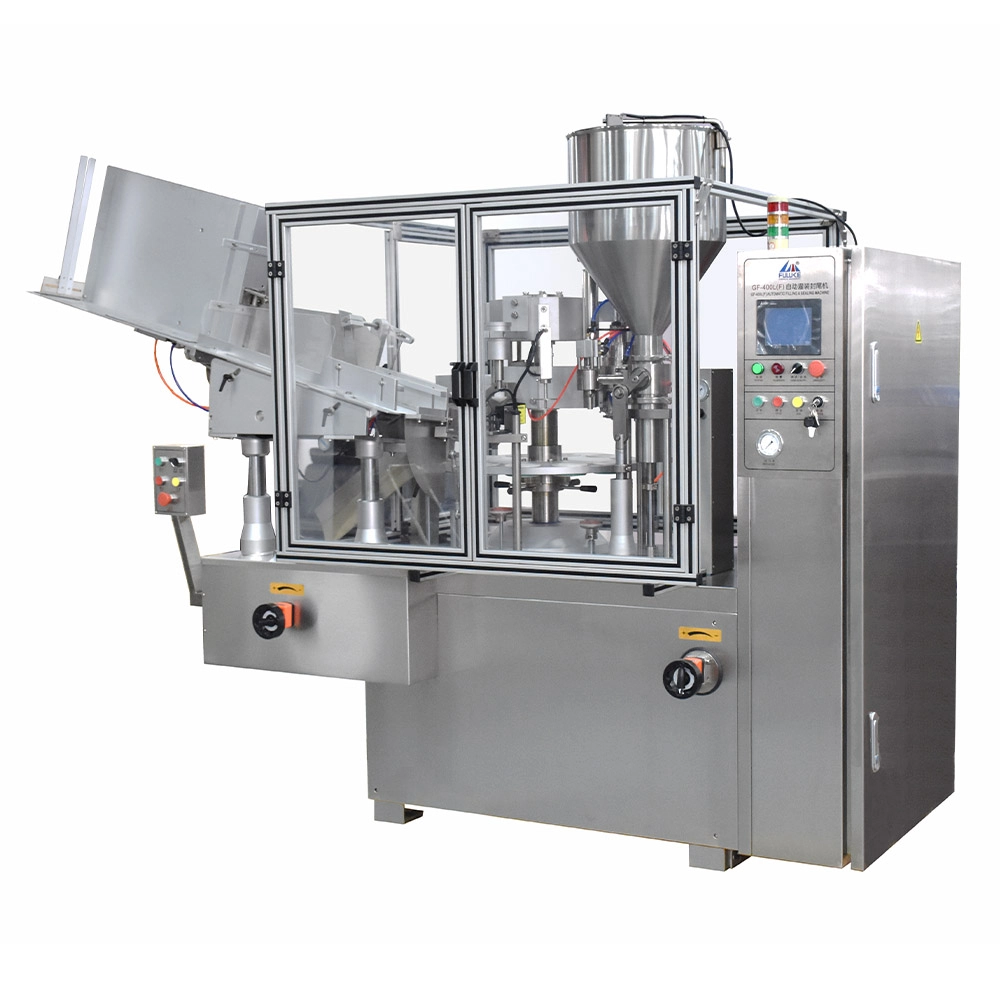
Automatic Tube Filling and Sealing Machine Toothpaste Sunscreen and Facial Cleanser Filling and Sealing Machine for Plastic and Aluminum-plastic Tube
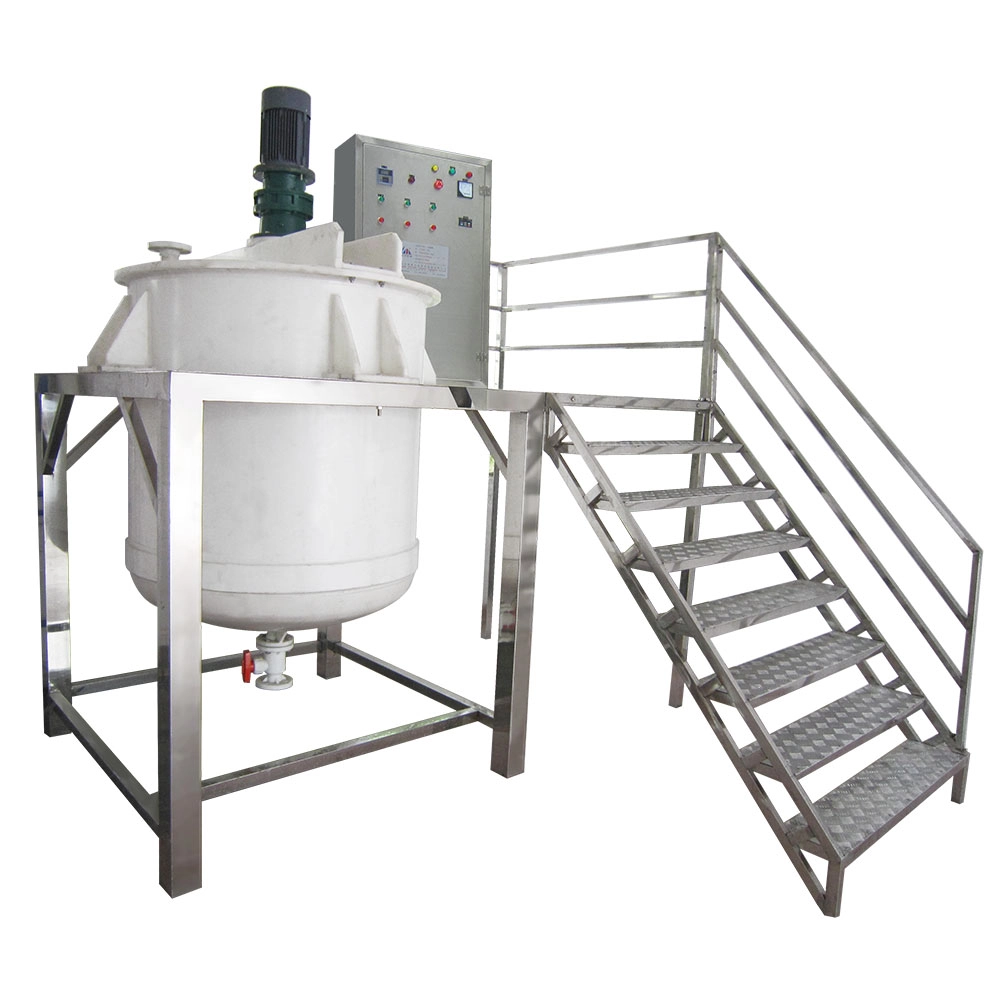
Polypropylene PP Mixing Tank Anti-Corrosion Mixer Reaction Kettle with Agitator Chemical Mixing Vessel
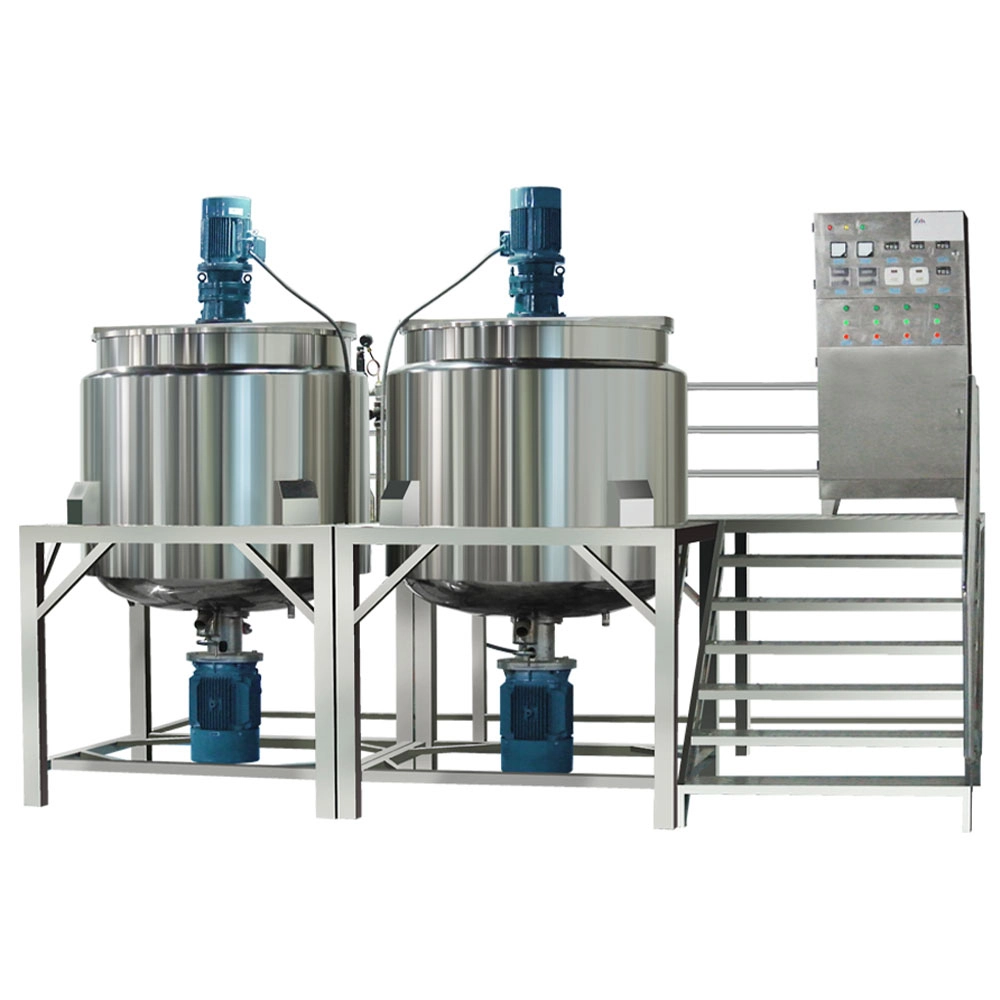
Flip Cover Multi-function Liquid Wash Mixing Tank Blender Liquid Detergent Mixer Homogenization Stirring Tank
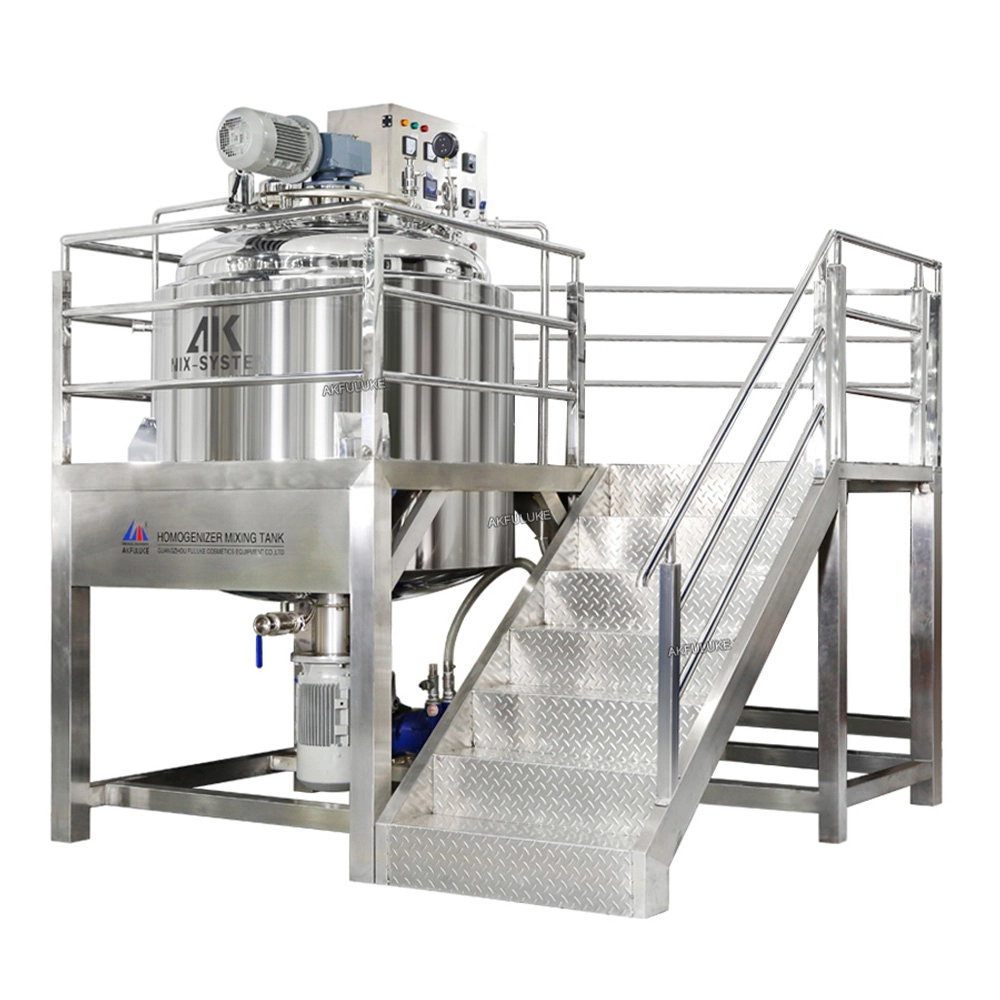
Stainless Steel Mixer Liquid Mixing tank with Agitator Homogenizing Mixing tank Vacuum Sealed Mixer Machine

A leading manufacturer specializing in advanced machinery and complete production lines for the cosmetics, food, pharmaceutical, and chemical industries worldwide.
Contact FULUKE
Facebook
Instagram
YouTube