
How to choose manway size and placement for maintenance?
- Comprehensive Guide to Selecting Mixing Tanks with Agitators and Manway Sizes for Cosmetic Equipment Maintenance
- 1. What are the key considerations when selecting a mixing tank with an agitator for cosmetic products?
- 2. How do I determine the appropriate manway size for maintenance access?
- 3. What factors influence the placement of manways in mixing tanks?
- 4. How can I ensure the sealing mechanisms of manways are effective?
- 5. What are the common materials used for mixing tanks and manways in the cosmetic industry?
- 6. How do I ensure compliance with industry standards when selecting mixing tanks and manways?
- 7. What are the maintenance best practices for mixing tanks and manways?
- 8. How can I select a reliable supplier for mixing tanks and manways?
- Conclusion: Why Choose FULUKE for Your Cosmetic Equipment Needs?
Comprehensive Guide to Selecting Mixing Tanks with Agitators and Manway Sizes for Cosmetic Equipment Maintenance
In the cosmetic equipment industry, selecting the appropriate mixing tank with an agitator and determining the correct manway size and placement are crucial for efficient production and maintenance. This guide addresses common questions to assist in making informed decisions.
1. What are the key considerations when selecting a mixing tank with an agitator for cosmetic products?
When choosing a mixing tank with an agitator for cosmetic products, consider the following factors:
Material Compatibility: Ensure the tank and agitator materials are compatible with the cosmetic ingredients to prevent contamination and maintain product quality. Stainless steel is commonly used due to its resistance to corrosion and ease of cleaning.
Agitator Design: Select an agitator type (e.g., anchor, turbine, or propeller) based on the viscosity and shear requirements of the cosmetic formulation.
Capacity and Size: Determine the required volume to meet production needs while allowing for adequate mixing and expansion.
Sanitary Design: Opt for tanks with smooth surfaces and sanitary fittings to facilitate thorough cleaning and prevent microbial growth.
Regulatory Compliance: Ensure the equipment meets industry standards and regulations for cosmetic manufacturing.
2. How do I determine the appropriate manway size for maintenance access?
Selecting the right manway size is essential for safe and efficient maintenance:
Size Considerations: While ASME Section VIII, Division 1 does not provide specific guidance on manway sizing, it's generally recommended that the manway diameter be at least 24 inches to accommodate personnel and equipment comfortably.
Access Requirements: Consider the size of maintenance personnel and the equipment they need to bring inside the tank. A larger manway facilitates easier access and reduces the risk of injury.
Structural Integrity: Ensure that increasing the manway size does not compromise the tank's structural integrity.
3. What factors influence the placement of manways in mixing tanks?
The placement of manways affects maintenance efficiency and safety:
Accessibility: Position manways where they are easily accessible to maintenance personnel, considering the tank's location and surrounding equipment.
Operational Considerations: Place manways to minimize the need for personnel to enter hazardous areas or work in confined spaces.
Regulatory Compliance: Ensure manway placement adheres to industry standards and safety regulations.
4. How can I ensure the sealing mechanisms of manways are effective?
Effective sealing is vital to prevent leaks and maintain product integrity:
Material Selection: Choose gaskets and seals made from materials compatible with the stored contents, such as EPDM, Viton, or PTFE.
Regular Maintenance: Implement a routine inspection and replacement schedule for seals to ensure they remain effective.
Installation Practices: Follow manufacturer guidelines for gasket installation to achieve a proper seal.
5. What are the common materials used for mixing tanks and manways in the cosmetic industry?
Materials should be selected based on compatibility, durability, and ease of cleaning:
Stainless Steel: Preferred for its corrosion resistance, strength, and ease of cleaning, making it ideal for cosmetic manufacturing.
Carbon Steel: Used in less aggressive environments; however, it requires appropriate coatings to prevent corrosion.
Fiberglass-Reinforced Plastic: Suitable for certain applications but less common in the cosmetic industry due to potential contamination risks.
6. How do I ensure compliance with industry standards when selecting mixing tanks and manways?
Compliance with industry standards is essential for safety and quality:
Regulatory Standards: Ensure equipment meets standards set by organizations such as the FDA, ASME, and OSHA.
Certifications: Verify that manufacturers provide necessary certifications and documentation for their products.
Quality Assurance: Implement quality control measures to monitor equipment performance and compliance.
7. What are the maintenance best practices for mixing tanks and manways?
Regular maintenance ensures longevity and optimal performance:
Routine Inspections: Conduct regular checks for signs of wear, corrosion, or contamination.
Cleaning Protocols: Establish cleaning procedures that prevent cross-contamination and maintain product quality.
Record Keeping: Maintain detailed records of maintenance activities for compliance and operational efficiency.
8. How can I select a reliable supplier for mixing tanks and manways?
Choosing a reputable supplier is crucial for quality and support:
Experience and Reputation: Look for suppliers with a proven track record in the cosmetic equipment industry.
Product Quality: Ensure the supplier offers high-quality materials and manufacturing standards.
Customer Support: Evaluate the level of customer service, including technical support and after-sales assistance.
Conclusion: Why Choose FULUKE for Your Cosmetic Equipment Needs?
FULUKE stands out in the cosmetic equipment industry by offering:
High-Quality Materials: Utilizing premium stainless steel and other durable materials to ensure longevity and performance.
Expert Engineering: Providing expertly designed mixing tanks and manways tailored to the specific needs of cosmetic manufacturing.
Comprehensive Support: Offering end-to-end solutions, from design and manufacturing to installation and maintenance support.
By choosing FULUKE, you invest in equipment that enhances operational efficiency, ensures product quality, and complies with industry standards.
Sources:

Understanding Servo Capping Machines: The Core Logic of Precise Capping – Understand the Entire Working Process in Seconds
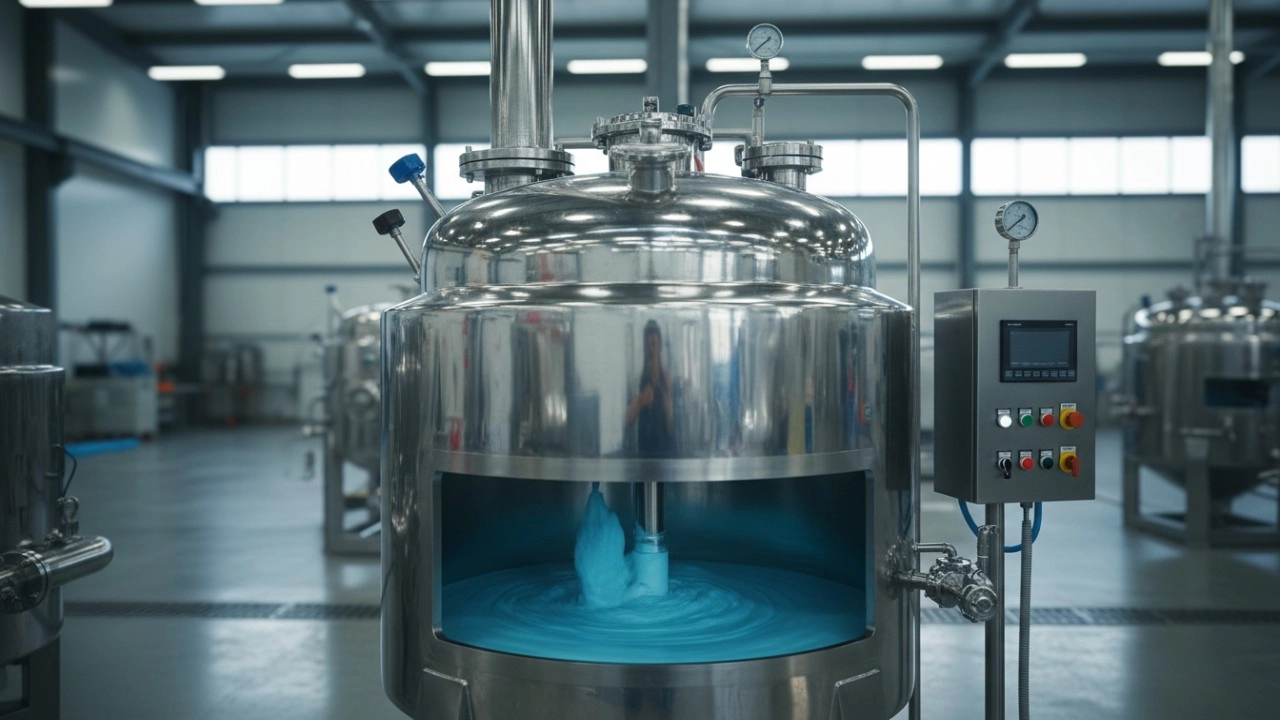
The Future of Industrial Agitation: 5 Smart Mixing Tank Technologies Changing the Game
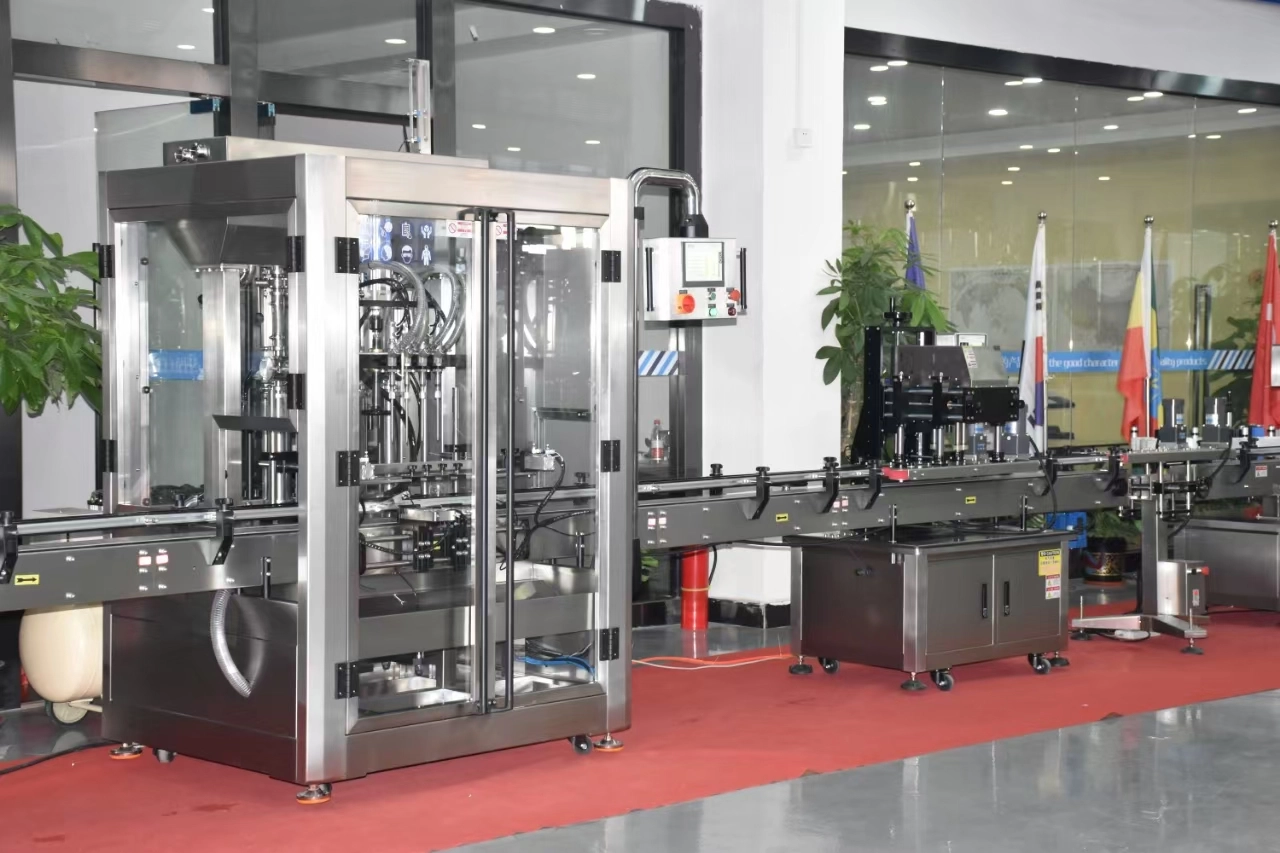
Gear pump filling machine vs. piston filling machine: Key differences broken down to avoid pitfalls in selection.
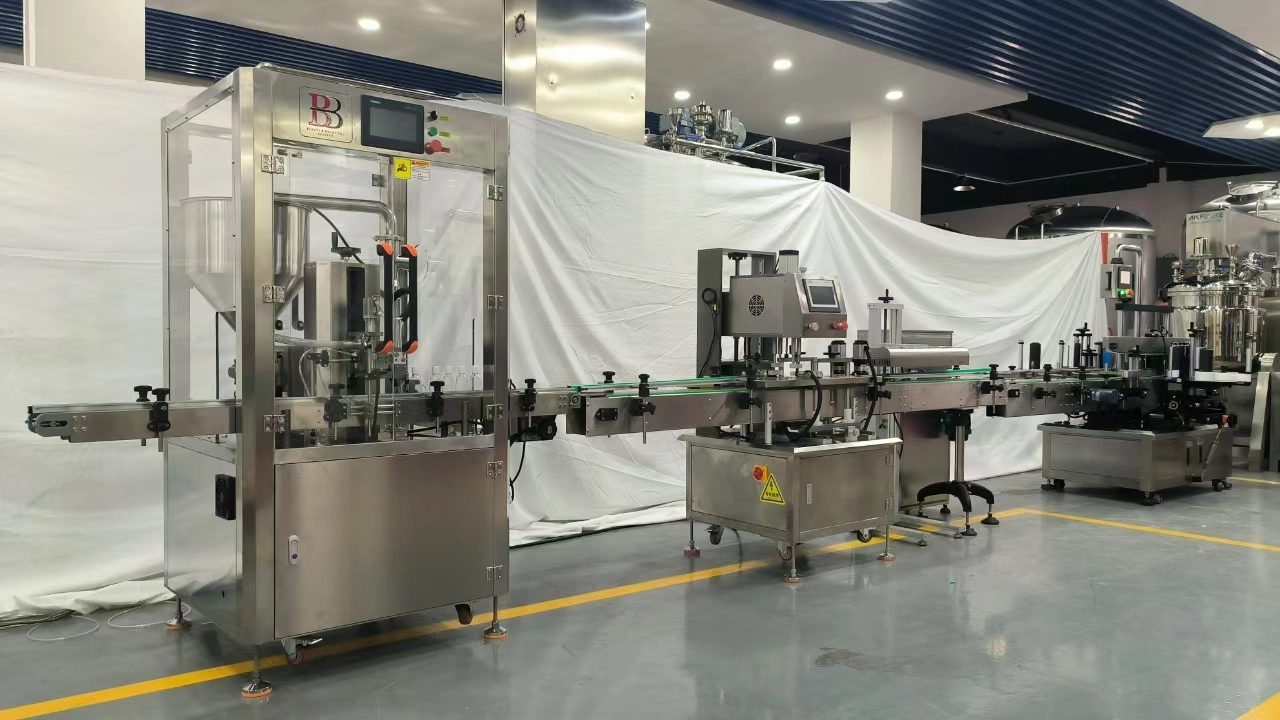
Understand the working principle of a servo gear pump filling machine!
Lift-type Homogenizing Disperser
Who are we?
Our headquarters is located in Guangzhou, Guangdong, China, and our factory is located in Yangzhou, Jiangsu. Our products are sold all over the world. We have approximately 50 employees in our company and factory.
Vacuum Emulsifying Machine
What can you buy from us?
RO Water Treatment、Vacuum Emulsifying Machine、Homogenizer Mixing Tank、Filling and Capping、labeling Machine、Packing Machine、Storage Tank,etc.
Who are we?
Our headquarters is located in Guangzhou, Guangdong, China, and our factory is located in Yangzhou, Jiangsu. Our products are sold all over the world. We have approximately 50 employees in our company and factory.
RO Water Treatment
What is RO water treatment? What is the core function of RO membranes?
RO water treatment, or reverse osmosis water treatment technology, utilizes the selective permeability of reverse osmosis membranes (RO membranes). Under external pressure, water molecules are forced through the membrane while impurities (such as salt, heavy metals, organic matter, and microorganisms) are retained, thereby purifying the water.The core function of RO membranes is high-precision filtration. With a pore size of only approximately 0.1 nanometers, they can effectively remove over 99% of dissolved solids (such as calcium and magnesium ions), heavy metals (such as lead and arsenic), bacteria, viruses, and organic matter from water, producing extremely pure water.
Inkjet Printing Machine
What content can an inkjet printer print?
It can print text, time, date (Julian Year), logo, shift, SN, Dynamic Barcode/OR Code, Dynamic Serial Data, and Dynamic Database (additional content can be added as required).
Get in touch with FULUKE
If you have any comments or good suggestions, please leave us a message, later our professional staff will contact you as soon as possible.
You May Also Like
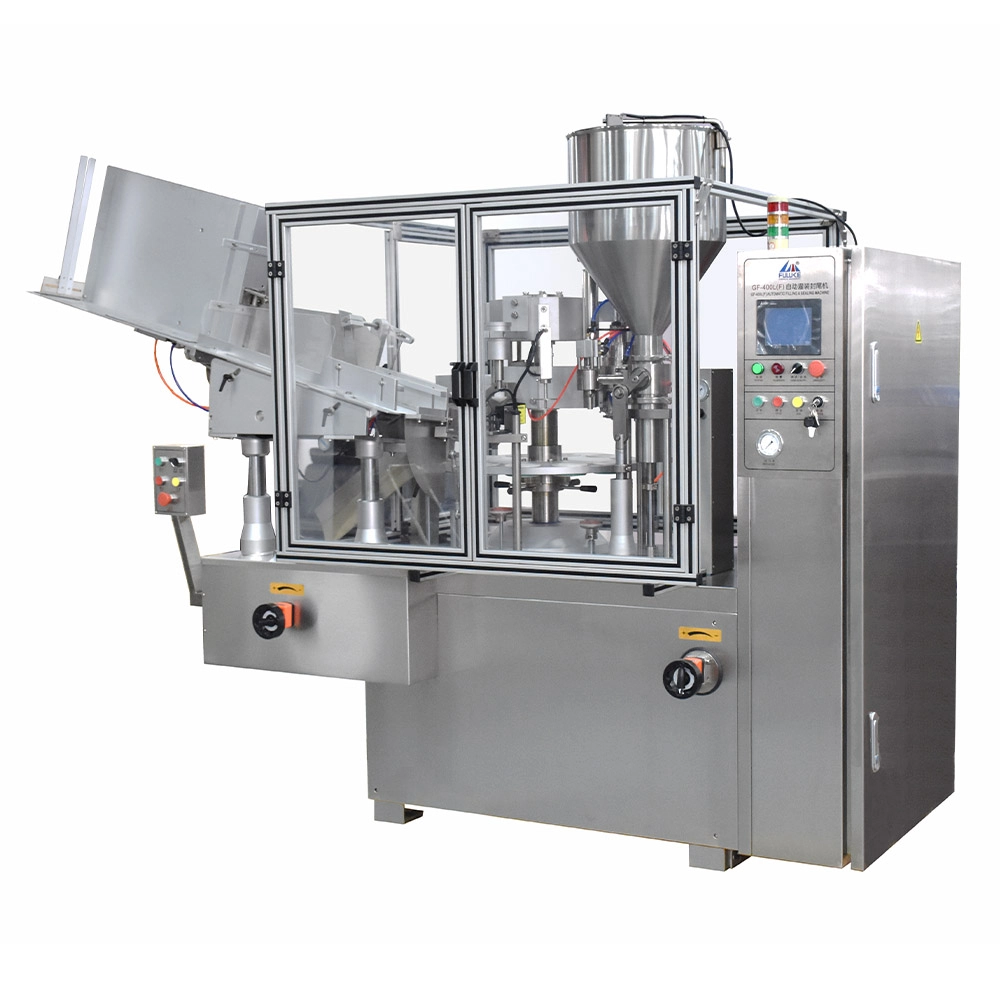
Automatic Tube Filling and Sealing Machine Toothpaste Sunscreen and Facial Cleanser Filling and Sealing Machine for Plastic and Aluminum-plastic Tube
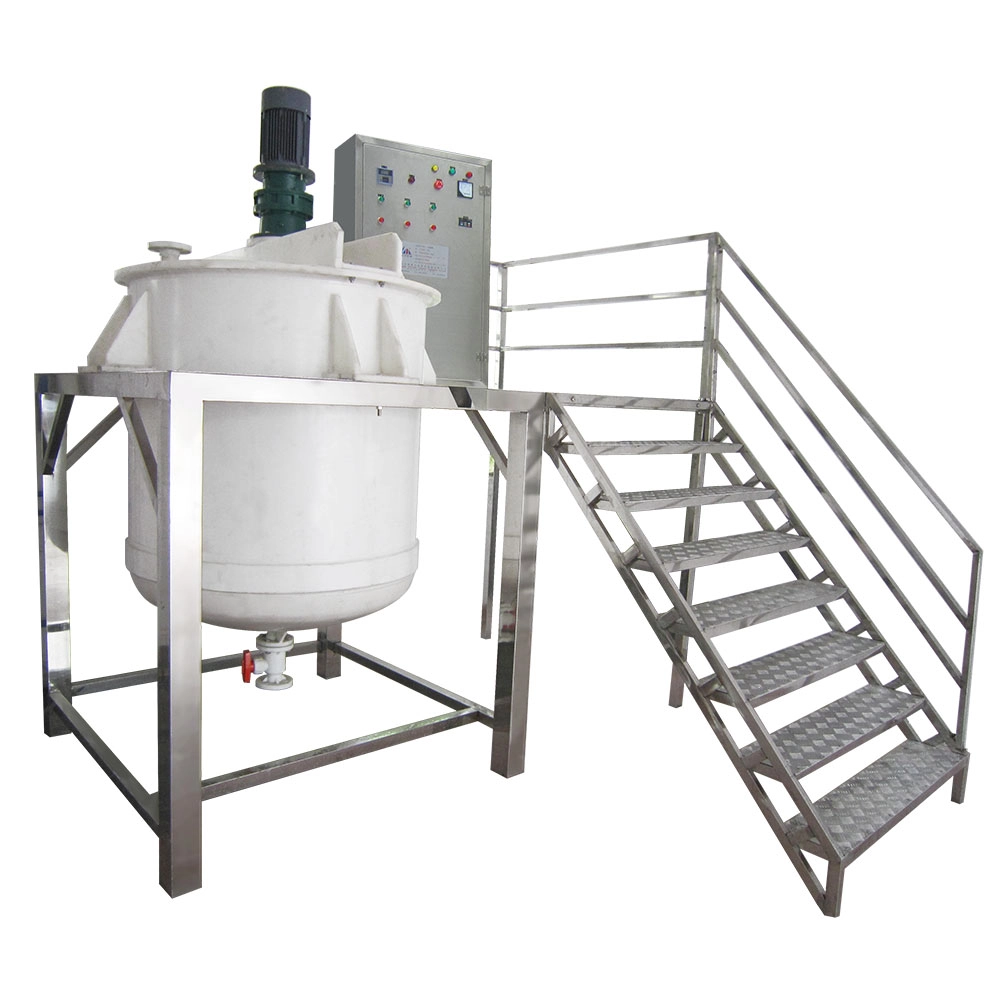
Polypropylene PP Mixing Tank Anti-Corrosion Mixer Reaction Kettle with Agitator Chemical Mixing Vessel
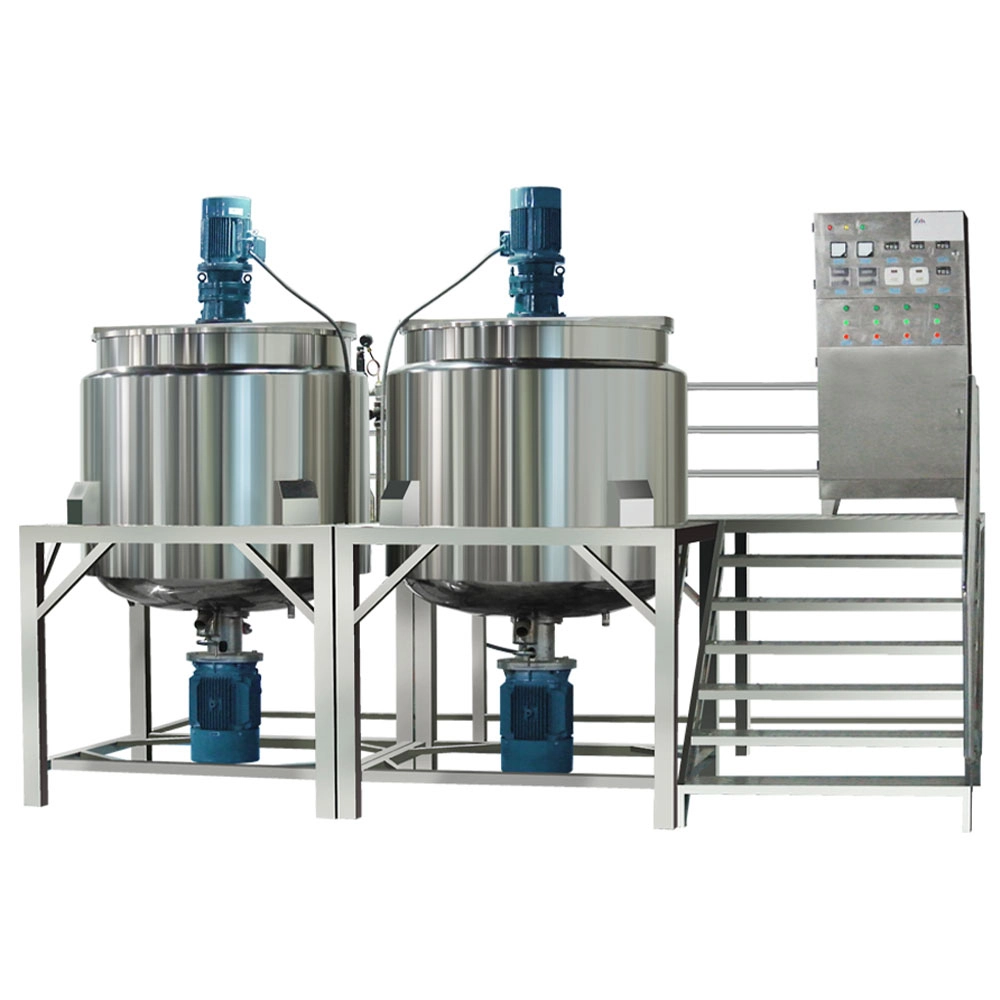
Flip Cover Multi-function Liquid Wash Mixing Tank Blender Liquid Detergent Mixer Homogenization Stirring Tank
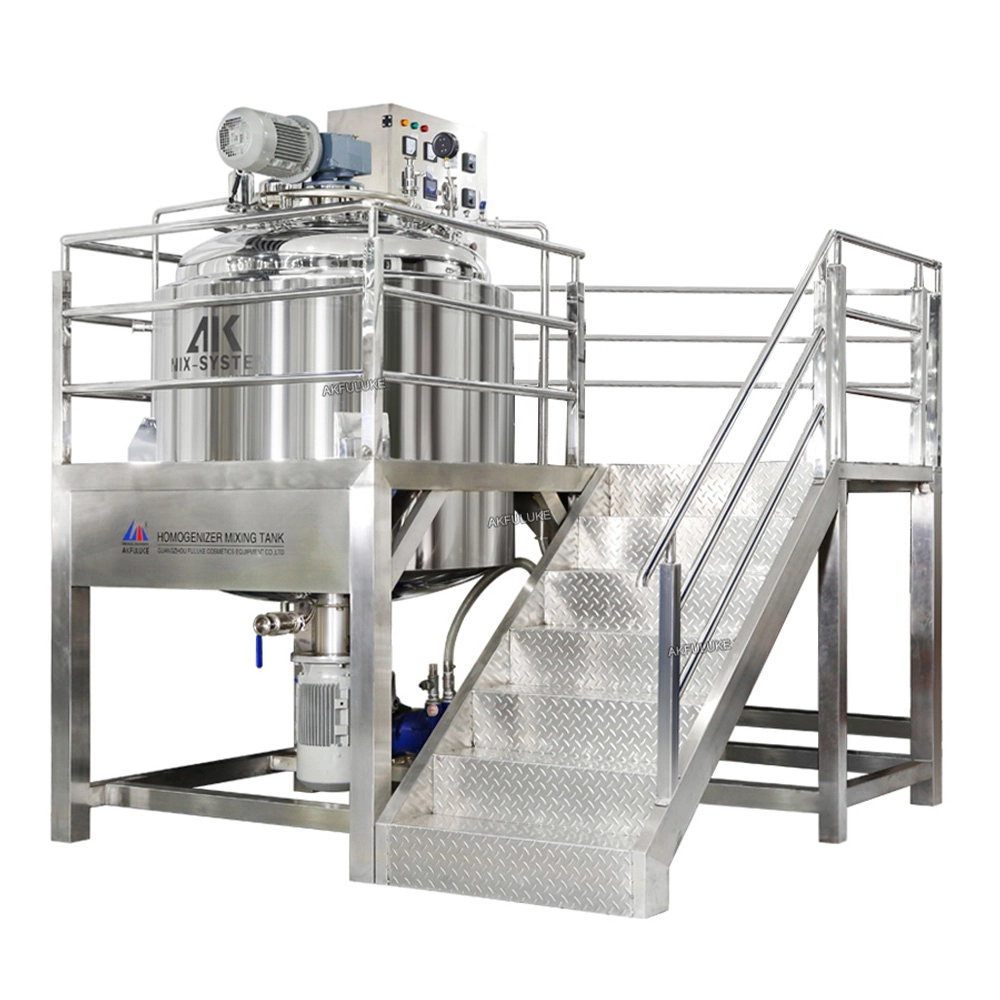
Stainless Steel Mixer Liquid Mixing tank with Agitator Homogenizing Mixing tank Vacuum Sealed Mixer Machine

A leading manufacturer specializing in advanced machinery and complete production lines for the cosmetics, food, pharmaceutical, and chemical industries worldwide.
Contact FULUKE
Facebook
Instagram
YouTube