
How to select sanitary sight glasses and level probes?
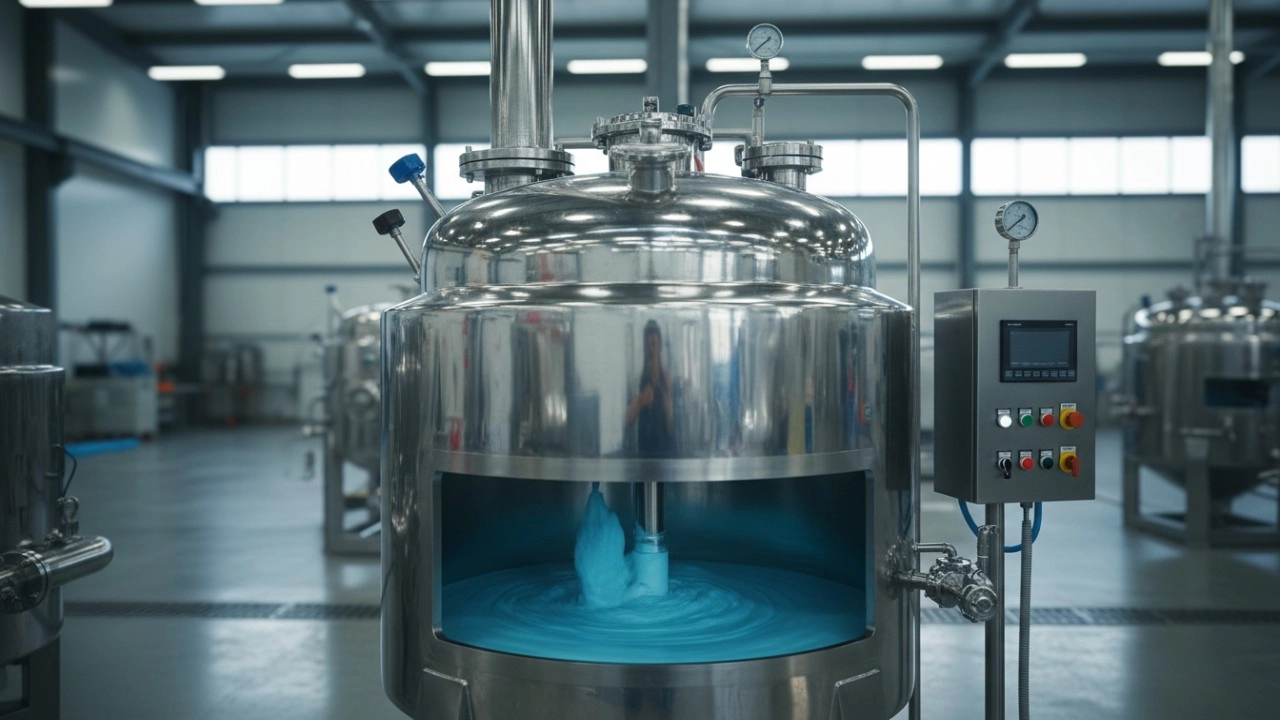
In the cosmetic equipment industry, ensuring the quality and safety of products is paramount. Two critical components that play a significant role in this process are mixing tanks with agitators and sanitary sight glasses. This guide addresses key considerations for selecting these components, ensuring optimal performance and compliance with hygiene standards.
Understanding Mixing Tanks with Agitators
Mixing tanks with agitators are essential for blending various cosmetic ingredients to achieve uniform consistency and desired product characteristics. The selection of an appropriate mixing tank with an agitator involves several factors:
1. What are the key factors to consider when selecting a mixing tank with an agitator?
Material Compatibility: Ensure the tank and agitator materials are compatible with the cosmetic ingredients to prevent reactions or contamination.
Capacity Requirements: Choose a tank size that aligns with production volumes to maintain efficiency and minimize waste.
Agitator Design: Select an agitator type (e.g., anchor, turbine, or propeller) based on the viscosity and shear requirements of the mixture.
Hygienic Design: Opt for tanks and agitators designed for easy cleaning to meet sanitary standards and prevent cross-contamination.
2. How do agitator designs impact the mixing process in cosmetic manufacturing?
Agitator designs significantly influence the efficiency and quality of the mixing process:
Viscosity Handling: Different agitator types are suited for specific viscosities; for instance, anchor agitators are ideal for high-viscosity mixtures, while turbine agitators are better for low-viscosity fluids.
Shear Sensitivity: Some cosmetic ingredients are shear-sensitive; selecting an agitator that provides gentle mixing can preserve the integrity of these components.
Mixing Uniformity: The design affects how uniformly ingredients are blended, impacting the final product's consistency and quality.
Selecting Sanitary Sight Glasses
Sanitary sight glasses are crucial for monitoring the mixing process, allowing operators to observe the mixture's appearance, detect inconsistencies, and ensure quality control. Key considerations for selecting sanitary sight glasses include:
3. What are the essential factors to consider when choosing a sanitary sight glass?
Material Selection: Opt for materials like 316L stainless steel for corrosion resistance and borosilicate glass for its ability to withstand temperature fluctuations.
Design and Size: Choose a design that provides adequate visibility and a size that fits the equipment without compromising structural integrity.
Connection Type: Ensure compatibility with existing equipment through appropriate connection methods such as clamp, weld, or flange.
Compliance and Certification: Verify that the sight glass meets industry standards and certifications, such as FDA, 3-A, or EHEDG, to ensure hygienic safety.
4. How does the material selection of a sanitary sight glass affect its performance?
The material choice impacts several performance aspects:
Chemical Resistance: Materials like borosilicate glass offer high chemical resistance, making them suitable for various cosmetic formulations.
Temperature Tolerance: Borosilicate glass can withstand temperature fluctuations, which is beneficial during processes like sterilization.
Cleanability: Smooth surfaces and non-porous materials facilitate easier cleaning, reducing the risk of contamination.
5. What are the maintenance requirements for sanitary sight glasses in cosmetic equipment?
Regular maintenance ensures the longevity and functionality of sanitary sight glasses:
Routine Inspection: Regularly check for signs of damage, fogging, or scaling.
Cleaning Protocols: Implement cleaning procedures that comply with industry standards to maintain hygiene.
Seal Replacement: Replace seals as needed to prevent leaks and maintain sanitary conditions.
Conclusion
Selecting the right mixing tanks with agitators and sanitary sight glasses is vital for ensuring the quality and safety of cosmetic products. By considering factors such as material compatibility, capacity, agitator design, and hygienic features, manufacturers can optimize their processes and meet industry standards.
FULUKE's Advantages
FULUKE offers a range of high-quality mixing tanks with agitators and sanitary sight glasses designed to meet the stringent requirements of the cosmetic industry. Our products are engineered for durability, efficiency, and ease of maintenance, ensuring optimal performance and compliance with hygiene standards.
References:

Understanding Servo Capping Machines: The Core Logic of Precise Capping – Understand the Entire Working Process in Seconds
The Future of Industrial Agitation: 5 Smart Mixing Tank Technologies Changing the Game
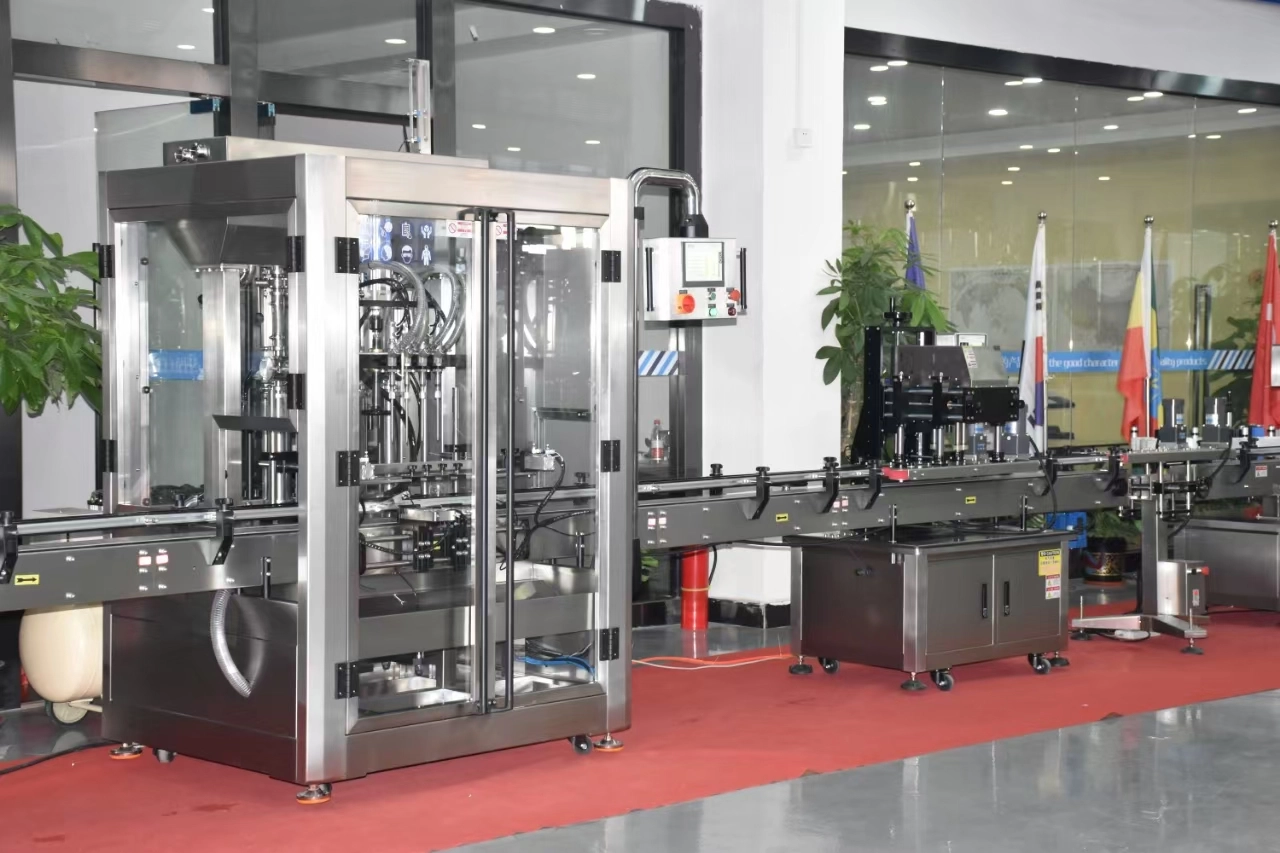
Gear pump filling machine vs. piston filling machine: Key differences broken down to avoid pitfalls in selection.
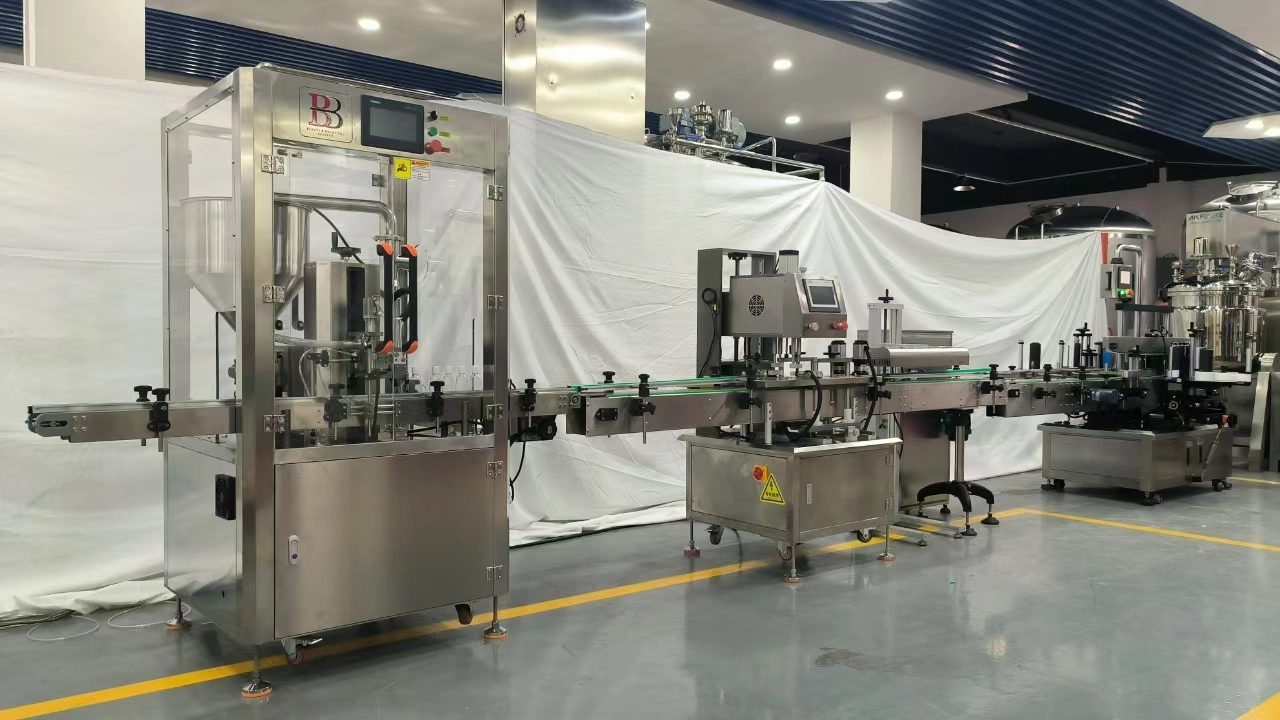
Understand the working principle of a servo gear pump filling machine!
Inkjet Printing Machine
What products can inkjet printers be used for?
It can be used for products such as carton, plastic, metal, boarding, pipe, stone, cable, glass, electronic components, auto parts, industrial chemical packaging, and medical/food/gift boxes.
Perfume Freezing Filter Making Machine
If the liquid is still turbid after filtration, what could be the cause?
Common causes include: ① Insufficient freezing (low temperature or too short a freezing time); ② Clogged filter element or overly large pore size; ③ Uneven material flow leading to insufficient localized condensation. Solution: Extend the freezing time, replace the 0.1μm precision filter element, check the pipes for blockage, and optimize flow control.
Automatic Filling Machine
Can we add heating, constant temperature, and stirring functions?
Of course, we can add heating, constant temperature, and stirring functions based on your material characteristics.
Storage Tank
Can you customize the machine?
Of course, we provide customized services according to customer needs.
Film Packaging Machine
This device suddenly shuts down and displays "Abnormal Heat Seal Temperature." What should I do?
First, check the heat seal blade heater for damage. Next, check whether the temperature sensor is in poor contact or malfunctioning. If the hardware is normal, the temperature control module parameters may be abnormal. Restart the device and reset the heat seal temperature (refer to the film material's suitable temperature: BOPP film is typically 120-160°C). If the abnormality persists, contact after-sales service to inspect the temperature control system.
Get in touch with FULUKE
If you have any comments or good suggestions, please leave us a message, later our professional staff will contact you as soon as possible.
You May Also Like
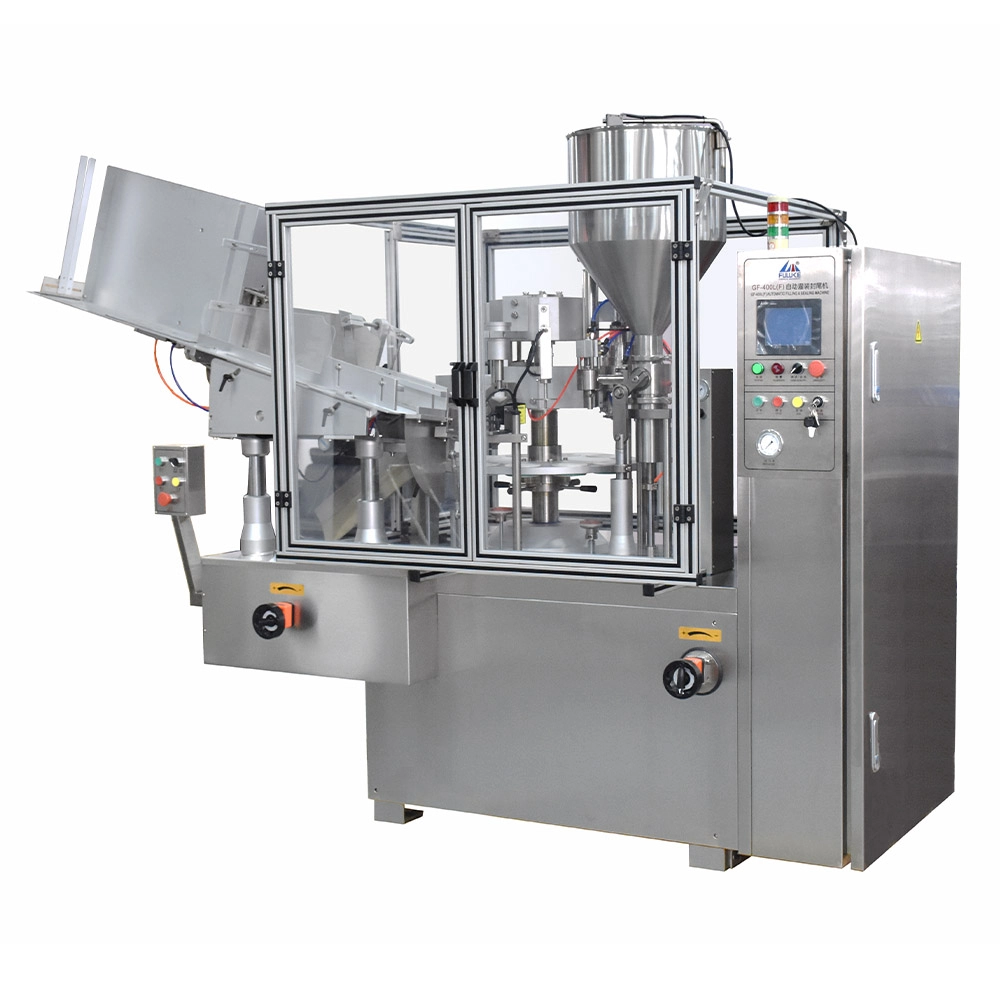
Automatic Tube Filling and Sealing Machine Toothpaste Sunscreen and Facial Cleanser Filling and Sealing Machine for Plastic and Aluminum-plastic Tube
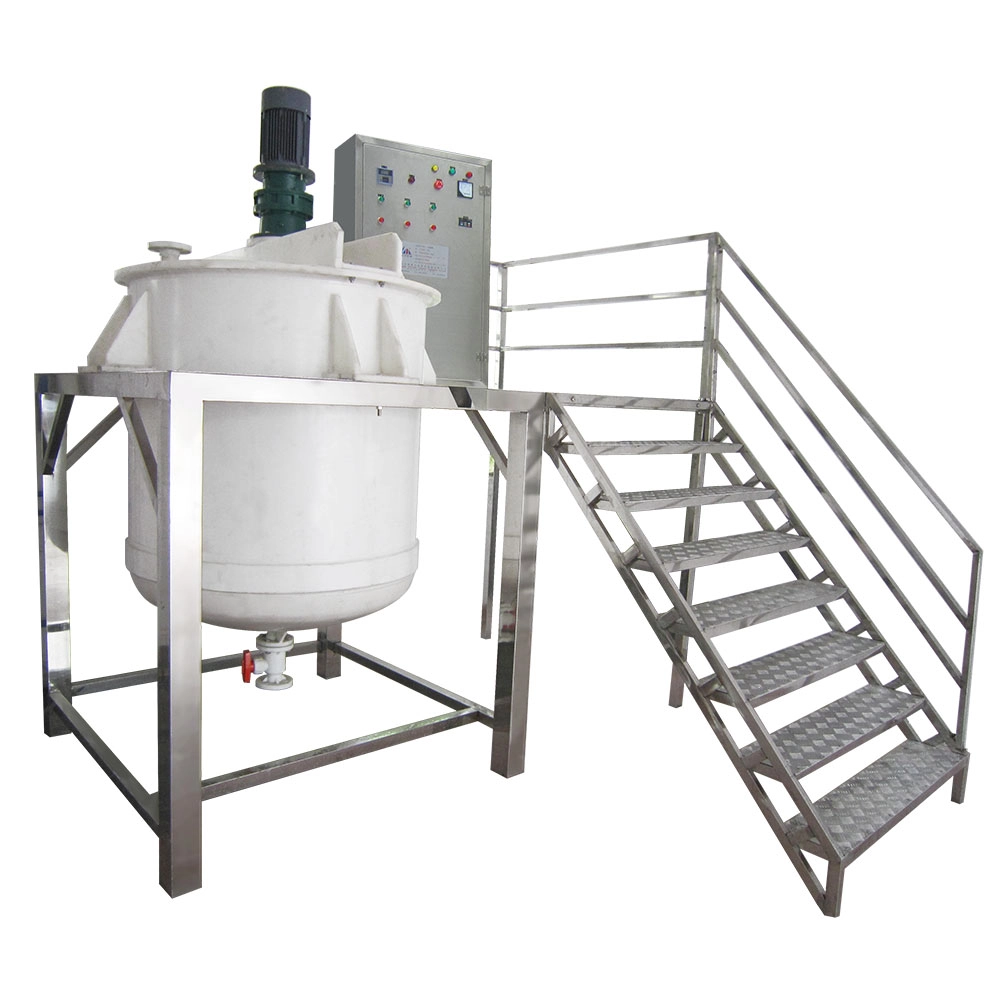
Polypropylene PP Mixing Tank Anti-Corrosion Mixer Reaction Kettle with Agitator Chemical Mixing Vessel
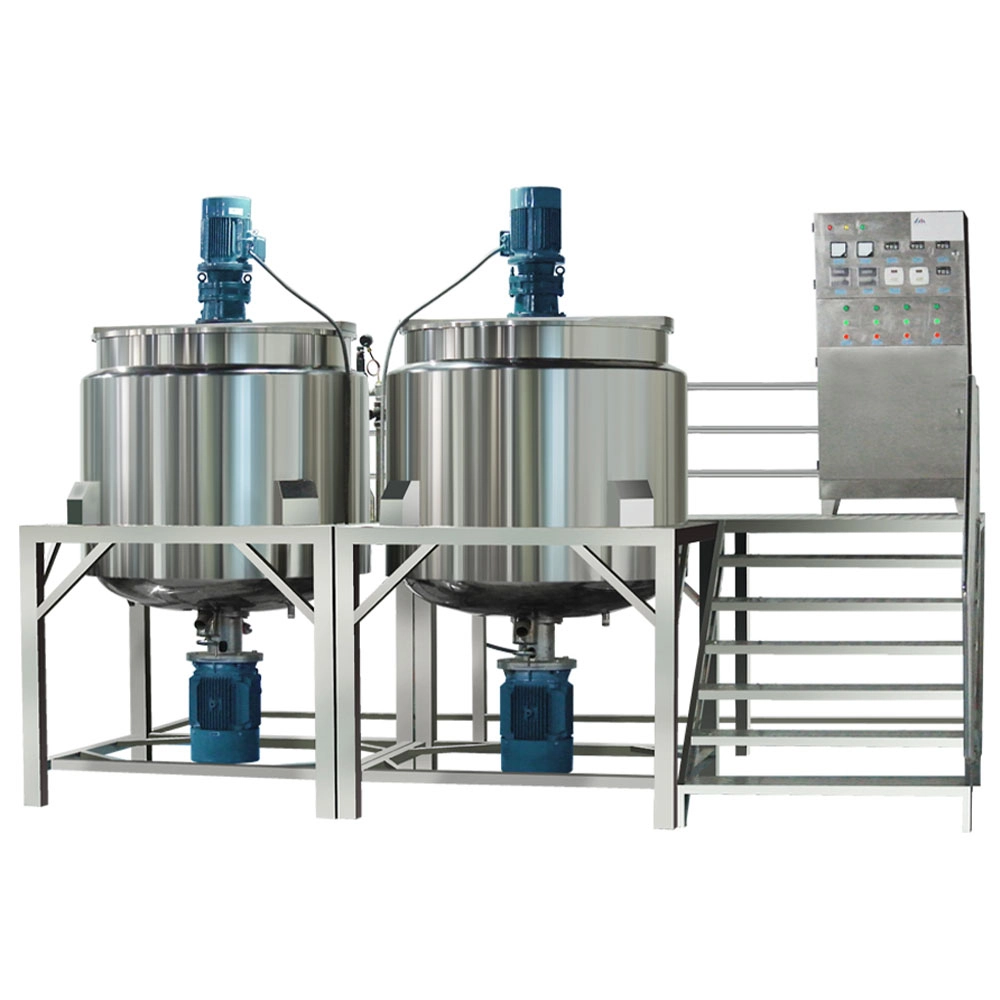
Flip Cover Multi-function Liquid Wash Mixing Tank Blender Liquid Detergent Mixer Homogenization Stirring Tank
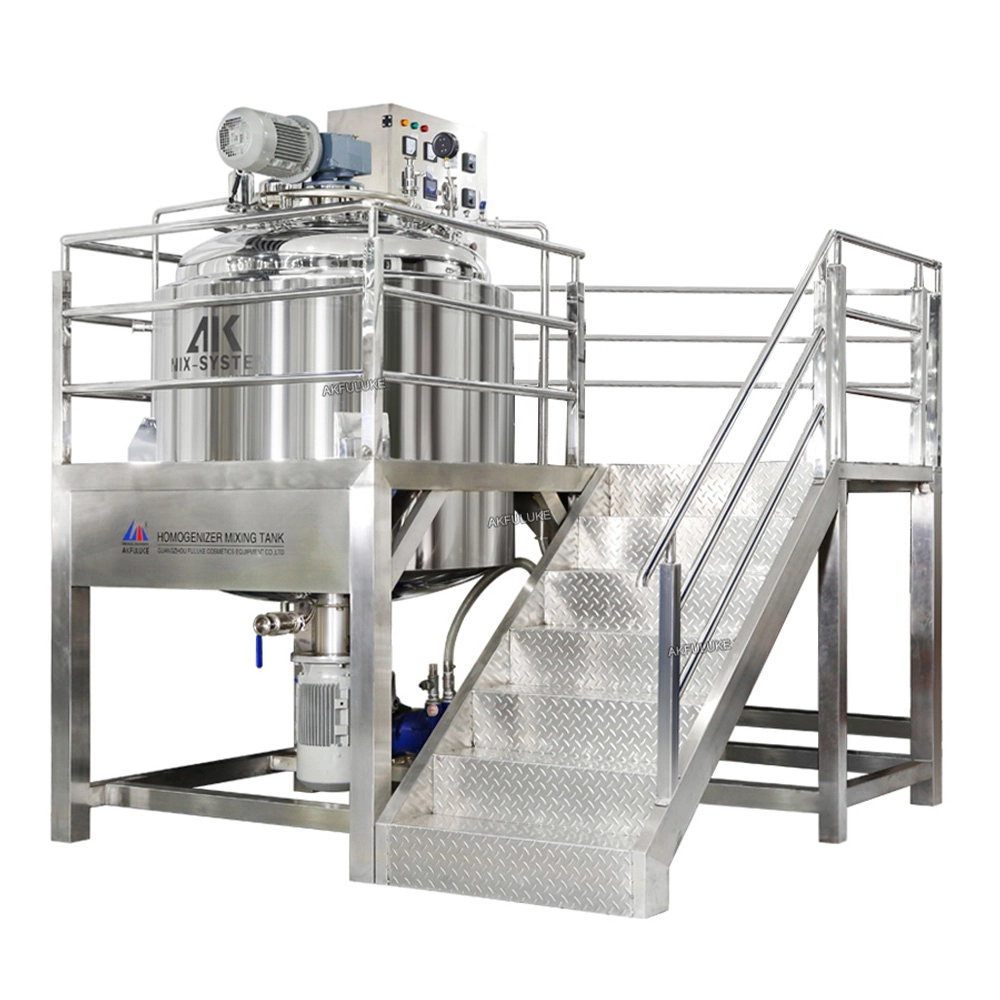
Stainless Steel Mixer Liquid Mixing tank with Agitator Homogenizing Mixing tank Vacuum Sealed Mixer Machine

A leading manufacturer specializing in advanced machinery and complete production lines for the cosmetics, food, pharmaceutical, and chemical industries worldwide.
Contact FULUKE
Facebook
Instagram
YouTube