
How to minimize product changeover times effectively?
- Optimizing Cosmetic Equipment Procurement: Key Considerations for Filling Machines and Minimizing Product Changeover Times
- 1. What types of filling machines are suitable for cosmetic products?
- 2. How can I minimize product changeover times effectively?
- 3. What are the benefits of automating changeover processes?
- 4. How can data analytics aid in reducing changeover times?
- 5. What role does workforce training play in minimizing changeover times?
- 6. How can I ensure the filling machine meets hygiene and quality standards?
- 7. What are the advantages of choosing a versatile filling machine?
- 8. How can I assess the ROI of investing in advanced filling equipment?
- FULUKE: Your Partner in Advanced Cosmetic Filling Solutions
Optimizing Cosmetic Equipment Procurement: Key Considerations for Filling Machines and Minimizing Product Changeover Times
As the cosmetic industry continues to evolve, manufacturers face increasing demands for efficiency, precision, and adaptability in their production processes. Selecting the appropriate filling machine and implementing effective strategies to minimize product changeover times are crucial steps in enhancing operational performance. Below, we address common questions and provide expert insights to guide your procurement decisions.
1. What types of filling machines are suitable for cosmetic products?
Cosmetic products vary widely in viscosity and packaging requirements, necessitating specialized filling machines. Common types include:
Piston Filling Machines: Ideal for creams, lotions, and gels, piston fillers offer precise dosing and are adaptable to various viscosities.
Inline Pressure Filling Machines: Suitable for liquids like shampoos and conditioners, these machines provide consistent filling and are scalable for different production volumes.
Tube Filling Machines: Designed for products in tubes, they efficiently fill and seal containers, ensuring hygiene and product integrity.
Pre-Made Pouch Packing Machines: Capable of folding, filling, and sealing sachet pouches, these machines are versatile for various cosmetic applications.
2. How can I minimize product changeover times effectively?
Reducing changeover times is essential for maintaining production efficiency and meeting market demands. Effective strategies include:
Implement Single-Minute Exchange of Die (SMED): This lean manufacturing technique aims to reduce changeover times to less than 10 minutes by categorizing tasks into internal (performed when the machine is stopped) and external (performed while the machine is running) activities, and then streamlining them.
Pre-Stage and Setup Carts: Preparing all necessary tools, components, and materials in advance and organizing them in mobile setup carts can significantly reduce downtime during changeovers.
Standardize Tools and Procedures: Creating documented Standard Operating Procedures (SOPs) and using consistent toolsets for similar changeovers can make the process more repeatable and efficient.
Utilize Pigging Systems: Implementing pigging systems can reduce changeover times by minimizing product residue in pipelines, thereby decreasing cleaning and flushing requirements.
3. What are the benefits of automating changeover processes?
Automation can significantly enhance changeover efficiency by:
Reducing Human Error: Automated systems can perform tasks with high precision, minimizing the risk of errors associated with manual operations.
Accelerating Setup Times: Automated calibration and tool adjustment systems can quickly adapt to new product specifications, reducing the time required for changeovers.
Improving Consistency: Automated processes ensure uniformity in product quality and packaging, enhancing brand reliability.
4. How can data analytics aid in reducing changeover times?
Implementing data analytics allows manufacturers to:
Identify Bottlenecks: Real-time tracking can reveal which specific stations create the longest delays during transitions, enabling targeted improvements.
Optimize Scheduling: Analyzing production data helps in grouping similar jobs, reducing tool changes and material swaps, thereby minimizing changeover times.
Monitor Performance: Continuous monitoring of changeover processes provides insights into performance trends, facilitating continuous improvement.
5. What role does workforce training play in minimizing changeover times?
A well-trained workforce is crucial for efficient changeovers. Training programs should focus on:
Standard Operating Procedures (SOPs): Ensuring all operators are familiar with documented procedures to maintain consistency.
Equipment Handling: Training on the proper use and maintenance of equipment to prevent delays caused by operational errors.
Problem-Solving Skills: Equipping staff with the ability to quickly identify and address issues during changeovers.
6. How can I ensure the filling machine meets hygiene and quality standards?
To maintain product integrity and comply with industry regulations:
GMP Compliance: Ensure machines are designed with Good Manufacturing Practice (GMP) standards in mind, featuring stainless steel contact parts and easy-to-clean surfaces.
Automated Cleaning Systems: Implement Clean-In-Place (CIP) and Sterilize-In-Place (SIP) systems to facilitate efficient and thorough cleaning processes.
Regular Maintenance: Establish a routine maintenance schedule to keep equipment in optimal condition and prevent contamination risks.
7. What are the advantages of choosing a versatile filling machine?
A versatile filling machine offers:
Adaptability: Ability to handle a wide range of product viscosities and packaging types, accommodating diverse product lines.
Scalability: Capacity to scale production volumes up or down based on market demand without significant additional investment.
Cost Efficiency: Reduced need for multiple specialized machines, leading to lower capital expenditure and maintenance costs.
8. How can I assess the ROI of investing in advanced filling equipment?
To evaluate the return on investment: Consider factors such as increased production speed, reduced waste, improved product quality, and lower labor costs. Conduct a cost-benefit analysis comparing the initial investment with projected savings and revenue growth over time.
FULUKE: Your Partner in Advanced Cosmetic Filling Solutions
FULUKE specializes in providing state-of-the-art cosmetic filling equipment designed to enhance production efficiency and product quality. Our machines are engineered for versatility, handling a wide range of product viscosities and packaging types. With a focus on GMP compliance and user-friendly interfaces, FULUKE ensures that your manufacturing processes meet the highest industry standards. Partner with FULUKE to streamline your production and achieve operational excellence.
References:
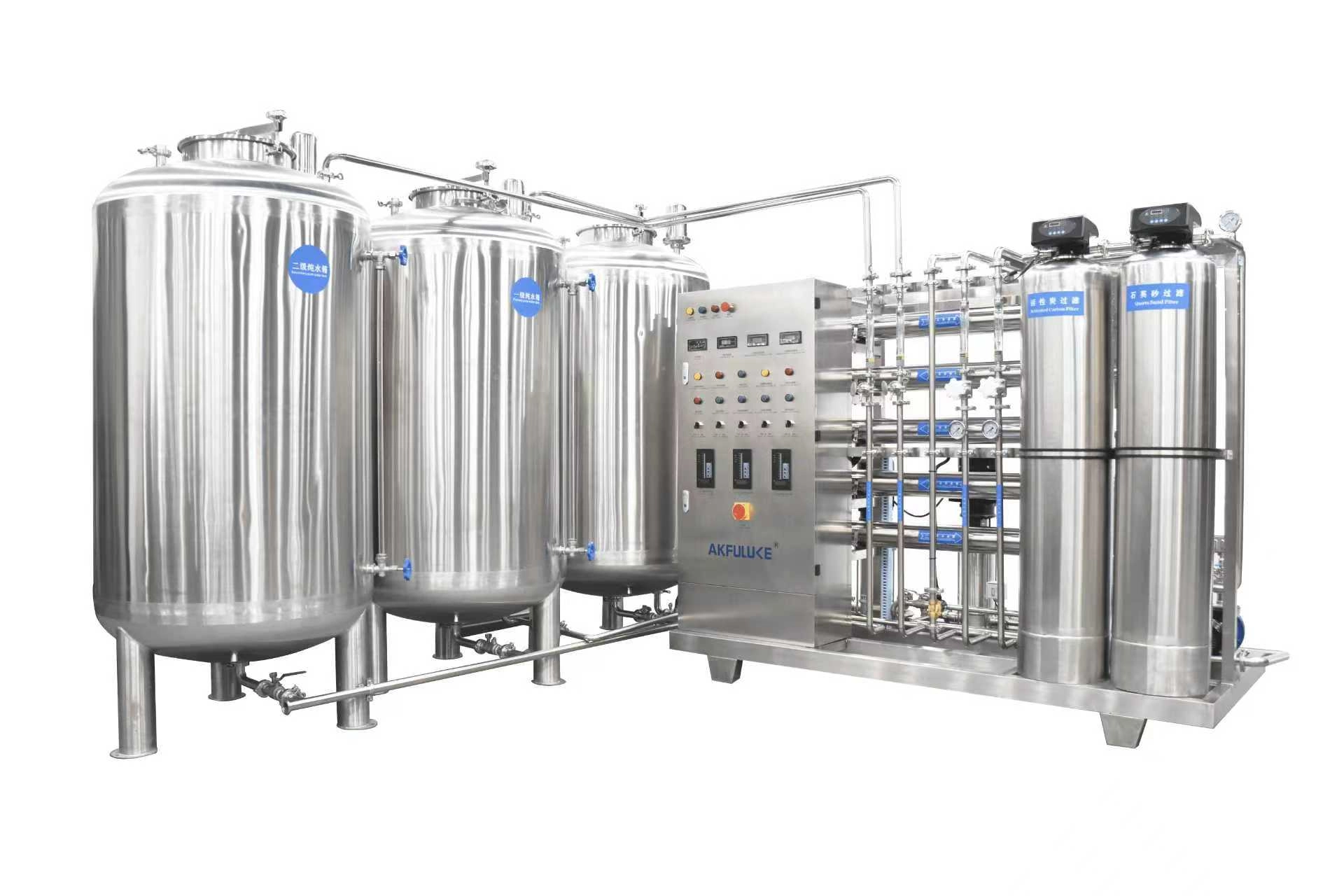
RO water treatment: From equipment to treated water, building a robust defense line for safe and compliant drinking water.
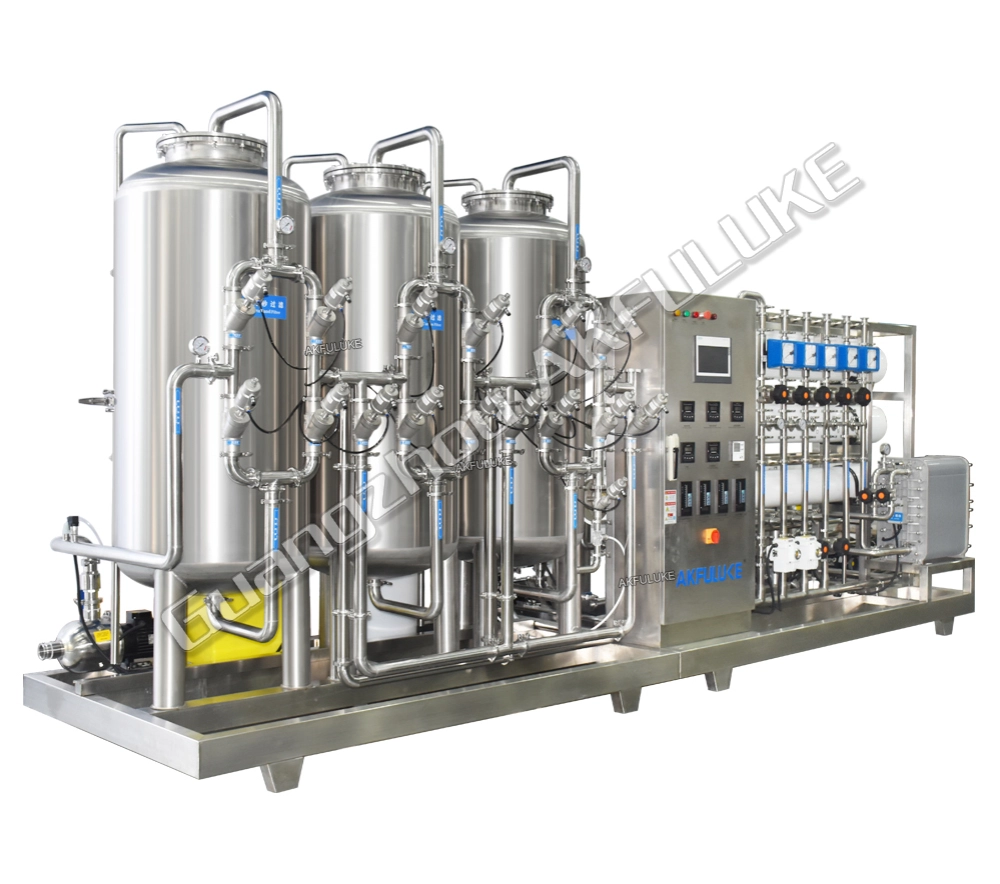
FULUKE reverse osmosis equipment empowers the pharmaceutical and cosmetics industries to achieve compliant production.
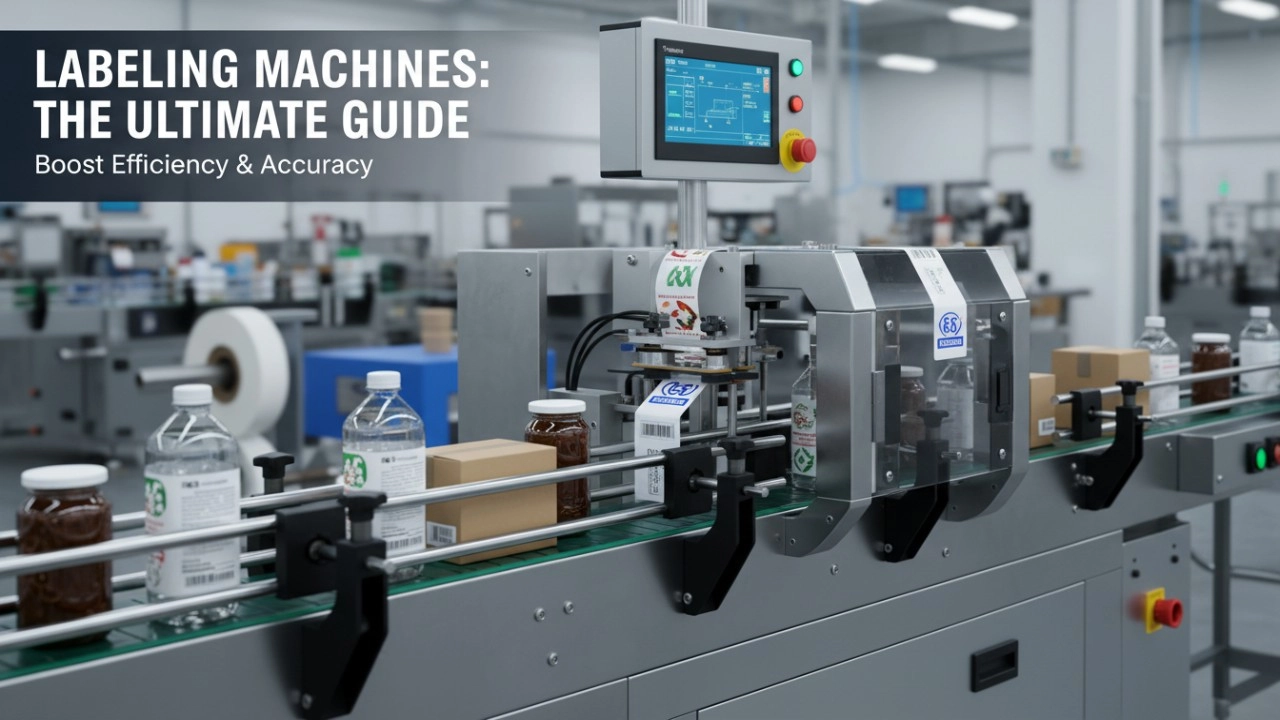
The Ultimate Guide to Labeling Machines 2026: A Critical Component in Modern Packaging Operations
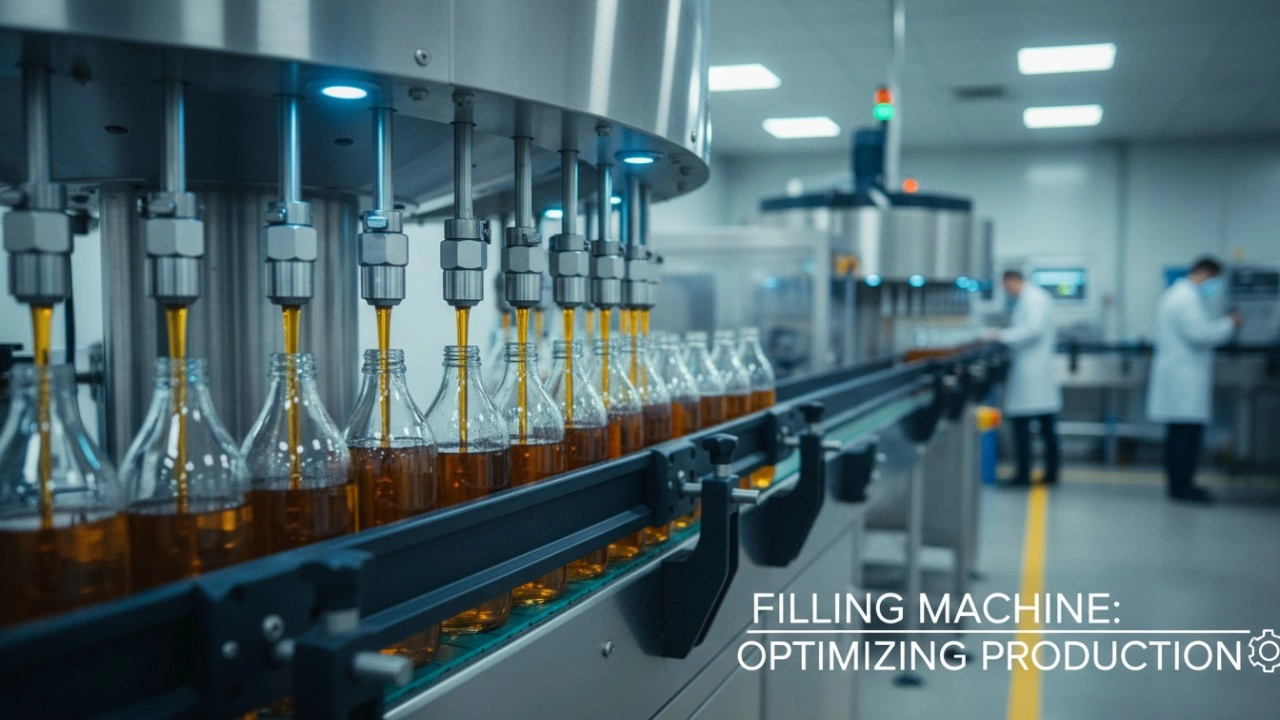
Top 15 Global Filling Machine Manufacturers: The Definitive Ranking for 2026
Lift-type Homogenizing Disperser
How often should the disperser and homogenizer be cleaned? How should they be cleaned properly?
Cleaning Frequency: Cleaning is required every time a material is changed to prevent cross-contamination. When the same material is used continuously, cleaning is recommended every 24 hours. Cleaning Method: Rinse with clean water or a suitable solvent (e.g., alcohol for oily materials, clean water for water-based materials). Remove stubborn stains with a soft brush. Avoid scratching with hard objects to avoid damage.
Sealed Homogenizing Mixing Tank
What can you buy from us?
RO Water Treatment、Vacuum Emulsifying Machine、Homogenizer Mixing Tank、Filling and Capping、labeling Machine、Packing Machine、Storage Tank,etc.
Film Packaging Machine
Can you make a design for us?
Yes, we can, we provide not only products, but also solutions and designs.
Inkjet Printing Machine
Who are we?
Our headquarters is located in Guangzhou, Guangdong, China, and our factory is located in Yangzhou, Jiangsu. Our products are sold all over the world. We have approximately 50 employees in our company and factory.
Vacuum Emulsifying Machine
How does the vacuum homogenizer work?
The vacuum homogenizer's operating process revolves around four core steps: vacuum degassing, high-speed homogenization and emulsification, stirring and mixing, and temperature control. Through the coordinated operation of multiple systems, it achieves refined material processing. The following is its specific operating principle and process:
1. Pretreatment: Material feeding and vacuum environment establishment
Material preparation: First, add the basic materials, such as the oil phase (such as oils and waxes) and the aqueous phase (such as water and water-soluble ingredients), to their corresponding batching tanks or directly into the main emulsifier in sequence.
Evacuation: Activate the vacuum system (consisting of a vacuum pump, vacuum valve, etc.) to evacuate the interior of the emulsifier, creating a negative pressure environment (typically up to -0.09 MPa).
2. Core Process: Temperature Control (Heating/Cooling)
3. Core Process: Agitation and Mixing
Agitation Structure: Typically uses a "frame agitator + scraper" combination (for high-viscosity materials):
Through shearing, folding, and convection, the different materials are initially mixed and their stratification is broken down.
The PTFE scraper rotates closely against the pot wall, thoroughly scraping away any sticky material adhering to the pot wall, preventing localized overheating and residue, and ensuring zero dead zones.
4. Core Process: High-Speed Homogenization and Emulsification
Homogenizer Structure: A high-speed rotating homogenizer is installed at the bottom (or side) of the emulsifier, consisting of a rotor (with sharp teeth) and a stator (with fixed teeth). Working Principle: The rotor rotates at an extremely high speed, generating a strong centrifugal force that draws the material into the gap between the rotor and the stator. In this gap, the material is subjected to the triple effects of shear force, impact force, and turbulent force. The teeth of the rotor and stator quickly cut the material and generate high-frequency vibrations.
Get in touch with FULUKE
If you have any comments or good suggestions, please leave us a message, later our professional staff will contact you as soon as possible.
You May Also Like
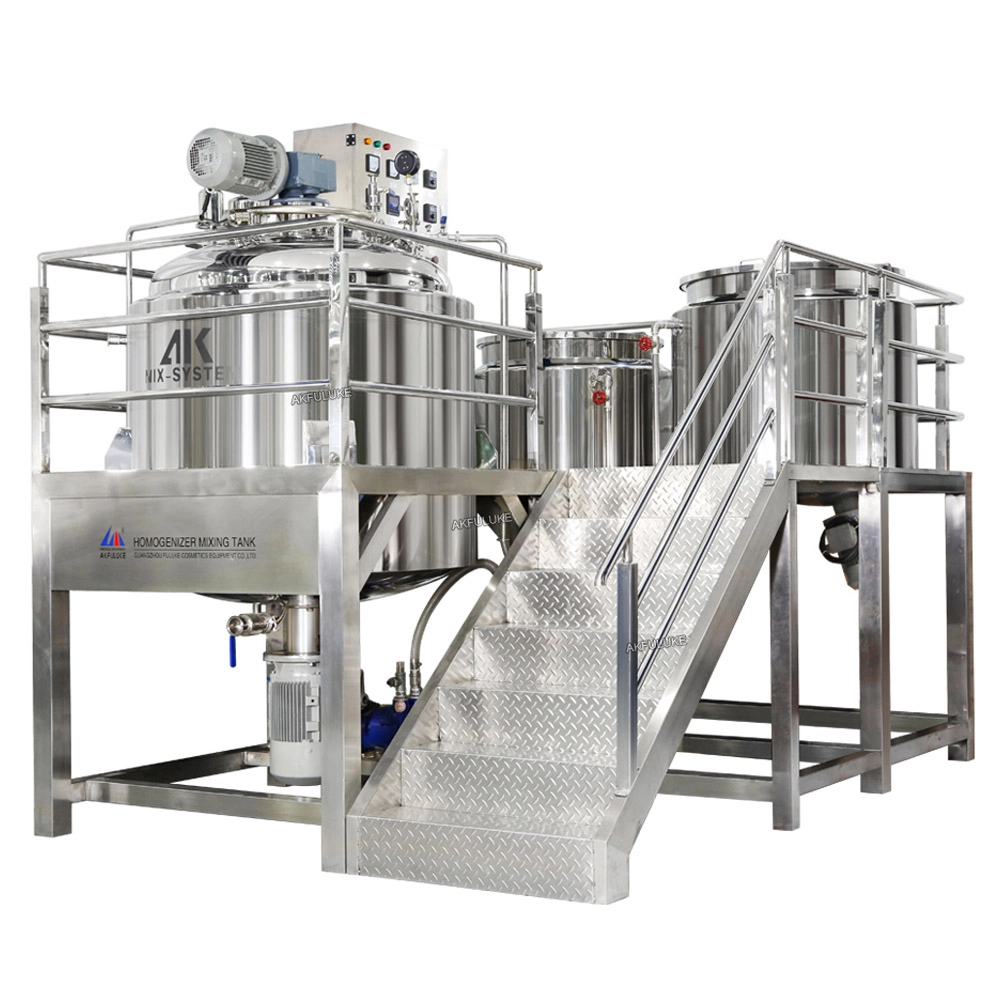
Fixed Type Vacuum Mixing Emulsifying Equipment for Cosmetic Cream Ointment Lotion Vacuum Homogenizer Mixer
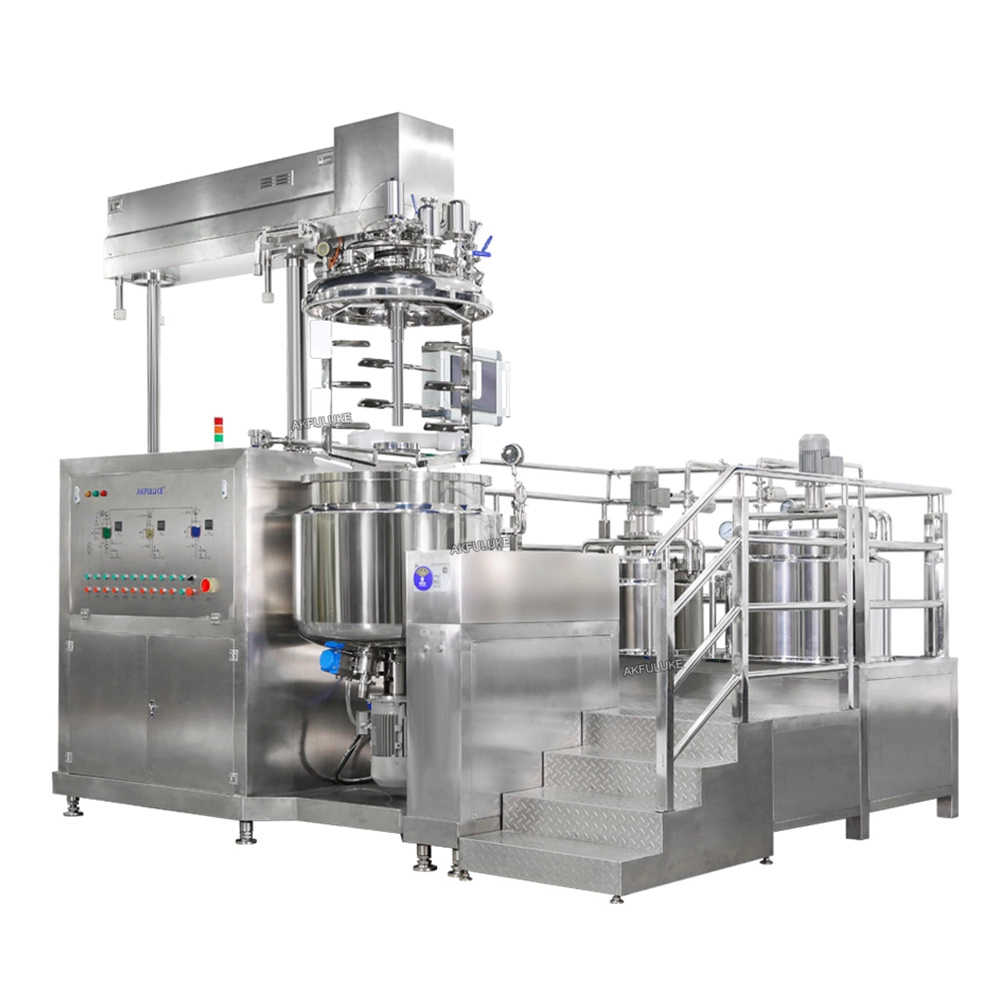
Hydraulic lift Cosmetic Vacuum Homogenizer Emulsifying Mixer for Making Cream and Lotion Mayonnaise Mixing Machine
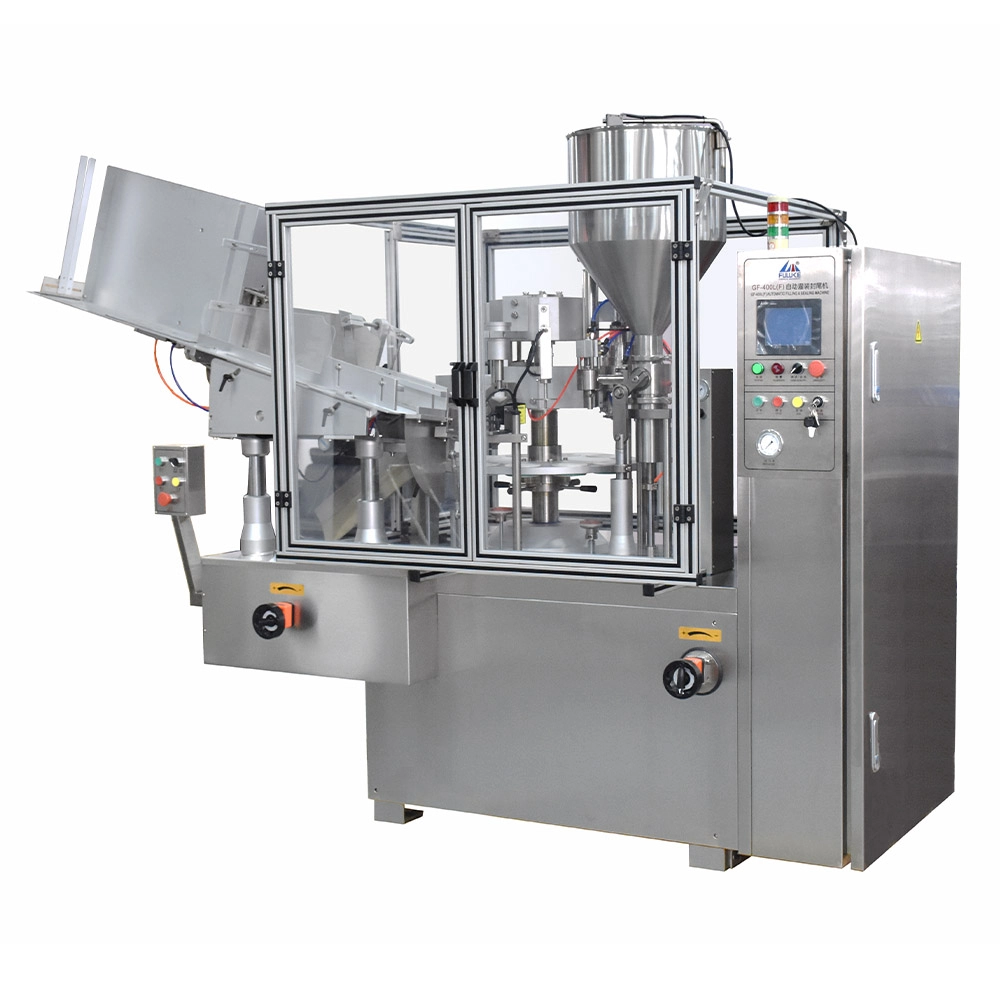
Automatic Tube Filling and Sealing Machine Toothpaste Sunscreen and Facial Cleanser Filling and Sealing Machine for Plastic and Aluminum-plastic Tube
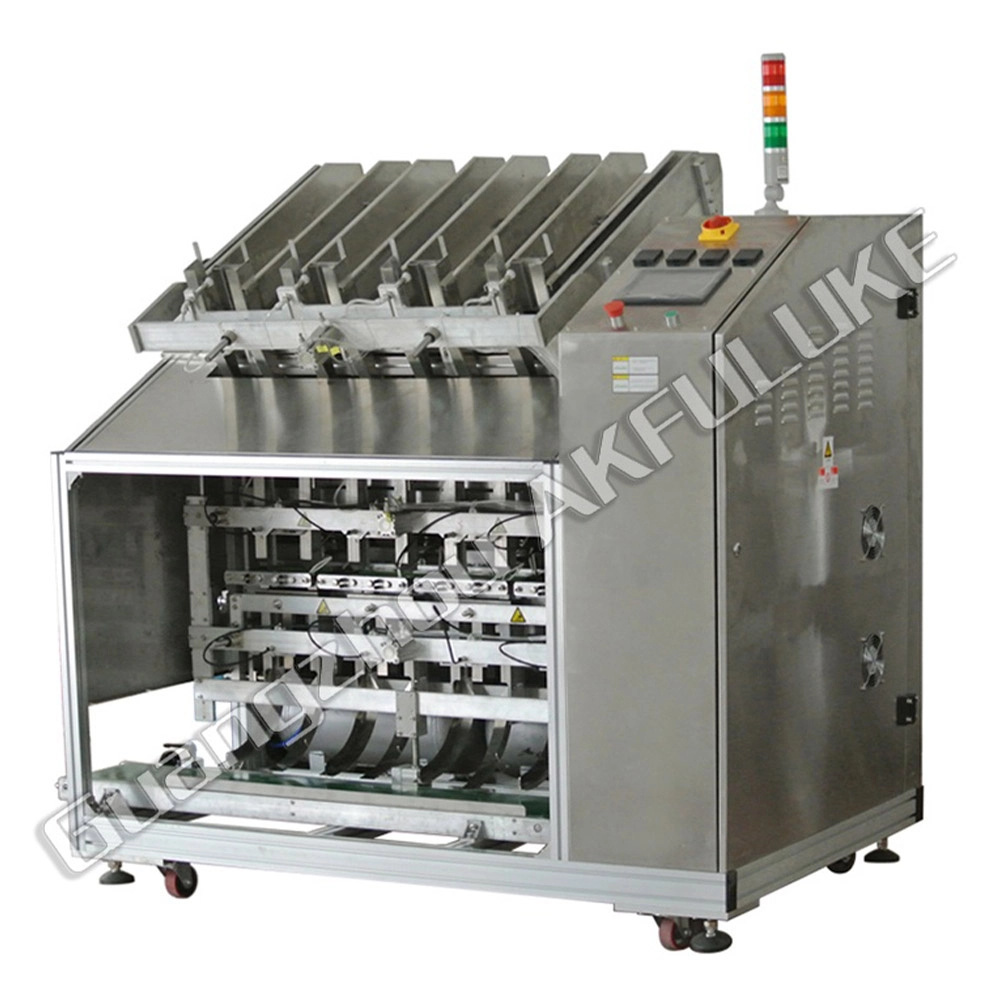
Effective Automatic Facial Mask Filling Machine 2/6/8 Heads Facial Mask Filling and Sealing Machine

A leading manufacturer specializing in advanced machinery and complete production lines for the cosmetics, food, pharmaceutical, and chemical industries worldwide.
Contact FULUKE
Facebook
Instagram
YouTube