
What performance KPIs track filling line efficiency?
- Optimizing Cosmetic Filling Line Efficiency: Key Performance Indicators and Best Practices
- 1. What are the primary KPIs for measuring filling line efficiency?
- 2. How can automation improve filling line efficiency?
- 3. What role does maintenance play in optimizing filling line efficiency?
- 4. How does equipment selection impact filling line efficiency?
- 5. What are the benefits of flexible packaging lines in cosmetic manufacturing?
- 6. How does data analysis contribute to filling line optimization?
- 7. What are the latest technological advancements in filling machines for cosmetics?
- 8. How does sustainability impact filling line operations?
- Conclusion: FULUKE's Commitment to Excellence
Optimizing Cosmetic Filling Line Efficiency: Key Performance Indicators and Best Practices
In the cosmetic manufacturing industry, achieving optimal filling line efficiency is crucial for maintaining product quality, reducing costs, and meeting market demands. Understanding and monitoring specific Key Performance Indicators (KPIs) can significantly enhance operational performance. Below are some of the most pertinent questions and answers regarding filling line efficiency in the cosmetic equipment sector.
1. What are the primary KPIs for measuring filling line efficiency?
The key KPIs to assess filling line efficiency include:
Filling Accuracy: The precision of the volume filled per container. High accuracy minimizes product waste and ensures customer satisfaction.
Production Speed: The number of units filled per minute. Balancing speed with quality is essential for meeting production targets.
Downtime Percentage: The proportion of time the filling line is non-operational due to maintenance or other issues. Reducing downtime is vital for maximizing throughput.
Overall Equipment Effectiveness (OEE): A composite metric that evaluates the availability, performance, and quality of the equipment. An OEE score exceeding 85% is considered excellent.
Scrap Rate: The percentage of products that do not meet quality standards and are discarded. Lowering the scrap rate is crucial for cost control.
2. How can automation improve filling line efficiency?
Implementing automation in filling lines offers several benefits:
Increased Production Speed: Automated systems can operate at higher speeds with consistent quality, meeting higher demand without compromising standards.
Reduced Labor Costs: Automation decreases the need for manual labor, leading to cost savings and allowing human resources to focus on more complex tasks.
Enhanced Precision: Automated machines provide consistent filling volumes, reducing variability and ensuring product uniformity.
Improved Data Collection: Automated systems can collect and analyze data in real-time, facilitating continuous improvement and proactive maintenance.
For instance, integrating automation in pouch filling processes has been shown to increase production output by 150% and reduce labor costs by 60%.
3. What role does maintenance play in optimizing filling line efficiency?
Regular maintenance is essential for sustaining filling line efficiency:
Preventive Maintenance: Scheduled inspections and servicing can identify and address potential issues before they lead to equipment failure, reducing unexpected downtime.
Calibration: Regular calibration of sensors and filling nozzles ensures sustained accuracy, which is critical for maintaining product quality.
Component Replacement: Timely replacement of worn-out parts prevents malfunctions and maintains consistent performance.
Implementing preventive maintenance schedules can reduce downtime by approximately 37%, leading to more efficient operations.
4. How does equipment selection impact filling line efficiency?
Choosing the right equipment is pivotal for optimal efficiency:
Filling Technology: Selecting appropriate filling technologies, such as piston pumps for viscous products or peristaltic pumps for shear-sensitive formulations, ensures compatibility with product characteristics.
Automation Level: Fully automatic machines, which account for nearly 60% of global installations, offer high efficiency and minimal human intervention, making them suitable for large-scale production.
Integration Capabilities: Ensuring that the equipment can seamlessly integrate with existing systems, such as SCADA, MES, or ERP, facilitates smooth operations and data flow.
5. What are the benefits of flexible packaging lines in cosmetic manufacturing?
Flexible packaging lines offer several advantages:
Adaptability: They can handle multiple product formats and packaging types, accommodating diverse product lines.
Reduced Changeover Times: Modern flexible lines can achieve format changeovers in under 15 minutes, minimizing downtime.
Cost Efficiency: They reduce labor costs and material waste, leading to significant savings.
Upgrading to a flexible cosmetic packaging line can deliver labor reductions of 30-40% and waste reductions of 50-60% during format changes.
6. How does data analysis contribute to filling line optimization?
Data analysis plays a crucial role in enhancing filling line efficiency:
Performance Monitoring: Continuous data collection allows for real-time monitoring of KPIs, enabling prompt corrective actions.
Predictive Maintenance: Analyzing equipment data can predict potential failures, allowing for proactive maintenance and reducing unplanned downtime.
Continuous Improvement: Data-driven insights facilitate ongoing process optimization and quality enhancement.
Companies employing data-driven strategies have reported a 15% reduction in filling errors and a 20% increase in overall efficiency.
7. What are the latest technological advancements in filling machines for cosmetics?
Recent innovations include:
AI-Powered Vision Systems: These systems can detect micron-level imperfections at high speeds, ensuring product quality.
Servo-Driven Dosing Systems: They achieve high accuracy in filling, accommodating various product viscosities.
Modular Designs: These designs allow for quick format changeovers and scalability.
For example, AI-powered vision systems can detect imperfections at 1,200 bottles per minute, achieving 99.95% filling accuracy for irregularly shaped bottles.
8. How does sustainability impact filling line operations?
Sustainability considerations influence filling line operations in several ways:
Energy Efficiency: Adopting energy-efficient machines reduces operational costs and environmental impact.
Material Waste Reduction: Implementing technologies that minimize product waste aligns with sustainability goals.
Eco-Friendly Packaging: Utilizing recyclable or biodegradable materials in packaging supports environmental responsibility.
Sustainable practices in filling lines can lead to a 12% average reduction in material waste, as seen in the premium skincare industry.
Conclusion: FULUKE's Commitment to Excellence
FULUKE stands at the forefront of cosmetic filling equipment, offering innovative solutions that enhance efficiency, precision, and sustainability. Our products are designed to meet the evolving demands of the cosmetic industry, ensuring high-quality production and operational excellence.
By integrating advanced technologies, adhering to stringent quality control measures, and focusing on continuous improvement, FULUKE empowers manufacturers to achieve optimal filling line efficiency and maintain a competitive edge in the market.
References:

Understanding Servo Capping Machines: The Core Logic of Precise Capping – Understand the Entire Working Process in Seconds
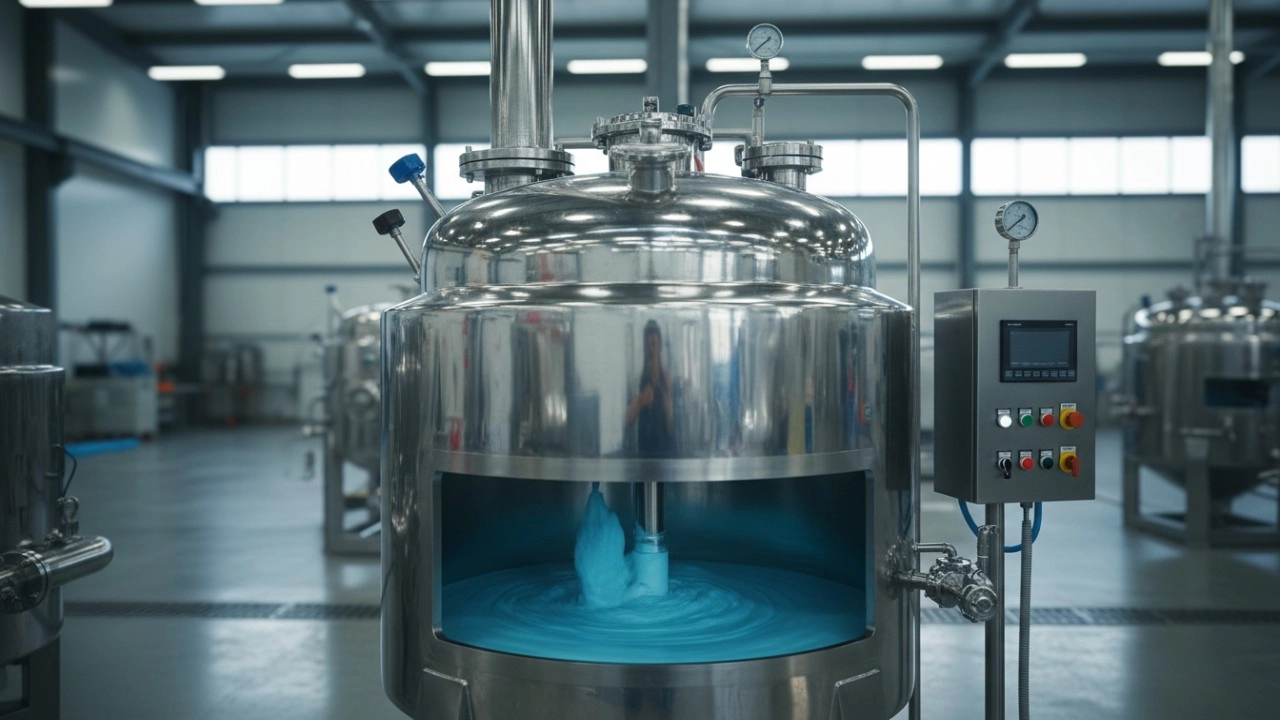
The Future of Industrial Agitation: 5 Smart Mixing Tank Technologies Changing the Game
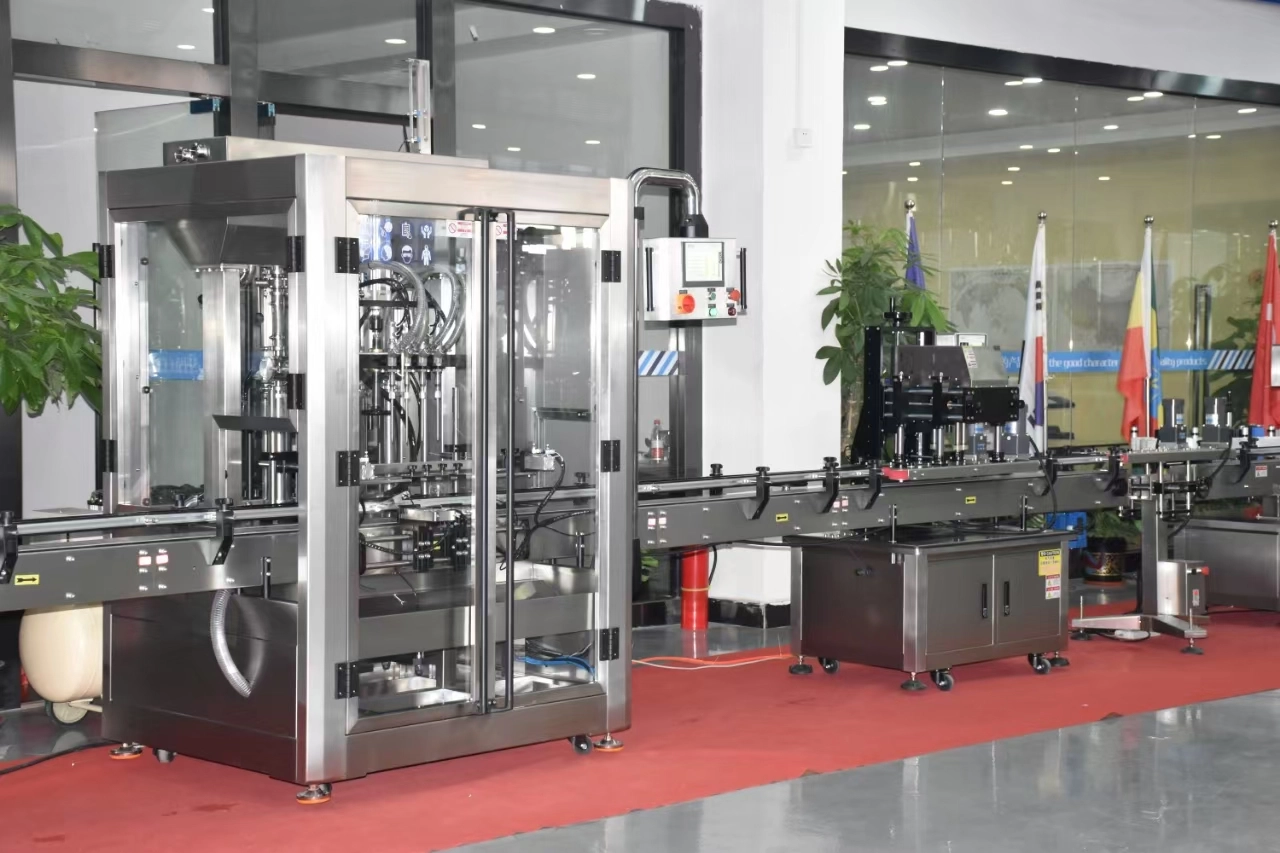
Gear pump filling machine vs. piston filling machine: Key differences broken down to avoid pitfalls in selection.
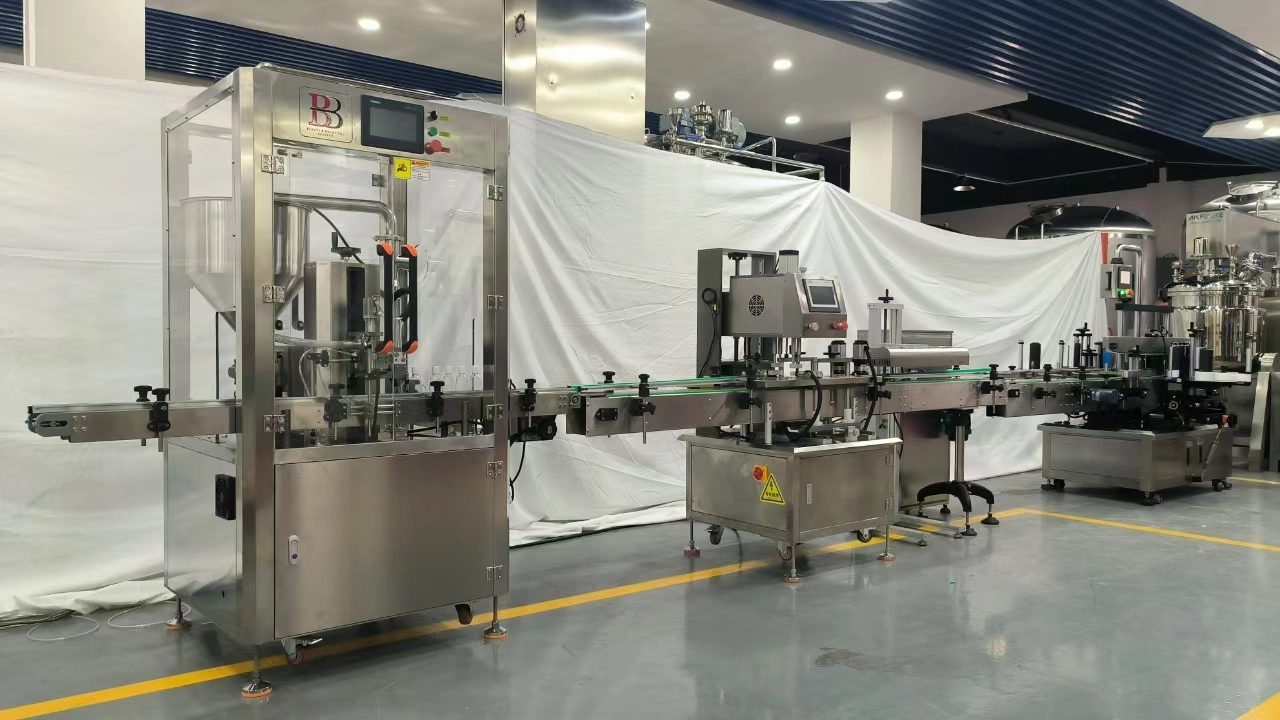
Understand the working principle of a servo gear pump filling machine!
Automatic Labeling Machine
Can you customize the machine?
Of course, we provide customized services according to customer needs.
The Flip Cover Liquid Wash Mixing Homogenizing Tank
Flip cover homogenizing mixing tank lacks a vacuum system. How should bubbles generated during mixing be handled?
Open mixing tank certainly can't remove air through vacuum like sealed equipment. However, if bubbles are affecting product quality, the following methods can be used to improve the process:
Process Adjustment: Reduce the mixing speed to prevent excessive air from being drawn into the material by high-speed turbulence. If homogenization is required, proceed in stages to reduce bubbles generated by a single shearing operation.
Assisted Degassing: For materials that can be heated, increase the temperature appropriately to reduce viscosity and promote bubble bubbling. Alternatively, allow the material to rest for a period of time after mixing to allow bubbles to dissipate naturally before proceeding to the next step.
Suitable Applications: This equipment is more suitable for products that are not sensitive to bubbles. For precision products requiring bubble-free production, a model with a vacuum function is recommended.
Perfume Filling Machine
Who are we?
Our headquarters is located in Guangzhou, Guangdong, China, and our factory is located in Yangzhou, Jiangsu. Our products are sold all over the world. We have approximately 50 employees in our company and factory.
Perfume Freezing Filter Making Machine
Why does perfume require freeze filtration? Is traditional filtration an alternative?
Traditional filtration only removes visible solid impurities. Soluble organic matter, colloids, and trace microorganisms in perfume are difficult to separate at room temperature, easily leading to turbidity, precipitation, and aroma deterioration after storage. Freeze filtration uses a low-temperature environment of -5°C to -15°C (depending on the formulation) to condense these hidden impurities into solid particles. These particles are then thoroughly trapped through precision filtration, while simultaneously allowing the fragrance components to fully blend. This is a core process that ensures the stability of high-end perfumes.
Automatic Tube Filling and Sealing Machine
Who are we?
Our headquarters is located in Guangzhou, Guangdong, China, and our factory is located in Yangzhou, Jiangsu. Our products are sold all over the world. We have approximately 50 employees in our company and factory.
Get in touch with FULUKE
If you have any comments or good suggestions, please leave us a message, later our professional staff will contact you as soon as possible.
You May Also Like
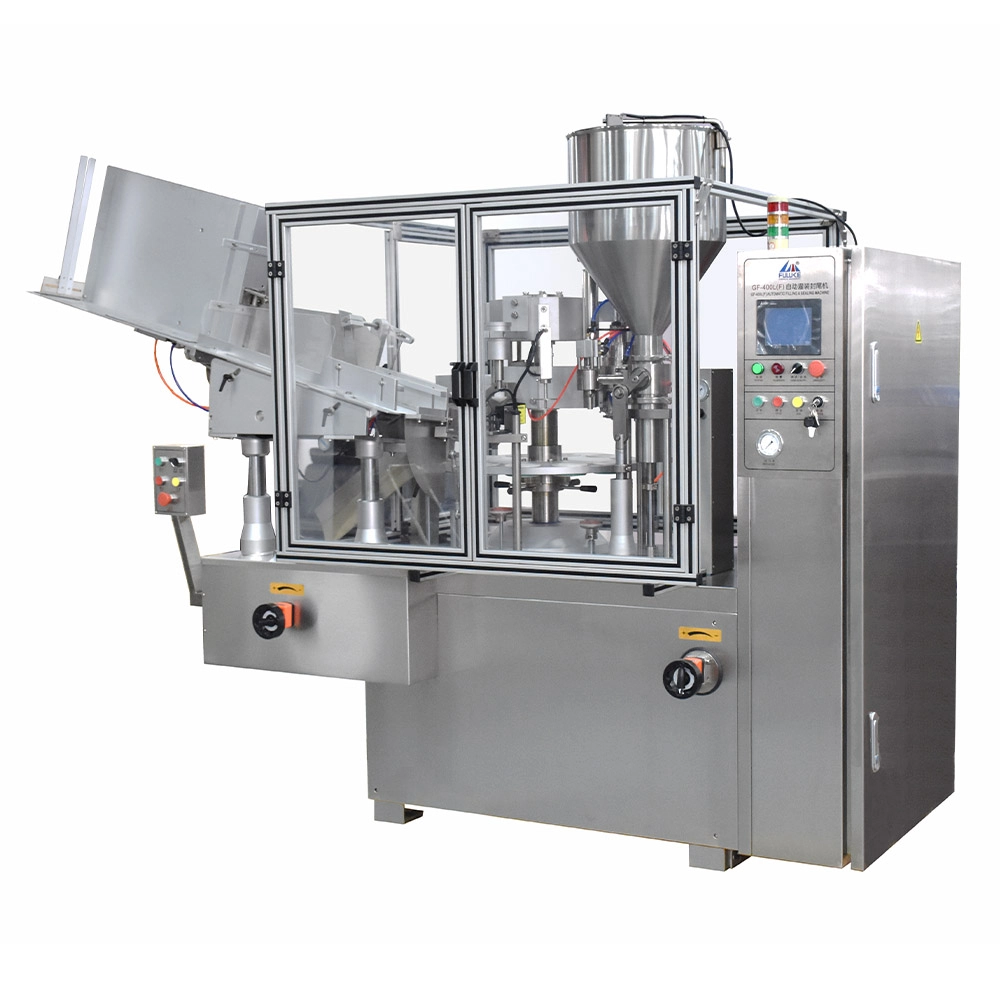
Automatic Tube Filling and Sealing Machine Toothpaste Sunscreen and Facial Cleanser Filling and Sealing Machine for Plastic and Aluminum-plastic Tube
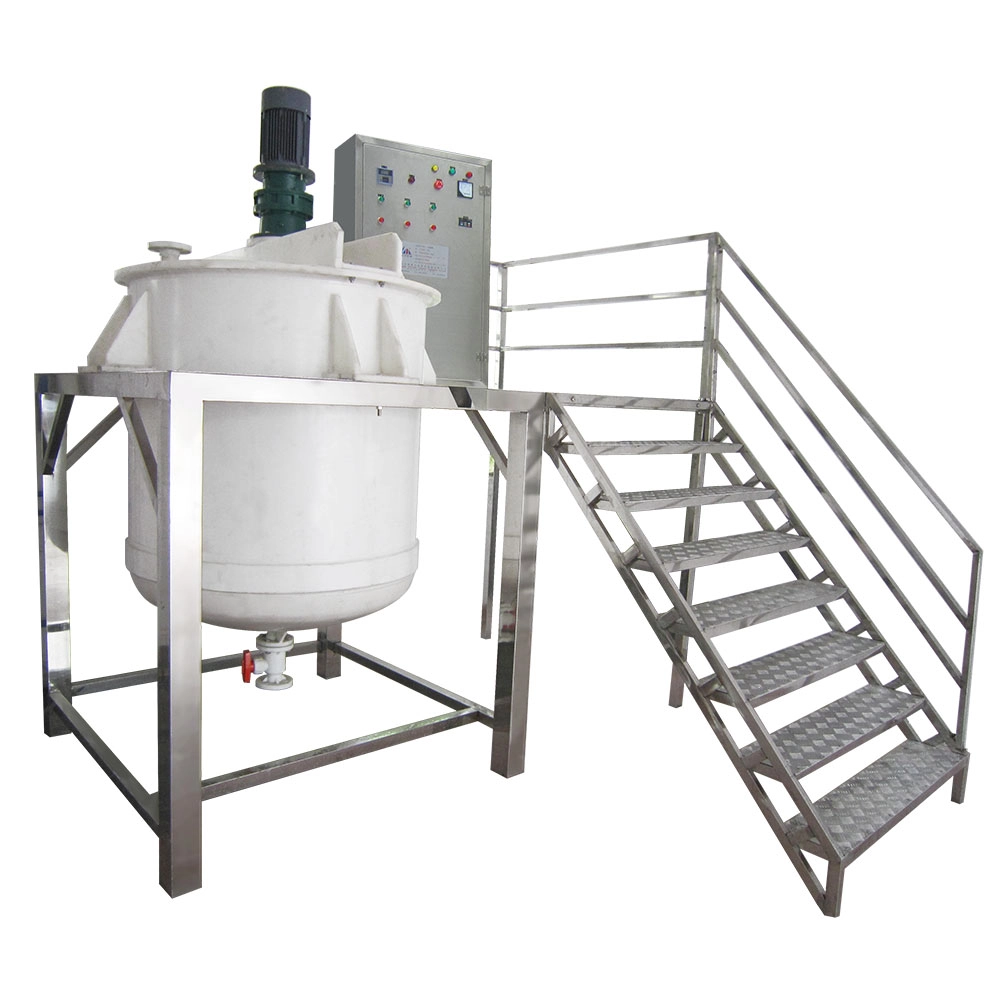
Polypropylene PP Mixing Tank Anti-Corrosion Mixer Reaction Kettle with Agitator Chemical Mixing Vessel
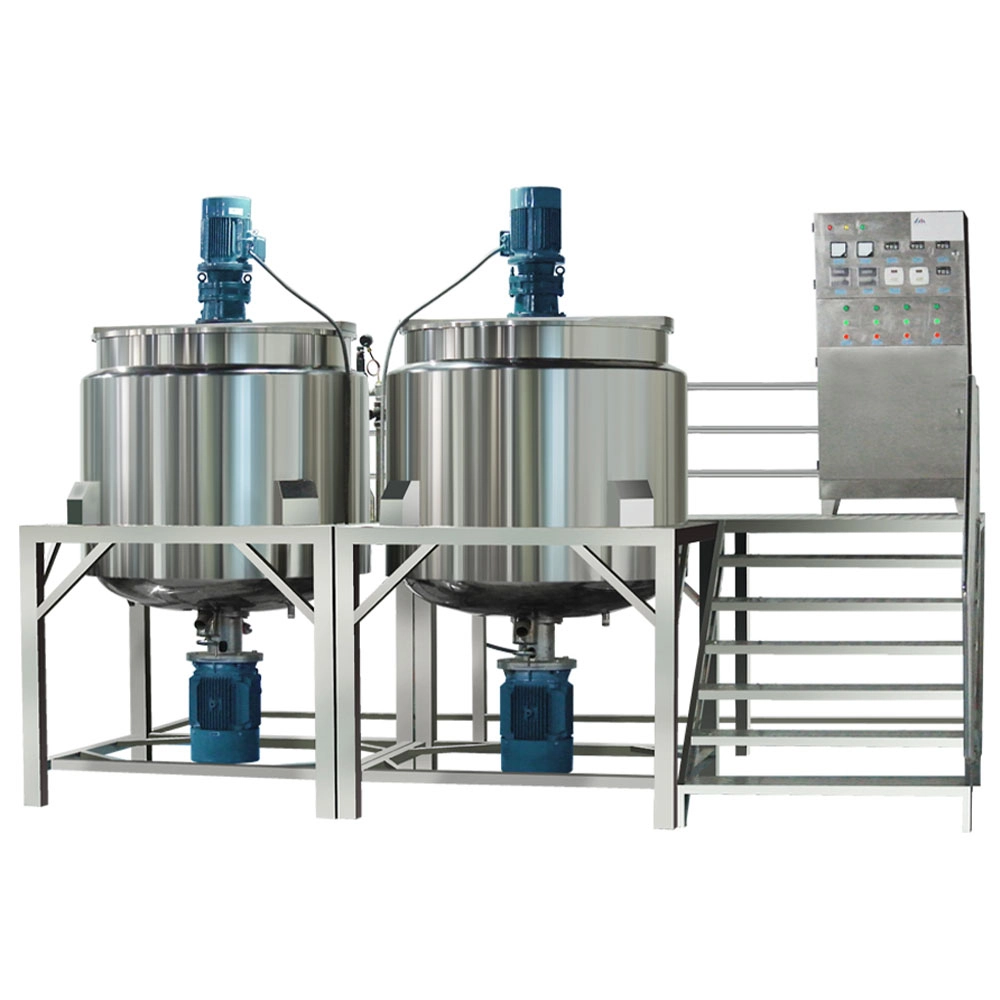
Flip Cover Multi-function Liquid Wash Mixing Tank Blender Liquid Detergent Mixer Homogenization Stirring Tank
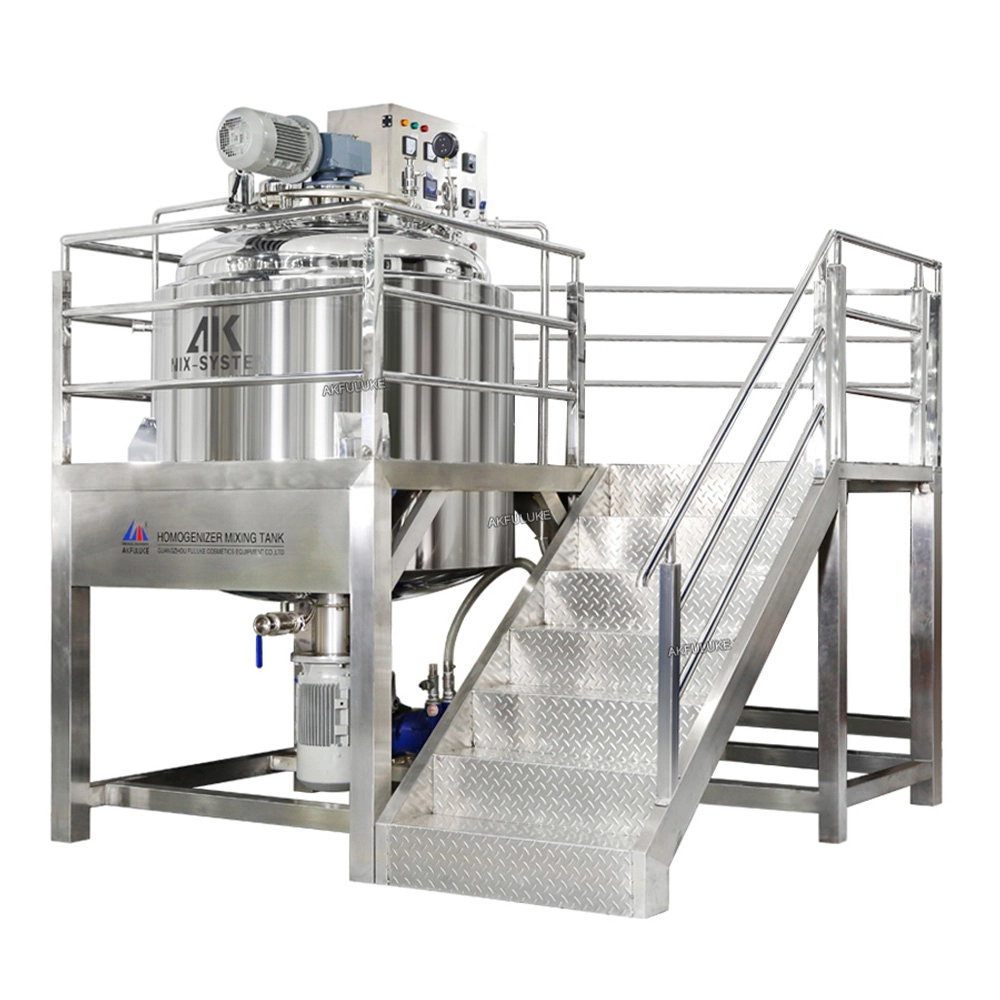
Stainless Steel Mixer Liquid Mixing tank with Agitator Homogenizing Mixing tank Vacuum Sealed Mixer Machine

A leading manufacturer specializing in advanced machinery and complete production lines for the cosmetics, food, pharmaceutical, and chemical industries worldwide.
Contact FULUKE
Facebook
Instagram
YouTube