
How to evaluate energy efficiency of mixing tanks with agitators?
- Understanding Mixing Tanks with Agitators in the Cosmetic Equipment Industry
- 1. What Are Mixing Tanks with Agitators?
- 2. How Do Agitators Enhance Mixing Efficiency?
- 3. What Factors Should Be Considered When Selecting a Mixing Tank with Agitator?
- 4. How Can Energy Efficiency Be Evaluated in Mixing Tanks with Agitators?
- 5. What Are the Maintenance Considerations for Mixing Tanks with Agitators?
- 6. How Do Jacketed Tanks Improve Processing Efficiency?
- 7. What Are the Cost Implications of Mixing Tanks with Agitators?
- 8. How Does Agitator Design Affect Energy Efficiency?
- Conclusion: Why Choose FULUKE for Your Mixing Tank Needs?
Understanding Mixing Tanks with Agitators in the Cosmetic Equipment Industry
Mixing tanks with agitators are pivotal in the cosmetic equipment industry, ensuring the consistent blending of ingredients to produce high-quality products. Selecting the appropriate mixing tank is crucial for achieving optimal product texture, stability, and efficiency in production processes.
1. What Are Mixing Tanks with Agitators?
Mixing tanks with agitators are specialized vessels equipped with mechanical devices designed to blend, emulsify, or homogenize various substances. In the cosmetic industry, these tanks facilitate the uniform mixing of ingredients such as creams, lotions, gels, and serums, ensuring consistent product quality.
2. How Do Agitators Enhance Mixing Efficiency?
Agitators improve mixing efficiency by creating controlled movement within the tank, ensuring uniformity and preventing sedimentation. Properly designed agitators ensure uniformity of mixtures, improve reaction times, and enhance product quality by effectively blending solids, liquids, and gases.
3. What Factors Should Be Considered When Selecting a Mixing Tank with Agitator?
When choosing a mixing tank with an agitator, consider the following factors:
Capacity Requirements: Determine the volume of product to be produced to select a tank size that meets production needs.
Material Compatibility: Ensure the tank and agitator materials are compatible with the ingredients to prevent contamination and degradation.
Agitator Design: Select an agitator type (e.g., anchor, propeller, turbine) based on the viscosity and nature of the materials being mixed.
Temperature Control: Consider tanks with heating or cooling jackets to maintain optimal temperatures for sensitive formulations.
Compliance and Certifications: Verify that the equipment meets industry standards and certifications relevant to cosmetic manufacturing.
4. How Can Energy Efficiency Be Evaluated in Mixing Tanks with Agitators?
Evaluating energy efficiency involves:
Assessing Total Cost of Ownership (TCO): Calculate the purchase price, energy consumption, maintenance costs, and expected lifespan to determine the overall cost-effectiveness.
Analyzing Energy Consumption: Monitor the energy usage during operation to identify opportunities for optimization.
Implementing Energy-Efficient Practices: Utilize variable speed drives, optimize mixing times, and ensure regular maintenance to enhance energy efficiency.
5. What Are the Maintenance Considerations for Mixing Tanks with Agitators?
Regular maintenance is essential to ensure optimal performance and longevity of mixing tanks with agitators. Key maintenance tasks include:
Seal Replacements: Periodically replace seals to prevent leaks and maintain efficiency.
Impeller Balancing: Ensure agitator blades are balanced to reduce vibrations and wear.
Sensor Calibrations: Regularly calibrate sensors to maintain accurate measurements.
Preventive Cleaning: Implement routine cleaning procedures to prevent contamination and ensure product quality.
6. How Do Jacketed Tanks Improve Processing Efficiency?
Jacketed tanks feature heating or cooling jackets that provide precise temperature control, which is crucial for processes like emulsification in cosmetic manufacturing. Maintaining a temperature within ±1°C can reduce mixing time by 25-40% and prevent ingredient degradation in heat-sensitive formulations.
7. What Are the Cost Implications of Mixing Tanks with Agitators?
The cost of mixing tanks with agitators varies based on capacity, material, and features. Entry-level systems for small-scale operations may start at $300-$1,200, while larger, customized tanks can be significantly more expensive. It's important to consider the total cost of ownership, including purchase price, energy consumption, maintenance, and potential downtime.
8. How Does Agitator Design Affect Energy Efficiency?
The design of the agitator plays a significant role in energy efficiency. For instance, axial flow impellers typically consume less energy for low to medium viscosity fluids compared to radial flow designs. Selecting the appropriate agitator type based on the specific application can lead to substantial energy savings.
Conclusion: Why Choose FULUKE for Your Mixing Tank Needs?
FULUKE offers a range of high-quality mixing tanks with agitators tailored to the cosmetic equipment industry. Our products are designed with energy efficiency, durability, and compliance with industry standards in mind. By choosing FULUKE, you ensure reliable performance, cost-effectiveness, and superior product quality in your manufacturing processes.
References:- ((https://www.fulukemix.com/article/choosing-mixing-tank-with-agitator/))

Understanding Servo Capping Machines: The Core Logic of Precise Capping – Understand the Entire Working Process in Seconds
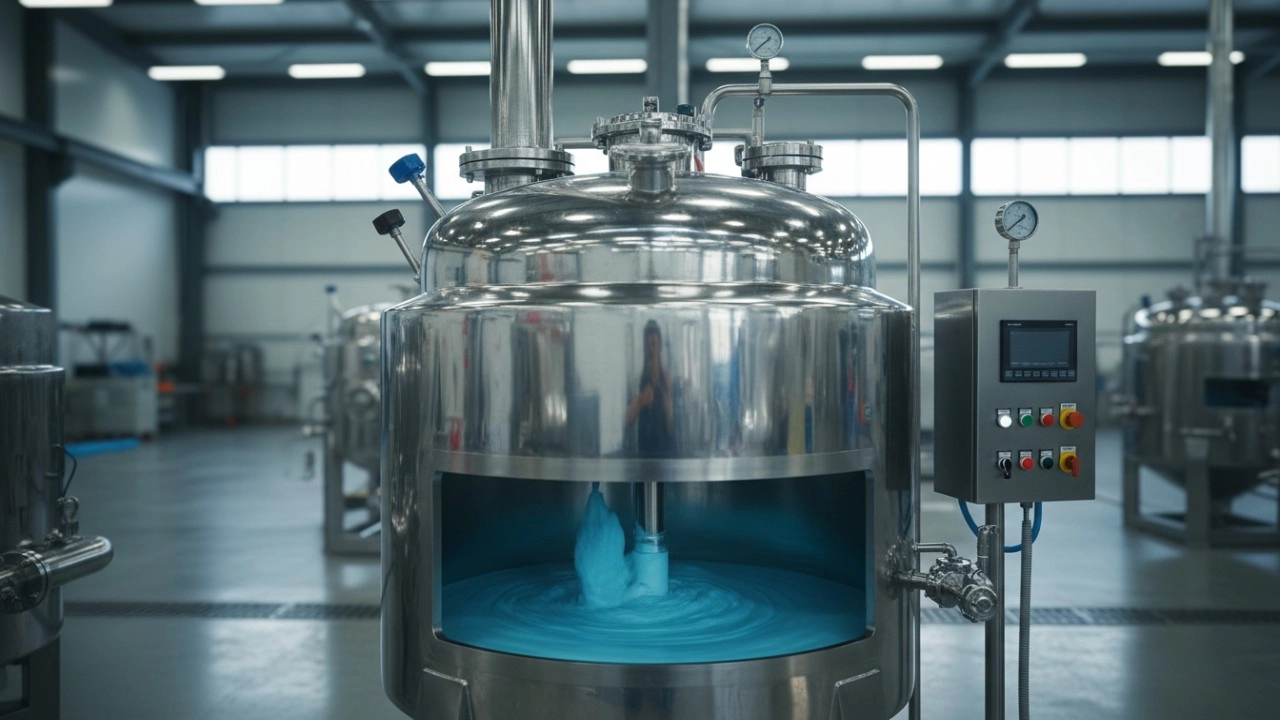
The Future of Industrial Agitation: 5 Smart Mixing Tank Technologies Changing the Game
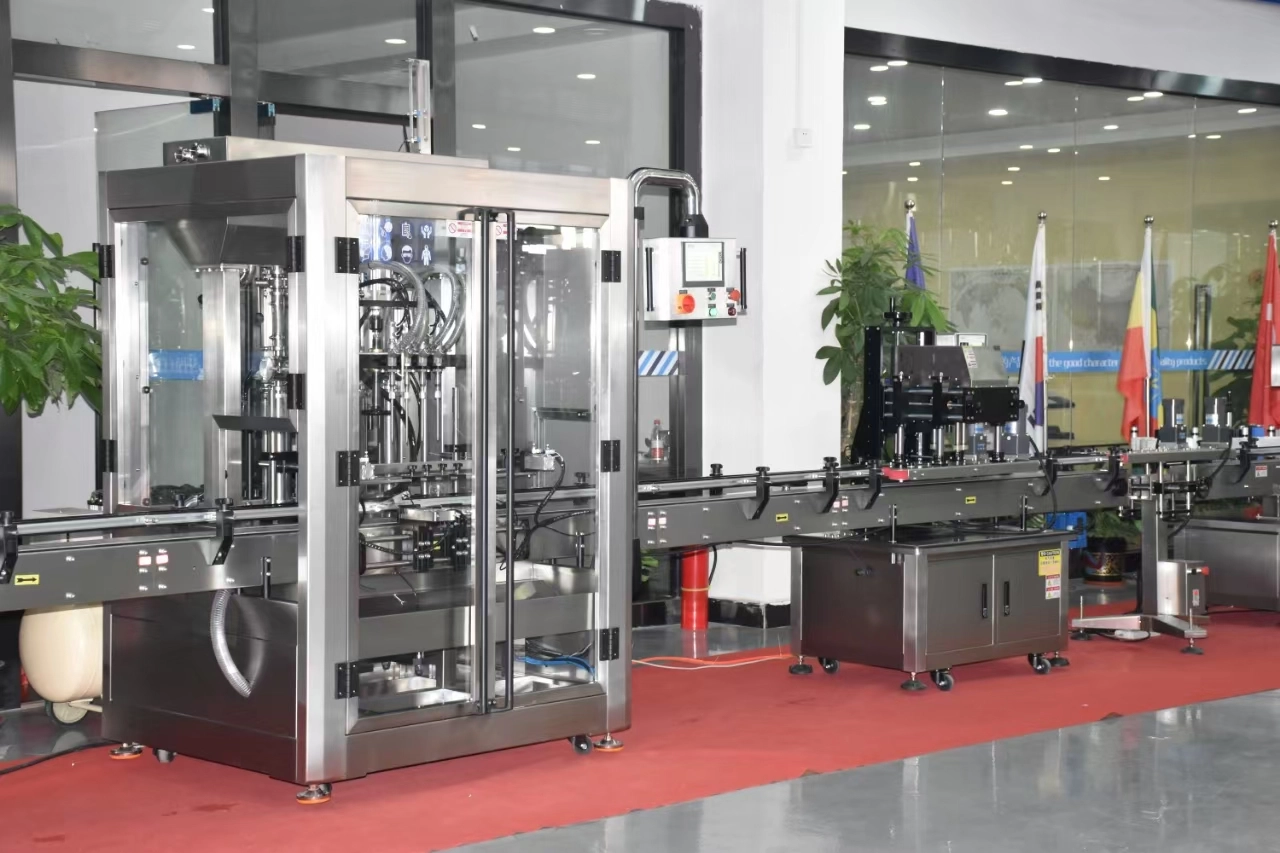
Gear pump filling machine vs. piston filling machine: Key differences broken down to avoid pitfalls in selection.
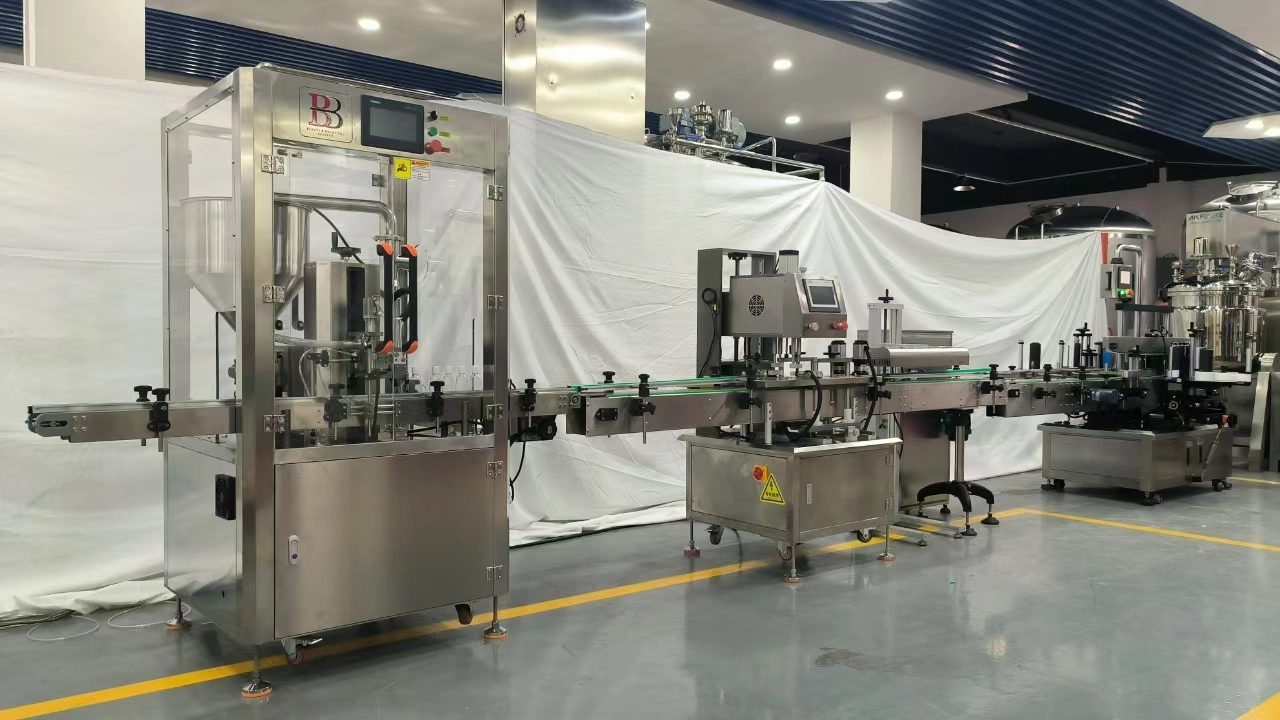
Understand the working principle of a servo gear pump filling machine!
FAQs
What sets FULUKE apart from other cosmetics machinery manufacturers?
Perfume Filling Machine
Who are we?
Our headquarters is located in Guangzhou, Guangdong, China, and our factory is located in Yangzhou, Jiangsu. Our products are sold all over the world. We have approximately 50 employees in our company and factory.
The Flip Cover Liquid Wash Mixing Homogenizing Tank
Can flip cover homogenizing mixing tank ensure hygienic safety when handling materials such as food and cosmetics?
Material Compliance: The equipment's pot, agitator, homogenizer, and other material-contacting components are all made of 316L stainless steel, which is corrosion-resistant and easy to clean, meeting food-grade and cosmetic-grade hygiene requirements.
Easy Cleaning: The open-top design allows direct access to corners within the pot, allowing for thorough cleaning by hand or with tools.
Operational Specifications: The equipment can be disinfected before use (e.g., hot water for food processing). After use, cleanup any remaining material promptly to avoid cross-contamination.
Film Packaging Machine
Who are we?
Our headquarters is located in Guangzhou, Guangdong, China, and our factory is located in Yangzhou, Jiangsu. Our products are sold all over the world. We have approximately 50 employees in our company and factory.
Perfume Freezing Filter Making Machine
Why does perfume require freeze filtration? Is traditional filtration an alternative?
Traditional filtration only removes visible solid impurities. Soluble organic matter, colloids, and trace microorganisms in perfume are difficult to separate at room temperature, easily leading to turbidity, precipitation, and aroma deterioration after storage. Freeze filtration uses a low-temperature environment of -5°C to -15°C (depending on the formulation) to condense these hidden impurities into solid particles. These particles are then thoroughly trapped through precision filtration, while simultaneously allowing the fragrance components to fully blend. This is a core process that ensures the stability of high-end perfumes.
Get in touch with FULUKE
If you have any comments or good suggestions, please leave us a message, later our professional staff will contact you as soon as possible.
You May Also Like
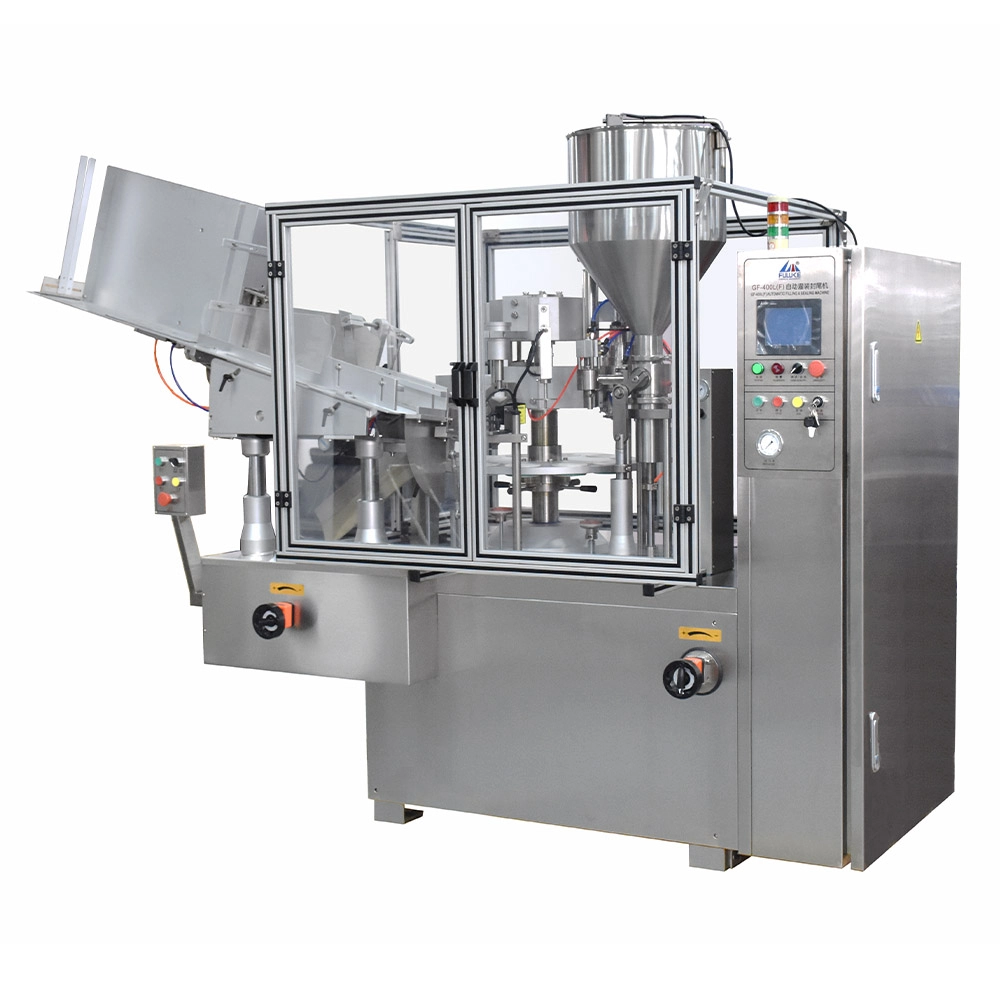
Automatic Tube Filling and Sealing Machine Toothpaste Sunscreen and Facial Cleanser Filling and Sealing Machine for Plastic and Aluminum-plastic Tube
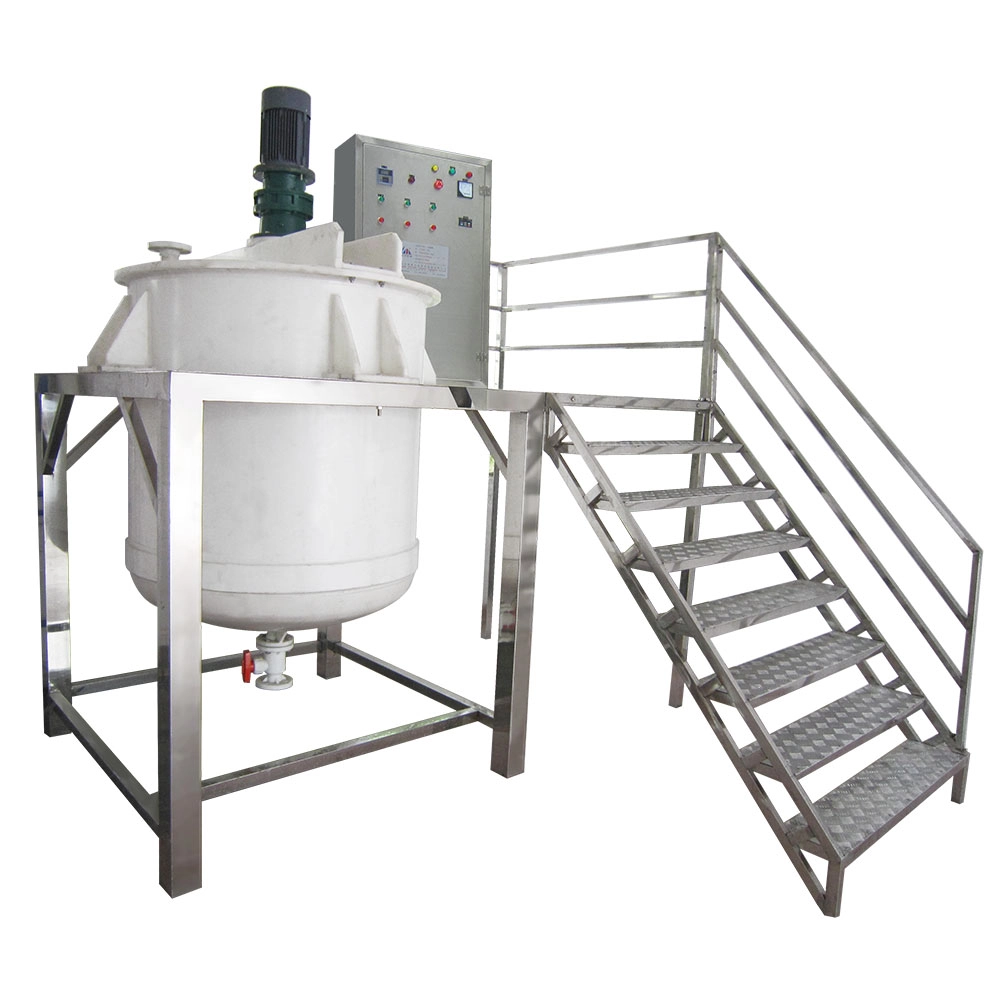
Polypropylene PP Mixing Tank Anti-Corrosion Mixer Reaction Kettle with Agitator Chemical Mixing Vessel
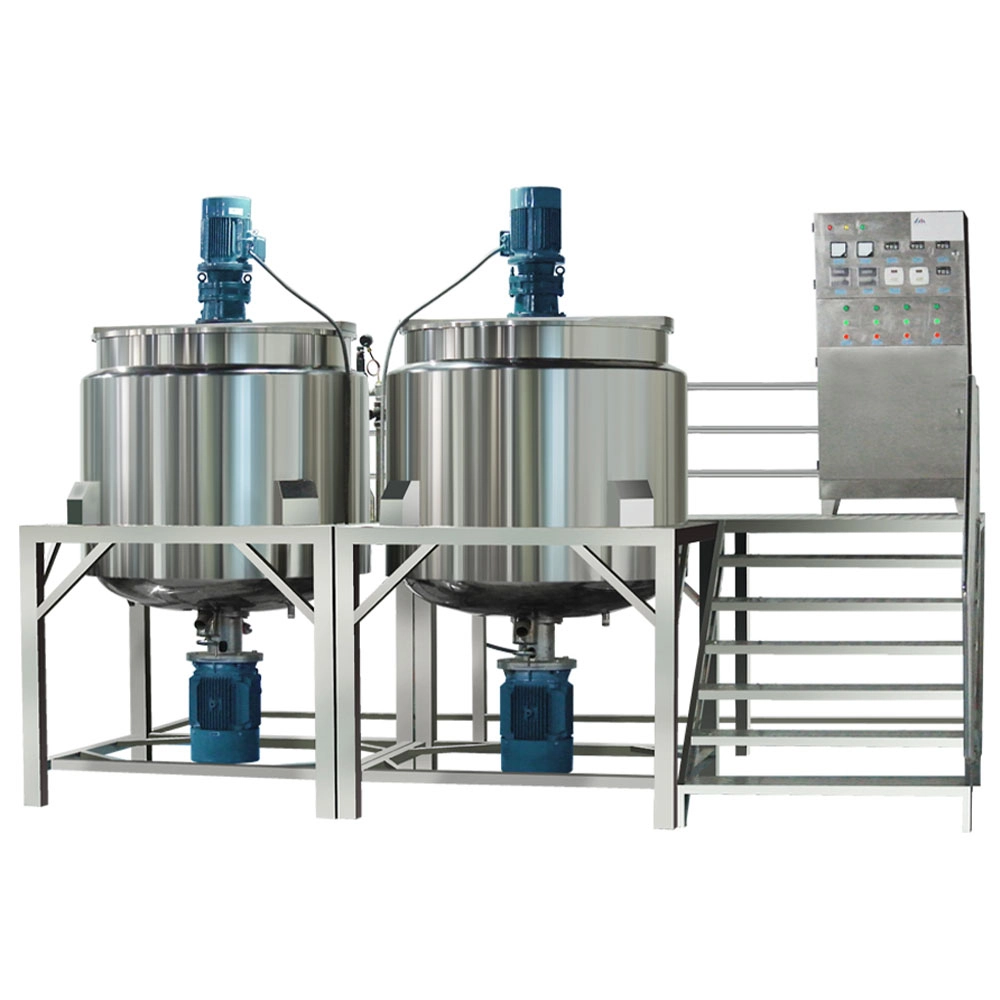
Flip Cover Multi-function Liquid Wash Mixing Tank Blender Liquid Detergent Mixer Homogenization Stirring Tank
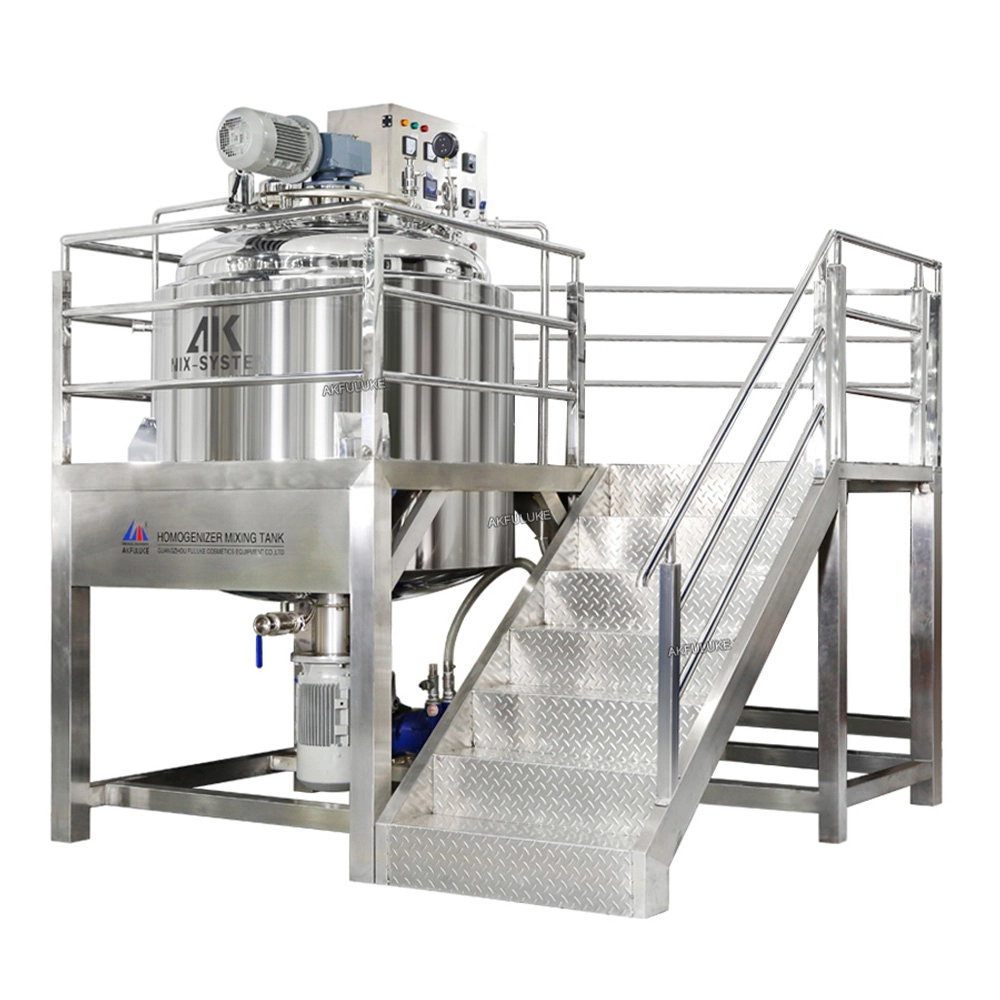
Stainless Steel Mixer Liquid Mixing tank with Agitator Homogenizing Mixing tank Vacuum Sealed Mixer Machine

A leading manufacturer specializing in advanced machinery and complete production lines for the cosmetics, food, pharmaceutical, and chemical industries worldwide.
Contact FULUKE
Facebook
Instagram
YouTube