
How to minimize dead zones in a mixing tank with agitator?
- Understanding Mixing Tanks with Agitators
- 1. What are the primary functions of an agitator in a mixing tank?
- 2. How does the design of the agitator impact the reduction of dead zones?
- 3. What are dead zones, and why are they problematic in mixing tanks?
- 4. How can dead zones be minimized in mixing tanks?
- 5. What are the benefits of minimizing dead zones in mixing tanks?
- 6. How does the choice of tank material affect mixing efficiency?
- 7. What maintenance practices are recommended for mixing tanks with agitators?
- 8. How can energy efficiency be optimized in mixing processes?
- 9. What role does customer feedback play in selecting mixing equipment?
- 10. How does the choice of agitator design impact operational issues?
- Conclusion: FULUKE's Commitment to Quality Mixing Solutions
In the cosmetic manufacturing industry, achieving uniform mixing is crucial for product quality. Mixing tanks equipped with agitators play a pivotal role in this process. This article addresses common questions related to mixing tanks with agitators, emphasizing strategies to minimize dead zones and optimize mixing efficiency.
Understanding Mixing Tanks with Agitators
Mixing tanks with agitators are essential in cosmetic production for blending ingredients uniformly. The agitator's design and operation significantly influence the mixing process, affecting product consistency and quality.
1. What are the primary functions of an agitator in a mixing tank?
An agitator's main functions include:
Homogenization: Ensuring uniform distribution of all components.
Suspension: Preventing settling of solids.
Emulsification: Facilitating the blending of immiscible liquids.
Heat Transfer: Enhancing the transfer of heat or cold to the mixture.
The choice of agitator type—such as anchor, paddle, or turbine—depends on the specific application and material properties.
2. How does the design of the agitator impact the reduction of dead zones?
The agitator's design is crucial in minimizing dead zones—areas where fluid movement is minimal, leading to uneven mixing. For instance, hyperboloid mixers create three-dimensional flow patterns that reach all tank areas, effectively reducing dead zones.
3. What are dead zones, and why are they problematic in mixing tanks?
Dead zones are regions within a mixing tank where fluid movement is insufficient, causing uneven mixing and potential product inconsistencies. In cosmetic manufacturing, dead zones can lead to:
Inconsistent Product Quality: Variations in texture, color, or efficacy.
Increased Waste: Unmixed materials may require disposal.
Operational Inefficiencies: Extended processing times and higher energy consumption.
4. How can dead zones be minimized in mixing tanks?
To minimize dead zones:
Agitator Selection: Choose agitators that promote comprehensive fluid movement.
Tank Design: Incorporate baffles to disrupt circular flow patterns and enhance mixing.
Operational Parameters: Adjust agitator speed and position to optimize flow dynamics.
Implementing these strategies ensures thorough mixing and consistent product quality.
5. What are the benefits of minimizing dead zones in mixing tanks?
Reducing dead zones offers several advantages:
Improved Product Consistency: Ensures uniform texture and performance.
Enhanced Operational Efficiency: Reduces processing times and energy usage.
Cost Savings: Decreases material waste and potential rework.
6. How does the choice of tank material affect mixing efficiency?
The tank material influences mixing efficiency and product quality. Materials like stainless steel offer durability and ease of cleaning, while glass-lined tanks provide chemical resistance. Selecting the appropriate material based on the cosmetic products being mixed is essential.
7. What maintenance practices are recommended for mixing tanks with agitators?
Regular maintenance practices include:
Routine Inspections: Check for wear, corrosion, and proper functioning.
Cleaning: Ensure thorough cleaning to prevent contamination.
Lubrication: Maintain moving parts to reduce friction and wear.
Proper maintenance extends equipment lifespan and maintains mixing efficiency.
8. How can energy efficiency be optimized in mixing processes?
To optimize energy efficiency:
Variable-Speed Drives: Adjust agitator speed based on material viscosity.
Energy-Efficient Agitators: Select designs that require less power.
Automated Control Systems: Monitor and adjust mixing parameters in real-time.
These measures reduce operational costs and support sustainable practices.
9. What role does customer feedback play in selecting mixing equipment?
Customer feedback provides insights into equipment performance, reliability, and after-sales support. Engaging with current users helps in understanding maintenance requirements and operational challenges, aiding in informed decision-making.
10. How does the choice of agitator design impact operational issues?
Selecting the right agitator design is crucial to prevent operational issues such as vibrations, imbalances, and overloading. A well-designed agitator tailored to specific applications ensures efficient mixing and reduces maintenance needs.
Conclusion: FULUKE's Commitment to Quality Mixing Solutions
FULUKE specializes in providing high-quality mixing tanks with agitators tailored for the cosmetic industry. Our equipment is designed to minimize dead zones, enhance mixing efficiency, and ensure consistent product quality. With a focus on durability, energy efficiency, and customer satisfaction, FULUKE is your trusted partner in optimizing mixing processes.
By addressing these key considerations, cosmetic manufacturers can make informed decisions when selecting mixing tanks with agitators, leading to improved product quality and operational efficiency.
References:
A Complete Guide to Chemical Mixing Tanks with Agitators. SD Chenma. (https://sdchenma.com/blog/chemical-mixing-tanks-with-agitators-guide/)
Pharmaceutical Mixing Tank Selection Guide: Capacity, Agitation, and Applications. Everheal Group. (https://www.everhealgroup.com/news/pharmaceutical-mixing-tank-selection-guide-capacity-agitation-and-applications.html)
The Ultimate Guide to Chemical Mixing Tanks with Agitators for Pharmaceutical and Industrial Applications. Everheal Group. (https://www.everhealgroup.com/news/unlocking-efficiency-and-quality-the-ultimate-guide-to-chemical-mixing-tanks-with-agitators-for-pharmaceutical-and-industrial-applications.html)
Prevent Agitator Sludge: Impeller Choice and Control. MXD Process. (https://www.mxdprocess.com/blog/side-entry-mixer-positioning-in-oil-storage-tanks)
Design and Layout of Emulsifier for Cosmetics. Jinzong Machinery. (https://m.jinzong.com.cn/displaynews.html?id=5839301992645440&mdId=com_1198)
By considering these factors, cosmetic manufacturers can enhance their mixing processes, leading to superior product quality and operational efficiency.

Understanding Servo Capping Machines: The Core Logic of Precise Capping – Understand the Entire Working Process in Seconds
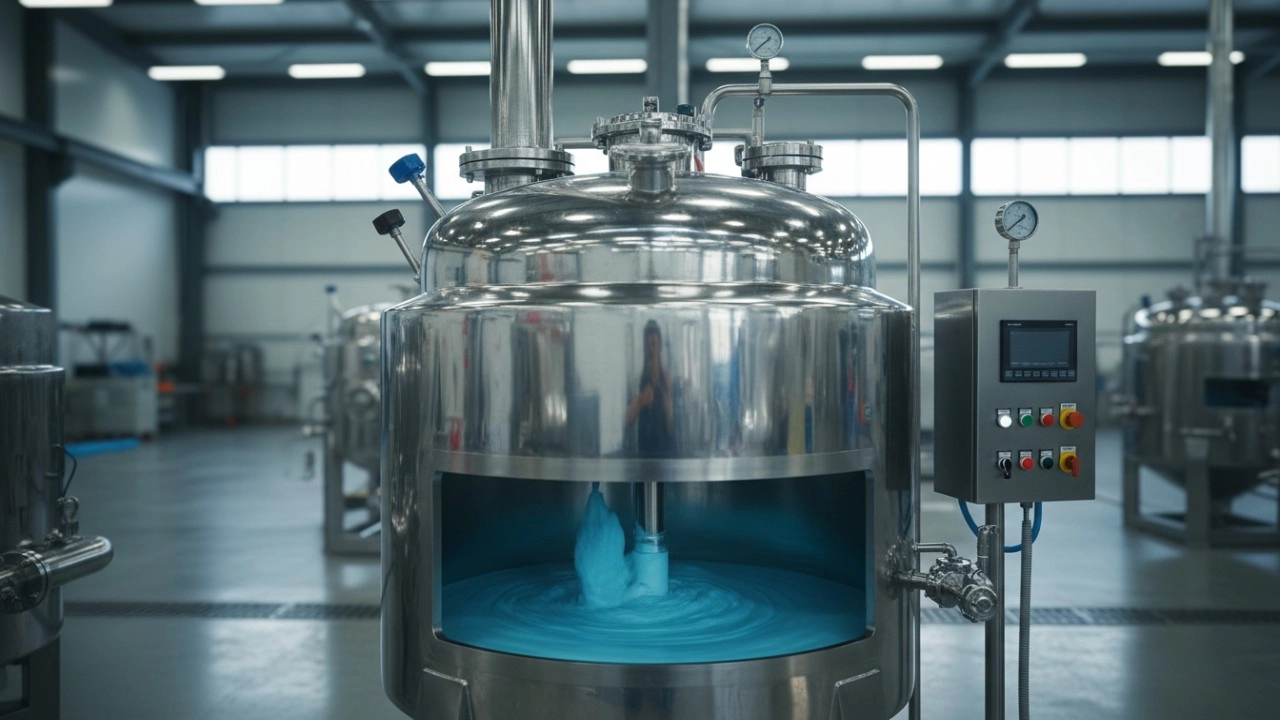
The Future of Industrial Agitation: 5 Smart Mixing Tank Technologies Changing the Game
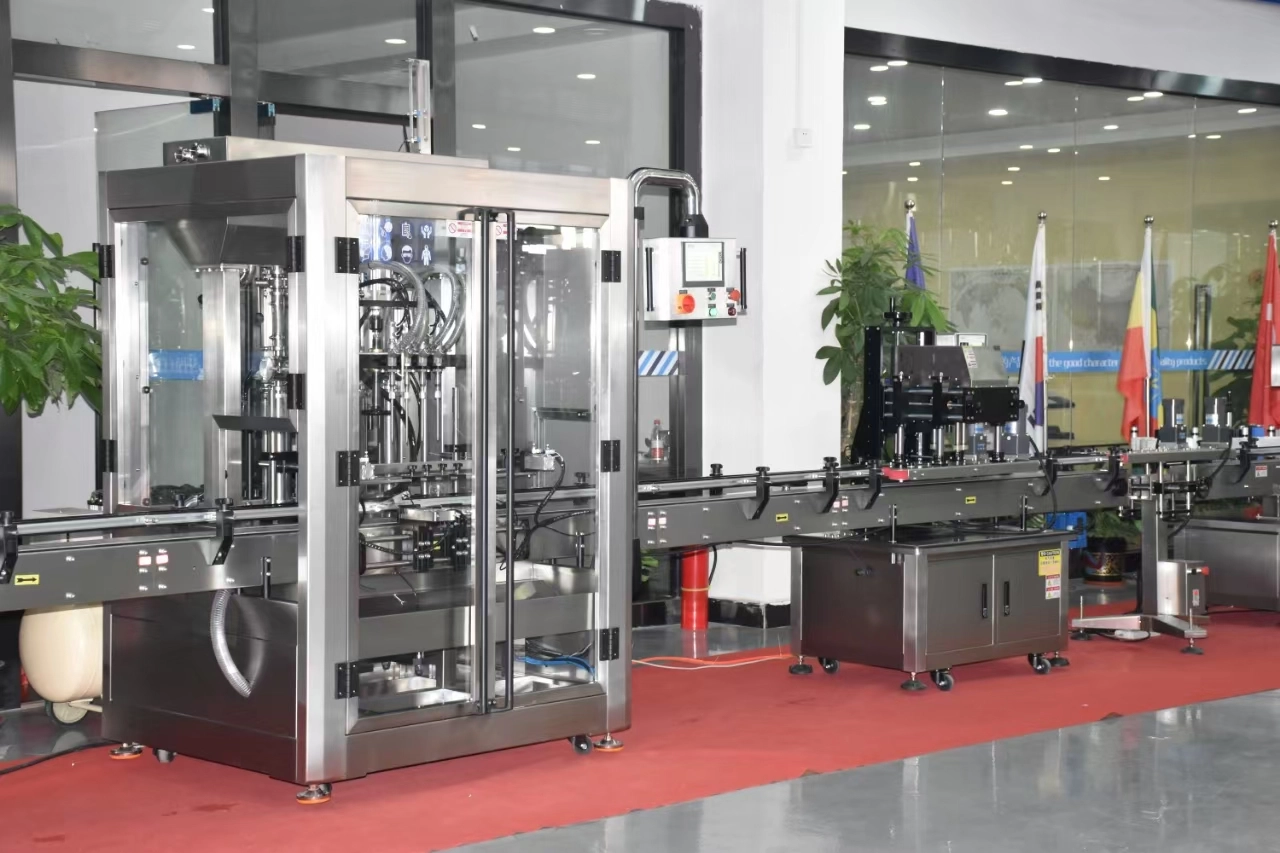
Gear pump filling machine vs. piston filling machine: Key differences broken down to avoid pitfalls in selection.
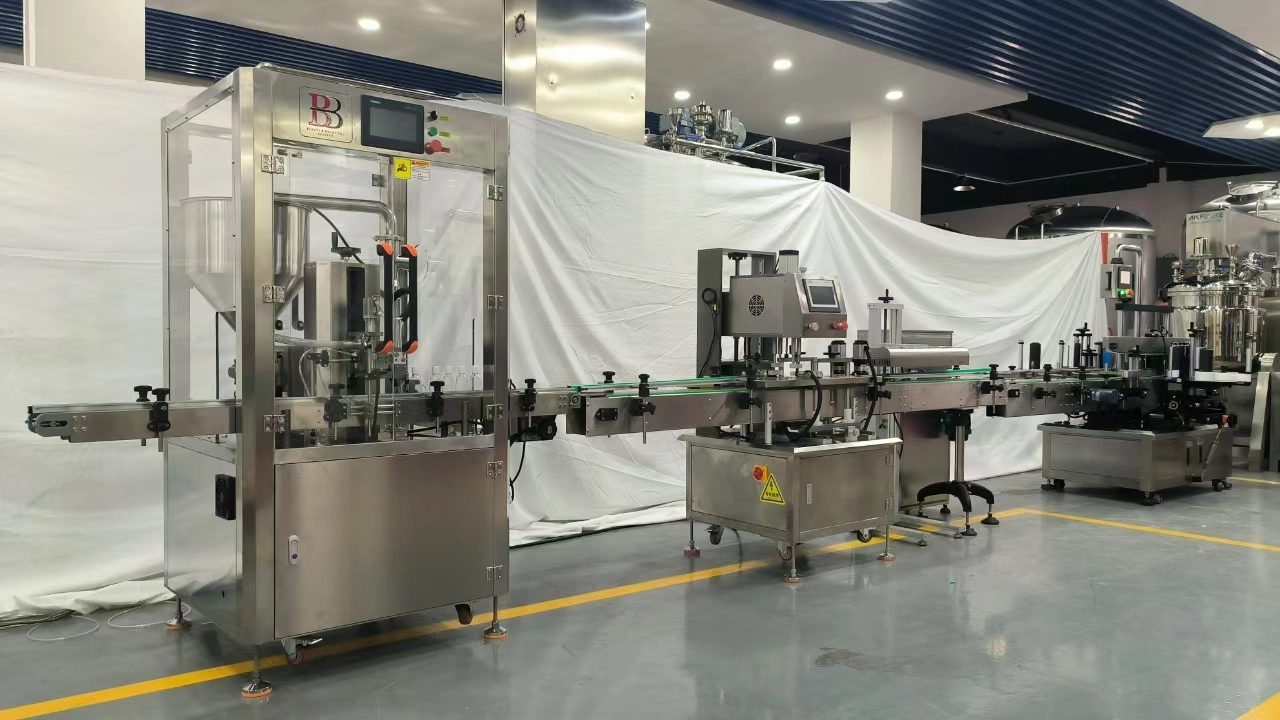
Understand the working principle of a servo gear pump filling machine!
Storage Tank
Can you customize the machine?
Of course, we provide customized services according to customer needs.
Who are we?
Our headquarters is located in Guangzhou, Guangdong, China, and our factory is located in Yangzhou, Jiangsu. Our products are sold all over the world. We have approximately 50 employees in our company and factory.
Automatic Facial Mask Filling Machine
Do you have a complete production line for facial masks?
Of course, we can also provide high-speed facial mask folding machine + online weighing and rejecting machine + automatic sheet counting machine + automatic cartoning machine + automatic three-dimensional cigarette packaging machine + online inkjet printer, etc.
Sealed Homogenizing Mixing Tank
What can you buy from us?
RO Water Treatment、Vacuum Emulsifying Machine、Homogenizer Mixing Tank、Filling and Capping、labeling Machine、Packing Machine、Storage Tank,etc.
Vacuum Emulsifying Machine
How does the vacuum homogenizer work?
The vacuum homogenizer's operating process revolves around four core steps: vacuum degassing, high-speed homogenization and emulsification, stirring and mixing, and temperature control. Through the coordinated operation of multiple systems, it achieves refined material processing. The following is its specific operating principle and process:
1. Pretreatment: Material feeding and vacuum environment establishment
Material preparation: First, add the basic materials, such as the oil phase (such as oils and waxes) and the aqueous phase (such as water and water-soluble ingredients), to their corresponding batching tanks or directly into the main emulsifier in sequence.
Evacuation: Activate the vacuum system (consisting of a vacuum pump, vacuum valve, etc.) to evacuate the interior of the emulsifier, creating a negative pressure environment (typically up to -0.09 MPa).
2. Core Process: Temperature Control (Heating/Cooling)
3. Core Process: Agitation and Mixing
Agitation Structure: Typically uses a "frame agitator + scraper" combination (for high-viscosity materials):
Through shearing, folding, and convection, the different materials are initially mixed and their stratification is broken down.
The PTFE scraper rotates closely against the pot wall, thoroughly scraping away any sticky material adhering to the pot wall, preventing localized overheating and residue, and ensuring zero dead zones.
4. Core Process: High-Speed Homogenization and Emulsification
Homogenizer Structure: A high-speed rotating homogenizer is installed at the bottom (or side) of the emulsifier, consisting of a rotor (with sharp teeth) and a stator (with fixed teeth). Working Principle: The rotor rotates at an extremely high speed, generating a strong centrifugal force that draws the material into the gap between the rotor and the stator. In this gap, the material is subjected to the triple effects of shear force, impact force, and turbulent force. The teeth of the rotor and stator quickly cut the material and generate high-frequency vibrations.
Get in touch with FULUKE
If you have any comments or good suggestions, please leave us a message, later our professional staff will contact you as soon as possible.
You May Also Like
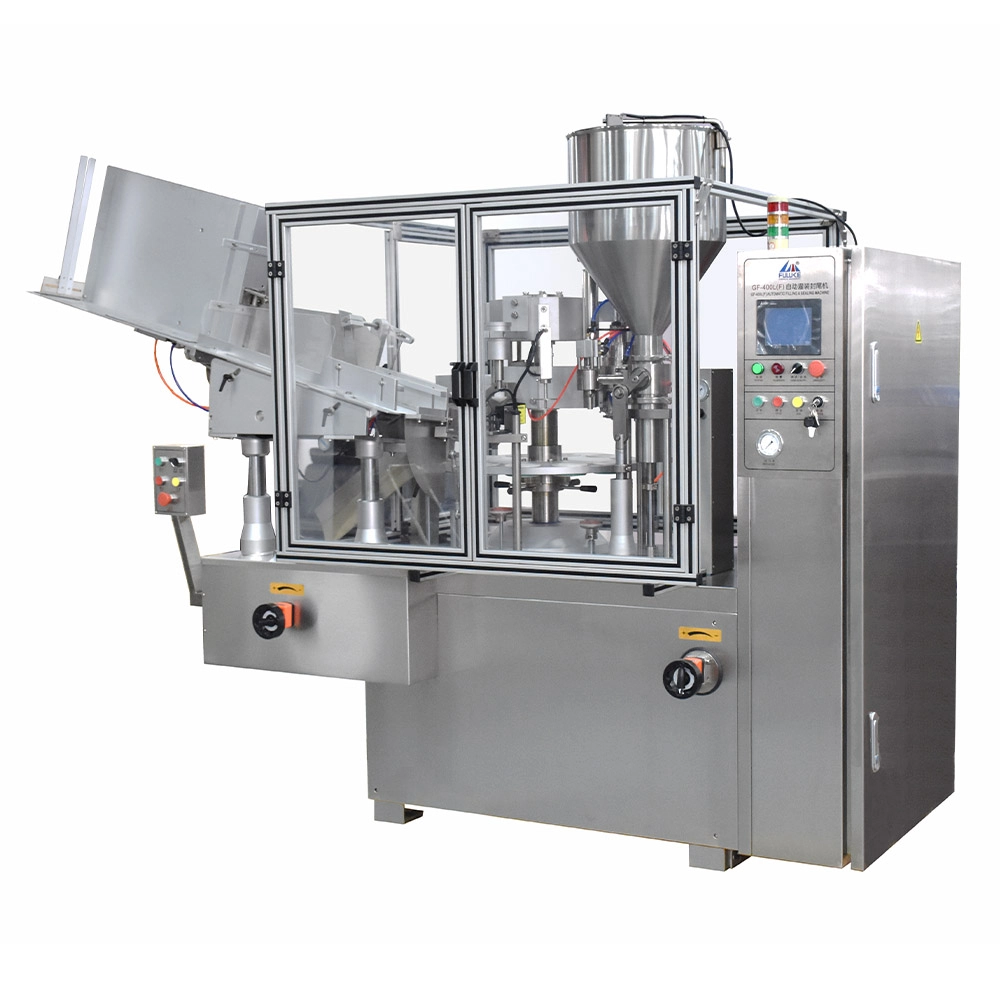
Automatic Tube Filling and Sealing Machine Toothpaste Sunscreen and Facial Cleanser Filling and Sealing Machine for Plastic and Aluminum-plastic Tube
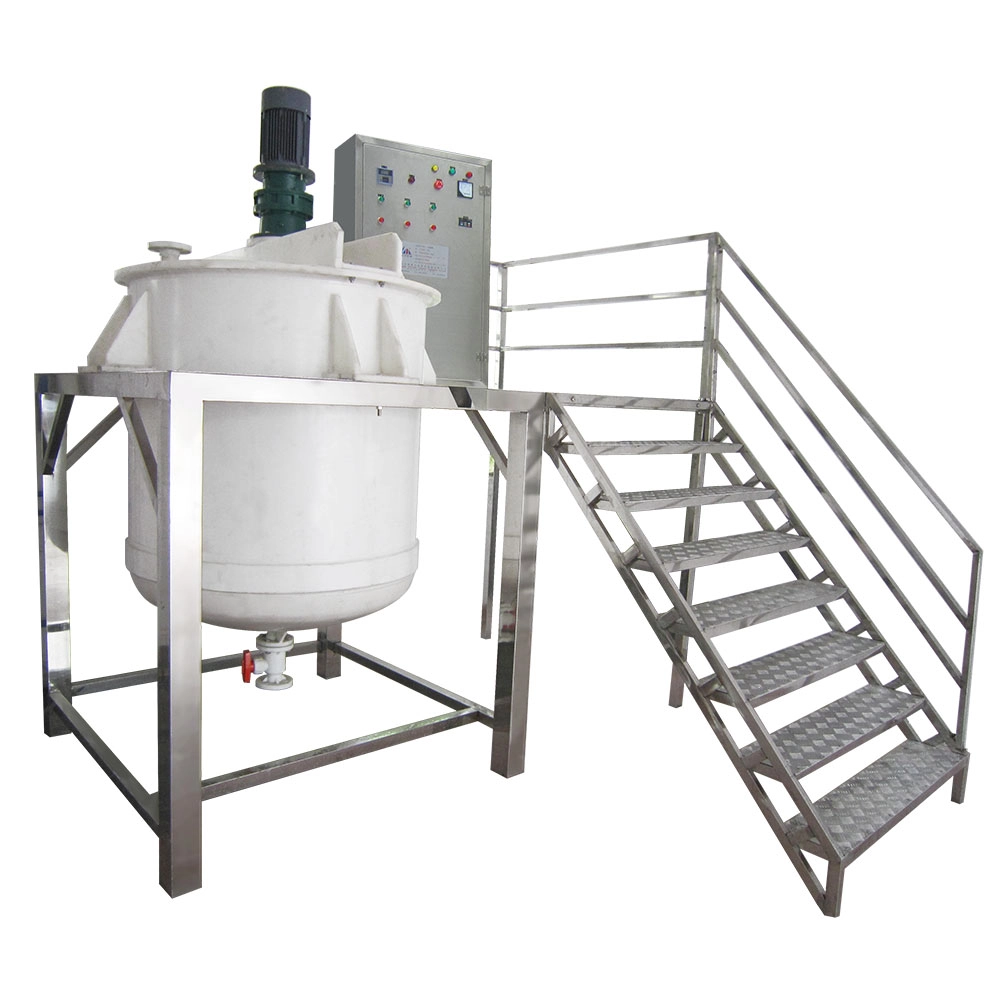
Polypropylene PP Mixing Tank Anti-Corrosion Mixer Reaction Kettle with Agitator Chemical Mixing Vessel
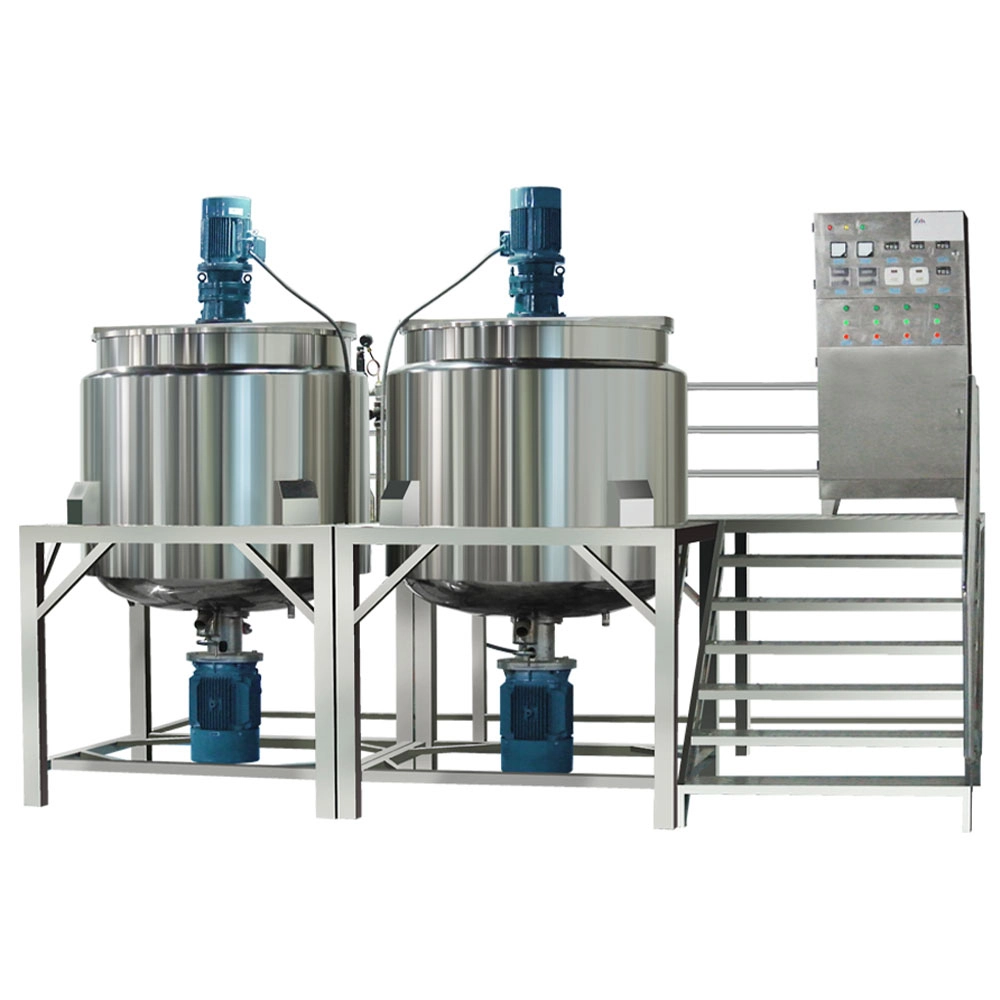
Flip Cover Multi-function Liquid Wash Mixing Tank Blender Liquid Detergent Mixer Homogenization Stirring Tank
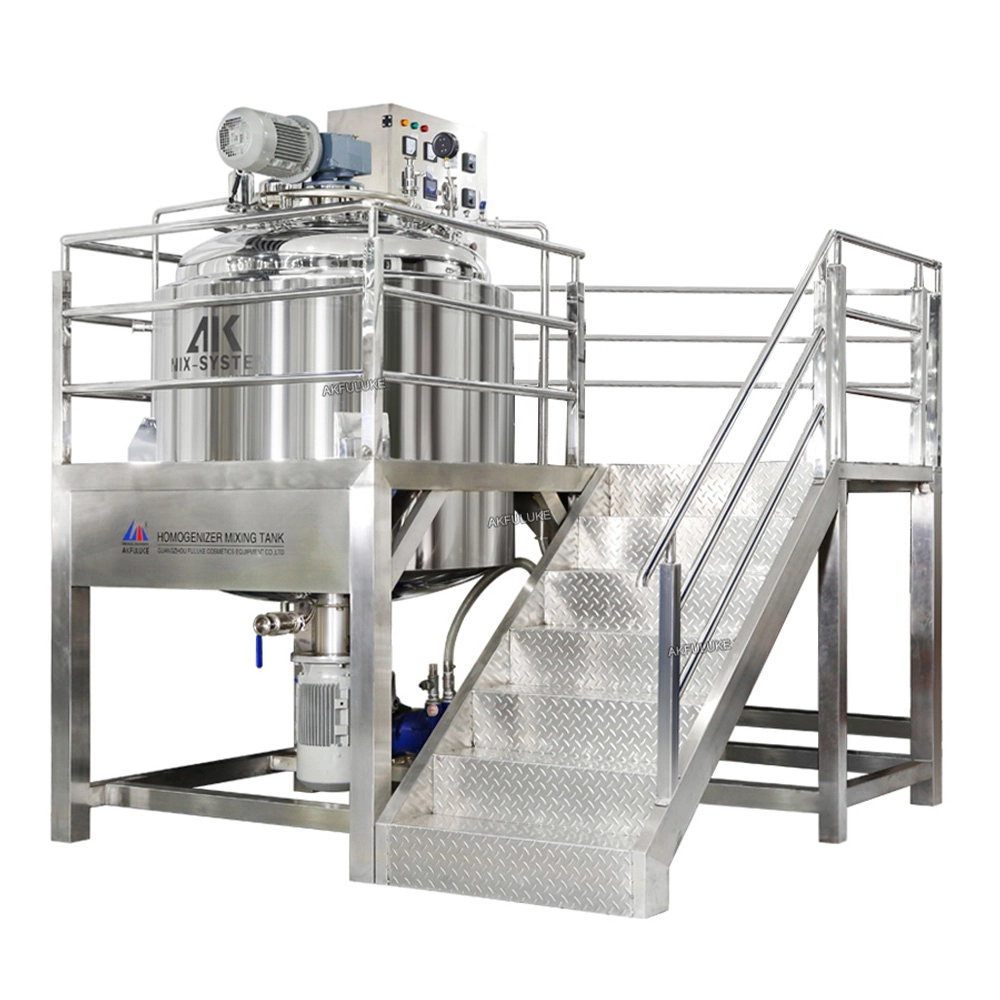
Stainless Steel Mixer Liquid Mixing tank with Agitator Homogenizing Mixing tank Vacuum Sealed Mixer Machine

A leading manufacturer specializing in advanced machinery and complete production lines for the cosmetics, food, pharmaceutical, and chemical industries worldwide.
Contact FULUKE
Facebook
Instagram
YouTube