
How to optimize mixing time in a tank with agitator?
In the cosmetic equipment industry, selecting and optimizing mixing tanks with agitators is crucial for ensuring product quality and manufacturing efficiency. Below are key considerations to guide your decision-making process:
1. What is the minimum capacity available for startup cosmetic brands?
For startup cosmetic brands, suppliers typically offer mixing tanks with capacities ranging from 50 to 100 liters. Entry-level systems are available at prices between $300 and $1,200, with minimum order quantities (MOQs) usually ranging from 1 to 10 units.
2. Which certifications are critical for export-focused production?
When exporting cosmetic products, it's essential to ensure that your mixing equipment complies with industry standards. Key certifications include FDA 21 CFR Part 11, ISO 22716, and EHEDG compliance. For products destined for the U.S. or European markets, CE/PED certifications and material traceability documentation are also important.
3. How do jacketed tanks improve processing efficiency?
Jacketed mixing tanks are equipped with heating and cooling systems that enable precise temperature control, typically within ±1°C. This feature is particularly beneficial during emulsification processes, as it can reduce mixing time by 25-40% and prevent degradation of heat-sensitive ingredients.
4. What maintenance costs should be budgeted annually?
Annual maintenance costs for mixing equipment generally range from 12% to 18% of the equipment's initial cost. Typical expenses include seal replacements ($200-$800), impeller balancing ($150-$450), sensor calibrations ($300-$600), and preventive cleaning-in-place (CIP) servicing ($500+).
5. Can mixing tanks handle CBD/viscous formulations?
For mixing viscous formulations, such as those containing CBD, high-shear systems with scraper blades are recommended. Ensure that the equipment has adequate torque ratings (≥45 Nm) and heat transfer coefficients (≥500 W/m²K) to effectively process these materials.
6. What's the lead time for custom tank installations?
The lead time for custom mixing tank installations varies based on complexity and certification requirements. Standard installations typically take 30-45 days, while customized systems may require 60-90 days, with an additional 30 days for ASME BPE certification. Installation and validation processes usually add 7-14 days.
7. How does the choice of agitator blade design affect mixing efficiency?
The design of the agitator blades significantly influences mixing efficiency. Factors such as blade design, span, angle, number and location of tiers, and running speed can be adjusted to improve performance. Additionally, the use of baffles can enhance mixing by disrupting circular flow patterns, leading to more uniform product consistency.
8. How can mixing time be optimized in a tank with an agitator?
Optimizing mixing time involves several strategies:
Adjusting Batch Size: Larger batch sizes may require more time to mix evenly. Evaluating the optimal batch size is essential for efficient processing.
Mastering Mixer Controls: Implementing variable frequency drives (VFDs) and programmable logic controllers (PLCs) allows for precise control over mixing speed, enhancing consistency and reducing changeover times.
Streamlining Raw Material Additions: Introducing raw materials efficiently, such as using inline powder induction systems, can improve dispersion and reduce mixing time.
By considering these factors, cosmetic equipment manufacturers can select and optimize mixing tanks with agitators that align with their production needs, ensuring high-quality products and operational efficiency.
FULUKE's Advantages:
FULUKE specializes in providing high-quality mixing tanks with agitators tailored for the cosmetic industry. Our equipment features precise temperature control, efficient mixing capabilities, and compliance with international standards, ensuring optimal performance and product quality.
References:

Understanding Servo Capping Machines: The Core Logic of Precise Capping – Understand the Entire Working Process in Seconds
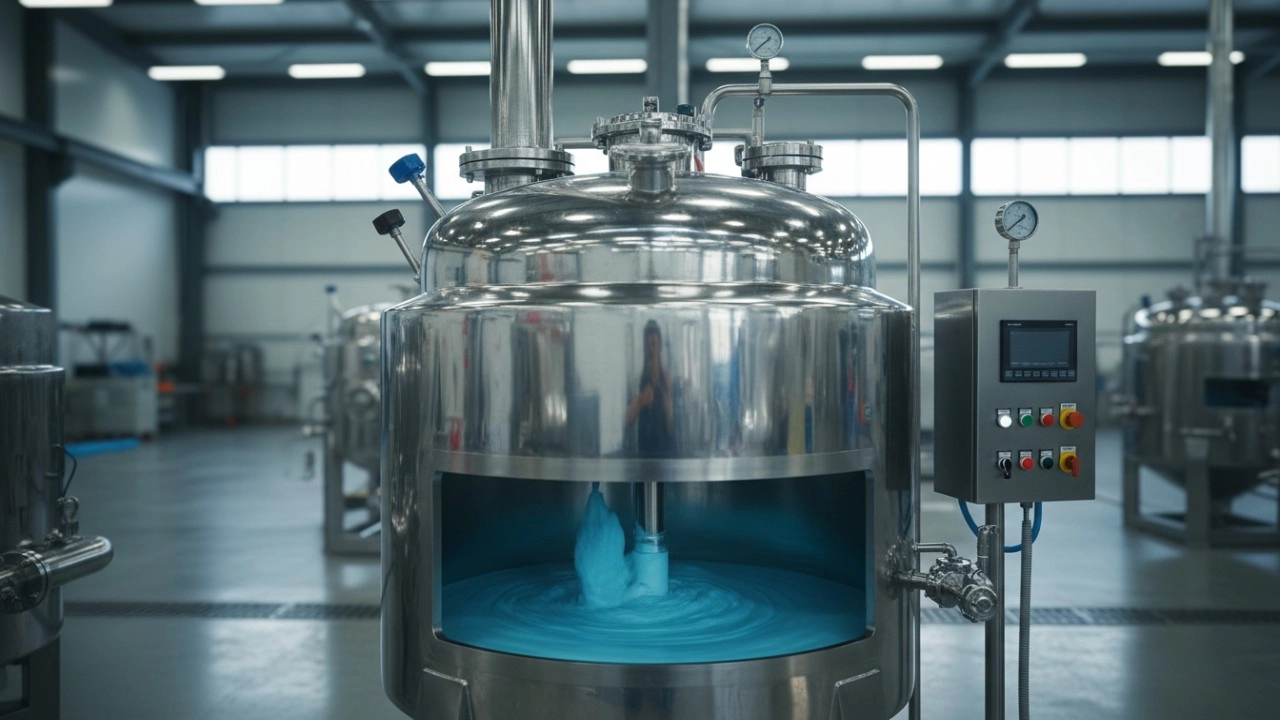
The Future of Industrial Agitation: 5 Smart Mixing Tank Technologies Changing the Game
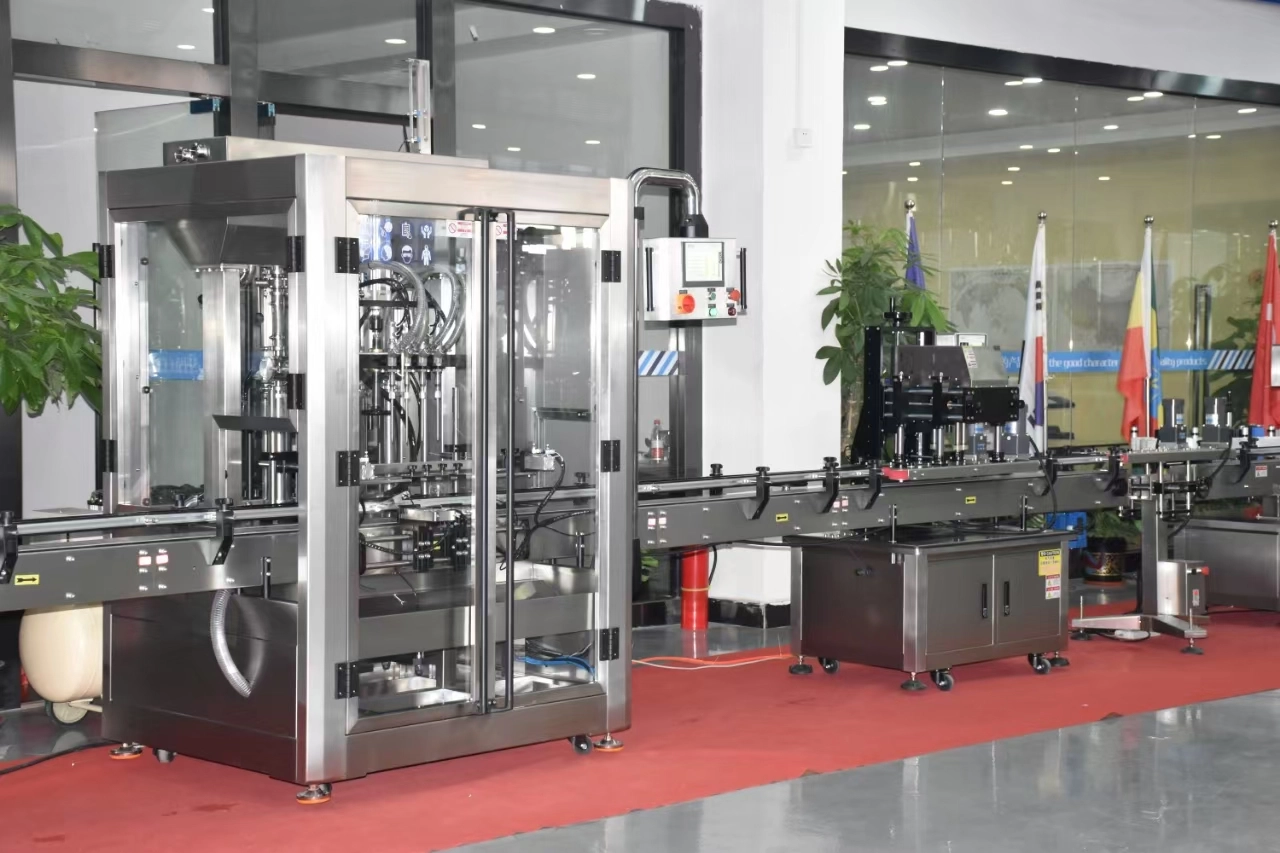
Gear pump filling machine vs. piston filling machine: Key differences broken down to avoid pitfalls in selection.
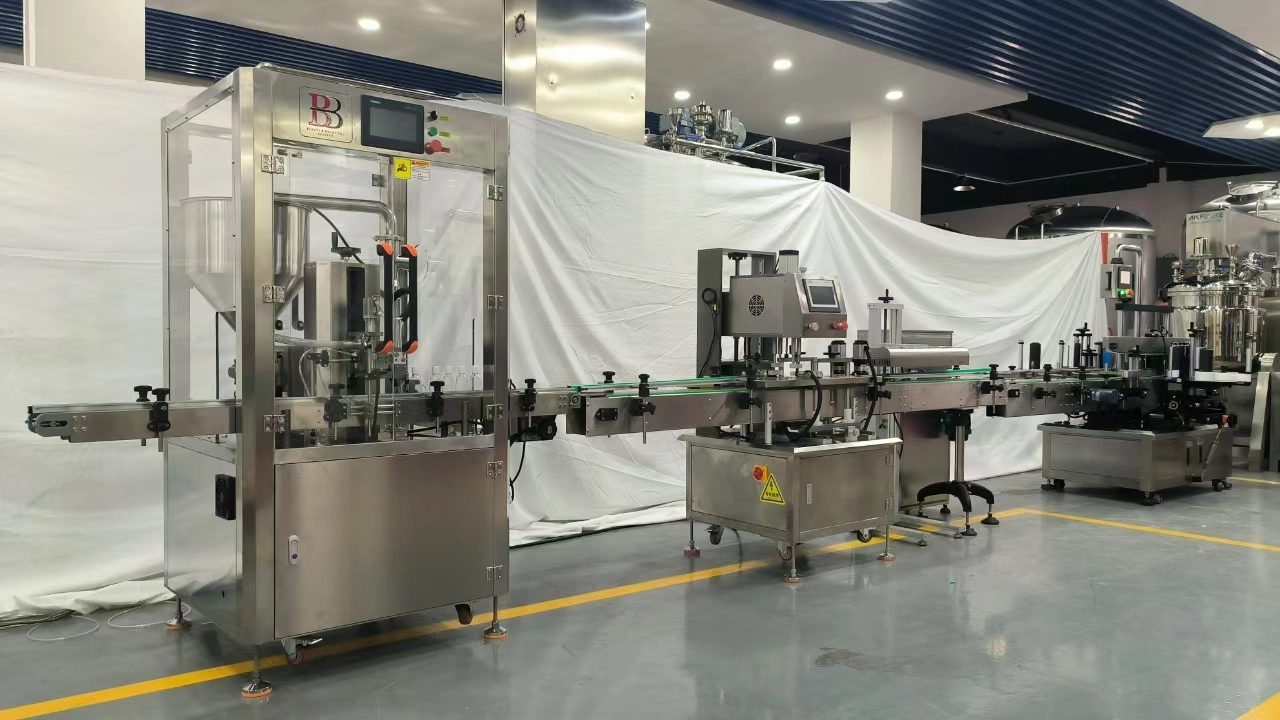
Understand the working principle of a servo gear pump filling machine!
Automatic Tube Filling and Sealing Machine
Can you customize the machine?
Of course, we provide customized services according to customer needs.
Automatic Filling Machine
Can you customize the machine?
Of course, we provide customized services according to customer needs.
Polypropylene PP Mixing Tank
What can you buy from us?
RO Water Treatment、Vacuum Emulsifying Machine、Homogenizer Mixing Tank、Filling and Capping、labeling Machine、Packing Machine、Storage Tank,etc.
The Flip Cover Liquid Wash Mixing Homogenizing Tank
Flip cover homogenizing mixing tank lacks a vacuum system. How should bubbles generated during mixing be handled?
Open mixing tank certainly can't remove air through vacuum like sealed equipment. However, if bubbles are affecting product quality, the following methods can be used to improve the process:
Process Adjustment: Reduce the mixing speed to prevent excessive air from being drawn into the material by high-speed turbulence. If homogenization is required, proceed in stages to reduce bubbles generated by a single shearing operation.
Assisted Degassing: For materials that can be heated, increase the temperature appropriately to reduce viscosity and promote bubble bubbling. Alternatively, allow the material to rest for a period of time after mixing to allow bubbles to dissipate naturally before proceeding to the next step.
Suitable Applications: This equipment is more suitable for products that are not sensitive to bubbles. For precision products requiring bubble-free production, a model with a vacuum function is recommended.
Vacuum Emulsifying Machine
Is it possible not to configure the oil and water pot?
Of course, if you have other containers to pre-treat and heat the materials, then you only need to configure an emulsifying pot.
Get in touch with FULUKE
If you have any comments or good suggestions, please leave us a message, later our professional staff will contact you as soon as possible.
You May Also Like
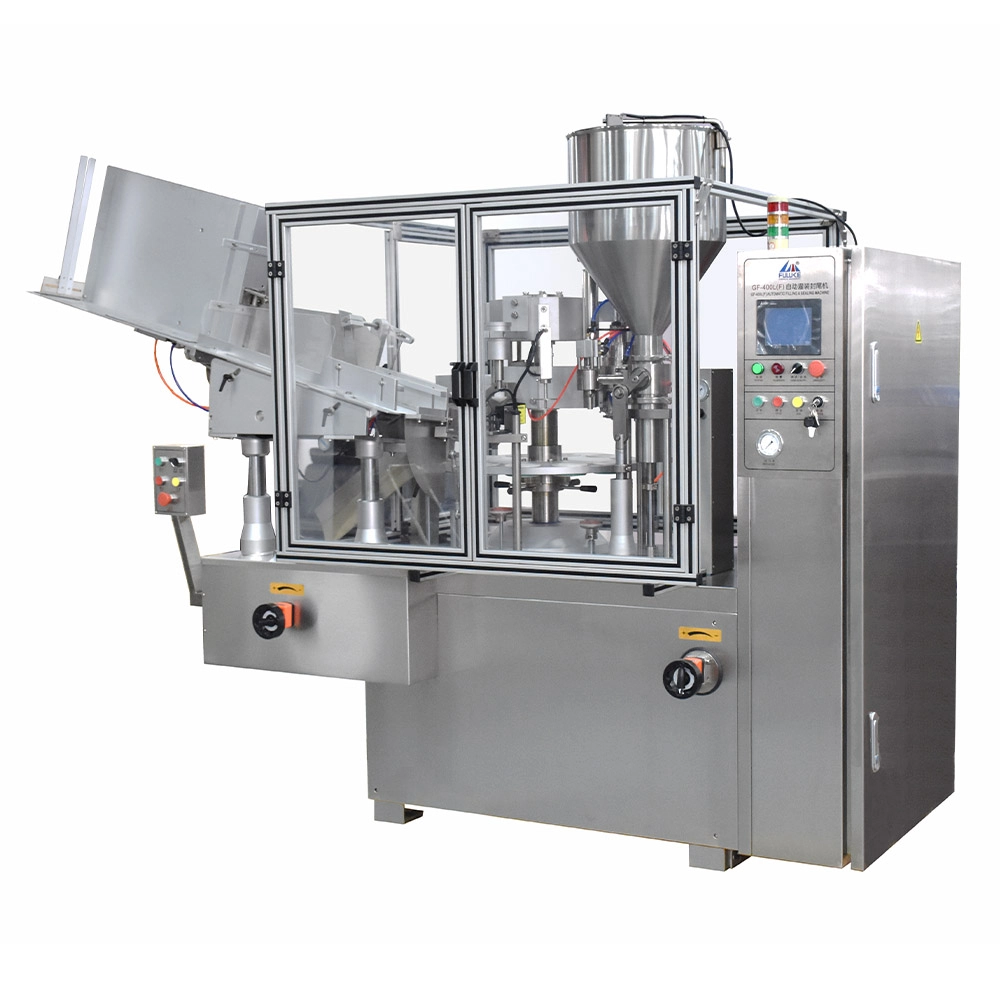
Automatic Tube Filling and Sealing Machine Toothpaste Sunscreen and Facial Cleanser Filling and Sealing Machine for Plastic and Aluminum-plastic Tube
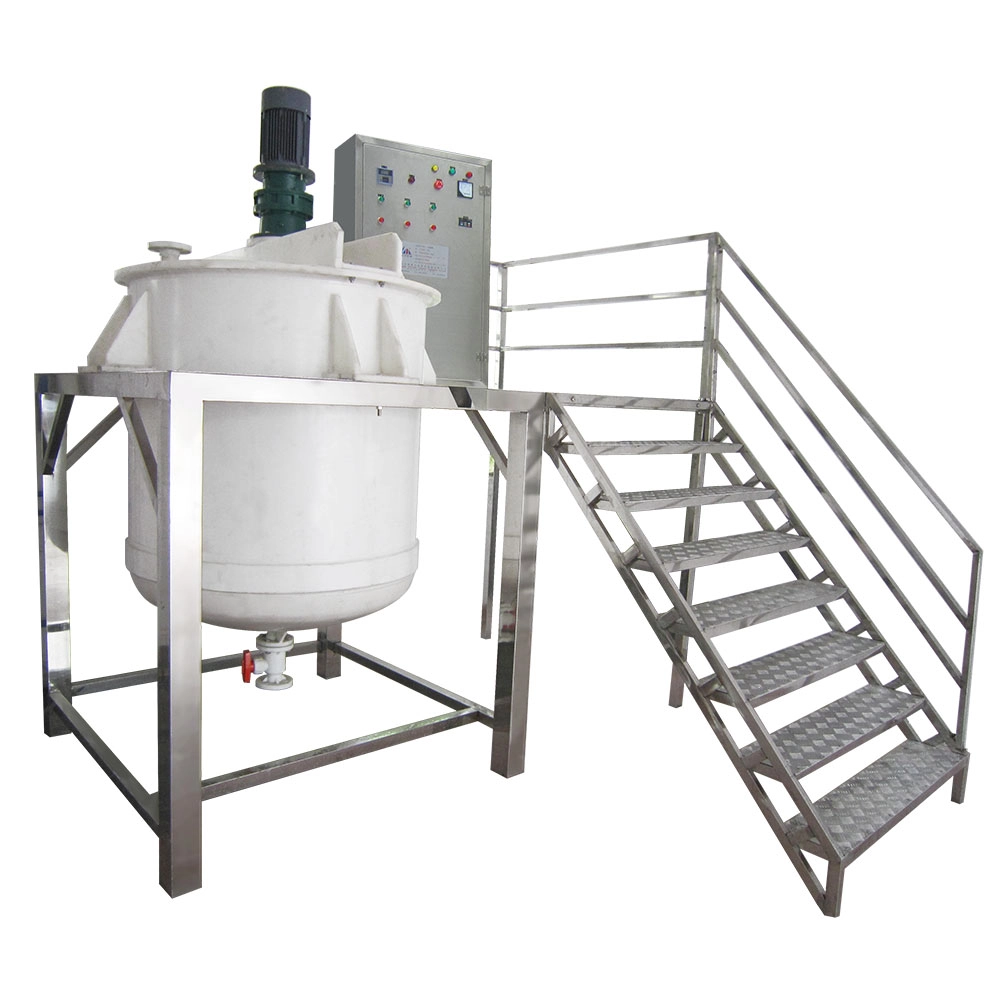
Polypropylene PP Mixing Tank Anti-Corrosion Mixer Reaction Kettle with Agitator Chemical Mixing Vessel
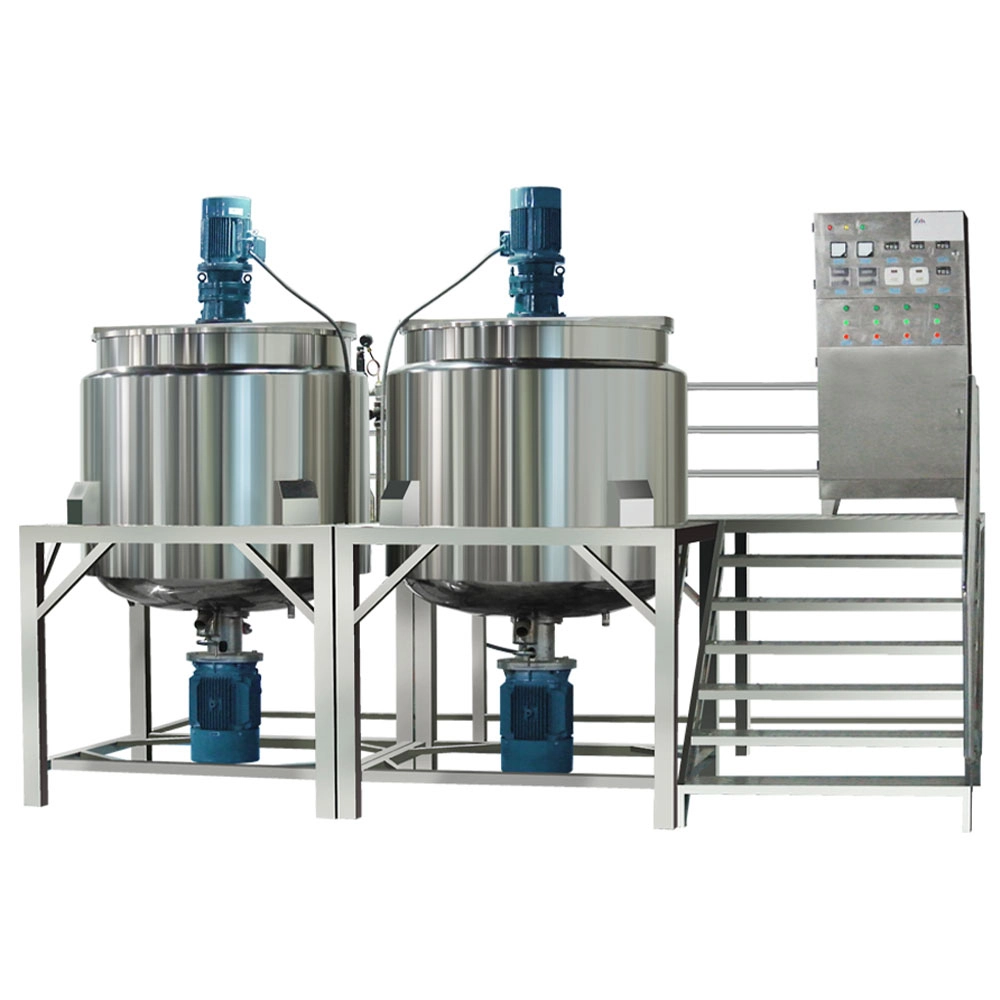
Flip Cover Multi-function Liquid Wash Mixing Tank Blender Liquid Detergent Mixer Homogenization Stirring Tank
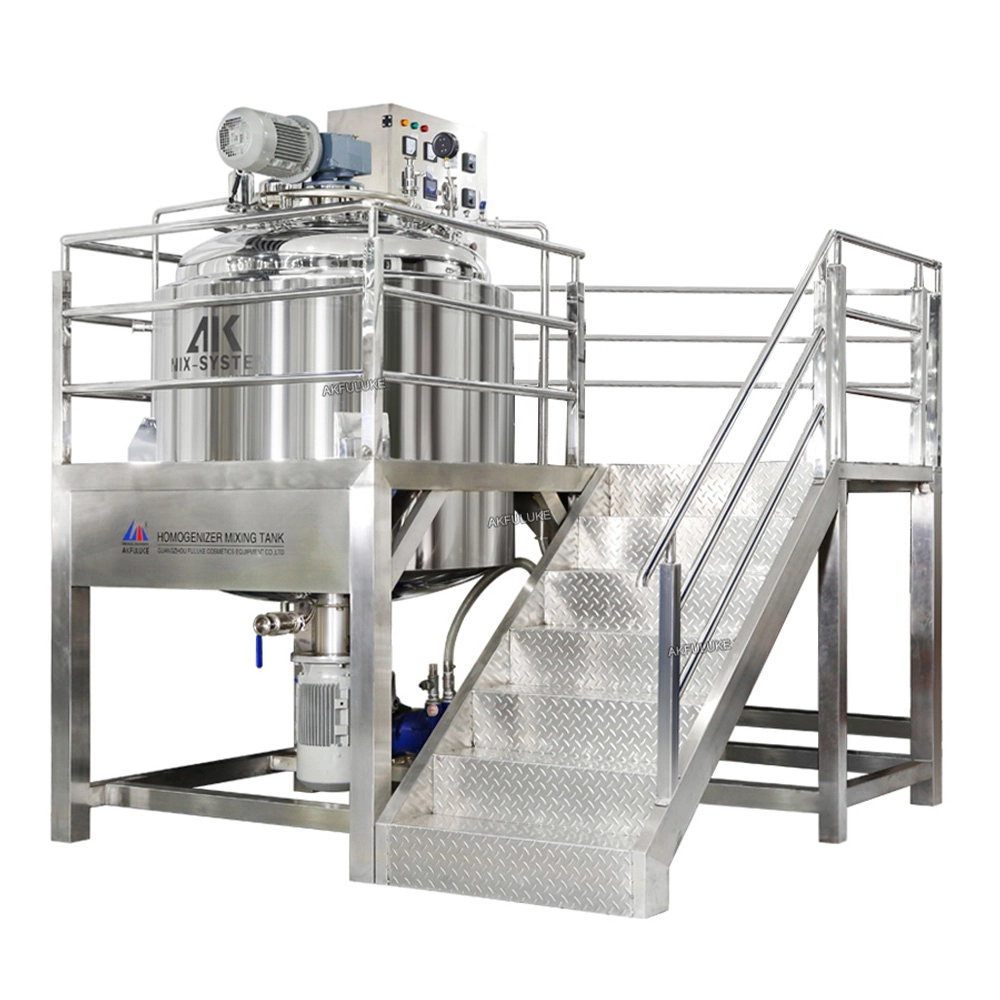
Stainless Steel Mixer Liquid Mixing tank with Agitator Homogenizing Mixing tank Vacuum Sealed Mixer Machine

A leading manufacturer specializing in advanced machinery and complete production lines for the cosmetics, food, pharmaceutical, and chemical industries worldwide.
Contact FULUKE
Facebook
Instagram
YouTube