
What packaging materials affect filling performance?
- 1. How does bottle neck finish and thread pitch of PET bottles affect nozzle selection and filling accuracy for low-viscosity lotions and serums?
- 2. Which packaging barrier (PET vs HDPE vs glass vs laminated tubes) causes the most foaming or entrainment during high-speed filling of low-viscosity emulsions, and how do I mitigate it?
- 3. How do venting and headspace design in flip-top caps and pump closures impact filling speed and foam formation for emulsions and viscous creams?
- 4. What packaging surface treatments (corona, plasma, primers) improve wetting for accurate filling of high-viscosity creams using piston fillers, and how do these treatments change machine setup?
- 5. How do heat-sensitive active ingredients affect the choice of packaging (aluminum vs laminated vs glass) and the filling method to avoid degradation during filling and sealing?
- 6. What measurement methods and in-line sensors reliably detect underfill/overfill in opaque HDPE bottles with viscous cosmetic shampoos?
- Concluding summary
6 Overlooked Questions About Bottle Filling Machine Performance and Packaging Materials
When buying a bottle filling machine for cosmetic production, packaging material and design aren't just cosmetic details — they determine filler choice, nozzle design, line speed, QA method, and compliance. Below are six specific long-tail questions beginners and production engineers often ask but rarely find thorough, up-to-date answers to.
1. How does bottle neck finish and thread pitch of PET bottles affect nozzle selection and filling accuracy for low-viscosity lotions and serums?
Why it matters: thin lotions and serums are sensitive to splash, dribble and entrainment. Neck finish (diameter, chamfer, thread pitch) changes how a nozzle seats, how fast the liquid enters the container and how valves/servo motion must be programmed.
Practical effects and solutions:- Nozzle insertion depth: For small-neck PET (e.g., 20–24 mm finishes), deep insertion nozzles or tapered anti-drip nozzles reduce splash and air ingestion. Shallow nozzles work for wide-mouth bottles but increase splashing risk at high speed.- Thread pitch and chamfer: Aggressive chamfers or threads can catch liquid at high speeds. Use skirted nozzles or stepped tips to isolate the thread area during filling.- Filling method: For low-viscosity fluids (<1,000 cP), gravity or overflow/level filling provides consistent cosmetic appearance. If net-weight compliance is required, combine gravity filling with an in-line checkweigher.- Servo control and acceleration/deceleration: Increase valve opening time gradually and use anti-splash slow-start profiles. Modern rotary fillers offer microsecond valve control to prevent surges in small-neck bottles.Recommendations:- Specify the bottle neck finish and provide samples to machine vendors. Ask for nozzle-fit trials and request machine mapping of speed vs fill height.- For high-speed lines (>2,000 BPH) with small necks, recommend rotary fillers with anti-drip piston/servo valves and dedicated nozzle guides to stabilize bottles.
2. Which packaging barrier (PET vs HDPE vs glass vs laminated tubes) causes the most foaming or entrainment during high-speed filling of low-viscosity emulsions, and how do I mitigate it?
Why it matters: Foaming reduces net fill, triggers vision sensors, causes package overflow and increases rework.
Material behavior and typical issues:- PET (rigid, smooth): Lower surface roughness reduces nucleation sites, but transparent PET encourages visual level inspection which flags foam as defects. PET also transmits vibration that can aggravate foam during high-speed fills.- HDPE (opaque, slightly porous surface): Higher surface energy and micro-roughness can trap air and create localized nucleation, increasing visible foam for some formulations.- Glass (rigid, smooth): Least nucleation sites; however, rigid walls reflect energy and may cause turbulence at nozzle exit—can be mitigated by immersion nozzles.- Laminated tubes and pouches: Flexible packaging can entrap air pockets during fill and collapse unpredictably, causing irregular foaming.Mitigation strategies:- Nozzle choice: Use immersion or counter-current nozzles (nozzle moves into the product column) for foamy emulsions to reduce air entrainment.- Filling speed and profile: Slow the initial valve opening and use multi-phase filling (fast bulk then slow finish). Typical approach: 70–90% at high speed, final 10–30% at low flow.- Anti-foam formulation or pre-deaeration: In-line deaeration or vacuum degassing upstream helps reduce dissolved air.- Venting and headspace control: Ensure caps/closures allow trapped air to escape during fill or use pressure-assisted filling.- Inline sensors: Consider ultrasonic or capacitance sensors that can discriminate foam from liquid surface when vision fails.
3. How do venting and headspace design in flip-top caps and pump closures impact filling speed and foam formation for emulsions and viscous creams?
Why it matters: Complex closures change the effective headspace, prevent full seating of nozzles and alter vent dynamics during fill, leading to slowdowns, spraybacks and defective seals.
Key points and fixes:- Pre-assembled closures: Pump heads or flip-tops fitted before filling (pre-capped) require lower fill heights and careful venting; otherwise pressure can push product into the closure or deform the cap.- Vent size and location: Small vents or non-vented pump closures trap air, causing back-pressure and foam. Use vented liners or perform partial vacuum venting downstream of fill stations for viscous creams.- Filling sequence: For closures mounted during filling, consider filling first then applying and crimping/sealing; if pre-capping is necessary, reduce fill rates and use immersion nozzles.- Pump priming: For pump closures, prime at lower speeds or use a separate priming station to avoid foamy dispensers on first use.Practical recommendations:- If product is foam-prone and closures are complex, design the packaging workflow so closure application happens after filling and settling (common in High Quality creams).- For high-speed lines with pre-applied caps, integrate venting checkpoints and slower final-fill servo profiles to protect caps and prevent blow-by.
4. What packaging surface treatments (corona, plasma, primers) improve wetting for accurate filling of high-viscosity creams using piston fillers, and how do these treatments change machine setup?
Why it matters: Poor wetting causes sagging, stringing and inconsistent volumes in high-viscosity products (>5,000 cP), especially for matte or low-energy plastics (PP, HDPE).
Treatments and their effects:- Corona and plasma: Increase surface energy of PET, PP and PE to improve wet-out. Typical target is a surface energy >38 dynes/cm for reliable wetting by most aqueous and emollient systems.- Primers and primers with adhesion promoters: Provide longer-lasting wettability for adhesive or laminate layers; used when corona treatment is insufficient or for long-term storage.Machine setup changes:- Nozzle selection: With improved wetting you can use shorter/no-dip nozzles; anti-stringing nozzles still recommended for viscous creams.- Stroke and backpressure: Piston fillers will need shorter dwell times with better wetting; reduce retraction profiles that might create stringing.- Changeover and QC: Treating bottles requires upfront process control—specify Acceptable Treatment Level (ATL) and validate with dyne tests; supply chain control is essential.Operational notes:- Request surface energy certificates from packaging suppliers and run sample fills before ordering large runs.- Implement a dyne pen test as part of incoming inspection; failing parts should be rejected.
5. How do heat-sensitive active ingredients affect the choice of packaging (aluminum vs laminated vs glass) and the filling method to avoid degradation during filling and sealing?
Why it matters: Actives like peptides, vitamins (C, B), and some fragrances degrade with heat. Packaging and filling steps that use induction sealing, hot-fill, or high-temperature sealing can reduce potency.
> Material considerations:- Glass: Inert, low-permeability and thermally stable. Glass is ideal when you must avoid reactions and when hot-fill is undesired. However, glass is heavier and breaks more easily on-line.- Aluminum: Excellent barrier to light/oxygen; compatible with cold-fill processes. Induction sealing for aluminum-laminate often requires heat — use low-energy induction settings or pre-sealed liners.- Laminated tubes/pouches: Heat-seal processes may expose products to localized heat; consider ultrasonic sealing for low-heat closure.> Filling method adaptations:- Cold-fill: Prefer volumetric piston or gear pump filling at ambient temperatures for heat-labile products.- Induction sealing alternatives: If induction sealing risks heat exposure, use pressure-fit liners, mechanical crimp seals designed with low thermal load, or adhesive-based tamper bands.- Inert atmosphere: For oxygen-sensitive actives, integrate nitrogen blanketing and low-temperature filling environments to minimize oxidation.Operational checklist:- Validate API stability through packaging and process trials (real-time or accelerated stability testing) before full production.- Work with filler suppliers to ensure materials in contact (tubing, gaskets) are inert (e.g., PTFE-lined, EPDM compatibility) and won’t leach or catalyze degradation.6. What measurement methods and in-line sensors reliably detect underfill/overfill in opaque HDPE bottles with viscous cosmetic shampoos?
Why it matters: Opaque containers rule out vision-level systems. For viscous shampoos, interfaces are slow-moving and may fool some sensors — yet regulatory net-content and consumer expectations demand accurate fills.
> Reliable detection approaches:- Gravimetric control (best practice): Use a gravimetric filler or link a volumetric filler to an in-line checkweigher. Gravimetric filling offers ±0.2–0.5% control depending on machine class and is legally defensible for net-content.- Checkweigher + statistical process control (SPC): Use a high-speed checkweigher downstream. For opaque bottles, weight verification catches underfills/overfills regardless of visibility.- X-ray or gamma fill detection: X-ray systems detect fill level regardless of opacity or container shape; effective but costly and regulated.- Ultrasonic non-contact sensors: Mounted over the bottle, they measure top-surface distance; works with many plastics but requires tuning for viscous, slow-moving liquids.- Capacitance sensors: Effective if product dielectric differs from container; may require grounding and calibration and are sensitive to foam and temperature.> Recommended implementation:- Use primary gravimetric filling to control target weight and a secondary checkweigher for 100% in-line inspection with rejection lanes. For GMP cosmetics, gravimetric filling plus periodic sampling is standard.- For high-reliability needs, pair checkweigher with ultrasonic or X-ray only as confirmatory if the product formula creates frequent false rejects.Concluding summary
Matching the right bottle filling machine (piston filler, peristaltic pump, rotary filler, gravity/overflow units) to your packaging material and product properties reduces foam, improves accuracy, shortens changeover and ensures compliance with ISO 22716 and cGMP-style cosmetic practices. Accurate nozzle selection, informed choices about closures and venting, appropriate surface treatments, and robust in-line measurement strategies (gravimetric fillers, checkweighers, ultrasonic/X-ray where needed) are the top levers to solve performance issues on cosmetic lines.
Advantages of matching the right bottle filling machine to packaging materials and product properties include higher first-pass yields, lower waste, reliable net-content compliance, fewer customer complaints, and simpler validation for regulatory audits.
For a tailored quote and equipment consultation, contact us at www.fulukemix.com or email flk09@gzflk.com.
References & standards: ISO 22716 (cosmetics GMP), common industry practices for gravimetric and volumetric fillers, and equipment performance ranges from leading filler OEM specifications (piston, peristaltic, rotary), plus accepted sensor technologies (checkweigher, X-ray, ultrasonic).

How Mixing Tanks Are Used in Aromatherapy & Cosmetics: The 2026 Guide
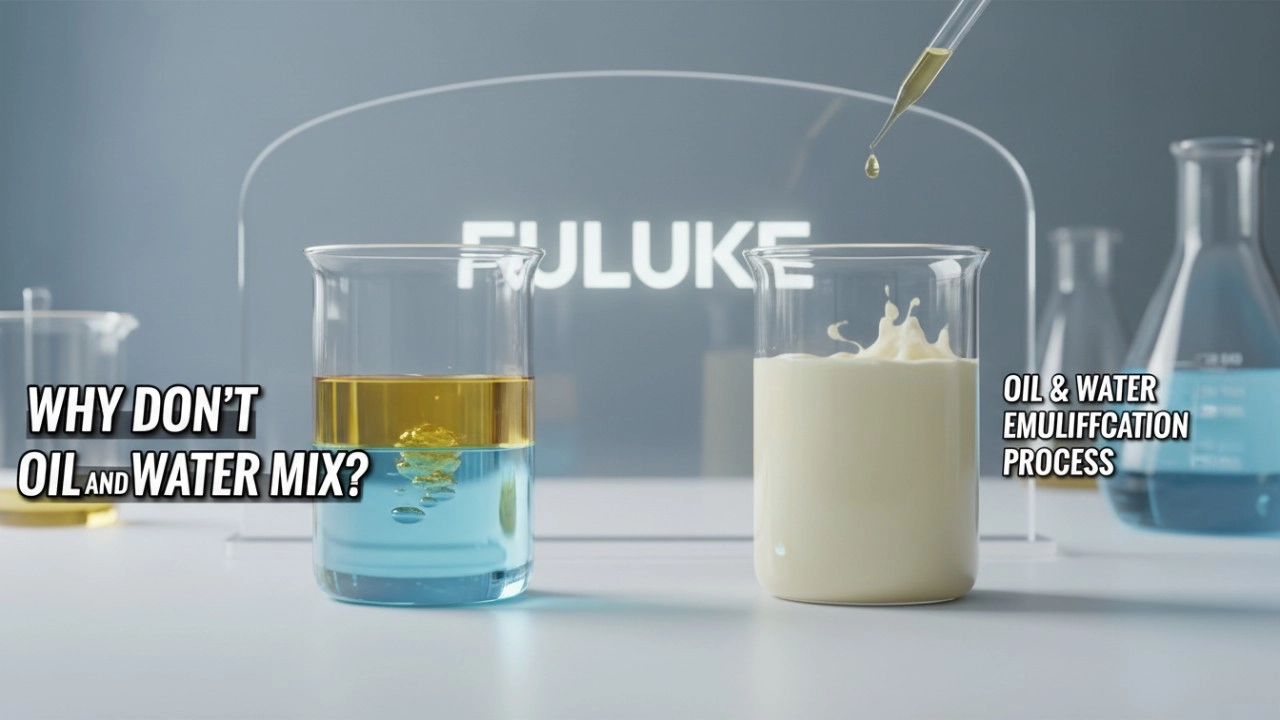
5 Revolutionary Methods to Mix Oil and Water: A Deep Dive into Advanced Emulsification (2026 Guide)
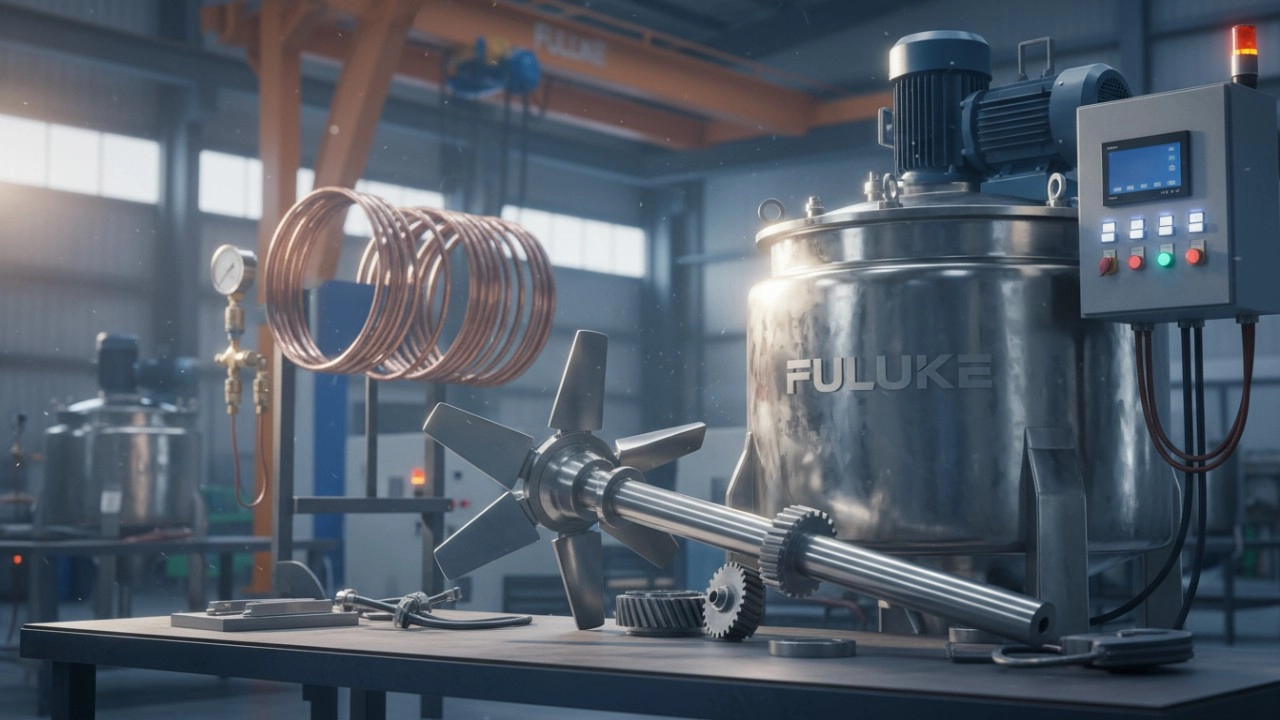
Top 7 Mixing Tank Component Failures (And How to Prevent Costly Downtime) in 2026
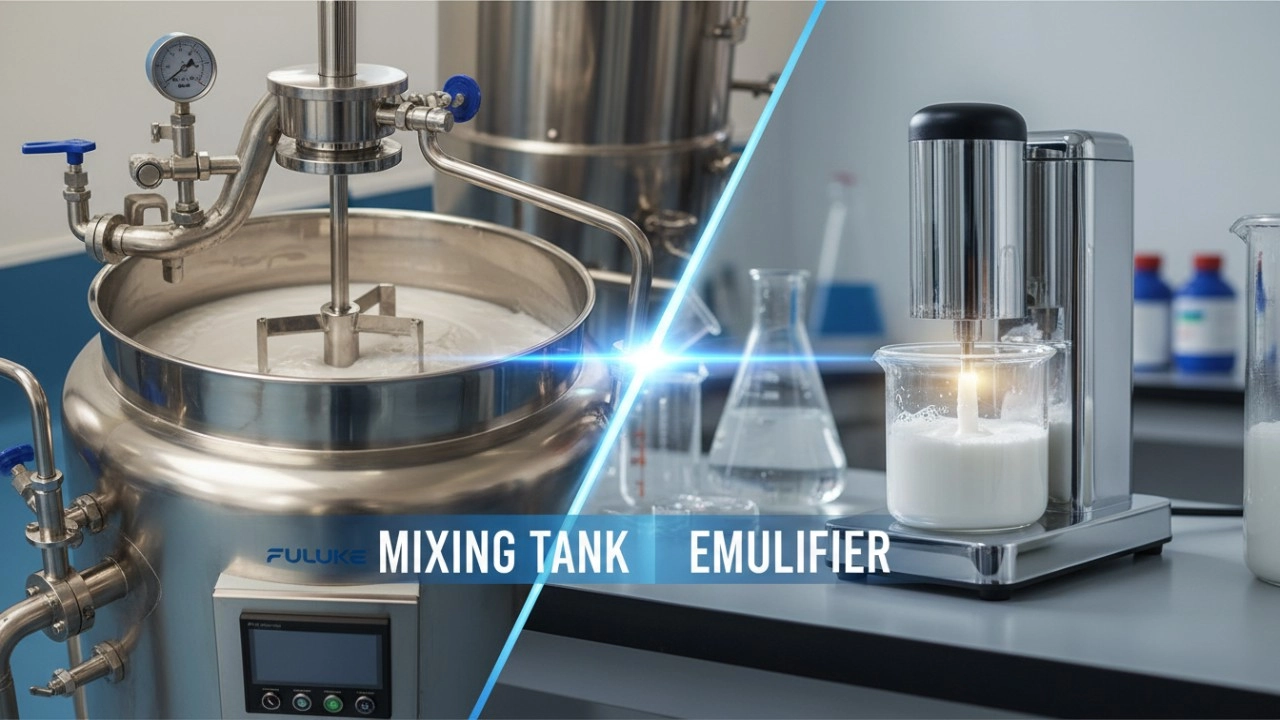
High-Shear Emulsifier vs. Standard Mixing Tank: A Deep Dive into Process Efficiency
Perfume Freezing Filter Making Machine
What can you buy from us?
RO Water Treatment、Vacuum Emulsifying Machine、Homogenizer Mixing Tank、Filling and Capping、labeling Machine、Packing Machine、Storage Tank,etc.
Storage Tank
How do I choose the right storage tank material?
Select based on the characteristics of the storage medium. For example, 316L stainless steel is preferred for food storage, while 304 or PE can be used for general water storage.
Perfume Filling Machine
Who are we?
Our headquarters is located in Guangzhou, Guangdong, China, and our factory is located in Yangzhou, Jiangsu. Our products are sold all over the world. We have approximately 50 employees in our company and factory.
Film Packaging Machine
What can you buy from us?
RO Water Treatment、Vacuum Emulsifying Machine、Homogenizer Mixing Tank、Filling and Capping、labeling Machine、Packing Machine、Storage Tank,etc.
Lift-type Homogenizing Disperser
Why is the equipment suddenly noisier during operation?
There are three common causes: First, the disperser disc is colliding with the container wall, requiring the machine to be stopped and adjusted for lift height or container position; second, the motor bearings are worn, requiring inspection and replacement if wear is severe; and third, hard impurities (such as metal particles) may be mixed into the material, requiring the machine to be stopped and cleaned to prevent damage to the disperser disc.
Get in touch with FULUKE
If you have any comments or good suggestions, please leave us a message, later our professional staff will contact you as soon as possible.
You May Also Like
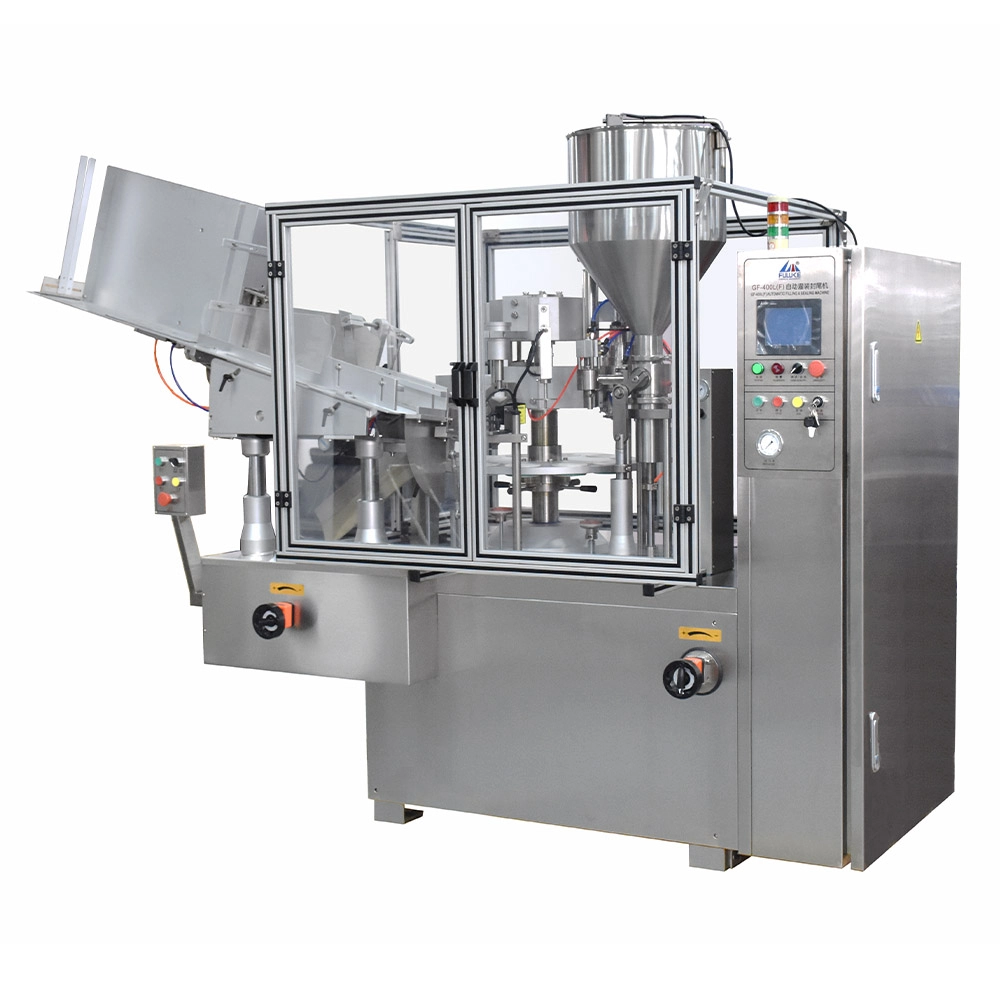
Automatic Tube Filling and Sealing Machine Toothpaste Sunscreen and Facial Cleanser Filling and Sealing Machine for Plastic and Aluminum-plastic Tube
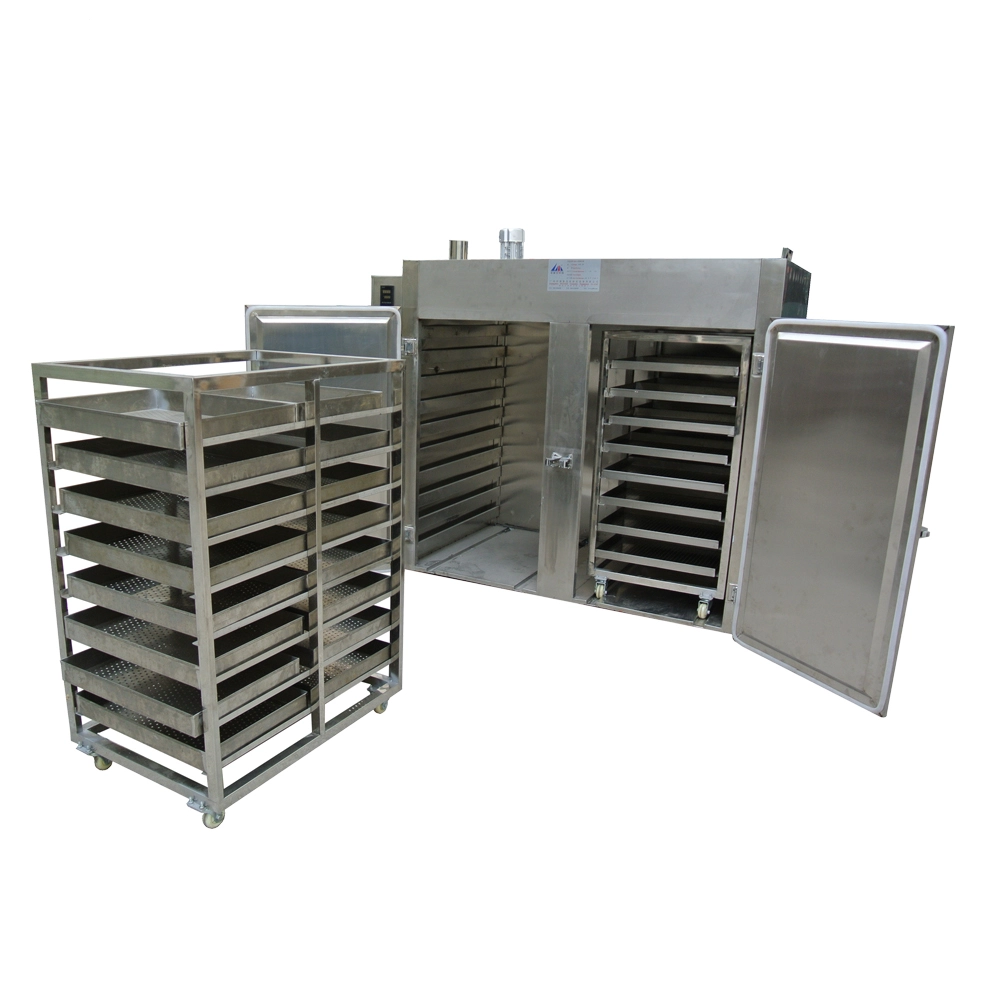
Over for Bottles High Temperature Sterilizer Tray Dryer Large Hot Air Circle Drying Oven for Glass Bottle Jar Cup Can

Automatic Glass Bottle Washing Machine High Quality Glass Bottle Cleaning Washer
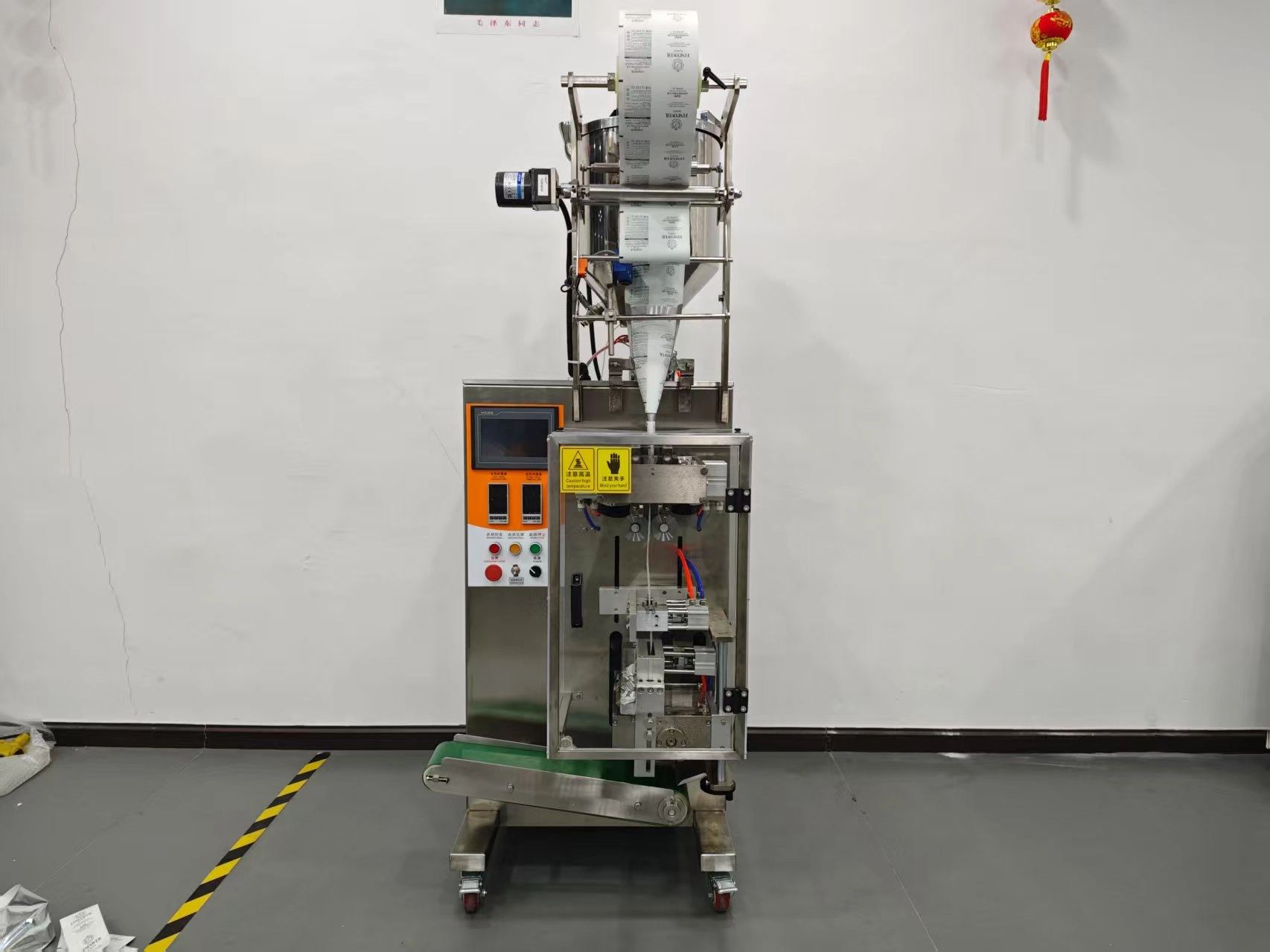
Three-side/four-side sealing bag packaging machine Liquid Paste Jam Cream Sachet Vertical Filling Pouch Packing Machine

A leading manufacturer specializing in advanced machinery and complete production lines for the cosmetics, food, pharmaceutical, and chemical industries worldwide.
Contact FULUKE
Facebook
Instagram
YouTube