
How to ensure sanitary design in a mixing tank with agitator?
- Ensuring Sanitary Design in Mixing Tanks with Agitators for Cosmetic Equipment
- 1. Why is Material Selection Crucial for Sanitary Mixing Tanks?
- 2. What Are the Key Design Features to Ensure Sanitary Conditions?
- 3. How Does Agitator Design Impact Sanitary Mixing?
- 4. What Maintenance Practices Are Essential for Sanitary Mixing Tanks?
- 5. How Do Industry Standards Influence Sanitary Design in Mixing Tanks?
- 6. What Are the Benefits of Automated Cleaning Systems in Sanitary Mixing?
- 7. How Does Agitation Speed and Intensity Affect Sanitary Mixing?
- 8. What Role Does Temperature Control Play in Sanitary Mixing?
- Conclusion: Why Choose FULUKE for Your Sanitary Mixing Tank Needs?
Ensuring Sanitary Design in Mixing Tanks with Agitators for Cosmetic Equipment
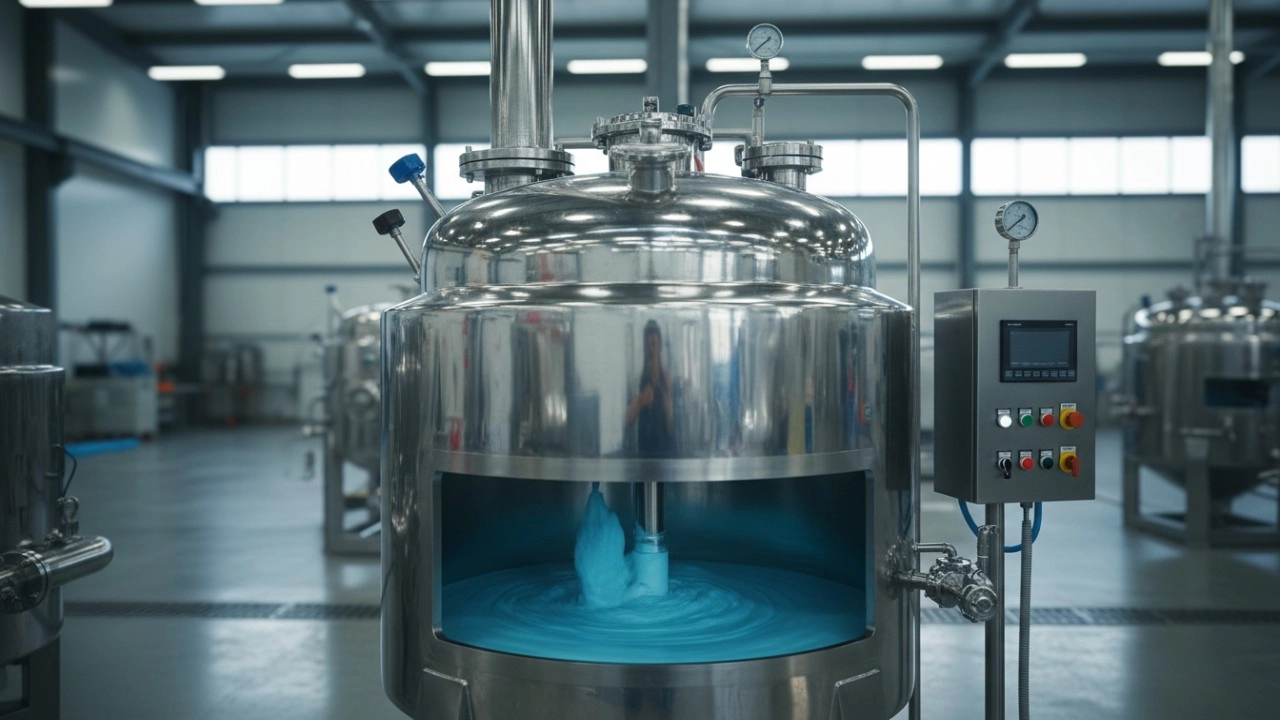
When selecting mixing tanks with agitators for cosmetic manufacturing, ensuring a sanitary design is paramount to maintain product quality and safety. Below are key considerations to guide your decision-making process:
1. Why is Material Selection Crucial for Sanitary Mixing Tanks?
Choosing the right materials for your mixing tank is essential to prevent contamination and ensure durability. Stainless steel, particularly grades 316L or higher, is widely preferred due to its corrosion resistance and ease of cleaning. The internal surface finish should be smooth and crevice-free to facilitate thorough cleaning and prevent microbial growth.
2. What Are the Key Design Features to Ensure Sanitary Conditions?
Design features that promote sanitary conditions include:
Smooth Interior Surfaces: Minimize crevices and welds to reduce areas where product can accumulate and bacteria can grow.
CIP/SIP Compatibility: Ensure the tank is designed for Clean-In-Place (CIP) and Sterilize-In-Place (SIP) processes, allowing for automated cleaning and sterilization without disassembly.
Hygienic Drains: Incorporate sloped or conical bottoms with hygienic drain outlets to facilitate complete drainage and prevent product pooling.
3. How Does Agitator Design Impact Sanitary Mixing?
The agitator's design significantly affects mixing efficiency and sanitary conditions. For high-viscosity creams and pastes, a frame-type wall-scraping agitator is effective in preventing material buildup on tank walls. Variable-frequency drives allow the agitator to adapt to different operating conditions, ensuring proper mixing across a range of viscosities.
4. What Maintenance Practices Are Essential for Sanitary Mixing Tanks?
Regular maintenance is vital to uphold sanitary conditions:
Routine Cleaning and Inspection: Establish a consistent cleaning schedule, including daily rinsing and periodic deep cleaning, to remove residue buildup. Inspect agitator blades, seals, and bearings for wear or damage.
Preventive Maintenance: Lubricate moving parts, check alignment, and calibrate the agitator to ensure optimal performance and prevent contamination.
5. How Do Industry Standards Influence Sanitary Design in Mixing Tanks?
Compliance with industry standards ensures safety and product quality. For example, tanks used in the cosmetic industry must meet Good Manufacturing Practices (GMP), which include requirements for easy-to-clean surfaces and materials compatible with the products being processed.
6. What Are the Benefits of Automated Cleaning Systems in Sanitary Mixing?
Automated cleaning systems, such as CIP, enhance sanitation by providing consistent and thorough cleaning cycles, reducing the risk of contamination and minimizing downtime. These systems are particularly beneficial in environments where hygiene is critical, such as cosmetic manufacturing.
7. How Does Agitation Speed and Intensity Affect Sanitary Mixing?
The speed and intensity of agitation should be tailored to the viscosity and shear sensitivity of the product. For delicate formulations, low-speed agitation minimizes shear and prevents product degradation, while high-speed agitation is suitable for emulsification processes. Proper selection ensures efficient mixing without compromising product quality.
8. What Role Does Temperature Control Play in Sanitary Mixing?
Temperature control is crucial in cosmetic mixing to ensure ingredient stability and prevent microbial growth. Incorporating heating and cooling systems within the tank allows precise temperature management, which is essential for processes like emulsification and homogenization.
Conclusion: Why Choose FULUKE for Your Sanitary Mixing Tank Needs?
FULUKE offers a range of sanitary mixing tanks with agitators designed to meet the stringent requirements of the cosmetic industry. Our tanks feature high-quality stainless steel construction, smooth interior surfaces, and compatibility with CIP/SIP processes. With customizable agitator designs and integrated temperature control systems, FULUKE ensures optimal mixing performance and product quality. Trust FULUKE to provide reliable and efficient solutions for your cosmetic manufacturing needs.
References:

Understanding Servo Capping Machines: The Core Logic of Precise Capping – Understand the Entire Working Process in Seconds
The Future of Industrial Agitation: 5 Smart Mixing Tank Technologies Changing the Game
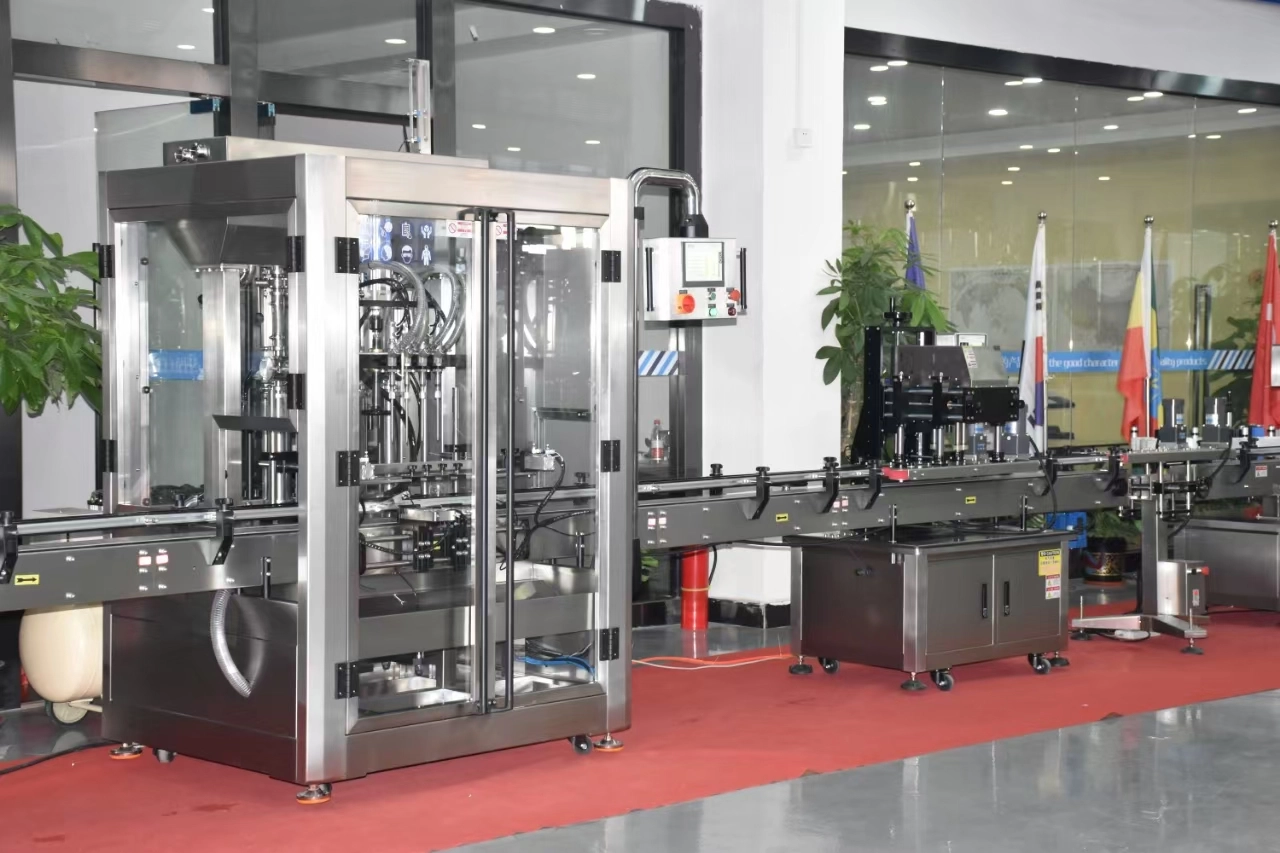
Gear pump filling machine vs. piston filling machine: Key differences broken down to avoid pitfalls in selection.
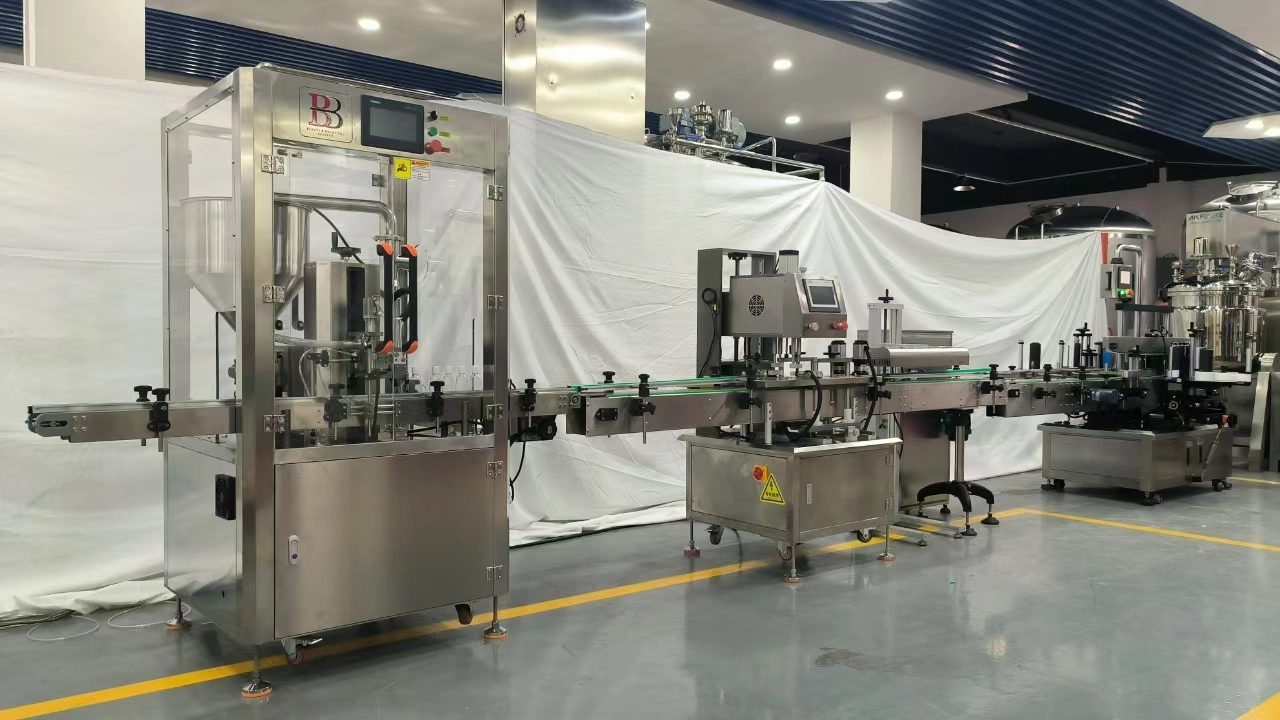
Understand the working principle of a servo gear pump filling machine!
Sealed Homogenizing Mixing Tank
Can you customize the machine?
Of course, we provide customized services according to customer needs.
Can you make a design for us?
Yes, we can, we provide not only products, but also solutions and designs.
Storage Tank
What should I check before daily use of a storage tank?
Inspect the tank for signs of deformation or leakage, and check that the sealing components are intact.
Confirm that the level gauge, pressure gauge, and other instruments are displaying normal readings and that the valves are opening and closing freely.
If storing flammable or explosive media, check that the anti-static device is effective.
The Flip Cover Liquid Wash Mixing Homogenizing Tank
What is the structure of an agitator?
The agitator usually consists of a "frame agitator (SUS316L material) + scraper (PTFE)" or an anchor agitator.
RO Water Treatment
Who are we?
Our headquarters is located in Guangzhou, Guangdong, China, and our factory is located in Yangzhou, Jiangsu. Our products are sold all over the world. We have approximately 50 employees in our company and factory.
Get in touch with FULUKE
If you have any comments or good suggestions, please leave us a message, later our professional staff will contact you as soon as possible.
You May Also Like
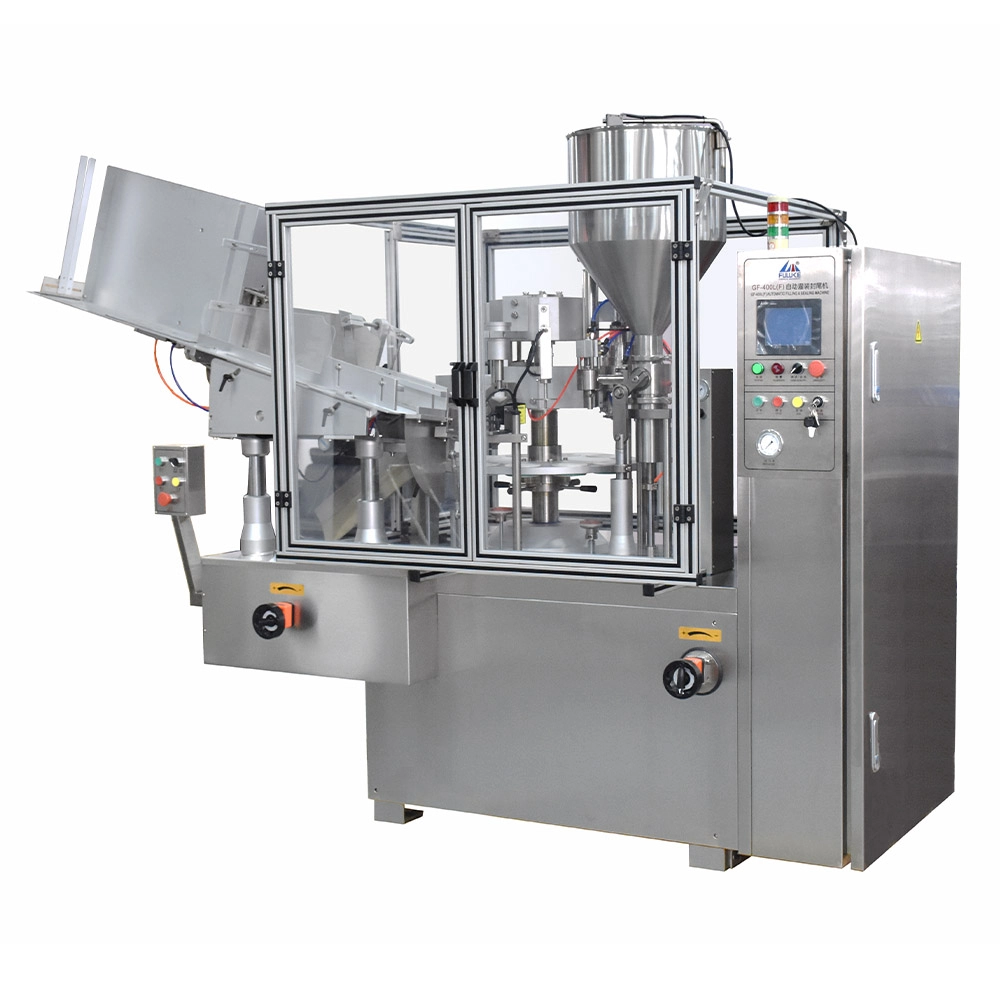
Automatic Tube Filling and Sealing Machine Toothpaste Sunscreen and Facial Cleanser Filling and Sealing Machine for Plastic and Aluminum-plastic Tube
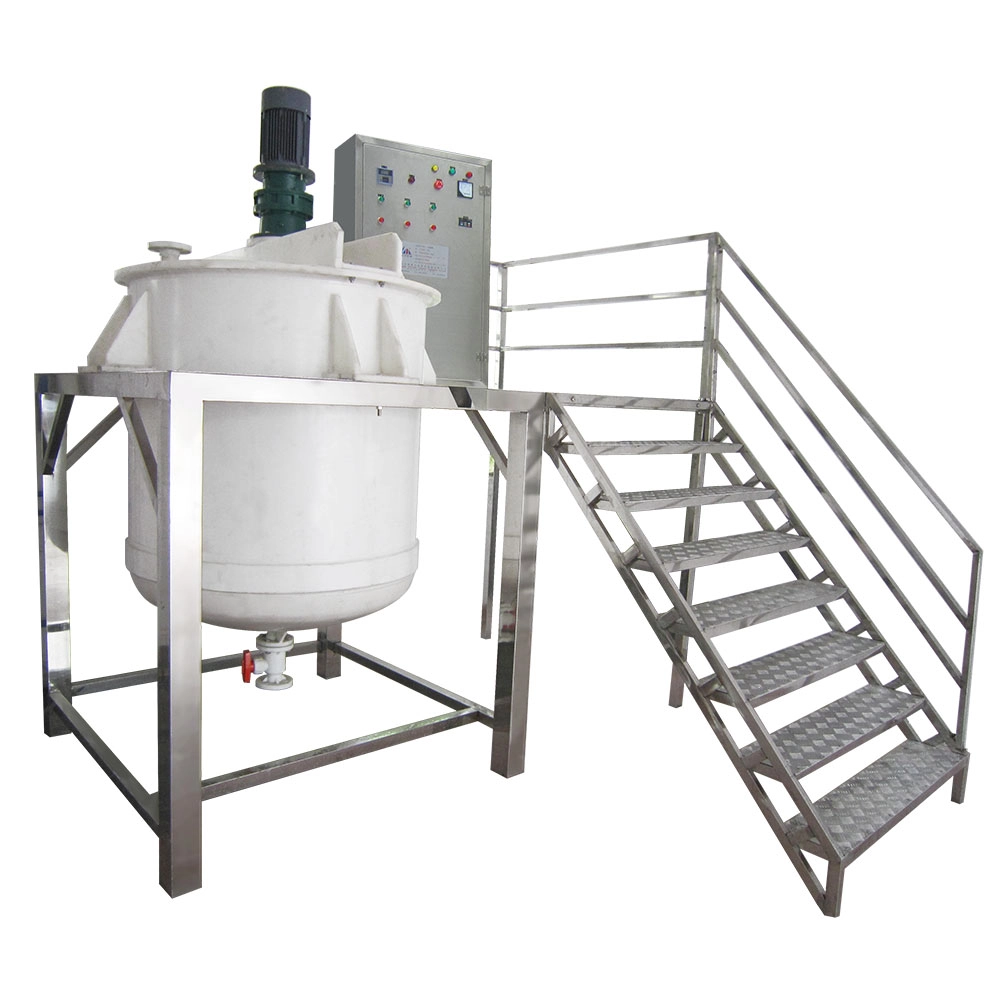
Polypropylene PP Mixing Tank Anti-Corrosion Mixer Reaction Kettle with Agitator Chemical Mixing Vessel
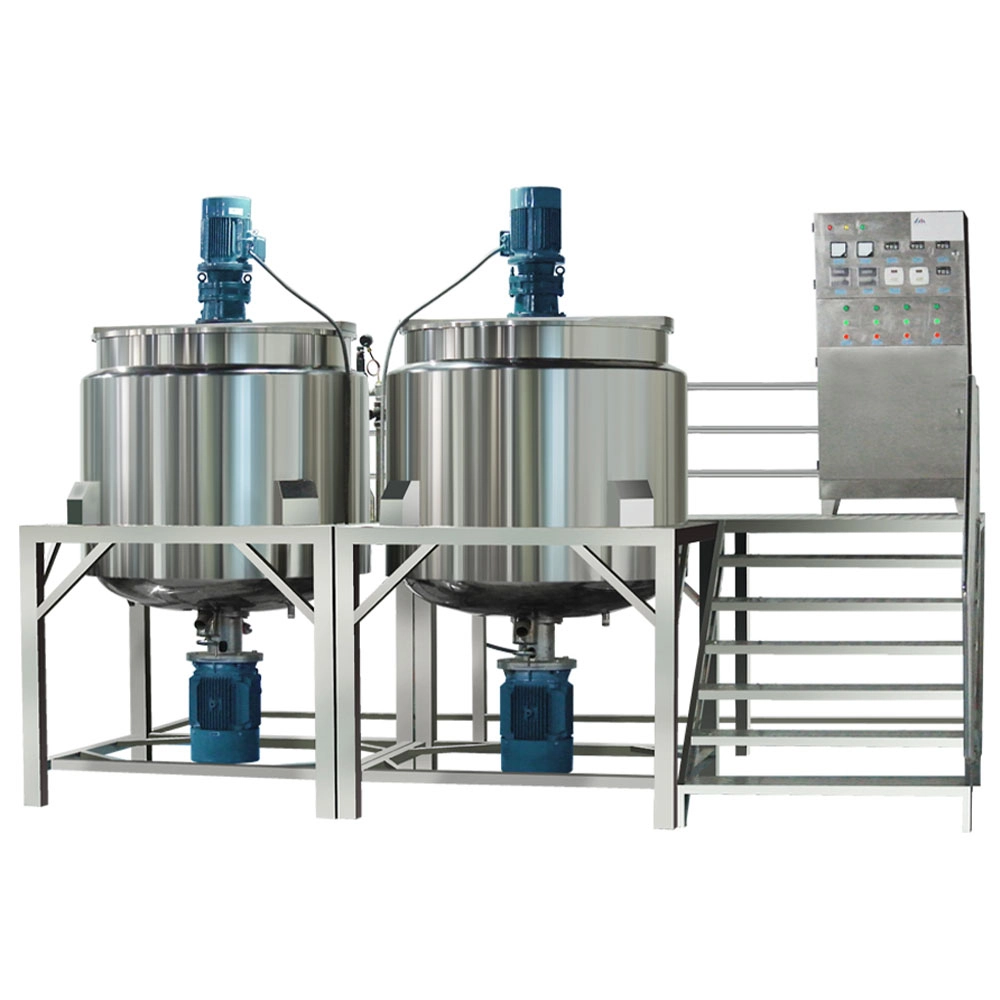
Flip Cover Multi-function Liquid Wash Mixing Tank Blender Liquid Detergent Mixer Homogenization Stirring Tank
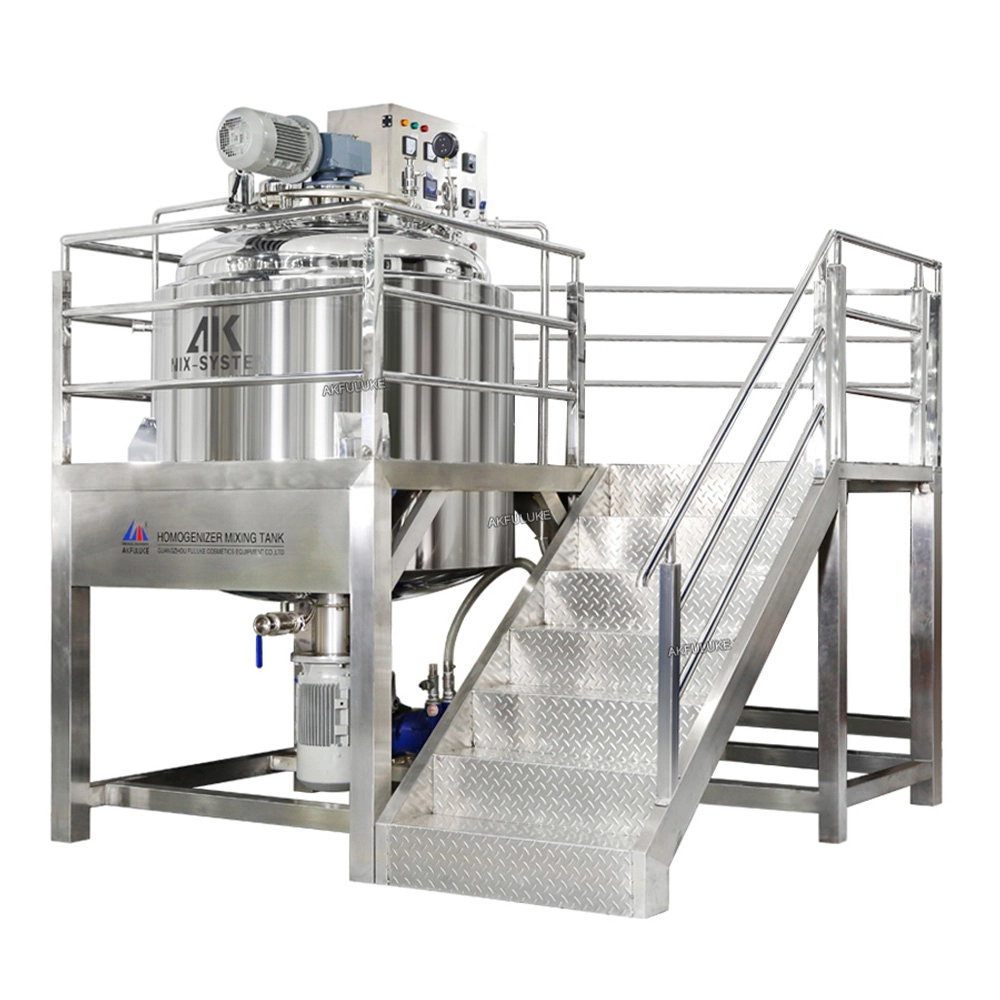
Stainless Steel Mixer Liquid Mixing tank with Agitator Homogenizing Mixing tank Vacuum Sealed Mixer Machine

A leading manufacturer specializing in advanced machinery and complete production lines for the cosmetics, food, pharmaceutical, and chemical industries worldwide.
Contact FULUKE
Facebook
Instagram
YouTube