
How to scale filling capacity as product demand grows?
- 1. How do I accurately scale fill speeds for high‑viscosity creams without breaking emulsions or causing product degradation?
- 2. What are the cost, footprint, and scalability trade‑offs between adding servo‑driven linear fillers (multi‑lane) vs installing a rotary multi‑head filler?
- 3. How can I integrate inline weight checkweighers and closed‑loop feedback so my bottle filling machine maintains fill accuracy at increased throughput?
- 4. When increasing capacity, how should I redesign bottle changeover to minimize downtime across many SKUs?
- 5. What sanitation and contamination controls (CIP/SIP, materials, seals) are required when scaling cosmetic filling lines to meet ISO 22716 and buyer audit expectations?
- 6. How should I plan electrical, compressed air, and PLC I/O capacity so I can scale incrementally without major plant rewiring?
- Conclusion: Advantages of a staged, engineering‑driven approach to scaling cosmetic filling capacity
How to Scale Filling Capacity as Product Demand Grows: Bottle Filling Machine Answers for Cosmetic Producers
As cosmetic product demand grows, technical decisions about your bottle filling machine, filling line integration, and production infrastructure become critical. Below are six detailed, practitioner-focused questions beginners often ask—each answered with actionable guidance referencing industry practices (volumetric/piston filling, rotary filler design, CIP, PLC/HMI integration, and inline QA).
1. How do I accurately scale fill speeds for high‑viscosity creams without breaking emulsions or causing product degradation?
Problem: Increasing line speed often increases shear and residence time, which can destabilize emulsions, introduce air, or change texture. Cosmetic formulations (creams, lotions, gels) are sensitive to shear, temperature, and filling method.
Practical solution:
- Choose the correct pump/doser type. For shear‑sensitive, high‑viscosity products use positive displacement systems—piston fillers or progressive cavity (auger) pumps—rather than high‑speed peristaltic or centrifugal pumps. Piston fillers provide accurate volumetric dosing with relatively low shear; progressive cavity pumps handle very high viscosity and particulates with gentle flow.
- Control temperature and viscosity upstream. Use jacketed day tanks with precise temperature control (PID on the jacket) to keep viscosity in a repeatable range. Even small temperature swings can change viscosity and therefore flow and dosing accuracy.
- Minimize product residence time and recirculation. Design feed lines and manifolds to avoid excessive recirculation loops that can shear the emulsion. If recirculation is required for homogenization, use low‑shear mixers and schedule mixing separate from filling runs where possible.
- Use larger bore, gently tapered filling nozzles. Nozzle geometry affects shear—wider, short nozzles reduce resistance and minimize shear and air entrainment during filling.
- Test incrementally. Benchmark fill accuracy and emulsion stability at incremental speed steps (e.g., +10–20% increments). Use lab trials with the exact machine head/nozzle and recipe to validate maximum stable throughput before factory rollout.
Outcome: By combining a positive displacement filler, robust temperature control, low‑shear recirculation, and optimized nozzle geometry you can increase throughput while preserving product integrity. Typical piston fillers used for creams are commonly run in the 10–60 bottles per minute (BPM) range per dosing head depending on viscosity and container size; multi‑head or rotary systems multiply that capacity.
2. What are the cost, footprint, and scalability trade‑offs between adding servo‑driven linear fillers (multi‑lane) vs installing a rotary multi‑head filler?
Problem: Beginners must decide whether to scale by adding parallel linear lanes (modular approach) or invest in a single high‑capacity rotary filler. Each approach impacts capital expenditure, plant floor layout, maintenance complexity, and future scalability.
Considerations and guidance:
- Throughput scaling model: Linear (multi‑lane) fillers are modular—each lane adds capacity and allows staged investments; rotary multi‑head machines offer higher single‑footprint throughput but require larger upfront CapEx. For low to medium growth forecasts, adding lanes can be cash‑efficient. For aggressive growth (>several hundred BPM), a rotary system may be more economical per unit output.
- Footprint and utilities: Rotary fillers concentrate utility connections (power, compressed air, sanitary water, product feeds) into one machine envelope and typically have smaller footprint per bottle/min of output than multiple linear lanes. However, they require adequate ceiling height for rotary carousels and service access around the machine.
- Flexibility and SKU mix: Servo‑driven linear fillers excel at fast changeovers and flexible recipes (multiple bottle heights/volumes) when equipped with recipe memory on PLC/HMI. Rotary machines are highly efficient at a limited SKU set; changeovers between very different containers can be more complex and require tool kits.
- Maintenance and spare parts: Multiple linear lanes duplicate some spares but isolate failures (one lane offline still leaves others running). A rotary machine is more complex mechanically; a major failure may stop the entire line. Evaluate MTBF data from suppliers and consider redundancy strategy aligned with your tolerance for downtime.
- ROI analysis: Build a 5‑year TCO model including CapEx, expected maintenance, utilities, floor space cost, and predicted volume growth. Include soft costs: SKU flexibility, expected changeover frequency, and regulatory inspection access. Many cosmetic manufacturers find modular linear expansion cheaper to validate against changing SKUs in early scale‑up phases; large established brands with stable SKUs prefer rotary for maximized throughput.
Outcome: If your SKU portfolio is diverse and growth is staged, prioritize a servo‑driven modular approach. If you have predictable, high-volume SKUs and available capital, a rotary multi‑head filler will deliver best throughput per square meter.
3. How can I integrate inline weight checkweighers and closed‑loop feedback so my bottle filling machine maintains fill accuracy at increased throughput?
Problem: As speed increases, dosing variation often increases. Relying on nominal machine settings alone can lead to overfills, underfills, and increased giveaways or regulatory risks.
Implementation steps:
- Install a high‑speed inline checkweigher after the filling station and capping area to confirm net fill weight (not just gross). For cosmetic production, integrate the checkweigher so its average deviation data is sent back to the PLC in near real‑time (e.g., every few seconds or per N bottles).
- Use a PID or model predictive control loop in the PLC/HMI to adjust dosing parameters (stroke length for piston, pump speed for progressive cavity or servo) based on checkweigher feedback. Many modern fillers support direct digital I/O or communication via Ethernet/IP, Profinet or Modbus TCP for this purpose.
- Set control rules and alarms: define acceptable tolerance windows (for cosmetics, many operations target ±0.5–1% depending on weight and regulatory requirements) and rule‑based corrections (small consistent bias = automatic adjustment; random variance above threshold = stop and notify QA).
- Implement batch/recipe logging and trend analytics. Store per‑batch fill statistics (mean, SD, number of rejects) for QA and supplier audits. This data supports continuous improvement and provides evidence of compliance with ISO 22716-style GMPs.
- Account for process lag. At very high speeds, the time between an adjustment and its measured effect increases; design the feedback window and damping to avoid oscillation (over‑correction). Work with filler OEMs to tune loop parameters during commissioning.
Outcome: Closed‑loop control with an inline checkweigher reduces overfill giveaways and rejects while enabling safe increases in fill speed. Ensure communications protocols and safety interlocks are factory‑tested during FAT/SAT phases.
4. When increasing capacity, how should I redesign bottle changeover to minimize downtime across many SKUs?
Problem: More SKUs = frequent changeovers, and downtime erodes capacity gains. Beginners often underestimate the time and complexity of changeovers on filling, capping, and labeling stations.
Practical best practices:
- Adopt quick‑change mechanical features: use adjustable star wheels, quick-release nozzle mounts, and spring‑loaded guides. Specify change parts (format parts) that are lightweight and clearly numbered.
- Use recipe‑driven PLC/HMI. Store recipes for each SKU including servo positions, filling volumes, conveyor speeds, star wheel spacing, and capping torque. A single button load reduces operator error.
- Standardize containers where possible. Reducing outer variability (neck diameter, skirt length) across SKUs reduces the number of physical format parts needed and speeds transitions.
- Implement changeover checklists and parallelize tasks. Train two‑person changeover teams and choreograph actions so mechanical swaps, PLC recipe load, and QA sampling happen concurrently. Aim for <15 minutes for simple size swaps where feasible; complex format changes may take longer but should be practiced and timed.
- Use vision and sensor assistance. Machine vision can quickly confirm correct bottle placement and detect format mismatches at speed, reducing trial runs and rejected off‑formats during startup after changeover.
Outcome: Combining modular mechanical design, recipe memory, operator training, and vision/sensor verification reduces changeover time and sustains higher overall equipment effectiveness (OEE) as capacity scales.
5. What sanitation and contamination controls (CIP/SIP, materials, seals) are required when scaling cosmetic filling lines to meet ISO 22716 and buyer audit expectations?
Problem: Growing production increases risk of contamination and regulatory scrutiny. Cosmetic manufacturers often follow ISO 22716 Good Manufacturing Practices for cosmetics, which addresses hygiene, documentation, and quality systems.
Sanitation strategy and equipment specifications:
- Material selection: Specify contact parts in stainless steel (SS316L preferred for aggressive formulations) with sanitary welds and polished finishes (industry practice targets low Ra values on contact surfaces). Avoid materials that sorb fragrance or active ingredients; select seals compatible with product chemistry (EPDM, FKM, PTFE as appropriate).
- CIP/SIP applicability: For water‑based creams and lotions, design piping and tanks for Clean‑In‑Place (CIP) with documented validated cycles (detergent, rinse, optional sanitizing steps). For oil‑based or solvent systems where CIP is impractical, design for quick disassembly and validated manual cleaning SOPs. Where microbial control is critical, consider steam sterilization (SIP) on tanks if compatible.
- Hygienic design: Minimize dead legs in piping; slope drains correctly; provide access ports for inspection. Use tri‑clamp fittings and hygienic valves to streamline cleaning.
- Documentation and validation: Maintain cleaning validation records, swab results, and changeover logs to demonstrate adherence to ISO 22716 and buyer audits. Include microbial and residue testing as required by your product risk assessment.
- Environmental controls: For sensitive products, consider controlled rooms or localized enclosures (ISO 7/8 equivalents) around the filler to reduce particulate and cross‑contamination risk. Monitor temperature and humidity where they affect product stability.
Outcome: Proper material choices, CIP/SIP where appropriate, validated cleaning procedures, and documentation are essential to scale safely and satisfy audits. These practices reduce recalls and customer complaints as volumes grow.
6. How should I plan electrical, compressed air, and PLC I/O capacity so I can scale incrementally without major plant rewiring?
Problem: Retrofitting utilities and control systems after equipment purchase is costly and causes long downtime. Early planning for headroom avoids expensive upgrades.
Planning checklist and recommendations:
- Conduct a utilities audit: Calculate peak and continuous power, compressed air, and pneumatic cylinder flows for current and projected machines. Request OEM datasheets during the procurement stage and build a centralized utility load sheet with 25–50% headroom for future additions.
- Electrical infrastructure: Design distribution panels with spare circuit breakers and conduit capacity. Use three‑phase power (commonly 380–480V depending on region) and include VFDs (variable frequency drives) with spare capacity or space for additional drives. Use centralized power monitoring (kW meters) to spot emerging overloads early.
- Compressed air and vacuum: Size compressors and receiver tanks for peak demand plus margin. Instead of multiple small compressors, a central compressed air station with dryers and adequate storage reduces risk of pressure drops that can affect pneumatic actuators and valves during peak runs.
- PLC/HMI and I/O: Specify PLC racks with spare slots and Ethernet backplane capacity. Use modular distributed I/O (remote I/O over EtherNet/IP or Profinet) to add stations without long cable runs. Include spare digital and analog channels for sensors, actuators, temperature sensors, and future checkweigher or vision I/O.
- Network and data: Provision a plant Ethernet with VLANs for control and separate IT for factory MES/SCADA. Ensure switches have spare ports and use industrial switches with redundancy for uptime. Define a recipe database and historian capacity for growth in batch logging.
- Documentation and change control: Keep single‑line diagrams, pneumatic schematics, and PLC I/O mappings up to date. Use a change control process for adding equipment to avoid ad‑hoc wiring that becomes unmanageable.
Outcome: Build in headroom for utilities and modular control architecture during initial installations to enable incremental scaling without major civil or electrical work. This reduces time‑to‑market for new SKUs and keeps CAPEX predictable.
Conclusion: Advantages of a staged, engineering‑driven approach to scaling cosmetic filling capacity
Scaling capacity using the approaches above yields several advantages: predictable capital allocation via modular investments, preserved product quality through correct pump selection and low‑shear handling, improved yield and lower giveaway using closed‑loop weight feedback, reduced downtime with quick‑change mechanics and recipe controls, robust sanitation and audit readiness with hygienic design and validated cleaning, and future‑proofed utilities and control systems with spare capacity and modular PLC/I/O. Together these elements increase throughput, reduce cost per unit, protect brand quality, and lower regulatory risk as your cosmetic line grows.
If you want tailored equipment recommendations, throughput models, or a quotation for a bottle filling machine and complete filling line integration, contact us for a quote: www.fulukemix.com or flk09@gzflk.com.
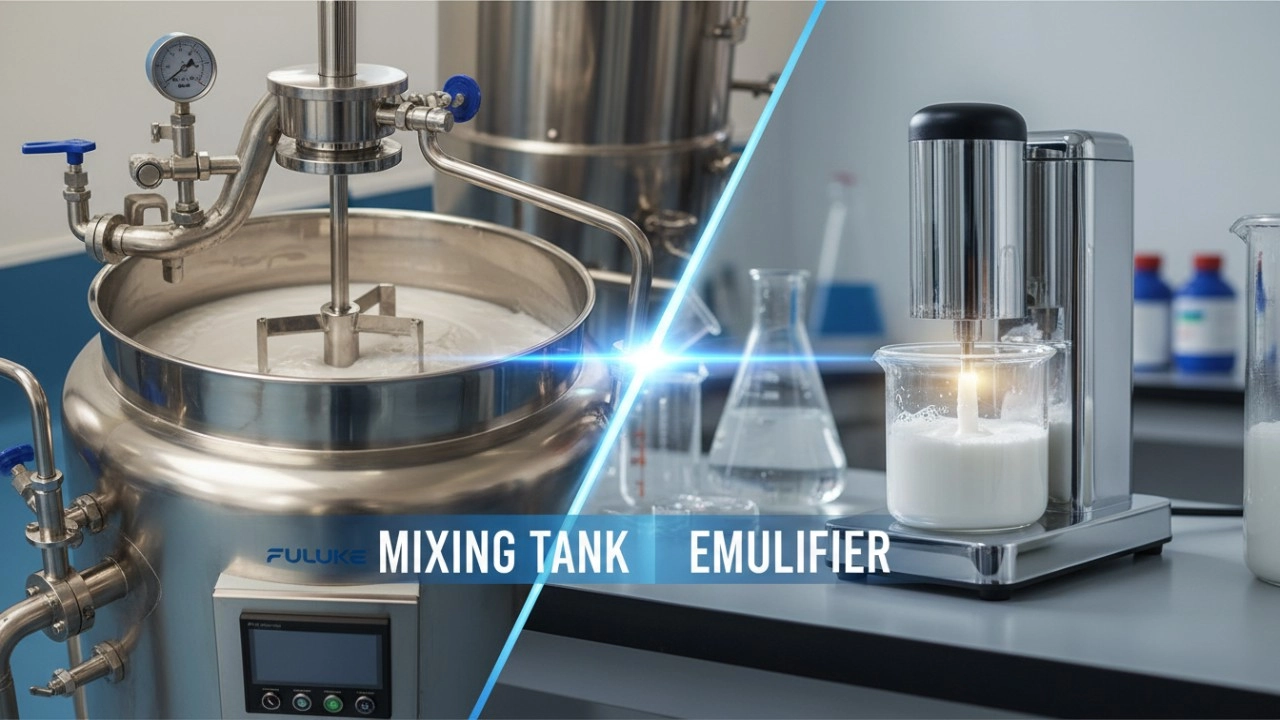
High-Shear Emulsifier vs. Standard Mixing Tank: A Deep Dive into Process Efficiency
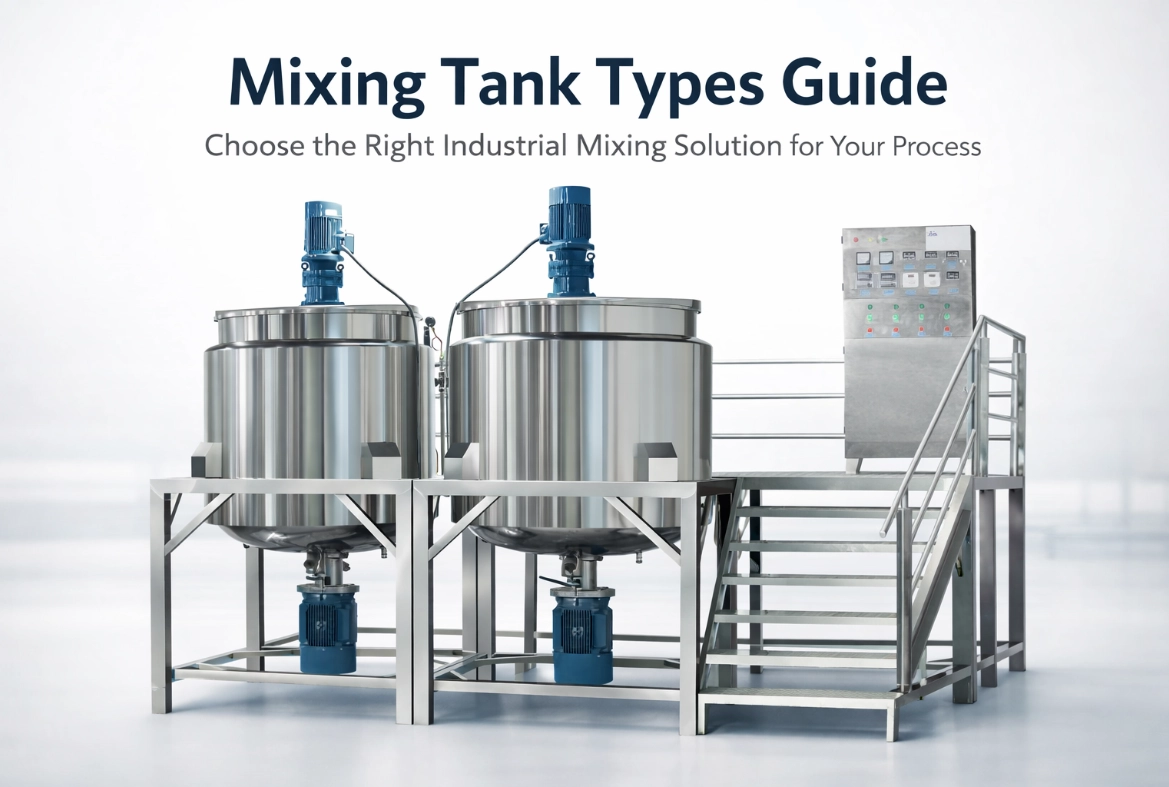
Advanced Mixing Tank Types: How to Optimize Your Production Line for 2026
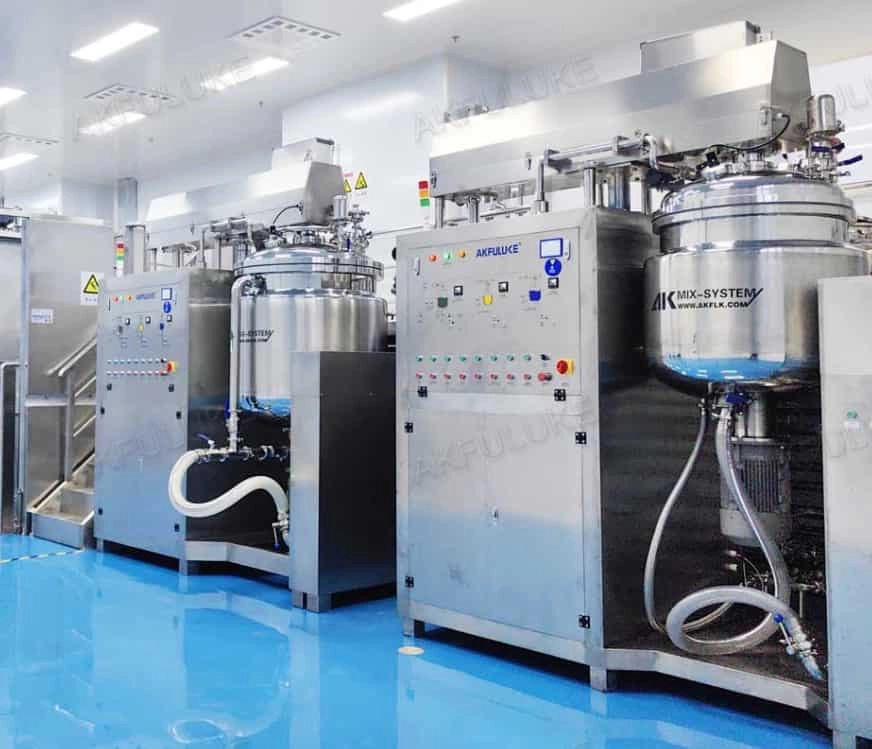
How it Works: The Science Behind Multifunctional Mixing Tank Technology & Performance (2026 Guide)
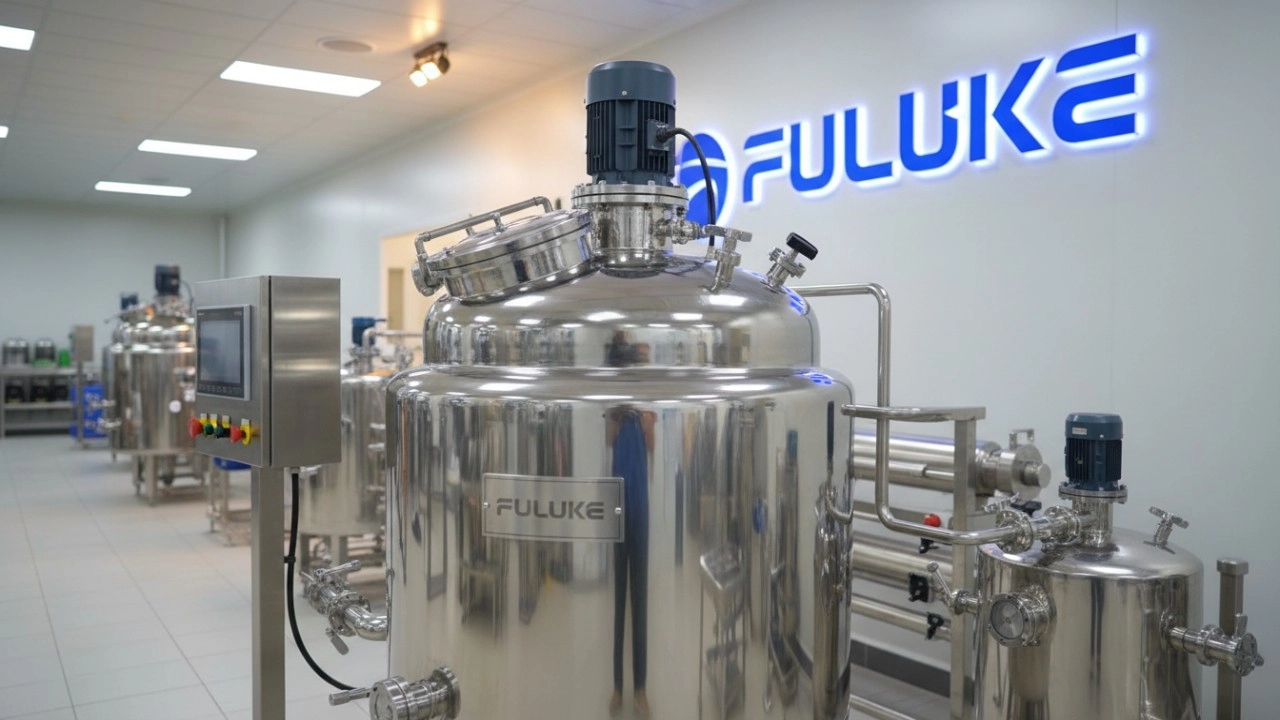
The Ultimate Guide to Multifunctional Mixing Tanks: Maximize ROI and Efficiency [2026 Edition]
The Flip Cover Liquid Wash Mixing Homogenizing Tank
What can you buy from us?
RO Water Treatment、Vacuum Emulsifying Machine、Homogenizer Mixing Tank、Filling and Capping、labeling Machine、Packing Machine、Storage Tank,etc.
FAQs
What products does FULUKE specialize in?
Vacuum Emulsifying Machine
How does the vacuum homogenizer work?
The vacuum homogenizer's operating process revolves around four core steps: vacuum degassing, high-speed homogenization and emulsification, stirring and mixing, and temperature control. Through the coordinated operation of multiple systems, it achieves refined material processing. The following is its specific operating principle and process:
1. Pretreatment: Material feeding and vacuum environment establishment
Material preparation: First, add the basic materials, such as the oil phase (such as oils and waxes) and the aqueous phase (such as water and water-soluble ingredients), to their corresponding batching tanks or directly into the main emulsifier in sequence.
Evacuation: Activate the vacuum system (consisting of a vacuum pump, vacuum valve, etc.) to evacuate the interior of the emulsifier, creating a negative pressure environment (typically up to -0.09 MPa).
2. Core Process: Temperature Control (Heating/Cooling)
3. Core Process: Agitation and Mixing
Agitation Structure: Typically uses a "frame agitator + scraper" combination (for high-viscosity materials):
Through shearing, folding, and convection, the different materials are initially mixed and their stratification is broken down.
The PTFE scraper rotates closely against the pot wall, thoroughly scraping away any sticky material adhering to the pot wall, preventing localized overheating and residue, and ensuring zero dead zones.
4. Core Process: High-Speed Homogenization and Emulsification
Homogenizer Structure: A high-speed rotating homogenizer is installed at the bottom (or side) of the emulsifier, consisting of a rotor (with sharp teeth) and a stator (with fixed teeth). Working Principle: The rotor rotates at an extremely high speed, generating a strong centrifugal force that draws the material into the gap between the rotor and the stator. In this gap, the material is subjected to the triple effects of shear force, impact force, and turbulent force. The teeth of the rotor and stator quickly cut the material and generate high-frequency vibrations.
Automatic Labeling Machine
After a few years of use, the equipment's labeling accuracy has decreased. What could be the problem?
Decreased accuracy is often related to component wear. Focus on inspecting three areas.
Inspect the labeling roller: Surface wear or adhesive buildup can cause unstable label feeding and require replacement.
Inspect the servo motor: Motor aging can cause unstable speed. Contact maintenance personnel to inspect the motor's performance.
Inspect the photoelectric sensor: Dust accumulation or reduced sensitivity on the lens can affect positioning. Clean the lens or recalibrate it.
RO Water Treatment
Who are we?
Our headquarters is located in Guangzhou, Guangdong, China, and our factory is located in Yangzhou, Jiangsu. Our products are sold all over the world. We have approximately 50 employees in our company and factory.
Get in touch with FULUKE
If you have any comments or good suggestions, please leave us a message, later our professional staff will contact you as soon as possible.
You May Also Like
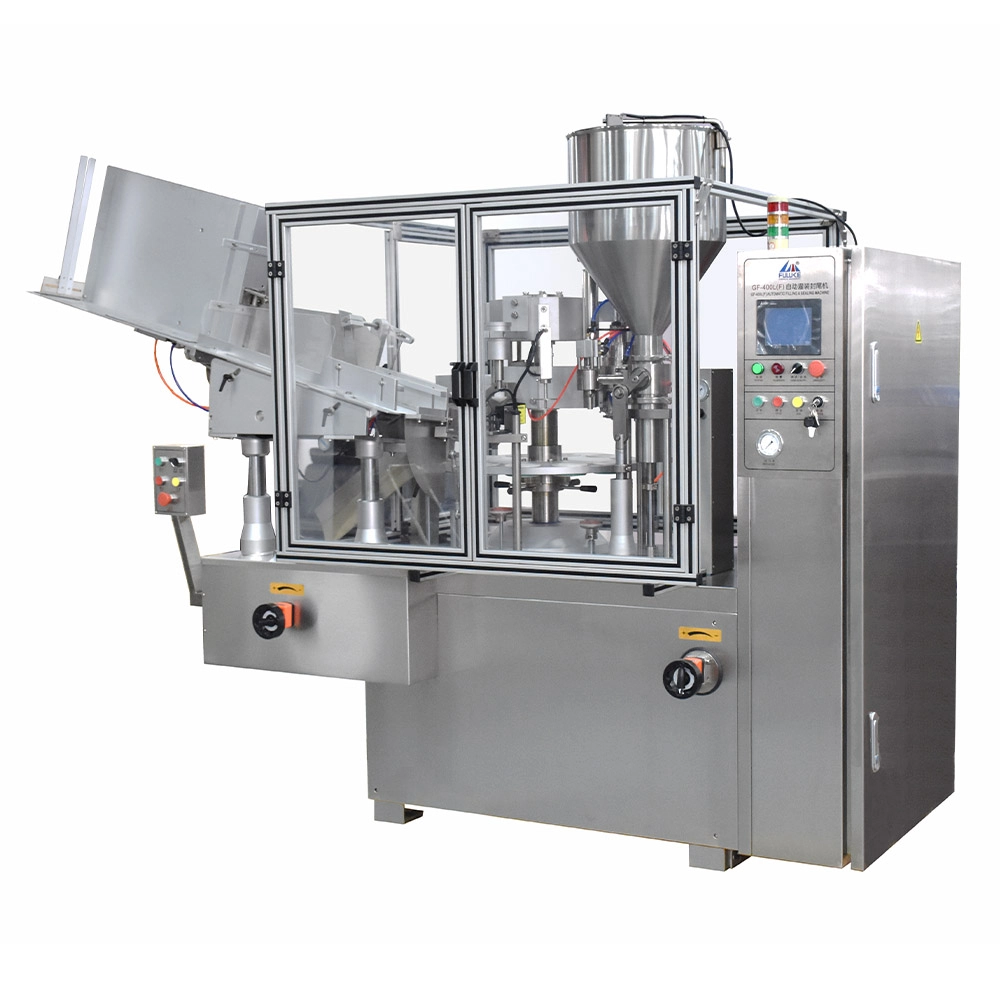
Automatic Tube Filling and Sealing Machine Toothpaste Sunscreen and Facial Cleanser Filling and Sealing Machine for Plastic and Aluminum-plastic Tube
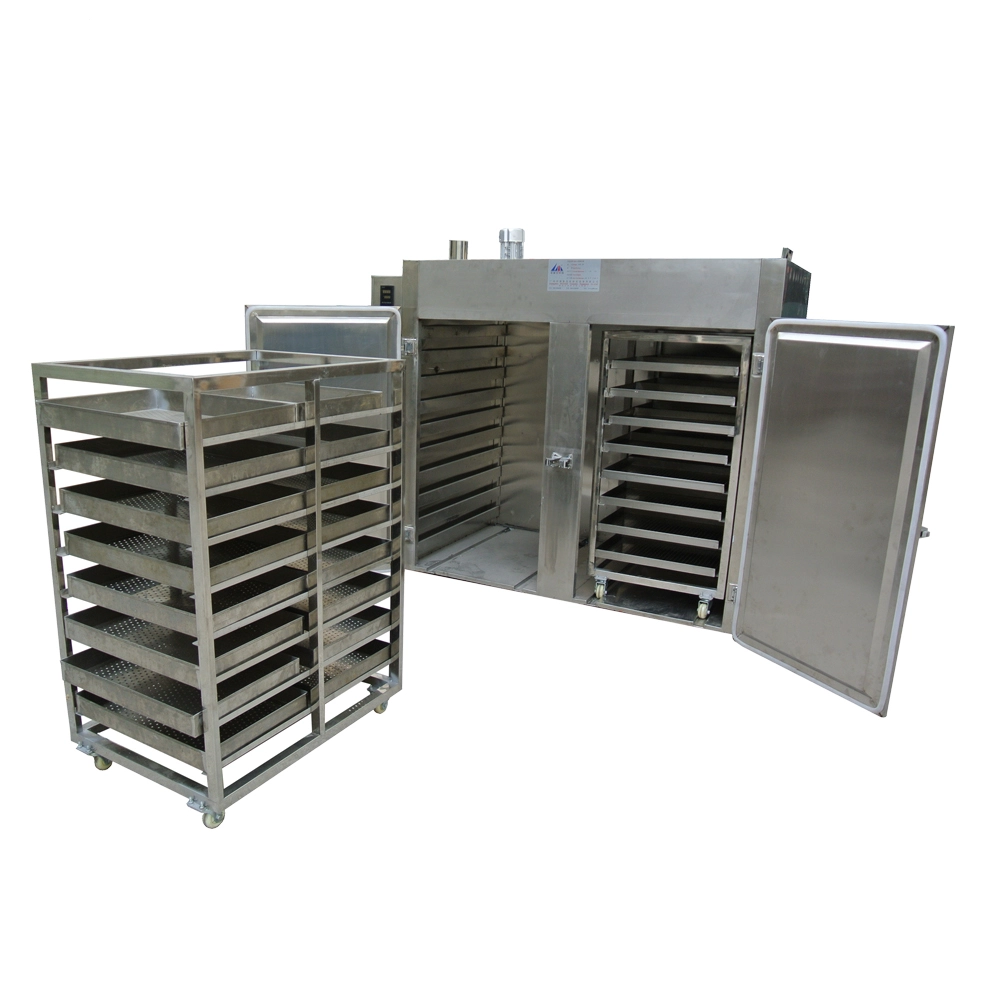
Over for Bottles High Temperature Sterilizer Tray Dryer Large Hot Air Circle Drying Oven for Glass Bottle Jar Cup Can

Automatic Glass Bottle Washing Machine High Quality Glass Bottle Cleaning Washer
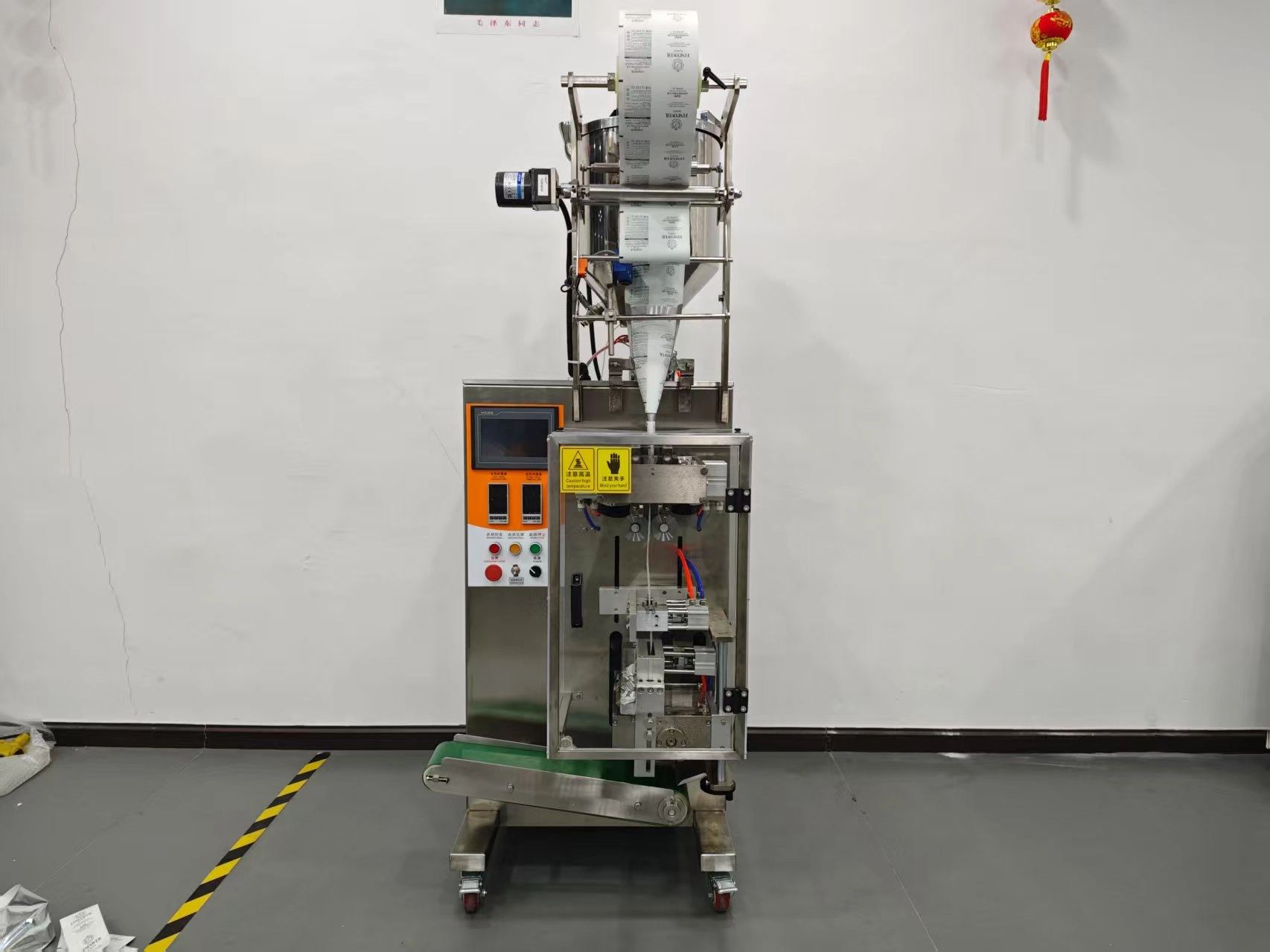
Three-side/four-side sealing bag packaging machine Liquid Paste Jam Cream Sachet Vertical Filling Pouch Packing Machine

A leading manufacturer specializing in advanced machinery and complete production lines for the cosmetics, food, pharmaceutical, and chemical industries worldwide.
Contact FULUKE
Facebook
Instagram
YouTube