
How to select a filler for high-viscosity serums?
- How to select a filler for high-viscosity serums?
- How do I prevent stringing and air entrapment when filling viscous serums into glass dropper bottles?
- How should I validate fill accuracy and repeatability for viscous serums to meet cosmetic batch records?
- Can rotary piston fillers handle viscosities above 100,000 cP and what maintenance will they require?
- How to integrate heating, agitation and recirculation into a filling line for temperature-dependent serums without degrading actives?
- How to size and specify an automated bottle filling machine for low-volume runs, frequent SKU changeovers, and GMP cosmetic compliance?
How to Select a Filler for High-Viscosity Serums: Bottle Filling Machine Guide
Buying a bottle filling machine for viscous serums is a complex decision that affects product quality, throughput and regulatory compliance. This article answers six specific, practitioner-focused questions often missing depth online and provides actionable selection criteria, practical ranges, and integration tips for cosmetic equipment buyers.
How to select a filler for high-viscosity serums?
Start with a decision matrix keyed to: measured viscosity (in centipoise, cP), shear sensitivity of actives, presence/size of particulates, container type/size, required fill accuracy, and target throughput. Typical viscosity bands used by manufacturers:
- Low-viscosity serums: <1,000 cP (e.g., light lotions)
- Mid-viscosity serums: 1,000–50,000 cP (thicker lotions/gels)
- High-viscosity serums: >50,000 cP (dense gels, thick serums)
Filler choice guidance (industry practice):
- Piston (positive displacement) fillers: most versatile for 1,000– >100,000 cP. Use servo-driven pistons for high accuracy (±0.5–1% typical for stable processes). Best when moderate shear is acceptable and no large particulates are present.
- Progressive cavity (Moineau) pumps: excellent for very high viscosities and shear-sensitive formulas because of low-shear, continuous flow. Recommended when particulates or long-chain actives must remain intact.
- Gear pumps: suitable for viscous, low-contaminant fluids when steady flow and high pressure are needed; higher shear than progressive cavity but compact and durable.
- Peristaltic pumps: low contamination risk and easy sterilization; good for low-to-mid viscosity and sterile or shear‑sensitive serums, but limited by tube wear and particulate handling.
Also consider: servo-driven control and recipe storage (for repeatability), sanitary wetted materials (316L stainless steel, electropolished), CIP/SIP capability for cosmetics GMP, and nozzle/valve selection to limit stringing. For most cosmetic high-viscosity serums, a servo piston or progressive cavity filler on a sanitary rotary or linear bottle filling machine gives the best balance of accuracy, throughput and product integrity.
How do I prevent stringing and air entrapment when filling viscous serums into glass dropper bottles?
Stringing and entrapped air cause rejects and inconsistent fills. Practical countermeasures:
- Nozzle geometry: use tapered or anti-drip nozzles with internal PTFE coatings; nozzle diameters of 2–6 mm are common for serums depending on viscosity and particulate size.
- Bottom-up or submerged filling: place the nozzle at or below the liquid line during fill to eliminate drooling and reduce foam. For dropper bottles, a controlled bottom-fill to a preset height minimizes air pockets.
- Vacuum/venting: integrate a vent or vacuum-assisted filling stage for highly viscous, foaming-prone formulas. A small vacuum chamber or controlled backpressure reduces trapped air in narrow-neck bottles.
- Fill speed profiling: use a two-stage fill (fast bulk, slow finish) controlled by PLC/servo to avoid turbulence at the end of the cycle.
- Anti-drip and check valves: install nozzle anti‑drip valves or quick‑clamp shutoffs to cut flow instantly at end-of-fill.
Implement test runs with production containers and evaluate fill visually and by weight. Adjust nozzle immersion depth, finish speed and anti-drip settings until stringing is eliminated without over‑filling.
How should I validate fill accuracy and repeatability for viscous serums to meet cosmetic batch records?
Validation must be documented and reproducible. Recommended approach:
- Define acceptance criteria: typical cosmetic industry targets are ±1–2% of nominal fill for liquid/serum products; high-precision lines aim for ±0.5% where product cost demands it.
- IQ/OQ/PQ protocol: install qualification to document machine components (IQ), operational tests and alarms (OQ), and production performance under normal loads (PQ). Include worst-case viscosities and container formats in PQ runs.
- Sampling plan: follow a statistically based sampling method (e.g., ANSI/ASQ Z1.4) for production checks. For small runs, 100% weight checks on a sample subset (for example, n=30) during setup and periodic in-run checks are common.
- Record instrumentation: use calibrated load cells or in-line flow meters (mass or volumetric) logged by PLC or MES for traceability. Document calibration with traceable standards.
- Environmental control: record temperature because viscosity and fill volume can vary with temperature—especially for temperature-sensitive serums.
Run FMEA for the filling step to identify variation sources (pump wear, nozzle clog, air bubbles) and specify corrective actions in the PQ documentation.
Can rotary piston fillers handle viscosities above 100,000 cP and what maintenance will they require?
Many rotary piston fillers marketed for cosmetics are specified to handle very high viscosities (some vendors state capabilities into the hundreds of thousands of cP). Real-world performance depends on pump construction, clearance, and drive torque. Considerations:
- Mechanical limits: the motor and gearbox must provide sufficient torque; servo-driven systems with torque monitoring are preferred to avoid stalls and inconsistent fills.
- Wear and seals: high-viscosity, abrasive additives accelerate piston and cylinder wear. Use high-grade seals, replaceable liners (PTFE or UHMW), and schedule seal replacement based on throughput and product abrasiveness.
- Maintenance plan: establish preventive maintenance including daily cleaning of nozzles, weekly inspection of pistons and valves, monthly verification of clearances and torque, and quarterly replacement of wear parts depending on usage. Maintain spare seal kits and nozzle sets to reduce downtime.
If your product exceeds typical rotary piston comfort zones or contains particulates, evaluate progressive cavity pumps or custom gear solutions designed for extreme viscosities. Discuss maximum allowable particulate size and recommended maintenance intervals with suppliers and include service level agreements (SLA) in procurement.
How to integrate heating, agitation and recirculation into a filling line for temperature-dependent serums without degrading actives?
Temperature control is essential when viscosity changes with temperature or when serums require gentle warming to flow. Integration tips:
- Use jacketed tanks with PID-controlled steam or hot-water jackets and RTD sensors to maintain temperature within narrow setpoints; typical control tolerance is ±0.5–1.0 °C depending on the formulation sensitivity.
- Agitation type: choose low-shear anchor or gentle propeller agitators for finished serums that must not be denatured; avoid high-shear homogenizers downstream of active ingredients unless formulation requires it.
- Recirculation loops: include a sanitary recirculation loop with adjustable flow and gentle pumps (progressive cavity or low-speed gear) to keep product homogeneous and at temperature between tank and filler. Size piping to minimize residence time and heat loss.
- In-line heaters and temperature monitors: for short runs, an in-line heat exchanger with temperature check before the filler ensures consistent viscosity at the nozzle. Add automatic shutdown or alarm if temperature drifts out of spec.
- Actives stability: consult formulation stability data. Many bioactive ingredients are temperature-sensitive; validate that process temperatures and residence times do not degrade potency (stability data required for specification limits).
Document thermal exposure in batch records and include temperature loggers in PQ to show compliance with validated ranges.
How to size and specify an automated bottle filling machine for low-volume runs, frequent SKU changeovers, and GMP cosmetic compliance?
Small-scale cosmetic manufacturers need flexibility and regulatory hygiene without overspending on industrial high-throughput lines. Specification checklist:
- Modular design: choose a rotary or linear filler with quick-change parts (nozzles, rails, starwheels) for fast SKU changeovers—tool-less changeover options reduce downtime to minutes rather than hours.
- Throughput sizing: target machine speeds 10–200 bottles/min depending on SKU; for low-volume production choose machines with scalable indexing or intermittent motion rather than high-speed continuous rotary units to avoid underutilization.
- CIP/SIP and sanitary design: ensure all wetted parts are easy to remove and clean, or provide CIP capability. Tri-clamp fittings, electropolished surfaces, and FDA-compliant elastomers help meet GMP requirements.
- Control and traceability: require PLC/HMI with recipe management, date/lot code printing integration, and data logging for batch records. Include alarms for deviation and interlocks for safety and quality.
- Floor space and utility needs: specify power, compressed air, hot water/steam, and drain requirements in procurement documents. Small footprints and mobile frames help multiply lines in limited spaces.
- Service & validation support: select suppliers offering IQ/OQ/PQ documentation, spare parts kits, and on-site commissioning. For cosmetic compliance, buy equipment with materials certificates (316L, FDA elastomers) and weld traceability as needed.
Include total cost of ownership calculations (machine cost, changeover labor, utilities, spare parts, expected downtime) in purchase decisions. For frequent SKU changes, prioritize flexibility and sanitary design over raw speed.
Concluding summary — Advantages of choosing the right bottle filling machine for high-viscosity serums
Selecting the correct bottle filling machine and filler type reduces product waste and rework, improves fill accuracy and cosmetic appearance, protects actives from shear/thermal damage, and simplifies regulatory compliance (GMP traceability, validated IQ/OQ/PQ). A well-specified system with servo control, sanitary construction, proper pump selection (piston, progressive cavity, gear or peristaltic as appropriate), and integrated heating/recirculation balances throughput with product integrity and lowers total cost of ownership.
For tailored equipment recommendations, spare-parts plans, and an on-site quote, contact FULUKEMIX at www.fulukemix.com or email flk09@gzflk.com — we can evaluate your specific serum viscosity, container formats and production targets and provide a validated bottle filling machine solution.
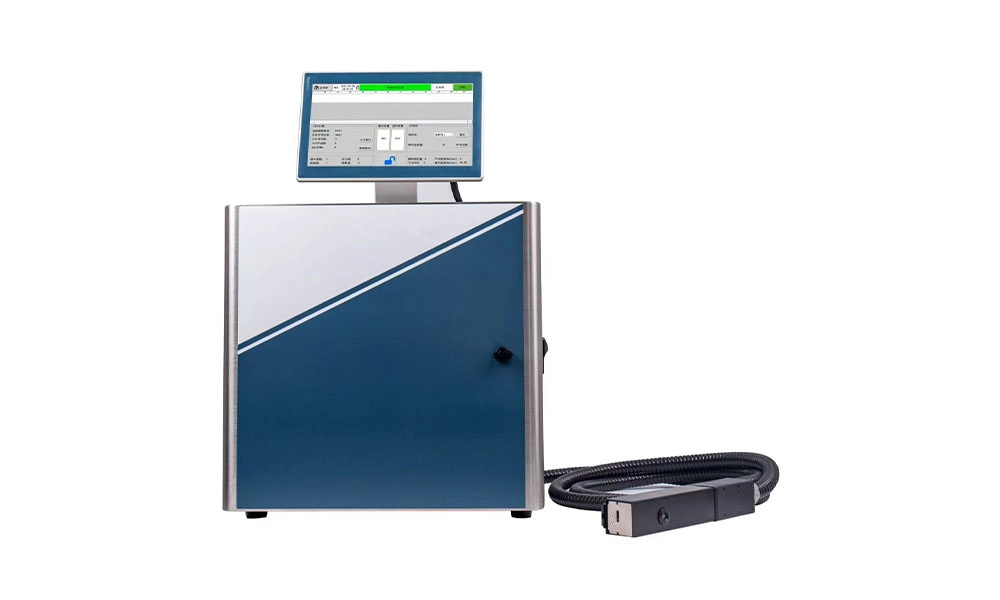
How to quickly resolve issues such as blurry text, broken lines, scattered dots, and non-printing of ink?
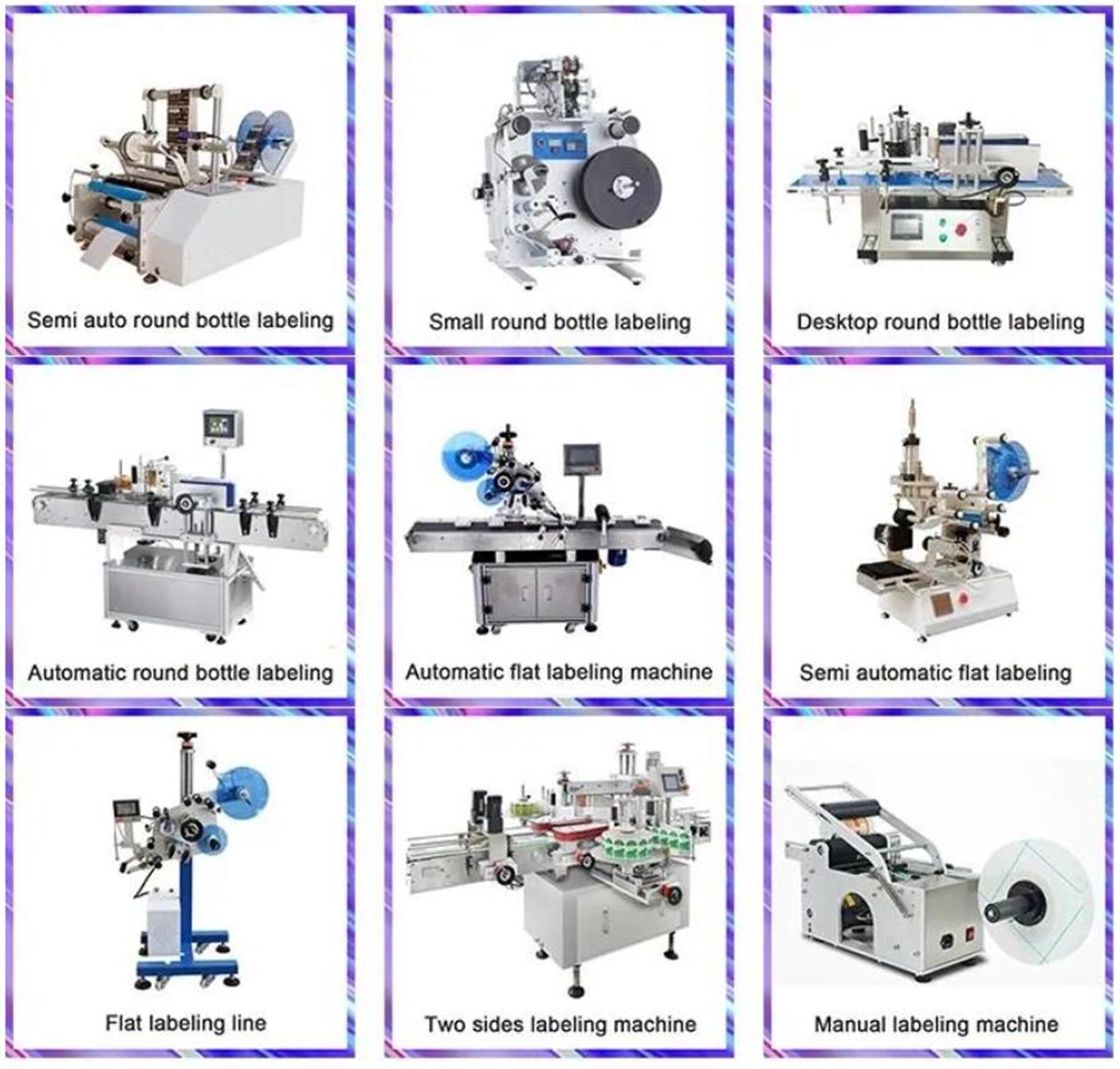
Improving Packaging Efficiency: Applications and Advantages of Fully Automatic Labeling Machines in Production Lines

Understanding Servo Capping Machines: The Core Logic of Precise Capping – Understand the Entire Working Process in Seconds
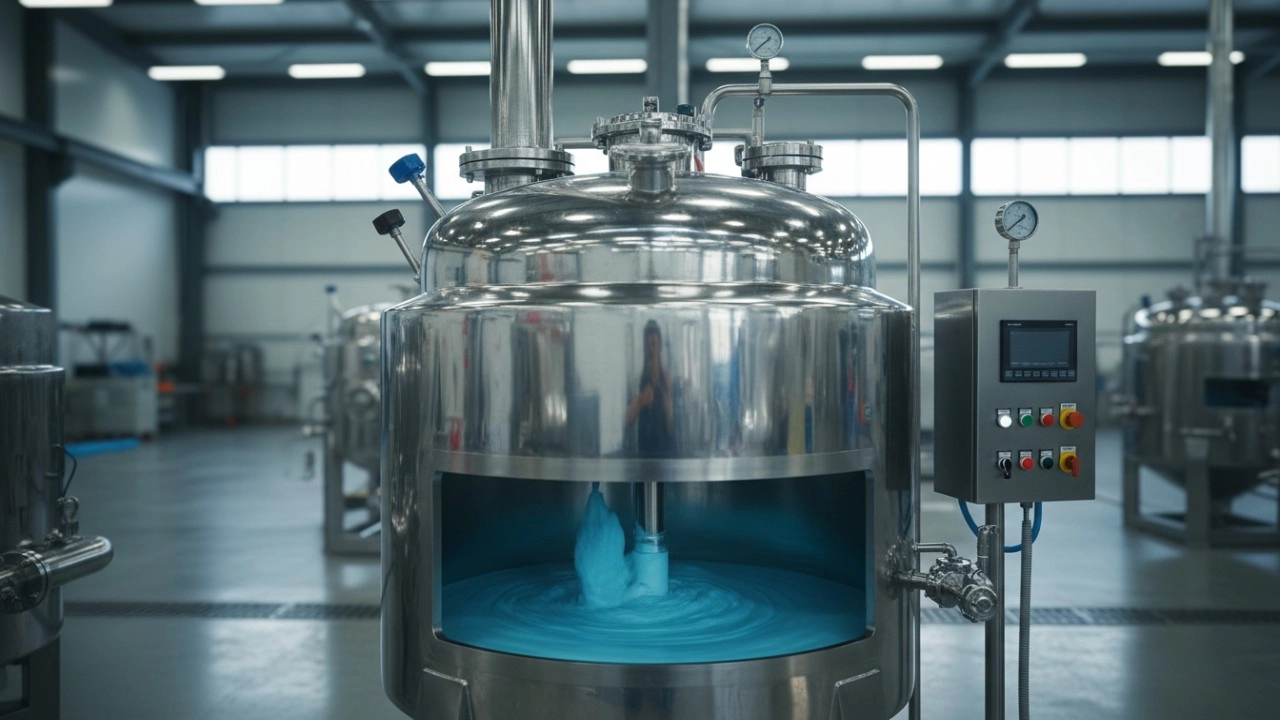
The Future of Industrial Agitation: 5 Smart Mixing Tank Technologies Changing the Game
Vacuum Emulsifying Machine
Who are we?
Our headquarters is located in Guangzhou, Guangdong, China, and our factory is located in Yangzhou, Jiangsu. Our products are sold all over the world. We have approximately 50 employees in our company and factory.
Is it possible not to configure the oil and water pot?
Of course, if you have other containers to pre-treat and heat the materials, then you only need to configure an emulsifying pot.
Film Packaging Machine
This device suddenly shuts down and displays "Abnormal Heat Seal Temperature." What should I do?
First, check the heat seal blade heater for damage. Next, check whether the temperature sensor is in poor contact or malfunctioning. If the hardware is normal, the temperature control module parameters may be abnormal. Restart the device and reset the heat seal temperature (refer to the film material's suitable temperature: BOPP film is typically 120-160°C). If the abnormality persists, contact after-sales service to inspect the temperature control system.
Sealed Homogenizing Mixing Tank
What can you buy from us?
RO Water Treatment、Vacuum Emulsifying Machine、Homogenizer Mixing Tank、Filling and Capping、labeling Machine、Packing Machine、Storage Tank,etc.
Automatic Tube Filling and Sealing Machine
Can the device accommodate tubes of different materials and specifications?
Yes. The device supports plastic (PE, PP) and aluminum-plastic composite hoses. The compatible hose diameter range is typically Φ10-Φ60mm (customizable to user specifications), and the capacity range is 2.5ml-400ml. By replacing specialized molds (such as cylinders and filling heads), the device can be adapted to meet different filling volumes, providing flexible adaptability.
Get in touch with FULUKE
If you have any comments or good suggestions, please leave us a message, later our professional staff will contact you as soon as possible.
You May Also Like
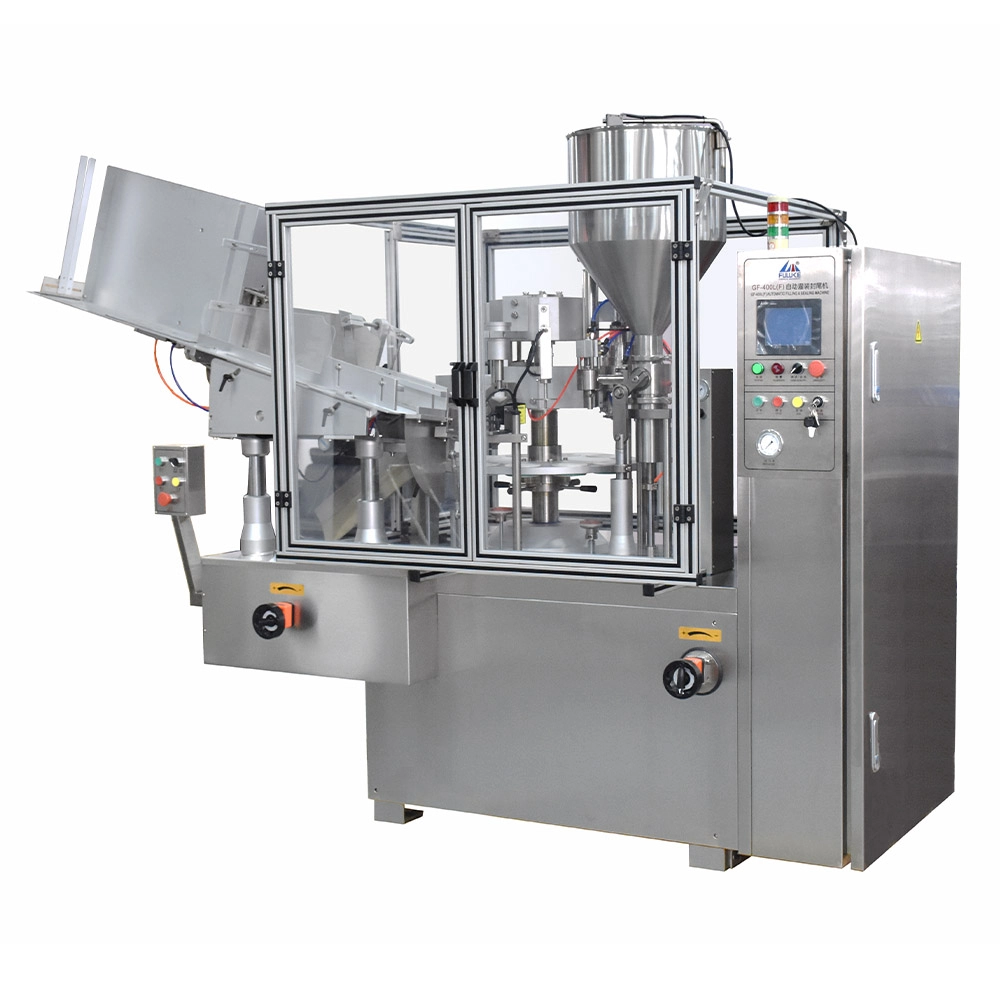
Automatic Tube Filling and Sealing Machine Toothpaste Sunscreen and Facial Cleanser Filling and Sealing Machine for Plastic and Aluminum-plastic Tube
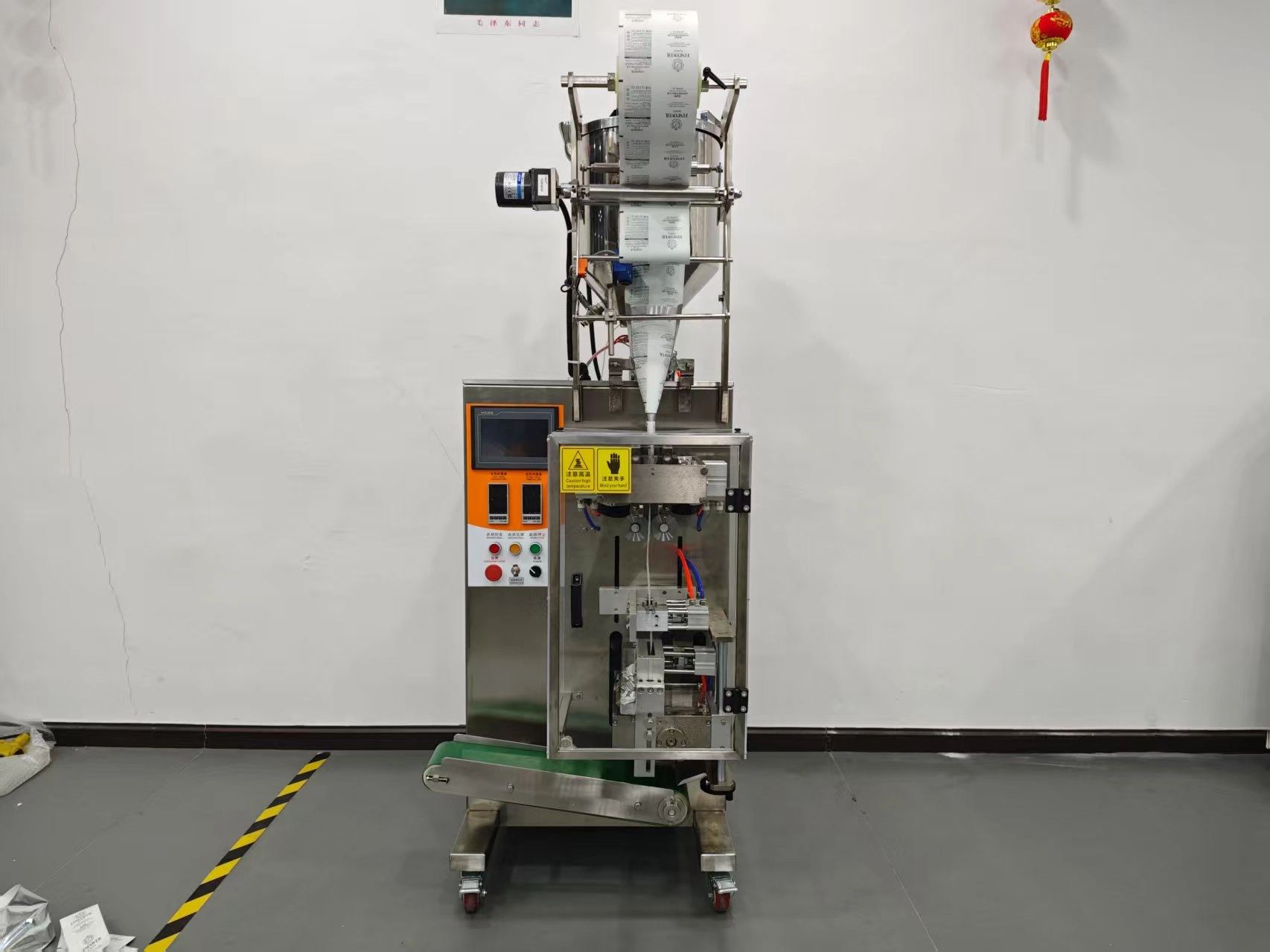
Three-side/four-side sealing bag packaging machine Liquid Paste Jam Cream Sachet Vertical Filling Pouch Packing Machine
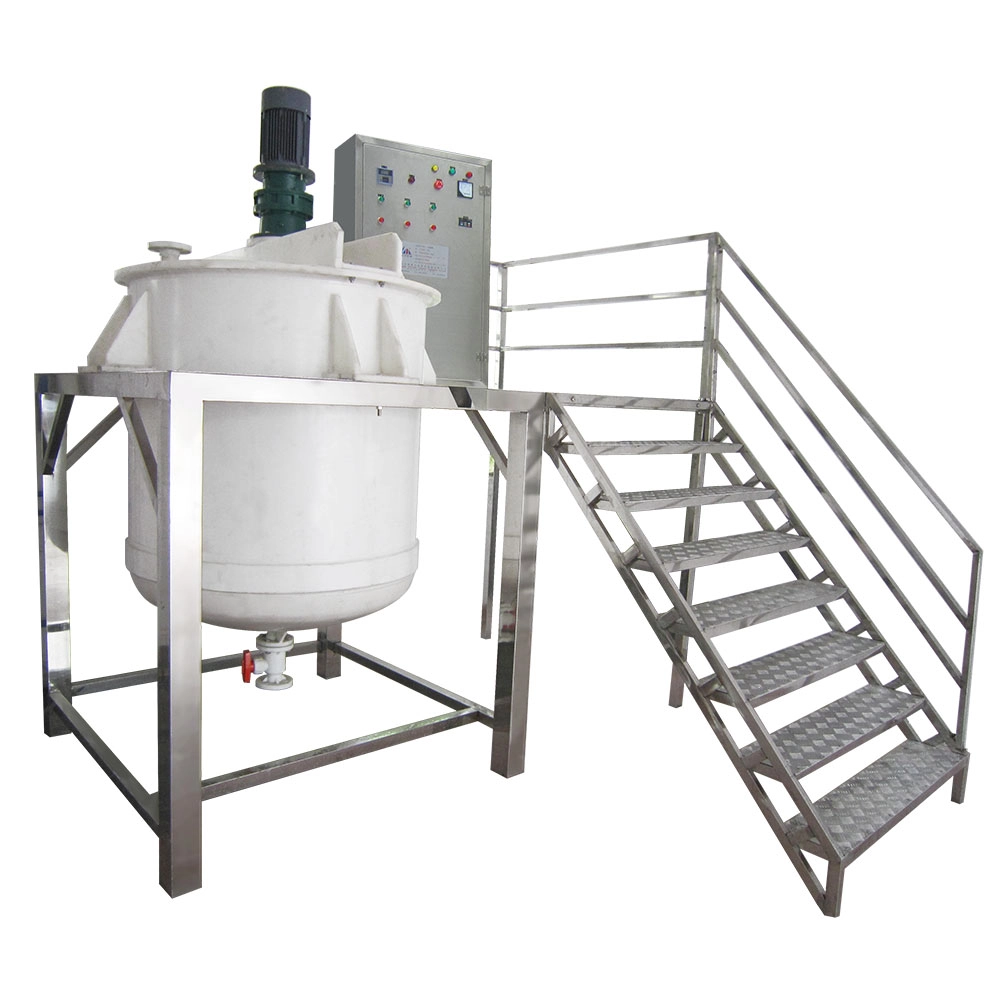
Polypropylene PP Mixing Tank Anti-Corrosion Mixer Reaction Kettle with Agitator Chemical Mixing Vessel
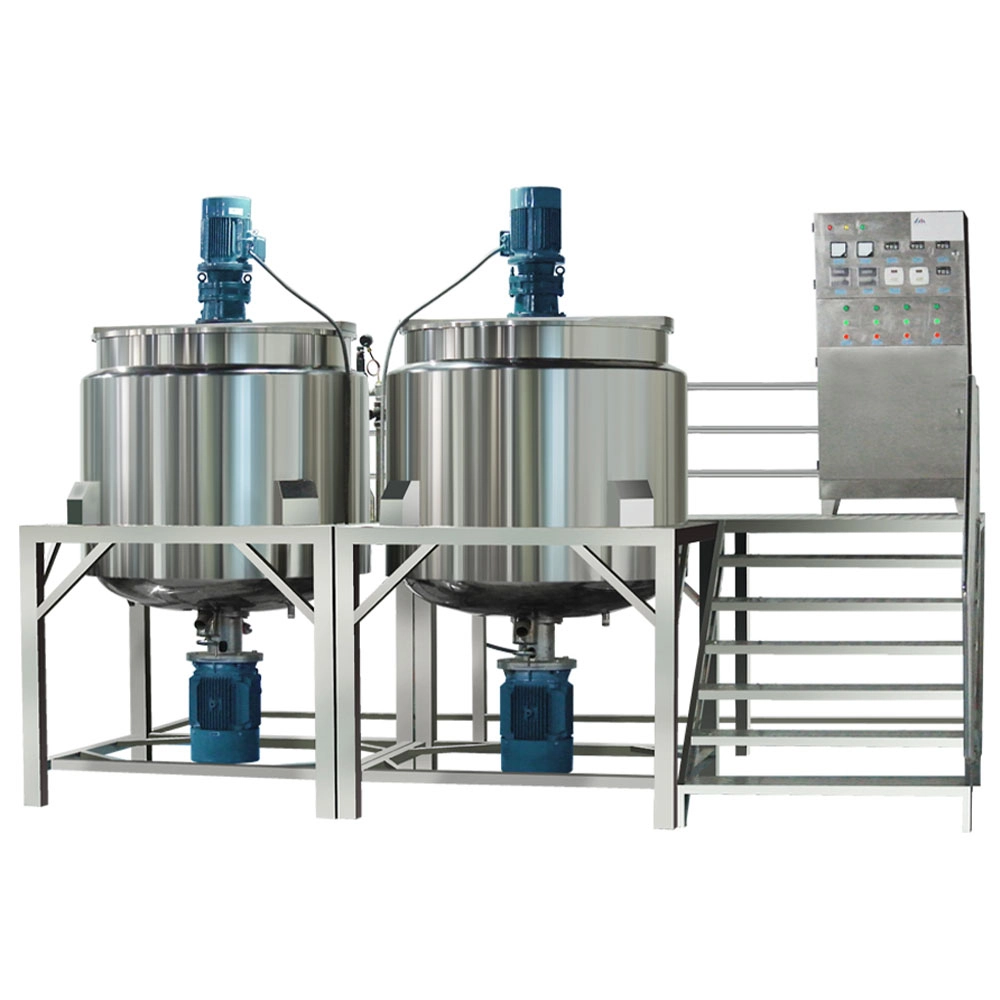
Flip Cover Multi-function Liquid Wash Mixing Tank Blender Liquid Detergent Mixer Homogenization Stirring Tank

A leading manufacturer specializing in advanced machinery and complete production lines for the cosmetics, food, pharmaceutical, and chemical industries worldwide.
Contact FULUKE
Facebook
Instagram
YouTube