
How to select filling machines for fragile bottles?
- 1. How do I calculate safe fill speed and fill pressure for viscous cosmetic serums to prevent glass bottle breakage?
- 2. What specific neck-support and gripper designs minimize micro-cracks on thin-walled perfume bottles on high-speed rotary lines?
- 3. Which filling technology—piston, peristaltic, time-pressure or overflow—provides the best balance of accuracy and gentle handling for fragile glass and variable-volume cosmetics?
- 4. How can I engineer changeover procedures and quick tooling to avoid bottle chipping when switching formats on the same filling line?
- 5. Which in-line inspection and torque-control strategies detect and prevent capped fragile bottles from developing stress fractures post-capping?
- 6. How do I validate and document breakage reduction and ROI after installing anti-vibration conveyors, submerged nozzles, and gentle filling upgrades?
1. How do I calculate safe fill speed and fill pressure for viscous cosmetic serums to prevent glass bottle breakage?
Beginners often get generic advice like slow it down, but you need a measurable approach. Start by defining three process variables: fill flow rate (mL/s), nozzle diameter, and bottle support/positioning quality. Use a conservative engineering approach: begin at a low, repeatable flow rate that produces no splashing or visible bottle movement during trial fills, then increase in quantified increments while monitoring bottle stress indicators (micro-cracks, chipping, neck movement).
Practical steps:
- Run lab trials with the exact liquid (including temperature and viscosity) and the production bottle. Viscosity strongly affects dynamic forces—measure it (cP) and record temperature.
- Use bottom-up or submerged filling for foaming or high-surface-tension formulas to avoid splashing; this generally allows slightly higher flow rates with less turbulence.
- Fit servomotor-driven, low-acceleration control on pump/valve actuation. Servo-driven volumetric or piston fillers allow precise acceleration/deceleration profiles that reduce water-hammer-like impacts on the bottle.
- Measure results: document fill flow rate, nozzle height, and bottle support condition for each trial. Record defect rate over statistically significant samples (e.g., batches of 500–1,000 bottles) to determine a safe operating envelope.
Key machine features to request: gentle filling valves (low-slam closure), adjustable ramp profiles on servo drives, nozzle anti-drip and submerged/bottom-up nozzle options, and closed-loop control for repeatability.
2. What specific neck-support and gripper designs minimize micro-cracks on thin-walled perfume bottles on high-speed rotary lines?
Micro-cracks and hairline fractures usually result from point loading, lateral vibration, or over-constraining the glass. Generic grippers that pinch at delicate sections increase risk. The solution combines mechanical design and gentle handling features:
- Use neck collars or cradle supports that distribute contact pressure over a larger area instead of narrow hard grippers. Soft, food-grade elastomer inserts reduce point stress.
- Prefer rotary filling machines with starwheel or pocket-based indexing that support the bottle for the entire station duration. Rotary systems provide continuous, stable support and lower bottle-to-bottle contact compared with unmanaged linear accumulation.
- Incorporate vacuum-hold or light pneumatic retaining systems with adjustable (low) clamp force; include torque-limited actuators to prevent over-clamping.
- Specify anti-vibration conveyor sections and accumulators with soft starts/stops to prevent line-induced shocks during transfer and rollouts.
- Ensure change parts (pockets, collars) are precision-machined to the bottle geometry; mismatched tooling creates side loads.
Ask suppliers for design drawings showing contact surfaces, material specs for inserts (e.g., Shore-A hardness), and example photos of tooling for similar fragile bottles.
3. Which filling technology—piston, peristaltic, time-pressure or overflow—provides the best balance of accuracy and gentle handling for fragile glass and variable-volume cosmetics?
There's no one-size-fits-all answer; match technology to fluid properties and packaging goals:
- Piston fillers: excellent for high-viscosity creams and serums when volumetric accuracy is critical. They are gentle if servo-driven with soft acceleration profiles and when combined with bottom-up filling or slow nozzle approach.
- Peristaltic pumps: ideal for sterile or low-shear applications, small batch sizes, and formulas that must avoid contamination (tube is the only wetted part). Peristaltic can be gentle but may be less accurate at very small volumes unless calibrated carefully.
- Time-pressure filling: simple and lower-cost for low-viscosity liquids, but it can cause surging and splashing that stress fragile bottles. Use only when product behavior is well-characterized and with low fill heights or submerged nozzles.
- Overflow fillers: the best choice where consistent cosmetic appearance (fill level) matters, e.g., transparent glass bottles. Overflow filling can be configured with gentle handling and is commonly used on rotary platforms to maintain precise visual levels.
Recommendation process: list product viscosity, target accuracy (± mL or %), target production throughput, and packaging variability. Create an objective matrix comparing volumetric accuracy, shear sensitivity, hygiene needs, and mechanical gentleness. Request on-site demos using your exact bottle and formula before purchase.
4. How can I engineer changeover procedures and quick tooling to avoid bottle chipping when switching formats on the same filling line?
Frequent changeovers increase the risk of chipping if tooling tolerances and procedures are lax. The goal is repeatable, error-proofed changeovers that preserve bottle integrity.
- Standardize and document a step-by-step changeover SOP that includes inspection of pockets/collars for wear, verification of elastomer inserts, and calibration of nozzle height sensors.
- Use quick-change modular tooling (lightweight pockets, snap-on collars) with kinematic locating features so parts always seat in the same position without manual shimming.
- Implement digital changeover checklists on the HMI with prompts for torque limits, gripper force, and conveyor speeds specific to each bottle SKU.
- Train operators on gentle handling during manual transfers—use jigs for holding fragile tooling, and require visual inspection under magnification for micro-damage before installation.
- Keep a small inventory of spare tooling with tracked life cycles; worn tooling is a leading cause of chipping during runs.
Request from vendors an estimated changeover time and observe a live demo switching between bottle formats. Measure first-bottle good rate after changeover as a KPI.
5. Which in-line inspection and torque-control strategies detect and prevent capped fragile bottles from developing stress fractures post-capping?
Stress fractures can appear after capping due to excessive axial or radial loads. Combine inspection and process control to prevent them.
- Torque control: use electronically controlled torque heads with programmable torque and angle profiles and offer closed-loop feedback. Avoid single fixed-torque settings—use torque curves for different cap/bottle combinations.
- Torque auditing: integrate torque measurement stations that sample and log torque per bottle; set high/low limits and automated reject for out-of-spec readings.
- Visual and NDT inspection: use high-resolution camera systems to detect surface cracks or chips; consider dark-field lighting to reveal hairline fractures on clear glass.
- Leak and pressure testing: for fragile bottles containing volatile ingredients, automated headspace or vacuum leak testing can detect seal issues that correlate with over-stressed glass.
- End-of-line stress monitoring: accumulate and test samples in a small batch for accelerated stress tests (thermal cycling, pressure spike) to detect latent weaknesses introduced in the line.
Ask suppliers about data logging interoperability (Industry 4.0, OPC-UA) so you can correlate torque spikes with breakage events for root-cause analysis.
6. How do I validate and document breakage reduction and ROI after installing anti-vibration conveyors, submerged nozzles, and gentle filling upgrades?
Vendors often claim reduced breakage but buyers need documented validation. Create a before-and-after validation plan that ties equipment changes to measurable KPIs.
- Baseline data: collect historical breakage rate, first-pass yield, and OEE for a representative production period (e.g., 30 production days). Record context: bottle SKUs, line speeds, and operator shifts.
- Controlled implementation: introduce upgrades on a single line or shift first, keep other variables constant (same bottle/formula/operators) to isolate equipment effects.
- Defined KPIs: breakage rate per 10,000 bottles, first-pass yield, mean time between stops (MTBS) for bottle-related faults, and rework rate. Track these daily for a statistically significant interval post-upgrade.
- Statistical analysis: use simple hypothesis testing (e.g., Chi-square or proportion tests) to verify that reduction in breakage is not due to random variation. Many QA teams use control charts (p-charts) to visualize improvement.
- ROI calculation: include direct savings (reduced scrap, lower rework costs), indirect savings (fewer line stops, improved labor utilization), and capital amortization over expected machine life. Document soft benefits like improved product presentation and reduced customer complaints.
Keep third-party or in-house QA sign-off on validation reports, and store the data for audits. Suppliers experienced in cosmetic packaging should provide references and documented case studies for similar upgrades.
Concluding summary: Selecting the right bottle filling machine and supporting equipment for fragile bottles delivers clear business advantages—lower breakage and scrap, higher first-pass yield, consistent cosmetic fill appearance, improved regulatory traceability, and measurable ROI through reduced rework and downtime. Prioritize rotary platforms with stable bottle support for glass, servo-driven volumetric or piston systems for accuracy, submerged or bottom-up nozzles to reduce turbulence, precision changeover tooling, and integrated inspection/torque-control to prevent stress fractures. Validate improvements with baseline data and statistical analysis and require suppliers to demonstrate sanitation (CIP options), CE/ISO/GMP-compatible design documentation, and on-site trials with your actual bottles and formulations.
For specialist sourcing, custom tooling, and formal validation plans tailored to your fragile cosmetic bottles, contact us for a quote: www.fulukemix.com or flk09@gzflk.com.
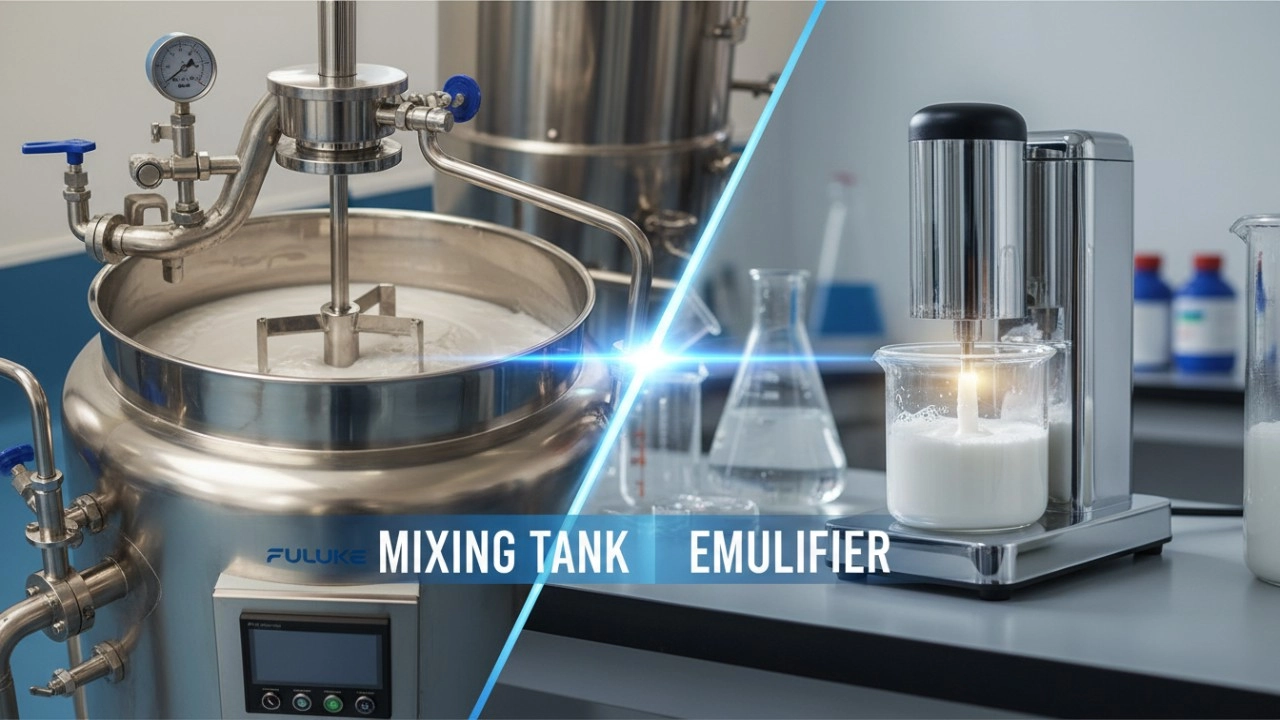
High-Shear Emulsifier vs. Standard Mixing Tank: A Deep Dive into Process Efficiency
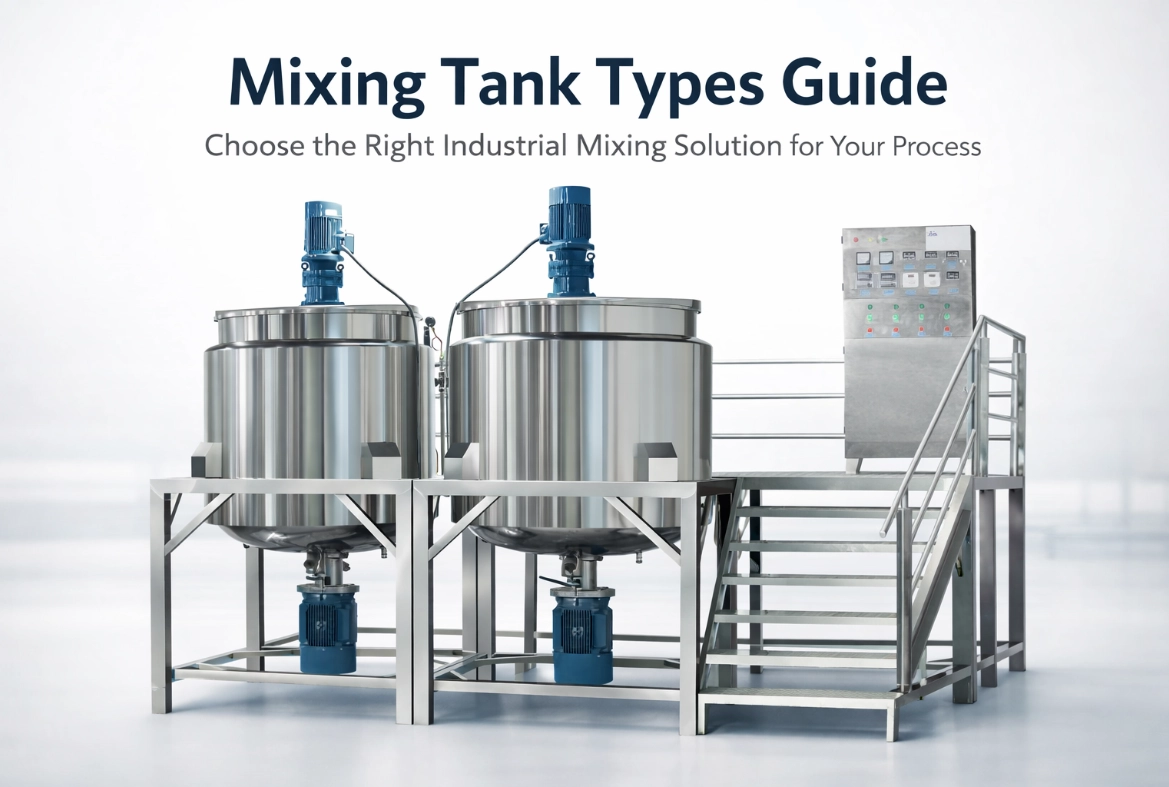
Advanced Mixing Tank Types: How to Optimize Your Production Line for 2026
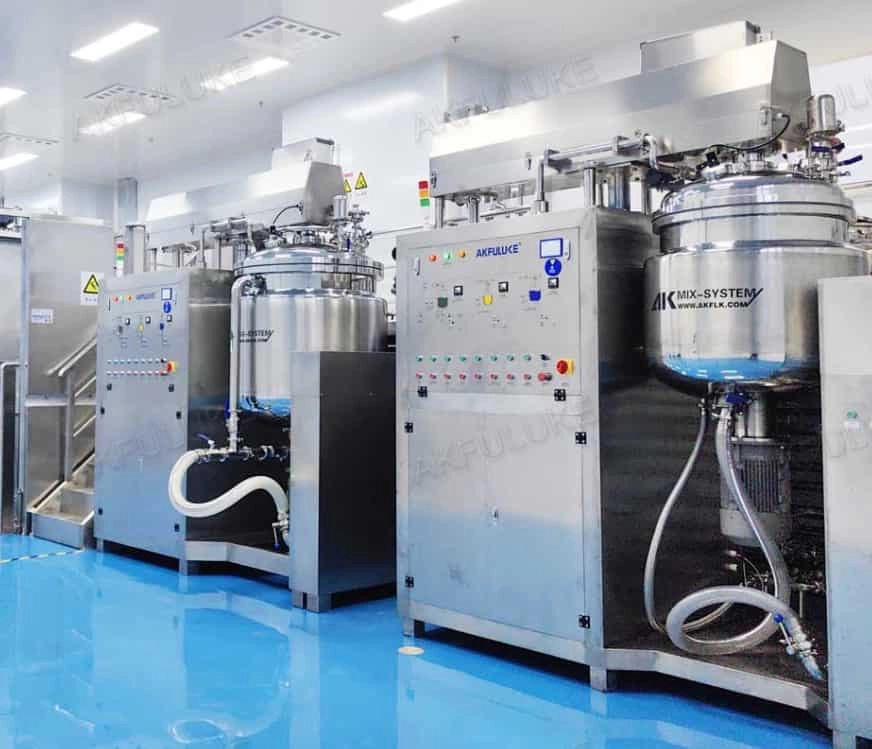
How it Works: The Science Behind Multifunctional Mixing Tank Technology & Performance (2026 Guide)
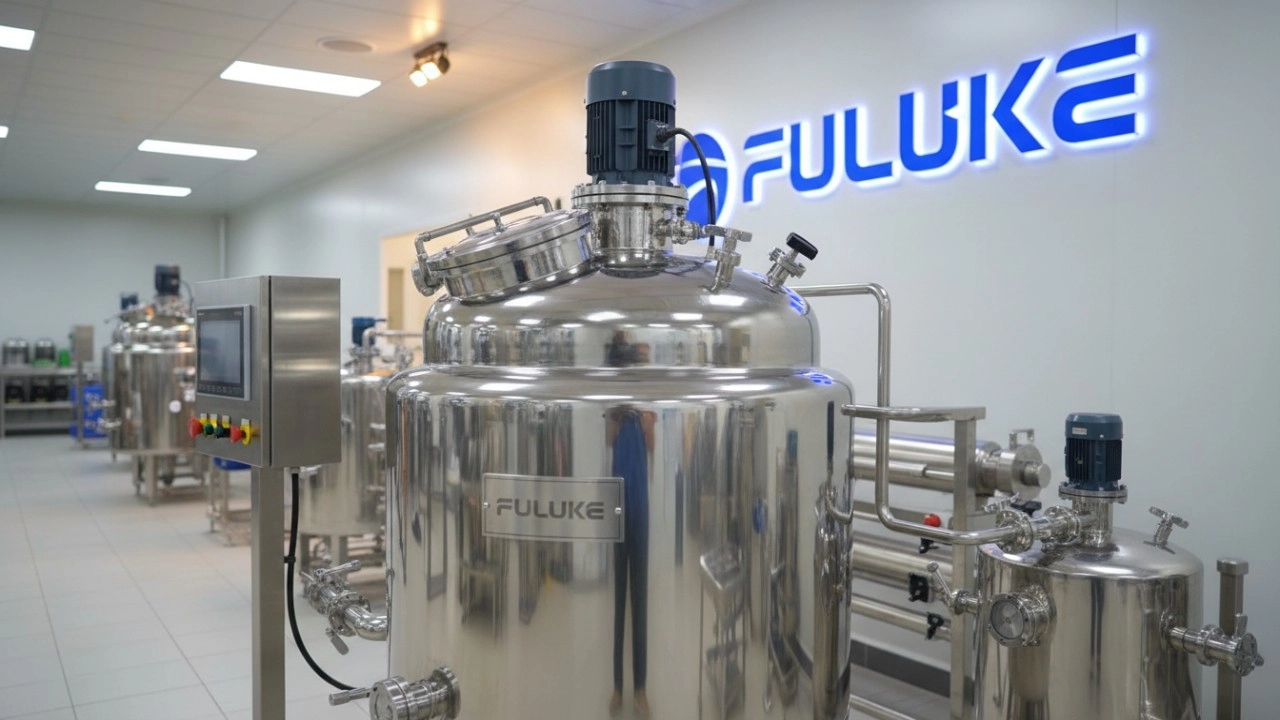
The Ultimate Guide to Multifunctional Mixing Tanks: Maximize ROI and Efficiency [2026 Edition]
The Flip Cover Liquid Wash Mixing Homogenizing Tank
Flip cover homogenizing mixing tank lacks a vacuum system. How should bubbles generated during mixing be handled?
Open mixing tank certainly can't remove air through vacuum like sealed equipment. However, if bubbles are affecting product quality, the following methods can be used to improve the process:
Process Adjustment: Reduce the mixing speed to prevent excessive air from being drawn into the material by high-speed turbulence. If homogenization is required, proceed in stages to reduce bubbles generated by a single shearing operation.
Assisted Degassing: For materials that can be heated, increase the temperature appropriately to reduce viscosity and promote bubble bubbling. Alternatively, allow the material to rest for a period of time after mixing to allow bubbles to dissipate naturally before proceeding to the next step.
Suitable Applications: This equipment is more suitable for products that are not sensitive to bubbles. For precision products requiring bubble-free production, a model with a vacuum function is recommended.
Automatic Labeling Machine
What can you buy from us?
RO Water Treatment、Vacuum Emulsifying Machine、Homogenizer Mixing Tank、Filling and Capping、labeling Machine、Packing Machine、Storage Tank,etc.
Polypropylene PP Mixing Tank
Who are we?
Our headquarters is located in Guangzhou, Guangdong, China, and our factory is located in Yangzhou, Jiangsu. Our products are sold all over the world. We have approximately 50 employees in our company and factory.
Vacuum Emulsifying Machine
What can you buy from us?
RO Water Treatment、Vacuum Emulsifying Machine、Homogenizer Mixing Tank、Filling and Capping、labeling Machine、Packing Machine、Storage Tank,etc.
Inkjet Printing Machine
The printer isn't printing properly after a long period of inactivity. Is the printhead broken?
The printhead is most likely clogged due to dried ink, rather than complete damage. Prolonged inactivity is one of the main causes of inkjet printer clogs. Ink dries in the tiny nozzles, hindering ink flow. Try performing the automatic printhead cleaning procedure 2-3 times. If this doesn't work, remove the printhead, soak it in anhydrous alcohol for half an hour, then rinse (this requires professional operation; novice printers are advised to have the printer serviced). After the alcohol has completely evaporated, reinstall and test. It's recommended to perform a self-check at least once a week to prevent the printhead from drying out.
Get in touch with FULUKE
If you have any comments or good suggestions, please leave us a message, later our professional staff will contact you as soon as possible.
You May Also Like
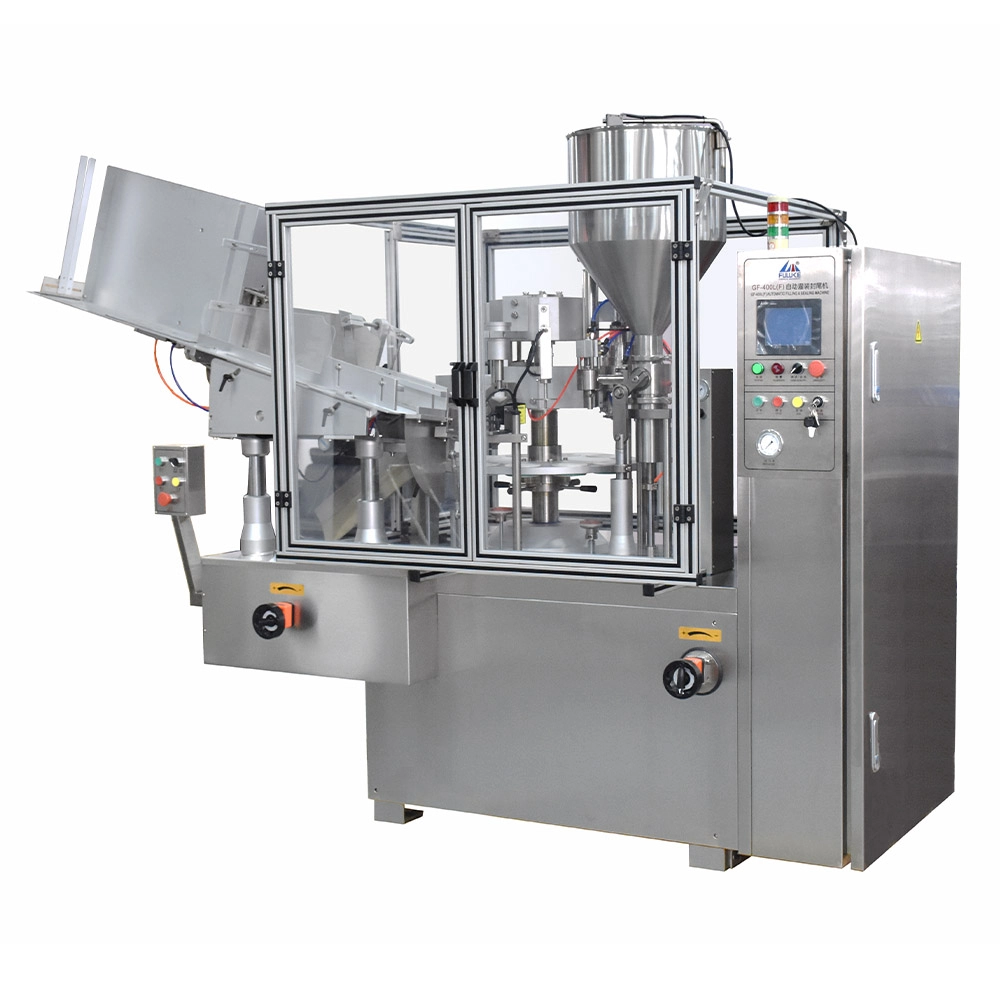
Automatic Tube Filling and Sealing Machine Toothpaste Sunscreen and Facial Cleanser Filling and Sealing Machine for Plastic and Aluminum-plastic Tube
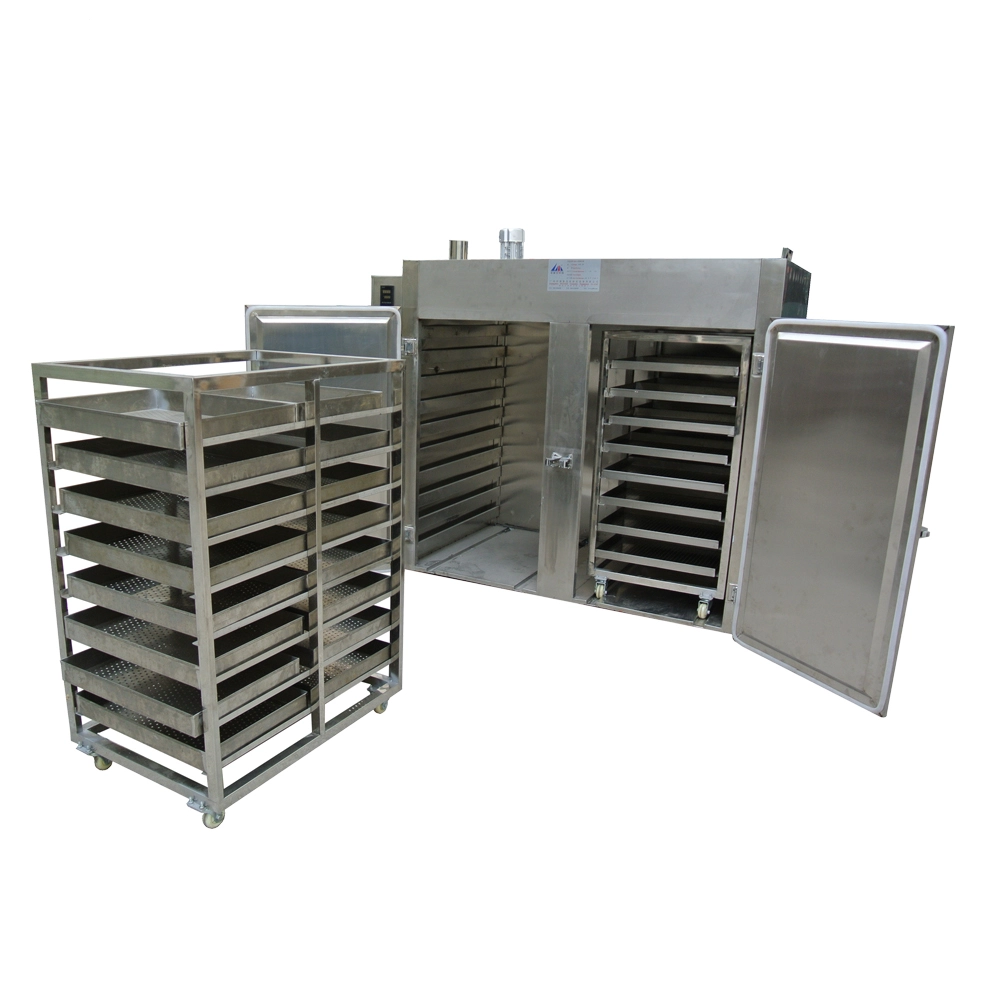
Over for Bottles High Temperature Sterilizer Tray Dryer Large Hot Air Circle Drying Oven for Glass Bottle Jar Cup Can

Automatic Glass Bottle Washing Machine High Quality Glass Bottle Cleaning Washer
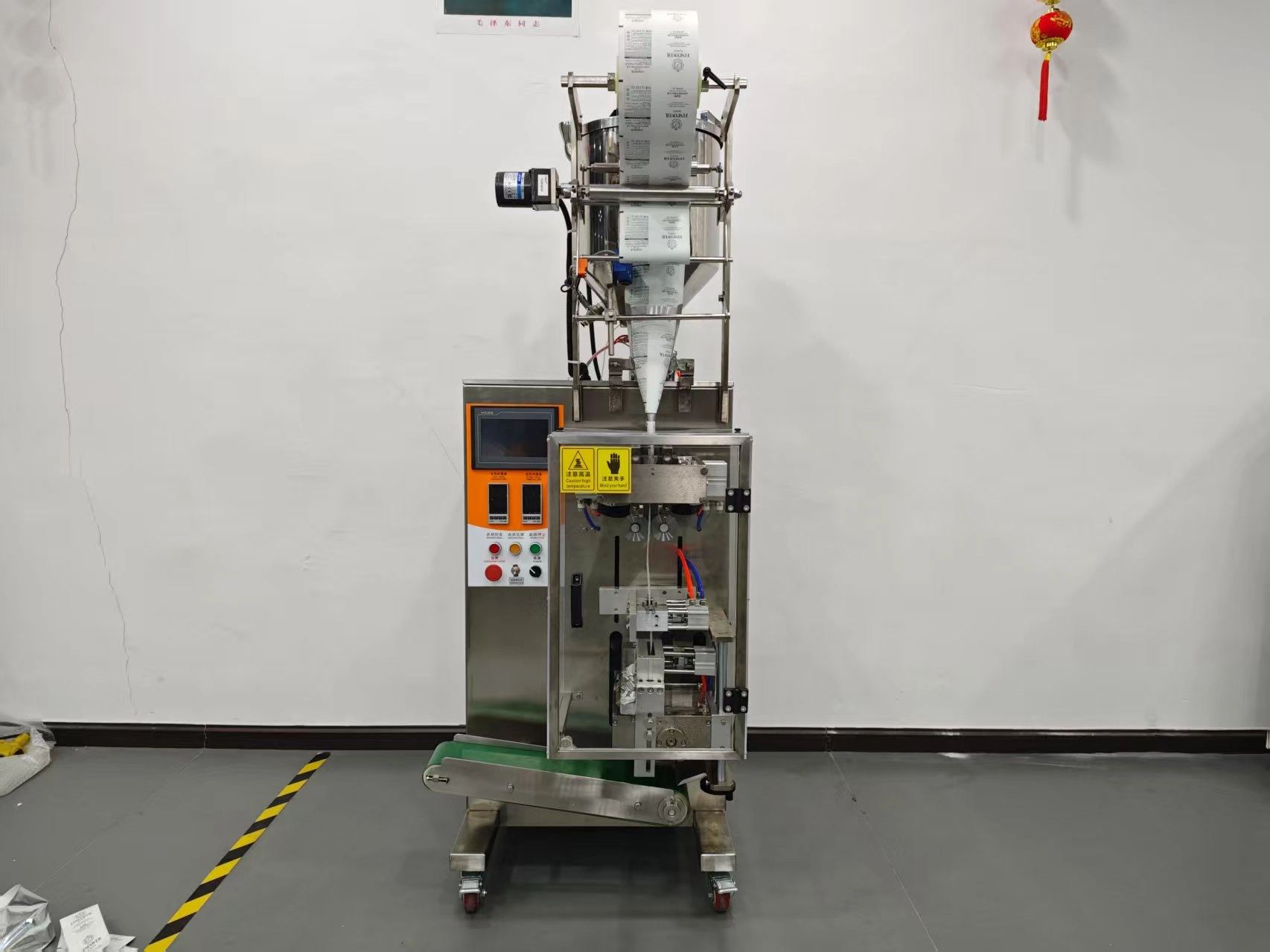
Three-side/four-side sealing bag packaging machine Liquid Paste Jam Cream Sachet Vertical Filling Pouch Packing Machine

A leading manufacturer specializing in advanced machinery and complete production lines for the cosmetics, food, pharmaceutical, and chemical industries worldwide.
Contact FULUKE
Facebook
Instagram
YouTube