
What maintenance routines extend tank mixer life?
- 1. Establish a Regular Preventive Maintenance Schedule
- 2. Perform Daily Visual Inspections
- 3. Implement Thorough Cleaning and Sanitation Procedures
- 4. Lubricate Moving Parts Correctly
- 5. Inspect and Replace Seals Regularly
- 6. Monitor and Maintain Drive Systems and Belts
- 7. Maintain Motors and Gearboxes
- 8. Calibrate Instruments and Perform Safety Checks
- 9. Train Your Team and Document Everything
- 10. Leverage Predictive Maintenance and Health Monitoring
- 11. Plan for Periodic Deep Maintenance
- Conclusion: FULUKE's Commitment to Quality and Longevity
Proper maintenance of tank mixers is crucial for ensuring optimal performance and extending their service life, especially in the cosmetic equipment industry where precision and hygiene are paramount. Below are essential maintenance practices to consider:
1. Establish a Regular Preventive Maintenance Schedule
Creating a structured preventive maintenance (PM) plan is fundamental. This plan should include:
Cleaning: Regularly remove product residues to prevent contamination and maintain hygiene standards.
Lubrication: Ensure moving parts, such as bearings and seals, are properly lubricated to reduce friction and wear.
Inspections: Regularly check seals, bearings, and other critical components for signs of wear or damage.
Calibration: Verify that all sensors and instruments are accurately calibrated to maintain product quality.
Documenting each maintenance activity helps in tracking performance and scheduling future tasks.
2. Perform Daily Visual Inspections
Before and after each use, conduct a thorough visual inspection of the mixer. Look for:
Leaks: Identify any signs of leakage to prevent contamination.
Unusual Noises or Vibrations: These can indicate mechanical issues that need attention.
Loose or Damaged Parts: Ensure all components are secure and in good condition.
Addressing these issues promptly can prevent more significant problems and downtime.
3. Implement Thorough Cleaning and Sanitation Procedures
After each batch, clean all parts of the mixer, including blades, containers, and seals, using appropriate cleaning agents. Sanitize the equipment to eliminate bacteria and microorganisms, ensuring product safety and quality. Rinse thoroughly with purified water and air dry before reassembly.
4. Lubricate Moving Parts Correctly
Proper lubrication minimizes friction and prolongs component life. Pay close attention to bearings, seals, gearboxes, and drive belts. Use clean lubricants and follow the manufacturer's recommendations to avoid over-greasing, which can be as harmful as under-greasing.
5. Inspect and Replace Seals Regularly
Seals are crucial for preventing leaks and protecting internal components. Regularly inspect seals for signs of wear or damage and replace them promptly to maintain equipment integrity and prevent contamination.
6. Monitor and Maintain Drive Systems and Belts
Check the tension and condition of belts, chains, and reducers weekly. Proper tension ensures efficient power transmission and minimizes slippage that could overheat motors or damage shafts. Replace worn belts promptly to prevent further damage.
7. Maintain Motors and Gearboxes
Regularly inspect motors for overheating, unusual noises, or vibrations. Check gearboxes for oil levels, heat indicators, and seal integrity. Scheduled fluid changes per OEM guidelines prevent gear wear and ensure efficiency.
8. Calibrate Instruments and Perform Safety Checks
Accurate measurements and safety systems are critical for reliable mixing operations. Calibrate sensors like torque meters and viscometers regularly. Test emergency stops, overload protection, and guards monthly to ensure they function correctly.
9. Train Your Team and Document Everything
Operator training is vital for early issue detection. Teach staff to spot signs of imbalance, noise, heat, or performance decline. Document maintenance tasks in an accessible system—digital logs simplify trend monitoring, compliance audits, and accountability.
10. Leverage Predictive Maintenance and Health Monitoring
Advanced plants increasingly use predictive maintenance (PdM). Monitoring trends such as vibration, temperature, and motor current identifies anomalies before failure occurs. PdM techniques, including IoT sensors and machine learning, can reduce unplanned downtime and extend equipment lifespan.
11. Plan for Periodic Deep Maintenance
Annual or semi-annual deep maintenance should include component disassembly, detailed inspections, bearing and coupling replacements, and re-alignment. This comprehensive approach ensures optimal longevity and performance.
Conclusion: FULUKE's Commitment to Quality and Longevity
By adhering to these maintenance practices, cosmetic equipment manufacturers can enhance product quality, reduce downtime, and extend the lifespan of their tank mixers. FULUKE, a leading brand in the industry, is dedicated to providing high-quality equipment designed for durability and optimal performance. Their mixers are engineered with precision and built to withstand the rigorous demands of cosmetic production, ensuring consistent and reliable results.
Implementing these maintenance routines will not only prolong the life of your equipment but also contribute to the overall success and efficiency of your manufacturing processes.
Note: The above recommendations are based on industry best practices and may vary depending on specific equipment models and operational conditions. Always refer to the manufacturer's guidelines for detailed maintenance instructions.
*Sources:*Note: The above recommendations are based on industry best practices and may vary depending on specific equipment models and operational conditions. Always refer to the manufacturer's guidelines for detailed maintenance instructions.

Understanding Servo Capping Machines: The Core Logic of Precise Capping – Understand the Entire Working Process in Seconds
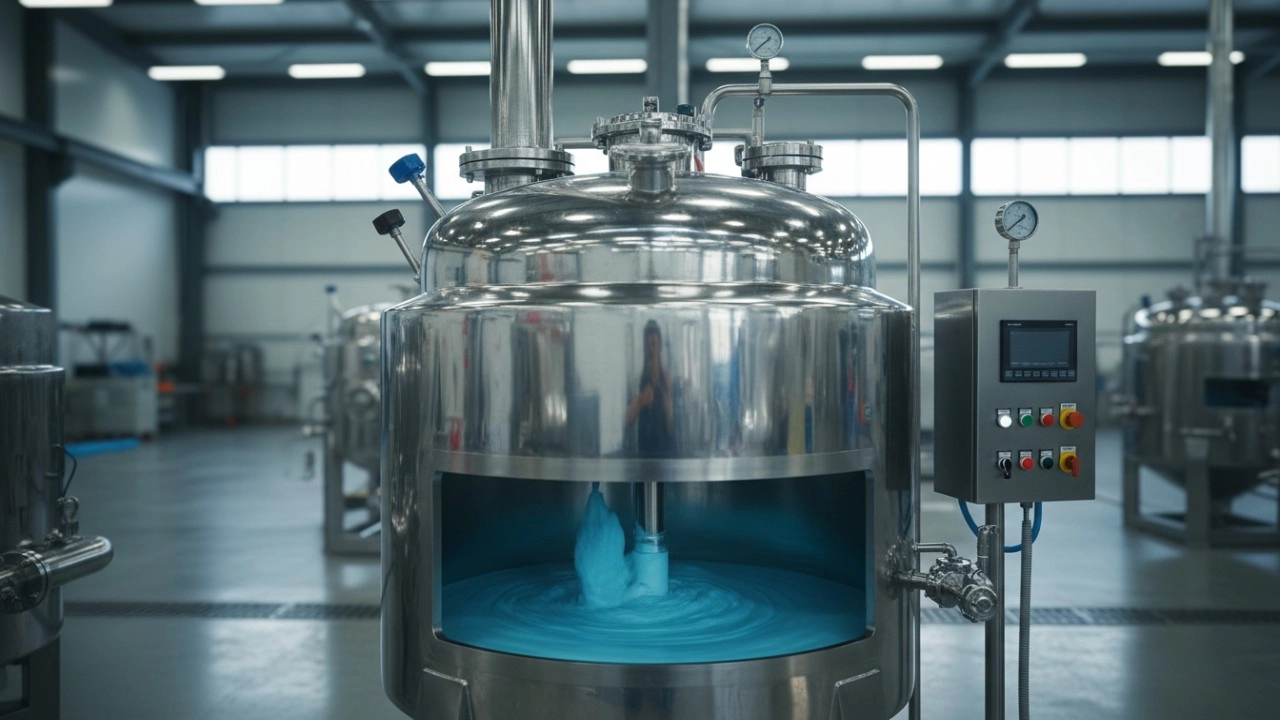
The Future of Industrial Agitation: 5 Smart Mixing Tank Technologies Changing the Game
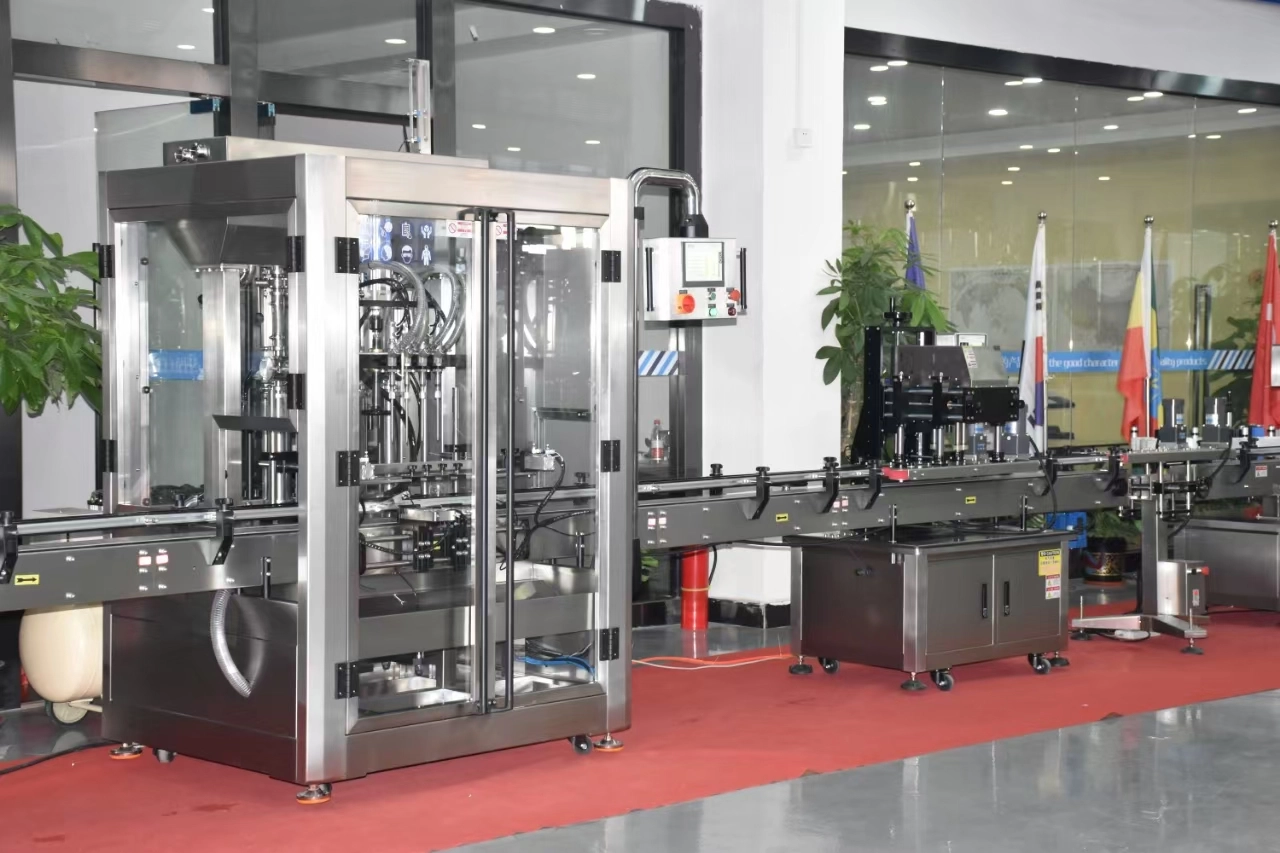
Gear pump filling machine vs. piston filling machine: Key differences broken down to avoid pitfalls in selection.
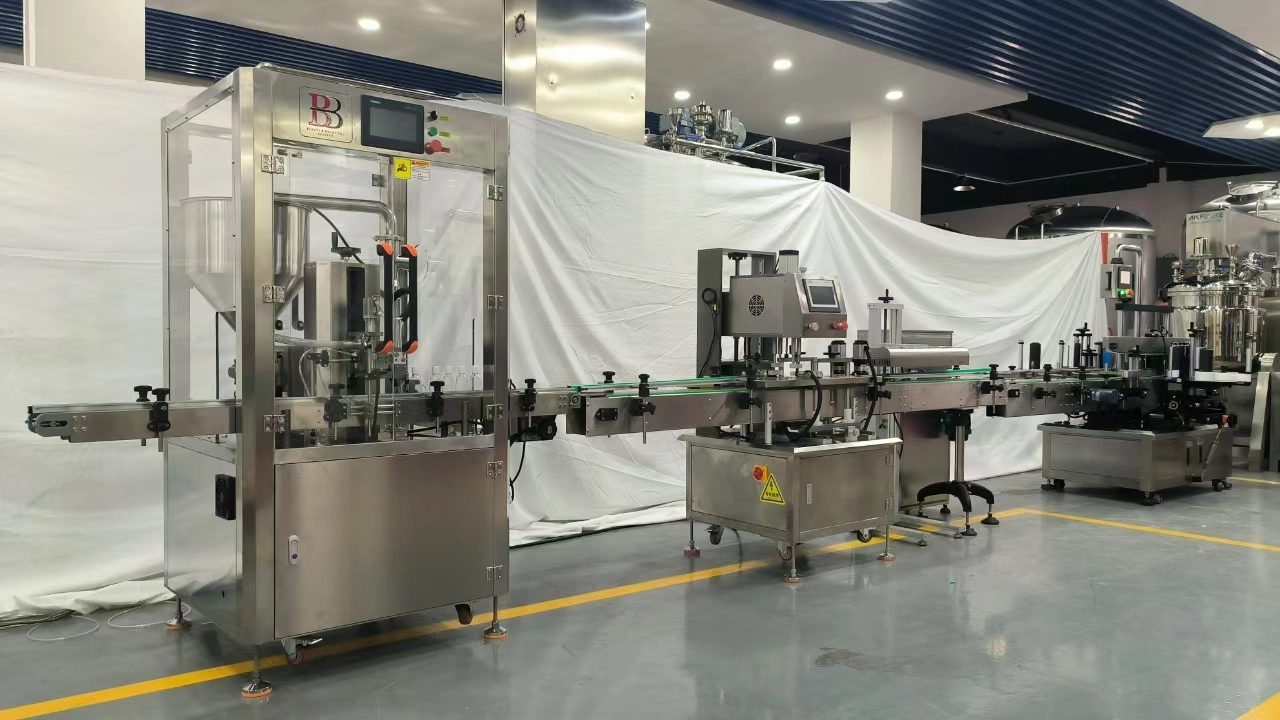
Understand the working principle of a servo gear pump filling machine!
Polypropylene PP Mixing Tank
Can you customize the machine?
Of course, we provide customized services according to customer needs.
Lift-type Homogenizing Disperser
What can you buy from us?
RO Water Treatment、Vacuum Emulsifying Machine、Homogenizer Mixing Tank、Filling and Capping、labeling Machine、Packing Machine、Storage Tank,etc.
Perfume Filling Machine
What can you buy from us?
RO Water Treatment、Vacuum Emulsifying Machine、Homogenizer Mixing Tank、Filling and Capping、labeling Machine、Packing Machine、Storage Tank,etc.
Sealed Homogenizing Mixing Tank
Who are we?
Our headquarters is located in Guangzhou, Guangdong, China, and our factory is located in Yangzhou, Jiangsu. Our products are sold all over the world. We have approximately 50 employees in our company and factory.
Automatic Tube Filling and Sealing Machine
Can you customize the machine?
Of course, we provide customized services according to customer needs.
Get in touch with FULUKE
If you have any comments or good suggestions, please leave us a message, later our professional staff will contact you as soon as possible.
You May Also Like
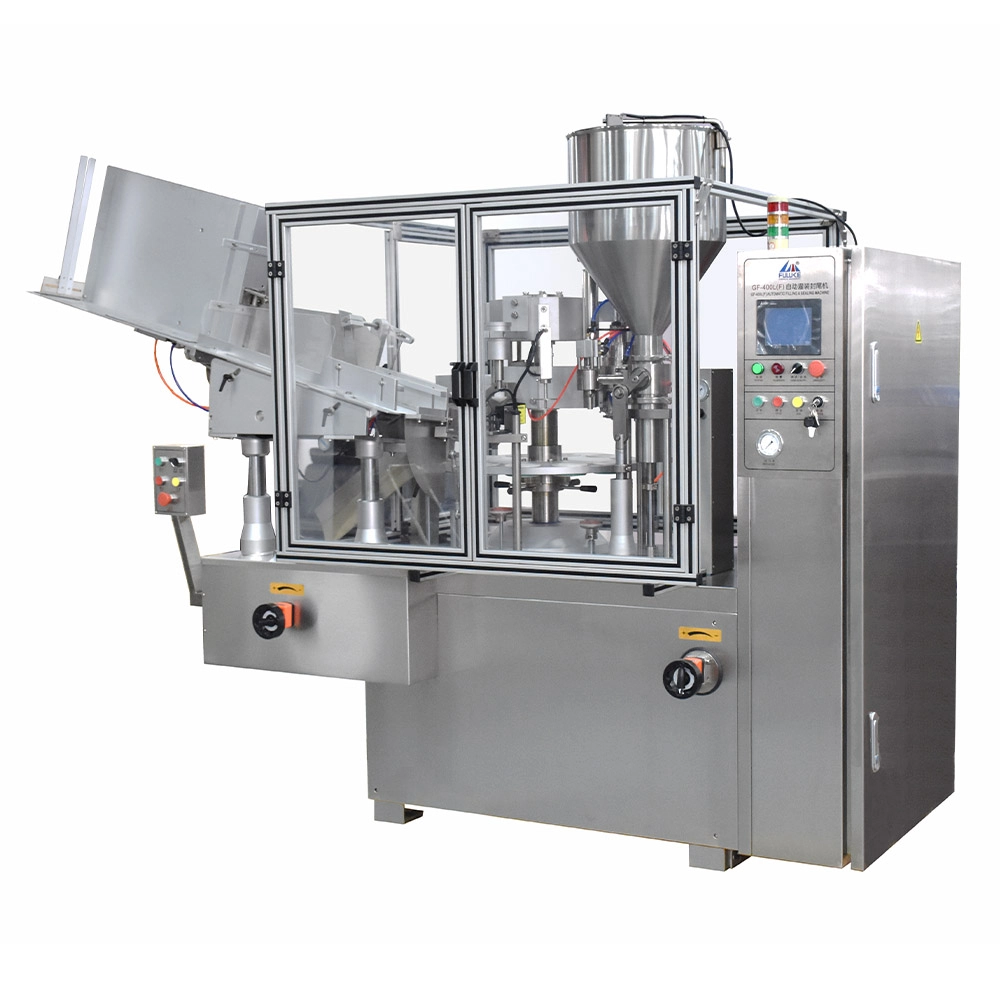
Automatic Tube Filling and Sealing Machine Toothpaste Sunscreen and Facial Cleanser Filling and Sealing Machine for Plastic and Aluminum-plastic Tube
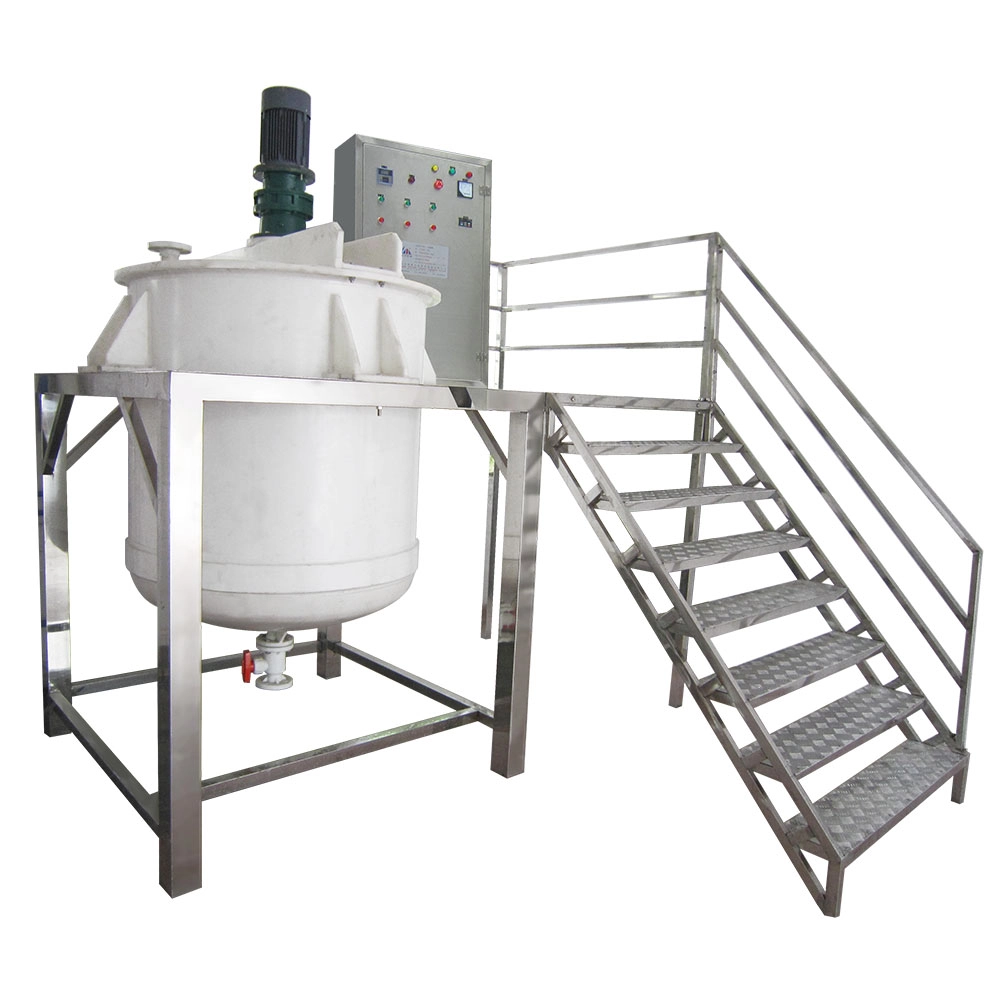
Polypropylene PP Mixing Tank Anti-Corrosion Mixer Reaction Kettle with Agitator Chemical Mixing Vessel
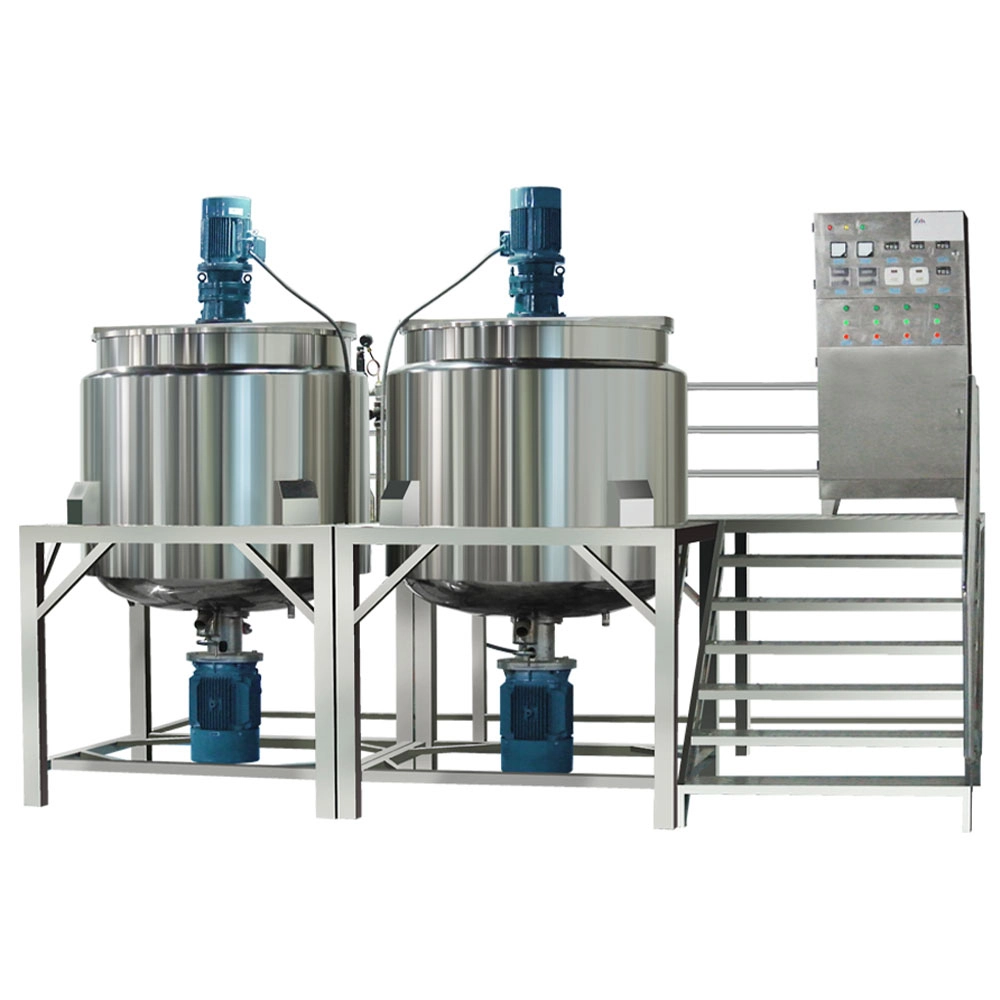
Flip Cover Multi-function Liquid Wash Mixing Tank Blender Liquid Detergent Mixer Homogenization Stirring Tank
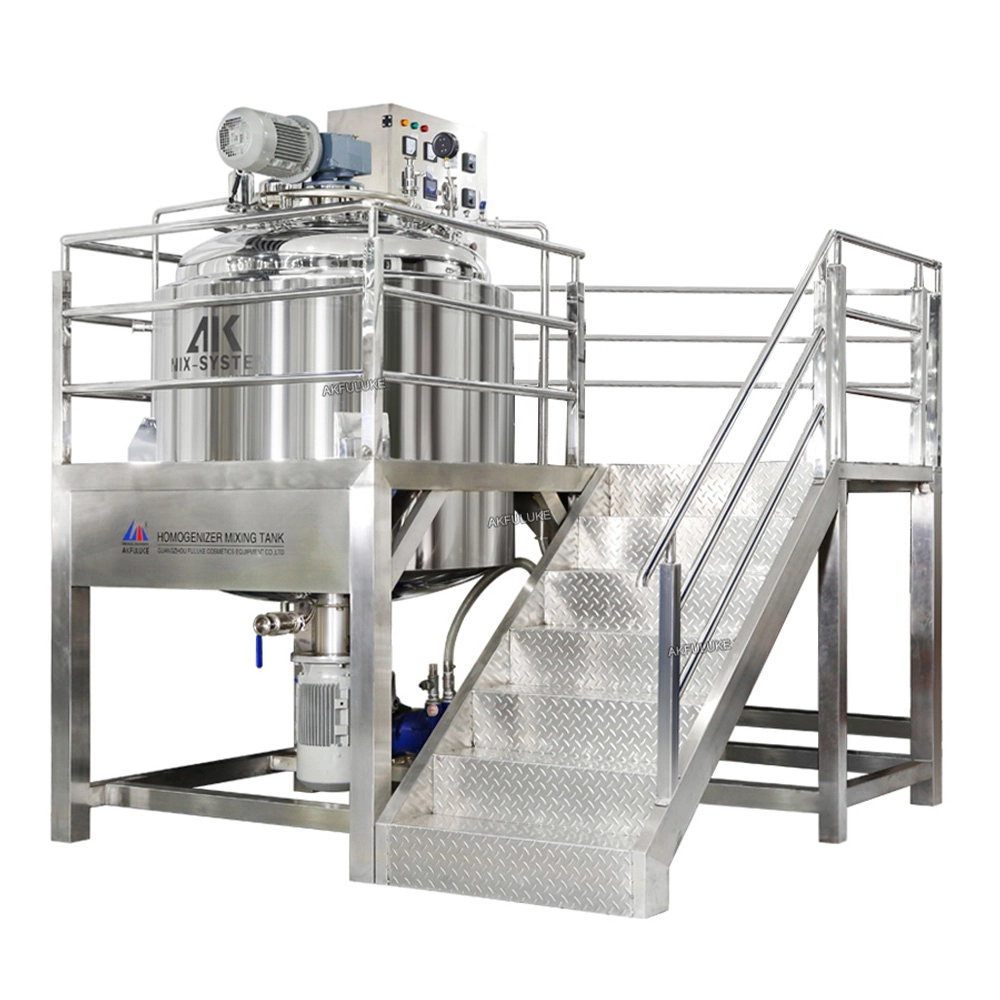
Stainless Steel Mixer Liquid Mixing tank with Agitator Homogenizing Mixing tank Vacuum Sealed Mixer Machine

A leading manufacturer specializing in advanced machinery and complete production lines for the cosmetics, food, pharmaceutical, and chemical industries worldwide.
Contact FULUKE
Facebook
Instagram
YouTube