
How to choose mixers that support rapid product changeovers?
Selecting the appropriate tank mixer is crucial for optimizing efficiency and ensuring rapid product changeovers in cosmetic manufacturing. Below are six specific questions frequently asked by beginners, along with in-depth answers to guide your decision-making process.
1. What are the key factors to consider when selecting a tank mixer for cosmetic formulations?
When choosing a tank mixer for cosmetic formulations, consider the following factors:
Viscosity of the Product: High-viscosity products like creams and lotions require mixers capable of handling thicker consistencies.
Mixing Requirements: Determine if your process involves emulsification, homogenization, or simple blending, as different mixers are designed for specific tasks.
Batch Size: Select a mixer that accommodates your production volume, whether it's for small-scale batches or large-scale manufacturing.
Material Compatibility: Ensure the mixer components are compatible with the ingredients used, especially if they are sensitive to contamination.
Hygienic Design: Opt for mixers with sanitary designs that facilitate easy cleaning and maintenance, adhering to industry standards.
2. How do I determine the appropriate size and capacity for a mixing tank in cosmetic manufacturing?
Determining the right size and capacity involves:
Production Volume: Assess your daily or batch production requirements to estimate the necessary tank size.
Formulation Viscosity: Higher viscosity products may require larger tanks or specialized agitators to achieve effective mixing.
Future Scaling: Consider potential growth in production to select a tank that accommodates increased volumes without compromising efficiency.
3. What are the advantages of using high-shear mixers in cosmetic manufacturing?
High-shear mixers offer several benefits:
Efficient Emulsification: They create stable emulsions quickly, essential for products like creams and lotions.
Particle Size Reduction: Achieve uniform particle sizes, enhancing product texture and stability.
Versatility: Suitable for a wide range of formulations, including gels, serums, and suspensions.
Time Efficiency: Reduce mixing times, increasing overall production efficiency.
4. How can I ensure rapid product changeovers without compromising product quality?
To facilitate rapid changeovers:
Clean-In-Place (CIP) Systems: Implement CIP systems that allow for efficient cleaning without disassembling equipment, reducing downtime.
Modular Equipment: Use mixers with interchangeable vessels or modular designs to quickly switch between different products.
Standardized Procedures: Develop standardized cleaning and setup procedures to streamline the changeover process.
5. What role does temperature control play in the mixing process for cosmetics?
Temperature control is vital because:
Emulsification: Certain formulations require precise temperature settings to achieve proper emulsification.
Ingredient Stability: Heat-sensitive ingredients may degrade if exposed to incorrect temperatures.
Process Efficiency: Maintaining optimal temperatures can reduce mixing times and improve product consistency.
6. How do I maintain hygiene and prevent contamination during the mixing process?
To maintain hygiene:
Sanitary Equipment Design: Choose mixers with smooth, crevice-free surfaces to prevent residue buildup.
Regular Cleaning: Establish routine cleaning schedules and procedures to ensure equipment remains contaminant-free.
Material Selection: Use corrosion-resistant materials like stainless steel to prevent contamination and ensure longevity.
By carefully considering these factors, you can select a tank mixer that enhances efficiency and supports rapid product changeovers in your cosmetic manufacturing process.
For a personalized consultation or to request a quote, please contact us at flk09@gzflk.com or visit our website at www.fulukemix.com.

Understanding Servo Capping Machines: The Core Logic of Precise Capping – Understand the Entire Working Process in Seconds
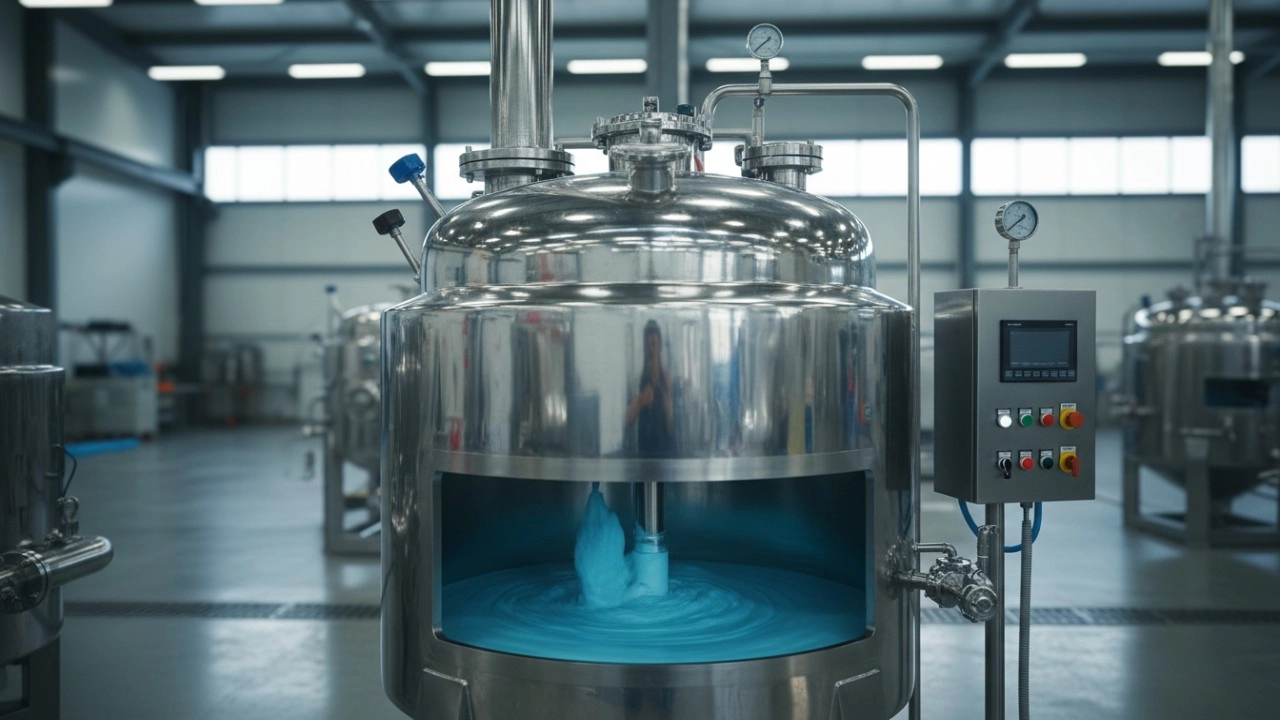
The Future of Industrial Agitation: 5 Smart Mixing Tank Technologies Changing the Game
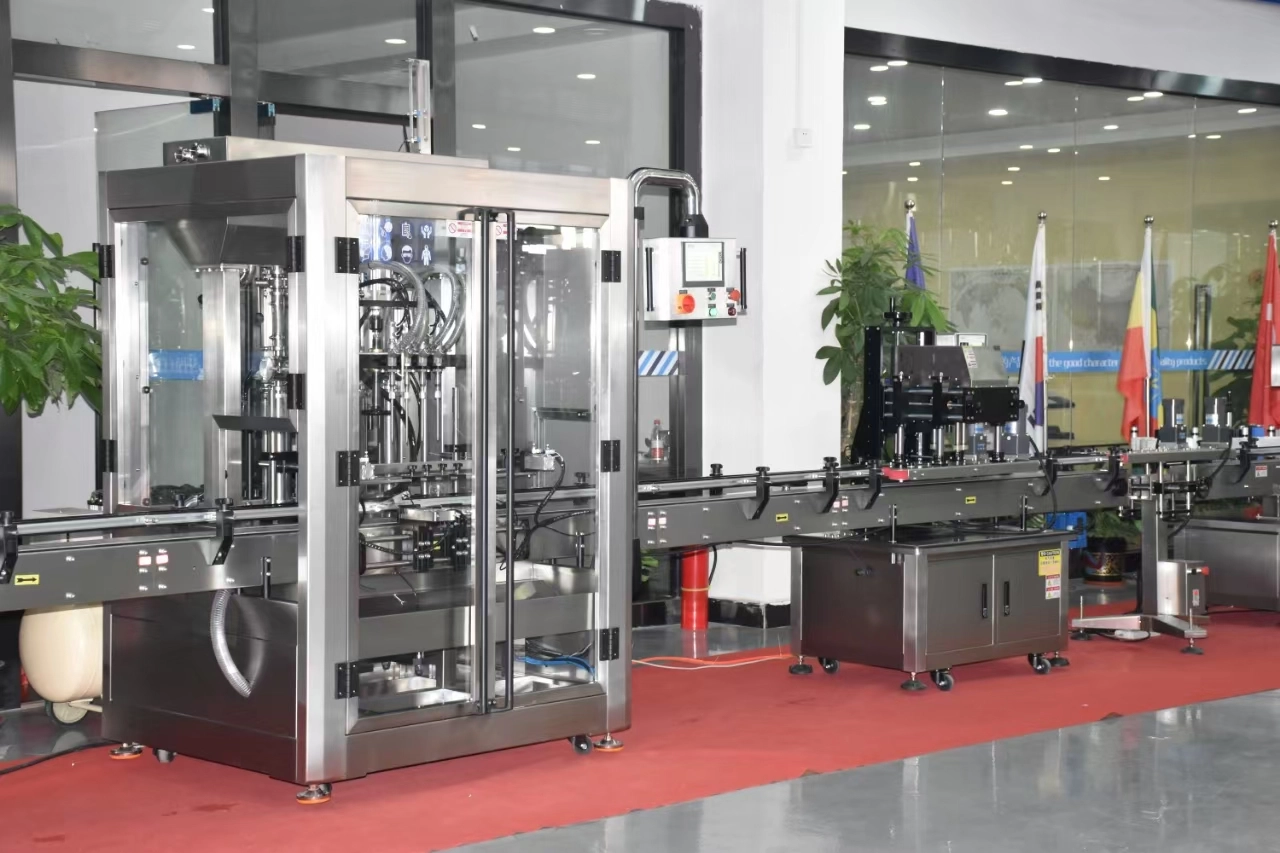
Gear pump filling machine vs. piston filling machine: Key differences broken down to avoid pitfalls in selection.
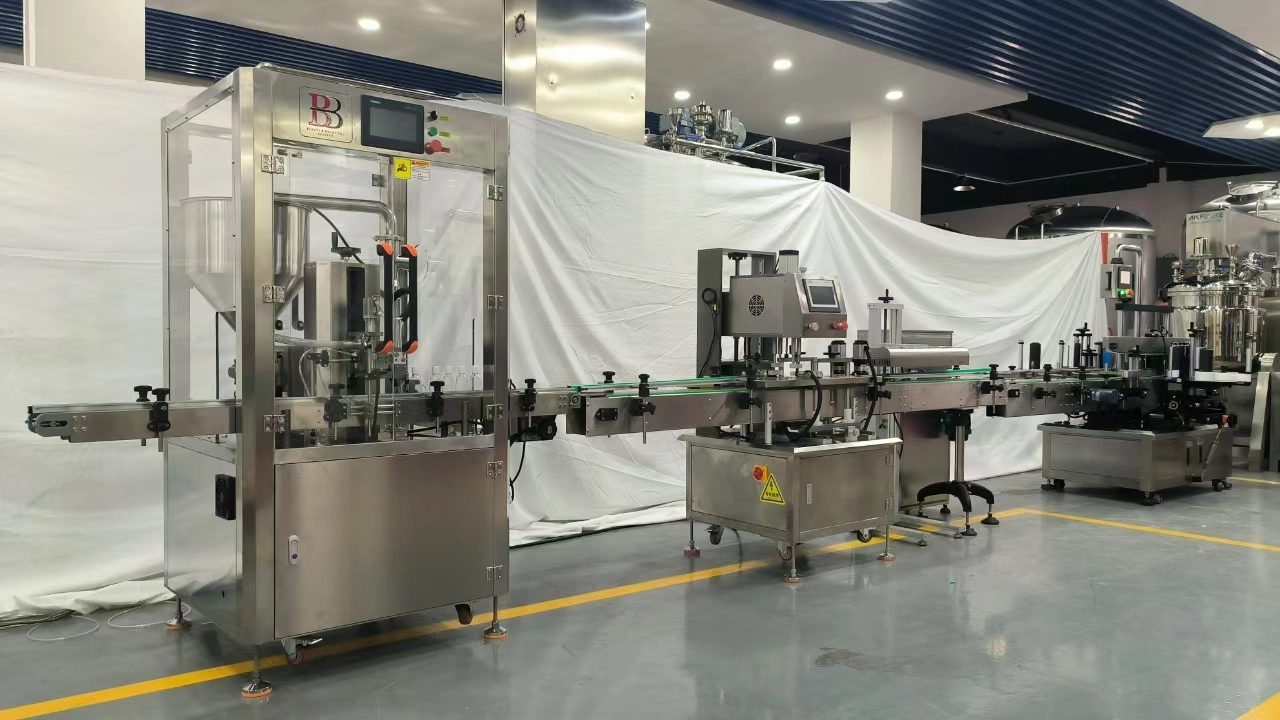
Understand the working principle of a servo gear pump filling machine!
Inkjet Printing Machine
Can you make a design for us?
Yes, we can, we provide not only products, but also solutions and designs.
RO Water Treatment
Who are we?
Our headquarters is located in Guangzhou, Guangdong, China, and our factory is located in Yangzhou, Jiangsu. Our products are sold all over the world. We have approximately 50 employees in our company and factory.
Automatic Tube Filling and Sealing Machine
What can you buy from us?
RO Water Treatment、Vacuum Emulsifying Machine、Homogenizer Mixing Tank、Filling and Capping、labeling Machine、Packing Machine、Storage Tank,etc.
Automatic Capping Machine
Can this machine be directly integrated into my production line? Does it require any additional modifications?
Most models have standard conveyor belt interfaces, allowing them to be directly connected to filling machines, labeling machines, and other production line equipment without requiring major modifications. Simply fine-tune the conveyor speed based on the production line height and speed to synchronize.
Polypropylene PP Mixing Tank
Can you make a design for us?
Yes, we can, we provide not only products, but also solutions and designs.
Get in touch with FULUKE
If you have any comments or good suggestions, please leave us a message, later our professional staff will contact you as soon as possible.
You May Also Like
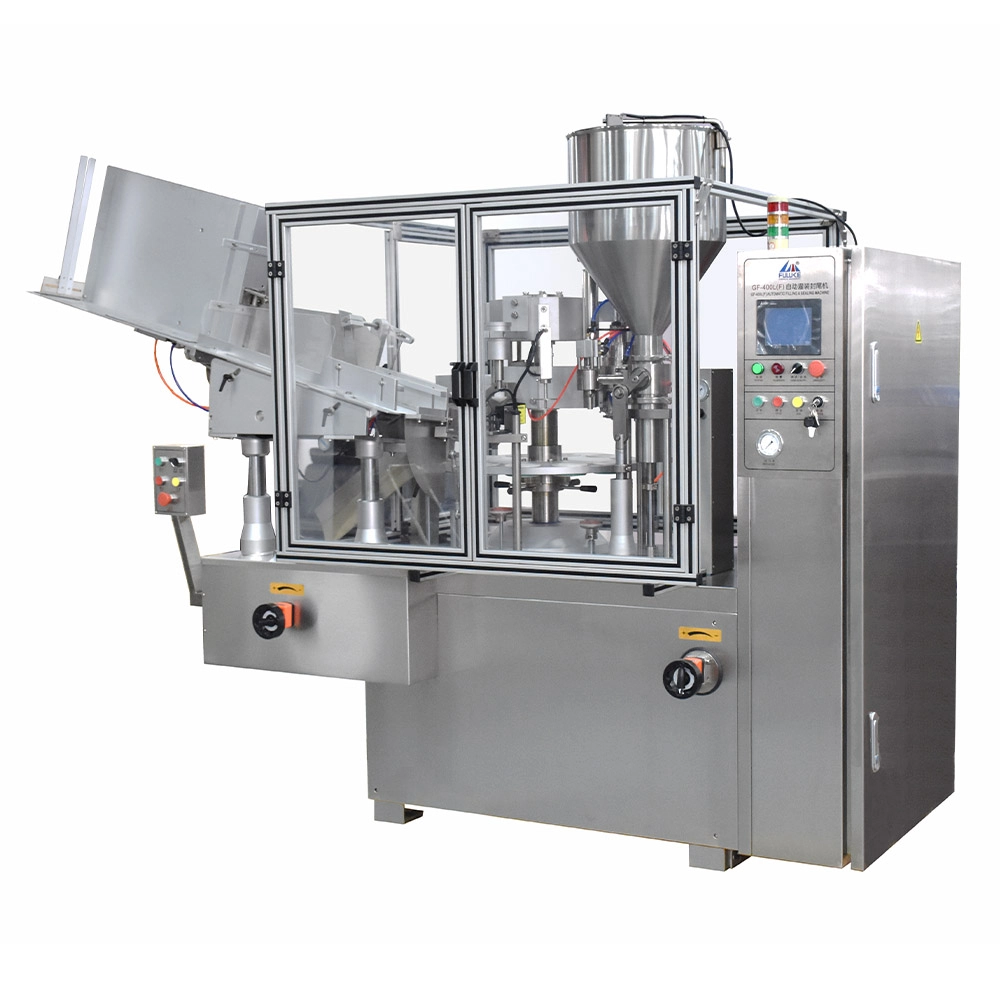
Automatic Tube Filling and Sealing Machine Toothpaste Sunscreen and Facial Cleanser Filling and Sealing Machine for Plastic and Aluminum-plastic Tube
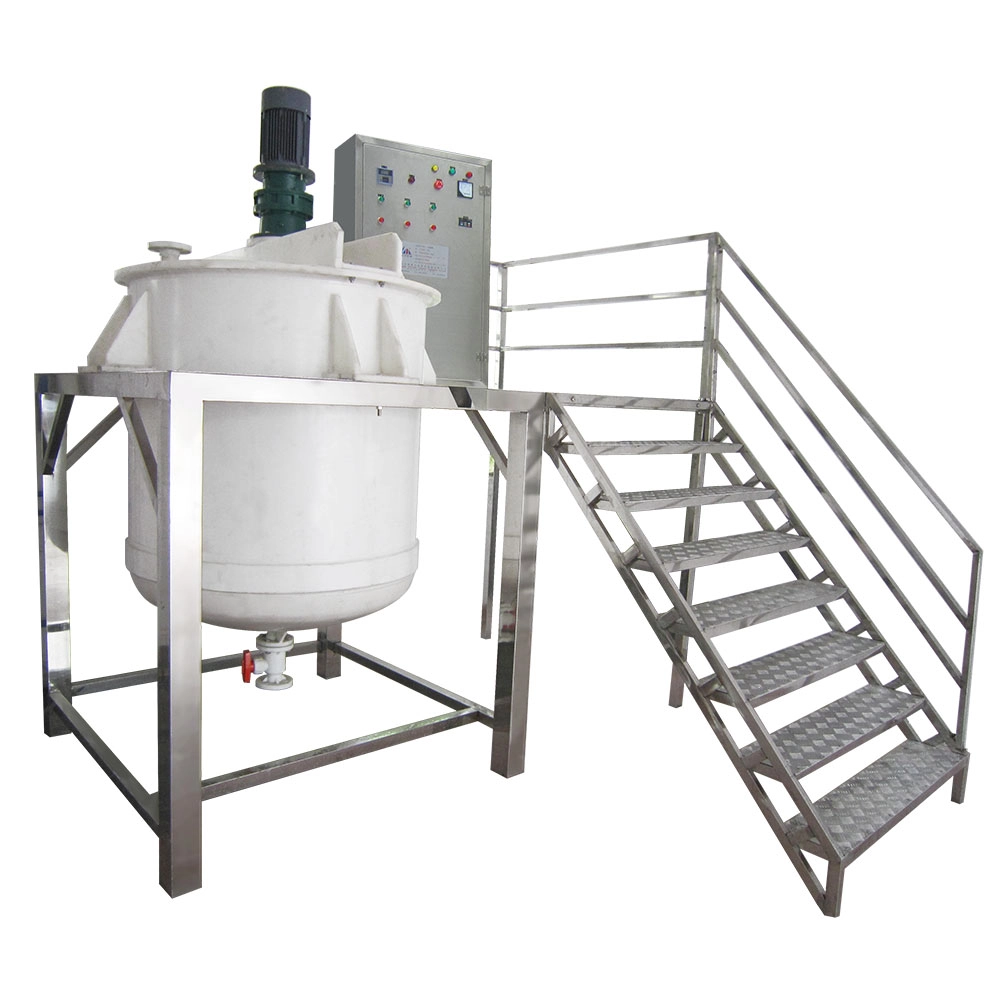
Polypropylene PP Mixing Tank Anti-Corrosion Mixer Reaction Kettle with Agitator Chemical Mixing Vessel
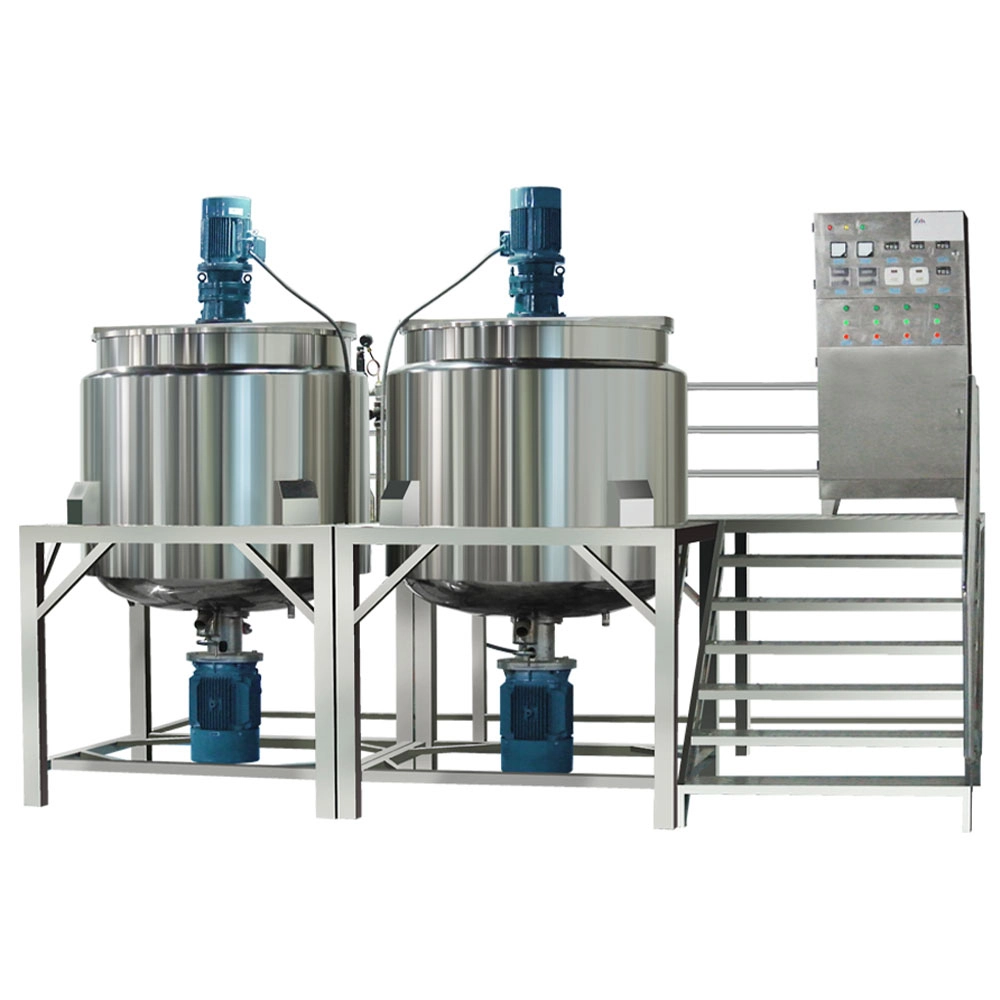
Flip Cover Multi-function Liquid Wash Mixing Tank Blender Liquid Detergent Mixer Homogenization Stirring Tank
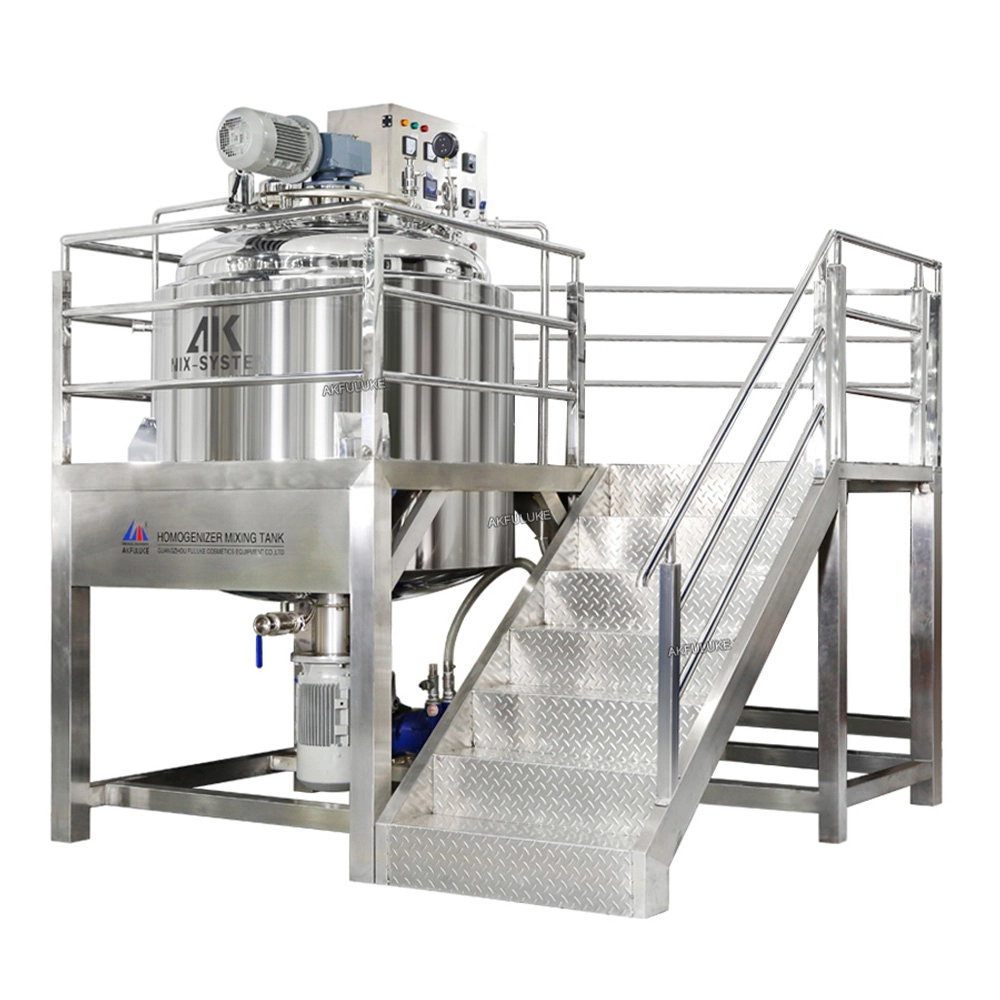
Stainless Steel Mixer Liquid Mixing tank with Agitator Homogenizing Mixing tank Vacuum Sealed Mixer Machine

A leading manufacturer specializing in advanced machinery and complete production lines for the cosmetics, food, pharmaceutical, and chemical industries worldwide.
Contact FULUKE
Facebook
Instagram
YouTube