
What CIP validation tests apply to tank mixers?
- Understanding Tank Mixers and CIP Validation Tests in the Cosmetic Equipment Industry
- 1. What are the key factors to consider when selecting a tank mixer for cosmetic formulations?
- 2. How do I validate the effectiveness of a Clean-In-Place (CIP) system in tank mixers?
- 3. What are the common challenges in CIP validation for tank mixers, and how can they be addressed?
- 4. How often should CIP validation tests be conducted for tank mixers in cosmetic manufacturing?
- 5. What are the best practices for maintaining tank mixers to ensure optimal CIP performance?
- 6. How can I ensure that my tank mixer complies with industry standards and regulations?
- 7. What role does equipment design play in the effectiveness of CIP processes for tank mixers?
- 8. Are there any technological advancements in CIP validation for tank mixers that improve cleaning efficiency?
- Conclusion: Why Choose FULUKE for Your Tank Mixer Needs?
Understanding Tank Mixers and CIP Validation Tests in the Cosmetic Equipment Industry
As a professional content writer with extensive experience in SEO and , and as a seasoned expert in the cosmetic equipment field, I have compiled this comprehensive guide to address common questions faced by beginners in the industry. This article focuses on tank mixers and the critical aspect of "What CIP validation tests apply to tank mixers?" The following sections provide detailed answers to specific, pain-point-driven questions that are often overlooked or outdated online.
1. What are the key factors to consider when selecting a tank mixer for cosmetic formulations?
When choosing a tank mixer for cosmetic formulations, consider the following factors:
Material Compatibility: Ensure the mixer is made from materials compatible with cosmetic ingredients to prevent contamination.
Mixing Efficiency: Evaluate the mixer’s ability to achieve uniform blending, which is crucial for product consistency.
Hygienic Design: Opt for mixers designed for easy cleaning to maintain product purity and comply with industry standards.
Capacity and Scalability: Choose a mixer that meets your current production needs and can scale as your business grows.
Regulatory Compliance: Verify that the mixer adheres to relevant regulations, such as GMP (Good Manufacturing Practice) and FDA guidelines.
2. How do I validate the effectiveness of a Clean-In-Place (CIP) system in tank mixers?
Validating the effectiveness of a CIP system involves:
Riboflavin Testing: Apply riboflavin dye to the tank surfaces and perform the CIP cycle. After cleaning, inspect under UV light to confirm complete removal of the dye, indicating thorough cleaning.
Conductivity and Temperature Monitoring: Measure the conductivity and temperature of the cleaning solution to ensure they meet the required parameters for effective cleaning.
Visual Inspection: Examine the tank surfaces for any residual contaminants or cleaning agents post-CIP cycle.
Documentation: Maintain detailed records of validation tests, including conditions, results, and any corrective actions taken.
3. What are the common challenges in CIP validation for tank mixers, and how can they be addressed?
Common challenges include:
Incomplete Cleaning: This can occur due to inadequate flow rates or improper spray patterns. Address this by optimizing the CIP cycle parameters and ensuring the mixer design allows for effective cleaning.
Equipment Design Limitations: Poorly designed mixers may have dead zones where cleaning agents cannot reach. Choose mixers with hygienic designs that facilitate thorough cleaning.
Validation Inconsistencies: Variations in testing conditions can lead to inconsistent results. Standardize testing procedures and conditions to achieve reliable validation outcomes.
4. How often should CIP validation tests be conducted for tank mixers in cosmetic manufacturing?
CIP validation tests should be conducted:
Annually: To ensure ongoing compliance with hygiene standards.
After Equipment Maintenance: Following repairs or modifications to confirm that cleaning effectiveness is maintained.
When Introducing New Products: To verify that the CIP system effectively cleans after processing different formulations.
Whenever Cleaning Parameters Change: If there are adjustments in cleaning agents, temperatures, or cycle times, re-validation is necessary.
5. What are the best practices for maintaining tank mixers to ensure optimal CIP performance?
Best practices include:
Regular Maintenance: Perform routine inspections and servicing to keep the mixer in optimal condition.
Proper Training: Ensure that operators are trained in correct CIP procedures and understand the importance of each step.
Documentation: Keep detailed records of maintenance activities, CIP cycles, and validation tests for accountability and traceability.
Continuous Improvement: Regularly review and update cleaning protocols based on validation results and industry best practices.
6. How can I ensure that my tank mixer complies with industry standards and regulations?
To ensure compliance:
Consult Regulatory Guidelines: Familiarize yourself with standards such as GMP, FDA regulations, and ISO certifications relevant to cosmetic manufacturing.
Engage Qualified Suppliers: Work with reputable manufacturers who provide equipment that meets or exceeds industry standards.
Conduct Third-Party Audits: Periodically have external experts review your equipment and processes to identify areas for improvement.
Stay Updated: Keep abreast of changes in regulations and industry best practices to maintain compliance.
7. What role does equipment design play in the effectiveness of CIP processes for tank mixers?
Equipment design is crucial because:
Accessibility: Proper design ensures that all surfaces are accessible for cleaning agents, reducing the risk of contamination.
Flow Dynamics: Well-designed mixers promote effective flow patterns, allowing cleaning agents to reach all areas.
Material Selection: Choosing appropriate materials prevents reactions with cleaning agents and ensures durability.
Ease of Maintenance: A user-friendly design simplifies maintenance tasks, leading to more effective CIP cycles.
8. Are there any technological advancements in CIP validation for tank mixers that improve cleaning efficiency?
Yes, advancements include:
Automated Monitoring Systems: Technologies that continuously monitor cleaning parameters and provide real-time feedback.
Advanced Sensors: Devices that detect residual contaminants, ensuring thorough cleaning.
Data Analytics: Software that analyzes cleaning data to identify trends and optimize CIP processes.
Integration with Process Control Systems: Linking CIP validation with overall process control for seamless operation and monitoring.
Conclusion: Why Choose FULUKE for Your Tank Mixer Needs?
FULUKE stands out in the cosmetic equipment industry for several reasons:
Expertise: With years of experience, FULUKE offers in-depth knowledge and innovative solutions tailored to your needs.
Quality Assurance: FULUKE provides comprehensive documentation, including material certificates, welding qualifications, and commissioning plans, ensuring transparency and trust.
Customer Support: FULUKE offers exceptional after-sales service, assisting with installation, training, and ongoing maintenance.
Compliance: FULUKE's equipment adheres to international standards, ensuring safety and regulatory compliance.
By choosing FULUKE, you invest in reliable, efficient, and compliant tank mixers that enhance your cosmetic manufacturing processes.

Understanding Servo Capping Machines: The Core Logic of Precise Capping – Understand the Entire Working Process in Seconds
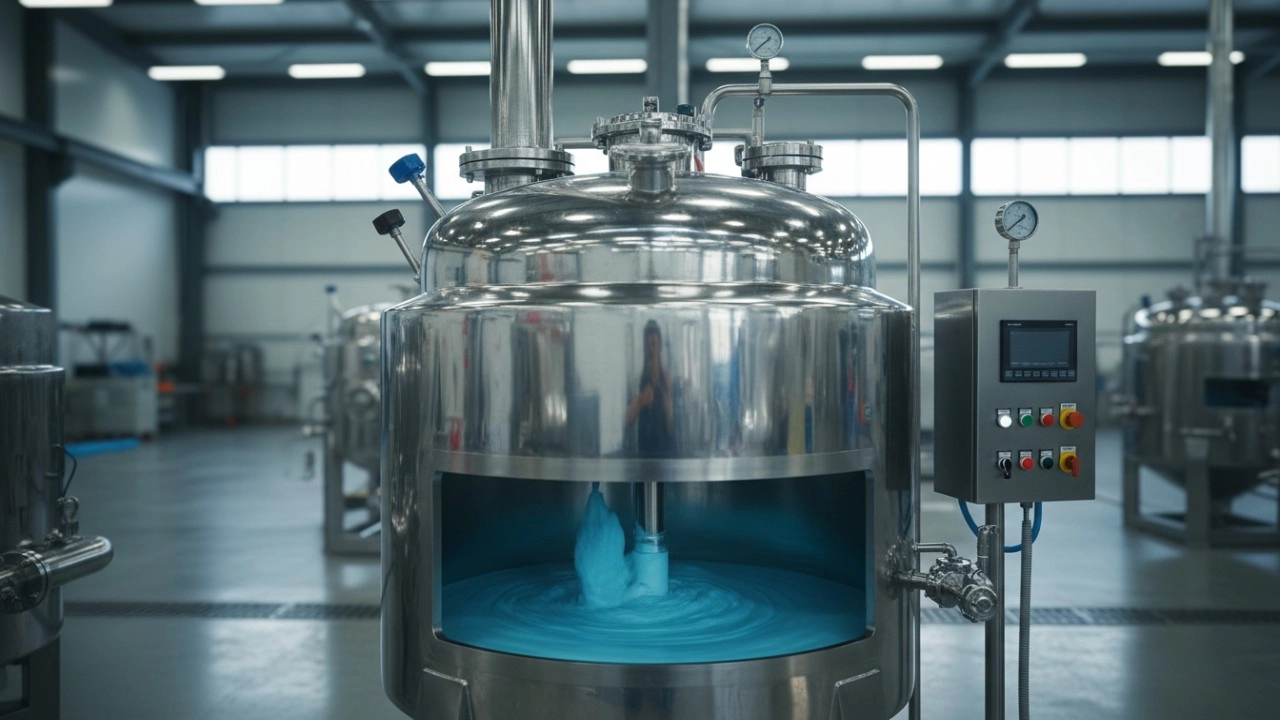
The Future of Industrial Agitation: 5 Smart Mixing Tank Technologies Changing the Game
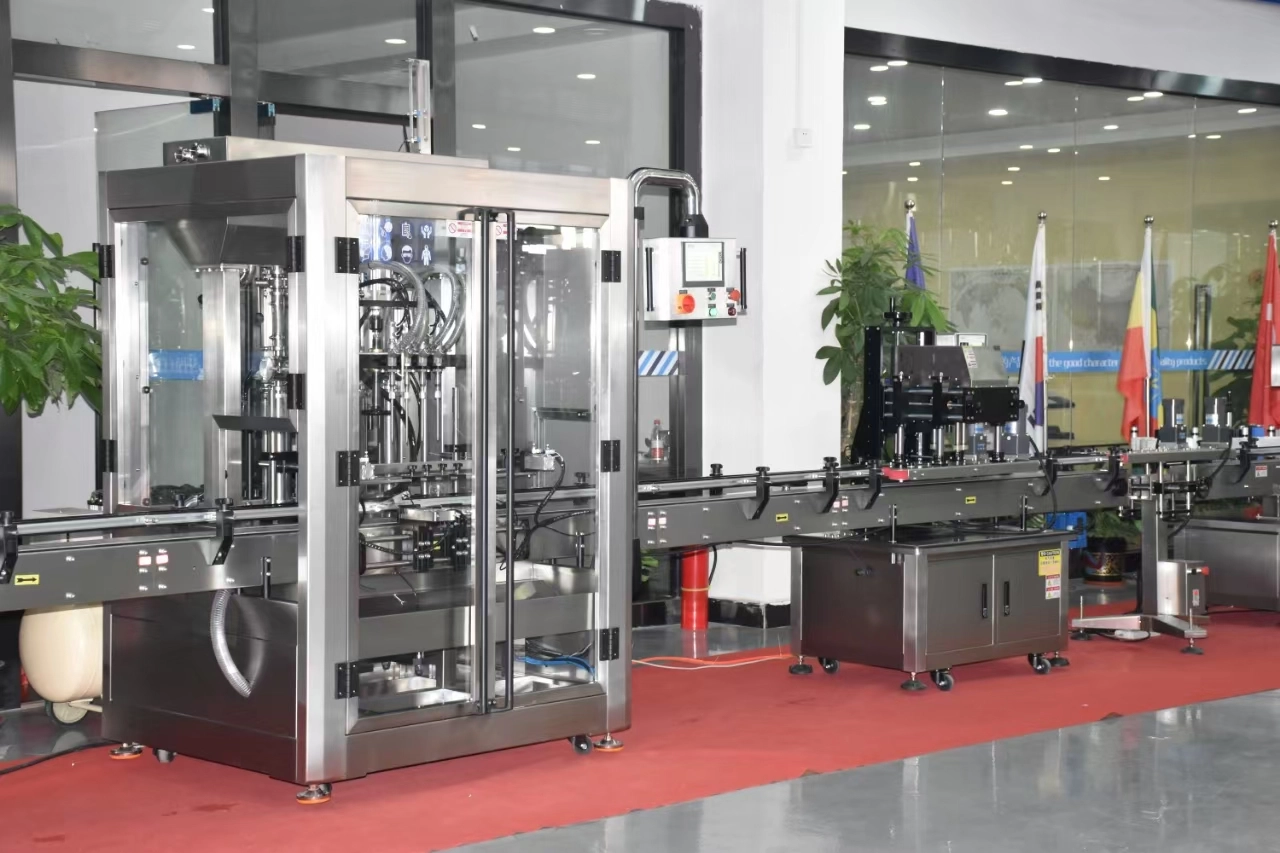
Gear pump filling machine vs. piston filling machine: Key differences broken down to avoid pitfalls in selection.
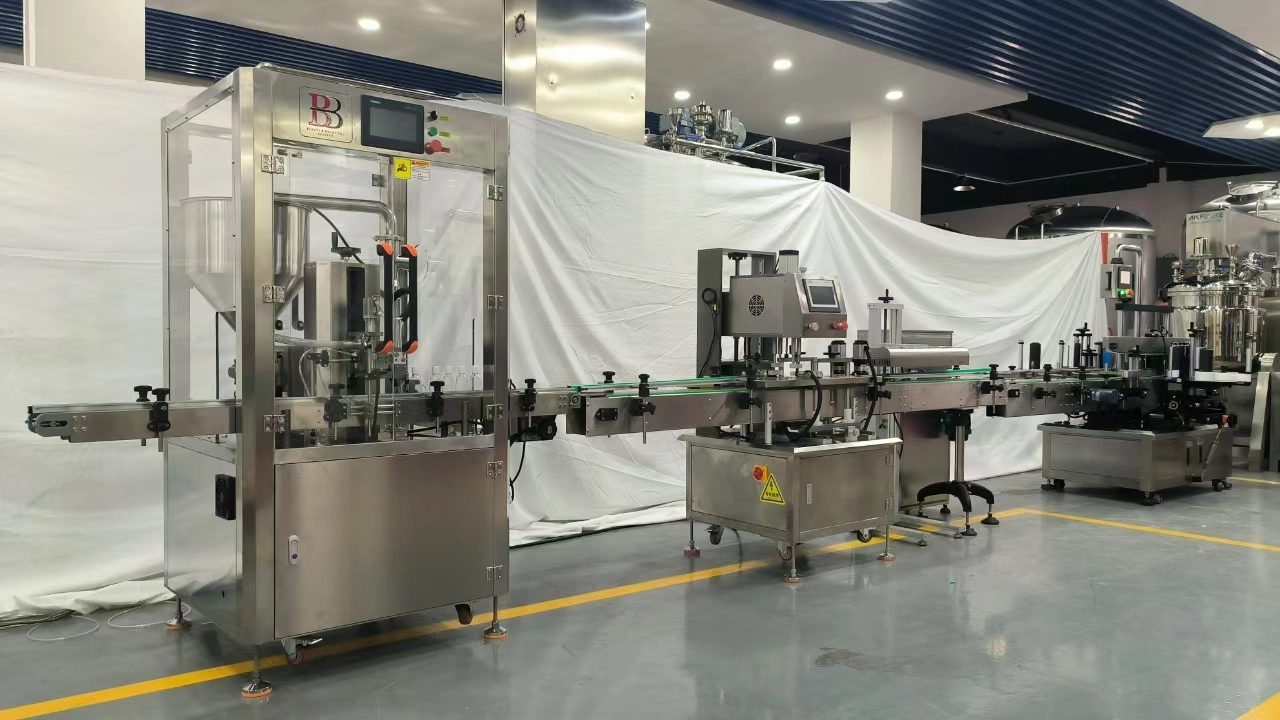
Understand the working principle of a servo gear pump filling machine!
Vacuum Emulsifying Machine
What kind of heating method is there?
The heating methods include electric heating (heating medium is water or thermal oil) and steam heating. Generally, we recommend steam heating for pots larger than 500L.
Can you make a design for us?
Yes, we can, we provide not only products, but also solutions and designs.
Perfume Filling Machine
What can you buy from us?
RO Water Treatment、Vacuum Emulsifying Machine、Homogenizer Mixing Tank、Filling and Capping、labeling Machine、Packing Machine、Storage Tank,etc.
FAQs
How can customers contact FULUKE for inquiries or support?
Automatic Filling Machine
Who are we?
Our headquarters is located in Guangzhou, Guangdong, China, and our factory is located in Yangzhou, Jiangsu. Our products are sold all over the world. We have approximately 50 employees in our company and factory.
Get in touch with FULUKE
If you have any comments or good suggestions, please leave us a message, later our professional staff will contact you as soon as possible.
You May Also Like
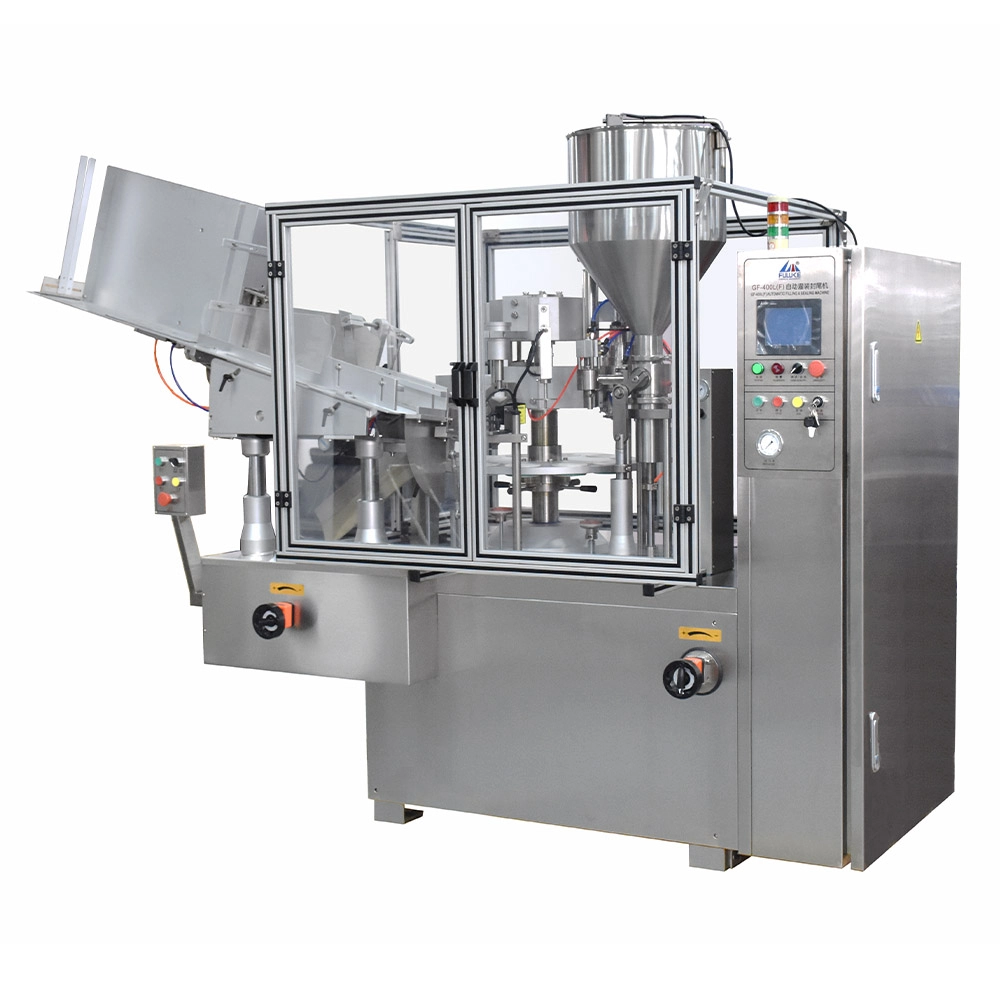
Automatic Tube Filling and Sealing Machine Toothpaste Sunscreen and Facial Cleanser Filling and Sealing Machine for Plastic and Aluminum-plastic Tube
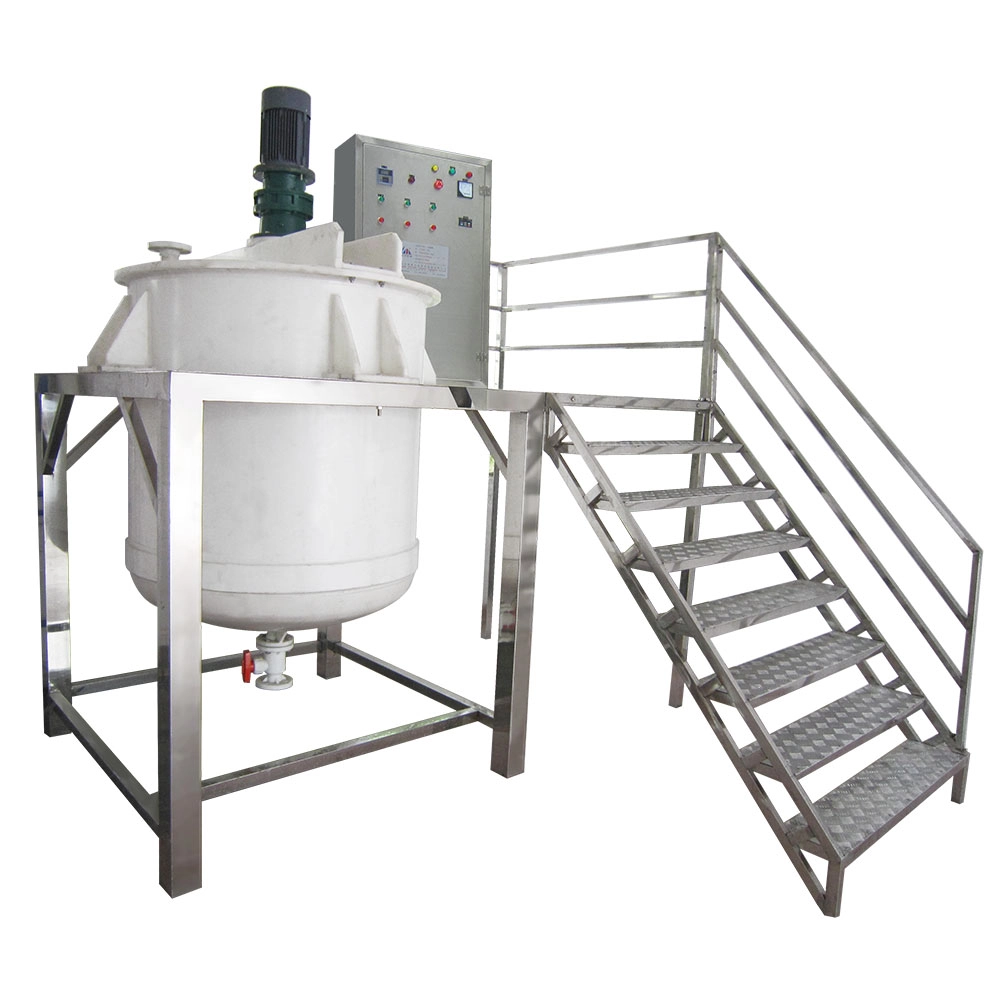
Polypropylene PP Mixing Tank Anti-Corrosion Mixer Reaction Kettle with Agitator Chemical Mixing Vessel
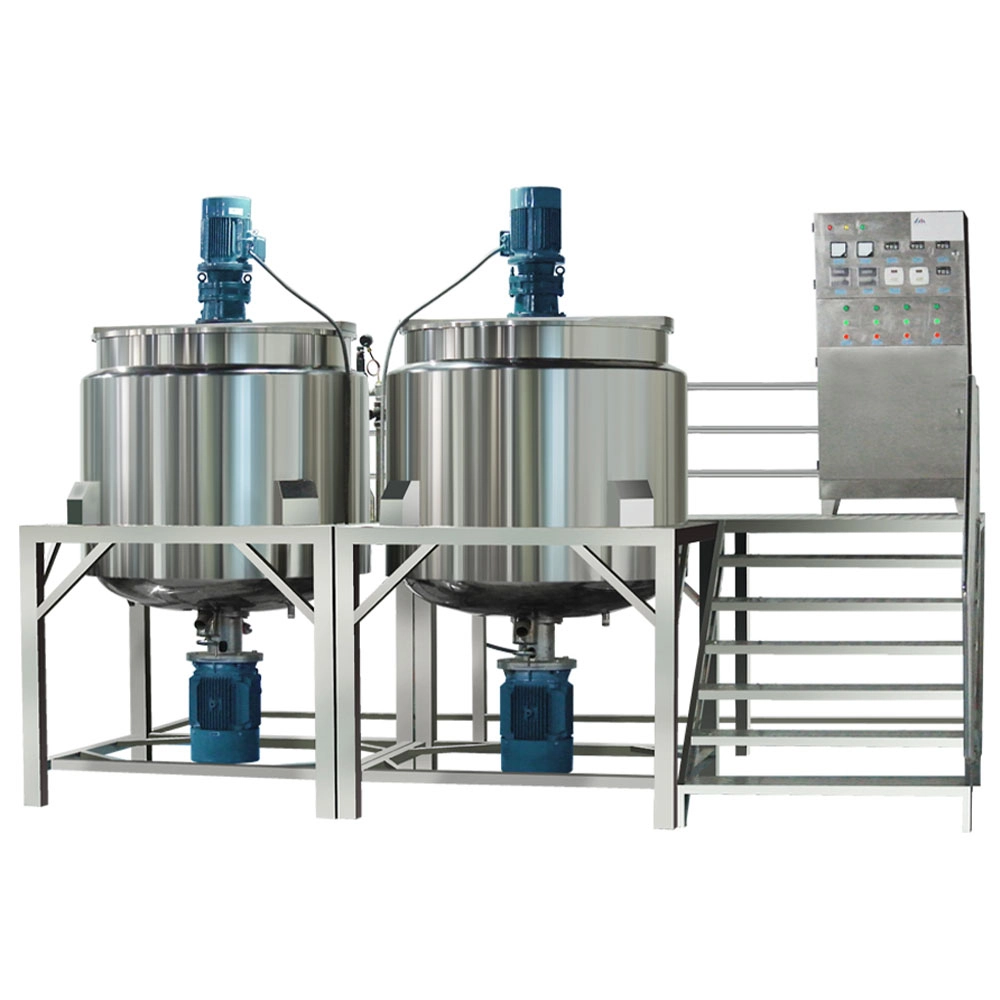
Flip Cover Multi-function Liquid Wash Mixing Tank Blender Liquid Detergent Mixer Homogenization Stirring Tank
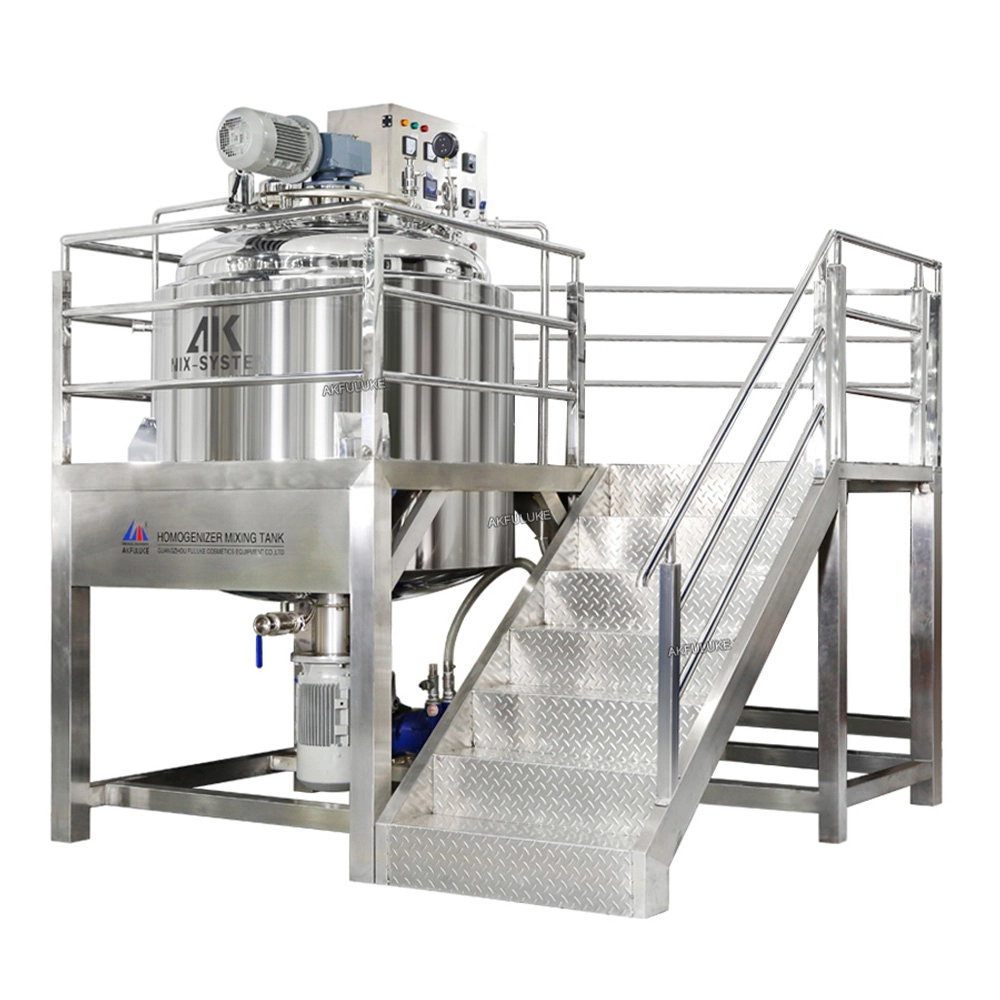
Stainless Steel Mixer Liquid Mixing tank with Agitator Homogenizing Mixing tank Vacuum Sealed Mixer Machine

A leading manufacturer specializing in advanced machinery and complete production lines for the cosmetics, food, pharmaceutical, and chemical industries worldwide.
Contact FULUKE
Facebook
Instagram
YouTube