
How to ensure traceability in filling operations?
- Ensuring Traceability in Cosmetic Filling Operations: A Comprehensive Guide
- 1. What is Traceability in Cosmetic Filling Operations?
- 2. Why is Traceability Important in Cosmetic Manufacturing?
- 3. How Can Traceability Be Implemented in Filling Operations?
- 4. What Are the Challenges in Maintaining Traceability?
- 5. How Does Traceability Enhance Quality Control in Cosmetic Filling?
- 6. What Role Does Technology Play in Ensuring Traceability?
- 7. How Can FULUKE's Equipment Support Traceability in Filling Operations?
- 8. What Are the Benefits of Choosing FULUKE for Your Cosmetic Filling Needs?
Ensuring Traceability in Cosmetic Filling Operations: A Comprehensive Guide
In the cosmetic industry, maintaining traceability in filling operations is crucial for ensuring product quality, safety, and compliance with regulatory standards. This guide addresses common questions and provides insights into implementing effective traceability measures in cosmetic filling processes.
1. What is Traceability in Cosmetic Filling Operations?
Traceability refers to the ability to track and document each step of the filling process, from raw material sourcing to the final product. This includes recording batch numbers, production dates, equipment used, and operator details, ensuring that any issues can be traced back to their source for prompt resolution.
2. Why is Traceability Important in Cosmetic Manufacturing?
Implementing traceability in cosmetic manufacturing offers several benefits:
Product Quality Assurance: Ensures consistent product quality by monitoring each production stage.
Regulatory Compliance: Meets industry standards and regulations, such as Good Manufacturing Practice (GMP), which require detailed record-keeping.
Recall Management: Facilitates efficient product recalls by quickly identifying affected batches.
Consumer Trust: Enhances brand reputation by demonstrating commitment to quality and safety.
3. How Can Traceability Be Implemented in Filling Operations?
Effective traceability can be achieved through the following methods:
Automated Data Collection: Utilize systems that automatically record production data, reducing human error and ensuring accuracy.
Barcode and RFID Systems: Implement barcode or RFID tagging for raw materials and finished products to track movements and processing stages.
Integrated Software Solutions: Use Manufacturing Execution Systems (MES) to monitor and document the entire production process in real-time.
Regular Audits and Inspections: Conduct periodic reviews to ensure traceability systems are functioning correctly and to identify areas for improvement.
4. What Are the Challenges in Maintaining Traceability?
Common challenges include:
Data Management: Handling large volumes of data can be complex and requires robust systems.
System Integration: Ensuring that traceability systems integrate seamlessly with existing equipment and software.
Training Personnel: Providing adequate training to staff to effectively use traceability tools and understand their importance.
Cost Considerations: Initial setup costs for traceability systems can be significant, though they often lead to long-term savings.
5. How Does Traceability Enhance Quality Control in Cosmetic Filling?
Traceability enhances quality control by:
Identifying Defects: Quickly pinpointing the source of defects or inconsistencies in products.
Monitoring Process Variations: Tracking variations in the filling process to maintain consistency.
Ensuring Compliance: Verifying that all production steps adhere to established quality standards.
Facilitating Continuous Improvement: Using data collected through traceability to inform process improvements.
6. What Role Does Technology Play in Ensuring Traceability?
Technology plays a pivotal role by:
Automating Data Capture: Reducing manual entry errors and increasing efficiency.
Providing Real-Time Monitoring: Allowing for immediate detection and correction of issues.
Enabling Data Analysis: Offering insights into production trends and potential areas for improvement.
Supporting Compliance: Ensuring that all data is accurately recorded and easily accessible for audits.
7. How Can FULUKE's Equipment Support Traceability in Filling Operations?
FULUKE's equipment is designed with traceability in mind, offering features such as:
Integrated Data Logging: Automatically records production data for easy tracking.
Advanced Monitoring Systems: Provides real-time monitoring of filling processes to ensure accuracy.
Compliance with Industry Standards: Meets GMP and other regulatory requirements, facilitating traceability.
User-Friendly Interfaces: Simplifies data entry and retrieval, making traceability more accessible.
8. What Are the Benefits of Choosing FULUKE for Your Cosmetic Filling Needs?
Choosing FULUKE offers several advantages:
Reliability: Known for durable and dependable equipment that minimizes downtime.
Customization: Offers solutions tailored to specific production requirements.
Support: Provides comprehensive after-sales support, including training and maintenance.
Innovation: Continuously integrates the latest technology to enhance filling operations.
In conclusion, implementing traceability in cosmetic filling operations is essential for ensuring product quality, safety, and regulatory compliance. By addressing common challenges and leveraging advanced technologies, manufacturers can achieve effective traceability. FULUKE's equipment offers robust solutions to support these efforts, enhancing operational efficiency and product integrity.
References:
[Prevent Cosmetic Contamination in Liquid Filling (https://www.dddiscus.com/blog/how-to-prevent-contamination-in-cosmetic-liquid-filling-processes960)
(https://www.alibaba.com/product-insights/high-precision-filling-machines.html)
(https://foodmachinerych.com/your-ultimate-guide-to-sourcing-cosmetic-filling-machine/)
(https://www.amskzn.com/blog/how-to-ensure-precision-of-paste-filling-machine-for-cosmetics)
(https://www.yuxiangmachinery.com/quality-control-ensuring-accuracy-with-tube-filling-machines)
(https://www.urbanpackline.com/a-the-role-of-tube-filling-machines-in-the-cosmetic-industry.html)
(https://antaresvisiongroup.com/wp-content/uploads/2025/05/AVG_PR_Pharmintech2025_ENG_FINAL.pdf)

Understanding Servo Capping Machines: The Core Logic of Precise Capping – Understand the Entire Working Process in Seconds
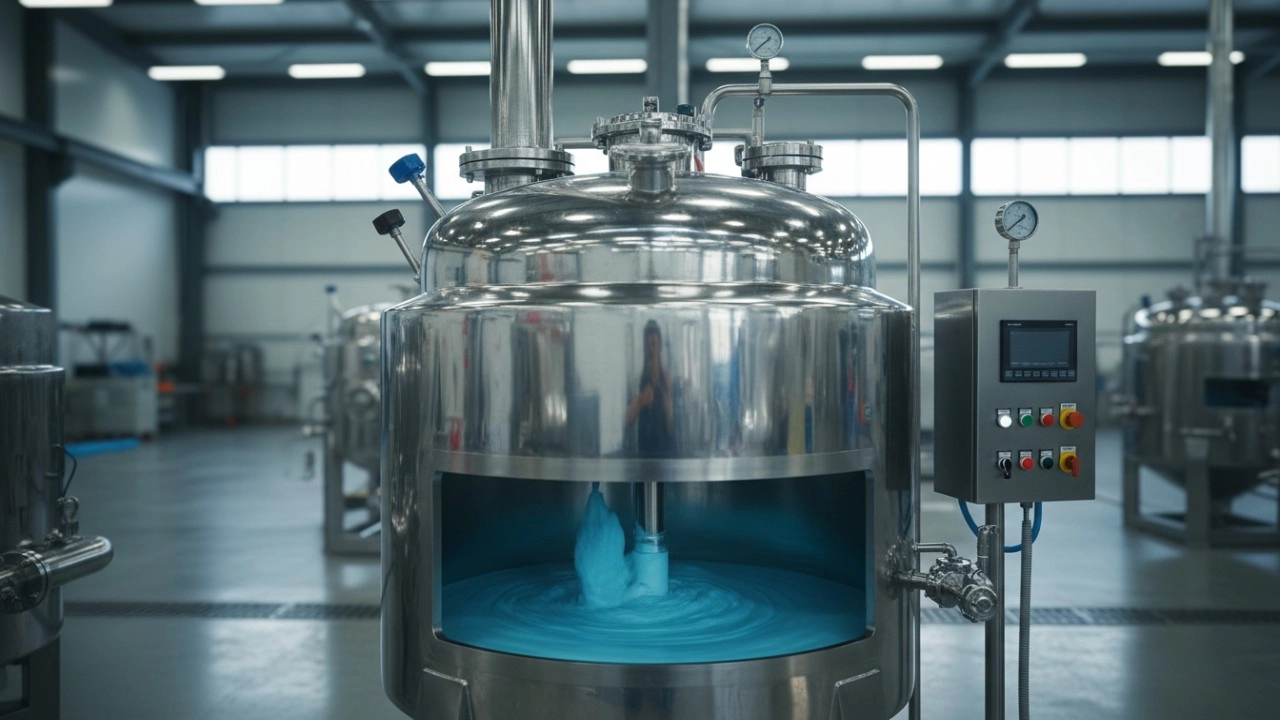
The Future of Industrial Agitation: 5 Smart Mixing Tank Technologies Changing the Game
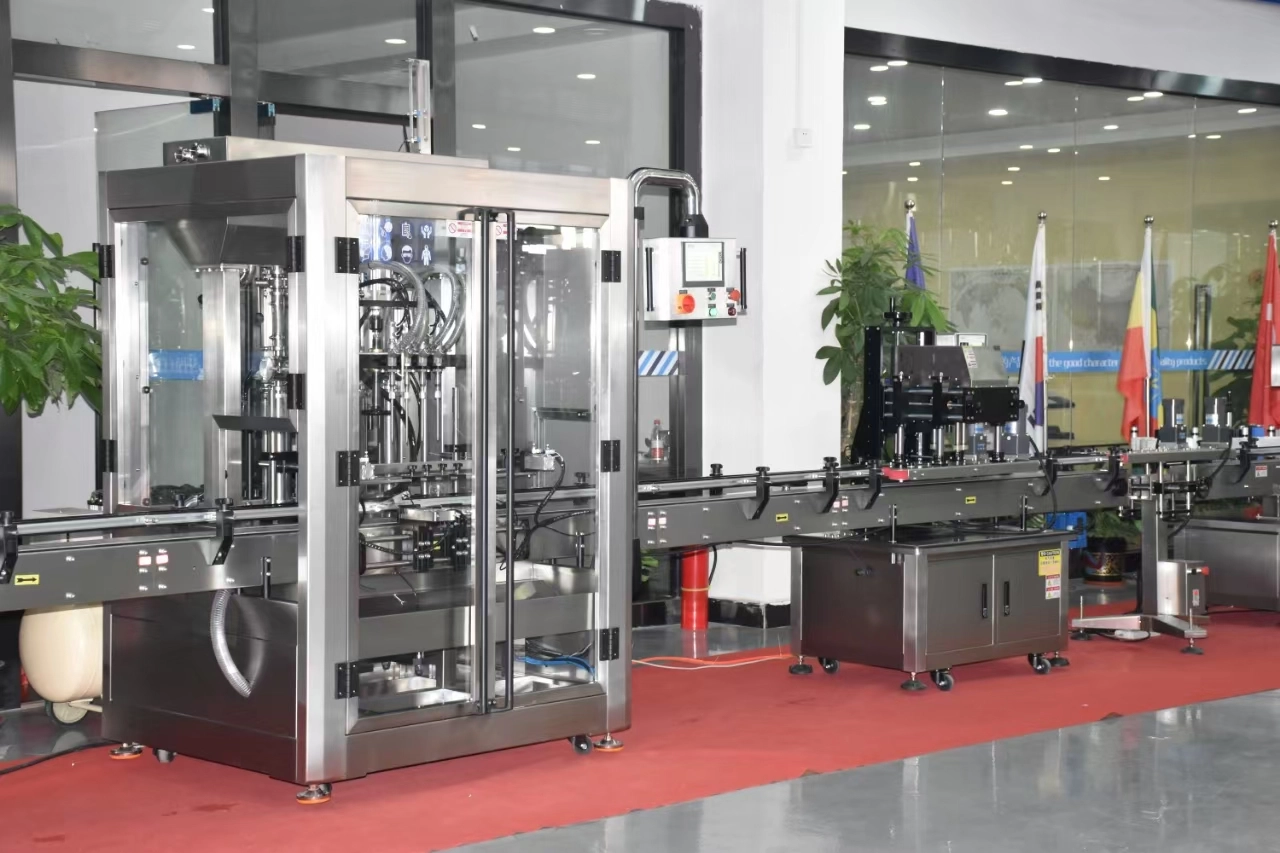
Gear pump filling machine vs. piston filling machine: Key differences broken down to avoid pitfalls in selection.
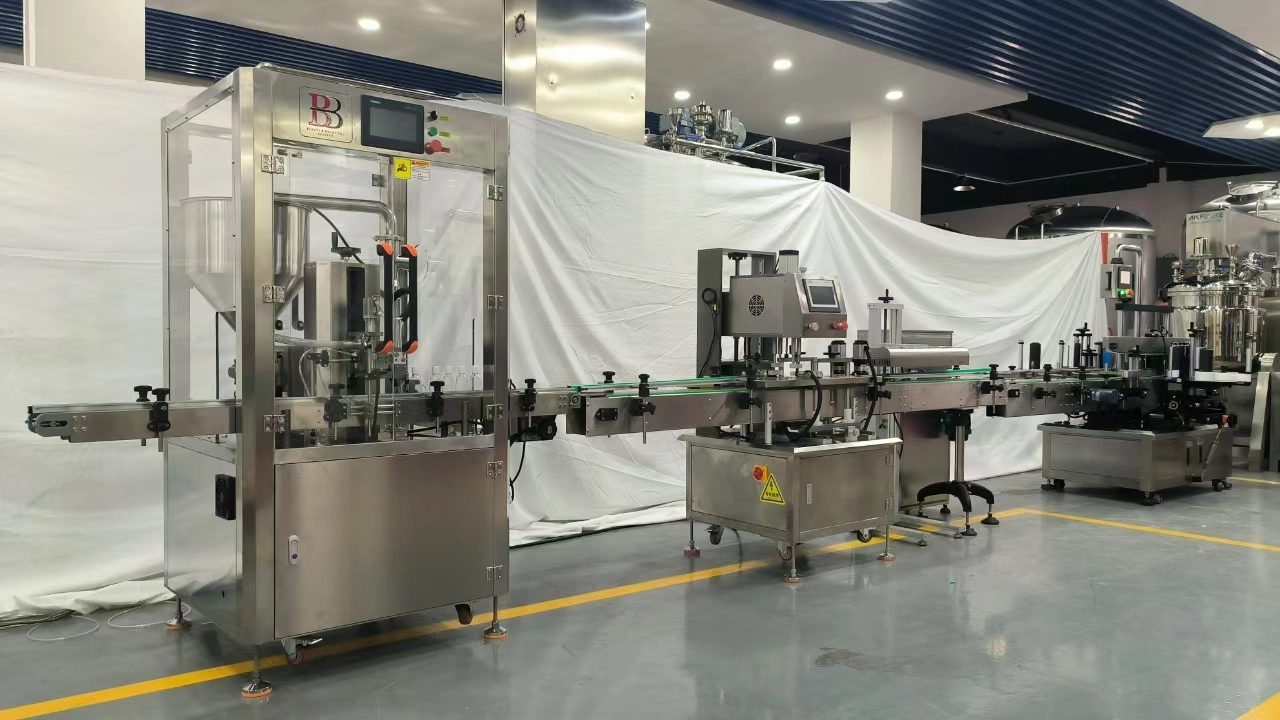
Understand the working principle of a servo gear pump filling machine!
Automatic Capping Machine
What causes leakage or loose caps after capping?
Most likely, the capping torque parameters do not match the product characteristics. You can recalibrate the torque through the touch screen. If the problem persists, check whether the bottle clamp is too loose or whether there is any dimensional deviation in the cap.
Film Packaging Machine
What industries is this film packaging machine suitable for?
This machine is widely used for packaging a variety of items in large single boxes or multiple small boxes (with gold drawstring) in industries such as pharmaceuticals, health products, food, cosmetics, stationery, and audio-visual products.
Lift-type Homogenizing Disperser
How often should the disperser and homogenizer be cleaned? How should they be cleaned properly?
Cleaning Frequency: Cleaning is required every time a material is changed to prevent cross-contamination. When the same material is used continuously, cleaning is recommended every 24 hours. Cleaning Method: Rinse with clean water or a suitable solvent (e.g., alcohol for oily materials, clean water for water-based materials). Remove stubborn stains with a soft brush. Avoid scratching with hard objects to avoid damage.
Storage Tank
Do special operating conditions (such as high temperature or high pressure) require special customization?
Yes. High-temperature applications require the use of heat-resistant materials and additional insulation. High-pressure applications require enhanced tank wall thickness and sealing structures. Both require individual designs according to corresponding industry standards.
Polypropylene PP Mixing Tank
What is the structure of an agitator?
The agitator usually consists of enamel anchor agitator.
Get in touch with FULUKE
If you have any comments or good suggestions, please leave us a message, later our professional staff will contact you as soon as possible.
You May Also Like
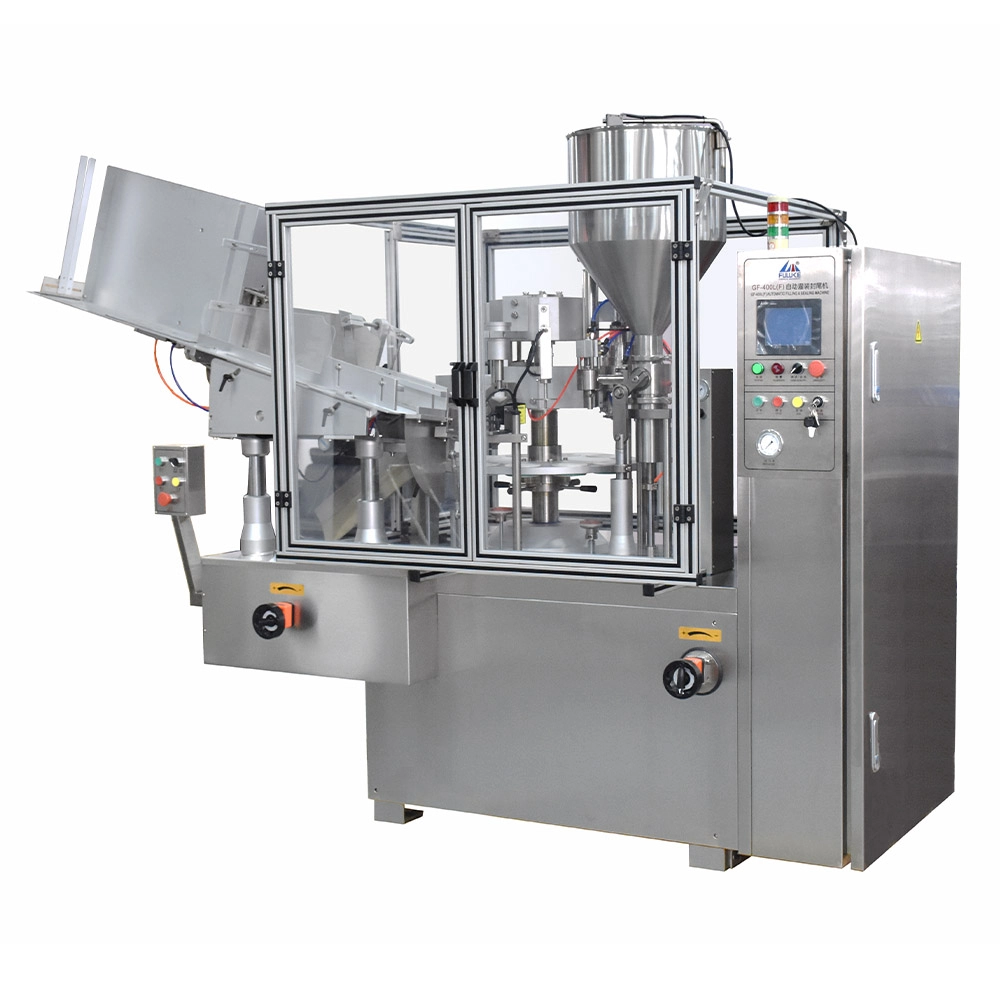
Automatic Tube Filling and Sealing Machine Toothpaste Sunscreen and Facial Cleanser Filling and Sealing Machine for Plastic and Aluminum-plastic Tube
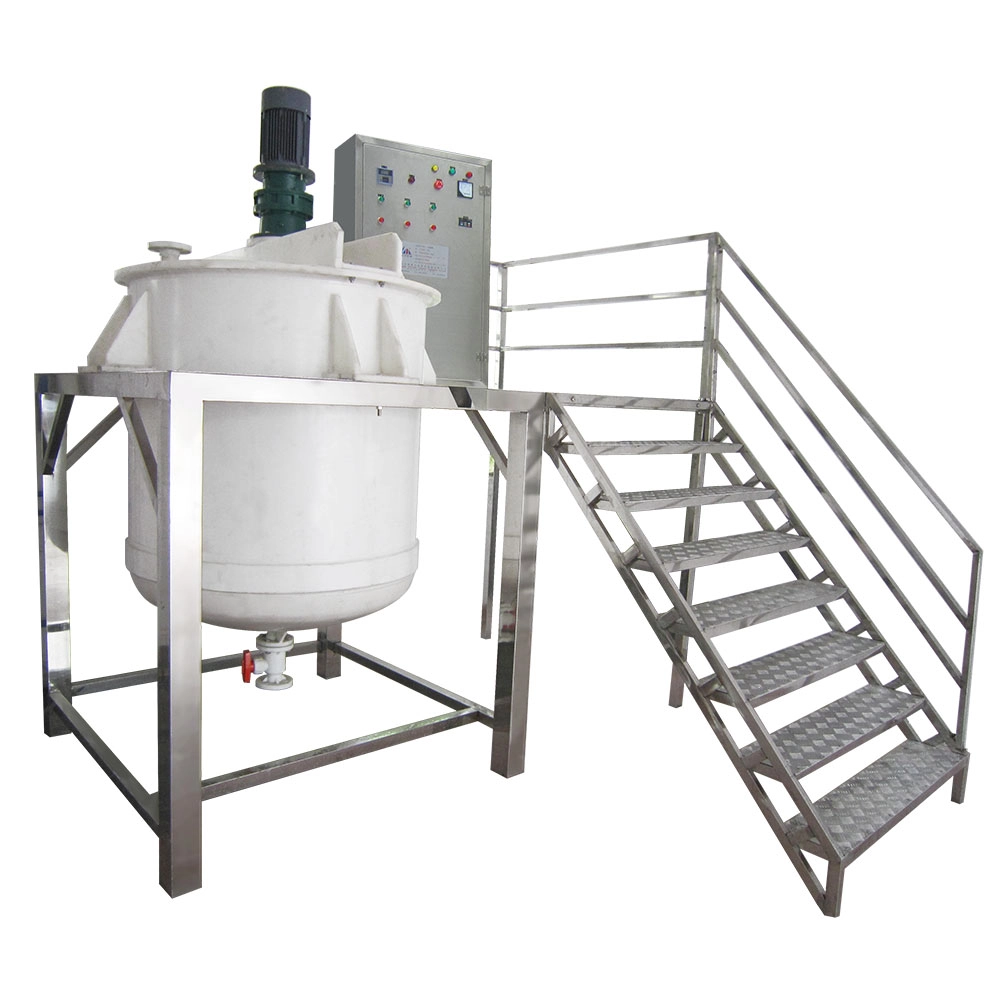
Polypropylene PP Mixing Tank Anti-Corrosion Mixer Reaction Kettle with Agitator Chemical Mixing Vessel
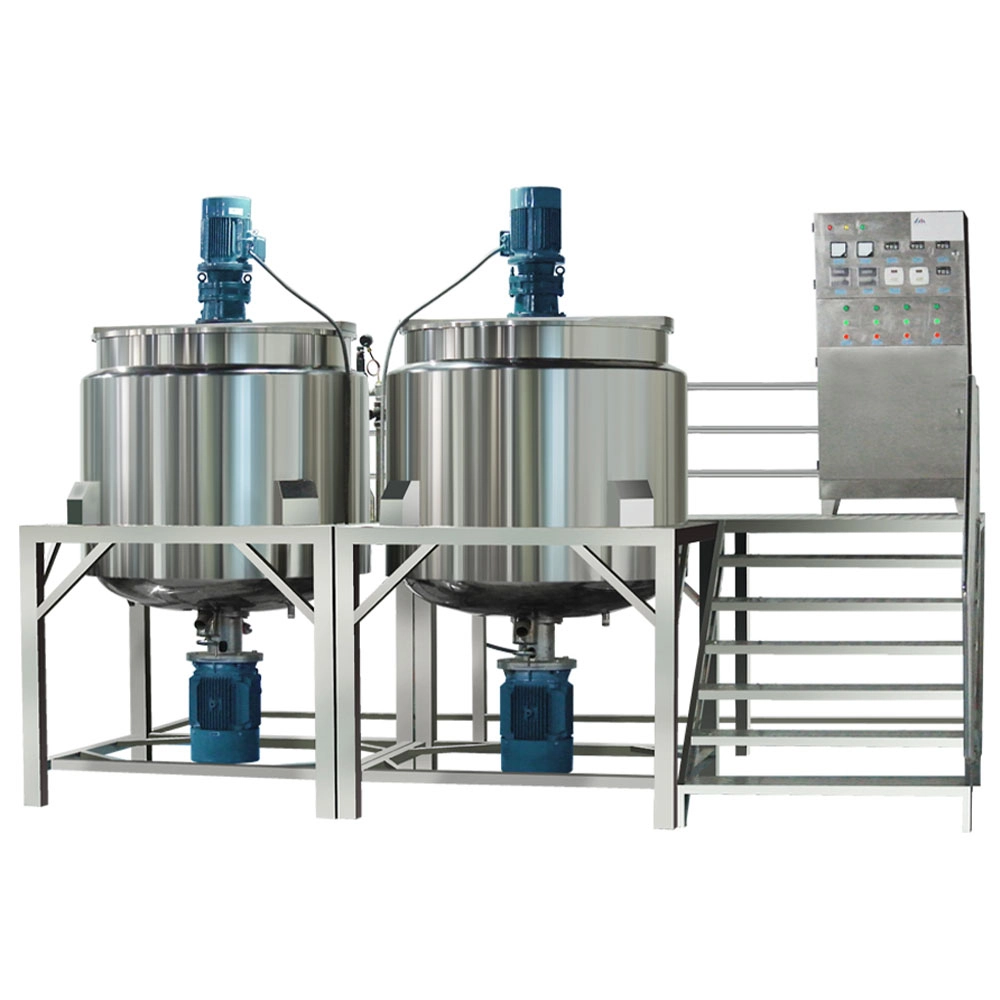
Flip Cover Multi-function Liquid Wash Mixing Tank Blender Liquid Detergent Mixer Homogenization Stirring Tank
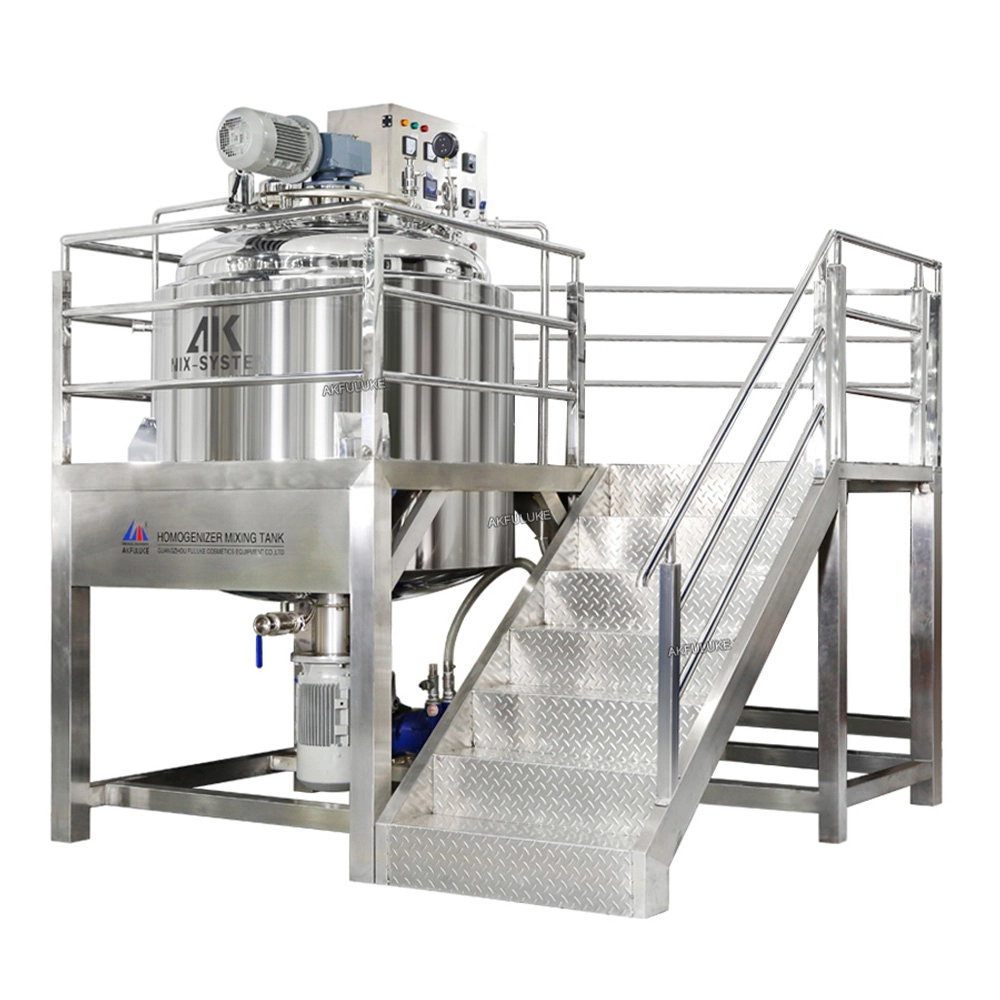
Stainless Steel Mixer Liquid Mixing tank with Agitator Homogenizing Mixing tank Vacuum Sealed Mixer Machine

A leading manufacturer specializing in advanced machinery and complete production lines for the cosmetics, food, pharmaceutical, and chemical industries worldwide.
Contact FULUKE
Facebook
Instagram
YouTube