
What validation tools confirm fill volume accuracy?
- 1) How do I validate fill volumes on a piston-based bottle filling machine for high-viscosity creams where surface tension causes overflow and air entrapment?
- 2) Which calibration and verification tools confirm fill volume accuracy across multiple fill heads on a rotary filling machine without stopping production?
- 3) How should I convert weight measurements to volume for cosmetic emulsions whose density changes with temperature during production?
- 4) What statistical sample size and acceptance criteria should I use to validate fill accuracy per batch for cosmetics to comply with ISO 22716 and industry best practice?
- 5) How can I validate and periodically re-verify peristaltic/gear pump driven filling systems to detect drift caused by tubing wear or pump slip?
- 6) What combination of instruments and an IQ/OQ/PQ protocol will prove a bottle filling machine meets claimed accuracy (e.g., ±1%) for supplier validation before purchase?
- Concluding summary: Advantages of validating fill volume accuracy with these tools
What validation tools confirm fill volume accuracy for bottle filling machines?
Author: Cosmetic equipment engineer and procurement consultant with hands-on experience in automatic fillers, rotary filling machines and volume-validation for cosmetic production. This article provides actionable, standards-aligned methods (gravimetric, checkweigher, Coriolis, sampling, IQ/OQ/PQ) you can apply to purchase or validate a bottle filling machine. References include ISO 22716 (GMP for cosmetics), ISO 2859-1 (sampling) and traceable calibration best practices (NIST-traceable weights).
1) How do I validate fill volumes on a piston-based bottle filling machine for high-viscosity creams where surface tension causes overflow and air entrapment?
Problem: Viscous emulsions (creams, lotions) create meniscus and foam; piston fillers can compress product or entrain air, causing inconsistent delivered volume despite correct stroke settings.
Step-by-step validation:
- Specify acceptance criteria up front: for cosmetics a practical target is mean fill within ±1–2% of nominal and RSD (relative standard deviation) <1.0% for finished-product value lines; adjust tolerance for low-value bulk items. Document this in your PQ.
- Control pre-conditions: stabilize product temperature to production setpoint (±1 °C), homogenize the batch to remove air pockets, and use deaeration steps if your process requires.
- Measure by gravimetric method: weigh empty bottle (tare), run filled sample, weigh filled bottle. Use a precision balance (readability 0.01 g or better for fills <100 mL; 0.1 g for very large volumes) that is NIST-traceable. Calculate delivered mass = filled - tare. Convert mass to volume using measured density (Volume = mass / density).
- Density measurement: measure emulsion density at production temperature using a calibrated density meter (e.g., oscillating U-tube) or hydrometer for approximate checks. Density drift with temperature is real—measure at the same temperature as production.
- Check for entrapped air: slice samples if necessary to visually confirm absence of large air pockets. Foam/air causes lower mass for same fill stroke.
- Tune filling dynamics: reduce filler stroke speed slightly and/or increase dwell time at valve open to allow viscous product to settle. Use anti-drip and back-pressure adjustments where the piston filler allows. For piston fillers, verify seal condition and check piston return spring force—wear changes delivered volume.
- Protocol example: select 10 worst-case bottles across 3 consecutive production runs (30 total). For each sample, record tare mass, filled mass, product temperature, and density. Compute mean fill volume and RSD; accept if mean within tolerance and RSD below limit. If not, perform corrective actions (pump/piston inspection, re-tune dosing parameters) and re-run.
Tools: calibrated analytical balance (Mettler Toledo or equivalent), calibrated density meter (Anton Paar-style), NIST-traceable weights, temperature probe. Document everything in your PQ and retain raw data for audits.
2) Which calibration and verification tools confirm fill volume accuracy across multiple fill heads on a rotary filling machine without stopping production?
Problem: Multi-head rotary fillers can show head-to-head variation. Stopping production to measure each head is costly.
Solutions and tools:
- Inline checkweigher integration: place a high-speed checkweigher immediately after the filler and before cap/label stations. A production-grade checkweigher with rejection (0.05–0.5 g resolution depending on product) will detect out-of-tolerance bottles and can be tuned to reject or flag suspect fills. This provides 100% in-line verification.
- Head balancing and static gravimetric spot checks: daily or shift-based, stop line for a short period and pull one sample per head (minimum 10 cycles per head) to do gravimetric checks with a lab balance. This confirms checkweigher calibration and identifies recurrent head biases.
- In-line flow meter per manifold or per-head: for high-value lines, install Coriolis mass flow meters or precision volumetric flow sensors on the common feed of groups of heads or, if feasible, per head. Coriolis meters provide mass flow directly and are less sensitive to viscosity and conductivity. They allow verification without stopping the machine but add CAPEX.
- Statistical monitoring: use SPC (statistical process control) charts (X-bar, R) fed by checkweigher outputs to detect drift or head imbalance. Set control limits and automatic alerts for trending issues.
Recommended approach: combine a calibrated inline checkweigher (100% verification) with periodic head-by-head gravimetric spot checks (IQ/OQ/PQ acceptance and daily verification). Checkweigher manufacturers (e.g., Mettler Toledo, Minebea Intec, Ishida) provide documented calibration and verification procedures—ensure traceable calibrations and retained records.
3) How should I convert weight measurements to volume for cosmetic emulsions whose density changes with temperature during production?
Problem: Many articles show mass-to-volume conversion but ignore density vs temperature for emulsions, which introduces systematic error if ignored.
Procedure and formula:
- Use the fundamental relation Volume = Mass / Density. Always measure density at the same temperature as the production/fill temperature.
- Measure density using a calibrated digital density meter (oscillating U-tube) for best accuracy. If unavailable, use a calibrated hydrometer but understand uncertainty is higher. Record temperature along with density measurement.
- Temperature correction: if you must correct densities between temperatures, use a measured thermal expansion coefficient for your product or re-measure density at target temperature. For many emulsions, coefficient ranges from 0.0003 to 0.001 per °C; using an assumed value increases uncertainty—so measuring is recommended.
- Example calculation: target fill = 50.0 mL. Measured density at 25.0 °C = 0.98 g/mL. Required mass = 50.0 mL × 0.98 g/mL = 49.0 g. If balance shows mean delivered mass = 48.6 g, delivered volume = 48.6 / 0.98 = 49.59 mL (0.82% underfill).
- Uncertainty budget: include balance readability, density meter uncertainty, and temperature measurement uncertainty. For critical lines, compute combined uncertainty to ensure you meet your acceptance tolerance.
Tools: calibrated density meter (Anton Paar-style), calibrated balance, temperature probe. Always record density, temperature, balance calibration status, and operator IDs in your PQ records.
4) What statistical sample size and acceptance criteria should I use to validate fill accuracy per batch for cosmetics to comply with ISO 22716 and industry best practice?
Problem: Beginners find conflicting guidance online—sampling plans (AQL) differ from PQ validation sampling. You need a defensible plan for routine release and for qualification.
Two levels: routine QC sampling (release) vs. PQ validation (qualification):
- Routine QC release: use a statistically based sampling plan (ISO 2859-1 / ANSI/ASQ Z1.4) for lot acceptance (AQL-based). Select AQL appropriate to product risk (common cosmetics use AQL 2.5–4.0 for visual/critical defects). For fill volume, many cosmetic manufacturers instead use tighter internal plans—e.g., take 5–10 samples per shift per line and evaluate mean and RSD against limits.
- PQ / Performance qualification: adopt a stricter plan. Common industry practice (inspired by pharmaceutical PQ) is:
- Three separate production runs at target speed, each run producing at least the minimum batch size.
- Collect a minimum of 10–30 samples per run per worst-case fill head. Worst-case heads are those with highest historical variance or at ends of the rotary manifold.
- Acceptance criteria example: mean fill within ±1.0% of nominal and RSD <1.0% (tight line) or ±2.0% and RSD <1.5% (typical cosmetic). Document whichever you choose and why.
- Use hypothesis testing for supplier claims: if a vendor claims ±0.5% accuracy, your PQ should use a sample size and test power to detect shifts larger than that. Consult a statistician if the claim impacts regulatory or financial risk.
Keep documented rationale referencing ISO 22716 (GMP for cosmetics) and your internal Quality Risk Assessment. For regulatory audits, retain raw data, calibration certificates, and SPC charts.
5) How can I validate and periodically re-verify peristaltic/gear pump driven filling systems to detect drift caused by tubing wear or pump slip?
Problem: Peristaltic and some gear pumps change delivered volume slowly over time due to wear or slip, causing under/over-fills before operators detect them.
Validation and preventive controls:
- Baseline OQ: during operational qualification, map delivered volume vs pump speed and tubing age. Record pump speed, tubing lot, product temperature and fill head. This creates a reference performance curve.
- Daily in-line quick checks: run short test cycles (10–20 fills) at start of shift and monitor with inline checkweigher; set tighter alarm thresholds to detect drift early. If using a modular production line, run an automated test routine and log results to MES/SCADA.
- Scheduled replacement intervals: establish tubing change intervals based on measured drift—e.g., replace peristaltic tubing after X hours or when mean fill deviates by Y% from baseline. Document the CAPEX of proactive replacement vs. cost of over/underfill waste.
- Periodic gravimetric audits: sample 10 bottles every 4 hours initially, then adjust frequency based on process capability (Cpk). For high-volume or high-value SKUs, increase frequency or add a dedicated calibration run every shift.
- Use flow meters where possible: adding a Coriolis or precision volumetric flow meter upstream of the pump will show real-time mass/volume flow and detect pump slip. Coriolis meters are more costly but provide direct mass flow independent of viscosity within normal ranges.
Tools: calibrated flow meters (Coriolis/mass), checkweigher, gravimetric balance, pump maintenance log. Formalize a re-verification SOP (who, when, how, acceptance) and link to CAPA if drift exceeds limits.
6) What combination of instruments and an IQ/OQ/PQ protocol will prove a bottle filling machine meets claimed accuracy (e.g., ±1%) for supplier validation before purchase?
Problem: Buyers must validate vendor claims during FAT/SAT but often lack a robust, evidence-based protocol to do so.
Recommended validation stack and protocol:
- Instruments to include during FAT/SAT:
- Calibrated laboratory balance (readability to suit target accuracy), with current NIST-traceable calibration certificate.
- Digital density meter (for mass-to-volume conversion) or calibrated hydrometer for non-critical lines.
- High-speed checkweigher to demonstrate 100% inline verification capability (if inline verification is required).
- Coriolis mass flow meter (optional, recommended for high-value or low-tolerance lines) for independent mass-flow verification during dynamic runs.
- Temperature probes and data logger to demonstrate environmental stability during tests.
- IQ (Installation Qualification): verify machine delivered as specified, utilities, software versions, and physical installation. Validate installed instruments (checkweigher/flow meters) are mounted per vendor instructions and connected to SCADA/MES if required.
- OQ (Operational Qualification): test extreme operating conditions—low speed, nominal speed, and max speed. For each speed point, collect 30 samples across multiple heads. Demonstrate the machine meets accuracy and repeatability claims under these conditions.
- PQ (Performance Qualification): run three full production runs using production-grade product, containers, and environmental conditions. For each run, sample as follows:
- Worst-case 30 samples per run per critical head (or apply your risk-based sampling plan).
- Record raw data from balance, checkweigher and Coriolis meter simultaneously for traceability.
- Compute mean error, RSD, Cp/Cpk if desired. Acceptance: vendor claim (e.g., ±1%) must be met for mean and a pre-agreed RSD limit.
- Documentation: ensure vendor supplies operation manuals, maintenance schedules, PLC code version, and traceable instrument calibration certificates. Keep all FAT/SAT/IQ/OQ/PQ records in your electronic record system for auditability.
Practical tip: include a clause in purchase contracts specifying remedial actions if machine does not meet FAT/SAT criteria (e.g., vendor tuning, replacement of dosing components, or price adjustment).
Concluding summary: Advantages of validating fill volume accuracy with these tools
Validated fill-volume accuracy—using gravimetric checks, calibrated density measurement, inline checkweighers, Coriolis mass flow meters, and a documented IQ/OQ/PQ approach—reduces giveaway and rejects, protects brand reputation, and ensures compliance with ISO 22716 and internal QA standards. Combining statistical sampling (ISO 2859-1 principles) with 100% inline verification (checkweigher or Coriolis feedback) gives both audit-grade evidence and real-time protection. For viscous products, gravimetric methods paired with density control and routine tubing/pump checks prevent slow drift that causes costly rework.
If you need a validated solution, test protocol template, or a quotation for a bottle filling machine, checkweigher integration, or in-line Coriolis meters, contact us for a quote. Visit www.fulukemix.com or email flk09@gzflk.com. We provide FAT/SAT and IQ/OQ/PQ packages tailored for cosmetic filling lines.
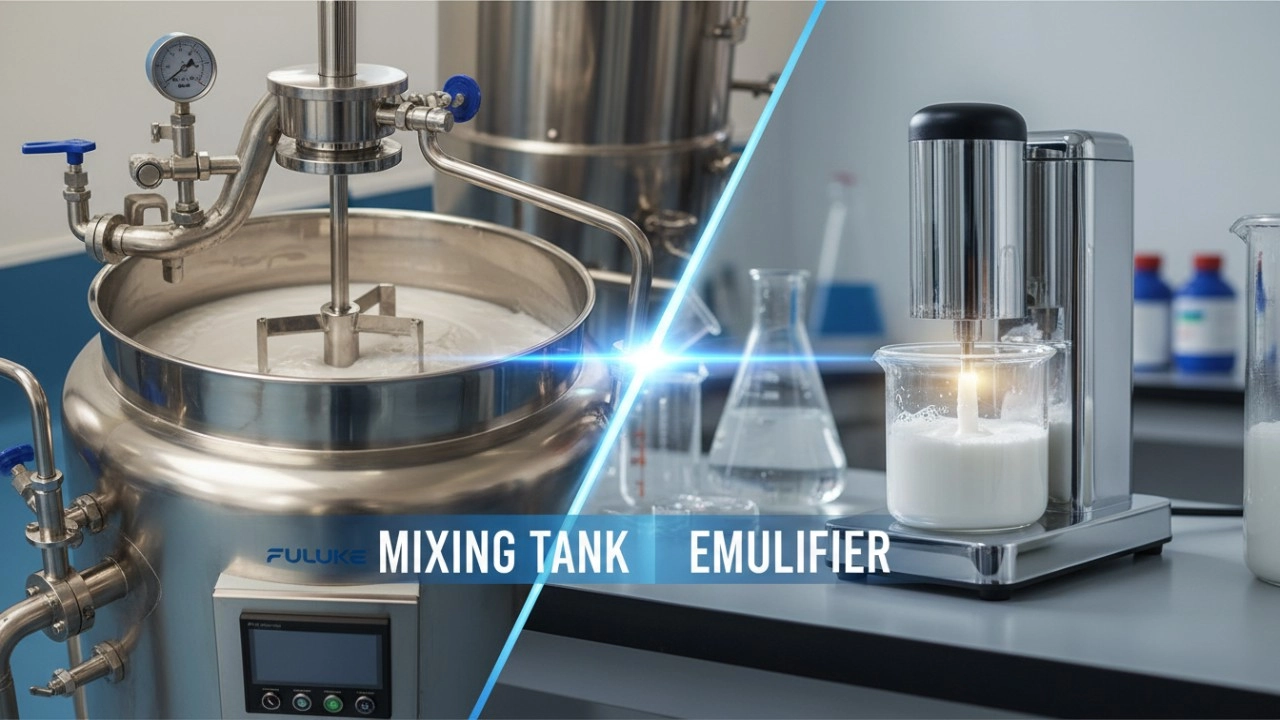
High-Shear Emulsifier vs. Standard Mixing Tank: A Deep Dive into Process Efficiency
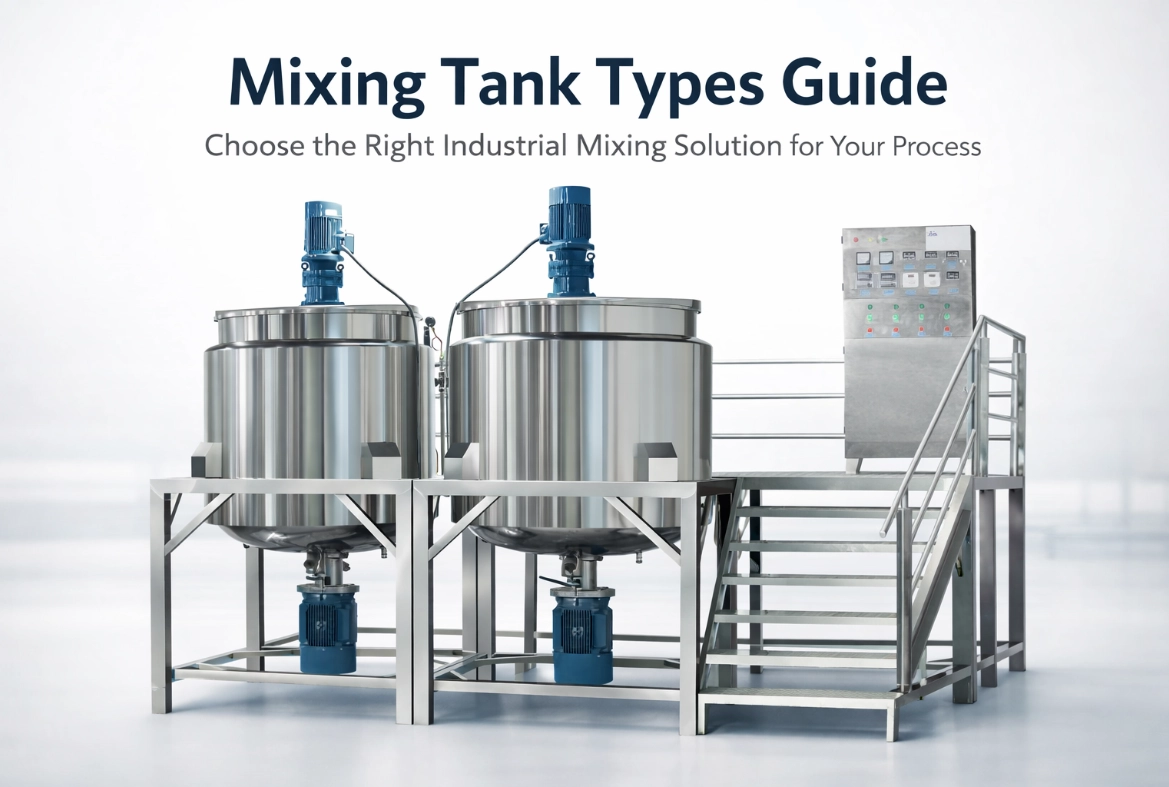
Advanced Mixing Tank Types: How to Optimize Your Production Line for 2026
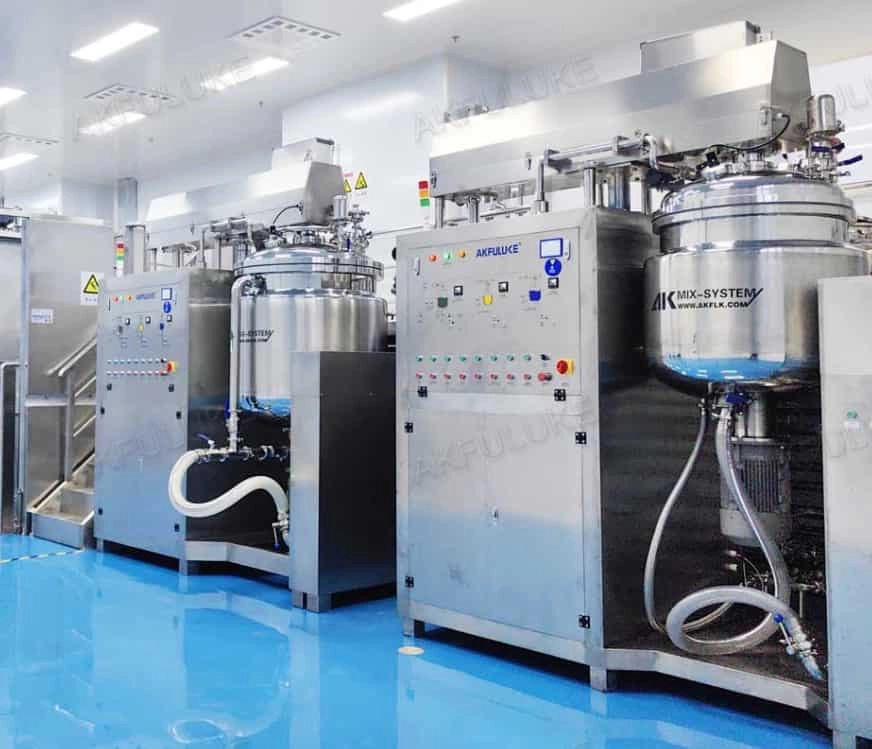
How it Works: The Science Behind Multifunctional Mixing Tank Technology & Performance (2026 Guide)
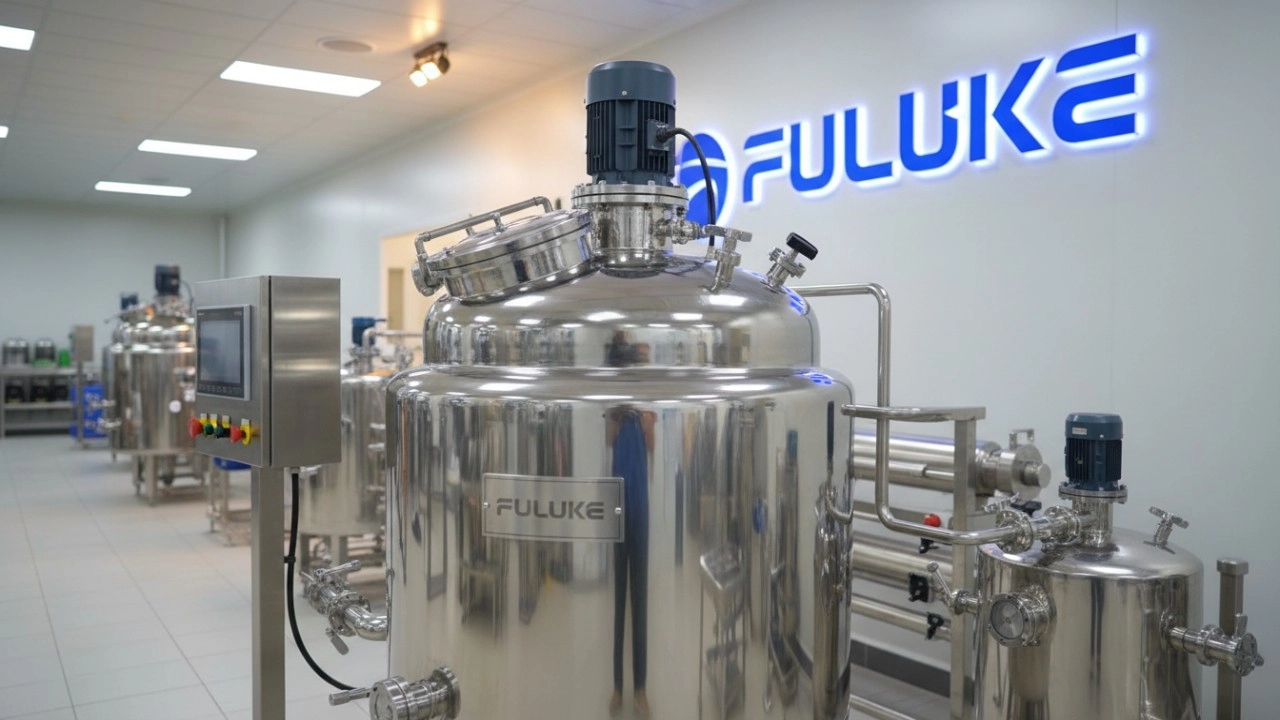
The Ultimate Guide to Multifunctional Mixing Tanks: Maximize ROI and Efficiency [2026 Edition]
Automatic Bag Packaging Machine
What should be done quickly if the equipment experiences dripping, stringing, or inaccurate metering during operation?
These are common minor malfunctions in cream and lotion packaging machines. They can be quickly resolved by following the troubleshooting steps, without the need for major overhaul. If inaccurate metering occurs, first check if the material viscosity is uniform and if the material tank is empty. Then recalibrate the metering pump parameters. The equipment comes standard with a piston or ceramic pump, and the normal metering error can be controlled within ±2%. If dripping or stringing occurs, it is mostly due to solidified residual paste at the nozzle or a mismatch between the filling delay and sealing temperature. First, promptly clean the residual material from the nozzle, then fine-tune the filling delay time and sealing temperature. Combined with the equipment's built-in anti-drip discharge structure, these problems can be completely eliminated. Cleaning the nozzle promptly after each production run can reduce the occurrence of these malfunctions from the source.
Automatic Tube Filling and Sealing Machine
Can you make a design for us?
Yes, we can, we provide not only products, but also solutions and designs.
The Flip Cover Liquid Wash Mixing Homogenizing Tank
Flip cover homogenizing mixing tank lacks a vacuum system. How should bubbles generated during mixing be handled?
Open mixing tank certainly can't remove air through vacuum like sealed equipment. However, if bubbles are affecting product quality, the following methods can be used to improve the process:
Process Adjustment: Reduce the mixing speed to prevent excessive air from being drawn into the material by high-speed turbulence. If homogenization is required, proceed in stages to reduce bubbles generated by a single shearing operation.
Assisted Degassing: For materials that can be heated, increase the temperature appropriately to reduce viscosity and promote bubble bubbling. Alternatively, allow the material to rest for a period of time after mixing to allow bubbles to dissipate naturally before proceeding to the next step.
Suitable Applications: This equipment is more suitable for products that are not sensitive to bubbles. For precision products requiring bubble-free production, a model with a vacuum function is recommended.
Oven machine
Will the dried glass bottles develop water stains or deformities?
No. The equipment uses a uniform axial hot air flow design, eliminating temperature dead zones and preventing water stains. The temperature can be precisely controlled to suit the high-temperature resistance range of the glass bottles, preventing deformation.
Automatic Filling Machine
Can you make a design for us?
Yes, we can, we provide not only products, but also solutions and designs.
Get in touch with FULUKE
If you have any comments or good suggestions, please leave us a message, later our professional staff will contact you as soon as possible.
You May Also Like
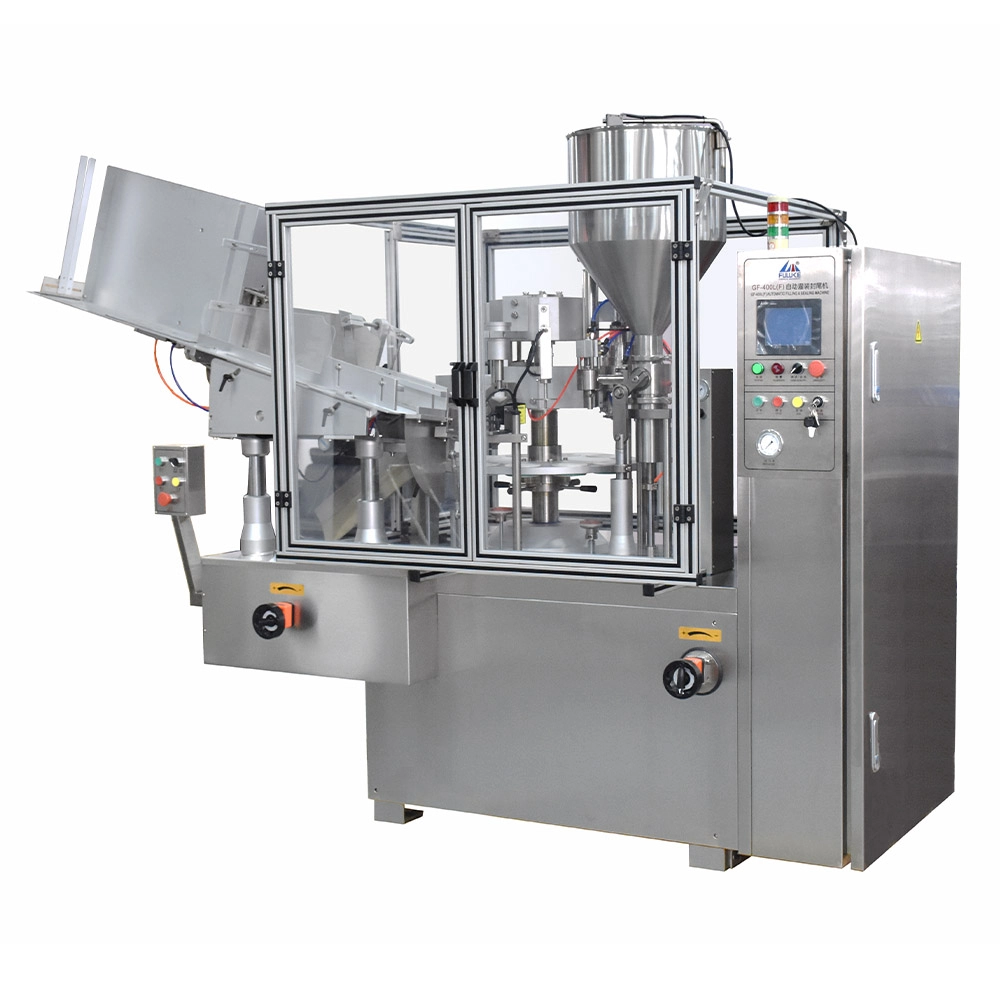
Automatic Tube Filling and Sealing Machine Toothpaste Sunscreen and Facial Cleanser Filling and Sealing Machine for Plastic and Aluminum-plastic Tube
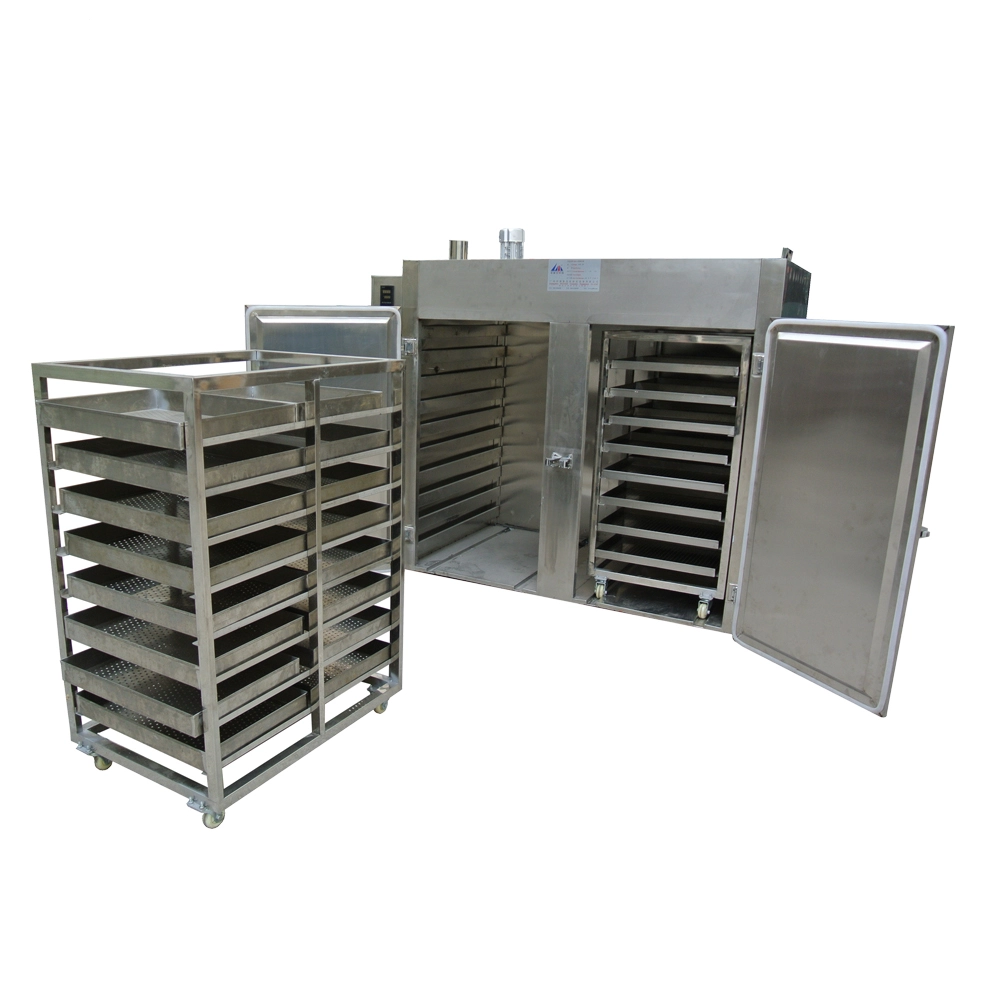
Over for Bottles High Temperature Sterilizer Tray Dryer Large Hot Air Circle Drying Oven for Glass Bottle Jar Cup Can

Automatic Glass Bottle Washing Machine High Quality Glass Bottle Cleaning Washer
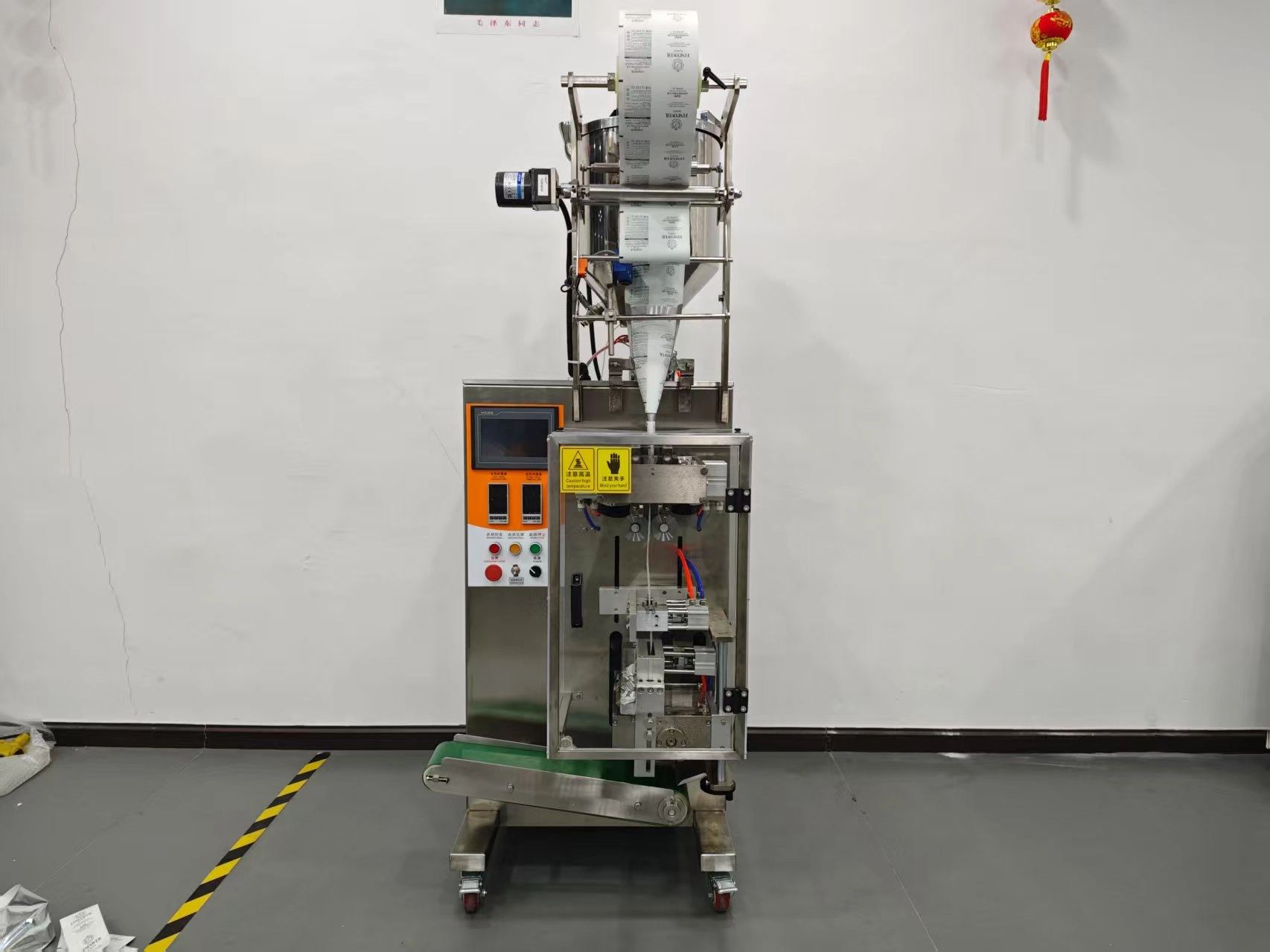
Three-side/four-side sealing bag packaging machine Liquid Paste Jam Cream Sachet Vertical Filling Pouch Packing Machine

A leading manufacturer specializing in advanced machinery and complete production lines for the cosmetics, food, pharmaceutical, and chemical industries worldwide.
Contact FULUKE
Facebook
Instagram
YouTube