
What validation tests are needed after installation?
- Essential Validation Tests for Cosmetic Filling Machines Post-Installation
- 1. Installation Qualification (IQ)
- 2. Operational Qualification (OQ)
- 3. Performance Qualification (PQ)
- 4. Cleaning Validation
- 5. Calibration and Maintenance Verification
- 6. Environmental Monitoring
- 7. Documentation and Compliance Verification
- Conclusion
Essential Validation Tests for Cosmetic Filling Machines Post-Installation
Ensuring the proper installation and functionality of cosmetic filling machines is crucial for maintaining product quality and compliance with industry standards. After installation, several validation tests are necessary to confirm that the equipment operates as intended. Below are the key tests to perform:
1. Installation Qualification (IQ)
This initial phase verifies that the filling machine has been installed correctly, adhering to the manufacturer's specifications and safety standards. Key steps include:
Documentation Review: Ensure all relevant documents, such as user manuals and maintenance schedules, are available and up to date.
Utility Connections: Confirm that all utilities (water, electricity, etc.) are properly connected and functional.
Component Inspection: Check that all parts are installed as per the design specifications.
Proper execution of IQ sets the foundation for subsequent validation stages.
2. Operational Qualification (OQ)
OQ assesses the machine's performance under normal operating conditions. This includes:
Functional Testing: Verify that all machine functions operate correctly, including filling accuracy, speed, and safety features.
Calibration: Ensure that sensors and controls are calibrated to provide accurate readings.
Alarm and Safety Checks: Test all alarms and safety interlocks to confirm they respond appropriately to fault conditions.
OQ ensures that the machine performs consistently within specified parameters.
3. Performance Qualification (PQ)
PQ evaluates the machine's ability to perform consistently over time under actual production conditions. Steps include:
Long-Term Testing: Operate the machine over extended periods to assess stability and performance.
Product Quality Assessment: Inspect filled products for consistency in volume, weight, and appearance.
Environmental Monitoring: Monitor environmental conditions, such as temperature and humidity, to ensure they remain within acceptable ranges.
Successful PQ confirms that the machine can produce products that meet quality standards consistently.
4. Cleaning Validation
This process ensures that the cleaning procedures effectively remove residues and contaminants. It involves:
Cleaning Protocols: Develop and validate cleaning procedures tailored to the machine and product types.
Residue Testing: Perform tests to detect any residual product or cleaning agents on machine surfaces.
Microbial Testing: Check for microbial contamination to ensure hygienic conditions.
Effective cleaning validation is essential for preventing cross-contamination and ensuring product safety.
5. Calibration and Maintenance Verification
Regular calibration and maintenance are vital for sustained machine performance. This includes:
Calibration Schedule: Establish a routine calibration plan for all measurement instruments.
Maintenance Records: Keep detailed logs of maintenance activities and any corrective actions taken.
Performance Monitoring: Continuously monitor machine performance to identify and address any deviations promptly.
Ongoing calibration and maintenance ensure the machine operates efficiently and produces high-quality products.
6. Environmental Monitoring
Monitoring the production environment is crucial for maintaining product quality. Key aspects include:
Air Quality Control: Regularly test air filters and monitor air velocity to maintain cleanroom standards.
Temperature and Humidity: Ensure that environmental conditions remain within specified limits to prevent product degradation.
Microbial Surveillance: Conduct routine checks for airborne and surface contaminants.
Effective environmental monitoring supports consistent product quality and compliance with regulatory standards.
7. Documentation and Compliance Verification
Maintaining thorough documentation is essential for regulatory compliance and quality assurance. This involves:
Record Keeping: Document all validation activities, test results, and maintenance actions.
Compliance Audits: Regularly review processes to ensure adherence to industry standards and regulations.
Training Records: Maintain records of operator training to ensure competent machine operation.
Comprehensive documentation provides evidence of compliance and supports continuous improvement efforts.
Conclusion
Implementing these validation tests post-installation is vital for ensuring that cosmetic filling machines operate effectively, produce high-quality products, and comply with industry regulations. Regular validation and maintenance not only enhance product quality but also extend equipment lifespan and improve overall operational efficiency.
By adhering to these validation protocols, manufacturers can achieve consistent product quality, maintain regulatory compliance, and uphold consumer trust in their cosmetic products.
FULUKE offers advanced cosmetic filling machines designed with precision and reliability, ensuring optimal performance and compliance with industry standards.
References:

Understanding Servo Capping Machines: The Core Logic of Precise Capping – Understand the Entire Working Process in Seconds
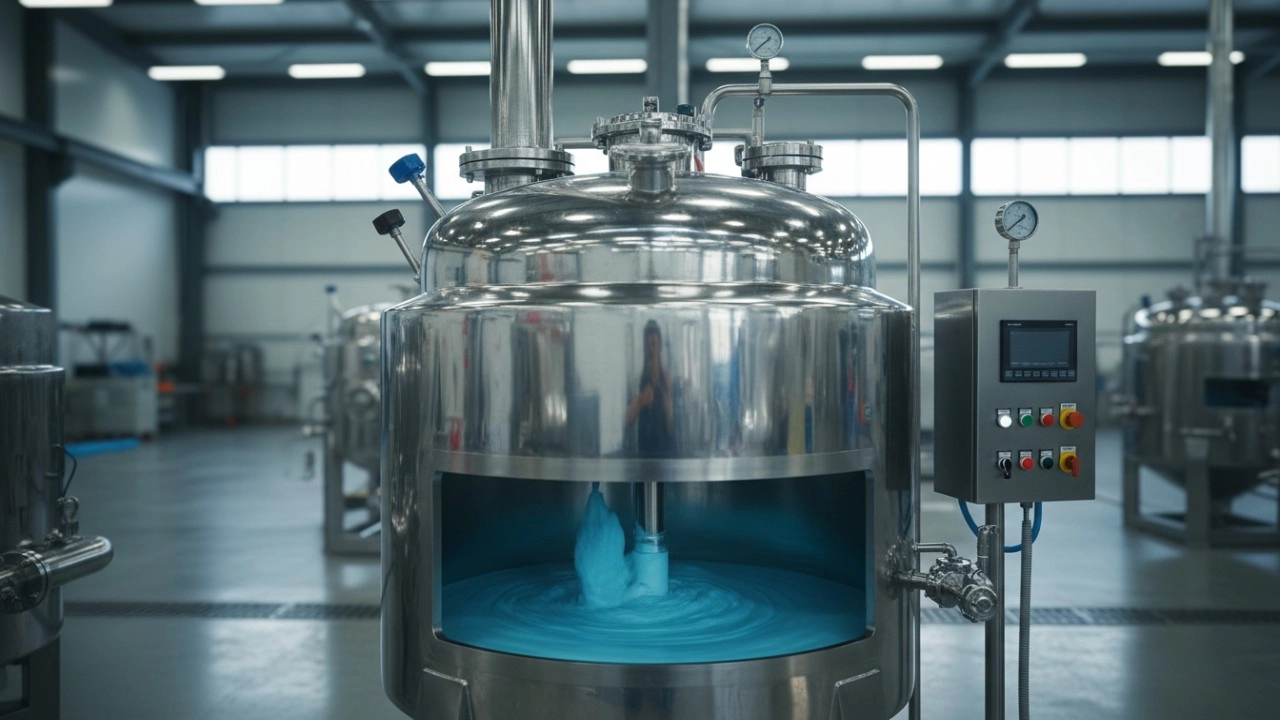
The Future of Industrial Agitation: 5 Smart Mixing Tank Technologies Changing the Game
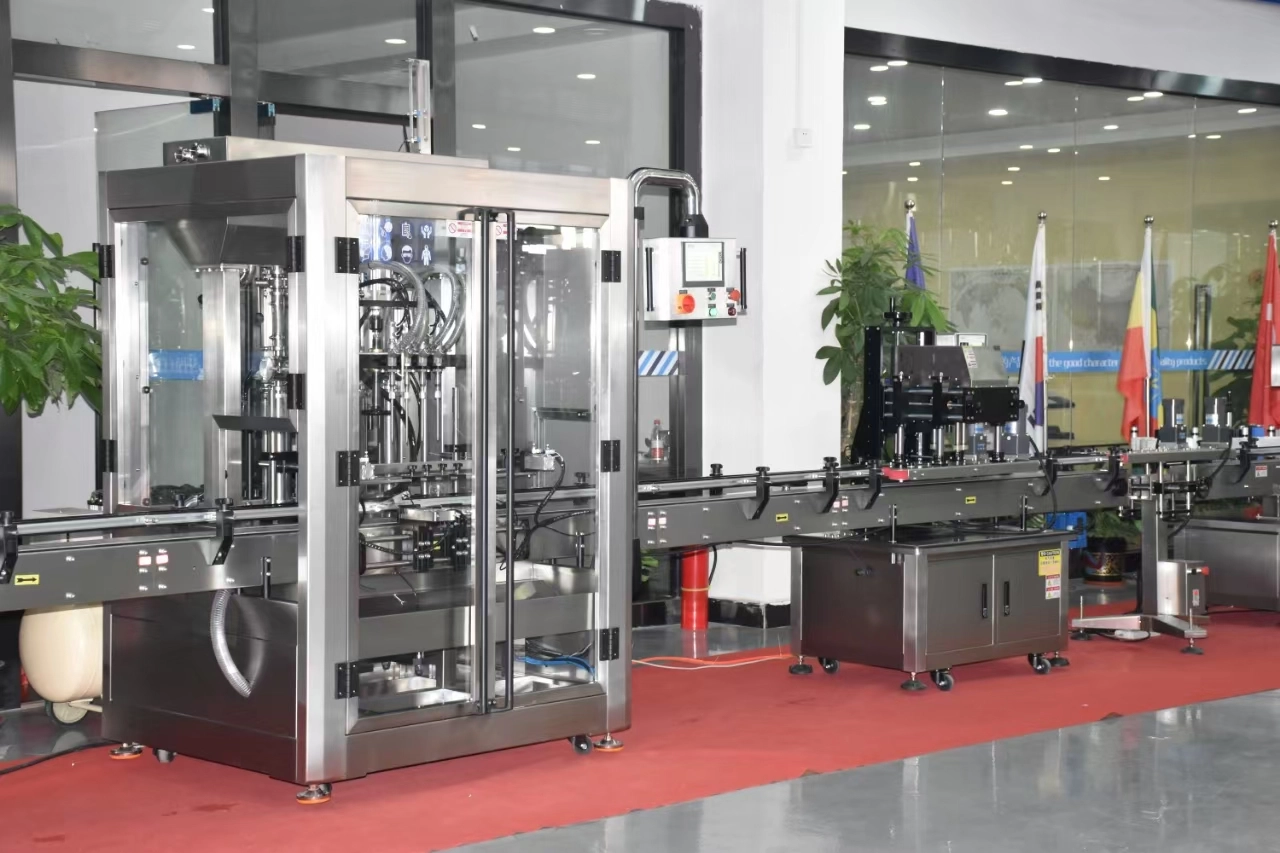
Gear pump filling machine vs. piston filling machine: Key differences broken down to avoid pitfalls in selection.
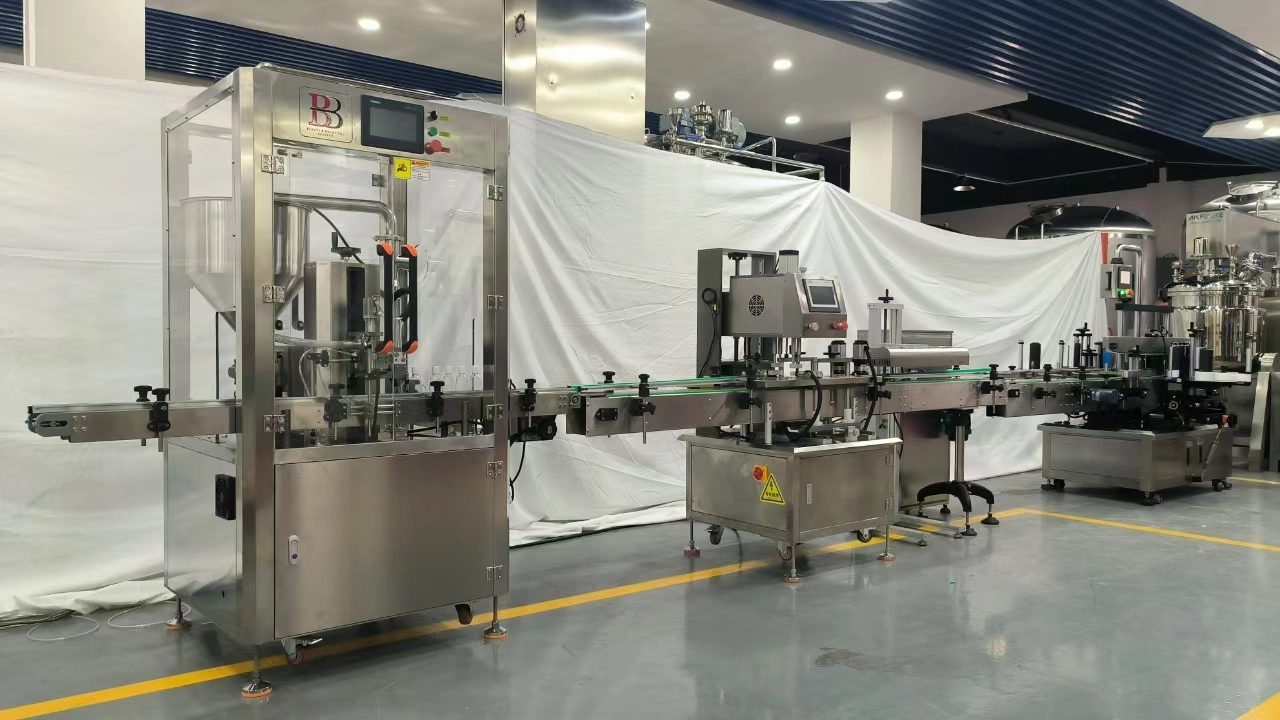
Understand the working principle of a servo gear pump filling machine!
Automatic Labeling Machine
Can the labeling speed of the machine be adjusted to suit my production line's pace?
It can be flexibly adjusted to suit different production line speeds.
The Flip Cover Liquid Wash Mixing Homogenizing Tank
Can you customize the machine?
Of course, we provide customized services according to customer needs.
Perfume Freezing Filter Making Machine
Why does perfume require freeze filtration? Is traditional filtration an alternative?
Traditional filtration only removes visible solid impurities. Soluble organic matter, colloids, and trace microorganisms in perfume are difficult to separate at room temperature, easily leading to turbidity, precipitation, and aroma deterioration after storage. Freeze filtration uses a low-temperature environment of -5°C to -15°C (depending on the formulation) to condense these hidden impurities into solid particles. These particles are then thoroughly trapped through precision filtration, while simultaneously allowing the fragrance components to fully blend. This is a core process that ensures the stability of high-end perfumes.
Polypropylene PP Mixing Tank
What can you buy from us?
RO Water Treatment、Vacuum Emulsifying Machine、Homogenizer Mixing Tank、Filling and Capping、labeling Machine、Packing Machine、Storage Tank,etc.
Vacuum Emulsifying Machine
Can you make a design for us?
Yes, we can, we provide not only products, but also solutions and designs.
Get in touch with FULUKE
If you have any comments or good suggestions, please leave us a message, later our professional staff will contact you as soon as possible.
You May Also Like
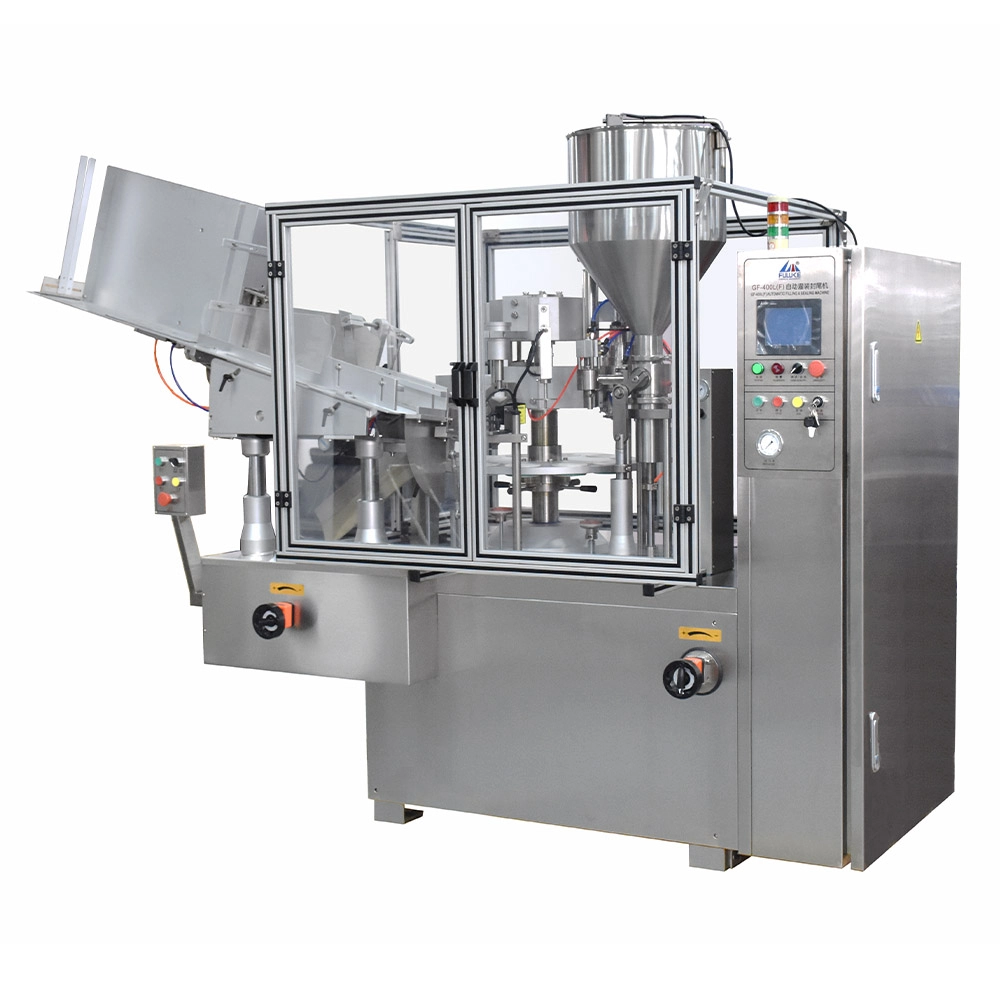
Automatic Tube Filling and Sealing Machine Toothpaste Sunscreen and Facial Cleanser Filling and Sealing Machine for Plastic and Aluminum-plastic Tube
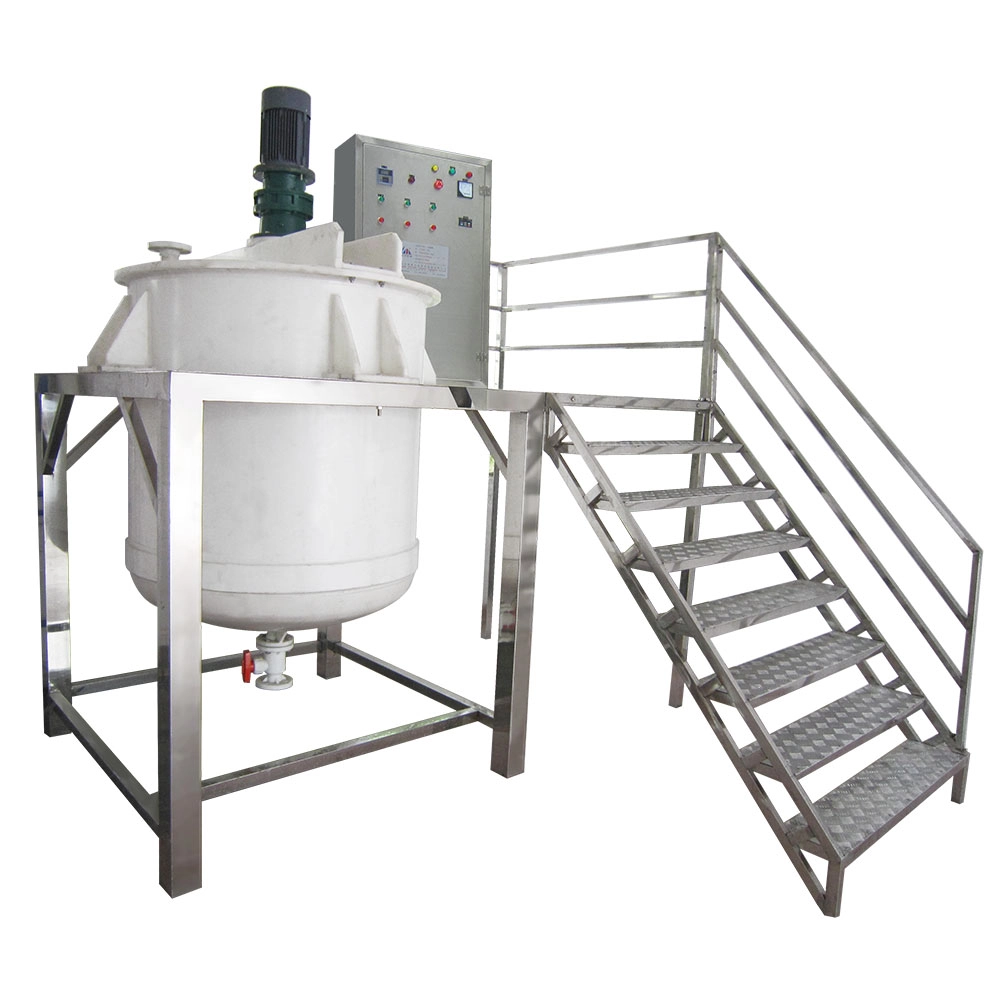
Polypropylene PP Mixing Tank Anti-Corrosion Mixer Reaction Kettle with Agitator Chemical Mixing Vessel
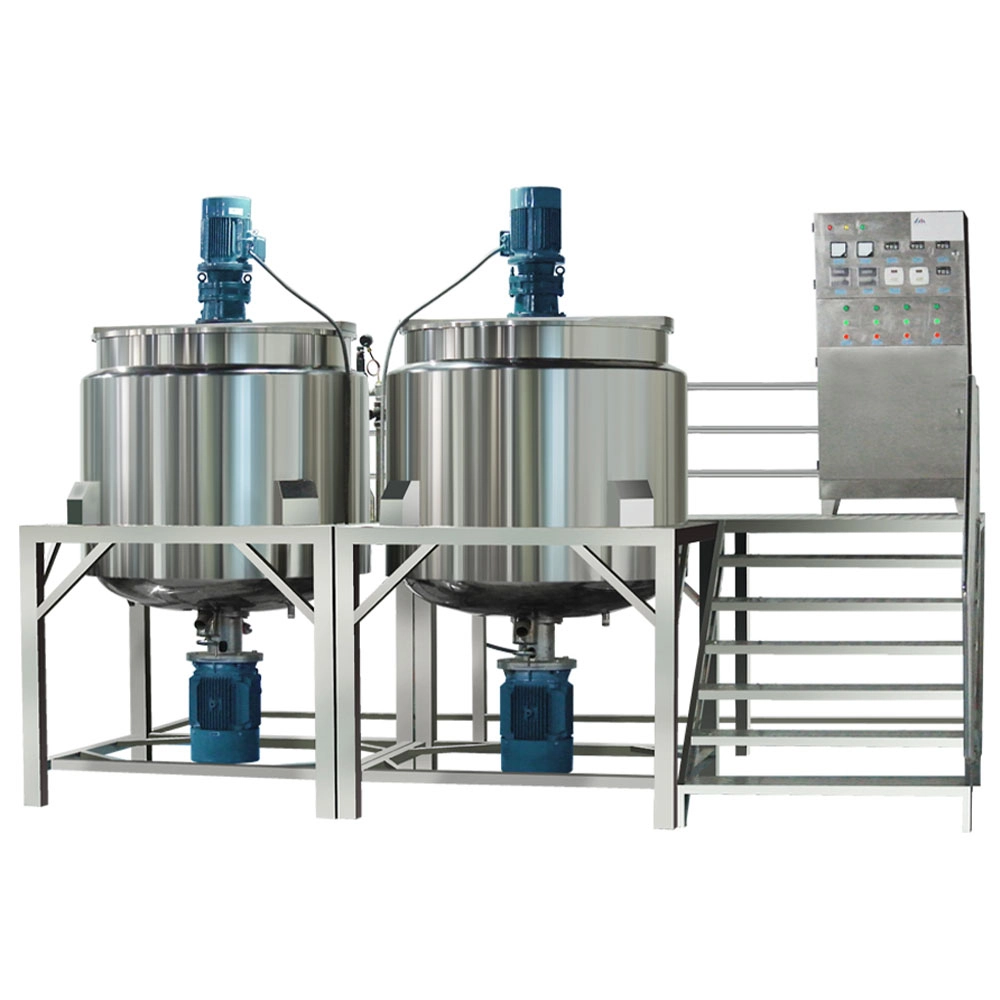
Flip Cover Multi-function Liquid Wash Mixing Tank Blender Liquid Detergent Mixer Homogenization Stirring Tank
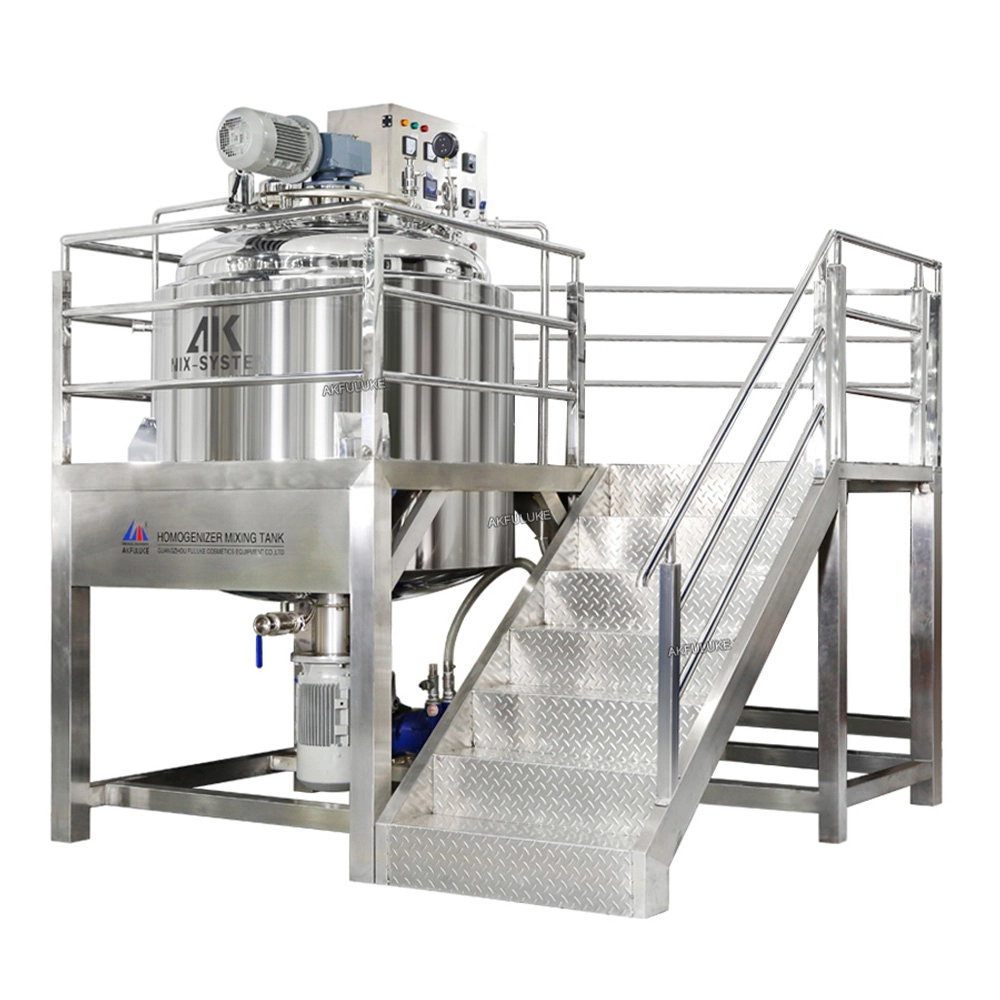
Stainless Steel Mixer Liquid Mixing tank with Agitator Homogenizing Mixing tank Vacuum Sealed Mixer Machine

A leading manufacturer specializing in advanced machinery and complete production lines for the cosmetics, food, pharmaceutical, and chemical industries worldwide.
Contact FULUKE
Facebook
Instagram
YouTube