
Best Perfume Filling and Capping Machines for Aromatics Production
- Why precision perfume filling and capping matter for aromatics production
- Product integrity and loss prevention
- Hygiene, materials compatibility, and regulatory compliance
- Technical features to prioritize when selecting perfume filling equipment
- Filling technology: vacuum vs. piston vs. gear pump
- Accuracy, repeatability, and line integration
- Case study: High Quality Perfume Filling Machine — features and benefits
- Product overview
- Why this machine fits aromatics producers
- Comparing common perfume filling and capping machines
- Decision matrix: performance metrics to compare
- Cleaning, maintenance, and lifetime costs
- Practical guidance for specifying perfume filling lines
- Production planning: throughput vs. flexibility
- Safety, environment, and explosion-proof considerations
- Quality assurance: sampling, weight control, and traceability
- Implementation checklist and ROI considerations
- Pre-purchase checklist
- Estimating ROI
- Further reading and authoritative resources
- Frequently Asked Questions (FAQ)
- Q: What is the best filling technology for volatile perfumes?
- Q: How accurate are modern perfume filling machines?
- Q: Are explosion-proof options necessary?
- Q: How do I prevent contamination and scent cross-over between batches?
- Q: Can this machine handle multiple bottle formats?
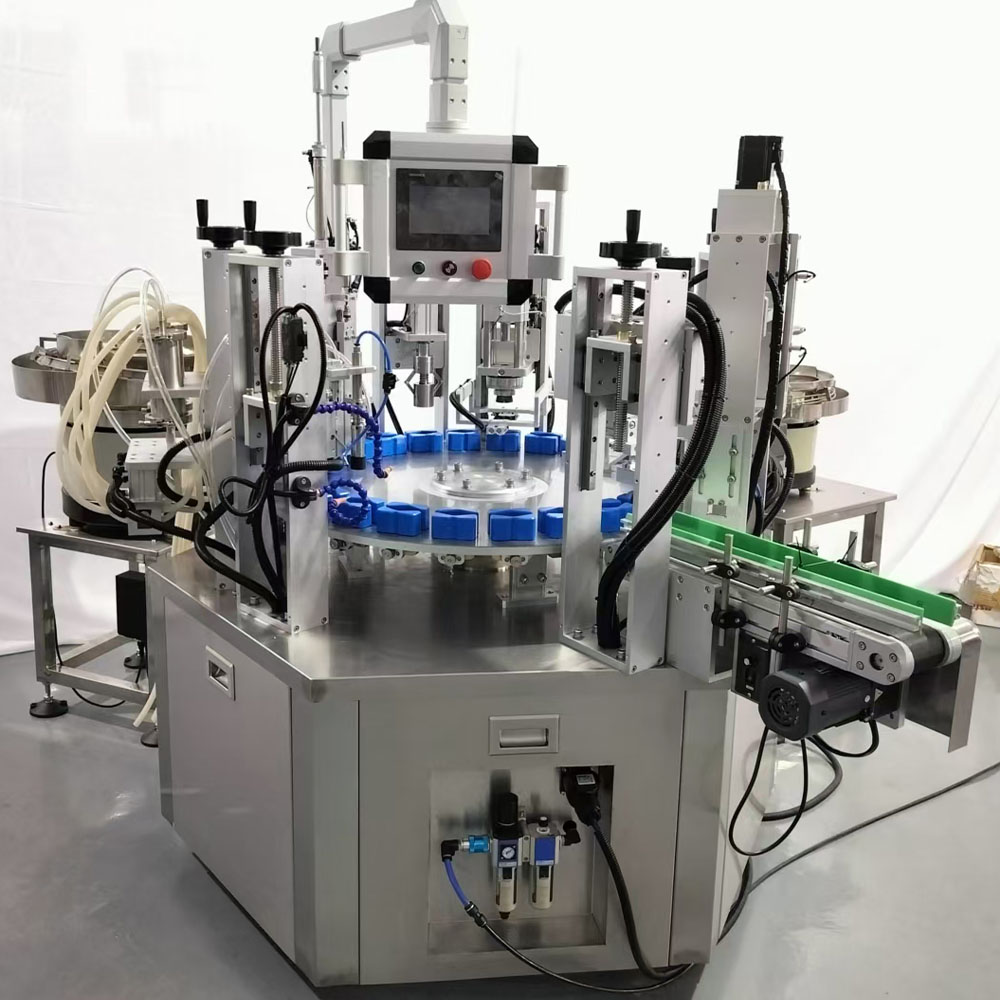
High-performing perfume making equipment is essential for aromatic product manufacturers who need precision dosing, contamination control, and consistent package presentation. This article compares top filling and capping approaches, explains critical specifications, and shows why the High Quality Perfume Filling Machine Perfume Rotary Vacuum Gear Pump Liquid Perfume Oil Filling Crimping Capping Filler Machine is a strong solution for volatile, low-viscosity liquids such as perfumes, essential oils, and floral waters.
Why precision perfume filling and capping matter for aromatics production
Product integrity and loss prevention
Perfumes and aromatics are typically low-viscosity, highly volatile liquids that require equipment minimizing evaporation, oxidation, and wastage. Accurate dose control reduces product loss and ensures consistent fragrance strength across batches — critical for brand reputation and cost control. Modern perfume making equipment uses vacuum filling and servo control to maintain repeatability and minimize foaming and splashing.
Hygiene, materials compatibility, and regulatory compliance
Materials contacting the product must be corrosion-resistant and free from contaminants that can alter scent profiles. Industry best practice uses SUS316L stainless steel and corrosion-resistant tubing to prevent leaching of plasticizers or metal ions. Compliance with good manufacturing practices, such as ISO 22716 (Cosmetics — Good Manufacturing Practices), and adherence to local regulatory guidance (for example, FDA cosmetics guidance) protect consumers and brands. See ISO 22716 for cosmetics GMPs: ISO 22716 (Wikipedia) and FDA cosmetics guidance: FDA Cosmetics.
Technical features to prioritize when selecting perfume filling equipment
Filling technology: vacuum vs. piston vs. gear pump
Selecting the right filling mechanism depends on product properties and production speed. Vacuum filling reduces exposure to air and evaporation, making it ideal for volatile perfumes. Gear pumps and rotary pumps offer smooth flow and are suitable for aromatic oils and low-viscosity blends. Piston fillers provide high accuracy for thicker formulations but can introduce shear that may change fragrance top notes. The High Quality Perfume Filling Machine uses a rotary vacuum gear pump with servo control to combine the advantages of vacuum filling and precise volumetric control.
Accuracy, repeatability, and line integration
Look for machines with filling error specifications under ±1% and liquid level consistency above 99% for competitive aromatics production. PLC and touchscreen controls should make recipe changes and format adjustments fast. Machines that support production line linkage and explosion-proof options allow safer, scalable integration into automated lines used for high-volume or hazardous-solvent fragrances.
Case study: High Quality Perfume Filling Machine — features and benefits
Product overview
High Quality Perfume Filling Machine Perfume Rotary Vacuum Gear Pump Liquid Perfume Oil Filling Crimping Capping Filler Machine
The perfume filling machine is a high-precision intelligent filling device. Designed specifically for highly volatile, low-viscosity liquids such as perfumes and fragrances, it utilizes vacuum negative pressure filling technology and servo control, achieving a filling error of ≤±1% and a liquid level consistency exceeding 99%. The parts of the machine that come into contact with the material are constructed of SUS316L stainless steel and corrosion-resistant hoses, free of plasticizers and other contaminants.
This machine features negative ion dust removal, vacuum filling, automatic pump head loading, automatic capping, and automatic mid-sleeve loading, making it particularly suitable for filling perfumes, essential oils, floral water, aromatherapy, and spray bottles. The PLC touch screen is easy to operate, and model changes and adjustments take only minutes. Explosion-proof configurations and production line linkage solutions can also be customized on demand.
Why this machine fits aromatics producers
Key strengths include guided recipe management via PLC, rapid model changeover for seasonal or limited editions, and hygienic construction that reduces product contamination risk. Negative ion dust removal and vacuum filling minimize particulate deposition and solvent loss that can otherwise alter scent profiles. For producers scaling from boutique to commercial batches, the combination of vacuum gear pump filling and automatic capping reduces labor and improves repeatability.
Comparing common perfume filling and capping machines
Decision matrix: performance metrics to compare
Use measurable criteria such as filling accuracy, throughput (bottles/min), material compatibility, ease of cleaning (CIP compatibility), and CAPEX/OPEX expectations when comparing equipment. Below is a compact comparison table between typical machine types and the featured product:
| Machine Type | Filling Method | Accuracy | Best for | Typical Throughput |
|---|---|---|---|---|
| Rotary Vacuum Gear Pump (featured) | Vacuum rotary gear pump + servo | ≤±1% (liquid level >99%) | Volatile perfumes, essential oils, spray bottles | 20–200 bottles/min (model dependent) |
| Piston Filler | Positive displacement piston | ±0.5–1.5% | Thicker perfumes, creams | 10–120 bottles/min |
| Peristaltic Pump | Tube compression (no contact) | ±1–3% | Small batch, aggressive chemicals | 5–60 bottles/min |
| Gravity/Overflow Filler | Overflow to ensure level consistency | ±0.5–2% | Clear liquids with focus on consistent levels | 15–150 bottles/min |
Cleaning, maintenance, and lifetime costs
For aromatics, cleaning frequency, ease of disassembly, and CIP compatibility strongly influence OEE (Overall Equipment Effectiveness). Machines using SUS316L and detachable corrosion-resistant hoses prevent cross-contamination and are easier to sanitize. Consider lifecycle costs: machines with modular spare parts and remote PLC diagnostics reduce downtime and maintenance costs over the long term.
Practical guidance for specifying perfume filling lines
Production planning: throughput vs. flexibility
Define production targets: average batch size, expected SKUs, and filler throughput. If you run frequent SKU changes (different bottle shapes, caps, or small limited-edition runs), prioritize machines with quick changeovers and recipe storage. For single high-volume SKUs, a highly automated rotary filling and capping line with in-line sleeve and labelling will maximize throughput and reduce labor.
Safety, environment, and explosion-proof considerations
Perfume solvents (ethanol and other organics) can be flammable. Select explosion-proof configurations and proper ventilation for filling areas. If your facility is in a regulated market, align your equipment and processes with local standards and best practices — for cosmetics, ISO 22716 provides GMP guidance for manufacturing and quality control: ISO 22716 (Wikipedia). Consult national regulators (for example the US FDA) for labeling and product safety requirements: FDA Cosmetics.
Quality assurance: sampling, weight control, and traceability
Implement in-line weight checks and vision systems for cap presence and labeling accuracy. Batch tracking and digital recipe logs improve traceability for recalls and quality investigations. Many modern perfume making equipment suppliers offer MES (Manufacturing Execution System) or PLC integration for full batch record keeping.
Implementation checklist and ROI considerations
Pre-purchase checklist
- Confirm chemical compatibility of hose and contact materials (SUS316L recommended).
- Verify filling error and liquid level stability against your specification (aim for ≤±1% for perfumes).
- Ask about model changeover times and recipe memory capacity.
- Check for explosion-proof options if handling high-ethanol formulations.
- Request references or site visits to similar aromatics plants.
Estimating ROI
Calculate ROI using reduced product loss, labor savings from automation (filling/capping/sleeving), and improved first-pass quality yield. For many mid-size producers, automation that reduces filling variability and rework can produce payback in 12–36 months depending on throughput and product value.
Further reading and authoritative resources
For manufacturers seeking to expand knowledge about perfume production and equipment standards, consult these references:
- Perfume (overview of fragrance composition and history) — Wikipedia: Perfume
- ISO 22716 (cosmetics GMP guidance) — ISO 22716 (Wikipedia)
- FDA Cosmetics (regulations and industry guidance) — FDA Cosmetics
- Cosmetic trade associations and supplier directories (example UK CTPA) — CTPA
Frequently Asked Questions (FAQ)
Q: What is the best filling technology for volatile perfumes?
A: Vacuum rotary gear pump systems are often best because they reduce air exposure and evaporation, provide smooth flow for low-viscosity liquids, and—when combined with servo control—achieve high accuracy and repeatability. The featured High Quality Perfume Filling Machine uses vacuum negative pressure filling to address these challenges.
Q: How accurate are modern perfume filling machines?
A: High-quality machines designed for aromatics can achieve filling errors of ≤±1% and liquid level consistency over 99% when maintained and calibrated correctly. Accuracy depends on pump type, control electronics, and operator setup.
Q: Are explosion-proof options necessary?
A: If your formulations contain significant amounts of ethanol or other flammable solvents, explosion-proof electrical and control elements, along with adequate ventilation and grounding, are recommended and may be required by local regulations.
Q: How do I prevent contamination and scent cross-over between batches?
A: Use SUS316L contact parts, corrosion-resistant hoses, and establish effective clean-in-place (CIP) or validated cleaning protocols. Additionally, run inert flushing or dedicated lines for particularly reactive or High Quality scents to avoid cross-contamination.
Q: Can this machine handle multiple bottle formats?
A: The High Quality Perfume Filling Machine supports quick model changes via PLC recipes and mechanical adjustments. For frequent format switches, confirm changeover times and request modular fixtures or format kits from the supplier.
If you have additional technical questions, need a quotation, or want to arrange a demo of the High Quality Perfume Filling Machine Perfume Rotary Vacuum Gear Pump Liquid Perfume Oil Filling Crimping Capping Filler Machine, please contact our sales team or view the product page for full specifications and options. Contact us today to discuss customization, explosion-proof configurations, and production line integration tailored to your aromatics production needs.
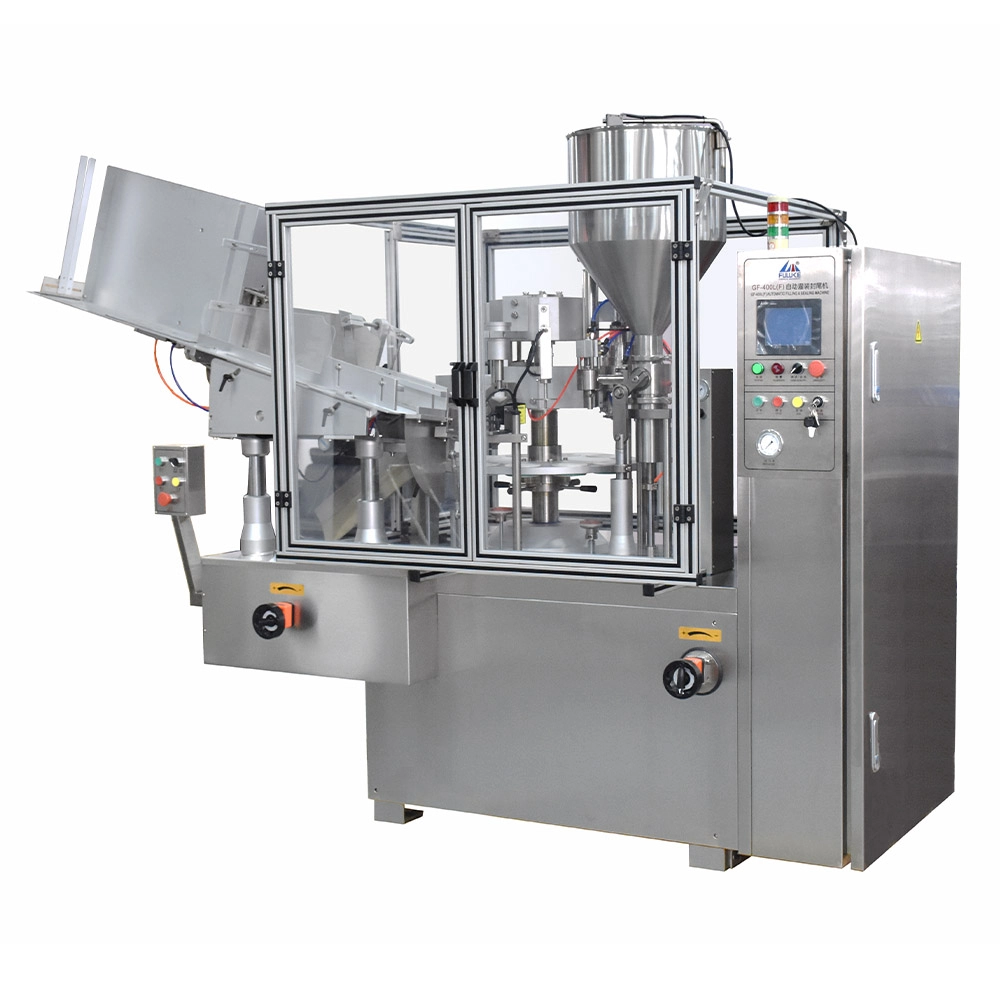
How Tube Filling & Sealing Machines Boost Production Efficiency
Top 10 vacuum emulsifying mixer machine Manufacturers and Supplier Brands in 2026
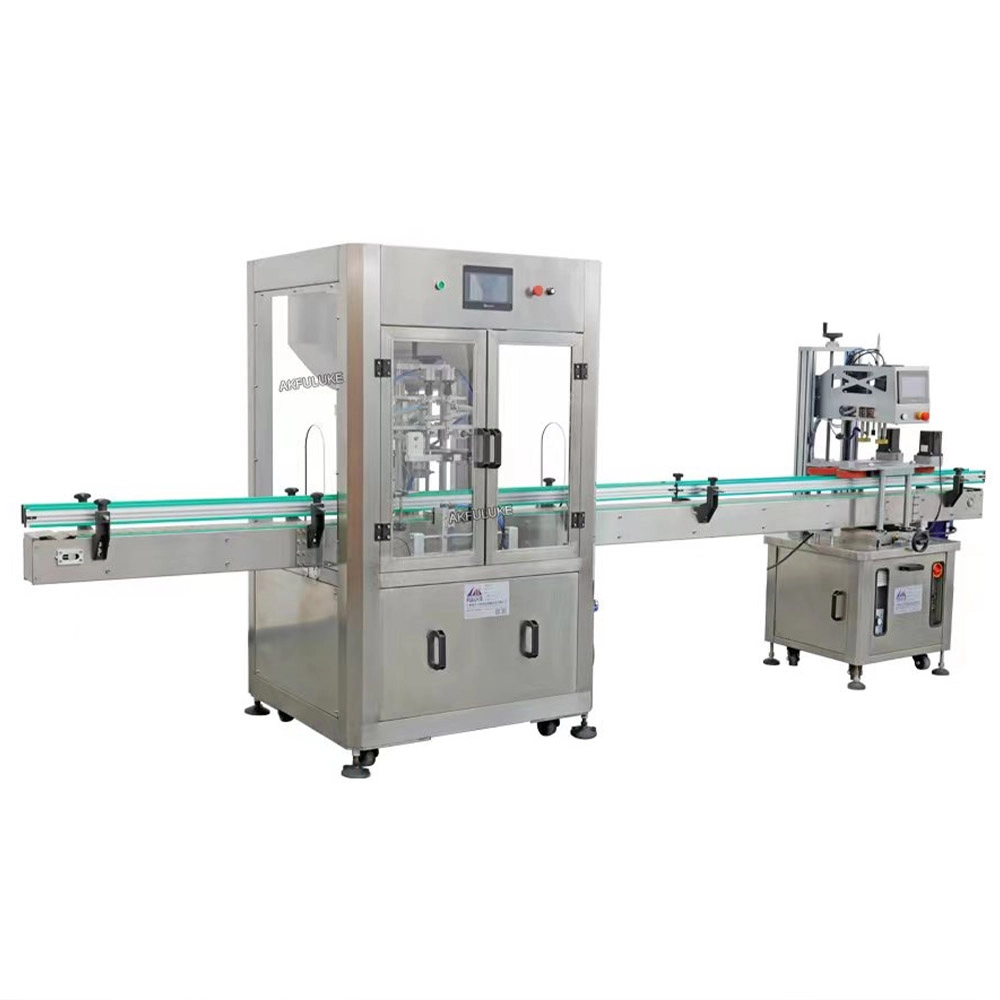
Choosing the Right Liquid Filling Machine for Your Production Line
Customization Options for Bottle Filling Equipment
Film Packaging Machine
What can you buy from us?
RO Water Treatment、Vacuum Emulsifying Machine、Homogenizer Mixing Tank、Filling and Capping、labeling Machine、Packing Machine、Storage Tank,etc.
Vacuum Emulsifying Machine
Can you customize the machine?
Of course, we provide customized services according to customer needs.
The Flip Cover Liquid Wash Mixing Homogenizing Tank
What can you buy from us?
RO Water Treatment、Vacuum Emulsifying Machine、Homogenizer Mixing Tank、Filling and Capping、labeling Machine、Packing Machine、Storage Tank,etc.
Lift-type Homogenizing Disperser
How often should the disperser and homogenizer be cleaned? How should they be cleaned properly?
Cleaning Frequency: Cleaning is required every time a material is changed to prevent cross-contamination. When the same material is used continuously, cleaning is recommended every 24 hours. Cleaning Method: Rinse with clean water or a suitable solvent (e.g., alcohol for oily materials, clean water for water-based materials). Remove stubborn stains with a soft brush. Avoid scratching with hard objects to avoid damage.
Automatic Tube Filling and Sealing Machine
Does the equipment meet the hygiene standards of the pharmaceutical/food industry? What precautions should be taken during daily cleaning?
The equipment fully complies with GMP hygiene certification. All material contact parts (drums, filling heads, and piping) are made of 316L/304 stainless steel, ensuring no unhygienic corners.
Daily cleaning precautions:
Before each material change, flush the material piping with purified water or food-grade detergent and then dry it with compressed air. Disassemble the filling heads and valves weekly to remove any residual material to prevent bacterial growth. Never use water directly on components such as the electrical control cabinet and motor. Always disconnect the power cord during cleaning to prevent short circuits.
You May Also Like
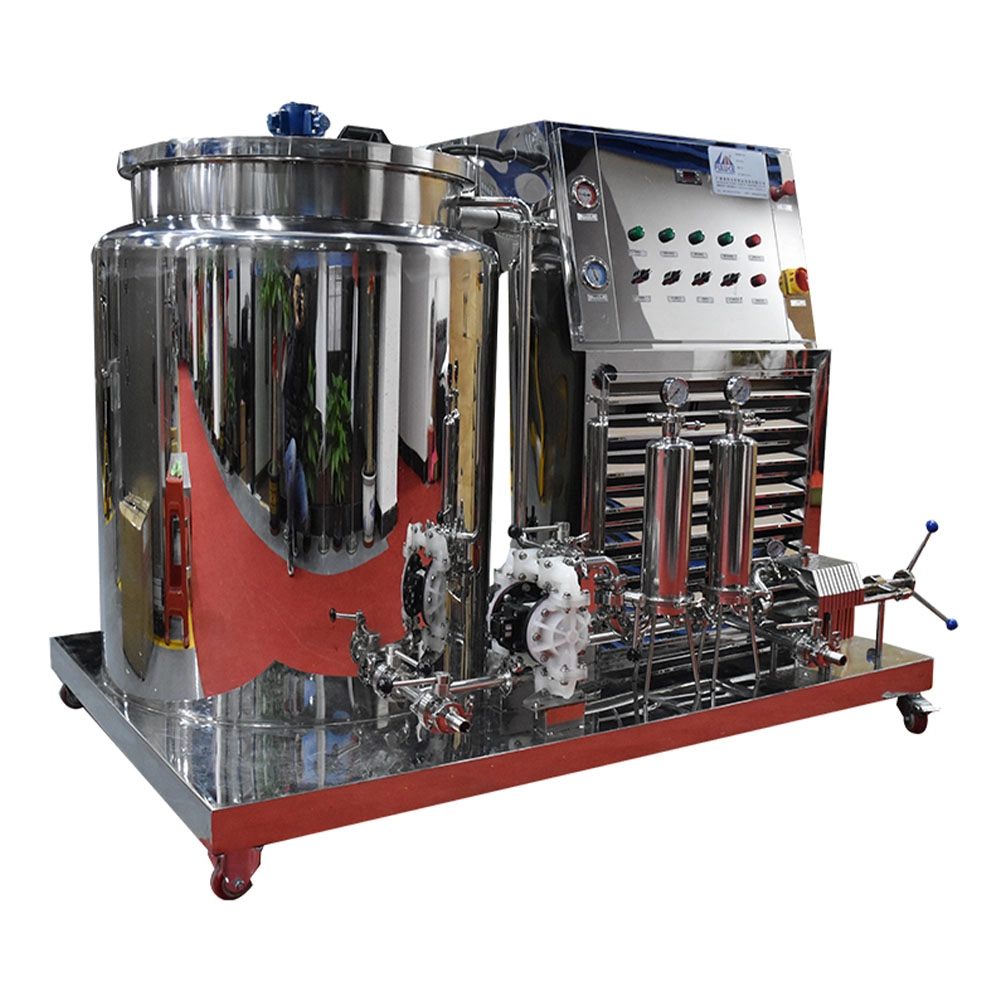
Perfume Freezing Filter Making Machine Fragrance Making Machine with Cooling Stirring System Perfume Chiller
Automatic Tube Filling and Sealing Machine Toothpaste Sunscreen and Facial Cleanser Filling and Sealing Machine for Plastic and Aluminum-plastic Tube
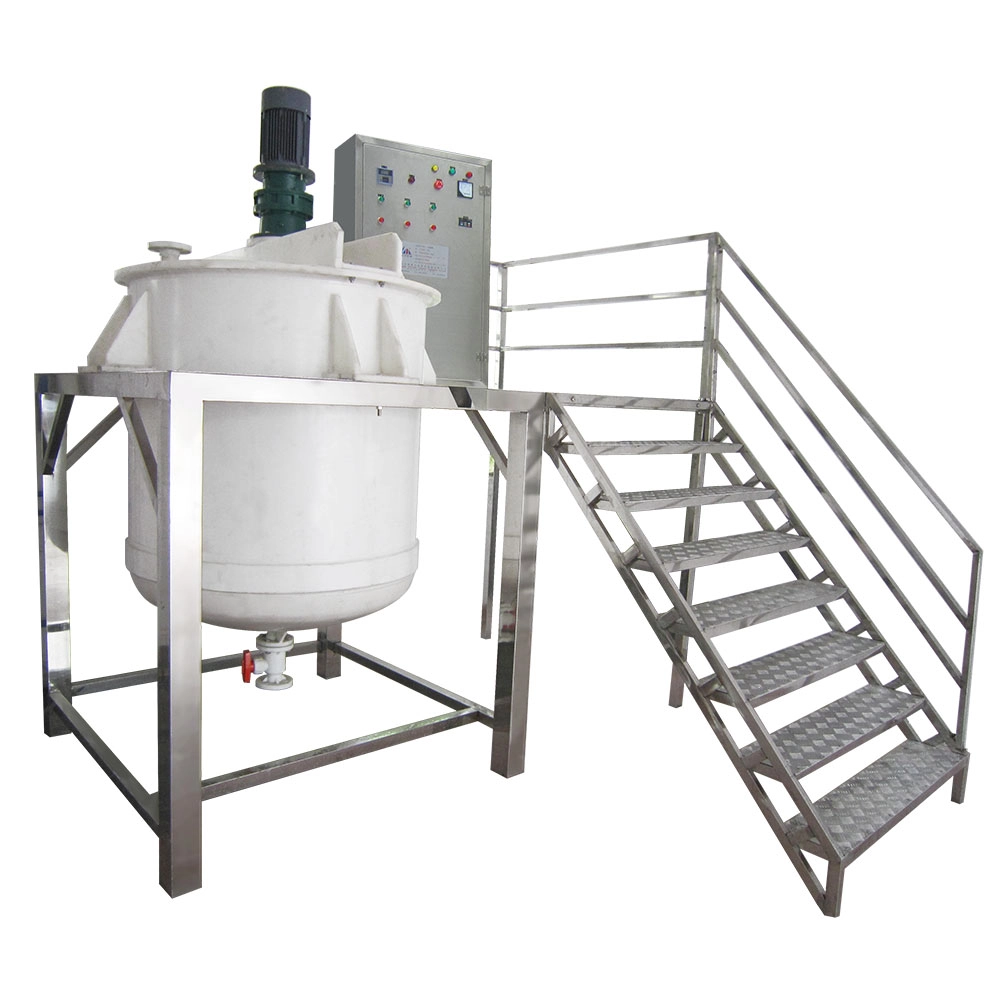
Polypropylene PP Mixing Tank Anti-Corrosion Mixer Reaction Kettle with Agitator Chemical Mixing Vessel
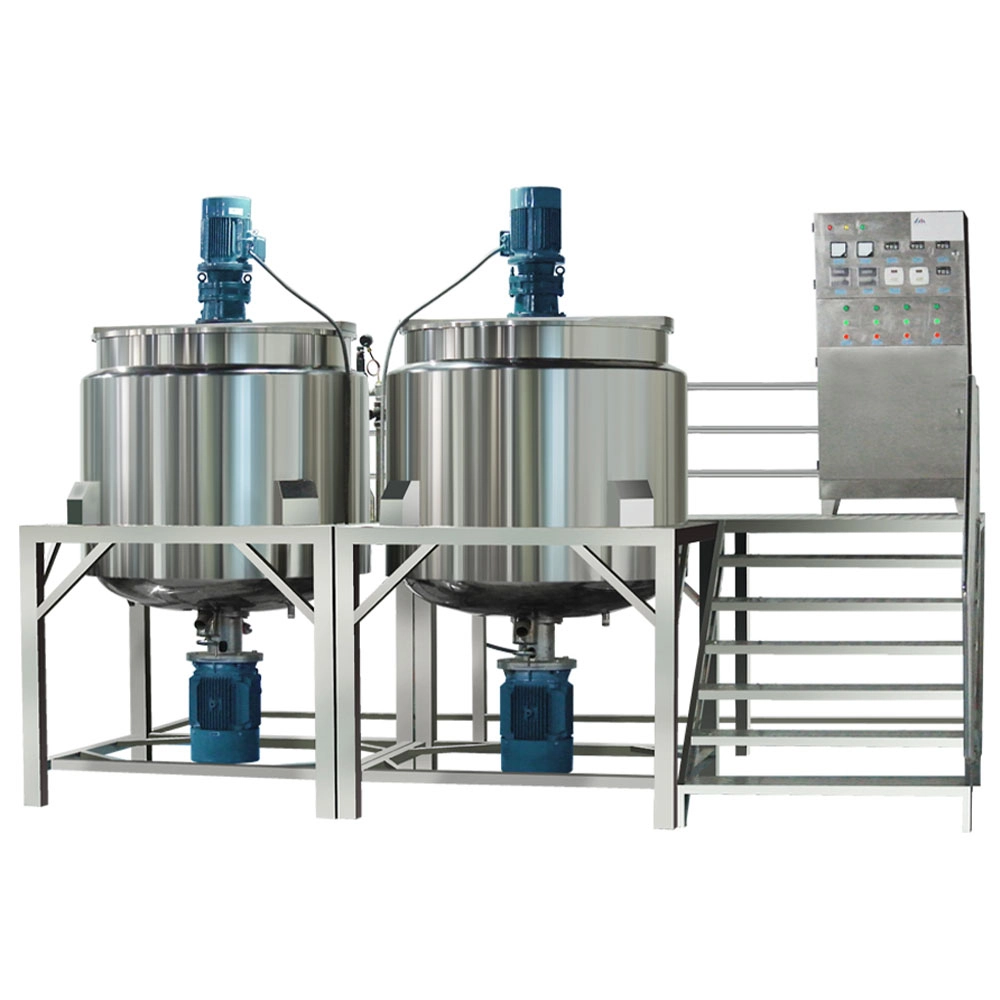
Flip Cover Multi-function Liquid Wash Mixing Tank Blender Liquid Detergent Mixer Homogenization Stirring Tank
Get in touch with FULUKE
If you have any comments or good suggestions, please leave us a message, later our professional staff will contact you as soon as possible.

A leading manufacturer specializing in advanced machinery and complete production lines for the cosmetics, food, pharmaceutical, and chemical industries worldwide.
Contact FULUKE
Facebook
Instagram
YouTube