
Complete Guide to Perfume Capping, Crimping and Filling Integration
- Why Integrated Filling, Crimping and Capping Matters
- Consistency and Quality Control
- Reducing Product Loss and VOC Exposure
- Faster Changeover and Flexible Production
- Key Components and How They Work
- Vacuum Servo Filling Systems
- Rotary Filling Platforms and Precision Pumps
- Crimping and Capping Modules
- Design Considerations When Choosing Perfume Making Equipment
- Material Compatibility and Cleanability
- Explosion-Proof and Safety Options
- Automation, Traceability and Integration
- Operational Best Practices for Integrated Lines
- Line Balancing and Bottle Handling
- Cleaning and Validation
- Dust and Particle Control
- Comparing Filling Technologies for Fragrances
- Why Vacuum Filling Often Outperforms Gravity or Piston Methods
- ROI Considerations
- Validation, Compliance and Documentation
- Regulatory Standards and Good Manufacturing Practices
- Process Validation and Acceptance Criteria
- Environmental, Health and Safety (EHS)
- Troubleshooting Common Issues
- Fill Inaccuracy or Drift
- Crimping/Cap Misalignment
- Product Contamination or Smell Carryover
- Case Study: Small Batch Luxury Fragrance Line
- Problem Statement
- Solution Implemented
- Outcome
- FAQs
- Q: Is vacuum filling necessary for perfumes?
- Q: What materials should contact parts be made from?
- Q: Can the machine handle small-batch and multiple SKUs?
- Q: How do I ensure compliance with cosmetic GMP?
- Q: What explosion-proof options are required?
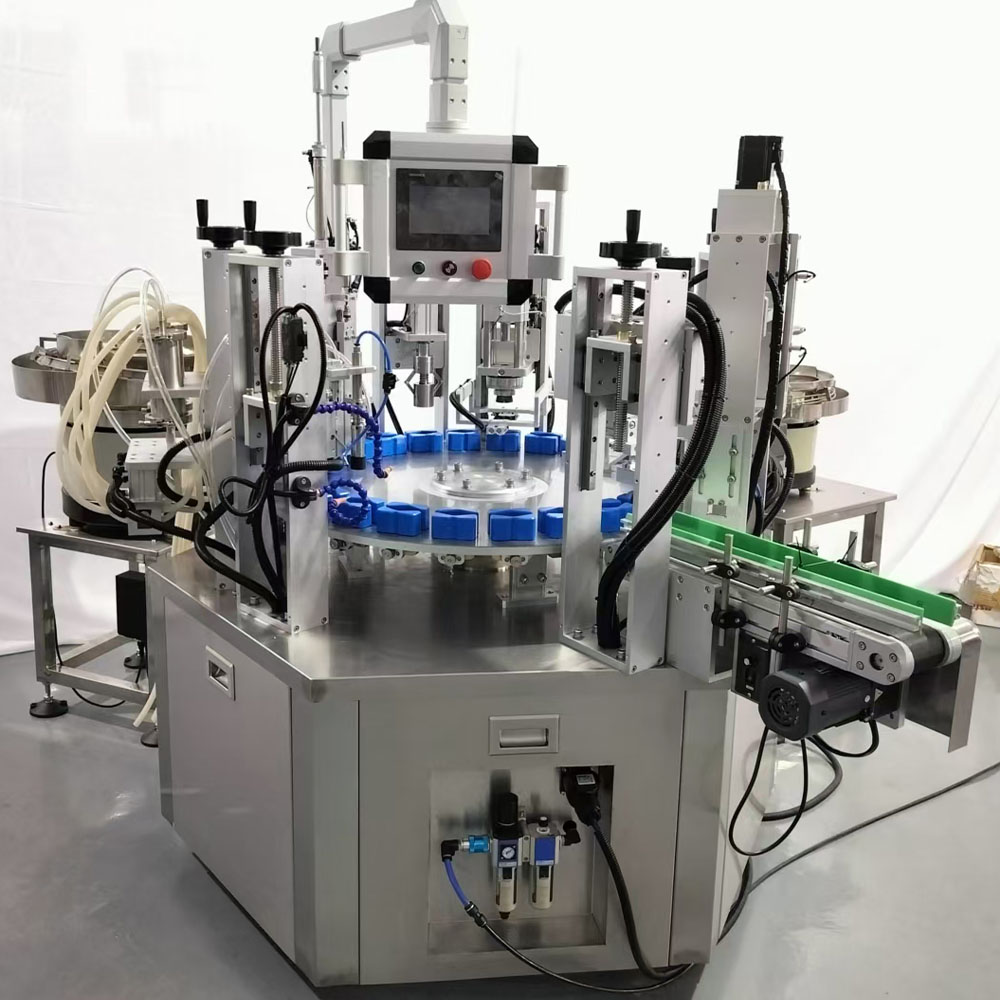
Integrating filling, crimping and capping into a single streamlined production line is essential for modern perfume manufacturing. This guide covers practical engineering choices, process controls and compliance considerations for perfume making equipment—so you can select and deploy systems such as the High Quality Perfume Filling Machine Perfume Rotary Vacuum Gear Pump Liquid Perfume Oil Filling Crimping Capping Filler Machine to achieve high throughput, consistent fill volumes, minimal product loss and regulatory compliance.
Why Integrated Filling, Crimping and Capping Matters
Consistency and Quality Control
Integrated lines reduce human handling and transfer points, improving liquid level consistency and fill accuracy. Machines that use vacuum negative pressure filling technology and servo control—like the High Quality Perfume Filling Machine Perfume Rotary Vacuum Gear Pump Liquid Perfume Oil Filling Crimping Capping Filler Machine—can achieve a filling error of ≤±1% and liquid level consistency exceeding 99%. That level of precision is crucial for High Quality fragrances where perception and weight-based pricing matter.
Reducing Product Loss and VOC Exposure
Perfumes and fragrance oils are highly volatile. Closed-system, vacuum-assisted filling minimizes evaporation and volatile organic compound (VOC) loss, lowering raw material waste and improving operator safety. Using food-/pharma-grade contact materials such as SUS316L stainless steel and corrosion-resistant hoses that are free of plasticizers helps prevent contamination of delicate aroma profiles.
Faster Changeover and Flexible Production
Integrated machines with PLC touch screens and servo control can reduce model changes and adjustments to minutes. This flexibility is important for manufacturers running multiple SKUs, small batches for niche fragrances, or seasonal lines.
Key Components and How They Work
Vacuum Servo Filling Systems
Vacuum negative pressure filling pulls product into the filling head under controlled negative pressure, then meters it out precisely. When combined with a rotary vacuum gear pump, this approach is excellent for low-viscosity, volatile liquids because it minimizes foaming and dripping. The High Quality Perfume Filling Machine Perfume Rotary Vacuum Gear Pump Liquid Perfume Oil Filling Crimping Capping Filler Machine uses this principle for accurate fills and stable liquid levels.
Rotary Filling Platforms and Precision Pumps
Rotary platforms allow continuous filling at higher throughputs while keeping fill times consistent per station. Gear pumps provide stable flow rates; when integrated with servo controls the system compensates for bottle-to-bottle variation and maintains fill accuracy under different line speeds.
Crimping and Capping Modules
Crimping (for perfume atomizer collars) and capping (for screw or press-fit caps) are different mechanical tasks that must be synchronized with filling. Modern machines integrate automatic pump head loading, automatic capping, and automatic mid-sleeve loading so the entire process—filling, cap placement, crimping, and sleeve application—works without manual intervention.
Design Considerations When Choosing Perfume Making Equipment
Material Compatibility and Cleanability
Select equipment with product-contact parts that meet cosmetic GMP recommendations. SUS316L stainless steel is resistant to corrosion from alcohol-based perfumes and is compatible with CIP (clean-in-place) systems. Avoid plasticizers and non-inert hoses that can off-gas or leach into fragrances. The described machine specifically uses SUS316L and corrosion-resistant hoses that are free of plasticizers and other contaminants.
Explosion-Proof and Safety Options
Alcohol concentrations in many perfumes can create flammable atmospheres. Explosion-proof motor and control packages, properly rated sensors and grounding, and ventilation measures are necessary. The High Quality Perfume Filling Machine Perfume Rotary Vacuum Gear Pump Liquid Perfume Oil Filling Crimping Capping Filler Machine offers customizable explosion-proof configurations on demand.
Automation, Traceability and Integration
Integration with MES/SCADA systems, barcode readers, and vision inspection ensures traceability of batches and components. PLC touch screens make setup and recipe changes fast; look for models that support recipe storage, event logs and audit trails to meet quality systems and regulatory audits.
Operational Best Practices for Integrated Lines
Line Balancing and Bottle Handling
Proper infeed starwheels, orientation systems and bottle conveyors prevent jams and misfeeds. Balancing the number of filling, capping and crimping stations avoids bottlenecks and maximizes OEE (overall equipment effectiveness).
Cleaning and Validation
Plan CIP or validated disassembly procedures for cleaning aromatic residues that can carry over and contaminate subsequent batches. Follow cosmetical GMP guidance such as ISO 22716:2007 for manufacturing and hygiene practices (ISO 22716). For regulatory context on cosmetics, consult the FDA cosmetics guidance pages (U.S. FDA: Cosmetics).
Dust and Particle Control
Negative ion dust removal and confined hooding reduce particulate contamination for bottled perfumes. Combine filtration, laminar flow where needed, and appropriate gowning procedures to meet product quality goals.
Comparing Filling Technologies for Fragrances
Why Vacuum Filling Often Outperforms Gravity or Piston Methods
Vacuum negative pressure filling is particularly suitable for low-viscosity, volatile perfumes because it minimizes splashing, foaming and VOC release. Servo-controlled gear pumps further improve metering precision. Below is a quick comparison of common methods.
| Method | Best For | Advantages | Limitations |
|---|---|---|---|
| Vacuum / Rotary Gear Pump | Perfumes, low-viscosity volatile liquids | High precision (≤±1% possible), low VOC loss, minimal foam | Higher capital cost; requires vacuum system |
| Piston Filling | Viscous oils, heavy oils | Robust for higher viscosities, simple calibration | Less suitable for very low-viscosity, volatile fluids |
| Peristaltic | Small batches, corrosive fluids | No product contact with pump internals, easy cleaning | Limited throughput; tube wear; may shear fragrance molecules |
| Gravity | Low-speed filling of non-volatile liquids | Simple, low cost | Poor for volatile or foaming liquids; inaccurate at small volumes |
ROI Considerations
While vacuum rotary filling systems typically cost more upfront than gravity systems, savings accrue from reduced product loss, lower rework rates, faster changeovers and fewer rejects. When evaluating ROI, include raw material cost savings from reduced VOC losses and the value of improved brand quality from consistent fills.
Validation, Compliance and Documentation
Regulatory Standards and Good Manufacturing Practices
Cosmetic manufacturers should follow ISO 22716:2007 for cosmetic GMP (ISO 22716) and maintain appropriate documentation for traceability. For U.S. market considerations and labelling, consult the FDA’s cosmetics information (FDA – Cosmetics). For background and industry context on fragrances, see the general overview of perfume on Wikipedia.
Process Validation and Acceptance Criteria
Establish acceptance criteria for fill weight tolerance (e.g., ≤±1%), cap torque, crimp integrity and seal quality. Perform installation qualification (IQ), operational qualification (OQ) and performance qualification (PQ) for the integrated line, and retain batch records and calibration certificates for scales, torque tools and flow controllers.
Environmental, Health and Safety (EHS)
Develop local exhaust ventilation for VOCs, grounding and bonding for flammable solvents, and explosion-proof electrical installations where required. Document risk assessments and safety procedures for operators handling concentrated fragrances and alcohols.
Troubleshooting Common Issues
Fill Inaccuracy or Drift
Causes: pump wear, air ingress, incorrect servo tuning, or improper bottle positioning. Actions: re-calibrate pump flow profiles, verify rotor and pump head wear parts, check vacuum integrity and ensure reliable bottle detection and positioning.
Crimping/Cap Misalignment
Causes: worn chucks, incorrect feed orientation, or speed mismatch. Actions: inspect and replace crimping tooling, verify cap presence sensors, and synchronize conveyor speed with capping head RPMs.
Product Contamination or Smell Carryover
Causes: ineffective cleaning, incompatible hoses, or shared manifolds. Actions: implement validated CIP or verified disassembly cleaning, use SUS316L surfaces and inert tubing, and segregate lines for fragile fragrances if necessary.
Case Study: Small Batch Luxury Fragrance Line
Problem Statement
A boutique perfumer faced inconsistent fills (variation >3%), high product loss due to evaporation, and slow changeovers when producing seasonal limited editions.
Solution Implemented
They installed the High Quality Perfume Filling Machine Perfume Rotary Vacuum Gear Pump Liquid Perfume Oil Filling Crimping Capping Filler Machine with vacuum filling, auto pump head loading, automated capping and negative ion dust removal. Recipe storage on the PLC allowed rapid changeovers between SKUs.
Outcome
Filling error dropped to ≤±1%, liquid level consistency exceeded 99%, product loss reduced by 18% and changeovers were reduced to under 10 minutes—improving throughput and lowering cost per finished bottle.
FAQs
Q: Is vacuum filling necessary for perfumes?
A: Vacuum filling is strongly recommended for low-viscosity, volatile products like perfumes because it minimizes foaming and VOC losses and improves fill accuracy compared to gravity or piston systems for these fluids.
Q: What materials should contact parts be made from?
A: Use SUS316L stainless steel and corrosion-resistant, inert hoses (free of plasticizers) to prevent contamination and ensure cleanability. These materials are commonly accepted in cosmetic manufacturing and are used in the referenced machine.
Q: Can the machine handle small-batch and multiple SKUs?
A: Yes. Modern integrated machines with PLC touch screens and recipe storage support quick model changes and adjustments in minutes, enabling small-batch and multi-SKU production runs.
Q: How do I ensure compliance with cosmetic GMP?
A: Follow ISO 22716 for cosmetic GMP and maintain batch records, validation documentation (IQ/OQ/PQ), calibration logs and cleaning/maintenance logs. Refer to the ISO standard (ISO 22716) and FDA guidance (FDA – Cosmetics) for regulatory context.
Q: What explosion-proof options are required?
A: Explosion-proof options depend on local classification of hazardous areas and the alcohol content of your formulations. For alcohol-rich formulas, choose explosion-proof motors, controls and certified junction boxes and consult a hazardous-area electrical specialist for proper installation.
If you need tailored advice, line drawings, or a quote for the High Quality Perfume Filling Machine Perfume Rotary Vacuum Gear Pump Liquid Perfume Oil Filling Crimping Capping Filler Machine—with options for explosion-proof configurations, production line linkage and validation support—contact our sales engineers or view the product demo.
Contact us to request a datasheet, 3D layout, or quotation. For immediate assistance, email sales@example.com or call +1-800-555-0199. Explore product specifications and request a demo to see how integrated perfume making equipment can transform your production.
References: ISO 22716 (ISO), FDA Cosmetics (FDA), Perfume overview (Wikipedia).
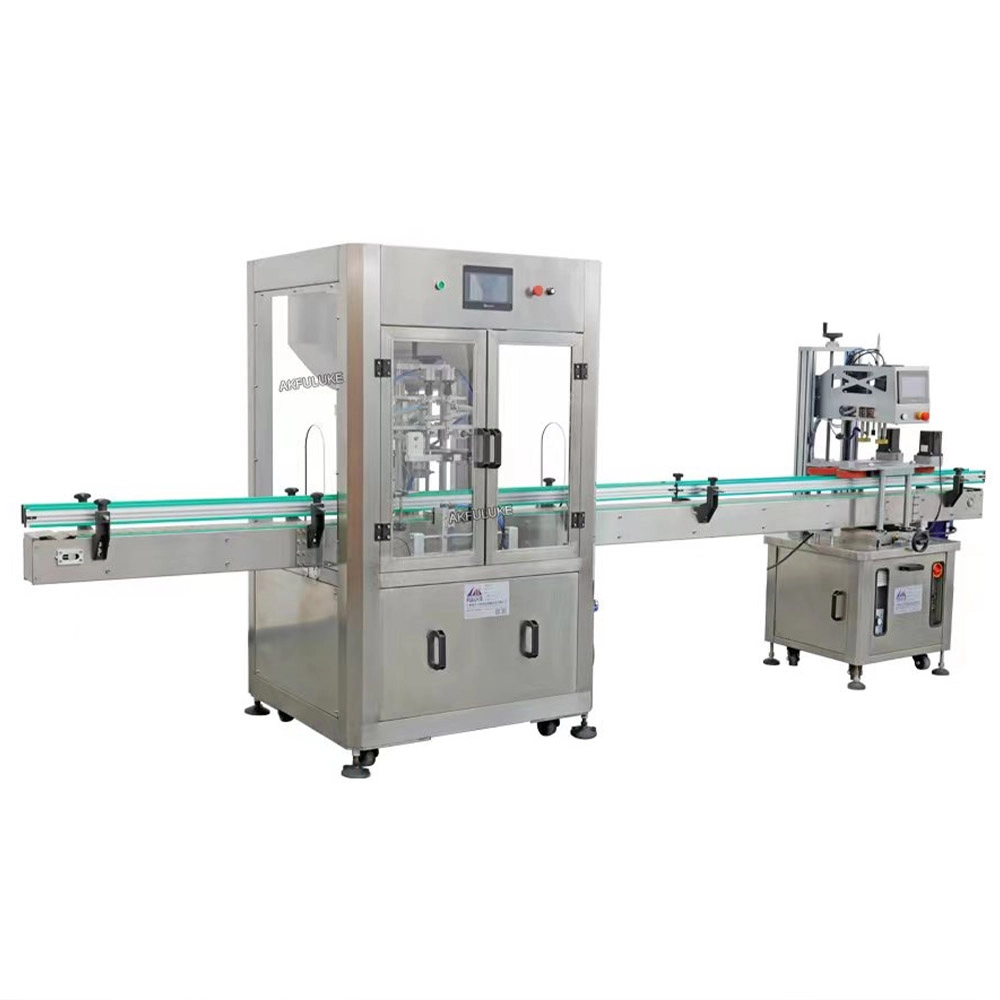
Key Features to Look for in Lotion Filling Machines
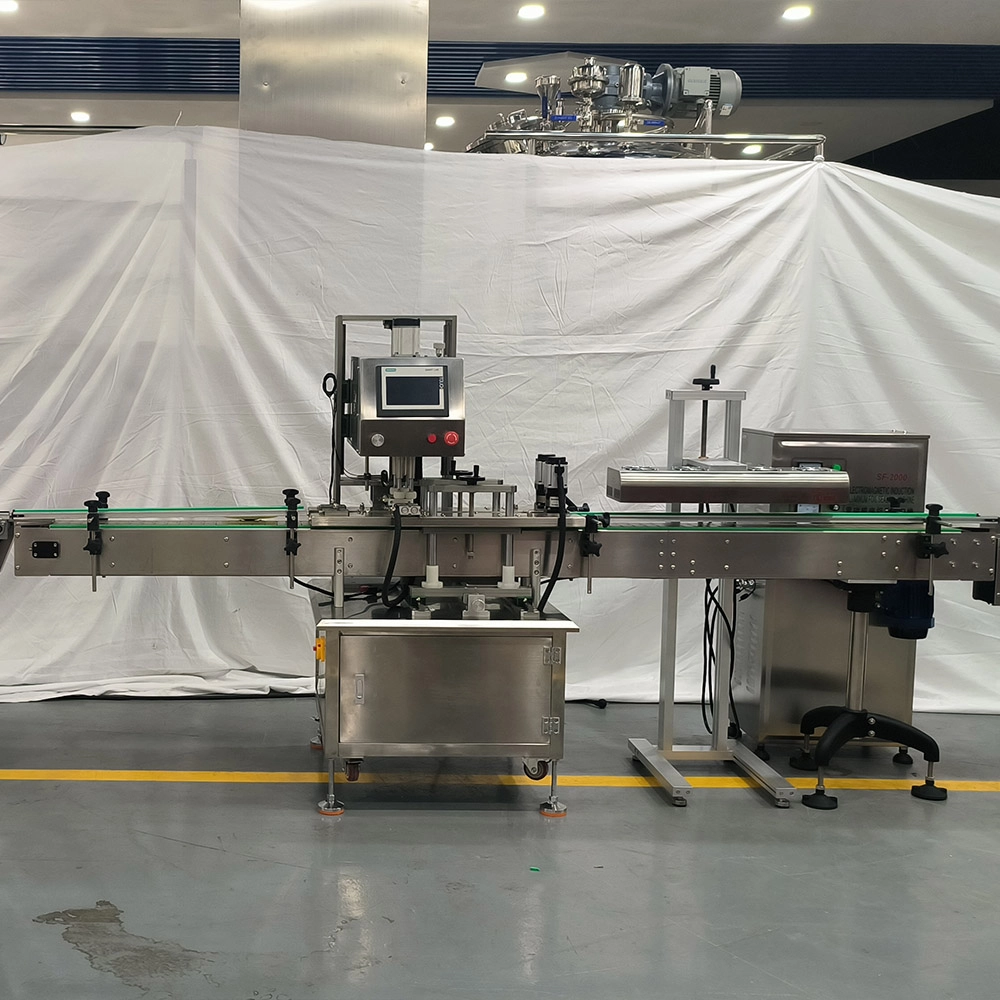
How to Customize Fill Volumes for Different Product SKUs
Optimizing Labeling and Filling Synchronization
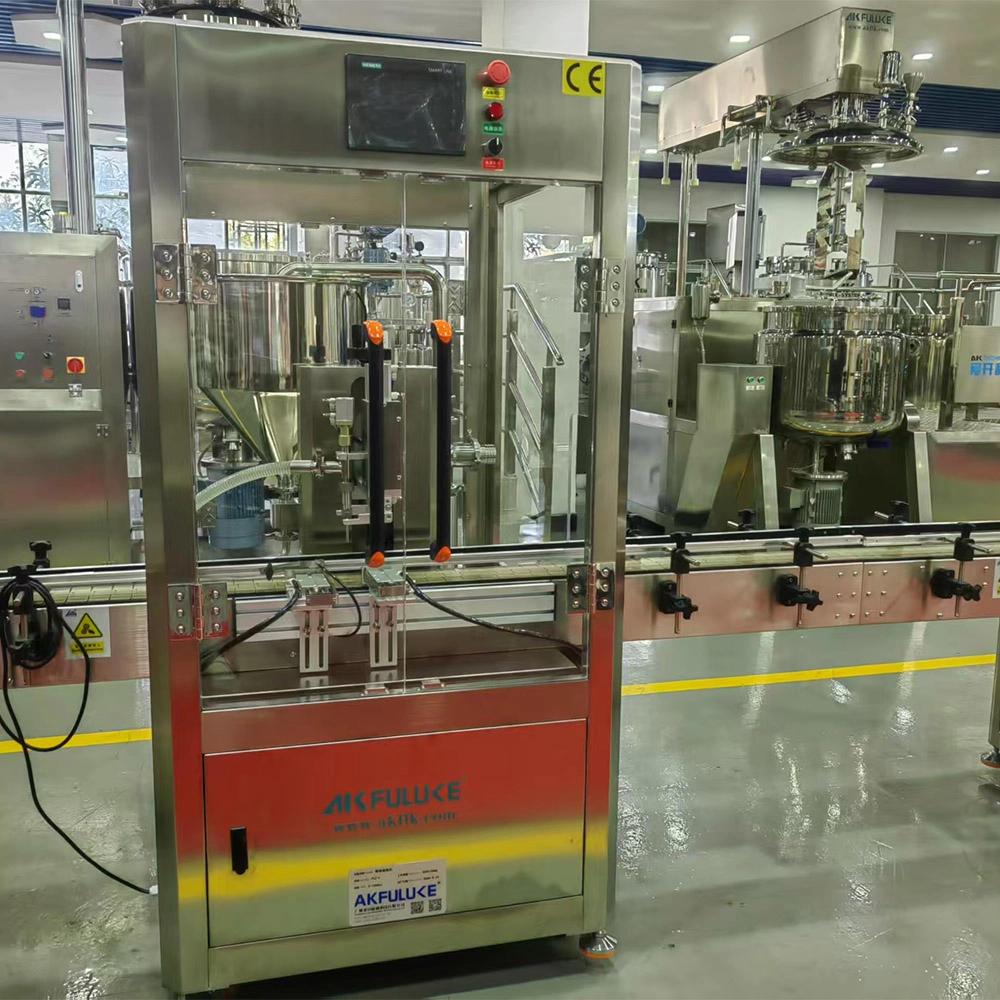
Compare Filling Technologies: Piston vs Peristaltic vs Pump
The Flip Cover Liquid Wash Mixing Homogenizing Tank
Can you customize the machine?
Of course, we provide customized services according to customer needs.
Automatic Facial Mask Filling Machine
Can you make a design for us?
Yes, we can, we provide not only products, but also solutions and designs.
Storage Tank
Can you make a design for us?
Yes, we can, we provide not only products, but also solutions and designs.
FAQs
How can customers contact FULUKE for inquiries or support?
RO Water Treatment
Can the water produced by an RO water purifier be drunk directly? Why?
The water produced by a qualified RO water purifier (i.e., "purified water") is generally drinkable directly.
This is because the high-precision filtration of the RO membrane removes harmful microorganisms (bacteria, viruses), heavy metals, pesticide residues, and other contaminants from the raw water, resulting in a water quality that meets the requirements for direct drinking. However, it is important to regularly replace the filter cartridge to ensure proper operation of the device.
You May Also Like
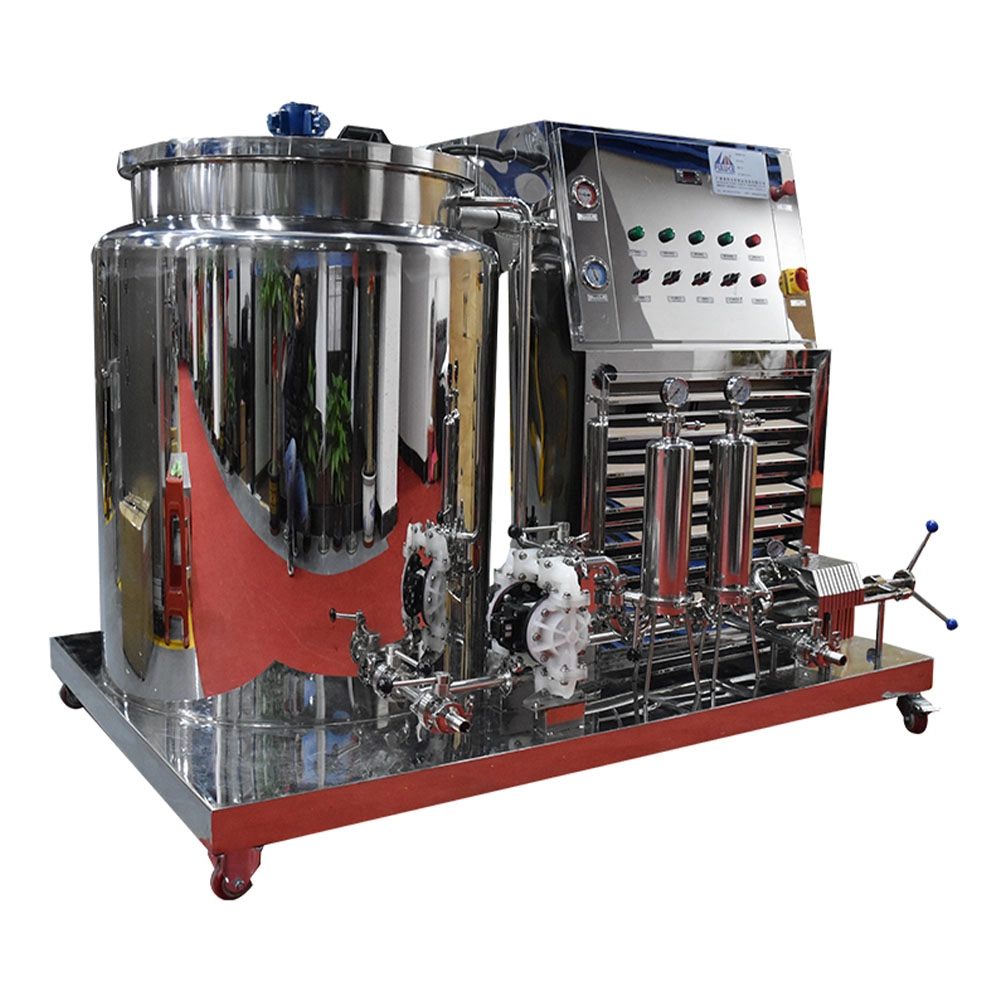
Perfume Freezing Filter Making Machine Fragrance Making Machine with Cooling Stirring System Perfume Chiller
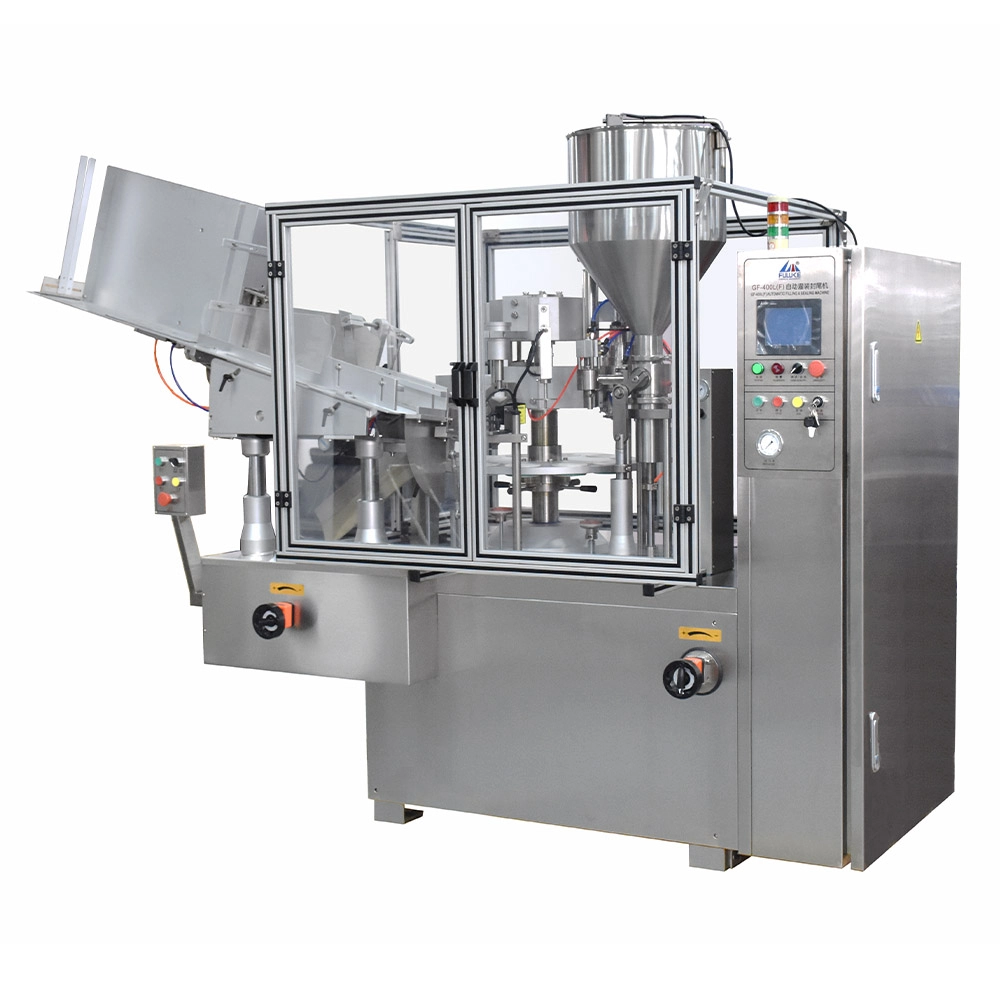
Automatic Tube Filling and Sealing Machine Toothpaste Sunscreen and Facial Cleanser Filling and Sealing Machine for Plastic and Aluminum-plastic Tube
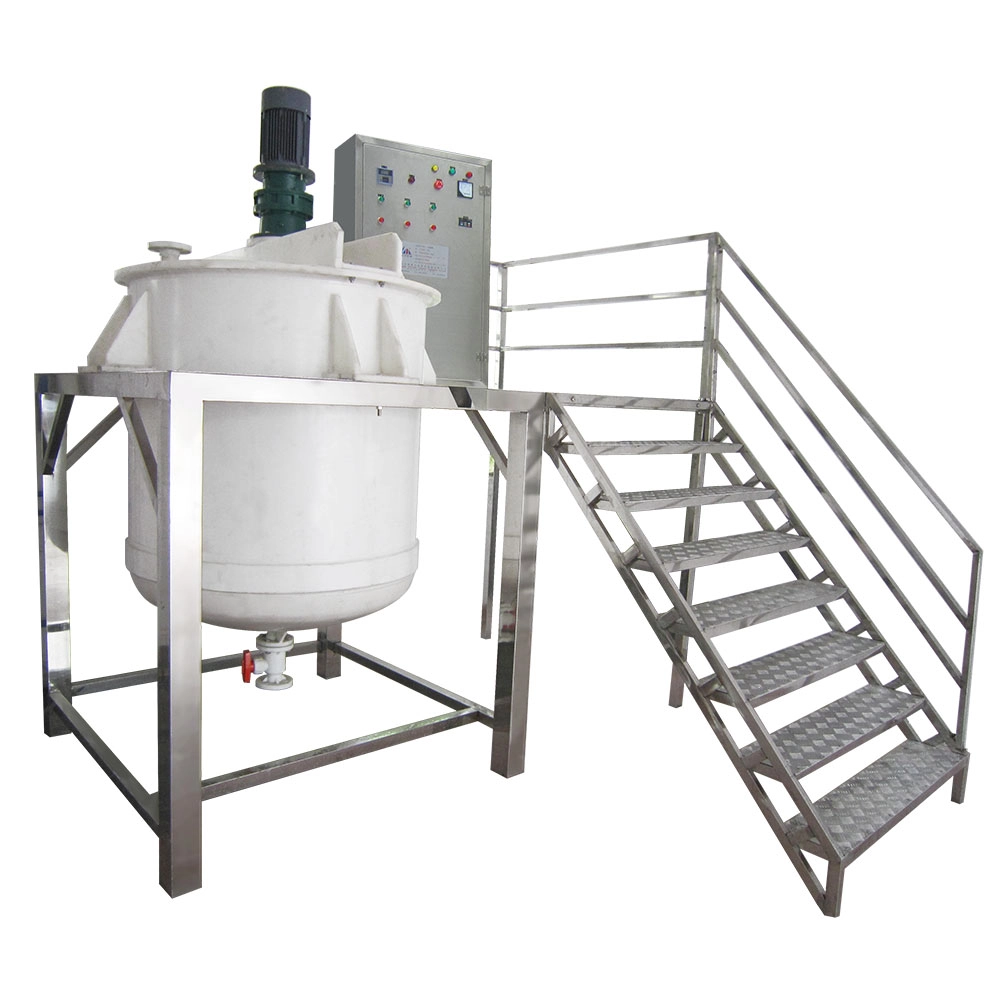
Polypropylene PP Mixing Tank Anti-Corrosion Mixer Reaction Kettle with Agitator Chemical Mixing Vessel
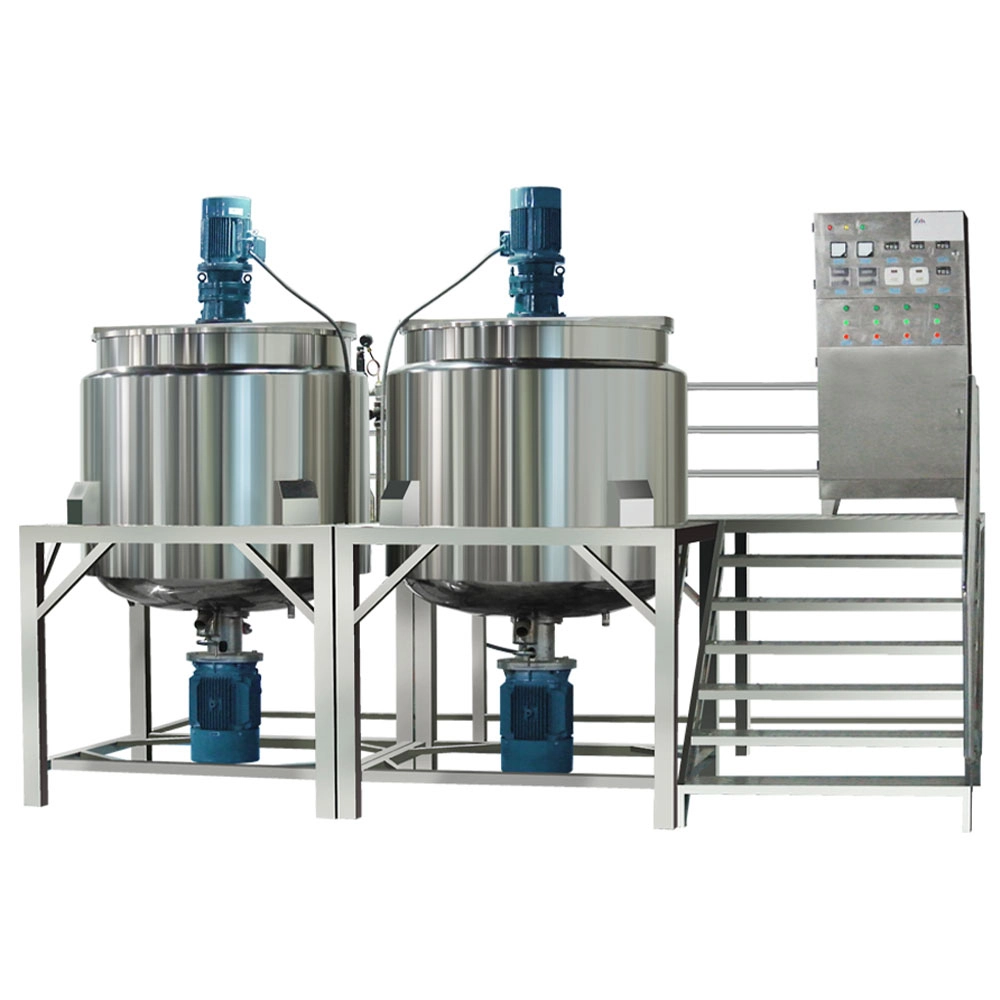
Flip Cover Multi-function Liquid Wash Mixing Tank Blender Liquid Detergent Mixer Homogenization Stirring Tank
Get in touch with FULUKE
If you have any comments or good suggestions, please leave us a message, later our professional staff will contact you as soon as possible.

A leading manufacturer specializing in advanced machinery and complete production lines for the cosmetics, food, pharmaceutical, and chemical industries worldwide.
Contact FULUKE
Facebook
Instagram
YouTube