
Guide to Choosing a Perfume Filling Machine for Small-Medium Plants
- Why the Right Filling Machine Matters for Small-Medium Perfume Makers
- Production scale, margin and return on investment
- Safety, contamination control and product quality
- Recommended model and core capabilities
- Technical Criteria: What to Compare Before Buying
- Accuracy, repeatability and throughput
- Material contact, hygiene and cleaning
- Automation level and changeover time
- Comparison of common filling technologies
- Selecting by Fluid Type and Packaging
- Handling volatile, low-viscosity perfumes and essential oils
- Bottle sizes, neck finishes and capping systems
- Modular add-ons: labeling, crimping, and safety
- Implementation, Maintenance and Regulatory Compliance
- Installation, layout and production line integration
- Cleaning, maintenance intervals and spare parts
- Regulatory standards and traceability
- Buying Checklist & Decision Flow
- Essential checklist
- Decision flow
- FAQs
- Q: Is vacuum negative-pressure filling better than peristaltic pumps for perfumes?
- Q: How important is SUS316L stainless steel?
- Q: What certifications should I request from the supplier?
- Q: How do I estimate payback time?
- Q: Can I connect this machine to an existing production line?
This guide is tailored for small-to-medium perfume plants and contract manufacturers looking to optimize production with reliable perfume making equipment. It highlights the technical and commercial factors that matter when specifying a filling solution for volatile, low-viscosity fragrances, essential oils, and aromatic sprays—so you can make a purchase decision that balances accuracy, throughput, hygiene and compliance.
Why the Right Filling Machine Matters for Small-Medium Perfume Makers
Production scale, margin and return on investment
For small-to-medium plants, capital allocation needs to be matched with expected throughput and margin. A filling machine that delivers consistent fills, minimal giveaway, and fast changeovers reduces variable costs and increases yield—critical when working with high-value perfume oils. Investing in the correct perfume making equipment can shorten payback time by reducing wastage and labor costs.
Safety, contamination control and product quality
Perfumes are typically volatile, low-viscosity liquids that can evaporate, oxidize, or be contaminated if improperly handled. Machines with proper material contacts (SUS316L stainless steel, PTFE-lined or corrosion-resistant hoses) and vacuum or closed-system filling reduce contamination risk and preserve fragrance integrity. Meeting Good Manufacturing Practice (GMP) for cosmetics, such as ISO 22716, is often expected by customers; see ISO 22716 guidance: ISO 22716 (Wikipedia).
Recommended model and core capabilities
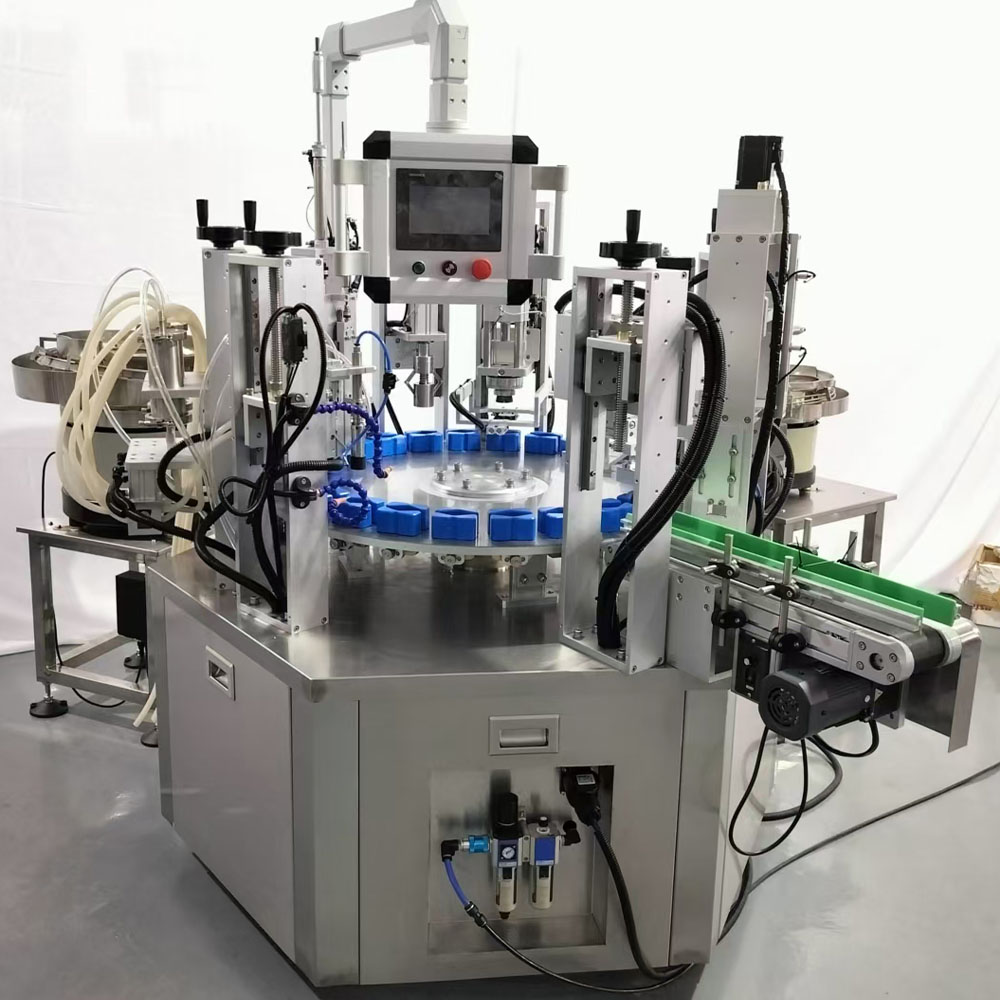
One recommended option for small-to-medium operations is the High Quality Perfume Filling Machine Perfume Rotary Vacuum Gear Pump Liquid Perfume Oil Filling Crimping Capping Filler Machine. Key features include vacuum-negative-pressure filling, servo control, and corrosion-resistant contact parts—designed specifically for volatile, low-viscosity liquids.
The perfume filling machine is a high-precision intelligent filling device. Designed specifically for highly volatile, low-viscosity liquids such as perfumes and fragrances, it utilizes vacuum negative pressure filling technology and servo control, achieving a filling error of ≤±1% and a liquid level consistency exceeding 99%. The parts of the machine that come into contact with the material are constructed of SUS316L stainless steel and corrosion-resistant hoses, free of plasticizers and other contaminants.
This machine features negative ion dust removal, vacuum filling, automatic pump head loading, automatic capping, and automatic mid-sleeve loading, making it particularly suitable for filling perfumes, essential oils, floral water, aromatherapy, and spray bottles. The PLC touch screen is easy to operate, and model changes and adjustments take only minutes. Explosion-proof configurations and production line linkage solutions can also be customized on demand.
Technical Criteria: What to Compare Before Buying
Accuracy, repeatability and throughput
Accuracy affects product cost directly. For high-value concentrates, an error of ±1% can mean significant savings over time compared to machines with ±3–5% variance. Look for machines with servo-driven dosing or vacuum filling technology that can maintain tight tolerances across different bottle sizes and viscosities.
Material contact, hygiene and cleaning
Perfume making equipment should minimize contamination. Materials in contact with product should be SUS316L stainless steel or approved polymers free of plasticizers. Easy disassembly, CIP (clean-in-place) or SIP (sterilize-in-place) options shorten downtime and reduce cross-contamination risk. When applicable, consider negative ion dust removal and closed vacuum systems to minimize exposure to VOCs.
Automation level and changeover time
For small-to-medium plants, partial automation often achieves the best balance. Features to value: quick-change star wheels, programmable recipes on a PLC touch screen, automatic capping and crimping, and fast model changeover within minutes to support multiple SKUs. Fully automated rotary systems increase throughput but should be matched to your SKU mix to avoid underutilization.
Comparison of common filling technologies
| Technology | Typical Accuracy | Best For | Cleaning Complexity | Typical Throughput |
|---|---|---|---|---|
| Vacuum Rotary (servo-driven) | ≤±1% | Volatile, low-viscosity perfume oils, spray bottles | Moderate; designed for easy hose and head removal | Medium–High (50–300+ bottles/min depending on configuration) |
| Peristaltic Pumps | ±1–3% | Low viscosity, small batches, corrosive fluids | Low; tubing replacement | Low–Medium (5–80 bottles/min) |
| Piston/Servo Piston | ±0.5–2% | Viscous to low-viscosity; high accuracy demanded | Higher; seals and valves to clean | Medium–High (20–200 bottles/min) |
Selecting by Fluid Type and Packaging
Handling volatile, low-viscosity perfumes and essential oils
Perfumes have high vapor pressure; open-system filling increases evaporation and product loss. Vacuum negative-pressure filling minimizes foaming and evaporation—preserving fragrance concentration and reducing VOC emissions. Confirm that gaskets, hoses and seals are chemical-resistant and approved for fragrance oils.
Bottle sizes, neck finishes and capping systems
Assess your SKU range: glass vs. plastic, dropper bottles vs. sprays. Rotary machines with automatic capping and mid-sleeve labeling modules simplify lines for spray-type perfumes. Ensure the machine supports the neck finish and cap types you use or can be adapted with tooling kits to avoid additional fixtures.
Modular add-ons: labeling, crimping, and safety
Evaluate whether you need in-line crimping, mid-sleeve loading, negative ion dust removal and explosion-proof options. For solvent-heavy formulations, consider ATEX/explosion-proof versions. Integration-ready PLCs make adding modules for labeling, torque testing or inline inspection straightforward.
Implementation, Maintenance and Regulatory Compliance
Installation, layout and production line integration
Plan the shop floor layout, utilities and ventilation for VOC control. Verify footprint, power and vacuum/air supply requirements. If you plan a production line, check PLC/communication standards for line linkage. Many plants add conveyors and inspection systems that require synchronized control.
Cleaning, maintenance intervals and spare parts
Establish maintenance schedules based on run hours and product. Keep spare seals, pump heads and hoses in stock. Machines with quick-disconnects and tool-free access dramatically reduce downtime. Train operators on routine checks and detailed SOPs for disassembly and reassembly.
Regulatory standards and traceability
Cosmetics regulations and voluntary standards dictate manufacturing hygiene, traceability and documentation. Useful references include the FDA cosmetics overview (FDA Cosmetics) and the European Commission cosmetics guidance (EU Cosmetics Regulation). For industry best practices on cosmetics GMP, see ISO 22716: ISO 22716 (Cosmetic GMP). The International Fragrance Association (IFRA) also provides guidance on safe use of fragrance materials: IFRA.
Buying Checklist & Decision Flow
Essential checklist
- Confirm filling accuracy and repeatability targets (aim for ≤±1% for high-value perfume oils).
- Verify wetted materials: SUS316L stainless steel, PTFE or approved hoses—no plasticizers.
- Validate automation level: PLC touch screen, recipe storage, and quick changeovers.
- Assess safety: explosion-proof options if solvents are present, and negative ion dust removal for particulate control.
- Ask for references and production demonstrations with your actual product.
Decision flow
Start with production targets and SKU mix. If you run many small SKUs with batch sizes under 1,000 units, prioritize flexibility and low changeover time. For a narrow SKU range at high output, invest in higher-speed rotary solutions. Always request a Factory Acceptance Test (FAT) or on-site demo with your fragrance formulation to validate accuracy and compatibility.
FAQs
Q: Is vacuum negative-pressure filling better than peristaltic pumps for perfumes?
A: For volatile, low-viscosity fragrance oils and spray bottles, vacuum negative-pressure filling usually outperforms peristaltic pumps in terms of reducing evaporation, improving liquid level consistency and achieving tighter accuracy (≤±1%). Peristaltic pumps can be useful for corrosive or abrasive liquids and when tubing changeover is acceptable.
Q: How important is SUS316L stainless steel?
A: Very important. SUS316L resists corrosion from aromatic compounds and solvents better than 304 stainless. It helps prevent metal-induced odor changes and reduces the risk of contamination—key for consistent perfume quality.
Q: What certifications should I request from the supplier?
A: Ask for machine conformity documents (CE if applicable), material certificates for wetted parts, and documentation for GMP compatibility (ISO 22716 guidance). If working in regulated markets, ensure traceability and quality control records are provided.
Q: How do I estimate payback time?
A: Estimate increased throughput, labor savings, and reduced product giveaway compared to your current process. For high-value perfumes, even small reductions in overfill yield rapid ROI. Request supplier case studies and use your SKU costs to model payback.
Q: Can I connect this machine to an existing production line?
A: Most modern machines offer PLCs and communication protocols for line linkage. Confirm the specific I/O, speed synchronization and conveyor interfaces to ensure smooth integration.
If you want to evaluate the High Quality Perfume Filling Machine Perfume Rotary Vacuum Gear Pump Liquid Perfume Oil Filling Crimping Capping Filler Machine with a site demo or product datasheet, contact our sales team or view the product page: View product & request demo. For direct assistance, email our technical team at sales@example.com or request a consultation: Contact us.
References and further reading: Filling machine (Wikipedia), FDA Cosmetics, EU Cosmetics Regulation, IFRA, ISO 22716.
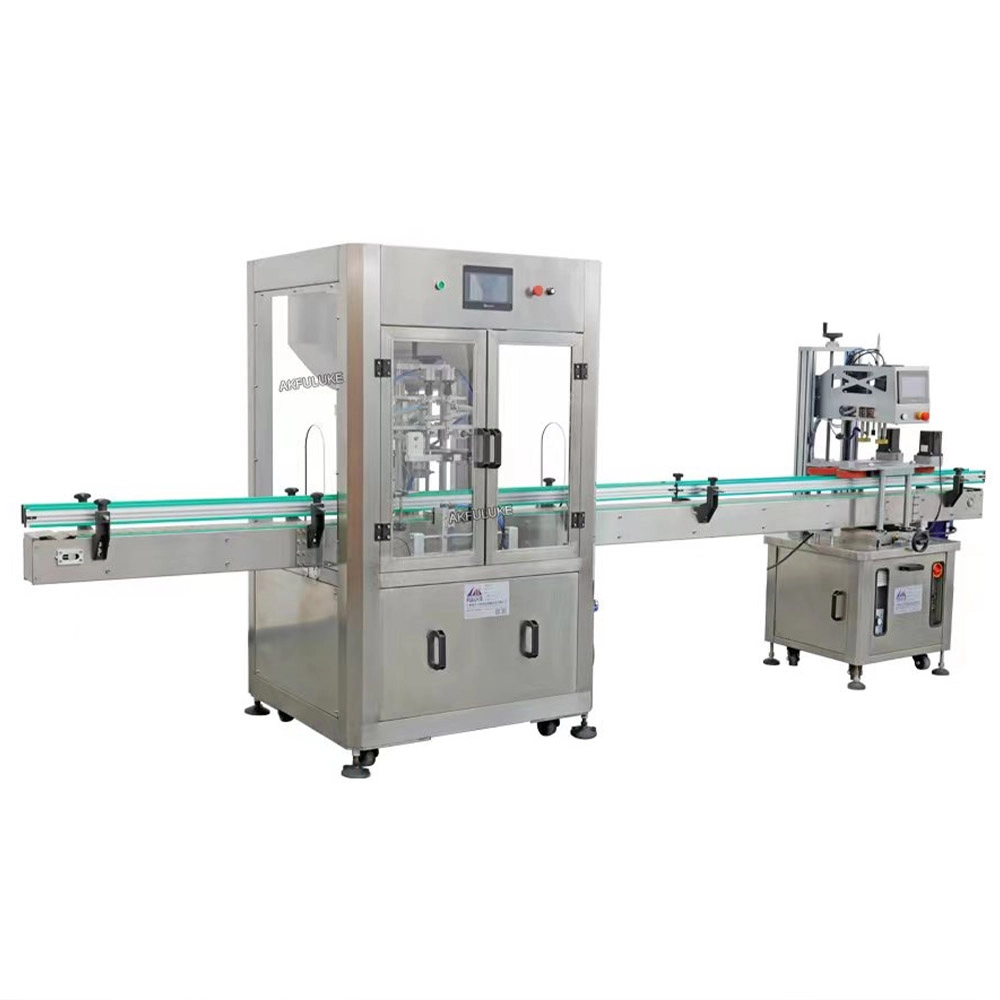
Why High-Precision Filling Matters for Premium Products
Evaluating Machine Footprint and Factory Space Requirements
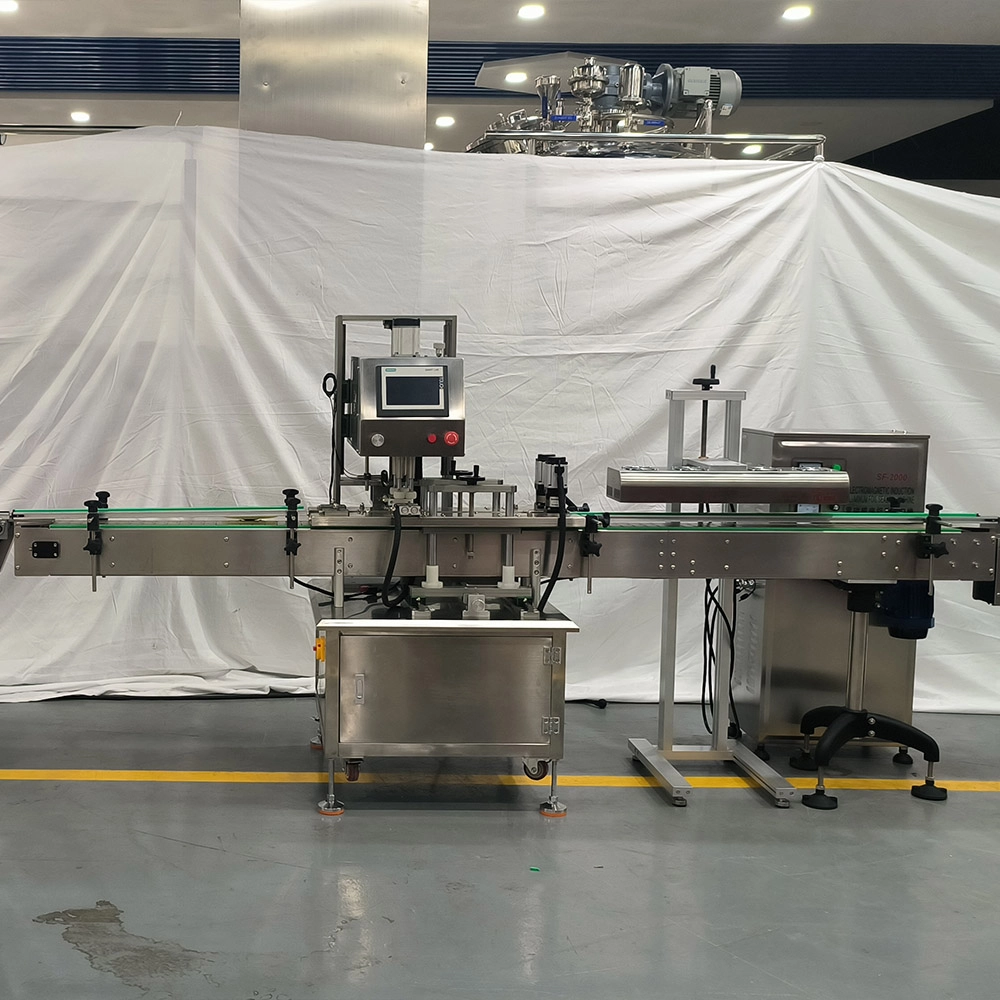
Addressing Foaming Issues During Liquid Filling
Top Features Buyers Need in Automatic Lotion Filling Machines
Lift-type Homogenizing Disperser
How often should the disperser and homogenizer be cleaned? How should they be cleaned properly?
Cleaning Frequency: Cleaning is required every time a material is changed to prevent cross-contamination. When the same material is used continuously, cleaning is recommended every 24 hours. Cleaning Method: Rinse with clean water or a suitable solvent (e.g., alcohol for oily materials, clean water for water-based materials). Remove stubborn stains with a soft brush. Avoid scratching with hard objects to avoid damage.
Film Packaging Machine
Can you make a design for us?
Yes, we can, we provide not only products, but also solutions and designs.
What can you buy from us?
RO Water Treatment、Vacuum Emulsifying Machine、Homogenizer Mixing Tank、Filling and Capping、labeling Machine、Packing Machine、Storage Tank,etc.
Perfume Filling Machine
When changing fragrance formulas, how can we prevent cross-contamination between different formulas?
All equipment components that come into contact with materials are made of food-grade 316/304 stainless steel, some of which can be customized with PTFE anti-corrosion linings. This material is easy to clean and does not absorb fragrance ingredients. When changing formulas, a dedicated cleaning solution is used for circulating flushing, and key components can be manually disassembled for secondary cleaning to completely eliminate cross-contamination and meet the needs of alternating production with multiple formulas.
Automatic Tube Filling and Sealing Machine
What can you buy from us?
RO Water Treatment、Vacuum Emulsifying Machine、Homogenizer Mixing Tank、Filling and Capping、labeling Machine、Packing Machine、Storage Tank,etc.
You May Also Like
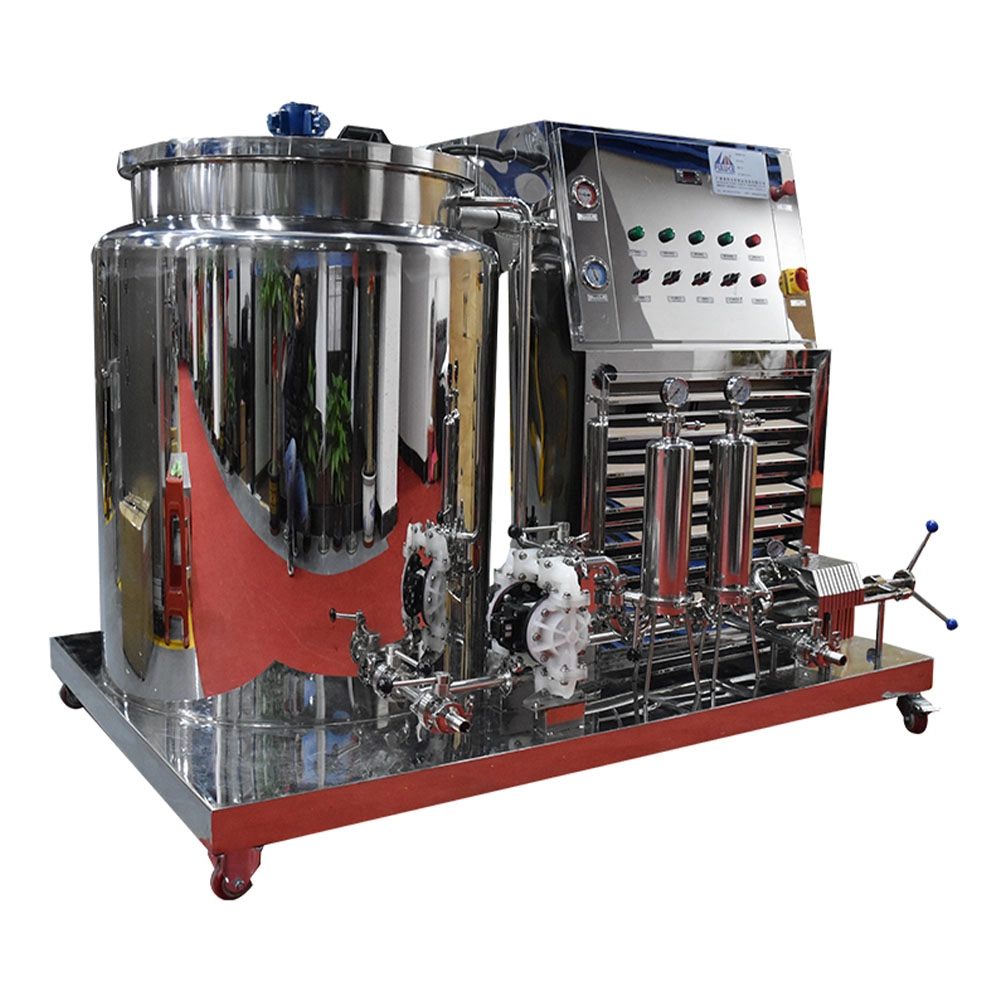
Perfume Freezing Filter Making Machine Fragrance Making Machine with Cooling Stirring System Perfume Chiller
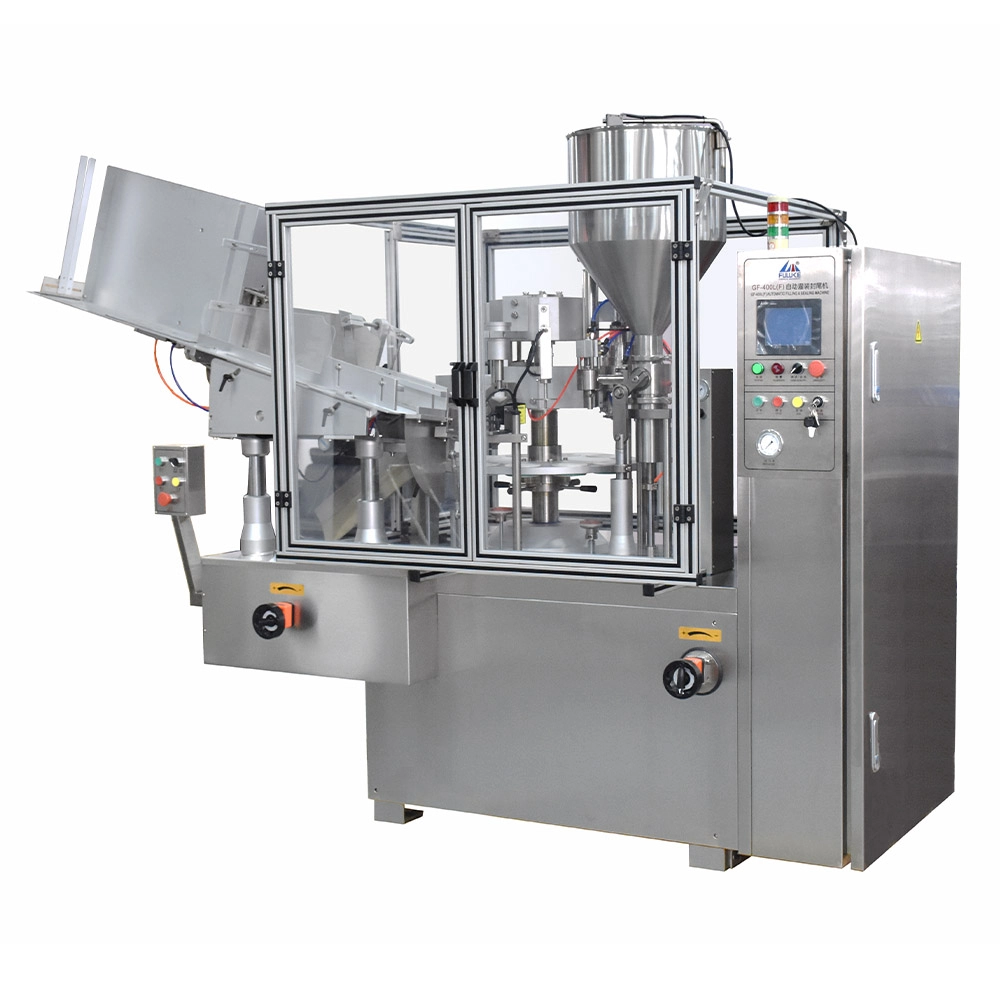
Automatic Tube Filling and Sealing Machine Toothpaste Sunscreen and Facial Cleanser Filling and Sealing Machine for Plastic and Aluminum-plastic Tube
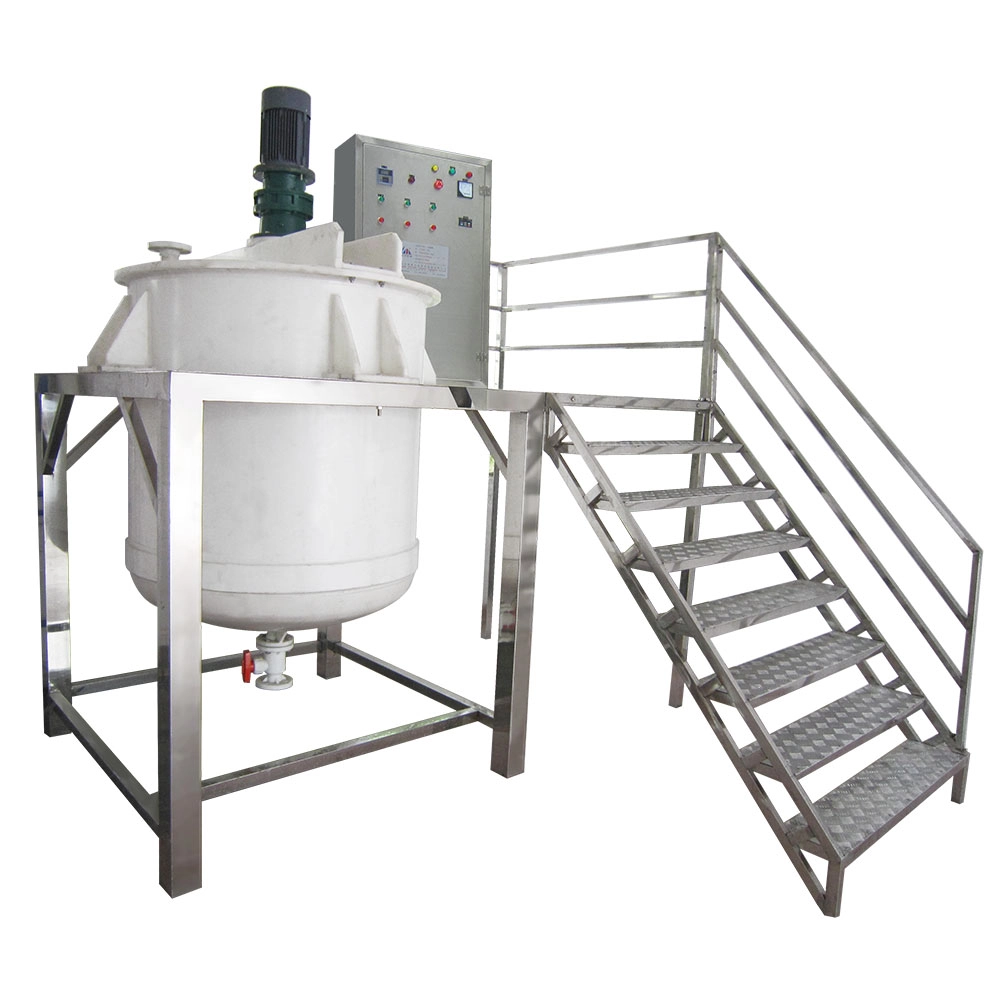
Polypropylene PP Mixing Tank Anti-Corrosion Mixer Reaction Kettle with Agitator Chemical Mixing Vessel
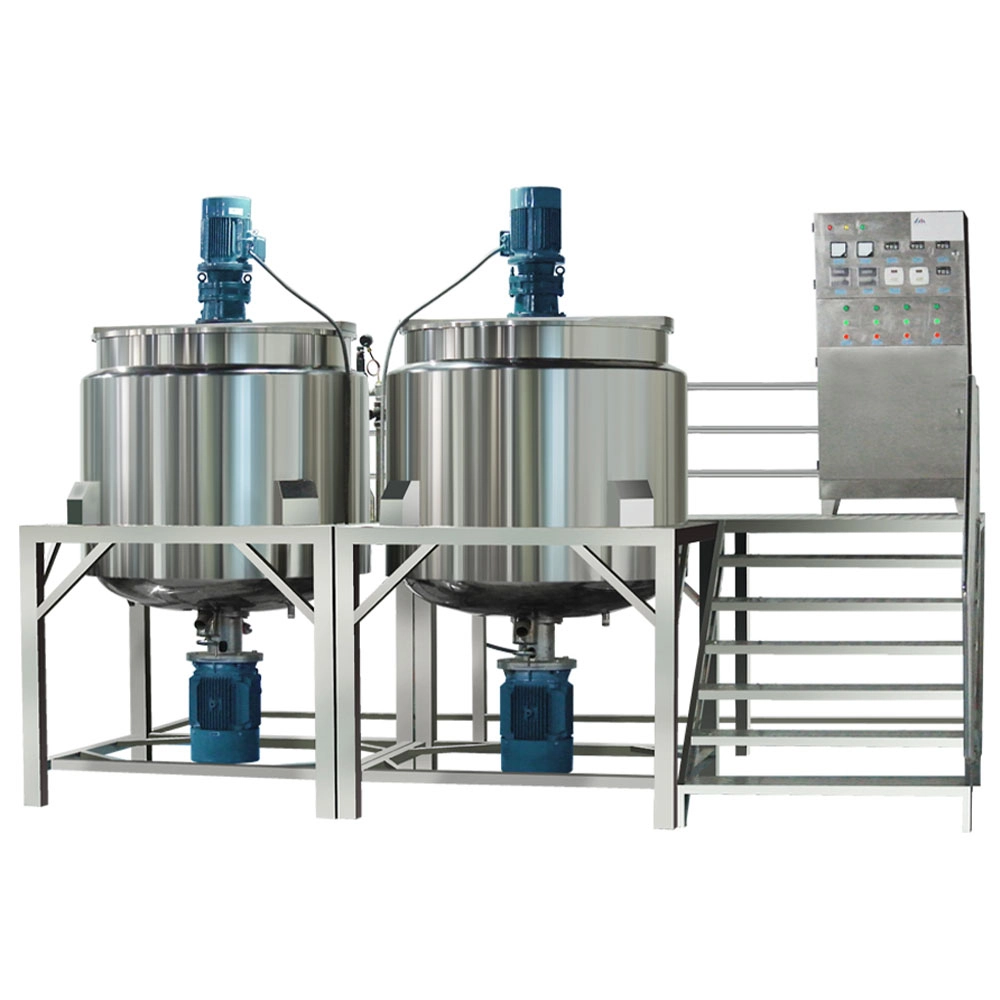
Flip Cover Multi-function Liquid Wash Mixing Tank Blender Liquid Detergent Mixer Homogenization Stirring Tank
Get in touch with FULUKE
If you have any comments or good suggestions, please leave us a message, later our professional staff will contact you as soon as possible.

A leading manufacturer specializing in advanced machinery and complete production lines for the cosmetics, food, pharmaceutical, and chemical industries worldwide.
Contact FULUKE
Facebook
Instagram
YouTube