
Procurement Checklist: High-Quality Perfume Filling & Capping
- Key Considerations for Choosing Filling & Capping Machinery
- Production Capacity & Throughput
- Filling Accuracy & Product Loss
- Material Compatibility & Contact Parts
- Technical Features and Compliance
- Vacuum Filling, Rotary Gear Pump & Servo Control
- Sanitation, Materials & Cleanability
- Safety, Explosion-Proofing & ATEX Considerations
- Procurement, Validation and ROI
- Factory Acceptance, IQ/OQ and Validation
- Spare Parts, Maintenance & Supplier Support
- Cost of Ownership and Integration
- Comparison Table: Typical Perfume Filling Options
- Operational Tips and Quality Controls
- Environmental Controls & Dust/Particle Management
- Seal Integrity, Torque and Leak Testing
- Documentation & Traceability
- FAQ — Frequently Asked Questions
- Q: Is vacuum filling better than piston filling for perfumes?
- Q: What materials should be used for parts in contact with perfume?
- Q: How do I validate fill accuracy and capping quality?
- Q: Can the machine handle different bottle shapes and closures?
- Q: Are explosion-proof configurations necessary?
- Next Steps & Contact
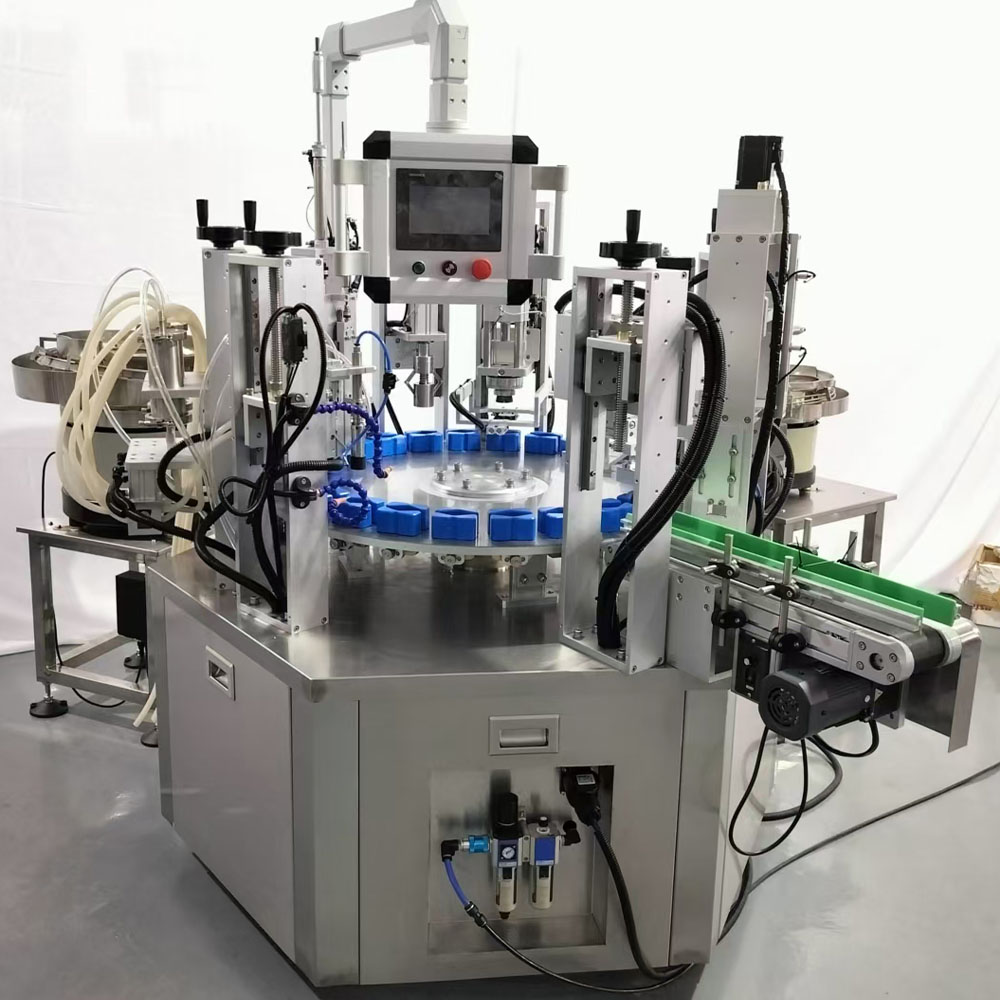
When procuring perfume filling and capping systems, buyers need a checklist that aligns technical capability, regulatory compliance, and operational ROI. This guide helps procurement teams evaluate perfume making equipment — especially vacuum-based filling units — and choose machines that deliver precision, safety, and scalable throughput while meeting cosmetic GMP and materials standards.
Key Considerations for Choosing Filling & Capping Machinery
Production Capacity & Throughput
Begin by mapping your projected throughput: bottles per minute (BPM), shifts per day, and SKU mix. Perfume making equipment ranges from single-head bench units to high-speed rotary lines. Match the machine's BPM to peak production needs with margin for growth. Consider changeover time: if you handle many SKUs of different bottle shapes and closures, machines with quick-change tooling and recipe memory on the PLC/ touchscreen reduce downtime and labor costs.
Filling Accuracy & Product Loss
For volatile, low-viscosity liquids like fragrances, filling accuracy directly impacts product cost and customer satisfaction. Look for vacuum negative-pressure filling or precision gear/rotary pumps combined with servo control to achieve tight tolerances. The featured product — High Quality Perfume Filling Machine Perfume Rotary Vacuum Gear Pump Liquid Perfume Oil Filling Crimping Capping Filler Machine — advertises a filling error of ≤±1% and liquid level consistency >99%, which is suitable for High Quality fragrance production where shrinkage and giveaway are critical.
Material Compatibility & Contact Parts
Materials touching the product must be corrosion-resistant and free from contaminants. SUS316L stainless steel and high-quality hoses without plasticizers are best practice for perfume filling equipment since they resist ethanol and essential oils. Verify surface finish (Ra), passivation, and absence of dead legs. The recommended machine uses SUS316L contact parts, which aligns with industry expectations for cosmetic-grade processing equipment.
The perfume filling machine is a high-precision intelligent filling device. Designed specifically for highly volatile, low-viscosity liquids such as perfumes and fragrances, it utilizes vacuum negative pressure filling technology and servo control, achieving a filling error of ≤±1% and a liquid level consistency exceeding 99%. The parts of the machine that come into contact with the material are constructed of SUS316L stainless steel and corrosion-resistant hoses, free of plasticizers and other contaminants.
This machine features negative ion dust removal, vacuum filling, automatic pump head loading, automatic capping, and automatic mid-sleeve loading, making it particularly suitable for filling perfumes, essential oils, floral water, aromatherapy, and spray bottles. The PLC touch screen is easy to operate, and model changes and adjustments take only minutes. Explosion-proof configurations and production line linkage solutions can also be customized on demand.
Technical Features and Compliance
Vacuum Filling, Rotary Gear Pump & Servo Control
Vacuum negative-pressure filling minimizes foaming and volatilization, crucial for alcohol-based perfumes. A rotary vacuum gear pump provides smooth, pulseless flow and accurate dosing. Servo drives add programmability and fast response, enabling filling error margins of ≤±1%. Ensure the vendor provides calibration data, traceable measurement methods, and routine check procedures to maintain accuracy.
Sanitation, Materials & Cleanability
Cosmetic production requires equipment that can be cleaned and validated. SUS316L is standard for wetted parts due to its corrosion resistance. Confirm that welds are sanitary and surface finishes meet required Ra values. For guidance on cosmetic good manufacturing practices, consult ISO 22716 (ISO 22716) and regulatory pages such as the U.S. FDA cosmetics overview (FDA Cosmetics).
Safety, Explosion-Proofing & ATEX Considerations
Alcohol-based fragrance production is flammable. If the facility processes ethanol-rich formulations, select explosion-proof motors, sensors, and electrical cabinets that comply with local standards (e.g., ATEX in Europe). Vendors should offer optional explosion-proof configurations and documentation demonstrating compliance. Consult industry authorities like the Personal Care Products Council (PCPC) for best practices and safety guidance.
Procurement, Validation and ROI
Factory Acceptance, IQ/OQ and Validation
Include Factory Acceptance Testing (FAT) requirement in the purchase order. FAT should simulate production conditions with representative bottles and perfumes. After installation, run Installation Qualification (IQ) and Operational Qualification (OQ). Provide acceptance criteria for fill accuracy, capping torque/seal integrity, aerosol/spray performance (if applicable), and cleaning validation. Reference ISO 22716 for GMP alignment and include traceable certificates of material (e.g., SUS316L certificates).
Spare Parts, Maintenance & Supplier Support
Request a spare-parts list and mean time between failures (MTBF) data. Critical spares often include pump seals, servo motors, sensors, and capping heads. Evaluate supplier support: remote PLC recipe download, on-site training, and preventive maintenance schedules reduce unexpected downtime. A strong supplier provides documentation (CAD, electrical schematics, PLC ladder or function blocks) and multilingual training if you operate multi-national lines.
Cost of Ownership and Integration
Beyond capital expense, analyze total cost of ownership: labor savings from automation, material waste reduction from precision filling, and energy consumption. Consider scalability and integration into upstream/downstream lines (bottle unscramblers, labelers, sleeve applicators). The featured machine’s automatic mid-sleeve loading and easy PLC recipe changes reduce secondary equipment needs and accelerate SKU changeovers.
Comparison Table: Typical Perfume Filling Options
| Feature | Single-Head Bench Filler | Rotary Vacuum Gear Pump Filling (Featured) | High-Speed Piston/Servo Filler |
|---|---|---|---|
| Best for | R&D, small batches | Perfumes, essential oils, low-viscosity volatile liquids | High-throughput uniform liquids |
| Accuracy | ±2–5% | ≤±1% (vacuum + servo) | ±0.5–1% |
| Material Contact | Stainless or polymer (varies) | SUS316L, corrosion-resistant hoses | SUS316, may require special seals |
| Changeover Time | Slow | Minutes (recipe-based PLC) | Varies; mechanical adjustments possible |
| Explosion-Proof Option | Limited | Available | Available |
Operational Tips and Quality Controls
Environmental Controls & Dust/Particle Management
Perfume capping and labeling can generate dust and particulates that affect product appearance. The machine's negative ion dust removal helps reduce contamination on caps and bottles prior to sealing. Complement machine features with clean room classification or local laminar airflow if required for High Quality fragrances.
Seal Integrity, Torque and Leak Testing
Sealing quality is critical for perfumes to preserve aroma and prevent evaporation. Specify acceptable torque ranges and run routine torque sampling. For spray bottles or pump closures, include leak tests (vacuum decay or pressure hold) in your OQ to ensure long-term integrity.
Documentation & Traceability
Require supplier-supplied documentation: material certificates for wetted parts (316L), calibration certificates for flow meters, FAT/OQ test reports, and wiring schematics. Traceability is essential for regulatory audits and to meet cosmetic GMP per ISO 22716 (ISO 22716).
FAQ — Frequently Asked Questions
Q: Is vacuum filling better than piston filling for perfumes?
A: Vacuum filling minimizes foaming and volatilization for alcohol-based fragrances and delivers consistent liquid levels. For low-viscosity, volatile liquids, vacuum rotary gear pump systems with servo control are often a better fit than piston fillers because of smoother flow and reduced aerosolization.
Q: What materials should be used for parts in contact with perfume?
A: SUS316L stainless steel is recommended for contact parts due to corrosion resistance to alcohols and essential oils. Use hoses certified free of plasticizers and phthalates. Obtain material certificates from the supplier to ensure compliance.
Q: How do I validate fill accuracy and capping quality?
A: Include FAT, IQ, and OQ in the procurement contract. Define acceptance criteria: fill accuracy (e.g., ±1%), liquid level consistency (>99%), capping torque range, and leak-test pass rates. Run validation with actual product and container combinations.
Q: Can the machine handle different bottle shapes and closures?
A: Modern perfume making equipment with recipe-based PLCs and quick-change tooling supports multiple bottle shapes and closure types. Confirm tooling availability for your SKU range and test changeover times during FAT.
Q: Are explosion-proof configurations necessary?
A: If your formulations contain flammable solvents (e.g., ethanol > often used in perfumes), explosion-proof electricals and ATEX/IECEx-compliant components are strongly recommended. Consult local regulations and include explosion-proof options in RFPs.
Next Steps & Contact
If you are evaluating the High Quality Perfume Filling Machine Perfume Rotary Vacuum Gear Pump Liquid Perfume Oil Filling Crimping Capping Filler Machine for your line, request a detailed proposal that includes FAT, full spare-parts list, IQ/OQ protocols, and optional explosion-proof specifications. For industry guidance on cosmetic GMP, see ISO 22716 (ISO 22716) and the U.S. FDA cosmetics page (FDA Cosmetics).
Contact our sales and engineering team to schedule a demonstration, receive a tailored quotation, or obtain a checklist adapted to your plant layout and SKU mix. View the full product specifications and request supporting documentation now.
Contact us to view the product or request a quote — our specialists will help you assess throughput, compliance and ROI for your perfume-making equipment needs.
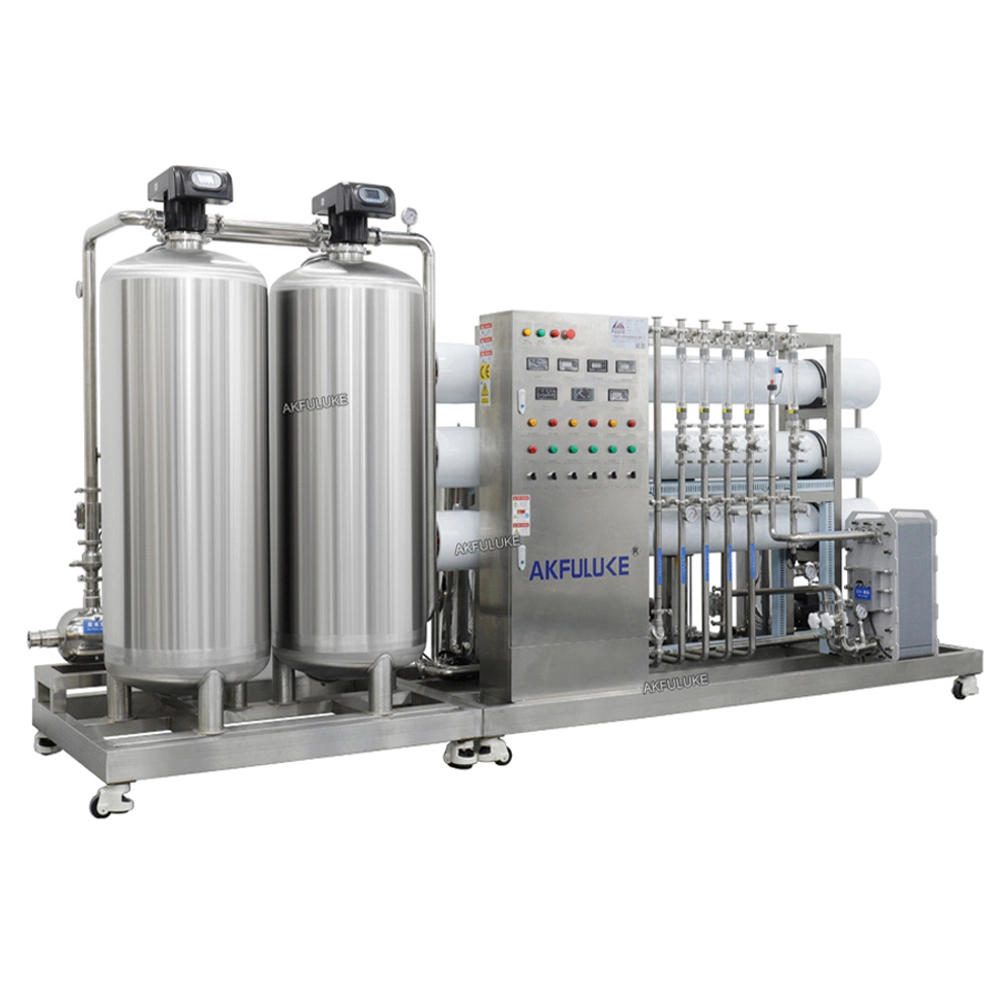
Compliance, Certifications, and Water Standards for RO Systems
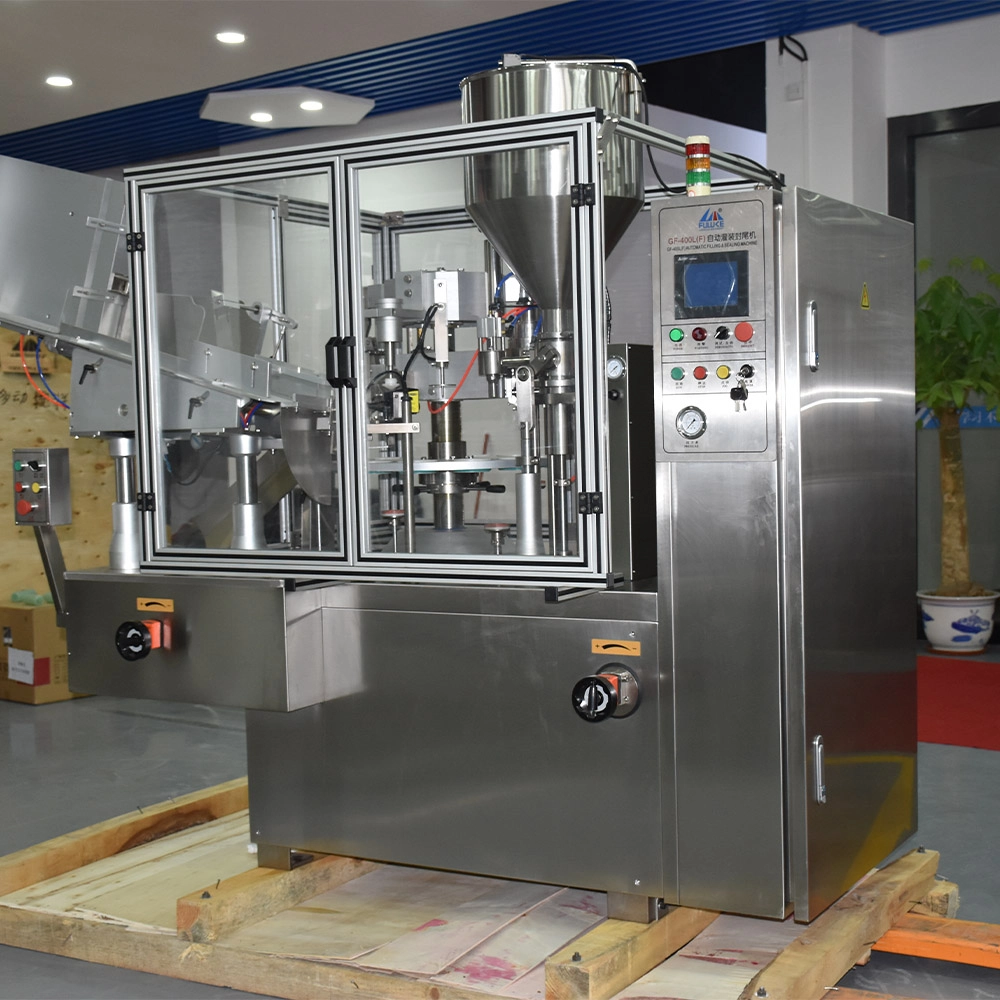
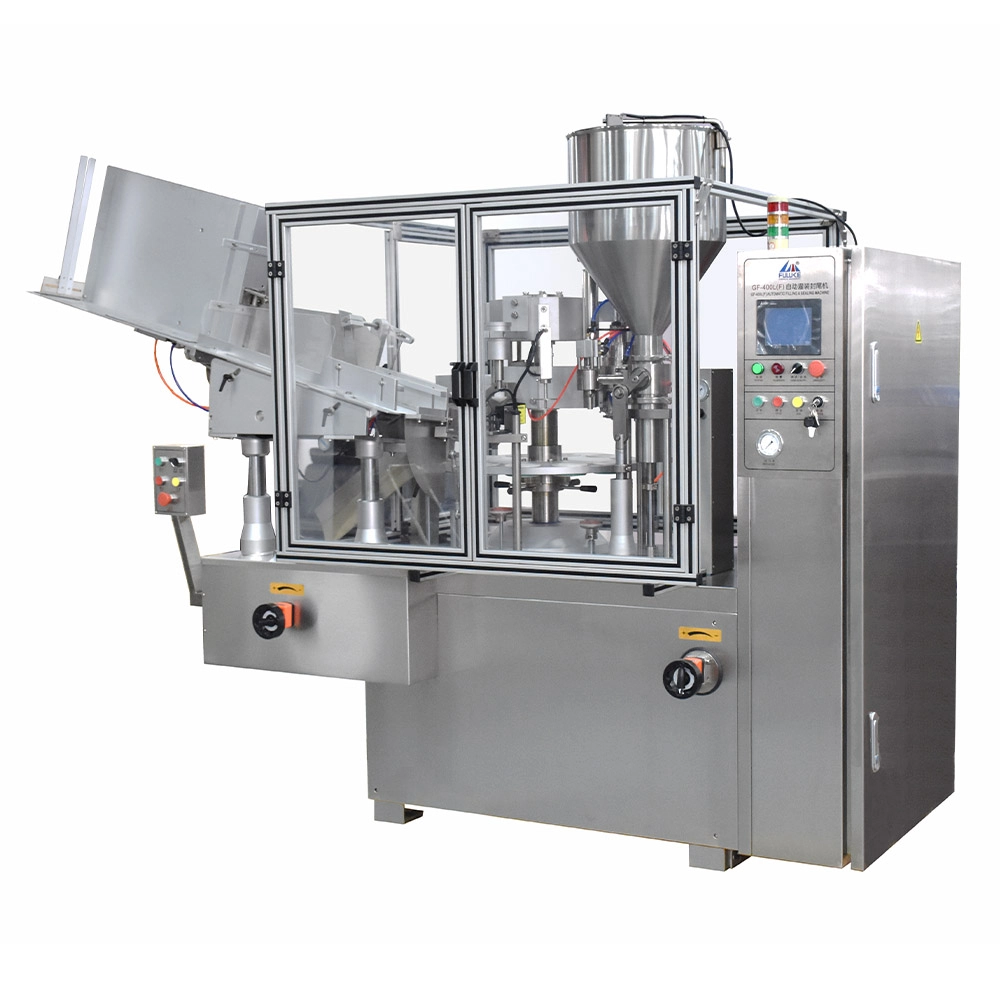
Selecting Filling Machines for Plastic and Aluminum-Plastic Tubes
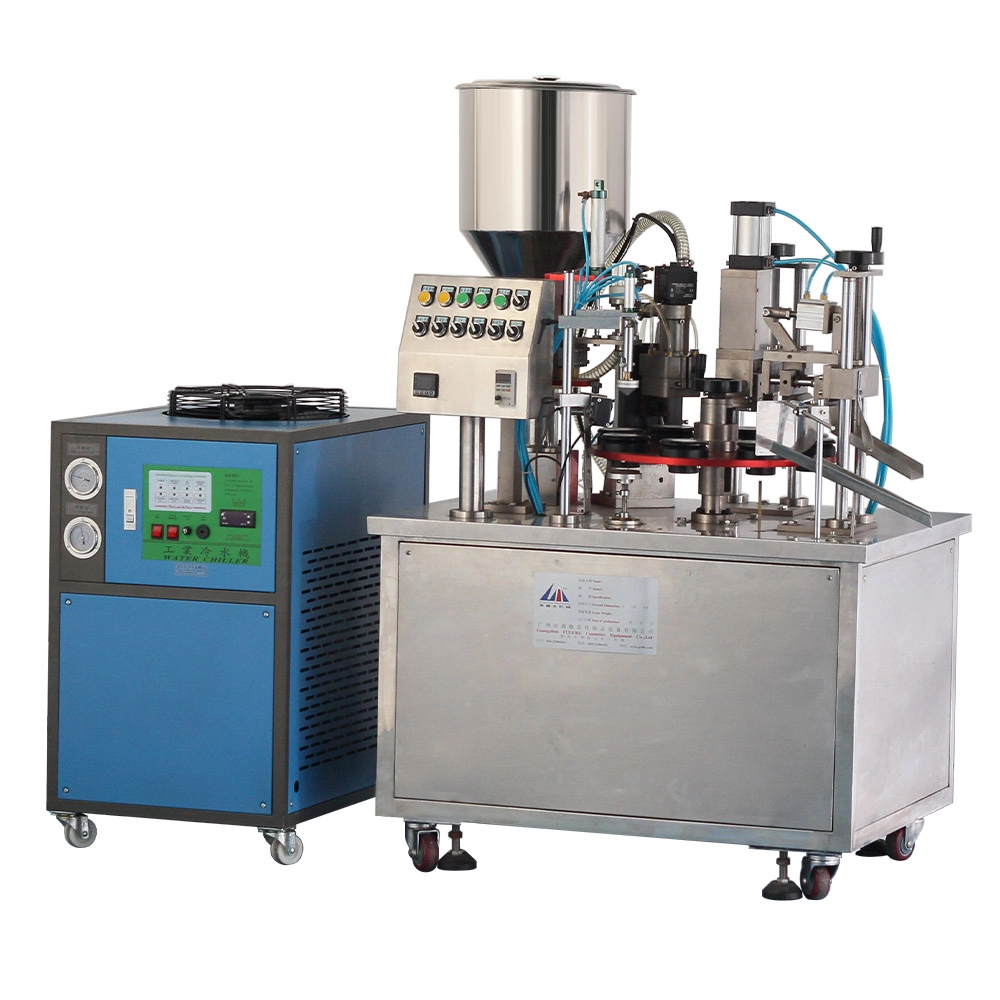
Integration Tips: Adding Tube Filling Machines to Production Lines
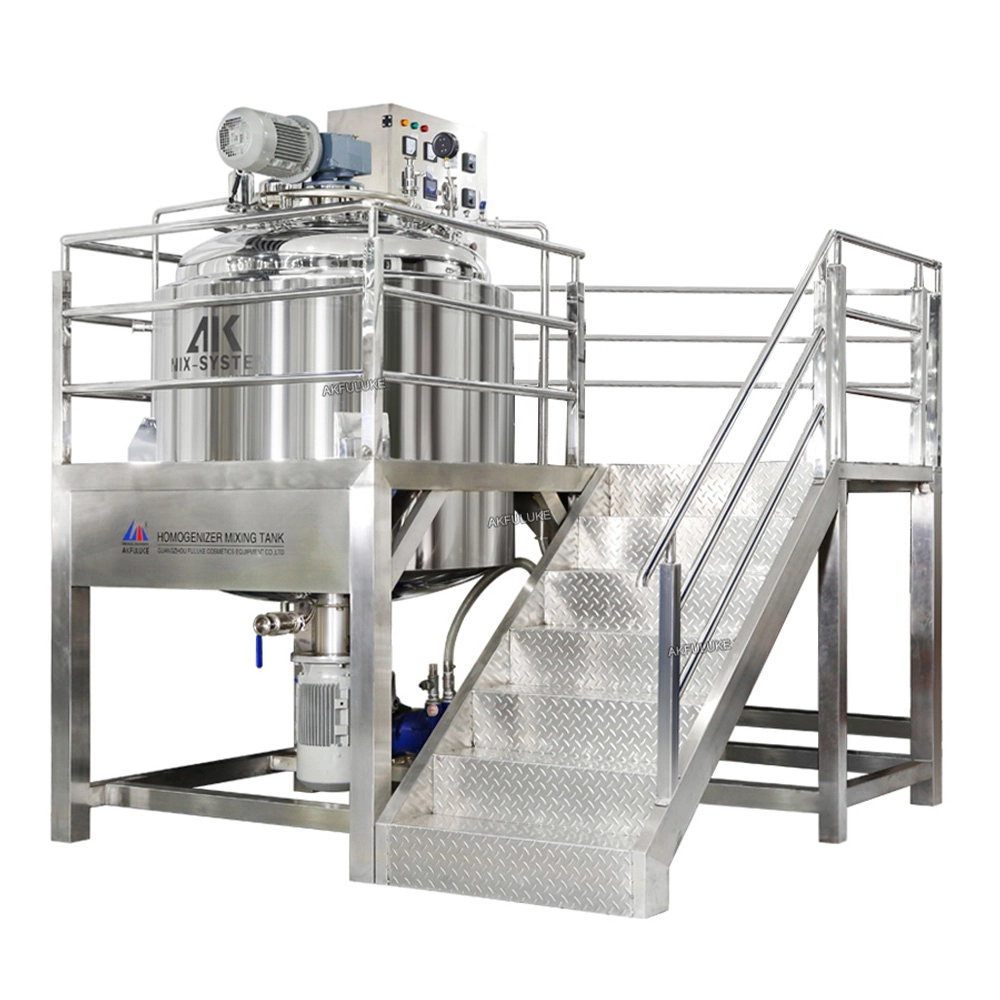
Choosing the Right Mixing Tank with Agitator for Production Lines
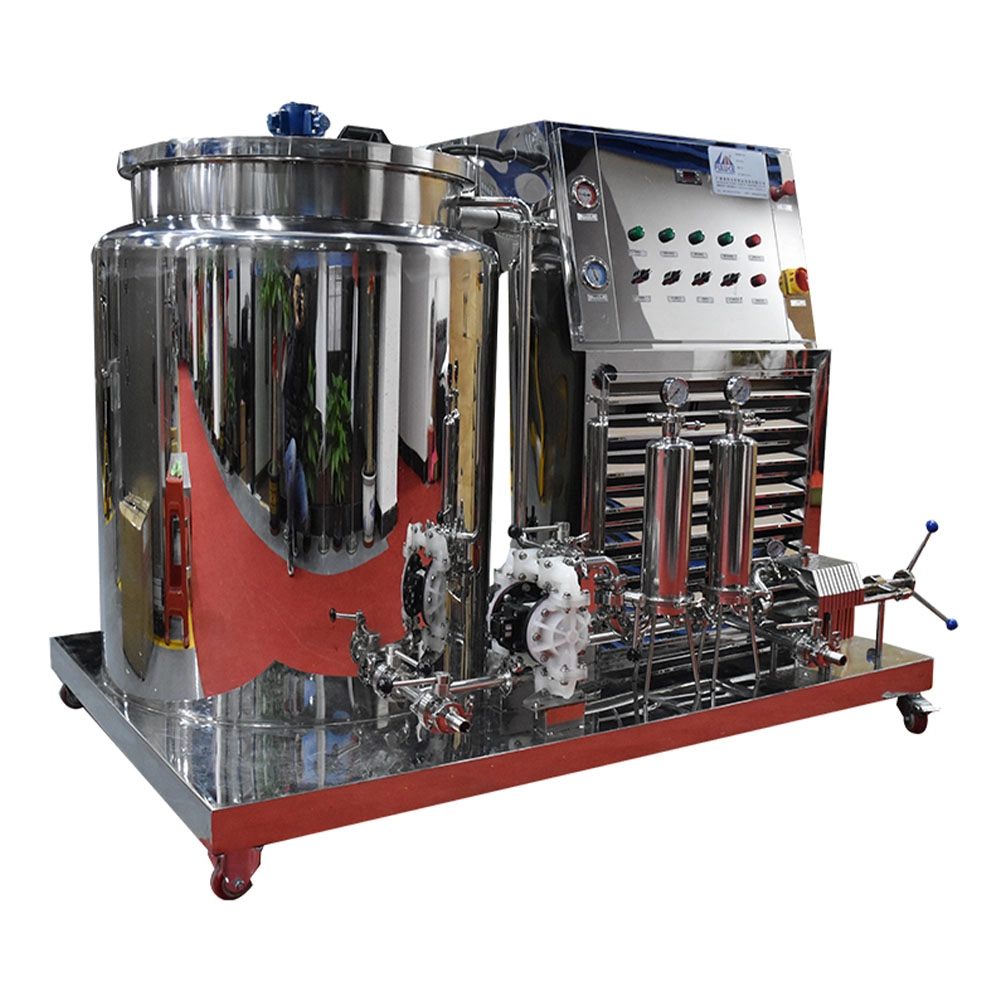
Perfume Freezing Filter Making Machine
Why does perfume require freeze filtration? Is traditional filtration an alternative?
Traditional filtration only removes visible solid impurities. Soluble organic matter, colloids, and trace microorganisms in perfume are difficult to separate at room temperature, easily leading to turbidity, precipitation, and aroma deterioration after storage. Freeze filtration uses a low-temperature environment of -5°C to -15°C (depending on the formulation) to condense these hidden impurities into solid particles. These particles are then thoroughly trapped through precision filtration, while simultaneously allowing the fragrance components to fully blend. This is a core process that ensures the stability of high-end perfumes.
Perfume Filling Machine
What can you buy from us?
RO Water Treatment、Vacuum Emulsifying Machine、Homogenizer Mixing Tank、Filling and Capping、labeling Machine、Packing Machine、Storage Tank,etc.
FAQs
What sets FULUKE apart from other cosmetics machinery manufacturers?
Vacuum Emulsifying Machine
How does the vacuum homogenizer work?
The vacuum homogenizer's operating process revolves around four core steps: vacuum degassing, high-speed homogenization and emulsification, stirring and mixing, and temperature control. Through the coordinated operation of multiple systems, it achieves refined material processing. The following is its specific operating principle and process:
1. Pretreatment: Material feeding and vacuum environment establishment
Material preparation: First, add the basic materials, such as the oil phase (such as oils and waxes) and the aqueous phase (such as water and water-soluble ingredients), to their corresponding batching tanks or directly into the main emulsifier in sequence.
Evacuation: Activate the vacuum system (consisting of a vacuum pump, vacuum valve, etc.) to evacuate the interior of the emulsifier, creating a negative pressure environment (typically up to -0.09 MPa).
2. Core Process: Temperature Control (Heating/Cooling)
3. Core Process: Agitation and Mixing
Agitation Structure: Typically uses a "frame agitator + scraper" combination (for high-viscosity materials):
Through shearing, folding, and convection, the different materials are initially mixed and their stratification is broken down.
The PTFE scraper rotates closely against the pot wall, thoroughly scraping away any sticky material adhering to the pot wall, preventing localized overheating and residue, and ensuring zero dead zones.
4. Core Process: High-Speed Homogenization and Emulsification
Homogenizer Structure: A high-speed rotating homogenizer is installed at the bottom (or side) of the emulsifier, consisting of a rotor (with sharp teeth) and a stator (with fixed teeth). Working Principle: The rotor rotates at an extremely high speed, generating a strong centrifugal force that draws the material into the gap between the rotor and the stator. In this gap, the material is subjected to the triple effects of shear force, impact force, and turbulent force. The teeth of the rotor and stator quickly cut the material and generate high-frequency vibrations.
The Flip Cover Liquid Wash Mixing Homogenizing Tank
What can you buy from us?
RO Water Treatment、Vacuum Emulsifying Machine、Homogenizer Mixing Tank、Filling and Capping、labeling Machine、Packing Machine、Storage Tank,etc.
You May Also Like
Perfume Freezing Filter Making Machine Fragrance Making Machine with Cooling Stirring System Perfume Chiller
Automatic Tube Filling and Sealing Machine Toothpaste Sunscreen and Facial Cleanser Filling and Sealing Machine for Plastic and Aluminum-plastic Tube
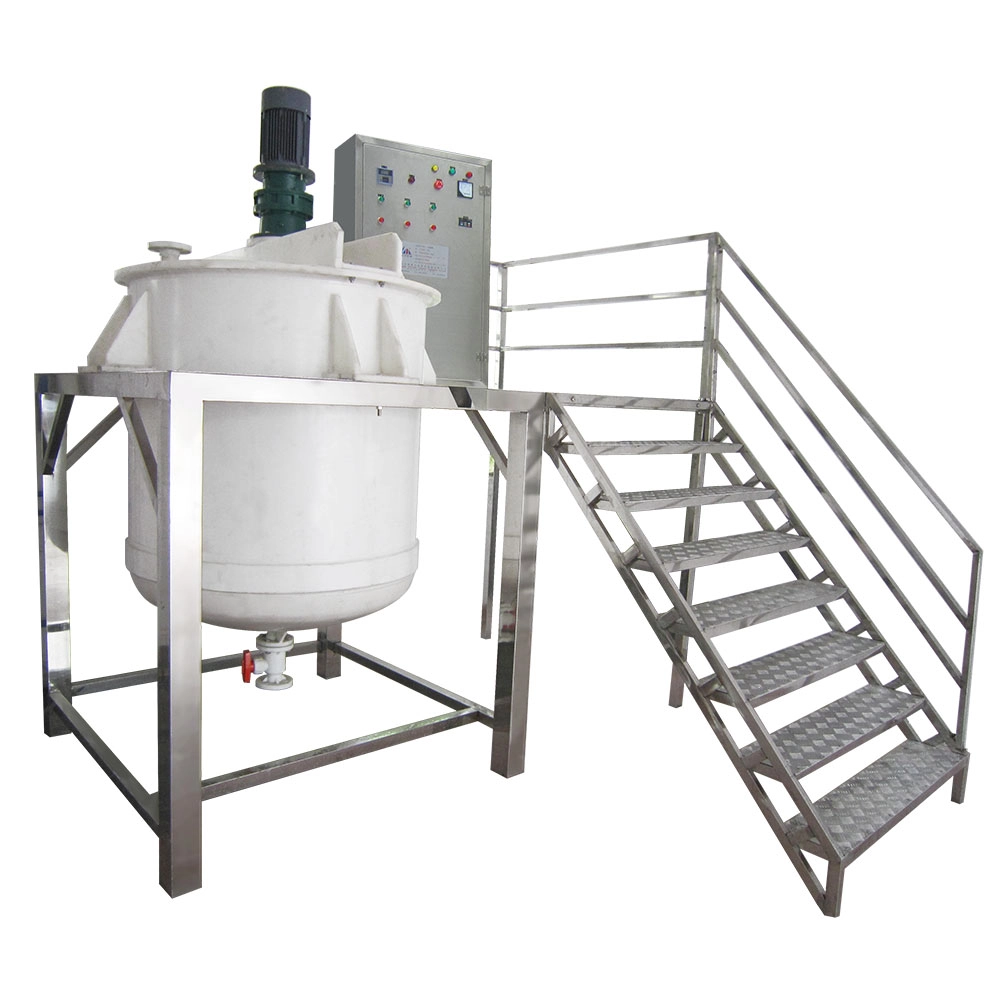
Polypropylene PP Mixing Tank Anti-Corrosion Mixer Reaction Kettle with Agitator Chemical Mixing Vessel
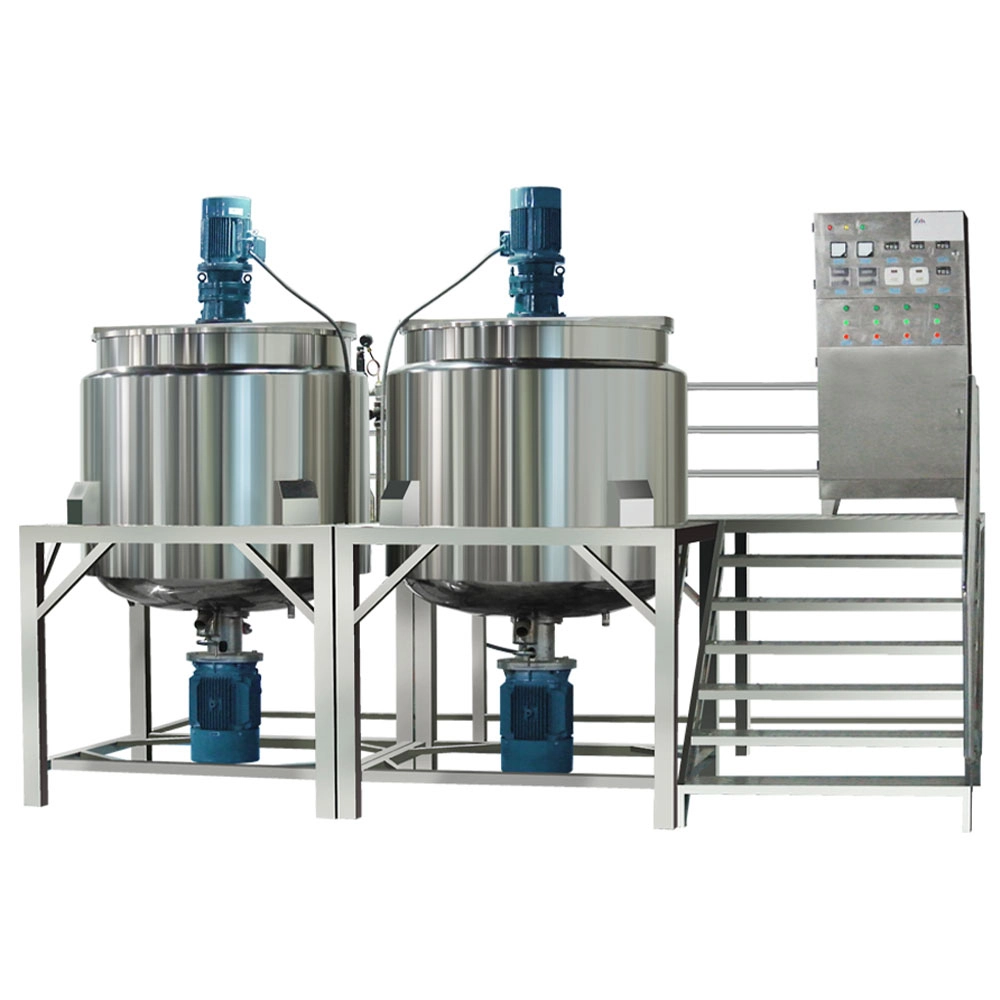
Flip Cover Multi-function Liquid Wash Mixing Tank Blender Liquid Detergent Mixer Homogenization Stirring Tank
Get in touch with FULUKE
If you have any comments or good suggestions, please leave us a message, later our professional staff will contact you as soon as possible.

A leading manufacturer specializing in advanced machinery and complete production lines for the cosmetics, food, pharmaceutical, and chemical industries worldwide.
Contact FULUKE
Facebook
Instagram
YouTube