
Installation and Maintenance Guide for Rotary Vacuum Gear Pumps
- Rotary Vacuum Gear Pumps: Why They’re Ideal for Perfume Making Equipment
- How rotary vacuum gear pumps work and what makes them suitable
- Key performance metrics to verify at installation
- Material compatibility and contamination control
- Installation Guide: Step-by-Step Commissioning for Reliability
- Site preparation and environmental considerations
- Mechanical installation and alignment
- Electrical, servo, and PLC integration
- Maintenance and Troubleshooting: Maximize Uptime and Accuracy
- Routine maintenance schedule and checklists
- Common issues, root causes, and fixes
- Spare parts and consumables management
- Best Practices, Cleaning Validation, and Compliance
- Cleaning validation and hygiene for perfume production
- Safety, explosion-proofing, and environmental controls
- Upgrades and scalable production line integration
- Case Example and Practical Checklist
- Typical commissioning checklist (quick)
- Example: Integrating the High Quality Perfume Filling Machine
- FAQ — Common Questions About Rotary Vacuum Gear Pumps and Perfume Filling
- Q: Are rotary vacuum gear pumps compatible with all fragrance oils?
- Q: How often should pump seals and hoses be replaced?
- Q: What vacuum level is required for accurate perfume filling?
- Q: Can I retrofit an existing filling line with a rotary vacuum gear pump?
- Q: How do I validate cleaning between fragrance changeovers?
- Q: Where can I find standards and guidance for cosmetics manufacturing?
- Contact & Product Inquiry
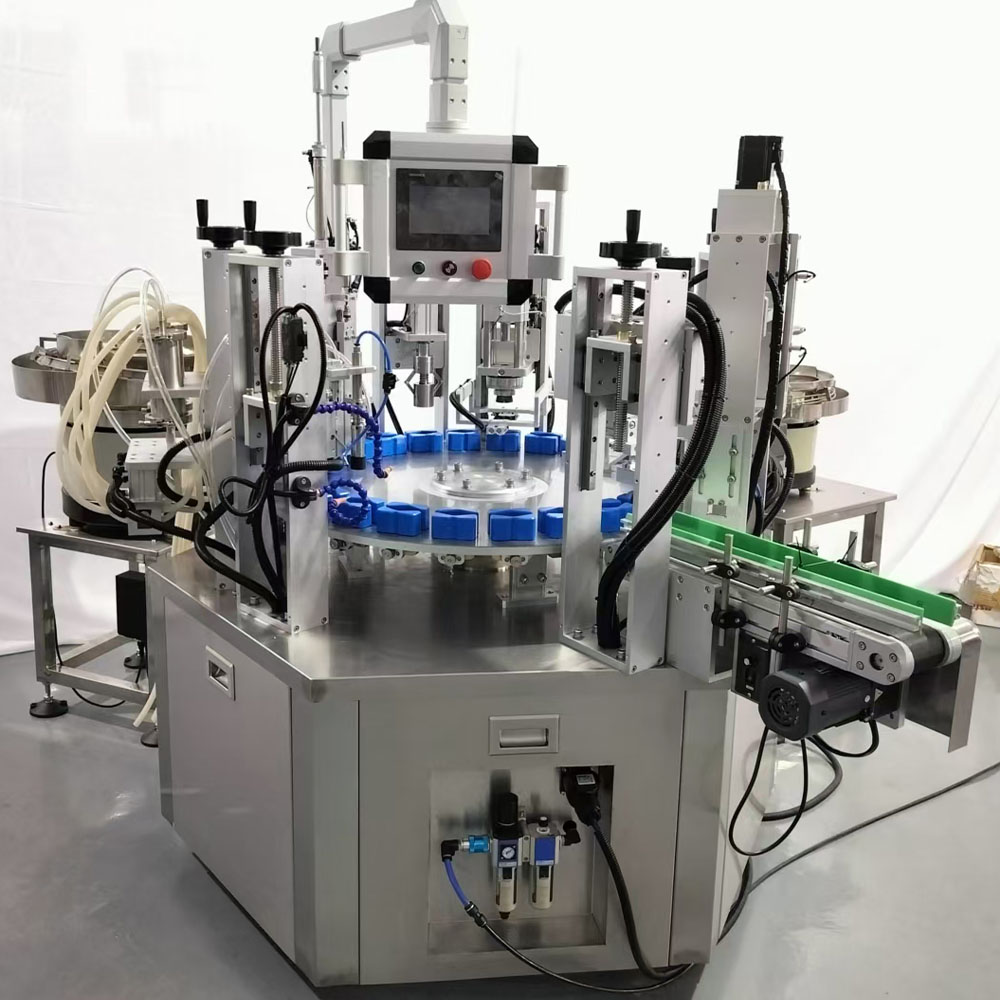
This guide provides actionable, field-tested steps for installing and maintaining rotary vacuum gear pumps used in perfume making equipment such as the High Quality Perfume Filling Machine Perfume Rotary Vacuum Gear Pump Liquid Perfume Oil Filling Crimping Capping Filler Machine. It focuses on reducing downtime, ensuring product purity for highly volatile, low-viscosity liquids, and meeting cosmetic industry GMP and safety expectations. The procedures below address mechanical alignment, vacuum system commissioning, PLC/servo integration, cleaning validation, and scheduled maintenance to keep filling accuracy within ≤±1% and liquid level consistency above 99%.
Rotary Vacuum Gear Pumps: Why They’re Ideal for Perfume Making Equipment
How rotary vacuum gear pumps work and what makes them suitable
Rotary vacuum gear pumps combine a rotating gear mechanism with a vacuum chamber to draw and meter low-viscosity, volatile liquids precisely. For perfume making equipment, the vacuum filling method minimizes foaming and reduces exposure of fragrances to air, preserving volatile top notes. Their positive-displacement action delivers consistent volume per rotation, which — when paired with servo control and PLC integration — achieves the tight filling tolerances required for perfumes and essential oils.
Key performance metrics to verify at installation
When commissioning a pump for a perfume filling line, verify these metrics: vacuum level under load, volumetric repeatability (should support filling error ≤±1% for suitable machines), flow stability across product viscosity range, and material compatibility. For reference on pump types and vacuum technologies, see the general overview on vacuum pumps: Wikipedia: Vacuum pump and gear pump fundamentals: Wikipedia: Gear pump.
Material compatibility and contamination control
Perfumes and essential oils are chemically active and can be affected by plasticizers or incompatible metals. Use pumps and wetted parts made of SUS316L stainless steel and corrosion-resistant hoses as in the High Quality Perfume Filling Machine. These materials lower the risk of contamination and comply with cosmetic manufacturing best-practices such as ISO 22716 (Good Manufacturing Practices for cosmetics): ISO 22716.
Installation Guide: Step-by-Step Commissioning for Reliability
Site preparation and environmental considerations
Before installation, confirm the workspace meets environmental and utility requirements: stable floor with vibration damping, ambient temperature control (avoid extreme heat that accelerates product evaporation), and appropriate ventilation for volatile organic compounds. Where explosion risk is present, request explosion-proof configurations and grounding per local regulations. Check electrical supply for correct voltage, phase, and dedicated earth connection for servo drives and PLCs.
Mechanical installation and alignment
1) Unpack and inspect the pump and filling head for shipping damage. 2) Mount the pump on a rigid baseplate with anti-vibration mounts to prevent gear misalignment. 3) Verify shaft coupling alignment — misalignment is a leading cause of premature seal and bearing failure. 4) Connect suction and discharge hoses using sanitary clamps; ensure hoses are full-bore and compatible with fragrance oils. Tighten clamps to the recommended torque and avoid kinking lines which restrict flow.
Electrical, servo, and PLC integration
Integrate the pump's servo motor and vacuum sensors with the machine PLC and HMI. Calibrate encoder feedback and verify closed-loop control to maintain accurate fill volumes. Program safety interlocks for capper and conveyor linkage to prevent mismatched states. For hygiene and auditability, log fill counts and vacuum sensor records for traceability. For regulatory context on cosmetics oversight, consult the FDA cosmetics information portal: FDA Cosmetics.
Maintenance and Troubleshooting: Maximize Uptime and Accuracy
Routine maintenance schedule and checklists
Perform daily, weekly, and monthly checks to sustain accuracy and cleanliness. Below is a practical maintenance table that can be adapted to production intensity and product corrosivity.
| Component | Daily | Weekly | Monthly / Quarterly |
|---|---|---|---|
| Wetted parts (SUS316L, hoses) | Wipe down after shift; check for residue | Sanitize per cleaning SOP | Inspect for corrosion, replace hoses if softened |
| Seals and O-rings | Visually inspect for leaks | Lubricate or replace as needed | Full seal replacement (interval per runtime) |
| Inspection of couplings & bearings | Listen for unusual noise | Check coupling alignment | Re-grease or replace bearings |
| Vacuum sensors & meters | Verify reading at idle & under load | Calibrate sensors | Full calibration or replacement |
Common issues, root causes, and fixes
- Low or fluctuating vacuum: check for leaks on flange clamps, hose crimps, and seals. Use a soap test or vacuum gauge trend logs to locate leaks. - Inconsistent fill volume: verify servo tuning (PID), check for slippage in couplings, and verify that air entrainment is not occurring in the suction line. - Contamination/odor carryover: ensure cleaning SOPs (CIP or manual) remove residues; replace hoses and seals that have absorbed fragrance. - Excessive noise or vibration: usually due to misalignment, bearing wear, or cavitation caused by restricted suction.
Spare parts and consumables management
Maintain a critical spares list: seals/O-rings (SILICONE/FKM compatible with fragrance oils), spare SUS316L pump rotor/stator components (if applicable), vacuum sensor, motor encoder, and peristaltic or PTFE hoses. Track mean time between failures (MTBF) in your maintenance logs and reorder critical items before stockout to avoid extended downtime.
Best Practices, Cleaning Validation, and Compliance
Cleaning validation and hygiene for perfume production
Perfume making equipment must prevent cross-contamination between fragrances and maintain organoleptic integrity. Adopt validated cleaning procedures consistent with cosmetic GMP such as ISO 22716. Where possible, use Clean-In-Place (CIP) protocols for lines; otherwise, implement documented manual cleaning steps with appropriate solvents that are compatible with SUS316L and hoses. Record swab test results and, when needed, use gas chromatography checks to ensure residue levels are below acceptance limits.
Safety, explosion-proofing, and environmental controls
Perfume vapors can be flammable. When installing pumps and electrical equipment in areas with volatile solvents, evaluate the need for ATEX or equivalent explosion-proof equipment. Grounding, ventilation, and solvent vapor detectors reduce risk. Work with electrical and safety engineers to certify installations comply with local regulations and industry guidance (see European cosmetics regulatory overview: European Commission: Cosmetics).
Upgrades and scalable production line integration
For higher throughput or multi-product lines, consider modular pump heads and multiple vacuum reservoirs to allow rapid product changeovers. PLC-controlled recipes can store servo parameters for each fragrance, speeding model changes and maintaining the filling error of ≤±1% as you scale. Link data logging to your Manufacturing Execution System (MES) for batch traceability.
Case Example and Practical Checklist
Typical commissioning checklist (quick)
- Confirm floor load and anti-vibration mounting.
- Verify electrical supply and earth connection; test servo motor wiring and encoder feedback.
- Install SUS316L wetted parts and confirm clamp torques.
- Calibrate vacuum sensors and perform trial fills with water then product.
- Run a validation batch and measure filling error and liquid level consistency.
- Document all settings and store in PLC recipe library.
Example: Integrating the High Quality Perfume Filling Machine
The perfume filling machine is a high-precision intelligent filling device. Designed specifically for highly volatile, low-viscosity liquids such as perfumes and fragrances, it utilizes vacuum negative pressure filling technology and servo control, achieving a filling error of ≤±1% and a liquid level consistency exceeding 99%. The parts of the machine that come into contact with the material are constructed of SUS316L stainless steel and corrosion-resistant hoses, free of plasticizers and other contaminants.
This machine features negative ion dust removal, vacuum filling, automatic pump head loading, automatic capping, and automatic mid-sleeve loading, making it particularly suitable for filling perfumes, essential oils, floral water, aromatherapy, and spray bottles. The PLC touch screen is easy to operate, and model changes and adjustments take only minutes. Explosion-proof configurations and production line linkage solutions can also be customized on demand.
FAQ — Common Questions About Rotary Vacuum Gear Pumps and Perfume Filling
Q: Are rotary vacuum gear pumps compatible with all fragrance oils?
A: Most rotary vacuum gear pumps are compatible with low-viscosity fragrance oils, but always confirm chemical compatibility of seals, O-rings, and hoses. SUS316L wetted parts are preferable to minimize corrosion and contamination risk. Perform compatibility testing for aggressive or exotic solvents.
Q: How often should pump seals and hoses be replaced?
A: Replacement intervals depend on usage, solvent aggressiveness, and production hours. Typical preventive replacement is every 3–12 months for seals and 6–18 months for hoses, but high-production lines or aggressive fragrances may require more frequent changes. Use the maintenance table above and your in-house logs to set intervals.
Q: What vacuum level is required for accurate perfume filling?
A: Required vacuum levels vary by nozzle design and product volatility. The pump should achieve a stable vacuum under load without cavitation; the machine manufacturer's recommended operating vacuum should be used. Calibration and tuning via servo parameters are critical for achieving ≤±1% filling error.
Q: Can I retrofit an existing filling line with a rotary vacuum gear pump?
A: Yes, retrofits are common. Evaluate mechanical mounting, suction manifold routing, electrical integration for the servo and PLC, and control logic changes. Work with an experienced integrator to ensure hygienic connections and validation of fill accuracy post-retrofit.
Q: How do I validate cleaning between fragrance changeovers?
A: Use a risk-based cleaning validation approach consistent with ISO 22716. For high-risk fragrances, combine CIP (if available) with swab sampling and analytical methods (e.g., GC) to verify residue removal. Document acceptance criteria and results.
Q: Where can I find standards and guidance for cosmetics manufacturing?
A: Authoritative references include ISO 22716 (cosmetic GMP) (ISO 22716), FDA cosmetics information (FDA Cosmetics), and regional regulations such as the European Commission cosmetics sector guidance (EU Cosmetics).
Contact & Product Inquiry
For customized configurations, explosion-proof options, production line linkage solutions, or to request a quote for the High Quality Perfume Filling Machine Perfume Rotary Vacuum Gear Pump Liquid Perfume Oil Filling Crimping Capping Filler Machine, contact our sales engineering team: sales@example.com. To view detailed specifications and order information, visit our product page: View Product Details.
References and further reading: Vacuum pump — Wikipedia; Gear pump — Wikipedia; ISO 22716; FDA: Cosmetics; European Commission: Cosmetics.
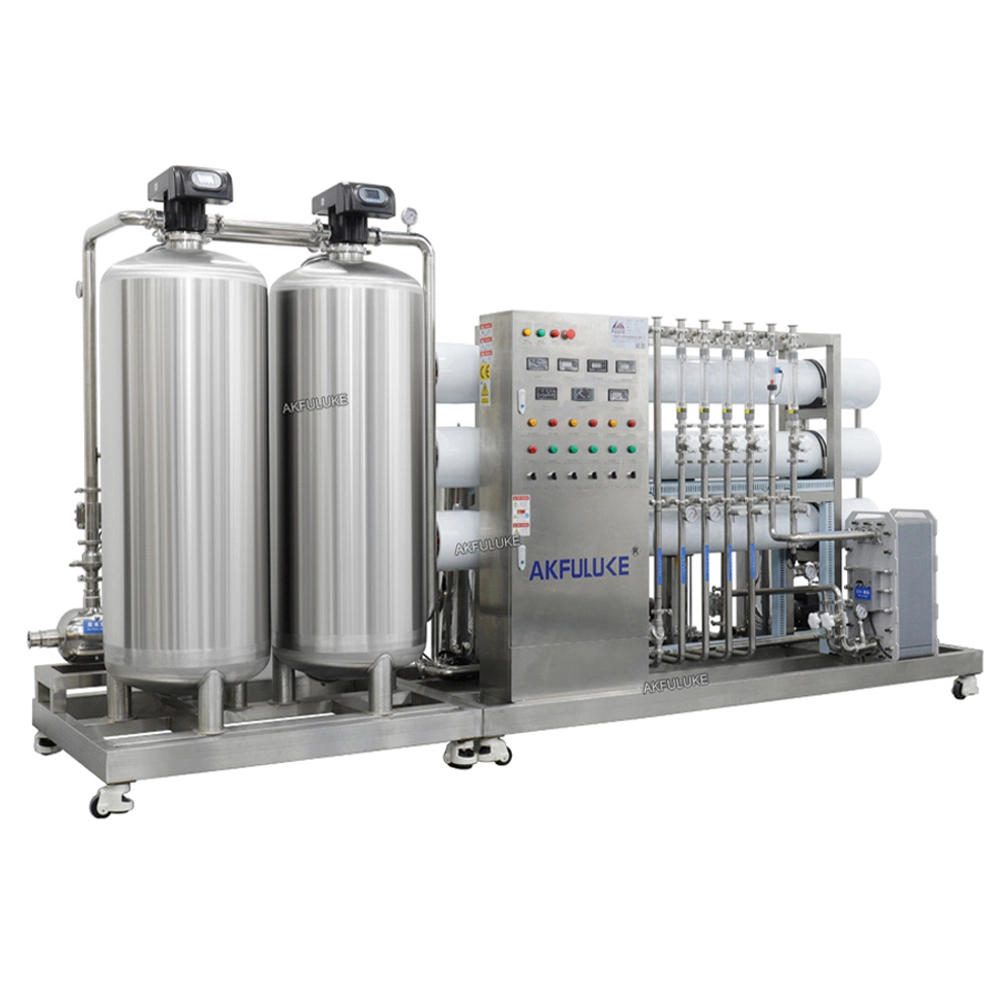
Integration: Pre-treatment and Post-treatment for RO Installations
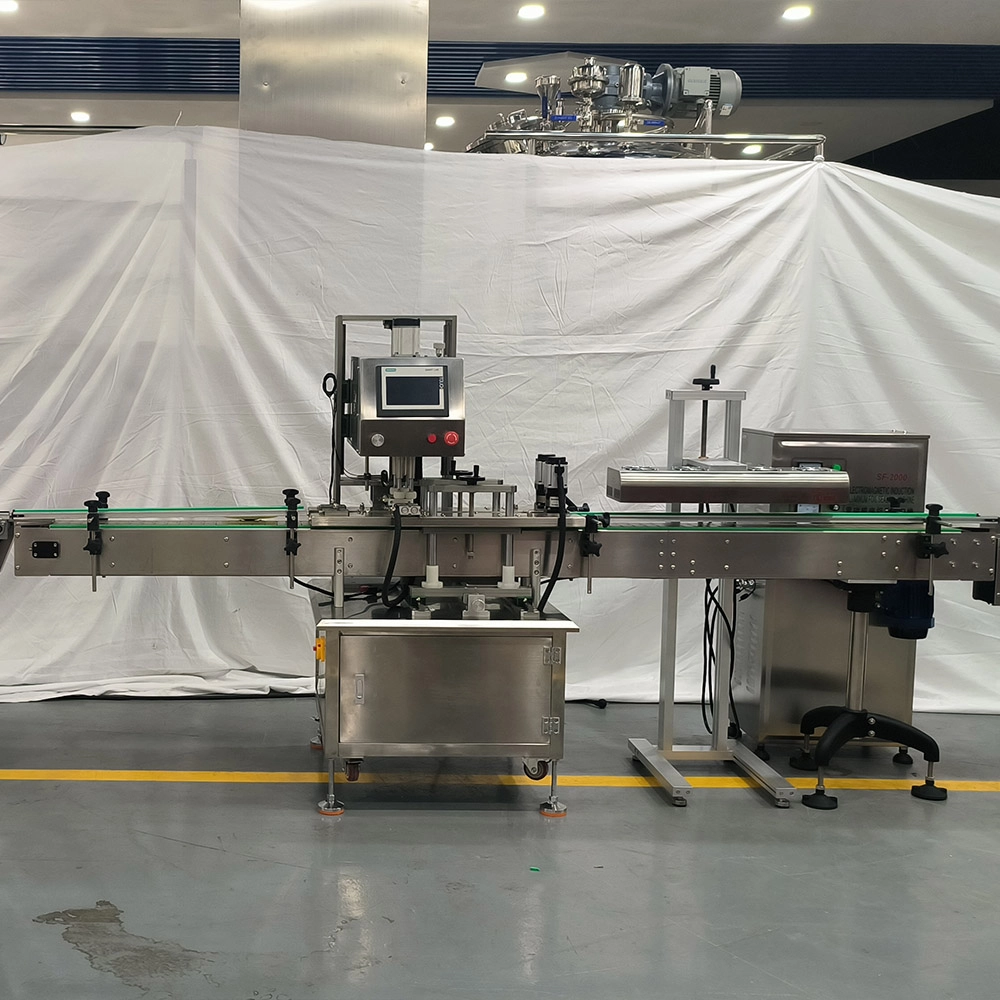
Integration of Filling Machines with Bottle Cappers and Labelers
Integrating Automatic Filling Machines into Production Lines
Implementing CIP Systems with Cream Filling Machines
Polypropylene PP Mixing Tank
Can you make a design for us?
Yes, we can, we provide not only products, but also solutions and designs.
The sticky material on the inner wall of a mixing pot is difficult to clean after use. What are some effective cleaning methods?
The inner wall of a PP mixing pot is smooth and rust-free. Cleaning the sticky material can be done based on the material characteristics and the type of material:
General cleaning (water-soluble/low-viscosity sticky materials): Use a high-pressure water jet to directly flush the inner wall, and use a soft-bristled brush (to avoid scratching the PP surface) to scrub any hard corners. If there is dried-on material, soak it in warm water (≤60°C) for 10-30 minutes to soften it before rinsing.
Stubborn sticky material (oily/high-viscosity materials): Use a neutral detergent (such as dishwashing liquid) or a suitable weak solvent (such as ethanol; verify compatibility between the material and the solvent) to wipe it clean, then rinse with clean water. Avoid using strong acid or alkaline cleaning agents (although PP is corrosion-resistant, they may react with residual material to produce harmful substances).
Long-term maintenance: Clean the pot promptly after each use to prevent material from drying out. After cleaning, wipe the inner wall dry to prevent microbial growth in a humid environment.
Inkjet Printing Machine
Who are we?
Our headquarters is located in Guangzhou, Guangdong, China, and our factory is located in Yangzhou, Jiangsu. Our products are sold all over the world. We have approximately 50 employees in our company and factory.
Automatic Tube Filling and Sealing Machine
Why are wrinkles, leaks, or uneven edges appearing after sealing? How can this be addressed?
These issues are often caused by three core factors, with corresponding solutions as follows:
Temperature mismatch: If the temperature is too low, the edge seal will not adhere well and leaks may occur; if the temperature is too high, it may burn and wrinkle. Adjust the sealing temperature using the PLC touch screen.
Insufficient pressure/time: The sealing cylinder pressure should be adjusted according to the hose material, and the sealing head pressing time should be ≥ 1.5 seconds to avoid a poor seal caused by insufficient pressure or short pressing time.
Mold wear/alignment deviation: Inspect the sealing mold for scratches and deformation. Replace if worn. If the label is misaligned with the seal, calibrate the photoelectric sensor position.
Automatic Facial Mask Filling Machine
Can you customize the machine?
Of course, we provide customized services according to customer needs.
You May Also Like
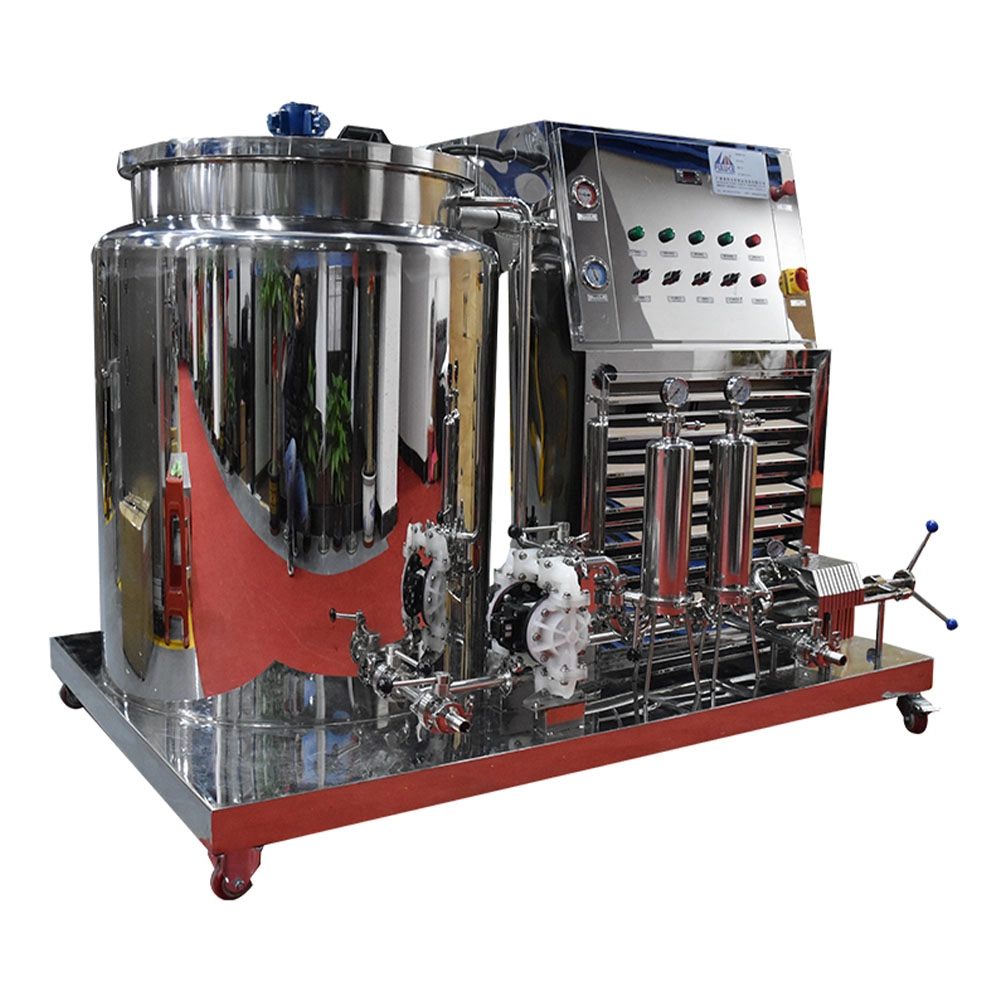
Perfume Freezing Filter Making Machine Fragrance Making Machine with Cooling Stirring System Perfume Chiller
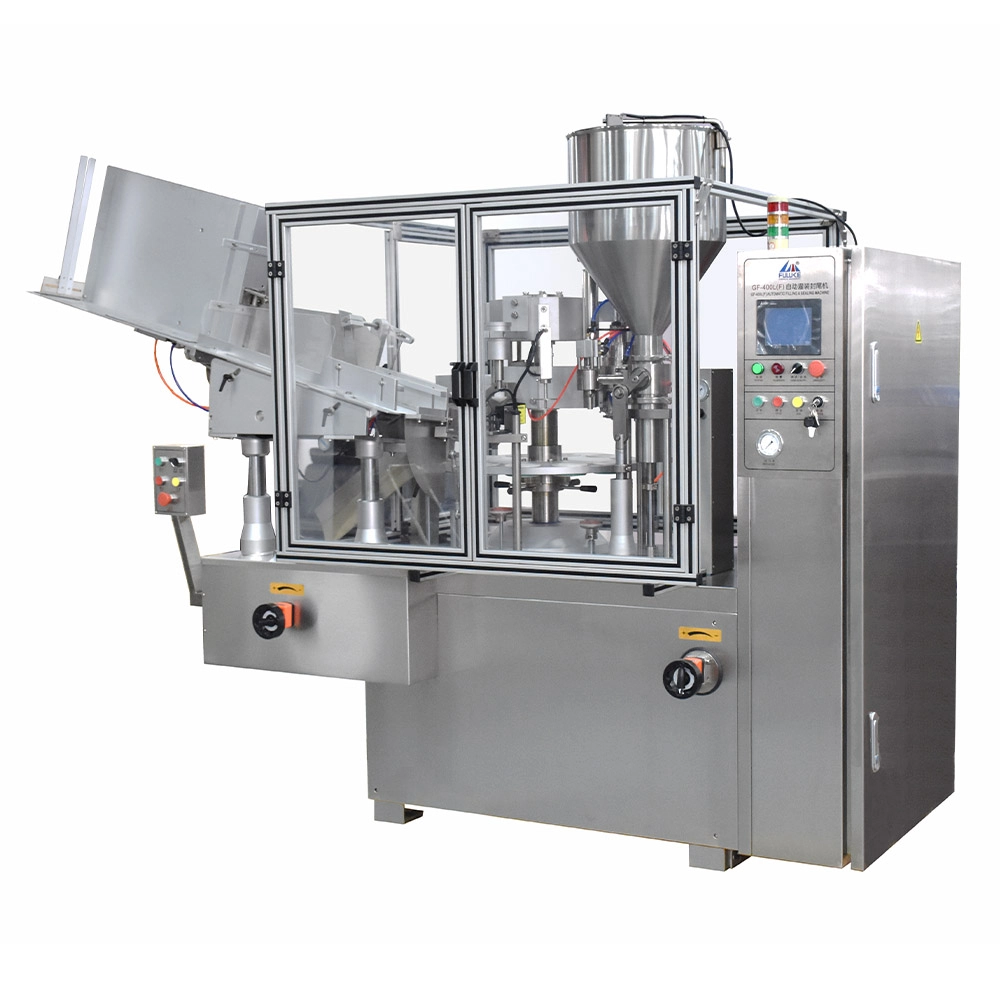
Automatic Tube Filling and Sealing Machine Toothpaste Sunscreen and Facial Cleanser Filling and Sealing Machine for Plastic and Aluminum-plastic Tube
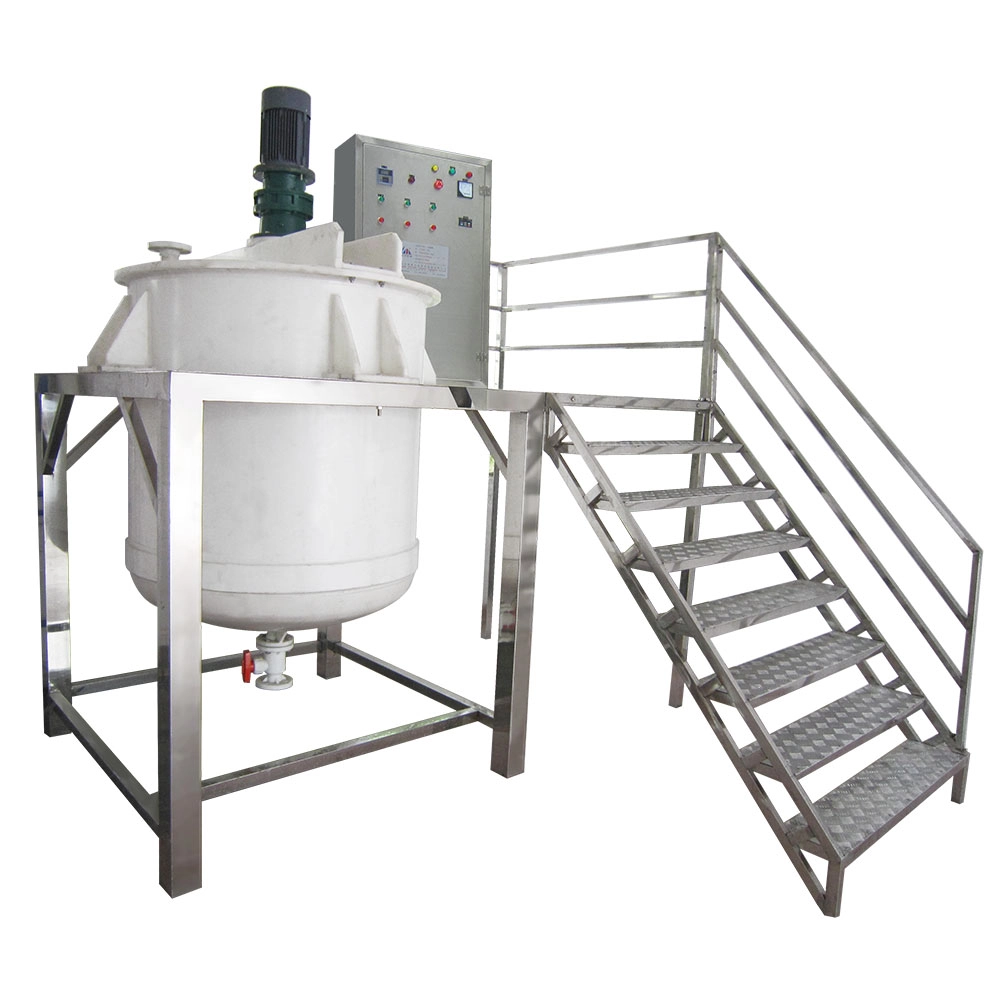
Polypropylene PP Mixing Tank Anti-Corrosion Mixer Reaction Kettle with Agitator Chemical Mixing Vessel
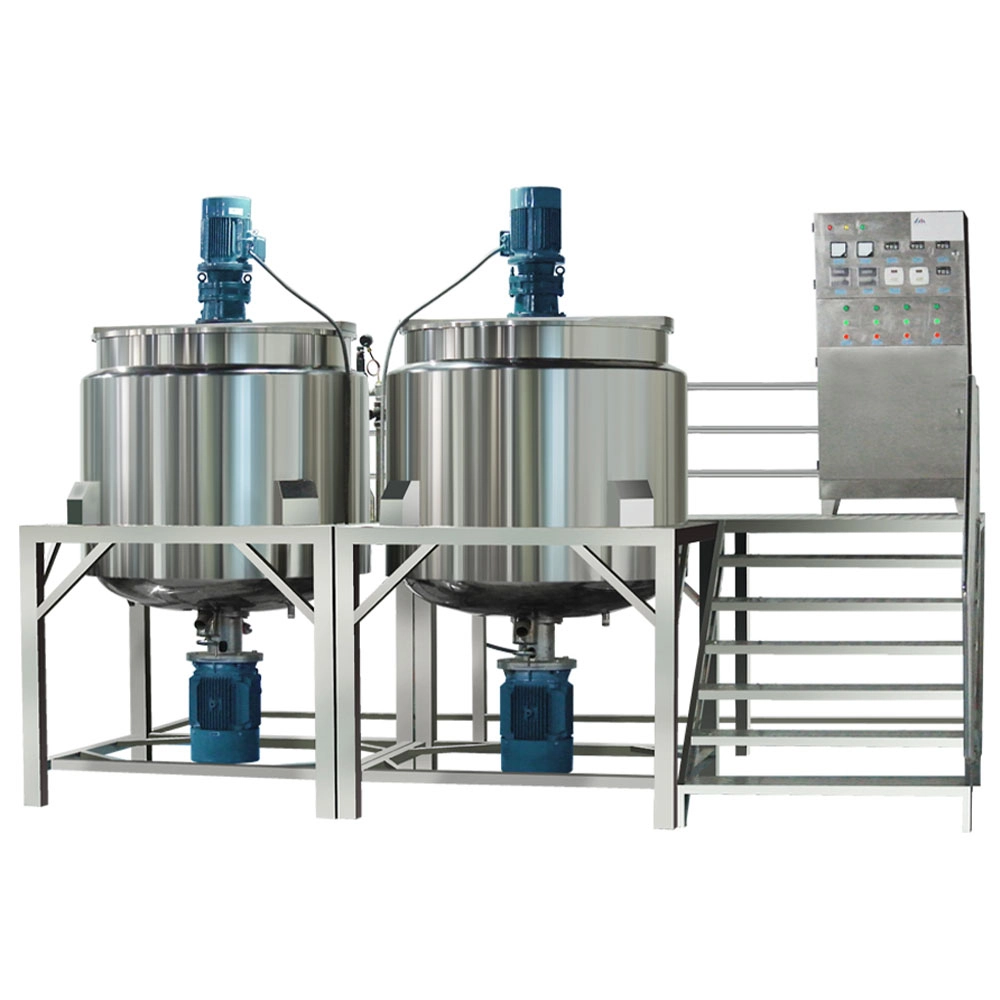
Flip Cover Multi-function Liquid Wash Mixing Tank Blender Liquid Detergent Mixer Homogenization Stirring Tank
Get in touch with FULUKE
If you have any comments or good suggestions, please leave us a message, later our professional staff will contact you as soon as possible.

A leading manufacturer specializing in advanced machinery and complete production lines for the cosmetics, food, pharmaceutical, and chemical industries worldwide.
Contact FULUKE
Facebook
Instagram
YouTube