
Top 10 Perfume Filling Machine Manufacturers for Bulk Production
- Leading suppliers and what differentiates them
- Global systems integrators (scalable lines)
- Specialized perfume and cosmetic equipment makers
- Cost-effective, high-volume Chinese and regional OEMs
- Top 10 manufacturers: capabilities and ideal use-cases
- 1. Syntegon (Bosch Packaging)
- 2. IMA Group
- 3. Sidel
- 4. KOSME
- 5. Coesia / Zalkin
- 6. GEA
- 7. Serac
- 8. Accutek Packaging
- 9. Specialized Chinese OEMs (select partners)
- 10. Regional custom engineering firms
- How to evaluate a perfume filling machine supplier
- Key technical specifications to compare
- Operational and regulatory considerations
- Service, spares and documentation
- Product spotlight: High Quality Perfume Filling Machine
- Overview and core features
- Why this model suits bulk perfume production
- Comparative snapshot
- Best practices for installation, validation and maintenance
- Pre-installation and site preparation
- Commissioning and validation
- Maintenance and spare parts strategy
- References & authoritative guidance
- Frequently Asked Questions (FAQ)
- Q1: What filling method is best for perfumes — vacuum filling or piston filling?
- Q2: How important is material selection (SUS316L) for perfume filling equipment?
- Q3: Do I need explosion-proof equipment for perfume production?
- Q4: How can I validate fill accuracy for regulatory compliance?
- Q5: What after-sales support should I expect from top manufacturers?
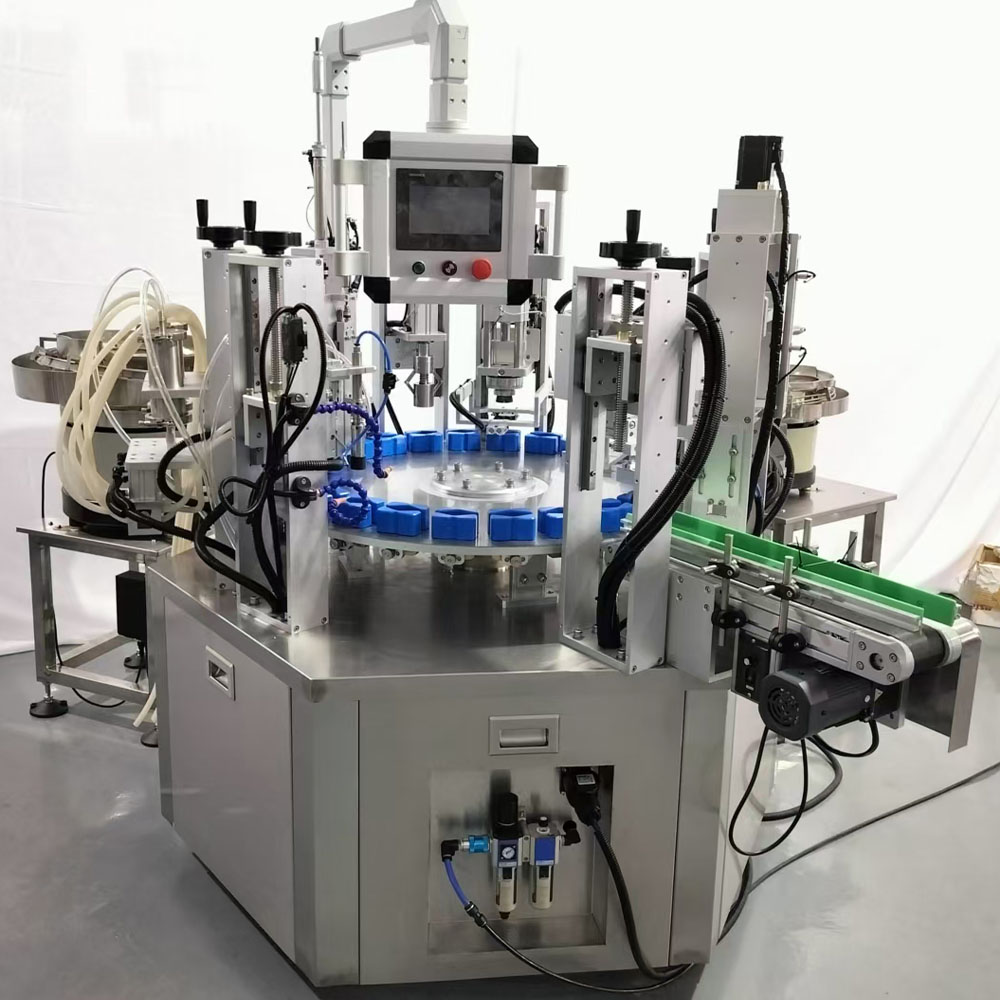
For manufacturers scaling fragrance production, choosing reliable perfume making equipment is crucial to ensure consistent fill accuracy, preservative-free contact surfaces, and integration with high-speed packaging lines. This guide evaluates ten reputable manufacturers that supply machines tailored for volatile, low-viscosity liquids such as perfumes and essential oils, compares key technical features, and highlights how the High Quality Perfume Filling Machine Perfume Rotary Vacuum Gear Pump Liquid Perfume Oil Filling Crimping Capping Filler Machine meets the demands of bulk production.
Leading suppliers and what differentiates them
Global systems integrators (scalable lines)
Manufacturers such as Syntegon (formerly Bosch Packaging Technology), IMA Group, and Sidel specialize in large-scale, integrated packaging lines that include filling, capping, labeling, and secondary packaging. These suppliers are a good choice when you need turnkey lines with validated throughput, integration with palletizing and in-line QC, and access to global after-sales support. Syntegon and similar companies emphasize compliance with international standards and can provide solutions with explosion-proof options for volatile liquids.
Specialized perfume and cosmetic equipment makers
Companies that focus on cosmetics and fragrances—such as KOSME and certain Coesia group brands (including Zalkin)—offer machines engineered specifically for perfume making equipment requirements: low-viscosity filling, anti-contamination materials (SUS316L), and precise dosing with minimal drift. These vendors often provide rotary vacuum filling and servo-driven systems optimized for glass and spray bottle formats.
Cost-effective, high-volume Chinese and regional OEMs
For many brands, Chinese and regional OEMs provide competitive capital costs and rapid lead times for bulk machinery. Reputable suppliers in this group can deliver high-speed rotary fillers, vacuum filling solutions, and custom line configurations. When choosing an OEM, evaluate documentation quality, parts traceability, and availability of spare parts to meet GMP expectations.
Top 10 manufacturers: capabilities and ideal use-cases
The following curated list focuses on vendors known for perfume filling solutions suitable for bulk production. Selections were made based on industry presence, product families that support volatile liquids, and ability to offer machine options like vacuum negative pressure filling, servo control, and explosion-proof configurations.
1. Syntegon (Bosch Packaging)
Strengths: Turnkey lines, strong global service network, validated hygiene solutions. Ideal for: multinational brands needing integrated filling and packaging lines with strong QA/QC protocols.
2. IMA Group
Strengths: Broad portfolio across pharmaceuticals and cosmetics; precision dosing systems. Ideal for: companies that prioritize dosing accuracy and cross-industry compliance expertise.
3. Sidel
Strengths: High-speed rotary machines, line integration expertise. Ideal for: high-throughput filling of spray-cap formats and glass bottles in continuous production environments.
4. KOSME
Strengths: Specialized cosmetics machinery with flexibility for bottle formats and decorative finishing. Ideal for: cosmetic houses that require tight process control and secondary operations like sleeve loading and capping.
5. Coesia / Zalkin
Strengths: Experience in closures and capping systems, robust mechanical designs. Ideal for: operations that need precise sealing and capping for high-value perfumes.
6. GEA
Strengths: Hygienic engineering, strong material-contact expertise, and scalable solutions. Ideal for: manufacturers seeking stainless-steel engineering excellence and easy CIP integration.
7. Serac
Strengths: Liquid filling specialists with a focus on accuracy and modularity. Ideal for: medium-to-high speed perfume filling where compact layouts are necessary.
8. Accutek Packaging
Strengths: Cost-effective rotary and inline fillers, strong aftermarket support in North America. Ideal for: mid-sized producers who want reliable equipment without large CAPEX commitments.
9. Specialized Chinese OEMs (select partners)
Strengths: Competitive pricing, fast production lead times, flexible customization (vacuum filling, explosion-proof variants). Ideal for: companies on a budget that still require tailored perfume making equipment — choose vendors with strong QC documentation and references.
10. Regional custom engineering firms
Strengths: Highly customizable solutions and close collaboration during design. Ideal for: niche producers with unique bottle designs or integrated decorative requirements (sleeving, crimping, special caps).
How to evaluate a perfume filling machine supplier
Key technical specifications to compare
When assessing perfume making equipment for bulk production, focus on:
- Filling accuracy and repeatability (≤ ±1% is desirable for perfumes).
- Material-contact components (prefer SUS316L stainless steel and PTFE/corrosion-resistant hoses to avoid plasticizer contamination).
- Filling technology: vacuum negative pressure filling vs. piston vs. peristaltic vs. rotary gear pump — choose based on volatility, foaming tendency, and required throughput.
- Throughput (bottles per minute) and ability to scale via modular additions.
- Explosion-proof options and compliance with local safety regulations for flammable VOCs.
Operational and regulatory considerations
Ask vendors for documentation demonstrating compliance with industry best practices. For cosmetics production, ISO 22716 Good Manufacturing Practices for cosmetics is widely used as a guideline for GMP-compliant production (see ISO 22716 description: ISO 22716). Also review national regulatory guidance for cosmetics (for example the U.S. FDA’s cosmetics page: FDA Cosmetics). These resources help define sanitary design expectations and documentation requirements.
Service, spares and documentation
For bulk operations, machine uptime is critical. Evaluate each supplier’s spare parts lead times, local service footprint, remote troubleshooting capabilities, and availability of training and IQ/OQ/PQ documentation. Verified traceability of material certificates for SUS316L parts can reduce contamination risk.
Product spotlight: High Quality Perfume Filling Machine
Overview and core features
High Quality Perfume Filling Machine Perfume Rotary Vacuum Gear Pump Liquid Perfume Oil Filling Crimping Capping Filler Machine is a high-precision intelligent filling device built specifically for highly volatile, low-viscosity liquids like perfumes and fragrances. Below is the official product description:
The perfume filling machine is a high-precision intelligent filling device. Designed specifically for highly volatile, low-viscosity liquids such as perfumes and fragrances, it utilizes vacuum negative pressure filling technology and servo control, achieving a filling error of ≤±1% and a liquid level consistency exceeding 99%. The parts of the machine that come into contact with the material are constructed of SUS316L stainless steel and corrosion-resistant hoses, free of plasticizers and other contaminants.
This machine features negative ion dust removal, vacuum filling, automatic pump head loading, automatic capping, and automatic mid-sleeve loading, making it particularly suitable for filling perfumes, essential oils, floral water, aromatherapy, and spray bottles. The PLC touch screen is easy to operate, and model changes and adjustments take only minutes. Explosion-proof configurations and production line linkage solutions can also be customized on demand.
Why this model suits bulk perfume production
This model combines the critical elements needed for large-scale perfume filling: vacuum negative pressure filling (which minimizes volatilization and headspace issues), servo control for fine dosing and speed control, and material-contact components that meet cosmetic GMP expectations. Features such as automatic capping and sleeve loading reduce manual handling and improve cleanroom compatibility.
Comparative snapshot
Below is a simplified comparison table to help you contrast this machine with typical offerings from other supplier classes mentioned earlier.
| Feature | High Quality Perfume Filling Machine | Global Systems Integrator | Cost-effective OEM |
|---|---|---|---|
| Filling method | Rotary vacuum gear pump | Rotary/piston/peristaltic (custom) | Rotary or peristaltic |
| Material-contact | SUS316L & corrosion-resistant hoses | SUS316L, validated materials | Stainless (varies) — verify certificates |
| Accuracy | ≤ ±1% | Typically high; depends on model | Good; check validation data |
| Automation | Vacuum filling, auto capping, sleeve loading | Fully integrated line options | Modular automation possible |
| Explosion-proof option | Available (custom) | Available | Possible — confirm |
Best practices for installation, validation and maintenance
Pre-installation and site preparation
Ensure adequate ventilation, explosion-proof electrical supply (if handling flammable VOCs), and a controlled environment for dust and particulate. Confirm floor loading, compressed air quality, and availability of drain/CIP systems before equipment delivery.
Commissioning and validation
Require FAT (Factory Acceptance Test) and SAT (Site Acceptance Test) with defined acceptance criteria for fill accuracy, leak testing, and capping torque. Maintain IQ/OQ/PQ documentation and retain traceability for all material-contact parts. Refer to ISO 22716 for GMP-style requirements on documentation and hygienic practices (ISO 22716).
Maintenance and spare parts strategy
Implement a preventive maintenance program with key spare parts on hand (seals, pumps, servo controllers). Ensure the vendor provides clear troubleshooting guides and, if possible, remote diagnostic capabilities to reduce downtime.
References & authoritative guidance
- Perfume context and terminology: Wikipedia - Perfume
- Cosmetics regulatory guidance: U.S. Food & Drug Administration - Cosmetics
- Good Manufacturing Practices for cosmetics: ISO 22716
- European cosmetics industry overview: Cosmetics Europe
Frequently Asked Questions (FAQ)
Q1: What filling method is best for perfumes — vacuum filling or piston filling?
A1: For volatile, low-viscosity perfumes, vacuum negative pressure filling is typically preferred because it minimizes product loss from evaporation and ensures consistent liquid levels in glass bottles. Piston fillers can be used when high accuracy for higher-viscosity liquids is required, but they may introduce more shear and entrain air.
Q2: How important is material selection (SUS316L) for perfume filling equipment?
A2: Very important. SUS316L stainless steel and corrosion-resistant hoses prevent metallic contamination and interaction with fragrance compounds. They reduce the risk of plasticizers or other contaminants leaching into the product, which is essential for maintaining fragrance integrity and meeting cosmetic GMP standards.
Q3: Do I need explosion-proof equipment for perfume production?
A3: If your product contains flammable solvents or high VOC concentrations, explosion-proof (ATEX/NEC) configurations are often required by local regulations and are a recommended safety measure. Consult a safety engineer and your vendor to determine the appropriate classification.
Q4: How can I validate fill accuracy for regulatory compliance?
A4: Perform documented IQ/OQ/PQ testing that demonstrates the machine meets defined accuracy criteria (for example ≤ ±1%). Use traceable volumetric methods or weight-based verification and retain records for audits. Many suppliers will provide validation support and test reports during commissioning.
Q5: What after-sales support should I expect from top manufacturers?
A5: Expect technical training, spare parts availability, remote diagnostics, and service agreements. Global system integrators usually provide broader worldwide support, while OEMs may offer faster local response and lower service costs — verify SLAs before purchase.
Ready to evaluate the right perfume making equipment for your production? Contact our sales team to request a quotation, arrange a demo, or discuss customization options for the High Quality Perfume Filling Machine Perfume Rotary Vacuum Gear Pump Liquid Perfume Oil Filling Crimping Capping Filler Machine. Contact Customer Service or View the product details.
Maintenance Checklist for Stainless Steel Liquid Mixing Tanks
Filling Accuracy Testing Methods for Cosmetic Products
How High-Precision Cream Filling Improves Product Quality
Choosing Between Single and Multi-Head Filling Machines
Lift-type Homogenizing Disperser
Can you make a design for us?
Yes, we can, we provide not only products, but also solutions and designs.
Automatic Capping Machine
What types of bottle caps and bottles does the automatic capping machine support?
Mainstream models are compatible with screw caps, duckbill caps, pump caps, spray caps, and other threaded caps. They are also suitable for round, square, and oval bottles made of glass, PET, and HDPE.
Inkjet Printing Machine
What can you buy from us?
RO Water Treatment、Vacuum Emulsifying Machine、Homogenizer Mixing Tank、Filling and Capping、labeling Machine、Packing Machine、Storage Tank,etc.
Sealed Homogenizing Mixing Tank
What can you buy from us?
RO Water Treatment、Vacuum Emulsifying Machine、Homogenizer Mixing Tank、Filling and Capping、labeling Machine、Packing Machine、Storage Tank,etc.
Automatic Tube Filling and Sealing Machine
Can the device accommodate tubes of different materials and specifications?
Yes. The device supports plastic (PE, PP) and aluminum-plastic composite hoses. The compatible hose diameter range is typically Φ10-Φ60mm (customizable to user specifications), and the capacity range is 2.5ml-400ml. By replacing specialized molds (such as cylinders and filling heads), the device can be adapted to meet different filling volumes, providing flexible adaptability.
You May Also Like
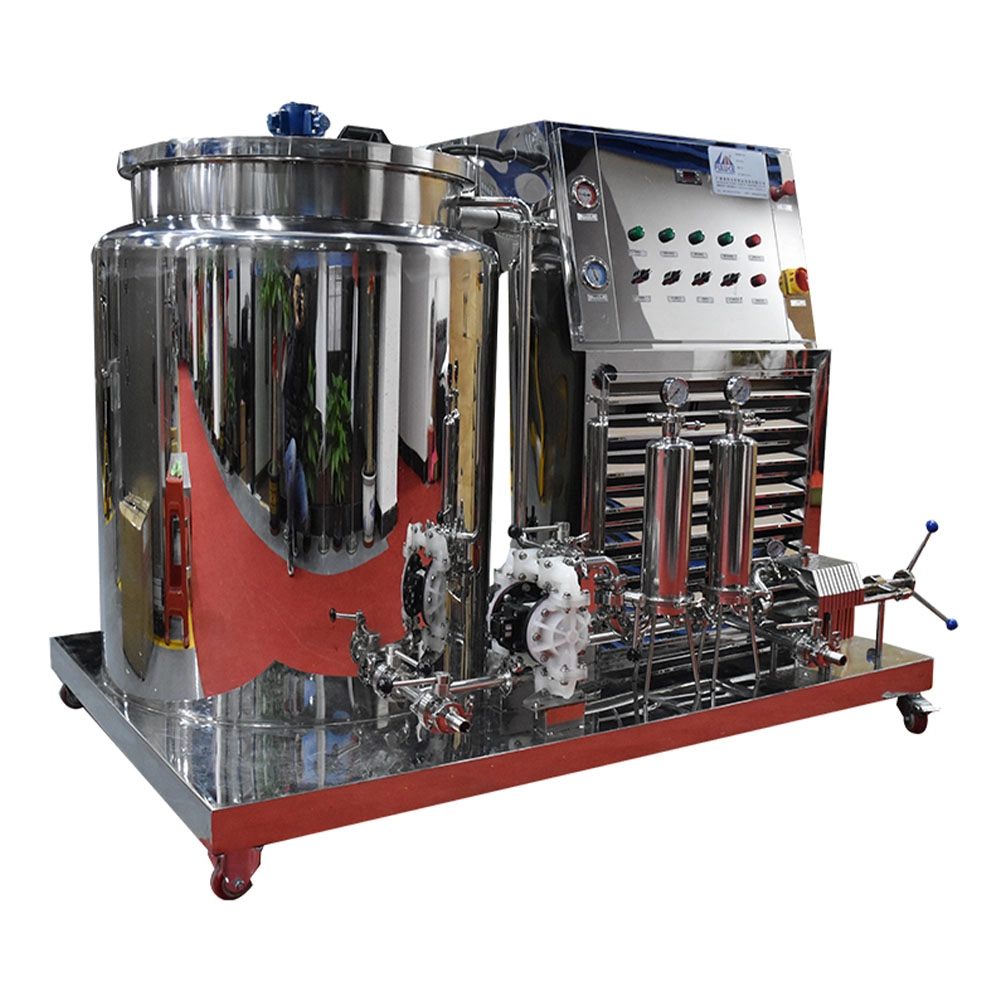
Perfume Freezing Filter Making Machine Fragrance Making Machine with Cooling Stirring System Perfume Chiller
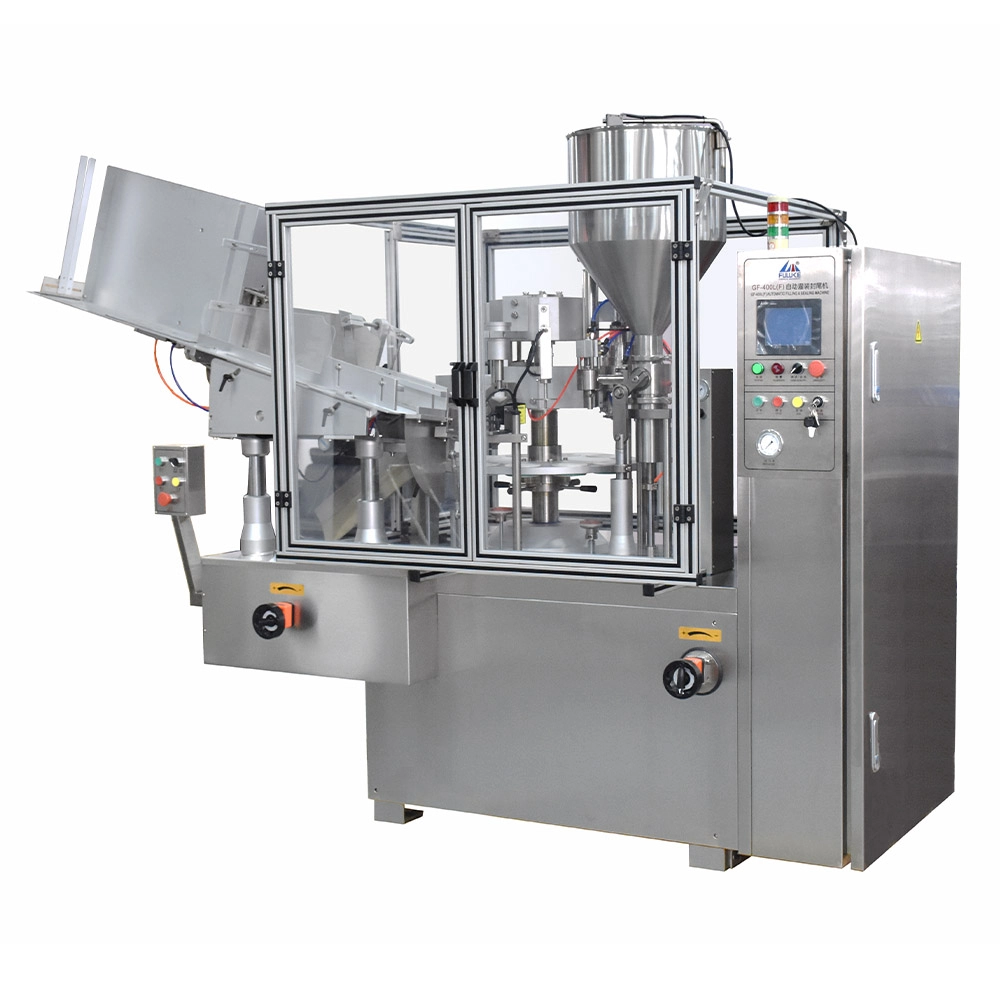
Automatic Tube Filling and Sealing Machine Toothpaste Sunscreen and Facial Cleanser Filling and Sealing Machine for Plastic and Aluminum-plastic Tube
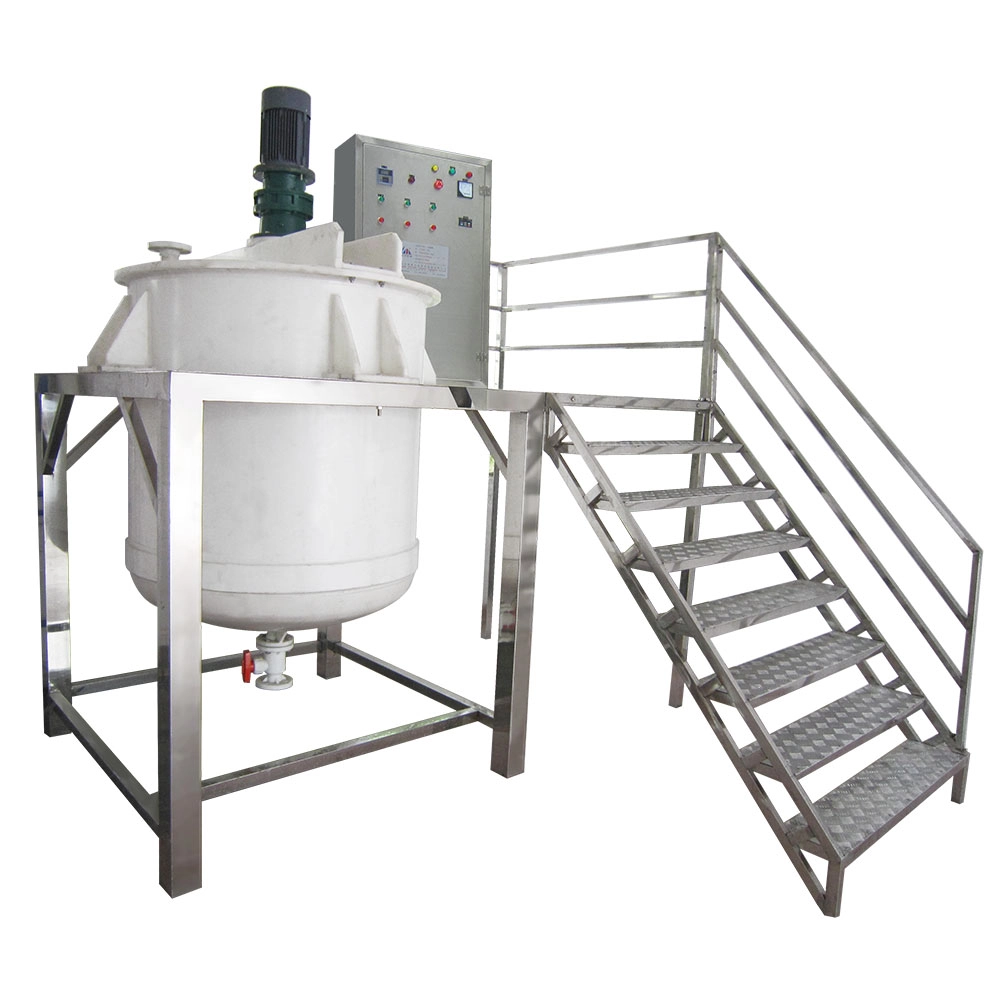
Polypropylene PP Mixing Tank Anti-Corrosion Mixer Reaction Kettle with Agitator Chemical Mixing Vessel
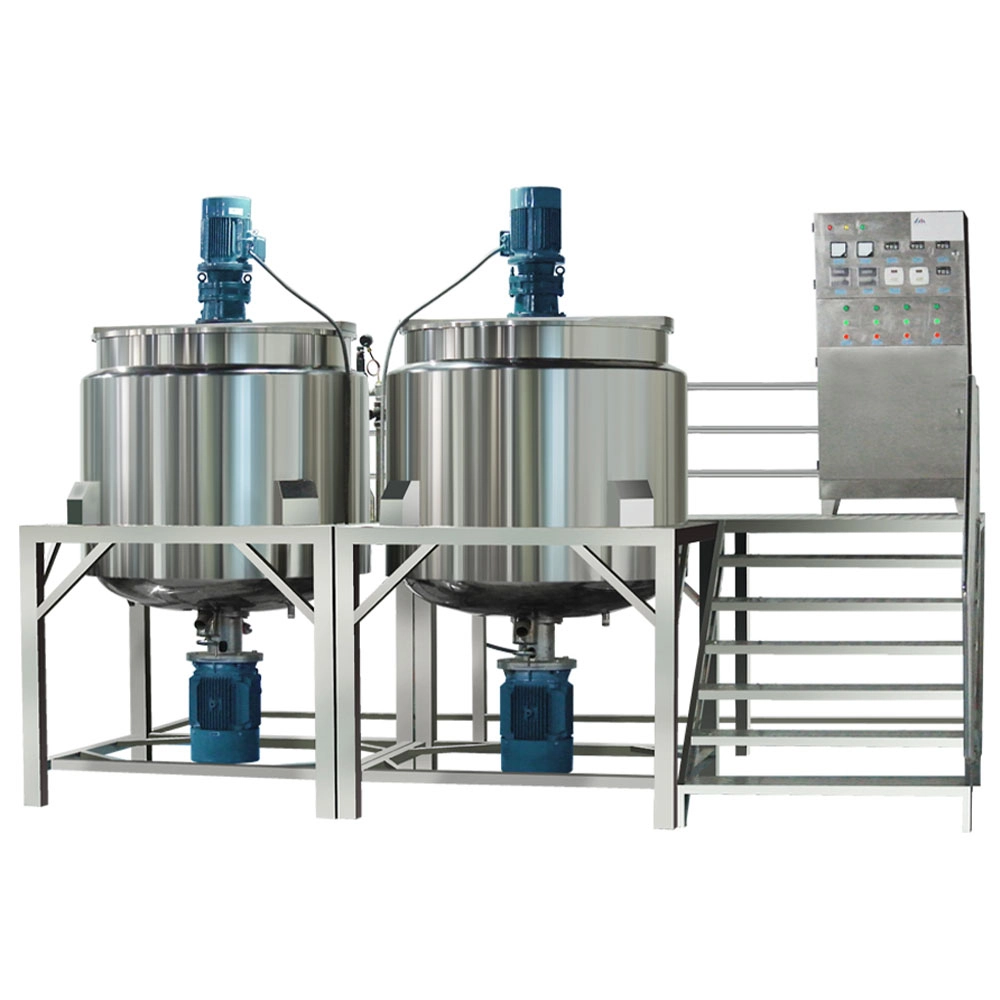
Flip Cover Multi-function Liquid Wash Mixing Tank Blender Liquid Detergent Mixer Homogenization Stirring Tank
Get in touch with FULUKE
If you have any comments or good suggestions, please leave us a message, later our professional staff will contact you as soon as possible.

A leading manufacturer specializing in advanced machinery and complete production lines for the cosmetics, food, pharmaceutical, and chemical industries worldwide.
Contact FULUKE
Facebook
Instagram
YouTube