
Automated vs Manual Perfume Making Machines: Pros and Cons
- Why production method matters in fragrance manufacturing
- Quality, consistency and consumer perception
- Regulatory and hygiene drivers
- Technical comparison: automated vs manual perfume making machines
- Core differences in workflow
- Typical components and functions
- Operational performance and throughput
- Application scenarios and decision criteria
- When manual machines make sense
- When automated machines are preferable
- Mixed approach: hybrid lines
- Cost, ROI and operational considerations
- Estimating total cost of ownership
- Return on investment factors
- Validation, documentation and traceability
- Practical implementation: what to check before buying
- Technical checklist
- Operational checklist
- Supplier evaluation — key questions to ask
- Case study-style example and standards references
- Operational example
- Standards and authoritative guidance
- FULUKE: supply-side perspective and how to choose the right partner
- Why supplier matters as much as machine type
- FULUKE capabilities and advantages
- How FULUKE supports perfume makers
- Practical recommendations — my final checklist
- Short-term vs long-term view
- Implementation roadmap (stepwise)
- When to contact an equipment specialist
- FAQ — common questions about perfume making machines
- 1. What is the main difference between an automated perfume making machine and a manual one?
- 2. Can automated perfume making machines handle alcohol-based formulas safely?
- 3. How do I validate dosing accuracy with automated equipment?
- 4. Is automation worth it for a startup fragrance brand?
- 5. How do I ensure equipment meets hygiene and GMP expectations?
- 6. How does automation affect product development and sensory testing?
- Contact and next steps
I write from more than a decade of hands-on experience advising fragrance and cosmetic manufacturers on process design and equipment selection. In this article I compare automated and manual perfume making machines — their technical pros and cons, operational implications, regulatory considerations, and total-cost trade-offs — to help you select the right solution for your product goals, batch sizes, and business model. I also include practical checklists, a comparison table, and recommendations for working with reliable suppliers who can deliver compliant perfume making equipment and full production lines.
Why production method matters in fragrance manufacturing
Quality, consistency and consumer perception
Perfume is a composition of volatile aromatic compounds, solvents (commonly ethanol), fixatives, and sometimes water or solubilizers. The perceived quality of a fragrance depends on batch-to-batch consistency, clarity (no haze or contamination), and stability. Inconsistent mixing, inaccurate dosing of active aroma materials, or microbial contamination can alter smell profile and shorten shelf life.
Regulatory and hygiene drivers
Cosmetic products (including perfumes in many jurisdictions) are subject to Good Manufacturing Practices and labeling/ingredient regulations. Adopting equipment and processes that support hygiene, traceability, and process control reduces regulatory risk. See FDA guidance on cosmetics for US market considerations: https://www.fda.gov/cosmetics, and ISO guidance for cosmetics GMP: https://www.iso.org/standard/36437..
Technical comparison: automated vs manual perfume making machines
Core differences in workflow
Manual perfume making machines (or semi-manual setups) typically require operator intervention for dosing, mixing initiation, temperature control, and transfer. Automated perfume making machines integrate dosing pumps, programmable mixing profiles, temperature control, and automated filling and capping with PLC/HMI control. Automation minimizes human touches, reducing operator error and contamination risk.
Typical components and functions
A modern perfume making equipment line may include: multifunctional mixing tank, vacuum emulsifying machine (for compounds requiring homogenization or clarity), RO water treatment, storage tanks, automated filling and capping machines, and inspection/labeling. Manual lines may use stand-alone mixing tanks, manual weighing stations, and semi-automatic fillers. The choice affects footprint, utilities, and staffing.
Operational performance and throughput
Automated lines are designed for continuous or high-throughput batch production with predictable cycle times. Manual lines can be better suited to low-volume artisanal production or R&D where flexibility and experimentation matter more than scale.
| Criteria | Manual Machines | Automated Machines | Notes / Sources |
|---|---|---|---|
| Initial investment | Low to Medium | High | Automated systems require PLCs, sensors, and integration; manual setups require less capex. |
| Per-batch labor | High | Low | Labor cost shifts to oversight/maintenance in automated systems. |
| Consistency / Variance | Medium–High variance | Low variance | Automation improves dosing precision and timing control. |
| Contamination risk | Higher (more human contact) | Lower (closed systems) | Closed automated systems support GMP-level hygiene standards better. |
| Flexibility | High for small runs | Medium–High (with recipe libraries) | Automated systems can be very flexible if designed with modularity and recipe management. |
| Maintenance complexity | Simple | Higher (requires trained technicians) | Automation adds electronics, drives, and software that need specialist support. |
| Regulatory readiness | Depends on controls | High (traceability, audit trails) | Automation can log batches, weights, and deviations for audits. |
Application scenarios and decision criteria
When manual machines make sense
I recommend manual or semi-manual perfume making machines in the following cases:
- Small artisan brands or boutiques producing limited SKUs and experimenting frequently.
- R&D labs where rapid recipe changes and manual sensory checks are primary activities.
- Startups with constrained capital where initial volumes are low and the priority is market testing.
When automated machines are preferable
Choose automated perfume making machines when you need:
- High throughput and reliable batch-to-batch consistency.
- Regulatory traceability and hygiene to meet GMP/ISO expectations (ISO 22716 and relevant local guidance).
- Labor cost reduction and predictable production scheduling.
Mixed approach: hybrid lines
In many cases I advise a hybrid approach: automated dosing and filling for high-variability or high-risk steps, paired with manual sampling and sensory evaluation. This balances cost and control while keeping R&D agility.
Cost, ROI and operational considerations
Estimating total cost of ownership
When comparing perfume making machines, evaluate total cost of ownership (TCO): purchase price, installation, utilities (steam, chilled water, compressed air), validation and commissioning, operator training, maintenance, spare parts, and depreciation. Automated equipment often has higher upfront cost but lower per-unit labor and higher yields; manual systems have lower entry cost but can incur higher variable labor expense and quality losses.
Return on investment factors
Key ROI drivers include:
- Throughput: increased units per shift reduce unit fixed cost.
- Yield improvements: reduced scrap and rework due to precise dosing.
- Labor savings: fewer operators per line after automation.
- Faster time-to-market: automation reduces scale-up risk.
Validation, documentation and traceability
Automated systems typically provide electronic batch records, recipe control, and alarm logs that facilitate process validation and audits. For regulatory compliance and quality management systems it’s often easier to demonstrate control with an automated perfume making machine capable of generating exportable logs and controlled access records.
Practical implementation: what to check before buying
Technical checklist
- Material contact surfaces: SS316L vs SS304 where chloride or acid compatibility matters.
- Cleaning capability: can the system be CIP/SIP compatible for hygiene?
- Dosing accuracy: pump types (peristaltic vs gear vs mass flow) and tolerances.
- Control system: recipe storage, PLC/HMI usability, integration with MES/ERP.
- Scalability: modular tanks, extra ports for new ingredients, capacity steps.
Operational checklist
- Staff skill-level: technicians for PLCs, electricians, or simple operators?
- Maintenance plan: spare parts availability and Mean Time To Repair (MTTR).
- Supplier support: commissioning, training, and long-term service.
- Space and utilities: do you have adequate footprint, ventilation, and utilities?
Supplier evaluation — key questions to ask
Ask potential vendors for:
- Reference installations in fragrance/cosmetic projects.
- Third-party compliance certificates (GMP, ISO 9001) and pressure-test reports.
- Factory Acceptance Test (FAT) and Site Acceptance Test (SAT) procedures.
- After-sales service network and spare-part lead times.
Case study-style example and standards references
Operational example
In one mid-size perfume house I advised, switching from semi-manual dosing to an automated dosing and filling line reduced variance in active aroma concentration by approximately 60% (measured via GC-MS analytics) and increased daily output by 2.5x while reducing direct labor by one full operator per shift. Improvements were verified with internal stability and GC-MS data. This demonstrates how automation impacts both product quality and economics when implemented correctly with proper process control and QA.
Standards and authoritative guidance
For regulatory and quality guidance consult the following authoritative sources:
- FDA – Cosmetics: https://www.fda.gov/cosmetics
- ISO – Cosmetics GMP (ISO 22716): https://www.iso.org/standard/36437.
- Background on perfume composition and industry practices: https://en.wikipedia.org/wiki/Perfume
FULUKE: supply-side perspective and how to choose the right partner
Why supplier matters as much as machine type
Choosing between automated and manual perfume making machines is partly an engineering decision and partly a supplier decision. The right manufacturer can customize systems, support validation, and provide local service. When I evaluate partners I focus on design engineering capability, machining precision, automation expertise, and quality management systems.
FULUKE capabilities and advantages
FULUKE (Guangzhou Fuluke Cosmetic Equipment Co., Ltd.) is a global manufacturer with over 30 years of experience producing cosmetic equipment. We specialize in mixing and emulsifying equipment and turnkey packaging lines for creams, lotions, sauces, and fragrance-based products. FULUKE integrates engineering design, precision machining, automation control, and strict quality management to deliver equipment that meets GMP, ISO, and international hygiene standards. See more at https://www.fulukemix.com.
Our product portfolio includes vacuum emulsifying mixers, multifunctional mixing tanks, filling and sealing machines, RO water treatment, and complete packaging lines that cover ingredient preparation, emulsification/homogenization, filling, labeling, and final packaging. Each system is engineered to enhance efficiency, ensure batch consistency, reduce energy consumption, and support seamless production scaling.
How FULUKE supports perfume makers
For manufacturers evaluating automation, FULUKE offers tailored systems and process optimization: recipe-controlled PLCs, integrated dosing pumps for precise fragrance dosing, closed vacuum emulsifying systems where clarity and homogenization are needed, and automated filling machines suitable for ethanol-based perfumes. FULUKE provides full technical support — from installation and commissioning to long-term maintenance — supporting compliance and minimizing production downtime. Contact: flk09@gzflk.com.
Practical recommendations — my final checklist
Short-term vs long-term view
If you are testing product-market fit and producing low volumes, start with manual or semi-automatic perfume making machines and invest more in R&D controls (analytical support). If you have predictable demand or need regulatory-compliant traceability and high throughput, invest in automated systems with recipe control and integrated filling.
Implementation roadmap (stepwise)
- Define target volumes, SKUs, and regulatory markets.
- Conduct a gap analysis vs GMP/ISO requirements.
- Decide capex budget and preferred ROI timeline.
- Shortlist vendors (ask for FAT/SAT, references, and service SLAs).
- Pilot a hybrid line if uncertain — automated dosing and filling, manual sensory steps.
When to contact an equipment specialist
Contact a specialist when you need to: define utilities and layout, choose materials of construction for alcohol-based formulations, validate dosing accuracy (especially for high-value aroma raw materials), or integrate the new line into ERP/MES systems.
FAQ — common questions about perfume making machines
1. What is the main difference between an automated perfume making machine and a manual one?
The main difference is control and integration: automated machines centralize dosing, mixing profiles, and filling with PLC-based recipe control and data logging, while manual machines rely on operator action for dosing and process control, increasing variability and labor.
2. Can automated perfume making machines handle alcohol-based formulas safely?
Yes, provided the equipment is designed for flammable solvents (proper motors, grounding, ATEX or local zone ratings if required) and the facility has appropriate ventilation and explosion-proof fittings. Always verify design certification and local codes.
3. How do I validate dosing accuracy with automated equipment?
Use gravimetric checks, and analytical verification (GC-MS) for active aroma concentration. Automated systems usually allow calibration of pumps and provide logs for each dosing event to help validation and audits.
4. Is automation worth it for a startup fragrance brand?
It depends on your growth plan: for small test runs and high SKU variability, manual or semi-automatic setups are often more flexible and lower cost. If you expect rapid growth, frequent reorders, or need strong traceability, automation delivers ROI via reduced labor, fewer rejects, and faster scale-up.
5. How do I ensure equipment meets hygiene and GMP expectations?
Specify materials (SS316L), hygienic design (sanitary valves, tri-clamp fittings), CIP/SIP capability, and electronic batch records. Use suppliers that support FAT/SAT and provide compliance documentation. Refer to ISO 22716 for cosmetic GMP guidance: https://www.iso.org/standard/36437..
6. How does automation affect product development and sensory testing?
Automation improves repeatability for scale-up, but you should maintain manual sensory labs or small pilot mixers for creative formulation work. Many manufacturers use hybrid setups to allow both R&D flexibility and production consistency.
Contact and next steps
If you are evaluating perfume making equipment for scale-up, regulatory compliance, or efficiency improvements, I recommend starting with a capacity and requirements audit. For customized systems, turnkey lines, or technical consultation, you can reach out to FULUKE (Guangzhou Fuluke Cosmetic Equipment Co., Ltd.). We offer filling machines, multifunctional mixing tanks, perfume making equipment, vacuum emulsifying machines, and RO water treatment systems tailored to fragrance and cosmetic production. Visit https://www.fulukemix.com or email flk09@gzflk.com to request technical specs, reference installations, or a project quote.
Choosing between automated and manual perfume making machines is a strategic decision influenced by scale, regulatory markets, product complexity, and capital availability. Use the checklists above, validate vendor claims, and consider a phased approach to balance flexibility and control.
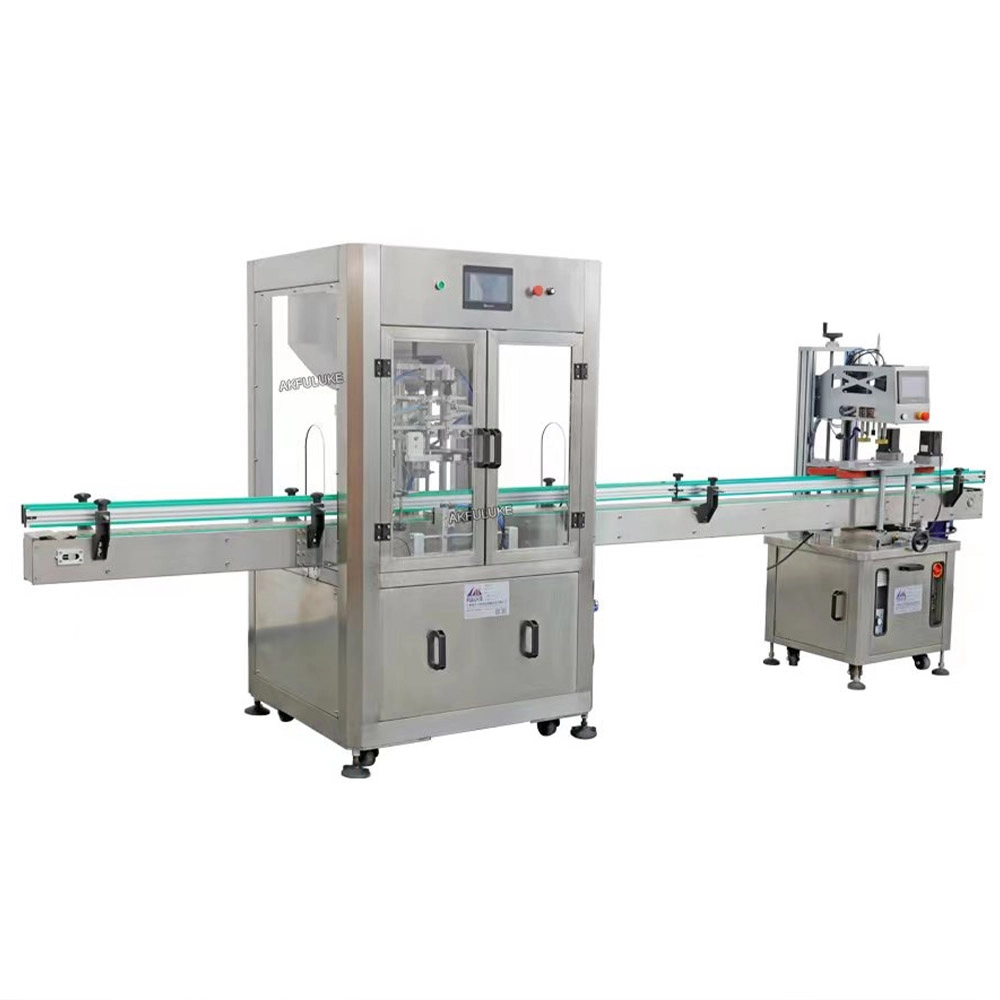
Choosing Conveyor and Starwheel Systems for Bottle Handling
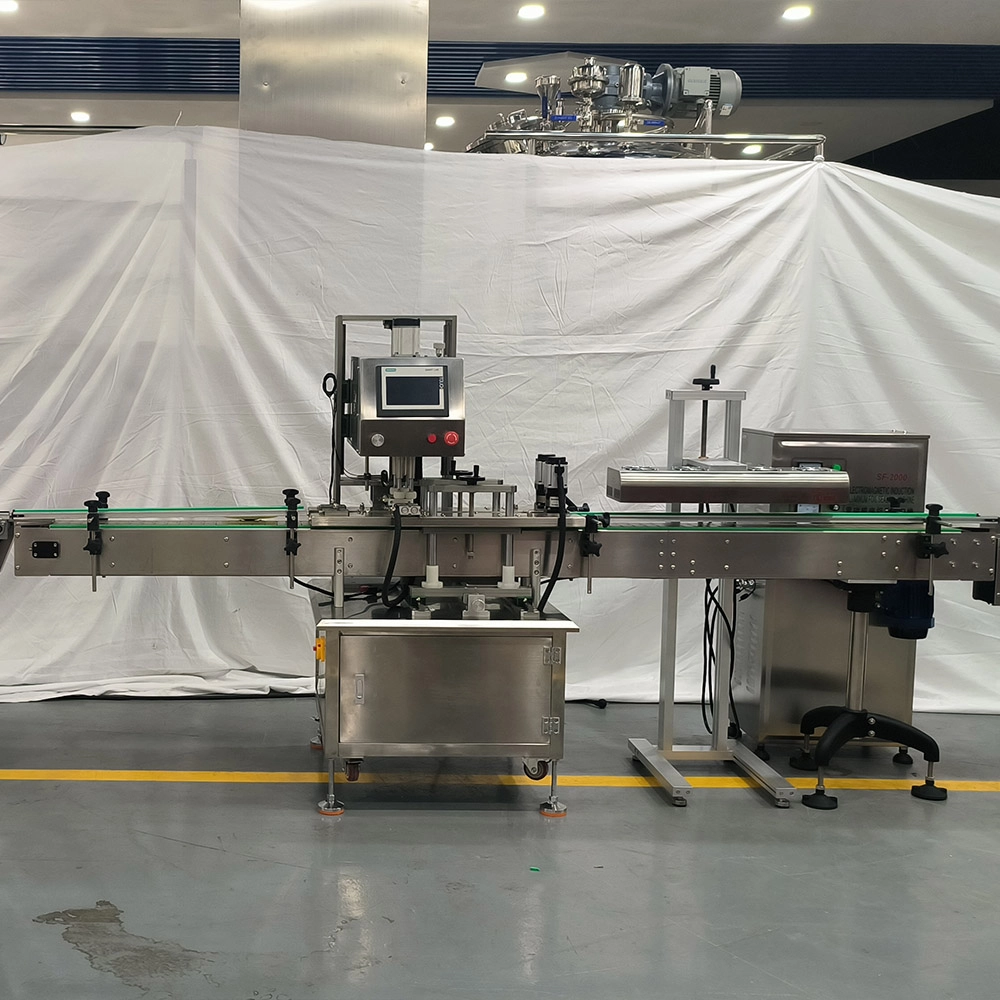
Hygienic Design Principles for Cosmetic Filling Machines
Evaluating Machine Footprint and Factory Space Requirements
Integration of Filling Machines with Bottle Cappers and Labelers
Perfume Filling Machine
Can the perfume filling machine accommodate perfume bottles of varying materials and shapes?
Yes. The machine utilizes adjustable mold positions and a PLC control system that allows for one-touch parameter switching, allowing it to accommodate a wide range of bottle shapes, including round, square, and special-shaped ones. The filling capacity range can be flexibly adjusted, and format changeovers take as little as 10 minutes, meeting diverse production needs.
Automatic Capping Machine
Can you make a design for us?
Yes, we can, we provide not only products, but also solutions and designs.
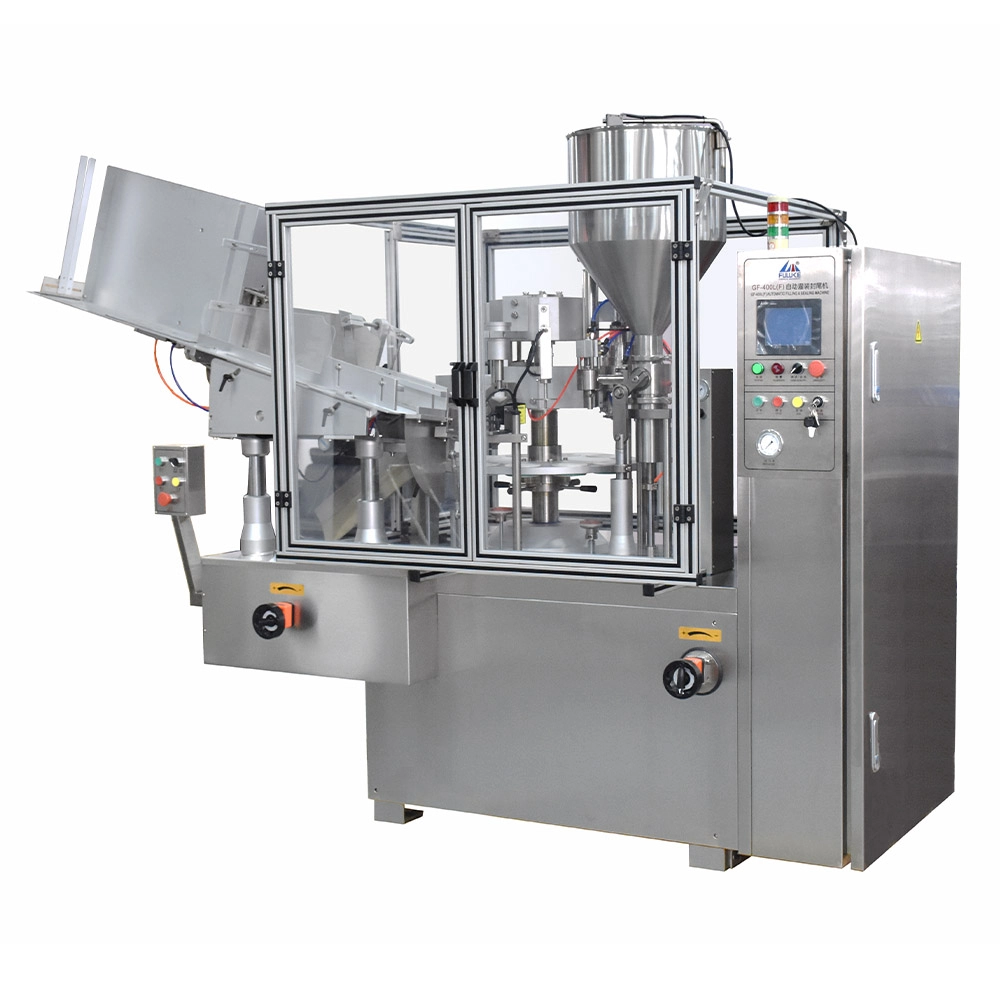
Automatic Tube Filling and Sealing Machine
Why are wrinkles, leaks, or uneven edges appearing after sealing? How can this be addressed?
These issues are often caused by three core factors, with corresponding solutions as follows:
Temperature mismatch: If the temperature is too low, the edge seal will not adhere well and leaks may occur; if the temperature is too high, it may burn and wrinkle. Adjust the sealing temperature using the PLC touch screen.
Insufficient pressure/time: The sealing cylinder pressure should be adjusted according to the hose material, and the sealing head pressing time should be ≥ 1.5 seconds to avoid a poor seal caused by insufficient pressure or short pressing time.
Mold wear/alignment deviation: Inspect the sealing mold for scratches and deformation. Replace if worn. If the label is misaligned with the seal, calibrate the photoelectric sensor position.
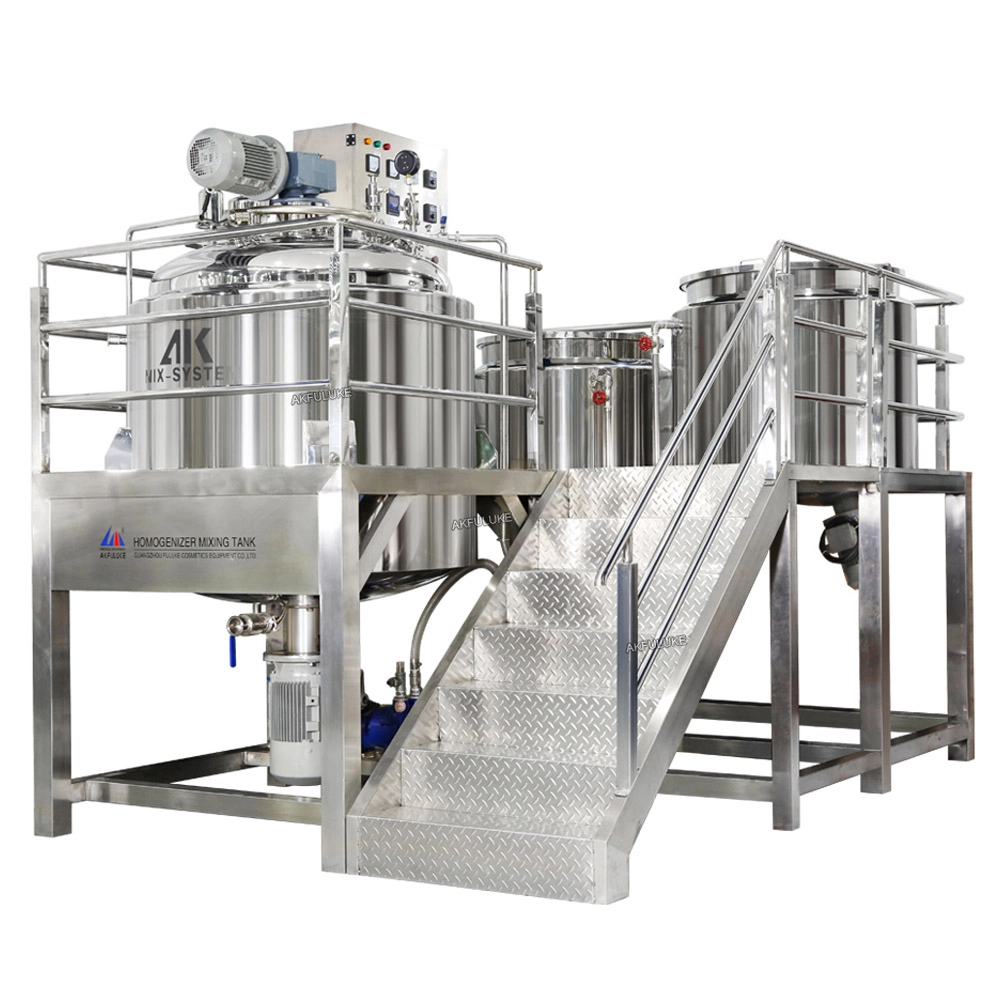
Vacuum Emulsifying Machine
How does the vacuum homogenizer work?
The vacuum homogenizer's operating process revolves around four core steps: vacuum degassing, high-speed homogenization and emulsification, stirring and mixing, and temperature control. Through the coordinated operation of multiple systems, it achieves refined material processing. The following is its specific operating principle and process:
1. Pretreatment: Material feeding and vacuum environment establishment
Material preparation: First, add the basic materials, such as the oil phase (such as oils and waxes) and the aqueous phase (such as water and water-soluble ingredients), to their corresponding batching tanks or directly into the main emulsifier in sequence.
Evacuation: Activate the vacuum system (consisting of a vacuum pump, vacuum valve, etc.) to evacuate the interior of the emulsifier, creating a negative pressure environment (typically up to -0.09 MPa).
2. Core Process: Temperature Control (Heating/Cooling)
3. Core Process: Agitation and Mixing
Agitation Structure: Typically uses a "frame agitator + scraper" combination (for high-viscosity materials):
Through shearing, folding, and convection, the different materials are initially mixed and their stratification is broken down.
The PTFE scraper rotates closely against the pot wall, thoroughly scraping away any sticky material adhering to the pot wall, preventing localized overheating and residue, and ensuring zero dead zones.
4. Core Process: High-Speed Homogenization and Emulsification
Homogenizer Structure: A high-speed rotating homogenizer is installed at the bottom (or side) of the emulsifier, consisting of a rotor (with sharp teeth) and a stator (with fixed teeth). Working Principle: The rotor rotates at an extremely high speed, generating a strong centrifugal force that draws the material into the gap between the rotor and the stator. In this gap, the material is subjected to the triple effects of shear force, impact force, and turbulent force. The teeth of the rotor and stator quickly cut the material and generate high-frequency vibrations.
Automatic Glass Bottle Washing Machine
Can the equipment clean glass bottles with stubborn stains (such as label residue, oil, and medicine stains)?
Yes. The equipment integrates high-pressure spraying, multiple internal and external rinsing, and drying multi-stage composite cleaning technology, which can remove tiny stains and break down oil stains. For stubborn stains, the cleaning time can be adjusted to ensure that the cleaning meets the standards.
You May Also Like
Automatic Tube Filling and Sealing Machine Toothpaste Sunscreen and Facial Cleanser Filling and Sealing Machine for Plastic and Aluminum-plastic Tube
Fixed Type Vacuum Mixing Emulsifying Equipment for Cosmetic Cream Ointment Lotion Vacuum Homogenizer Mixer
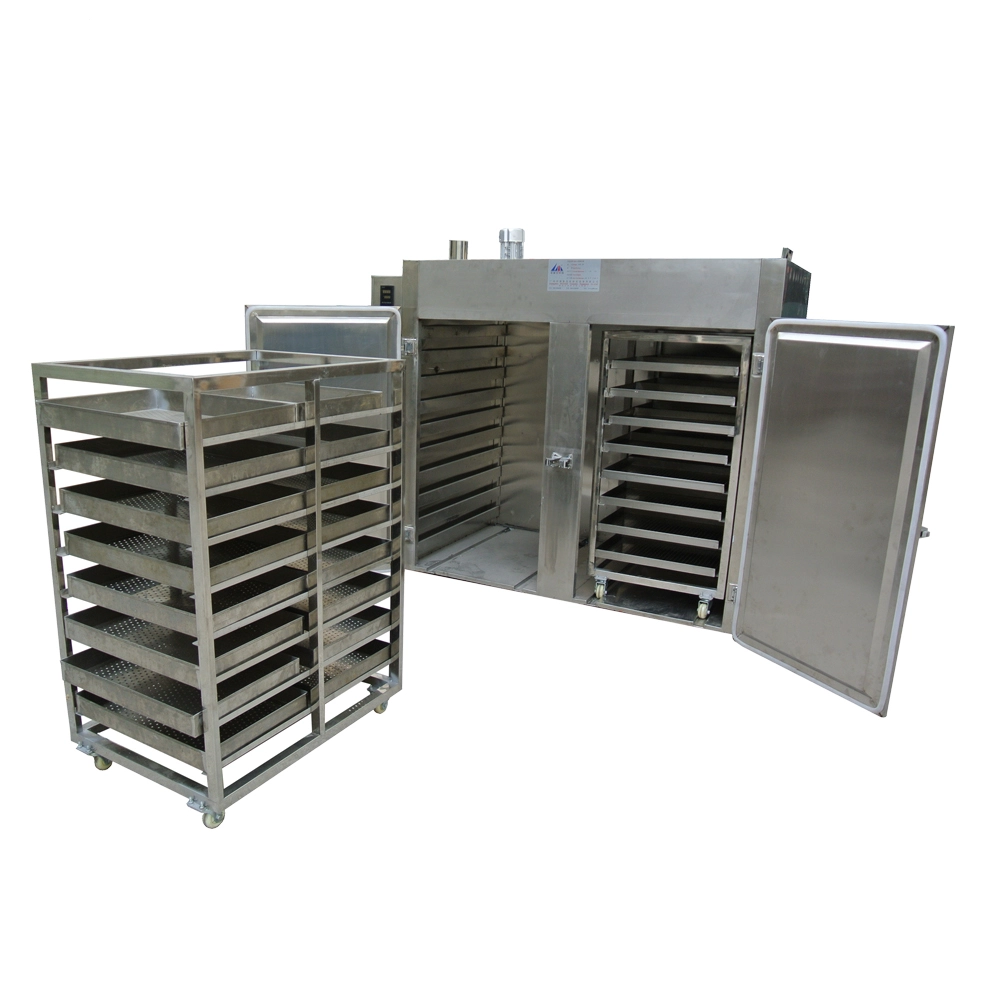
Over for Bottles High Temperature Sterilizer Tray Dryer Large Hot Air Circle Drying Oven for Glass Bottle Jar Cup Can

Automatic Glass Bottle Washing Machine High Quality Glass Bottle Cleaning Washer
Get in touch with FULUKE
If you have any comments or good suggestions, please leave us a message, later our professional staff will contact you as soon as possible.

A leading manufacturer specializing in advanced machinery and complete production lines for the cosmetics, food, pharmaceutical, and chemical industries worldwide.
Contact FULUKE
Facebook
Instagram
YouTube