
Maintenance Tips to Extend Your Perfume Making Machine's Life
- Understanding the Role of Equipment in Fragrance Production
- Why equipment care matters for product quality
- Key components and failure modes
- Standards and guidance I reference
- Preventive Maintenance: Schedules, Checklists, and Predictive Techniques
- Designing a maintenance schedule
- Predictive maintenance techniques I use
- Checklist example: critical daily and weekly checks
- Cleaning, Sanitation and Materials Compatibility
- Cleaning protocols that protect fragrance integrity
- Choosing cleaning agents and verifying compatibility
- Microbial control and dry-down practices
- Troubleshooting, Spare Parts and Lifecycle Management
- Common faults and how I diagnose them
- Spare parts strategy to minimize downtime
- When to repair vs replace or upgrade
- Equipment Upgrades, Validation and Documentation
- Validating performance after maintenance
- Digital upgrades and Industry 4.0 implementations
- Recordkeeping: the backbone of long equipment life
- Practical Comparison: Preventive vs Predictive Maintenance
- FULUKE Solutions: How an OEM Partnership Improves Equipment Longevity
- Practical Maintenance Plan — Example for a Small Production Line
- Cost-Benefit Snapshot: Investment in Maintenance vs Downtime Cost
- FAQ
- 1. How often should I service my perfume making machine?
- 2. What are the most common causes of failure?
- 3. Can I clean a perfume making machine with standard solvents?
- 4. Is predictive maintenance worth implementing for fragrance plants?
- 5. When should I contact OEM support like FULUKE?
- 6. What documentation should I keep?
As a long-time consultant in cosmetics production, I help manufacturers extend the life of their perfume making machine{#1} through practical maintenance strategies that improve uptime, product consistency and production safety. Whether you run a small fragrance lab or scale up to a full production line in Guangzhou or elsewhere, the guidance below blends industry standards, hands-on tips, and vendor-level best practices to keep your equipment running reliably.
Understanding the Role of Equipment in Fragrance Production
Why equipment care matters for product quality
In my work, I consistently see that poorly maintained equipment leads to batch-to-batch variation, microbial contamination risk, and lost production time. A single, well-maintained perfume making machine{#2} helps ensure consistent mixing, accurate dosing, and stable fragrance profiles. Regulatory frameworks such as ISO 22716 (cosmetic GMP) emphasize equipment maintenance and sanitation as foundational to product quality (ISO 22716).
Key components and failure modes
Typical failure modes for perfume production equipment include mechanical wear of seals and bearings, clogging of piping and filters, loss of vacuum in vacuum emulsifying systems, motor or gearbox faults, and electronic control issues. A perfume making machine{#3} usually integrates mixers, pumps, valves, heaters/coolers, and PLC controls—each subsystem requires targeted maintenance.
Standards and guidance I reference
For hygiene and documentation practices I follow FDA and ISO recommendations. The FDA's cosmetics guidance on good manufacturing practices is useful for hygiene controls (FDA Cosmetics). For maintenance philosophies (preventive vs predictive), established engineering literature and industry leaders describe methods that I adapt to fragrance manufacturing (Preventive maintenance).
Preventive Maintenance: Schedules, Checklists, and Predictive Techniques
Designing a maintenance schedule
I create schedules based on runtime hours, batch counts, and criticality. For a production-scale perfume making machine{#4}, typical intervals I recommend are daily visual checks, weekly lubrication and filter inspection, monthly motor and seal inspections, and quarterly electrical and control system reviews. Document each activity and maintain records to support traceability and continuous improvement.
Predictive maintenance techniques I use
To go beyond calendar-based routines, I use vibration analysis, thermal imaging, and oil analysis where applicable. Organizations like SKF and industry literature show that predictive maintenance can reduce unplanned downtime by 30–50%. See general approaches on predictive maintenance (Predictive maintenance).
Checklist example: critical daily and weekly checks
Daily: visual leak check, clean spill areas, verify control panel alarms, confirm vacuum and pressure gauges within range. Weekly: check seal integrity, inspect hoses and fittings, clean strainers and filters. I keep these checklists digital for trend analysis and corrective action tracking.
Cleaning, Sanitation and Materials Compatibility
Cleaning protocols that protect fragrance integrity
Perfume formulas can be sensitive to residues and cross-contamination. I advise validated cleaning procedures with documented steps: product drain, CIP (clean-in-place) or manual cleaning with appropriate solvents, rinsing, and residue testing. For many systems, a CIP loop integrated into a perfume making machine{#5} reduces downtime and lowers operator exposure to solvents.
Choosing cleaning agents and verifying compatibility
Select detergents and solvents that remove oils and resins yet are compatible with stainless steel (316L), seals (e.g., Viton, EPDM), and polymers used in gaskets and tubing. Material Compatibility Guidelines such as those from manufacturers and ASTM standards inform safe selections. Always run a compatibility test and document the outcome.
Microbial control and dry-down practices
Although perfumes are alcohol-rich and less prone to microbial growth than water-based products, water-containing phases or equipment that handles both fragrances and aqueous skincare products must be sanitized. I follow good manufacturing practice (GMP) sanitation cycles and verify via swab testing and ATP or microbiological assays per regulatory guidance (ISO 22716).
Troubleshooting, Spare Parts and Lifecycle Management
Common faults and how I diagnose them
Typical symptoms: increased mixing noise (bearing wear), inconsistent batch weights (filling pump drift), loss of vacuum (seal failure), and PLC alarms (sensor faults). I use a logical troubleshooting flow: observe → isolate → measure → replace/repair → verify. Thermal imaging and multimeters are essential tools for fast diagnosis.
Spare parts strategy to minimize downtime
For a reliable perfume making machine{#6}, I maintain a critical spares list: mechanical seals, bearings, gaskets, strainers, pressure and temperature sensors, vacuum pump consumables, and a programmable logic controller (PLC) backup if practicable. Stocking 1–2 critical spares for high-failure components often saves days of production loss.
When to repair vs replace or upgrade
Decide using a simple ROI and risk analysis: compare repair costs + remaining life vs replacement cost and performance gains. If control electronics are obsolete or upgrades (e.g., smart automation to support predictive maintenance) offer energy and consistency gains, replacement can be justified. I document decisions and align them with production forecasts.
Equipment Upgrades, Validation and Documentation
Validating performance after maintenance
After major maintenance, always run a documented validation run: process parameters (mixing speed, vacuum, temperature) should be logged and matched against prior baselines. For scent consistency, organoleptic testing combined with GC (gas chromatography) analysis provides objective verification.
Digital upgrades and Industry 4.0 implementations
Implementing condition monitoring, remote alarm notification, and batch data logging helps reduce mean time to repair (MTTR). I often recommend incremental upgrades like adding IoT-enabled vibration sensors and centralized dashboards rather than wholesale replacements to control investment risk.
Recordkeeping: the backbone of long equipment life
Detailed records—maintenance logs, calibration certificates, spare parts history, and incident reports—not only prove compliance but help predict failures and optimize intervals. In audits, well-maintained records often differentiate reliable manufacturers from risky suppliers.
Practical Comparison: Preventive vs Predictive Maintenance
Below is a concise comparison to help decide which approach suits your operation.
| Aspect | Preventive Maintenance | Predictive Maintenance |
|---|---|---|
| Trigger | Time or usage-based schedule | Condition-based (vibration, oil, thermal) |
| Typical Cost | Lower initial cost; predictable | Higher setup cost; lower unexpected downtime |
| Best for | Small to medium operations with simpler lines | High-value lines (e.g., continuous perfume making machine{#7} processes) |
| ROI Timeline | Short term | Medium to long term |
Data sources: general industry practice and maintenance literature; for background on preventive maintenance see Wikipedia.
FULUKE Solutions: How an OEM Partnership Improves Equipment Longevity
In my consulting practice I recommend partnering with reputable OEMs that deliver equipment designed for maintainability. FULUKE (Guangzhou Fuluke Cosmetic Equipment Co., Ltd.) is a global manufacturer with over 30 years of experience and offers tailored solutions for cosmetics, food and pharmaceutical manufacturers. Their product range includes vacuum emulsifying mixers, mixing tanks, filling and sealing machines, and complete turnkey packaging lines—each engineered to meet GMP and ISO hygiene requirements. Learn more on their site: FULUKE.
FULUKE’s strengths that I value for maintenance and longevity include:
- Engineering design for accessibility: components such as seals, strainers and drives are accessible for fast service.
- Precision machining and standardization: reduces the need for bespoke replacement parts and simplifies spares management.
- Automation and intelligent control options that support condition-based maintenance upgrades.
- After-sales support that covers installation, commissioning and long-term maintenance programs—critical for minimizing MTTR.
FULUKE’s key products relevant to scent and cream production include: Filling machine, Multifunctional mixing tank, Perfume making equipment, Vacuum emulsifying machine, and RO water treatment systems. For inquiries contact flk09@gzflk.com or visit https://www.fulukemix.com.
Practical Maintenance Plan — Example for a Small Production Line
Here is a sample 12-month maintenance plan I use with small fragrance producers operating a single perfume making machine{#8}:
- Daily: Visual check, clean work area, log batch start/stop.
- Weekly: Clean strainers, verify seals, check vacuum pump oil level.
- Monthly: Lubricate bearings, test backup sensors and alarms.
- Quarterly: Calibrate flow meters and scales, inspect motors and gearboxes.
- Annually: Full shutdown for deep clean, replace high-wear parts, update PLC firmware and validate process.
Tailor intervals based on operating hours and empirical failure data.
Cost-Benefit Snapshot: Investment in Maintenance vs Downtime Cost
To justify maintenance investments, calculate expected downtime cost per hour (lost production, labor, expedited shipping). In many cases, spending 1–3% of equipment replacement value on a structured maintenance program prevents much larger losses from unplanned downtime. For capital equipment such as a production-scale perfume making machine{#9}, this math usually favors proactive investment.
FAQ
1. How often should I service my perfume making machine?
Basic daily and weekly checks are essential. More detailed mechanical inspections monthly and comprehensive annual servicing are typical. Adjust frequency by usage intensity and historical failure patterns.
2. What are the most common causes of failure?
Wear of mechanical seals and bearings, clogged filters or strainers, vacuum leaks, and electrical/control failures are most common. Poor cleaning practices can cause cross-contamination issues.
3. Can I clean a perfume making machine with standard solvents?
Use solvents and detergents compatible with the machine materials (usually 316L stainless, Viton or EPDM seals). Always validate cleaning efficacy and material compatibility before routine use.
4. Is predictive maintenance worth implementing for fragrance plants?
Yes, especially for high-throughput lines. Predictive methods reduce unexpected downtime and extend component life. For smaller operations, a hybrid preventive schedule with selective condition monitoring is cost-effective.
5. When should I contact OEM support like FULUKE?
Contact OEM support for installation, commissioning, major repairs, control system issues, or when you need tailored upgrades. OEMs can provide certified spare parts and technical documentation that third-party vendors may not match.
6. What documentation should I keep?
Maintenance logs, calibration certificates, cleaning records, incident reports, and spare parts inventory. These records support GMP compliance and help trend analysis for continuous improvement.
If you need tailored maintenance planning, spares lists, or want to evaluate equipment upgrades for your perfume making equipment, contact me or FULUKE for a consultation. FULUKE (Guangzhou Fuluke Cosmetic Equipment Co., Ltd.) provides advanced, customized solutions including vacuum emulsifying mixers, filling machines, multifunctional mixing tanks, and RO water treatment systems. Visit https://www.fulukemix.com or email flk09@gzflk.com for product details, quotes, and maintenance support.
GMP Compliance for Cosmetic Industrial Mixing Tanks
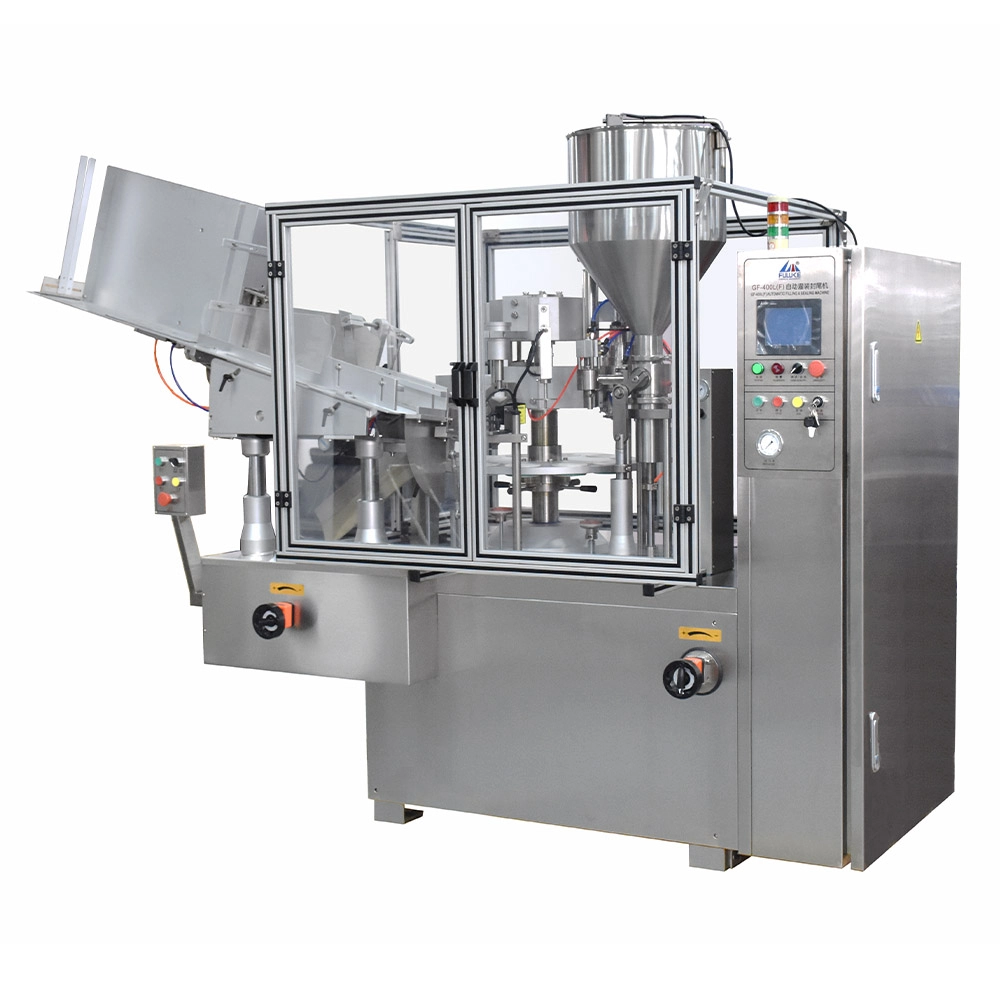
How Tube Filling & Sealing Machines Boost Production Efficiency
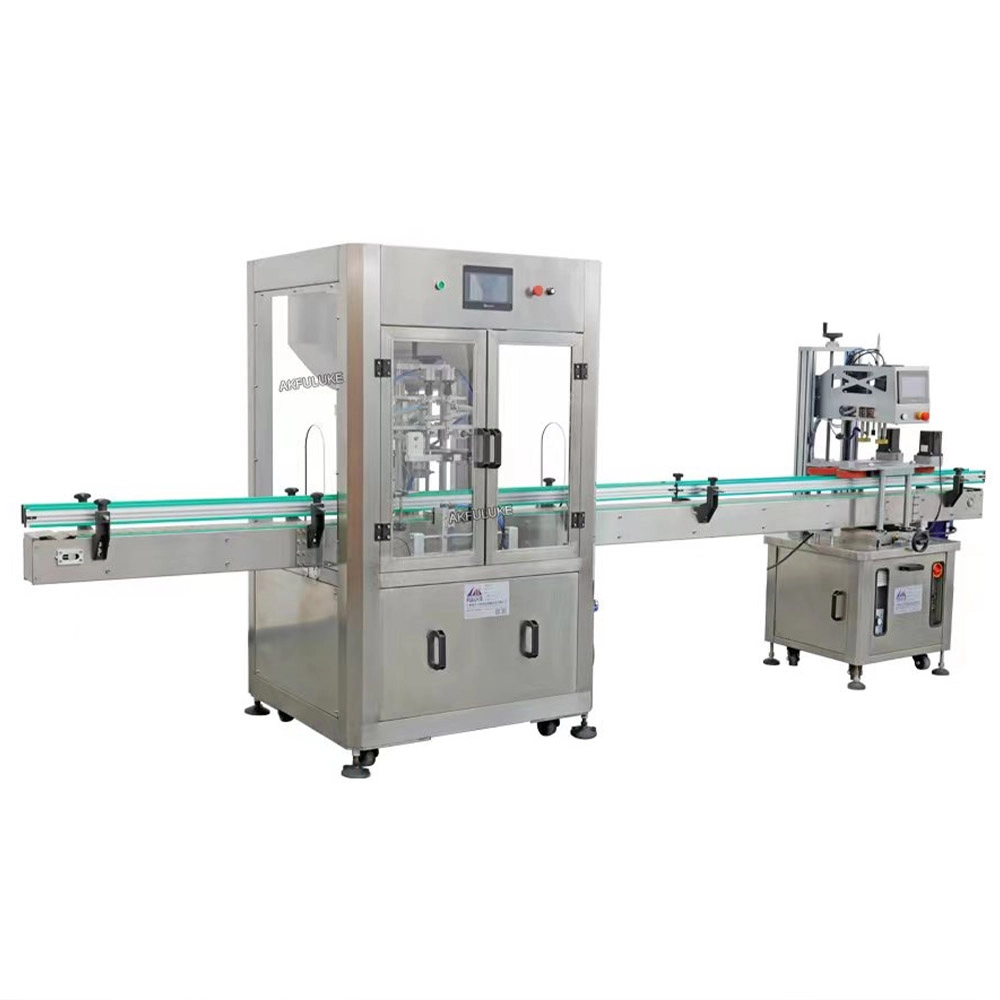
Compliance and Quality: Filling Machines for Cosmetic Standards
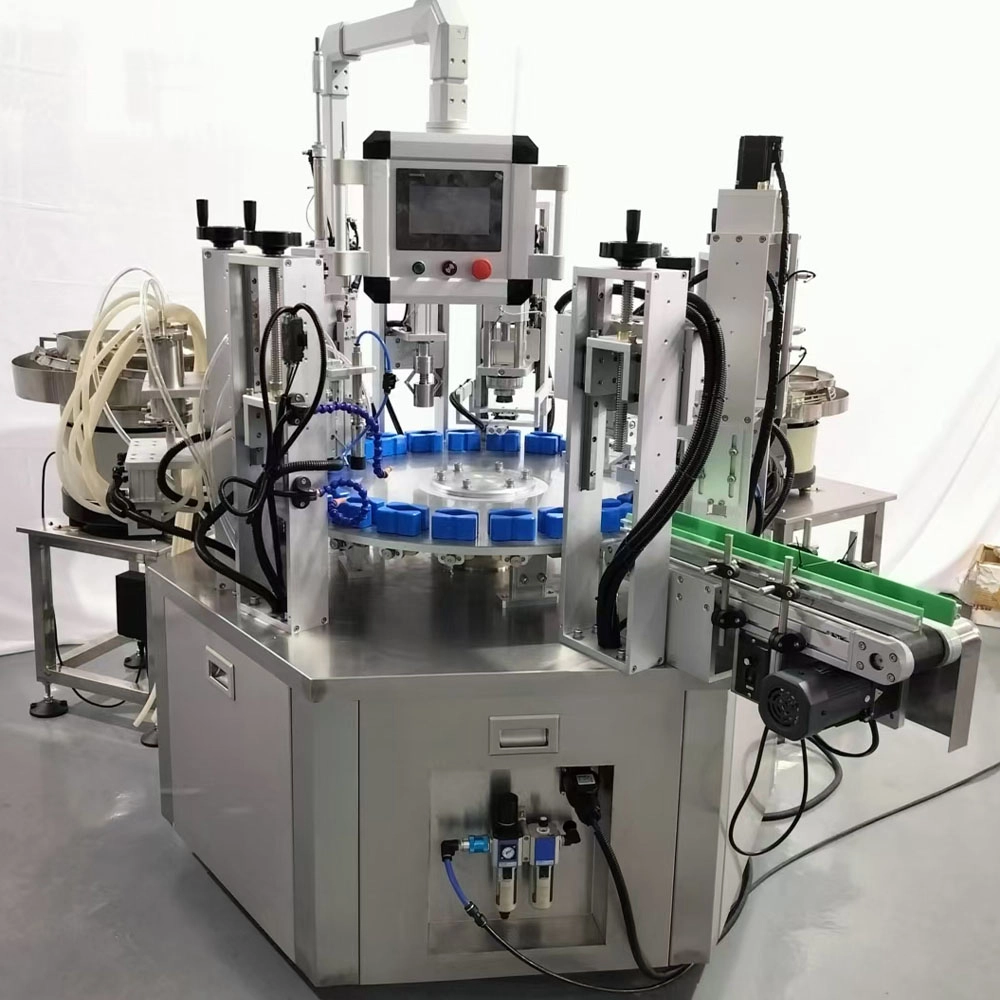
Top 10 Perfume Filling Machine Manufacturers for Bulk Production
Automatic Capping Machine
Who are we?
Our headquarters is located in Guangzhou, Guangdong, China, and our factory is located in Yangzhou, Jiangsu. Our products are sold all over the world. We have approximately 50 employees in our company and factory.
Automatic Filling Machine
What special safety features are required for equipment used to fill medical disinfectants (containing alcohol)?
An explosion-proof automatic filling machine is essential. Key safety features include: ① The motor and electrical components must be explosion-proof to prevent sparks from igniting alcohol vapors; ② The tanks and piping must be made of anti-static materials and grounded to prevent static electricity accumulation; The workshop must also be well-ventilated and equipped with an explosion-proof exhaust system.
Automatic Labeling Machine
What can you buy from us?
RO Water Treatment、Vacuum Emulsifying Machine、Homogenizer Mixing Tank、Filling and Capping、labeling Machine、Packing Machine、Storage Tank,etc.
Lift-type Homogenizing Disperser
What can you buy from us?
RO Water Treatment、Vacuum Emulsifying Machine、Homogenizer Mixing Tank、Filling and Capping、labeling Machine、Packing Machine、Storage Tank,etc.
Vacuum Emulsifying Machine
What industries is the vacuum emulsifier suitable for?
It is widely applicable to the production needs of creams, lotions, gels, ointments, etc. in the cosmetics, pharmaceutical, food, chemical and other industries.
You May Also Like
Automatic Tube Filling and Sealing Machine Toothpaste Sunscreen and Facial Cleanser Filling and Sealing Machine for Plastic and Aluminum-plastic Tube
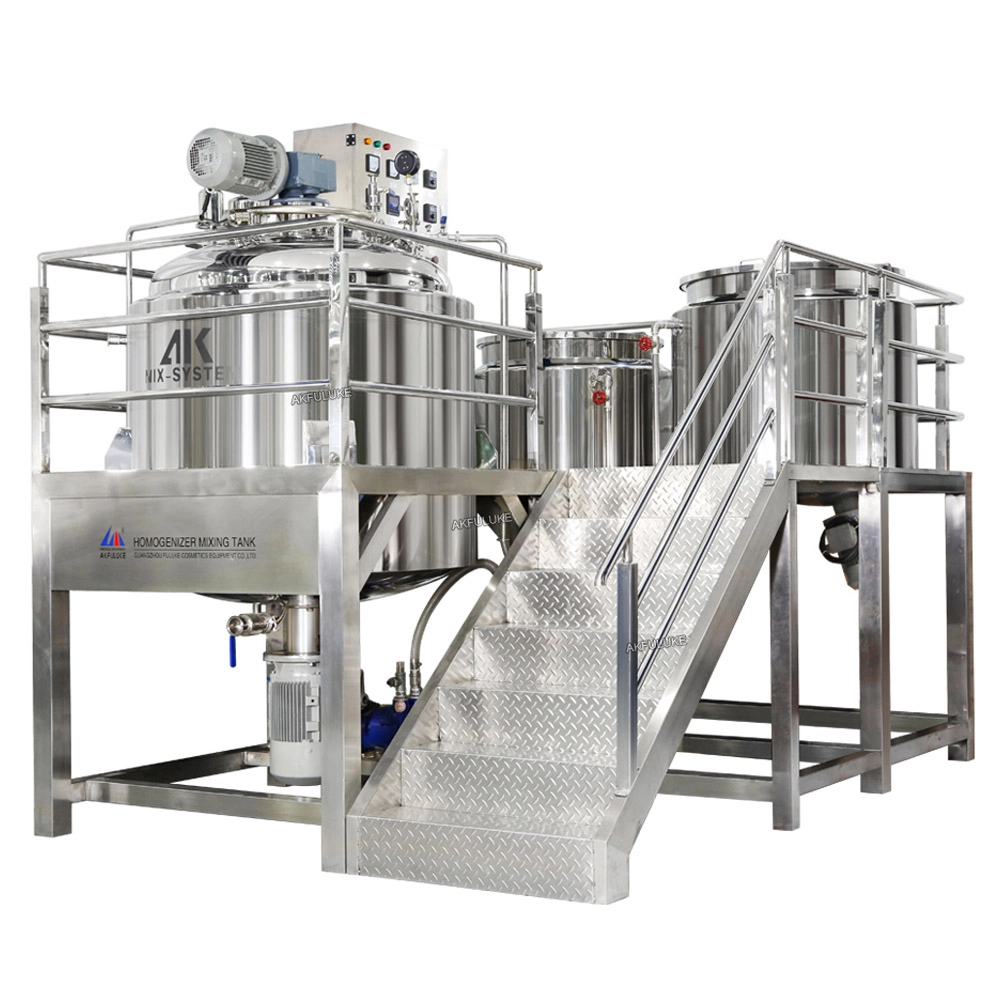
Fixed Type Vacuum Mixing Emulsifying Equipment for Cosmetic Cream Ointment Lotion Vacuum Homogenizer Mixer
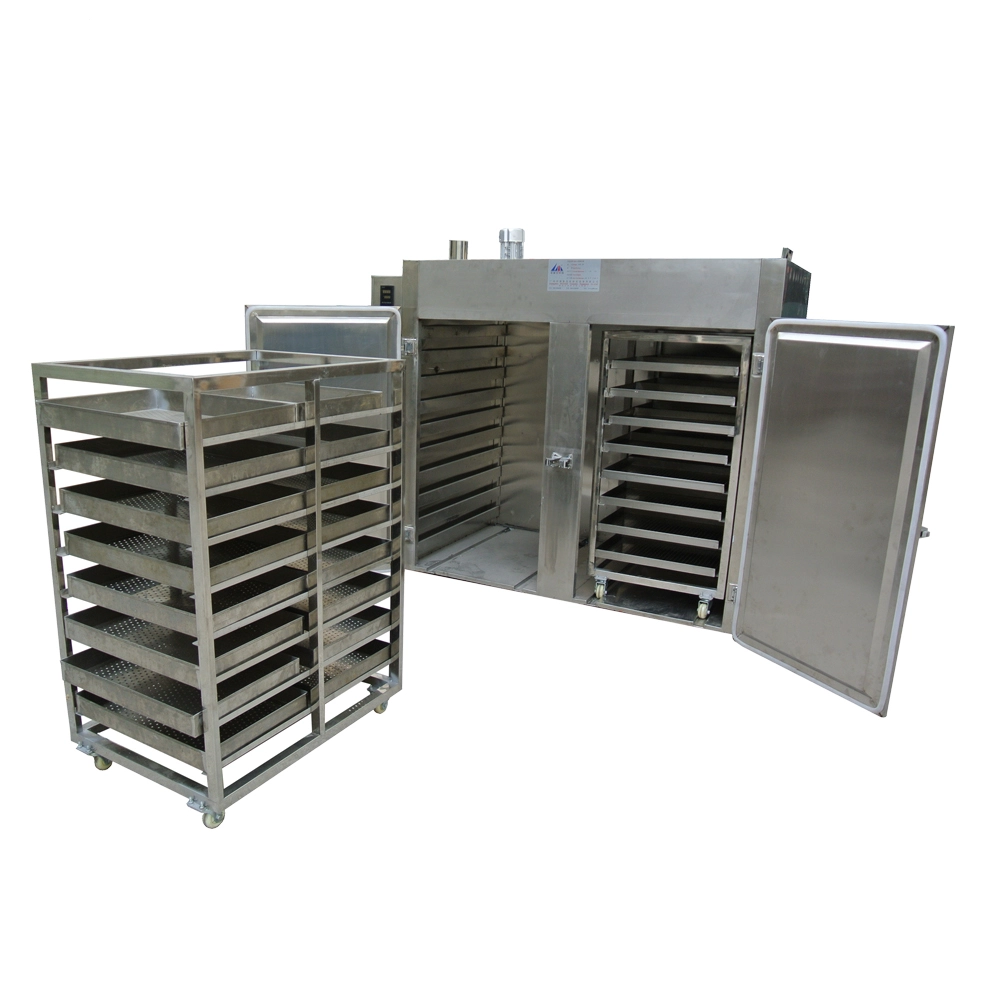
Over for Bottles High Temperature Sterilizer Tray Dryer Large Hot Air Circle Drying Oven for Glass Bottle Jar Cup Can

Automatic Glass Bottle Washing Machine High Quality Glass Bottle Cleaning Washer
Get in touch with FULUKE
If you have any comments or good suggestions, please leave us a message, later our professional staff will contact you as soon as possible.

A leading manufacturer specializing in advanced machinery and complete production lines for the cosmetics, food, pharmaceutical, and chemical industries worldwide.
Contact FULUKE
Facebook
Instagram
YouTube