
What hygienic design certifications should buyers seek?
- 1) Which specific hygienic certifications and standards should I require for a cosmetic bottle filling machine to prevent cross-contamination between fragranced lotions and water-based serums?
- 2) How do I verify a supplier’s hygienic design claims for a rotary or inline liquid filling machine before signing a PO?
- 3) What exact surface finish, welding, and seal material specs should I demand for a piston filler or volumetric filler used for viscous creams and emulsions?
- 4) For alcohol-based perfumes and solvent-containing lotions, do I need ATEX/IECEx classification for the filling line, and how should that affect my machine selection?
- 5) What documentation (IQ/OQ/PQ, CIP validation, material traceability) should ship with my cosmetic liquid filling machine to meet ISO 22716 and support regulatory audits?
- 6) How should I choose between rotary, inline (single-head/hoop), and piston filling machines for hygienic requirements if I run small-batch, fragrance‑sensitive natural skincare lines?
- Concluding summary: Why insisting on hygienic-certified bottle filling machines pays off
Bottle Filling Machine: Which Hygienic Design Certifications Should Buyers Seek?
Choosing the right automatic bottle filler or rotary filling machine for cosmetic liquids, creams, or aerosols demands a focused look at hygienic design and verifiable certifications. Below are six specific, pain-point-driven questions beginners commonly ask but rarely find comprehensive answers to online, followed by actionable, standards-based answers and procurement checks.
1) Which specific hygienic certifications and standards should I require for a cosmetic bottle filling machine to prevent cross-contamination between fragranced lotions and water-based serums?
Must-have and recommended certifications/standards:- ISO 22716 (Cosmetics GMP): The primary international standard for cosmetic good manufacturing practices. It doesn't 'certify' equipment directly, but you should require that the equipment and supplier support processes that enable ISO 22716-compliant production (cleanability, traceability, documentation, maintenance schedules). - EHEDG (European Hygienic Engineering & Design Group) guidelines or certified components: EHEDG provides hygienic design criteria (smooth welds, drainability, no crevices). Where available, request EHEDG certification for critical components (valves, fittings) or declaration of compliance to EHEDG guidelines.- CE Declaration of Conformity (Machinery Directive 2006/42/EC) + EMC: Ensures basic safety and electromagnetic compatibility; not directly hygienic but required in EU.- ATEX/IECEx (if handling flammable solvents): For alcohol-based perfumes or solvent-laden formulations, ATEX or IECEx classification and compliant motors/electricals are essential.- Material certificates (MTC) and FDA / EU material compliance: Ask for stainless steel grade certificates (commonly 316L) and documentation that elastomers and plastics are suitable for cosmetic products (FDA food-contact compliance or equivalent), plus extractables & leachables (E&L) data where applicable.- ASME BPE or ISO 14159 (if you need pharma-grade hygiene): For very sensitive high-end formulations, look for design elements aligned with ASME-BPE (bioprocessing) and ISO 14159 hygiene requirements for machinery.Why these matter: ISO 22716 ensures your site's processes meet cosmetic GMP. EHEDG/ASME-BPE/ISO 14159 are practical design checklists for cleanability. ATEX/IECEx prevents ignition when filling flammable liquids. Material traceability and E&L data protect product stability and safety.
2) How do I verify a supplier’s hygienic design claims for a rotary or inline liquid filling machine before signing a PO?
Practical verification checklist:- Request certificates and scanned pages: EHEDG certificates, CE declaration, ATEX or IECEx certificates if applicable, and the machine’s conformity statements.- Material Test Certificates (MTC) for wetted parts: Ensure 316L stainless steel is documented by MTC with mill lot numbers.- Surface roughness (Ra) reports and surface finish photos: For cosmetics, target Ra ≤ 0.8 µm (32 µin) for general products and ≤ 0.4 µm (16 µin) for high‑risk, viscous or leave-on products. Ask for measurement reports with instrument calibration records.- Weld inspection and images: Require close-up photos of internal welds and confirmation of ground/flush welds; if critical, request dye-penetrant or weld microscopy reports.- Passivation certificate: Suppliers should document passivation per recognized procedures (e.g., ASTM A967 or equivalent) with test records.- FAT video and procedure: Insist on a full Factory Acceptance Test including cleaning, product changeover, and a video of CIP runs. For small-batch cosmetic lines, the video should show changeover and cleanability.- References and site visits: Ask for end-user references with similar products and, if possible, a live run inspection at a customer site.- E&L / extractables & leachables report (if skin contact products): For emulsions and leave-on skin formulations, request E&L test data for contact materials from an accredited lab.These documents let you independently cross-check claims rather than rely on marketing terms like sanitary or pharma-grade. If a supplier resists providing them, consider that a red flag.
3) What exact surface finish, welding, and seal material specs should I demand for a piston filler or volumetric filler used for viscous creams and emulsions?
Detailed technical specs to require in your purchase order:- Stainless steel grade: 316L (EN 1.4404 / ASTM 316L) for all product-contact metal.- Surface finish: Internal product-contact surfaces polished to Ra ≤ 0.8 µm (32 µin); for delicate leave-on creams, aim for Ra ≤ 0.4 µm (16 µin). Specify electropolishing for critical wetted parts where deposits or staining could occur.- Welding standard and quality: All welds on product paths must be sanitary, ground flush, and crevice-free. Specify TIG welding with post-weld grinding/polishing and provide weld inspection evidence (dye-penetrant tests or borescope images) for internal cavities.- Passivation and finishing: Require passivation certificate showing removal of free iron and finishing per ASTM A967 (or equivalent local standard) and documentation of final cleaning.- Seals and elastomers: Provide a list of approved seal materials by product family. Example: EPDM for aqueous systems, FKM/Viton for solvent-containing formulations, PTFE options for pumps and stators. Require FDA 21 CFR compliance or equivalent and, where biocompatibility matters, USP Class VI certificates. Also request swelling/compatibility data for each elastomer vs. your formulations.- Dead-leg elimination: Specify design without dead legs, sloped surfaces for drainage, and full drainability for filler heads and manifolds.- Lubricants and greases: Ensure lubricants on product-contact parts are certified for incidental contact or located outside the product path; list permitted lubricants.Including these specs in the technical purchase order prevents ambiguity and eases cleaning validation later.
4) For alcohol-based perfumes and solvent-containing lotions, do I need ATEX/IECEx classification for the filling line, and how should that affect my machine selection?
Short answer: Often yes. Explanation and procurement steps:- Perform a basic hazardous area assessment: Identify the lower explosive limit (LEL) and expected vapor generation zones. Consult a qualified safety engineer to classify zones (Zone 0/1/2 for gases per ATEX/IEC standards).- If flammable solvents or high-alcohol formulations are used in the filling area, specify ATEX-certified or IECEx-equivalent rated components for those zones: motors, sensors, electrical panels, and control systems.- Machine design considerations: Use purge/inerting systems for enclosed product areas if required, ensure appropriate ventilation, grounding and bonding for static control, and use solvent-compatible seals and gaskets.- Documentation: Request ATEX/IECEx certificates, conformity assessment records, and maintenance instructions for explosion-proof equipment.Skipping ATEX/IECEx when solvents are present risks major safety violations and insurance problems — and can force costly retrofits later.
5) What documentation (IQ/OQ/PQ, CIP validation, material traceability) should ship with my cosmetic liquid filling machine to meet ISO 22716 and support regulatory audits?
Essential documentation to require and why:- FAT (Factory Acceptance Test) report and videos: Demonstrates machine functions and cleaning cycles prior to shipment.- Installation Qualification (IQ): Confirms correct installation to supplier and customer specs, including utilities and layout.- Operational Qualification (OQ): Tests the machine across all operating ranges (speeds, fill volumes, nozzle heights, capping torque) — include test protocols and pass/fail criteria.- Performance Qualification (PQ): Demonstrates consistent performance under real production conditions (your products and containers), including fill accuracy, weight distribution, and rejection rates.- CIP/SIP protocols and validation report: Detailed CIP procedures (detergent types, concentrations, contact times, temperatures, flow rates) and validation showing residual protein/soil removal criteria or appropriate surrogate tests.- Cleaning and maintenance SOPs: Step-by-step instructions for daily/weekly/periodic cleaning, disassembly for GMP inspections, and parts lists.- Material Traceability (MTC) and surface roughness reports: Mill certificates for 316L components and Ra measurement reports with instrument calibration records.- Spare parts list and critical parts lead times: To reduce downtime and support PQ longevity.- E&L test reports and biocompatibility certificates (when applicable): For leave-on cosmetics, provide extractable/leachable studies on all product-contact materials where required.These documents not only support ISO 22716 compliance but also accelerate regulatory inspections and changeovers between product families.
6) How should I choose between rotary, inline (single-head/hoop), and piston filling machines for hygienic requirements if I run small-batch, fragrance‑sensitive natural skincare lines?
Decision matrix focused on hygienic design and changeover simplicity:- Rotary filling machines: - Pros: High throughput with excellent repeatability, integrated capping and labeling options, enclosed rotary tables simplify containment of fragrances. - Hygienic cons: More complex internals, more seals and moving parts; specify fully drainable rotary hubs, hygienic shaft seals, and easy access for washdown. - Best when: You need moderate-to-high production and can enforce validated CIP or rapid manual cleaning during scheduled changeovers.- Inline (single-head or multi-head) fillers: - Pros: Simpler paths, easier to clean, excellent for small-batch or frequent changeover scenarios. Lower capital expense. - Hygienic cons: Lower throughput; some inline designs have dead legs if manifolds aren’t designed hygienically. - Best when: Small batches, many SKUs with frequent changeovers, or when fragrance cross-contamination risk must be minimized quickly.- Piston fillers (positive displacement): - Pros: Superb for viscous creams, accurate volumetric filling across a wide viscosity range. Piston and bore assemblies can be removed quickly for cleaning or replaced with hygienic quick-change modules. - Hygienic cons: Piston seals and cylinder surfaces are critical; demand polished bores and easy-access seal replacement. - Best when: You handle high-viscosity emulsions and creams and must avoid shear or product degradation while maintaining cleanability.Guidance for small-batch fragrance-sensitive lines: prefer modular piston or inline hygienic designs with quick-disconnect product paths, electropolished 316L wetted parts, and validated manual or CIP procedures. If you expect to scale, consider a compact rotary with documented hygienic features and modular internals to reduce cross-contamination during changeovers.
Concluding summary: Why insisting on hygienic-certified bottle filling machines pays off
Buying equipment with verifiable hygienic credentials (ISO 22716‑aligned processes, EHEDG-aware design, ATEX where needed, documented MTCs, Ra reports, and IQ/OQ/PQ packages) reduces contamination risk, simplifies regulatory audits, shortens validation cycles, and lowers long-term costs from recalls and downtime. Choose machines with clear CIP/SIP capabilities, easy-to-remove product-contact parts, and full traceability for a safer, scalable cosmetic production line.
For tailored recommendations, configuration options (rotary vs. inline vs. piston filler), and a formal quote for hygienic liquid filling machines and capping lines, contact us at www.fulukemix.com or email flk09@gzflk.com — we’ll provide documentation samples and help validate supplier claims.
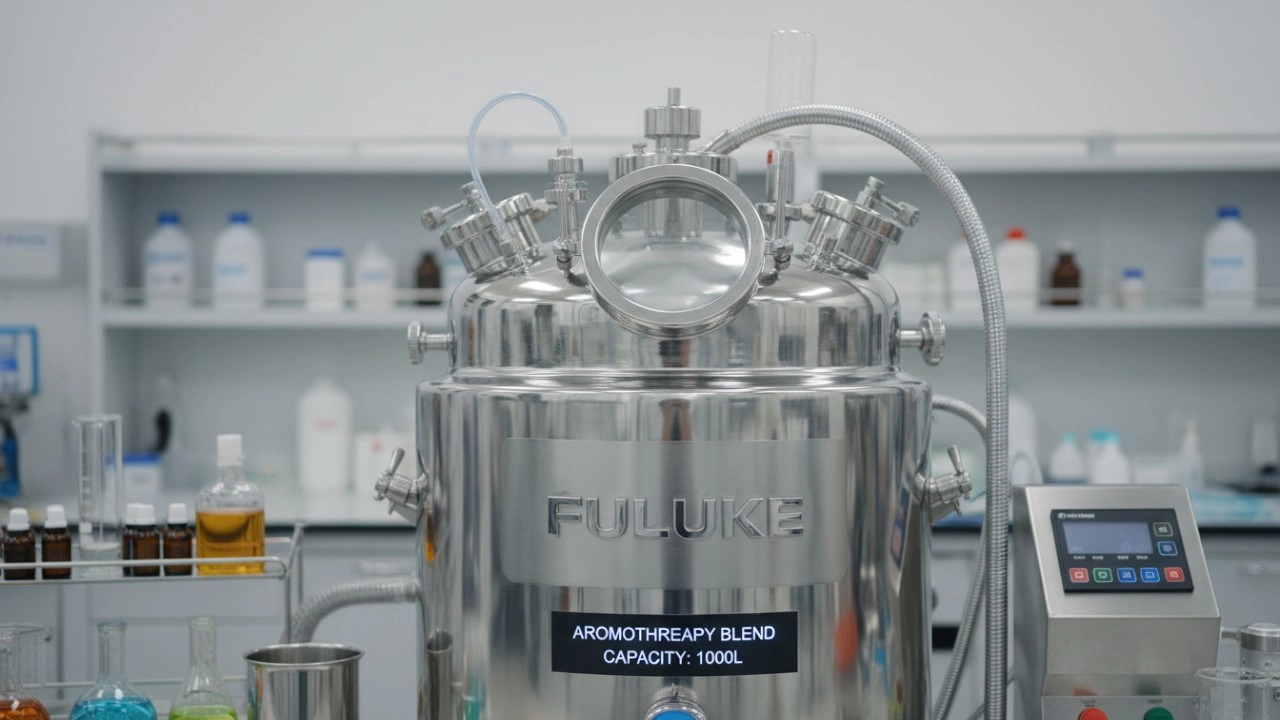
How Mixing Tanks Are Used in Aromatherapy & Cosmetics: The 2026 Guide
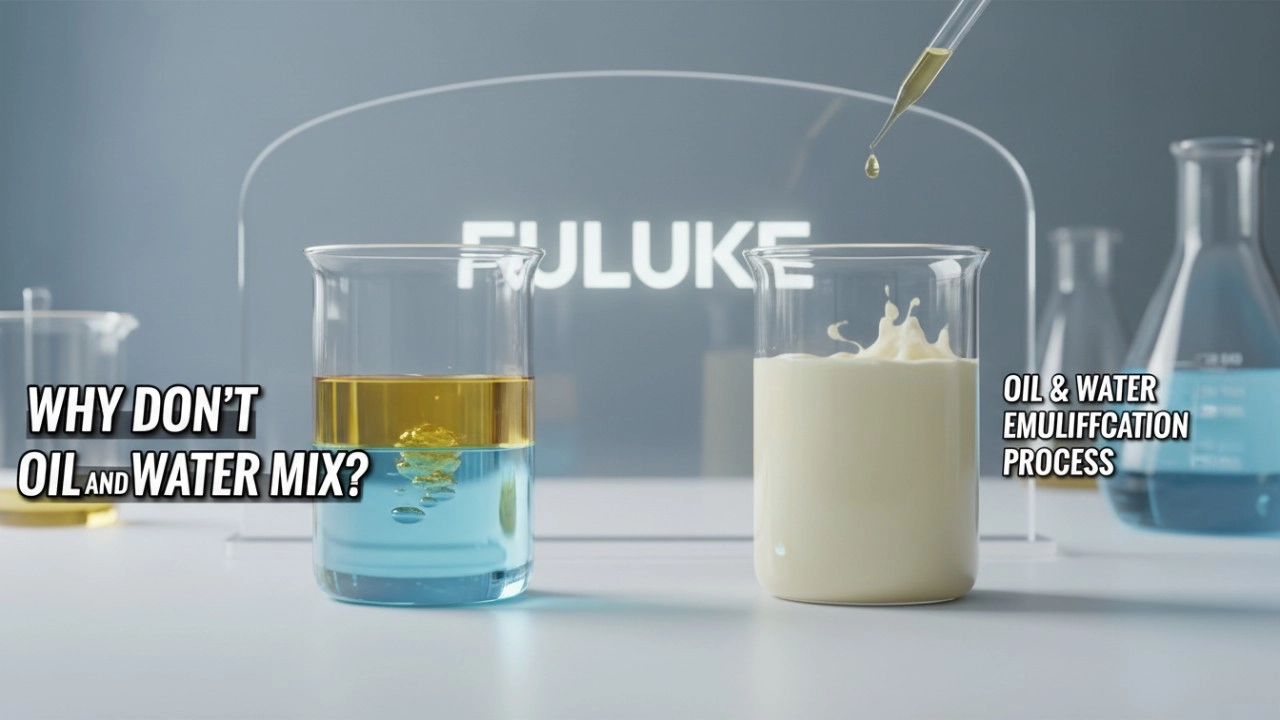
5 Revolutionary Methods to Mix Oil and Water: A Deep Dive into Advanced Emulsification (2026 Guide)
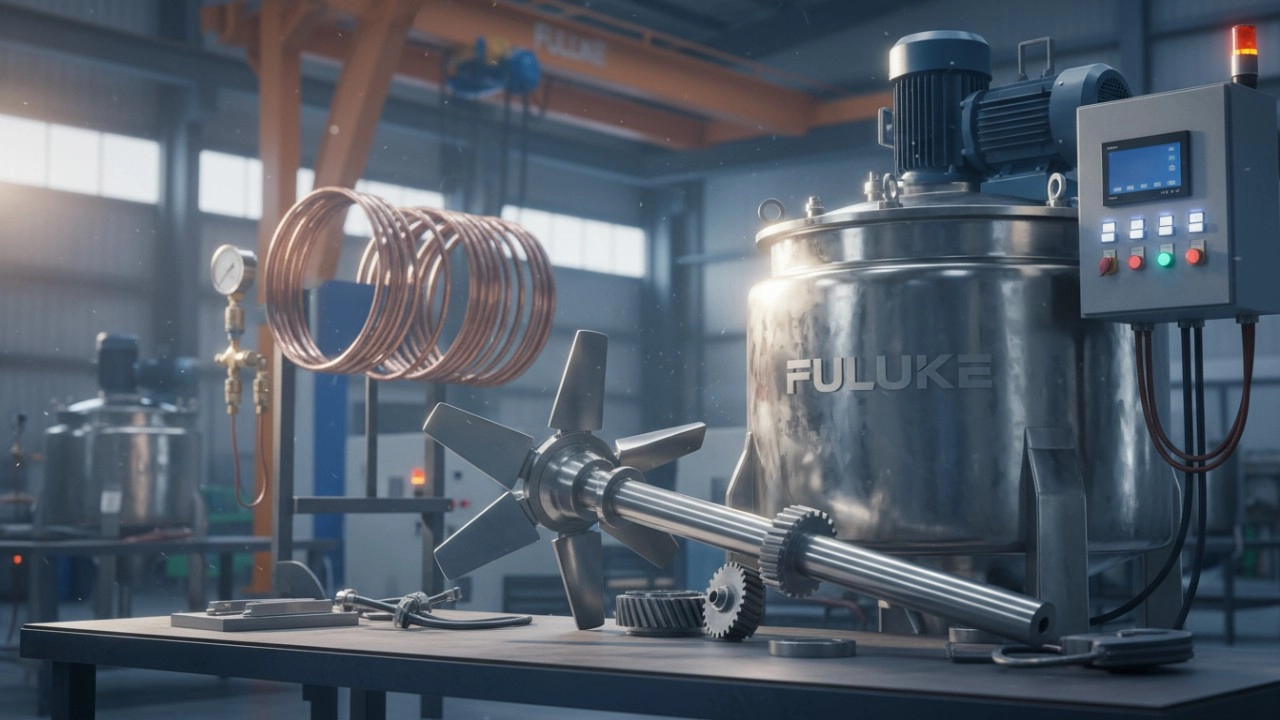
Top 7 Mixing Tank Component Failures (And How to Prevent Costly Downtime) in 2026
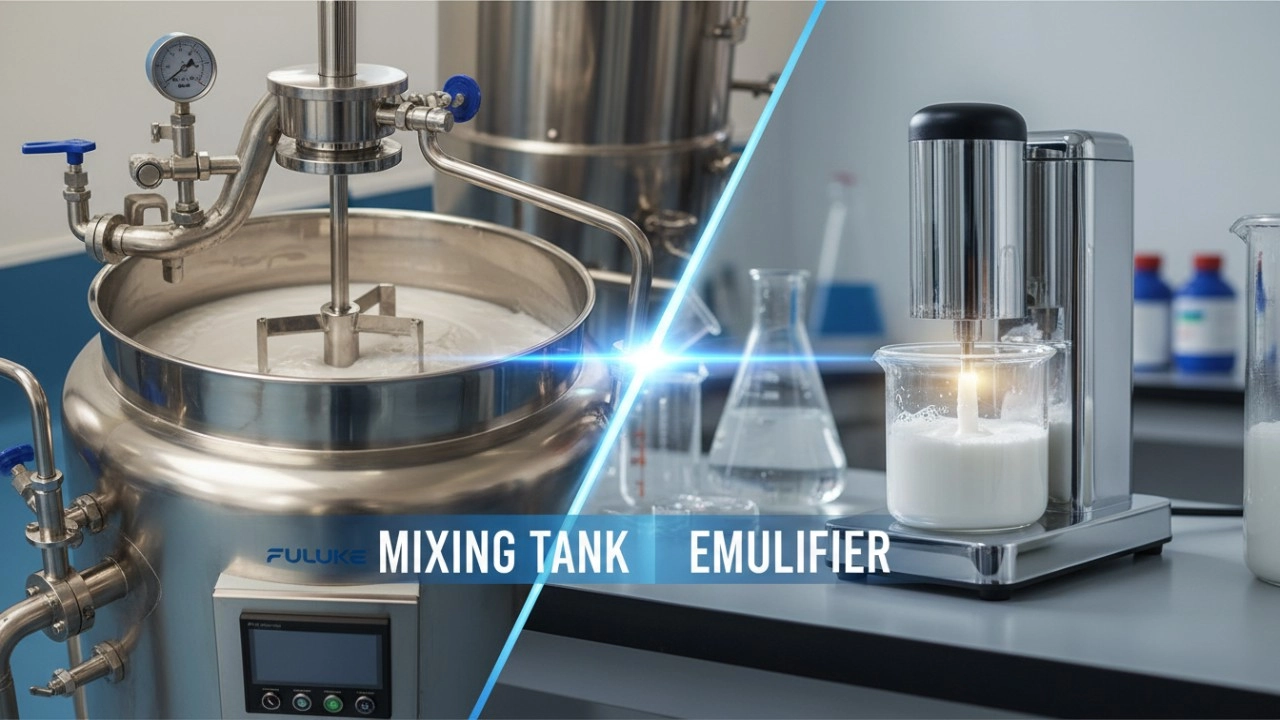
High-Shear Emulsifier vs. Standard Mixing Tank: A Deep Dive into Process Efficiency
Automatic Capping Machine
What causes leakage or loose caps after capping?
Most likely, the capping torque parameters do not match the product characteristics. You can recalibrate the torque through the touch screen. If the problem persists, check whether the bottle clamp is too loose or whether there is any dimensional deviation in the cap.
Vacuum Emulsifying Machine
What industries is the vacuum emulsifier suitable for?
It is widely applicable to the production needs of creams, lotions, gels, ointments, etc. in the cosmetics, pharmaceutical, food, chemical and other industries.
How does the vacuum homogenizer work?
The vacuum homogenizer's operating process revolves around four core steps: vacuum degassing, high-speed homogenization and emulsification, stirring and mixing, and temperature control. Through the coordinated operation of multiple systems, it achieves refined material processing. The following is its specific operating principle and process:
1. Pretreatment: Material feeding and vacuum environment establishment
Material preparation: First, add the basic materials, such as the oil phase (such as oils and waxes) and the aqueous phase (such as water and water-soluble ingredients), to their corresponding batching tanks or directly into the main emulsifier in sequence.
Evacuation: Activate the vacuum system (consisting of a vacuum pump, vacuum valve, etc.) to evacuate the interior of the emulsifier, creating a negative pressure environment (typically up to -0.09 MPa).
2. Core Process: Temperature Control (Heating/Cooling)
3. Core Process: Agitation and Mixing
Agitation Structure: Typically uses a "frame agitator + scraper" combination (for high-viscosity materials):
Through shearing, folding, and convection, the different materials are initially mixed and their stratification is broken down.
The PTFE scraper rotates closely against the pot wall, thoroughly scraping away any sticky material adhering to the pot wall, preventing localized overheating and residue, and ensuring zero dead zones.
4. Core Process: High-Speed Homogenization and Emulsification
Homogenizer Structure: A high-speed rotating homogenizer is installed at the bottom (or side) of the emulsifier, consisting of a rotor (with sharp teeth) and a stator (with fixed teeth). Working Principle: The rotor rotates at an extremely high speed, generating a strong centrifugal force that draws the material into the gap between the rotor and the stator. In this gap, the material is subjected to the triple effects of shear force, impact force, and turbulent force. The teeth of the rotor and stator quickly cut the material and generate high-frequency vibrations.
Who are we?
Our headquarters is located in Guangzhou, Guangdong, China, and our factory is located in Yangzhou, Jiangsu. Our products are sold all over the world. We have approximately 50 employees in our company and factory.
Perfume Freezing Filter Making Machine
Who are we?
Our headquarters is located in Guangzhou, Guangdong, China, and our factory is located in Yangzhou, Jiangsu. Our products are sold all over the world. We have approximately 50 employees in our company and factory.
Get in touch with FULUKE
If you have any comments or good suggestions, please leave us a message, later our professional staff will contact you as soon as possible.
You May Also Like
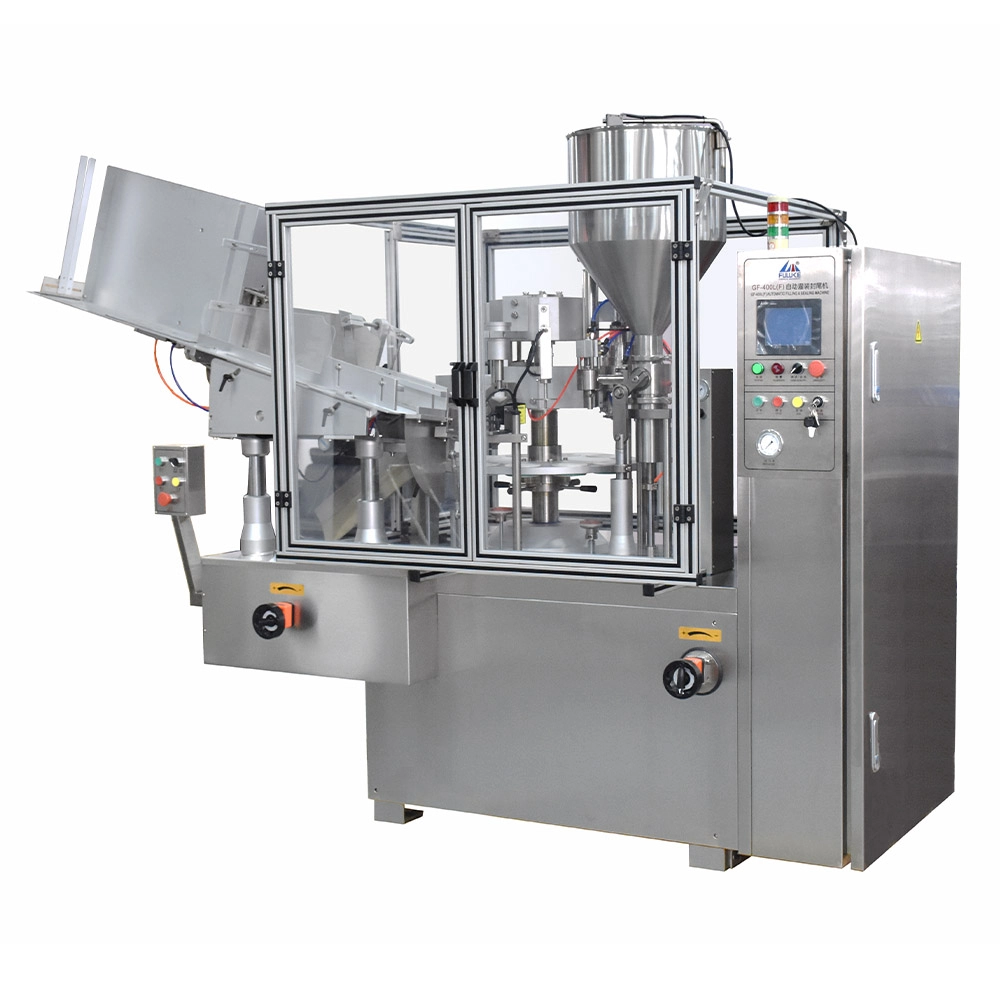
Automatic Tube Filling and Sealing Machine Toothpaste Sunscreen and Facial Cleanser Filling and Sealing Machine for Plastic and Aluminum-plastic Tube
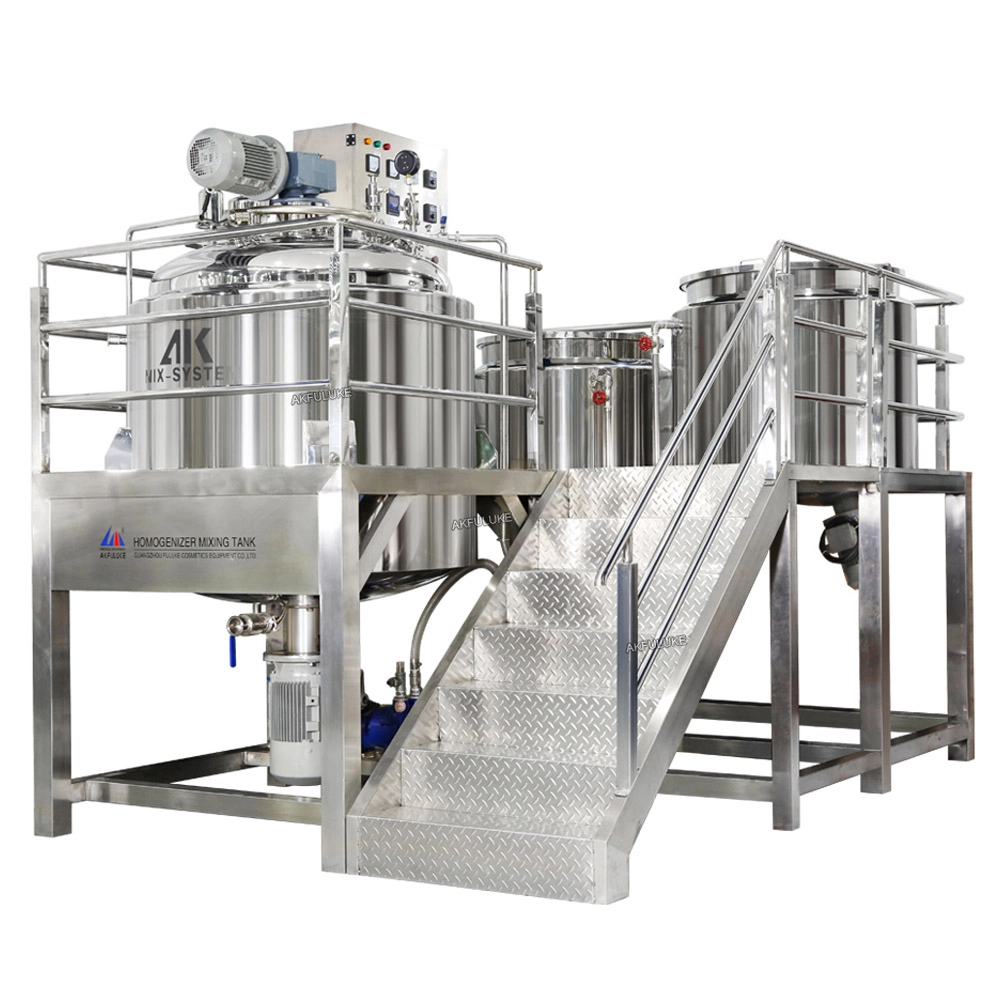
Fixed Type Vacuum Mixing Emulsifying Equipment for Cosmetic Cream Ointment Lotion Vacuum Homogenizer Mixer
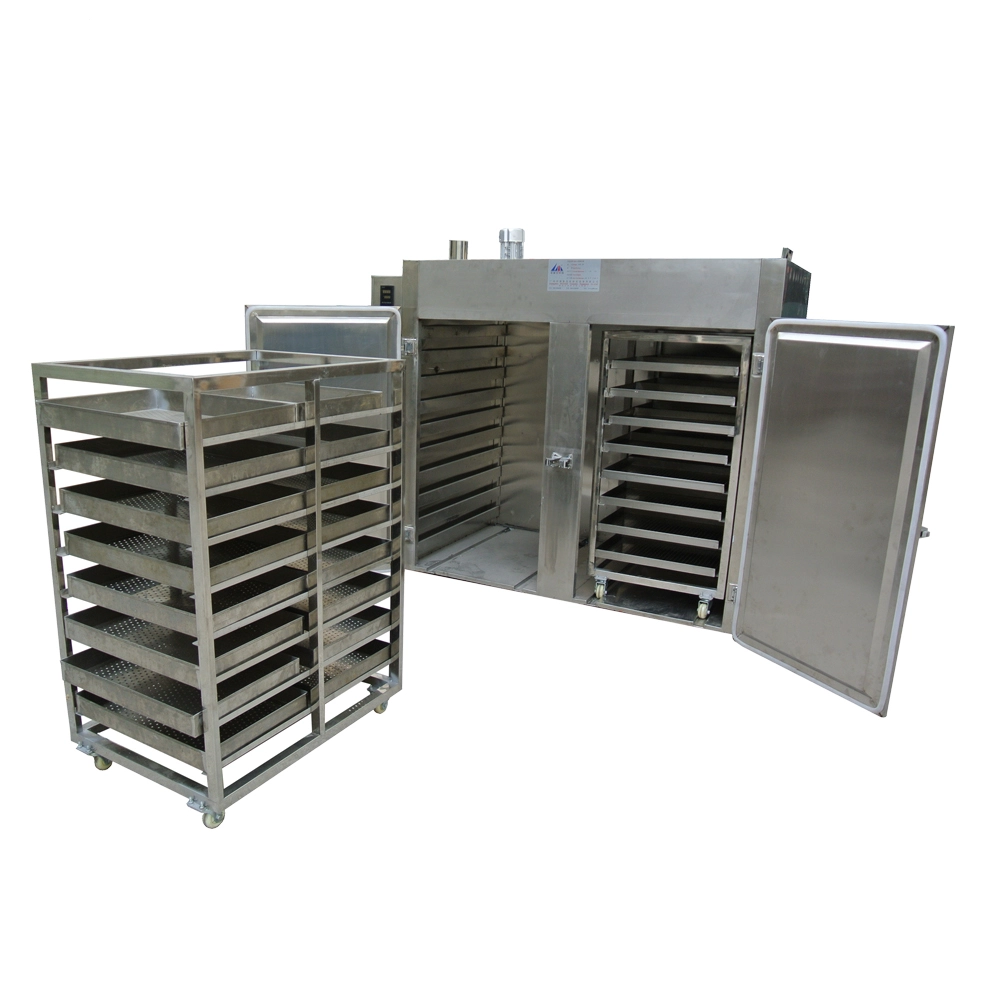
Over for Bottles High Temperature Sterilizer Tray Dryer Large Hot Air Circle Drying Oven for Glass Bottle Jar Cup Can

Automatic Glass Bottle Washing Machine High Quality Glass Bottle Cleaning Washer

A leading manufacturer specializing in advanced machinery and complete production lines for the cosmetics, food, pharmaceutical, and chemical industries worldwide.
Contact FULUKE
Facebook
Instagram
YouTube